


Hesitating before you clean your floors? You're not alone. The fear of water damage is real, but living with dull, grimy floors isn't the solution. Let's clear this up: you absolutely can mop hardwood floors safely. The key isn't avoiding water completely, but controlling it. It all comes down to using the right tools and the right technique for your floor's finish. Forget the horror stories. We'll show you the simple, step-by-step method to get a sparkling clean surface without any risk.
Key Takeaways
- Embrace the "damp mop" technique: The key to safely cleaning hardwood is using minimal water. Your mop head should be wrung out until it feels slightly damp, not wet, allowing your floors to dry within a minute and preventing moisture damage.
- The right tool protects your floors: Opt for a microfiber mop, like a spin or flat-head model, to gain complete control over moisture levels. Avoid tools like string mops and steam cleaners that can oversaturate wood and cause irreversible damage.
- Simple habits prevent big problems: Always sweep or vacuum before mopping to remove abrasive grit that can scratch your floor's finish. Acting fast to blot up spills is your best defense against stains and water spots.
Is It Safe to Mop Hardwood Floors with Water?
The idea of taking a wet mop to a beautiful hardwood floor can feel a little scary. We’ve all heard the horror stories about warping, staining, and ruining that gorgeous finish. So, can you actually use water to clean them? The answer is a resounding yes, but it’s all about how you do it. With the right technique and tools, you can keep your floors sparkling clean without causing any damage. It’s not about avoiding water completely; it’s about using it smartly. Before you grab your bucket, there are a few crucial things to understand, like your floor's finish and why "damp" is the magic word. Let's break down exactly how to approach this so you can clean with confidence.
The Quick Answer (and a Few Rules to Follow)
Let's clear this up right away: You absolutely can mop your hardwood floors with water. The trick is to be very careful about how much you use. Think "damp," not "soaking wet." Too much water is the real enemy here, as it can seep into the wood and cause long-term damage. The same goes for harsh cleaning chemicals, which can strip the floor's protective finish over time. A lightly damp mop with plain water or a pH-neutral cleaner is all you need for a routine clean.
You'd Be Surprised How Much Dirt Is Hiding
Even if your hardwood floors look spotless, they are likely hiding more dirt than you can imagine. It’s easy to underestimate just how much grime builds up from daily foot traffic, dust, and pet dander. One homeowner shared that after mopping their seemingly clean floors for the first time, the water was completely black after just a few rinses, revealing how much filth can get trapped on the surface. This is a perfect example of why a quick sweep often isn't enough to get a truly deep clean. Without regular mopping, you’re essentially just living with a layer of invisible dirt that dulls your floor’s natural shine and can even harbor allergens.
To tackle this hidden grime effectively, a consistent cleaning routine is your best strategy. Always start by sweeping or vacuuming the floor to pick up any loose debris like dust, hair, and crumbs. This simple first step is crucial because it prevents you from scratching the floor’s finish while you mop. Once the surface is clear, you can safely move on to mopping. The key is to use the "damp mop" technique, which involves wringing out your mop head until it’s only slightly damp to the touch. This method ensures you’re using just enough water to clean without oversaturating the wood, allowing your floors to dry quickly and stay protected.
First Things First: Check Your Floor's Finish
Before you even think about mopping, you need to know what kind of floors you’re working with. Specifically, are they sealed? Most modern hardwood floors have a protective top coat (like polyurethane), but older or specialty floors might not. An unsealed floor is like a sponge, ready to soak up any liquid it touches. To check, just place a single drop of water on the floor in an out-of-the-way spot. If the water beads up and sits on the surface, your floors are sealed. If it soaks in and darkens the wood, stop right there—your floors are unsealed and should only be swept and spot-cleaned.
Sealed vs. Unsealed: Why Does It Matter for Mopping?
That little water drop test is so important because a sealant acts as a shield. It creates a non-porous barrier between the raw wood and the outside world. This protective layer is what allows you to safely use a damp mop, as it prevents water from penetrating the wood itself. Without that seal, water can soak directly into the wood fibers, causing them to swell, warp, or even rot from the inside out. This is why you should never use a wet mop on unsealed or worn-out floors where the finish has been compromised.
What Happens When You Use Too Much Water on Hardwood?
Hardwood floors are a beautiful investment, but they have one major weakness: water. While it might seem like the most natural cleaner, using too much water can cause serious, sometimes irreversible, damage. When wood gets overly saturated, it acts like a sponge, absorbing the moisture and setting off a chain reaction of problems. From the shape of the boards to the color of the finish, excess water can quickly turn your stunning floors into a major headache. Understanding these risks is the first step to protecting your floors and keeping them looking their best for years to come.
Understanding Warping and Cupping
One of the most dramatic signs of water damage is when your floorboards start to change shape. When wood planks absorb too much water, they swell up. Since they’re installed tightly together, this expansion causes the boards to bend, bow, or lift away from the subfloor—a process known as warping or buckling. You might also see "cupping," where the edges of a plank become higher than its center. These issues aren't just cosmetic; they create uneven surfaces and tripping hazards, and unfortunately, they are very difficult to fix once they happen.
How Water Can Dull Your Finish
Ever notice your once-gleaming hardwood floors looking a bit lackluster? Over-mopping could be the culprit. Excess water can slowly eat away at the protective finish on your floors, leaving them looking dull and worn out. Beyond just dulling the shine, water can also cause discoloration. If moisture seeps into the wood, it can leave behind dark stains or cause the wood to fade unevenly. Using the right cleaning cloths to immediately tackle messes is key to preventing this kind of long-term damage and keeping your finish intact.
The Problem with Stains and Water Spots
Even small amounts of standing water can leave their mark. You know those faint, cloudy rings that glasses leave on a wood table? The same thing can happen to your floor. These water spots occur when moisture evaporates, leaving mineral deposits behind on the finish. In more serious cases where water penetrates the wood, it can lead to dark, permanent stains. This lingering moisture also creates the perfect environment for mold and mildew to grow, which often appears as unsightly black or white splotches between the floorboards.
How to Spot Early Signs of Water Damage
Staying vigilant is the best way to catch water damage before it gets out of hand. Regularly give your floors a quick inspection, especially after cleaning. Keep an eye out for any red flags like boards that are starting to warp or cup at the edges. Check for any discoloration, fading, or dark spots that weren't there before. You should also look closely for any signs of mold. If you notice your floorboards feel soft or spongy in certain areas, it’s a definite sign that moisture has gotten in.
How to Mop Hardwood Floors the Right Way
Now that you know the risks, let's talk about the right way to mop. It’s not complicated, but it does require a specific technique to protect your investment and keep your floors looking their best. Think of it less as "mopping" and more as "damp wiping." The goal is to lift dirt and grime without leaving excess moisture behind. By following a few simple steps, you can safely clean your hardwood floors and avoid the common pitfalls that lead to damage. This method is gentle, effective, and ensures your floors stay beautiful for years to come. It all starts with using the right amount of water and the correct tools for the job.
Prep Your Floors Before You Mop
This might be the most important step in the entire process, and it’s one people often rush. Before a single drop of water touches your floor, you need to get rid of all the loose dirt, dust, and debris. Think about it: if you start mopping a gritty floor, you’re essentially just pushing around tiny bits of sandpaper, which can create fine scratches and dull your floor’s beautiful finish over time. Taking a few extra minutes to properly prep the surface ensures your mop is actually cleaning the wood, not just making mud. This simple habit protects your floors from damage and makes the mopping part of the job faster and much more effective.
Pick Up Debris Before Sweeping
Before you grab your broom or vacuum, take a quick walk around the room and do a visual scan. Look for any larger pieces of debris—things like small pebbles tracked in from outside, bits of food, or anything that looks sharp or gritty. It’s always best to pick these up by hand. Sweeping or vacuuming over a small rock can drag it across the floor, leaving a noticeable scratch in its wake. Once the bigger culprits are gone, you can move on to sweeping or dust-mopping. A quality broom with angled bristles is great for getting into corners and along baseboards to gather all the fine dust, pet hair, and dirt that accumulates.
Use the Right Vacuum Attachments
If you prefer to vacuum, make sure you’re using the right tool for the job. Not all vacuums are created equal when it comes to hardwood. The biggest thing to avoid is a vacuum with a beater bar—that’s the rotating brush with stiff bristles designed to agitate carpet. On a hardwood floor, that aggressive brush can easily scratch or scuff the finish. Instead, use a vacuum that has a dedicated hardwood floor setting, which typically turns the beater bar off. Even better is using a soft brush attachment or a vacuum head specifically designed for hard surfaces. This ensures you’re lifting away dirt and dust without causing any unnecessary wear and tear on your floors.
How to Perfect the Damp Mop Technique
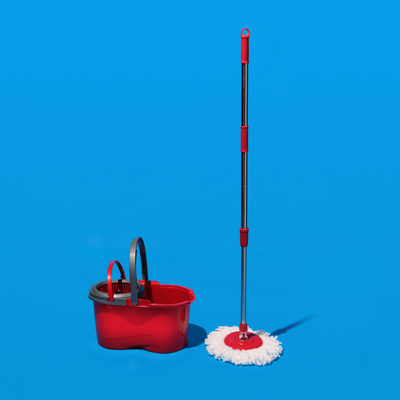
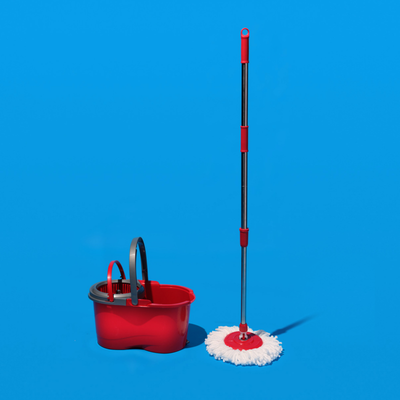
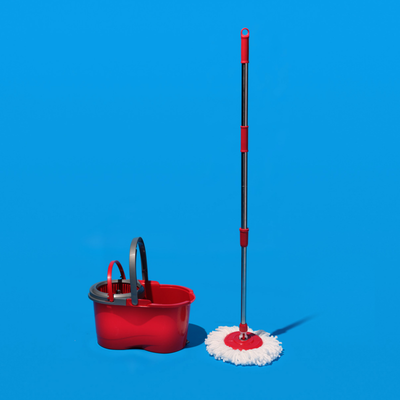
The secret to safely cleaning hardwood is the "damp mop" method. This means your mop head should be barely wet, not dripping or saturated. Too much water is the enemy of wood, as it can seep between the planks and cause long-term damage. A slightly damp mop has just enough moisture to grab dust and grime without leaving puddles or even a noticeable film of water behind. The floor should dry within a minute or two after you pass over it. A great way to achieve this is with a system like the Revolution Spin Mop, which is designed to wring out the perfect amount of water every time.
The Right Way to Wring Out Your Mop
This step is critical. Before your mop touches the floor, it needs to be wrung out thoroughly. Whether you’re using a spin mop or a traditional string mop, squeeze and twist until it no longer drips. When you touch the mop head, it should feel damp, not wet. A good rule of thumb is that if you can see water trails or droplets on the floor after mopping, your mop is too wet. Getting this right is the single most important thing you can do to protect your hardwood. Using high-quality mops with effective wringing mechanisms makes this process much easier and more consistent.
Why You Should Always Spot Test First
Before you clean the entire floor with a new cleaning solution—even a DIY one—always do a spot test. Different floor finishes react in different ways, so what works for one floor might not work for another. Choose a hidden area, like inside a closet or under a large piece of furniture, and apply a small amount of your cleaning solution with one of your cleaning cloths. Let it dry completely and check for any discoloration, dulling, or sticky residue. This quick, simple check can save you from accidentally damaging your entire floor’s finish.
A Quick Tip: Always Mop with the Grain
Here’s a pro tip that makes a surprising difference: always mop in the same direction as the wood planks. This is known as mopping "with the grain." Following the direction of the wood helps you clean out the tiny grooves and crevices where dirt likes to hide. Mopping against the grain can push dirt deeper into these cracks and may leave behind subtle streaks. Working with the grain ensures a smoother, cleaner appearance and helps maintain the natural beauty of the wood. It’s a small detail that contributes to a flawless finish.
Try the "Snake Pattern" for Full Coverage
To make your mopping as efficient as possible, try the "snake pattern." Instead of mopping in straight, separate lines, move your mop in a continuous S-shape as you walk backward out of the room. This simple technique ensures you cover every inch of the floor without missing spots or accidentally trapping yourself in a corner. As one cleaning expert recommends, you should "mop in a 'snake pattern' to make sure you catch all the dirt." This method also keeps you from pushing dirty water back over areas you’ve just cleaned, giving you a more thorough result and preventing moisture from pooling in any one spot.
Use Fans to Help Floors Dry Faster
Remember, the goal is to get your floors dry as quickly as possible. Even with a perfectly damp mop, you can speed up the process to be extra safe. A great trick is to turn on a ceiling fan or set up a couple of box fans to circulate the air after you’re done mopping. This helps the minimal moisture evaporate almost instantly. As many cleaning pros suggest, you should never let water sit on the floor. If you notice any areas that seem a bit too damp, you can also go over them with a clean, dry microfiber cloth to blot up any remaining moisture. This final step is your best insurance against water spots and long-term damage.
What's the Best Mop for Hardwood Floors?
Choosing the right mop for your hardwood floors isn't just about getting them clean—it's about protecting your investment. The wrong tool can leave behind too much water, causing warping, discoloration, and long-term damage to the wood and its finish. The goal is to find a mop that cleans effectively while using the absolute minimum amount of moisture.
The secret lies in control. You need a mop that you can wring out until it’s just barely damp to the touch. This is where the material and design of the mop head become incredibly important. A great hardwood floor mop will pick up dust, dirt, and grime without soaking the surface or leaving streaks behind. Forget the old-school, sopping-wet string mops of the past. Modern mops are designed with delicate surfaces like hardwood in mind, giving you a safe and simple way to keep them looking their best.
Why Microfiber Is Your Best Friend
If hardwood floors have a best friend, it’s microfiber. This material is a game-changer for a few key reasons. First, microfiber cloths are made of ultra-fine synthetic fibers that are fantastic at grabbing and holding onto dust, pet hair, and dirt instead of just pushing them around. Second, and most importantly for wood, microfiber is highly absorbent but also releases water easily. This means you can wring a microfiber mop head out until it’s almost dry, which is exactly what you need for a safe “damp mop.” Its soft texture also ensures you won’t scratch or dull your floor’s delicate finish while you clean.
Our Top Picks for Microfiber Mops
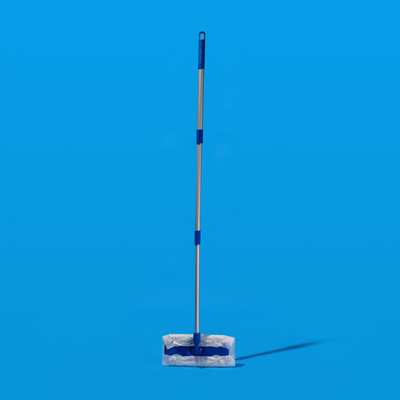
When it comes to the best design, a spin mop with a microfiber head is a top contender. The spinning mechanism in the bucket does the hard work for you, wringing out far more water than you could by hand. The Lola Revolution Spin Mop is a perfect example, allowing you to control the exact level of dampness for a worry-free clean. Flat-head mops with removable and washable microfiber pads are another excellent choice. They provide great coverage and make it easy to maintain a clean mopping surface every time you tackle the floors.
Lola Products' Hardwood-Safe Mops
When it comes to cleaning hardwood, having the right mop is everything. It’s the key to protecting your floors while getting that satisfying, sparkling clean. At Lola Products, we designed our hardwood-safe mops with one goal in mind: to give you a powerful clean without the risk of water damage. We know the secret lies in using the right tools, and our mops are built to help you master the perfect technique every time. The "damp mop" method is the most effective approach, and our mops make it simple. They are designed to be wrung out until they are just damp, not saturated, ensuring your floors dry within a minute or two and preventing moisture from seeping between the planks.
The magic is in the material. Microfiber is a key feature of our mops because it’s highly absorbent yet releases water easily, giving you total control. These ultra-fine fibers are also fantastic at grabbing and holding onto dust and dirt instead of just pushing it around. For the ultimate peace of mind, our top pick is the Lola Revolution Spin Mop. Its built-in spinning mechanism does the hard work for you, effortlessly wringing out excess water. This gives you complete control over the moisture level, so you can clean safely and effectively, preserving your floor's beautiful finish. With the right tools from Lola Products, you can stop worrying and start enjoying your clean floors with confidence.
Which Mops Should You Avoid for Hardwood?
Steer clear of any mop that holds onto too much water. Traditional cotton string mops and classic sponge mops are the biggest culprits here. They become heavily saturated and are nearly impossible to wring out sufficiently, leaving puddles and excess moisture on your wood floors. You should also be very cautious with steam mops. While they are great for sanitizing tile or vinyl, the combination of high heat and moisture can penetrate the finish of a hardwood floor, potentially causing it to warp, peel, or become cloudy over time. It’s best to stick with tools that keep moisture and heat to a minimum.
What to Look For in a Hardwood-Safe Mop
So, what should you look for? First, prioritize a mop with an excellent wringing system, whether it’s a built-in spinner or a bucket designed for the job. Second, make sure the mop head is made from a soft, non-abrasive material like microfiber to protect the floor’s finish. Finally, remember that the mop is only half the battle. Always pair your mop with a pH-neutral cleaning solution specifically formulated for hardwood floors. Using the right cleaning accessories and solutions will ensure your floors stay beautiful for years to come.
Alternative Mopping Methods for Delicate Floors
If you're still feeling a bit hesitant about using a traditional mop, even a well-wrung one, don't worry. There are other fantastic methods that give you even more control over moisture, ensuring your delicate floors stay safe. These alternatives are perfect for older floors, floors with a worn finish, or for anyone who just wants extra peace of mind. They focus on precision and using the absolute minimum amount of water necessary to get the job done, so you can clean effectively without the stress.
Using a Spray Mop
A spray mop is an excellent solution for anyone nervous about water control. These tools are designed for precision, allowing you to apply a very fine mist of cleaner or plain water directly onto the floor right before you wipe. This method uses significantly less water than traditional mopping, which means your floors dry almost instantly, minimizing any risk of moisture damage. You have complete control over where the liquid goes and how much you use, making it a safe choice for sealed hardwood. Just be sure to pair it with a pH-neutral cleaner specifically made for wood to protect the finish.
Cleaning by Hand
For truly delicate, old, or valuable hardwood floors, sometimes the old-fashioned way is the best way. Cleaning on your hands and knees with a damp cloth gives you the most control possible. It might sound like a lot of work, but it’s the gentlest method available. Simply dip a soft, absorbent microfiber cloth into your cleaning solution, wring it out until it’s barely damp, and wipe the floors by hand. This technique is perfect for spot-cleaning sticky messes or carefully tending to high-traffic areas without ever oversaturating the wood. It’s the ultimate safeguard for floors that need a little extra care.
Choosing the Right Cleaning Solution
Once you’ve mastered the damp-mop technique, the next question is what to put in your water. The cleaning aisle is packed with options, and DIY recipes are everywhere online. The right cleaning solution will lift dirt without leaving behind a sticky residue or damaging your floor’s delicate finish. The wrong one can make your floors look dull, feel grimy, or even strip away the protective sealant over time. Your choice between a commercial product and a homemade solution often comes down to personal preference and your floor's specific needs. Just remember that when it comes to hardwood, gentle and simple is always the best approach. Let's look at a few safe and effective options.
Recommended Commercial Cleaners
If you prefer the convenience of a store-bought cleaner, look for products specifically labeled as "pH-neutral" and safe for hardwood floors. A pH-neutral formula is gentle and won't leave behind an alkaline or acidic residue that can dull the finish or attract more dirt. Brands like Bona or EcoLab are popular choices because they are designed to clean effectively without harsh chemicals. Always read the label carefully to ensure the product is compatible with your type of floor finish. A quick check can save you from accidentally using a cleaner that's too aggressive for your beautiful wood floors.
A Simple DIY Cleaner Recipe
You don't need a cabinet full of chemicals to get your floors clean. For a simple and effective homemade solution, all you need is warm water and a few drops of a mild, natural dish soap. Just fill your bucket with warm water and add no more than two or three drops of soap—using too much will leave a sticky film behind. This gentle mixture is perfect for cutting through everyday grime without being harsh on your floor's finish. As a bonus, some people like to add a tiny bit of olive oil to the mix for a natural, subtle shine.
Why You Should Rinse After Using Soap
If you choose to use a DIY soap solution, there’s one extra step that makes all the difference: rinsing. Even a small amount of dish soap can leave behind a subtle residue. Over time, this film can build up, dulling your floor’s shine and becoming a magnet for dust and footprints. To avoid this, after you’ve mopped with the soapy water, go over the floor one more time. Simply use a clean mop head dampened with plain water. This quick rinse removes any leftover soap, ensuring a streak-free finish that’s truly clean.
Check with Your Floor's Manufacturer
When in doubt, always go straight to the source. Your floor's manufacturer provides the most reliable information on how to care for it. Different finishes, from polyurethane to wax, have unique cleaning requirements, and using the wrong product could potentially void your warranty. Before you try any new cleaner, commercial or DIY, it’s a smart move to check the care and maintenance guide for your specific flooring. This ensures you're using products that will protect your investment and keep it looking great for years to come.
What to Avoid When Cleaning Hardwood Floors
Knowing what *not* to do is just as important as knowing the right way to clean. The internet is full of cleaning "hacks" that might work wonders on tile or linoleum but can be disastrous for hardwood. Certain common household cleaners and tools are simply too harsh for wood and can cause irreversible damage to the finish and the planks themselves. Protecting your floors means steering clear of abrasive chemicals, excessive moisture, and rough cleaning tools. Before you reach for that all-purpose cleaner or a trendy gadget, make sure it’s not on the list of things that can ruin your beautiful hardwood floors. A little caution goes a long way in preserving their warmth and shine.
Steer Clear of Acidic Cleaners
You might see vinegar and lemon juice recommended as natural, all-purpose cleaners, but you should keep them far away from your hardwood floors. These ingredients are highly acidic, and that acid can slowly eat away at your floor's protective finish. Over time, using an acidic cleaner will dull the shine and leave the wood vulnerable to scratches and water damage. While they are fantastic for cutting through soap scum in the shower, their chemical makeup is just too harsh for the delicate sealant on your floors. Stick to pH-neutral options to keep that finish strong and glossy.
How to Handle Tough Stains Safely
The best way to deal with spills and potential stains is to act fast. Use a soft, absorbent cloth to blot up any liquid immediately before it has a chance to soak into the wood. For sticky messes or set-in spots, resist the urge to grab a steel wool pad or a harsh chemical cleaner. Instead, use a bit of your approved hardwood floor cleaner on a soft cloth. If you need a little more cleaning power, gentle scrubbers designed to be non-scratch can help lift the spot without damaging the finish. The key is to be gentle and avoid abrasive tools that can create permanent scratches.
Simple Habits to Protect Your Hardwood Floors
Keeping your hardwood floors looking their best is about building simple habits. It's not about marathon cleaning sessions, but small, consistent actions that prevent big problems. Staying on top of dust, spills, and dirt protects the wood's finish and natural beauty, ensuring your floors stay gorgeous for years.
Prep Your Floors Before You Mop
Before mopping, get rid of loose dirt and dust. Mopping a dirty floor just pushes grime around and can create tiny scratches from grit. Always vacuum or sweep first. Use a vacuum head with soft bristles that’s safe for wood. A thorough sweep with one of our angled brooms is a perfect way to prep the surface, making sure you get into corners and along baseboards.
Clean Up Spills the Moment They Happen
When something spills, clean it up right away. Water is not a friend to hardwood, and even a small puddle can cause damage if left to sit. Liquids can seep between boards, causing them to swell, or leave behind sticky spots that attract more dirt. Keep a stack of absorbent cloths handy so you can blot up any accidents the moment they happen. A quick response is your best defense.
A Simple Daily and Weekly Cleaning Checklist
A simple schedule makes floor care feel less like a chore. For daily upkeep, a quick spot-sweep in high-traffic areas makes a huge difference. On a weekly basis, set aside time for a more thorough cleaning. Start by vacuuming or sweeping the entire floor. Then, use a dry mop with a microfiber head to pick up any remaining dust. This routine prevents the buildup of abrasive particles that can wear down your floor’s finish.
Adjusting for Homes with Pets or Kids
If you have kids or pets, you know that messes are a part of life. Your cleaning routine just needs to be a bit more frequent. Daily sweeping or vacuuming becomes essential to manage pet hair, crumbs, and tracked-in dirt. For stubborn pet fur that weaves into everything, a tool like the Lola Rola Sticky Mop can be a lifesaver for picking it up without sending it flying. The most important rule is to act fast on spills. Whether it’s muddy paw prints or a knocked-over cup of juice, blotting the mess immediately prevents stains and stops moisture from seeping into the wood. Keep one of your microfiber mops ready for quick, damp cleanups of any sticky spots to keep your floors looking great, no matter what life throws at them.
What to Do When You Have Tougher Messes
For sticky spots or scuffs that a damp mop can’t handle, use a cleaner specifically formulated for hardwood floors. Avoid all-purpose cleaners, which can be too harsh and strip the wood’s protective finish. If you use a wood-safe soap, be sure to rinse the area thoroughly with a clean, damp cloth afterward, as leftover residue can attract dirt. For built-up grime, a gentle, non-abrasive scrubber can help lift the mess without causing damage.
Use Protective Furniture Pads
One of the easiest and most effective ways to protect your hardwood floors is by adding felt or rubber pads to the bottom of your furniture legs. Think about how often you slide a chair out from the table or shift the sofa slightly—each movement can create tiny scratches that add up over time. These protective pads act as a soft cushion between your furniture and the floor, preventing scuffs, scratches, and dents. They are inexpensive, easy to apply, and an absolute must for everything from dining chairs and tables to heavy couches and bookshelves. Taking a few minutes to install these pads is a small step that offers huge protection for your investment.
Place Mats at Entryways and Remove Shoes
Think of your entryways as the first line of defense for your hardwood floors. Placing durable mats both outside and inside every door is crucial for trapping dirt, grit, and moisture before they get tracked through your home. Small pebbles and debris stuck in the treads of shoes can act like sandpaper on your floor’s finish, causing scratches and dulling the surface over time. To take it a step further, establishing a "no shoes" policy inside is a game-changer. It significantly reduces the amount of abrasive dirt brought into the house and minimizes wear and tear, keeping your floors cleaner and in better condition for much longer.
Maintain Ideal Humidity Levels
Wood is a natural material that responds to its environment, which means it expands when it's humid and contracts when it's dry. These fluctuations can cause your floorboards to warp, cup, or even develop gaps between them. To keep your hardwood stable, it's important to maintain a consistent indoor humidity level. According to the National Wood Flooring Association, the ideal range is between 30% and 50%. You can monitor this with a simple device called a hygrometer. In dry winter months, you might need a humidifier to add moisture to the air, while a dehumidifier can help remove excess moisture during humid summers, ensuring your floors stay flat and beautiful.
Related Articles
- To Mop or Not to Mop: The Ultimate Guide to Wood Floor Cleaning (Without Driving Yourself Crazy)
- Not That Hard to Clean
- MOP, MOP and AWAY: How To Clean Your Home's Floors Leaving Them Spotless
- 3 Basic Tips To Safeguard Your Laminate Flooring
- Mop Magic: 7 Quirky Ingredients to Turn Your Floors Into Shiny Dance Floors
Frequently Asked Questions
How often should I be mopping my hardwood floors? This really depends on how much foot traffic your home gets. For busy areas like kitchens and entryways, a weekly damp mop is a good rule of thumb. For less-used spaces like bedrooms or a formal dining room, you can probably get away with mopping once or twice a month. The most important thing is to stay on top of daily sweeping or vacuuming to prevent grit from scratching the finish.
Can I use a homemade cleaner like vinegar and water? It’s best to be very careful with DIY solutions on hardwood. While many people use vinegar, its acidic nature can gradually break down and dull your floor’s finish over time. For a routine clean, plain water on a well-wrung mop is often all you need. If you need more cleaning power, your safest bet is to use a pH-neutral cleaner specifically designed for hardwood floors.
What's the best way to clean unsealed hardwood floors? If your floors are unsealed, you should avoid using water and a mop altogether. Your cleaning routine should focus entirely on dry methods. Use a soft-bristled broom or a vacuum to remove dust and debris regularly. For a deeper clean, a dry microfiber dust mop will work wonders to pick up anything left behind. If you have a sticky spot, apply a wood-safe cleaner to a cloth—never directly to the floor—and gently buff the area.
How do I know if my mop is wrung out enough? Here’s a simple test: after wringing it out, the mop head should feel just barely damp to the touch, not wet or saturated. When you pass the mop over the floor, it shouldn't leave behind any visible water trails or puddles. The moisture should evaporate and the floor should be completely dry within a minute. If it’s taking longer than that to dry, your mop is still too wet.
Why is mopping with the grain so important? Mopping with the grain helps you get a deeper, more effective clean. Wood planks have tiny grooves and texture, and moving your mop in the same direction helps lift dirt out of those crevices. If you mop against the grain, you risk pushing dirt deeper into the wood and can leave behind subtle streaks that disrupt the floor's smooth appearance. It’s a small detail that makes a big difference in the final result.









Comments