


Before you toss that entire mop in the trash just because the head is worn out, wait! Simply replacing the mop head is a smarter, more sustainable choice that saves you money and reduces waste. It’s a small change that keeps a perfectly good tool in use for years to come. The only hurdle is figuring out how to get the old one off without a fight. That’s where this guide comes in. We’ll teach you how to remove a mop head from a twist mop, no matter how stubborn it seems. Mastering this simple skill will make your cleaning tools last longer, perform better, and keep your home sparkling without constantly buying new supplies.
Key Takeaways
- Check the Connection Point First: Before you try to remove the head, figure out if it uses a push-button, lever, or screw-on system. This simple check prevents you from struggling with a mechanism you don't understand.
- Got a Stuck Mop Head? Don't Force It: A stubborn mop head is usually just stuck with grime. Try cleaning the connection point and flipping the mop upside down for a better grip before twisting counter-clockwise.
- Regular Care Extends Mop Head Life: Make your mop head last longer by rinsing it thoroughly and letting it air dry completely after every use. Replace it every 2-3 months, or as soon as it looks frayed, smells musty, or leaves streaks behind.
First Things First: What's a Twist Mop?
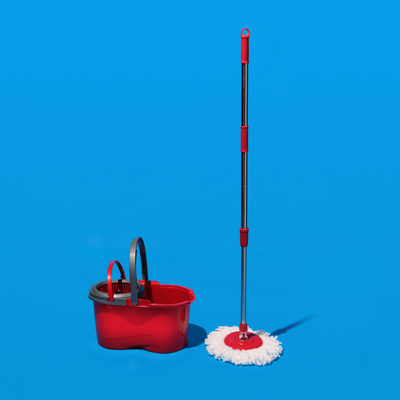
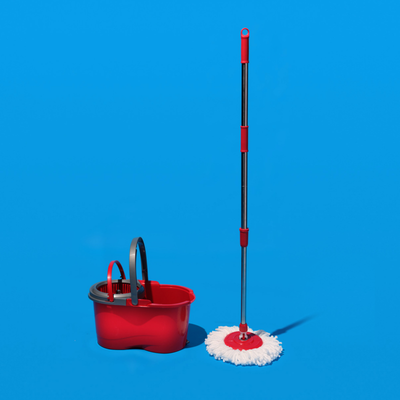
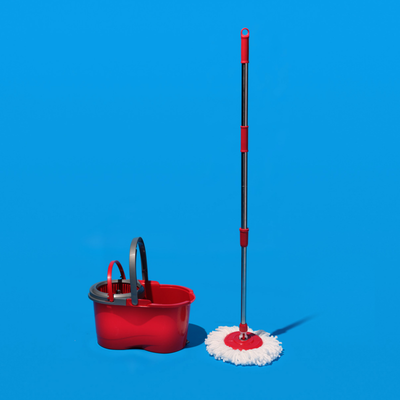
Before we get into the nitty-gritty of swapping out a mop head, let's make sure we're all on the same page. A twist mop is a clever cleaning tool designed to make your life easier. At its core, it’s a mop with a super absorbent head, usually made of microfiber, attached to a handle with a special built-in wringing mechanism. Instead of getting your hands dirty or fumbling with a separate bucket wringer, you simply twist the handle. This action wrings the mop head for you, giving you total control over how damp it is.
This simple but effective design has made twist mops a go-to for homeowners. They are fantastic for tackling everything from sticky spills in the kitchen to muddy paw prints in the hallway. The ability to easily control the water level means they work well on a variety of floor types, including hardwood, tile, and laminate, without leaving them overly saturated. It’s this combination of convenience and performance that makes them such a staple in the cleaning closet. So, if you're looking for an efficient way to keep your floors sparkling, a good twist mop is a fantastic place to start. It's a practical solution that takes a lot of the work out of mopping.
Breaking Down the Key Parts
A twist mop might seem straightforward, but knowing its main components can make using and maintaining it a breeze. First, you have the mop head itself. This is the part that does all the heavy lifting. Most modern twist mops feature a head made of absorbent microfiber, which is excellent for trapping dirt and grime. The head is designed to be removable and replaceable, usually connected to the handle with a simple locking mechanism. Next is the handle, which houses the wringing system. This is what sets the twist mop apart. A section of the handle slides or turns, engaging a mechanism that twists and squeezes the mop head to remove water. It’s a simple, effective system that keeps your hands clean and dry.
The Perks of Using a Twist Mop
So, why choose a twist mop over other options? The benefits really come down to efficiency and control. The microfiber material on most twist mop heads is a game-changer, picking up far more dirt and spills than traditional cotton mops. Plus, the built-in wringing mechanism is the star of the show. It lets you precisely manage how wet the mop is, which means your floors dry faster and you’re left with a streak-free shine. This is especially great for moisture-sensitive flooring like hardwood. Many twist mops also feature larger heads, helping you clean more floor space in less time. It’s a smart, practical tool that simplifies your cleaning routine.
A Quick Guide to Twist Mop Types
Before you can wrestle that old mop head off, you need to know what kind of twist mop you’re working with. Most mops use one of three common mechanisms to attach the head to the handle, and figuring out which one you have is the most important first step. Once you identify the system, removing the head is usually pretty straightforward. Let’s walk through the different types you’re likely to find in your cleaning closet so you can get the job done.
The Push-Button Release System
Many modern twist mops are designed for convenience, featuring a simple push-button release. Look for a small button or a plastic lever near the very bottom of the mop handle where it connects to the head. To release it, all you typically need to do is press the button firmly. The lock will disengage, and you should be able to slide the mop head right off. If you’re pressing the button and nothing is happening, try wiggling the head a bit to loosen it. For stubborn ones, looking up your specific model online can provide helpful visual guides.
The Lever-Operated System
Another common design uses a lever or knob that’s part of the twisting mechanism itself. With this system, you don’t have a separate button to press. Instead, you’ll typically pull the main twisting handle or lever all the way up or down, which loosens the internal grip holding the mop head in place. For example, on some models, pulling the twist control lever away from the head allows you to easily pull the head off without much effort. It’s a simple design that uses the mop’s core function to also handle head replacement, making it quick and intuitive once you know what to look for.
The Classic Threaded (or Screw-On) System
If your mop doesn’t have any obvious buttons or levers, you likely have a classic threaded system. Think of it like unscrewing a bottle cap. To remove the mop head, you’ll need to twist it counter-clockwise. This can sometimes require a bit of muscle, especially if it’s been on there for a while. For extra leverage, you can step on the mop head with one foot to hold it steady while you twist the handle. This method is common on many traditional mop designs, and a quick video tutorial can be a lifesaver if you’re struggling to get it loose.
Getting Ready: What You'll Need
Gather Your Supplies
Before you start wrestling with your mop, let's get everything in order. The most obvious thing you'll need is your shiny new replacement mop head. Having it on hand means you can swap it out right away. If you're feeling a bit unsure about your specific model, don't sweat it. A quick search on YouTube for your mop's brand and model can be a lifesaver—seeing someone else do it can make all the difference! And if you still have the original packaging or manual, it might have some helpful diagrams. Having the right mop head refills ready makes the whole process a breeze.
A Quick Safety Check
To make this job as clean and simple as possible, take a moment for a quick safety check. First, wring out the old mop head as much as you can. A sopping wet mop head is messy and slippery, making it tough to get a good grip. Next, flip your mop upside down so it's standing on its handle. This brings the head up to a more comfortable height, so you're not hunched over. Finally, make sure your new replacement head is completely dry. This will help you handle it securely without it slipping out of your hands. These small steps prevent a watery mess and make the switch-out go much more smoothly.
Your Step-by-Step Guide to Removing a Twist Mop Head
Ready to give your twist mop a fresh start? Changing the mop head is one of the quickest ways to improve your cleaning power. While the exact method can vary slightly from brand to brand, the basic idea is usually the same: release a locking mechanism, then twist the head off. It might sound tricky, but once you know what to look for, you’ll be swapping out old, grimy mop heads for fresh ones in no time.
Before you get started, take a close look at where the mop head connects to the handle. Do you see any buttons, levers, or pins? Or does it look like it simply screws on? Identifying the type of connection is half the battle. If you find that your current mop is more trouble than it's worth, it might be time to explore some new mops that make the process a breeze. Below, we’ll walk through the steps for some of the most common twist mop brands to get you on your way.
Step 1: Prep Your Mop
First, make sure your mop is clean and dry, as a wet, dirty mop head is much harder to handle. Find a comfortable spot to work, like a utility room or garage. The general rule for removing a twist mop head is to release whatever is locking it in place and then turn the head counter-clockwise (to the left) while gently pulling it away from the handle. This "lefty-loosey" motion is standard for most models. If it feels stuck, don't force it just yet—there might be a specific button or lever you've missed.
How to Remove an O-Cedar MicroTwist Head
O-Cedar mops are popular, and thankfully, their mop heads are designed for easy removal. To get the old head off, start by pulling on the twist control lever near the base of the handle. This action should release the tension holding the mop head in place. Once you’ve done that, you can simply pull the old, worn-out head straight off the mop base. It should slide off without much resistance, making it easy to pop on a fresh refill and get back to cleaning.
How to Remove a Mr. Clean Mop Head
The Mr. Clean twist mop uses a pin-and-button system that is quite secure. First, look for a small, C-shaped pin near the connection point and carefully pull it out. This pin is a key part of the locking mechanism. Next, you should see two blue buttons on either side of the mop base. Squeeze both of these buttons at the same time. While keeping them pressed, slide the entire mop head assembly off the handle. It’s a straightforward process once you get the hang of the C-pin and buttons.
How to Remove an HDX Mop Head
The HDX mop features a double-button release system. Start by locating the main release button on the handle, just above the mop head. You’ll need to press the smaller buttons located just below it. After that, look for two more buttons hidden inside the plastic part of the head itself. Press these two inner buttons simultaneously, and the mop head should release from the handle. This design is extra secure, so make sure you’ve pressed all the necessary buttons before trying to pull the head off.
How to Remove a Threaded Mop Head (Rubbermaid & Addis)
Threaded, or screw-on, mop heads are very common and often the simplest to change. For brands like Addis, start by pushing the wringer mechanism down to loosen the mop strands. Then, get a firm grip on the tough scrubbing pad at the very top of the mop head. While holding the handle still, twist the mop head to the left (counter-clockwise) until it comes off. For a Rubbermaid mop, the process is even easier: just stand the mop upside down, resting the handle on the floor, and twist the head counter-clockwise to unscrew it.
Help! My Mop Head Is Stuck
It happens to the best of us. You’re ready to swap out that grimy mop head for a fresh one, but it just won’t budge. It feels like it’s been superglued to the handle. Don’t worry, and definitely don’t throw your mop across the room in frustration (I’ve been tempted). A stuck mop head is usually caused by built-up dirt, mineral deposits from hard water, or simply being screwed on a little too tight. With a few simple tricks, we can usually get it loose without much fuss. Before you resign yourself to buying a whole new mop, let’s try a few troubleshooting steps to get things moving again.
Troubleshooting a Stubborn Mop Head
When your mop head refuses to cooperate, your first move should be to consult the experts. Check the original packaging or the manufacturer’s website for a user manual. Often, they have specific instructions or diagrams that can show you the exact release mechanism you might be missing. If you’ve long since tossed the packaging, your next best friend is the internet. A quick search on YouTube for your specific brand and model (for example, “how to remove Lola spin mop head”) can provide a visual guide that makes all the difference. Seeing someone else do it can help you pinpoint the problem area.
Check for Dirt and Debris
One of the most common culprits behind a stuck mop head is gunk. Over time, dirt, soap scum, and hard water minerals can build up in the threads or locking mechanism, essentially cementing the head in place. Take a close look at the area where the head connects to the handle. If you see any visible grime, it’s time for a little cleaning. You can use an old toothbrush or one of your other cleaning brushes to scrub away the buildup. Sometimes, soaking the connection point in a bucket of warm, soapy water for about 15-20 minutes can help dissolve the gunk and loosen its grip.
Get a Better Grip: Positioning Tips
Sometimes, all you need is a little more leverage. Trying to twist a mop head while it’s dangling in the air can be awkward and ineffective. For a much better grip, try flipping the mop upside down so the head is facing the ceiling and the end of the handle is resting on the floor. This position allows you to use your body weight to hold the handle steady while you apply focused twisting force to the head with both hands. It feels much more stable and gives you greater control, making it easier to get things moving.
Using Force (The Right Way)
If you’re going to apply some muscle, make sure you’re twisting in the right direction. Remember the old saying: "righty-tighty, lefty-loosey." To unscrew the mop head, you’ll need to turn it counter-clockwise. Grip the base of the mop head firmly with both hands and give it a strong, steady twist to the left. Avoid jerky movements, as that can damage the plastic threading. If it still won’t move, try wrapping a rubber glove or a towel around the head for extra grip. Just be careful not to force it so hard that you break the plastic. If it snaps, you’ll definitely need to find a mop refill.
Putting on the New Mop Head
Okay, the old, grimy mop head is gone—good riddance! Now for the satisfying part: putting on a fresh, clean one. This step is usually much simpler than taking the old one off, but you want to make sure you do it right. A wobbly mop head is not only annoying but also makes cleaning way less effective. Getting a secure fit means you can scrub with confidence and get your floors sparkling clean without any hitches. Let's walk through how to get your new mop head on correctly and give it a quick check before you start cleaning.
Make Sure It's Securely Attached
Grab your new mop head refill and line it up with the base of the handle. For most twist mops, you'll just need to press it firmly into place. Listen for a distinct "click" or feel for it to snap securely onto the base. Once it feels like it's on, give the handle a little twist, just like you would when wringing it out. This helps confirm that it's locked in and won't pop off mid-scrub. A secure attachment is key to getting the most out of your mop and avoiding any frustrating interruptions while you clean.
Give It a Quick Test
Before you dip it into your bucket of cleaning solution, give the new mop head a quick once-over. Wiggle it a bit to make sure it’s firmly attached to the handle and doesn't feel loose. A wobbly head won't give you the pressure you need for tough spots. Once you start mopping, pay attention to how wet the head gets. If it seems overly saturated, just give the handle another twist to wring out the excess water. This simple step is a game-changer for preventing streaks and getting that perfect, polished finish on your floors. Now you're all set with a fresh mop and ready to tackle any mess.
Keep Your Mop in Top Shape
A new mop head feels great, but the real secret to a lasting clean is proper care. Taking a few extra minutes after you're done mopping will make a huge difference in how well your mop performs and how long it lasts. Think of it as a little TLC for one of the hardest-working tools in your home. With the right routine, you can keep your floors sparkling and your mop ready for action.
Simple Cleaning and Care Tips
To keep your twist mop effective, you’ll want to clean the head after each use. Most microfiber mop heads can be tossed in the washing machine on a warm cycle, or you can wash them by hand. Just be sure to skip the bleach and fabric softener, as they can break down the microfiber’s cleaning power. After washing, hang the mop head up to air dry or lay it flat. Avoid putting it in the dryer, especially on high heat, which can damage the fibers. A pro tip: wash your mops separately from towels to prevent lint from clinging to them.
How to Prevent Buildup
Proper storage is just as important as cleaning. To prevent mildew and musty smells, always store your mop in a dry, well-ventilated area with the head off the floor. This allows it to dry completely between uses. Every so often, it’s a good idea to check the twist mechanism itself. Dirt and debris can get caught in there, making it harder to wring out the water effectively. A quick wipe-down with a damp cloth or one of your other cleaning accessories can keep the parts moving smoothly and ensure you get a perfect wring every time.
When Should You Replace Your Mop Head?
Think of your mop head as the tires on your car—it does all the heavy lifting, and eventually, it’s going to wear out. Using a dirty, worn-out mop head is one of the most common cleaning mistakes. Instead of lifting dirt and germs off your floors, you end up just spreading them around. A fresh mop head, on the other hand, grabs grime effectively, absorbs spills completely, and leaves your floors sparkling.
Knowing when to call it quits on your old mop head is key to maintaining a truly clean home. While the lifespan of a mop head depends on how often you use it and what kind of floors you have, every mop head has an expiration date. Cotton string mops might wear differently than microfiber ones, but they all lose their cleaning power over time. By learning to spot the signs of a worn-out mop head and adopting a few simple care habits, you can make sure your cleaning efforts are actually paying off. It saves you time, frustration, and ensures your home is as hygienic as it looks. It's a simple swap that can completely change the outcome of your cleaning routine, turning a chore into a satisfying task with visible results.
Telltale Signs It's Time for a New One
Not sure if your mop head is past its prime? Your mop will usually give you a few clear signals that it’s ready for retirement. If you notice any of these signs, it’s time to swap it out for a fresh one. A new mop head is a small investment that makes a huge difference in the quality of your clean.
Here’s what to look for:
- It looks frayed and thin. If the strands are matted, falling apart, or noticeably less full than when you bought it, the mop has lost its ability to scrub and absorb effectively.
- It has a funky smell. A persistent musty or sour odor, even after a good wash, means bacteria or mildew has settled deep within the fibers.
- It’s leaving floors streaky. A good mop head should leave your floors clean and clear. If it’s leaving behind streaks, lint, or a dirty film, it’s no longer doing its job.
- It’s permanently discolored. While some staining is normal, a mop head that remains dark and grimy after washing is holding onto old dirt that you don’t want on your floors. When you see these signs, it's time to check out some new mop refills.
How to Make Your Mop Head Last Longer
You can extend the life of your mop head and keep it cleaning effectively with just a little bit of routine care. Taking a few extra minutes after you clean will prevent bacteria growth and keep the fibers in top shape. Most experts recommend replacing your mop head every two to three months, but proper maintenance can help you get the most out of it during that time.
Follow these simple steps:
- Rinse it well after each use. Once you’re done mopping, rinse the mop head thoroughly with hot water until the water runs clear. This removes any leftover dirt and cleaning solution.
- Wash it correctly. Many modern mops have machine-washable heads. If yours does, wash it in warm water on a gentle cycle. Avoid using bleach or fabric softener, as these can break down the fibers and reduce their absorbency.
- Dry it completely. This is the most important step. Wring out as much water as possible and hang the mop in a well-ventilated area to air dry. Storing a damp mop invites mold and mildew.
Choosing the Right Replacement Mop Head
Okay, you’ve successfully removed the old, grimy mop head. High five! Now comes the fun part: picking a new one. This step is more than just grabbing the first one you see at the store. The right replacement head can completely change your cleaning game, making the job faster and your floors shinier. Think of it like getting new tires for your car—the right set makes for a much smoother ride. A great mop head works with you, not against you, turning a tedious chore into a quick and satisfying task.
Choosing a mop head that’s compatible with your handle and made from high-quality materials ensures you get the most out of every swipe. It prevents the frustration of a wobbly or ill-fitting head and delivers a much deeper clean. When your tools work correctly, you can spend less time scrubbing and more time enjoying your sparkling home. Plus, a durable, well-made mop head will last longer, saving you money and trips to the store. So, before you add just any refill to your cart, let's walk through the two most important things to look for to make sure you get it right. It’s a simple check that makes a world of difference.
Check for Compatibility
First things first, you need to make sure the new mop head will actually fit your mop handle. It sounds obvious, but it’s a common mistake to make in a hurry! Mop heads aren't one-size-fits-all. The best way to avoid a mismatch is to check the brand and model of your mop, which you can often find printed somewhere on the handle. If you still have the original packaging, even better. Knowing whether you have a push-button, lever, or threaded system will guide you to the correct replacement. When you have the new head, make sure it's the right size for your mop handle before you try to attach it.
Look for Quality Materials
The material of your mop head directly impacts how well it cleans. While old-school cotton mops have been around forever, modern materials like microfiber are a total game-changer. Microfiber is incredibly absorbent and fantastic at grabbing dirt, dust, and grime instead of just pushing it around. A genuine microfiber material is much better at picking up spills and leaving floors streak-free. Investing in a quality replacement head means you’ll get a more effective clean with less effort. You can find a variety of durable and effective mops and refills that will leave your floors looking their best.
Related Articles
- Washable Mop Head 101: The Ultimate Guide
- Are Spin Mop Heads Washable? The Right Way to Clean
- Can I Wash My Spin Mop Head? Yes! Here's How
Frequently Asked Questions
How often should I really be replacing my mop head? A good rule of thumb is to swap it out every two to three months, but this can change depending on how often you clean. If you're mopping high-traffic areas several times a week, you might need a new one sooner. The best way to know is to look for the telltale signs: if the strands look thin and frayed, if it has a funky smell that won't wash out, or if it starts leaving streaks on your floors, it's definitely time for a fresh start.
My mop head is stuck and won't twist off. What's the most common reason for this? More often than not, a stuck mop head is caused by a buildup of dirt, soap scum, or mineral deposits from hard water that have essentially glued the threads together. Before you use too much force, try soaking just the plastic connection point in a bucket of warm, soapy water for about 20 minutes. This can help dissolve the gunk and make it much easier to loosen.
Can I just throw my mop head in the washing machine? Yes, most modern microfiber mop heads are designed to be machine washable, which is a huge time-saver. Just be sure to wash it on a warm, gentle cycle. The most important thing to remember is to skip the fabric softener and bleach, as both can damage the delicate microfibers and make them less effective at cleaning. For best results, let it air dry completely before storing it.
Does it matter what brand of replacement head I buy? It absolutely matters. Mop heads are not a one-size-fits-all product, and each brand typically uses its own unique locking system, whether it's a specific button, lever, or threaded design. To avoid frustration, always buy a refill that is specifically made for the brand and model of your mop handle to ensure it clicks in securely and functions correctly.
Why does my mop leave streaks on the floor even after I've changed the head? Streaks are almost always a sign of too much water being left on the floor. Even with a brand-new mop head, you need to make sure you're wringing it out properly. That's the beauty of a twist mop—it gives you control. Give the handle an extra twist to squeeze out more water, especially for sensitive surfaces like hardwood or laminate. A damp mop, not a soaking wet one, is the key to a streak-free shine.









Comments