


You know the feeling. You’re walking barefoot through the kitchen and your foot sticks to an invisible, tacky spot. Or maybe you notice your once-white socks are looking a little dingy by the end of the day. These are the little signs our homes give us when they need a good cleaning. Instead of sticking to a rigid schedule, the real secret is learning to read these cues. Forget guessing how often to mop; let your floors tell you exactly what they need. We’ll cover the most common signs it’s time to grab the mop and restore that fresh, clean feeling under your feet.
Key Takeaways
- Clean for Your Floor Type: Protect your floors by matching your mopping technique to the material. Use minimal water on sensitive surfaces like hardwood and laminate, and save the deeper scrubs for durable tile or vinyl.
- Let Your Lifestyle Dictate the Schedule: A weekly mop is a great starting point, but your actual routine should depend on your home's activity. Homes with kids, pets, or lots of visitors will need more frequent cleaning, especially in high-traffic zones like kitchens and entryways.
- Always Prep Before You Mop: The secret to a streak-free finish is to sweep or vacuum first. Removing loose debris prevents you from pushing dirt around with a wet mop, ensuring you get a truly clean surface every time.
How Often to Mop: A Guide for Every Floor Type
Not all floors are created equal, and your mopping schedule should reflect that. The material under your feet determines how often you need to clean and which tools will give you the best results without causing damage. Think of it as a custom care plan for your home. Using the right frequency and technique for your specific floor type will keep it looking its best for years to come. Let’s break down the ideal mopping routine for the most common flooring materials.
Keeping Your Hardwood Floors Clean
Hardwood floors add warmth and beauty to a home, but they require a gentle touch. Plan to mop them once a week using a damp—not soaking wet—microfiber mop. The key is to limit the amount of water you use. Excess moisture can seep between the boards, causing them to warp, swell, or stain over time. Wring your mop out thoroughly until it’s just slightly damp before you begin. This weekly refresh is perfect for lifting dust and minor scuffs without putting your beautiful wood floors at risk. Using the right mops designed for hardwood can make all the difference.
Mopping Tile and Natural Stone
Tile and stone floors are durable and can handle a bit more cleaning muscle, especially in busy areas. For kitchens, bathrooms, and entryways, a weekly mopping is a good rule of thumb. If you have kids, pets, or a passion for cooking, you might find yourself mopping these high-traffic zones more often to keep up with spills and tracked-in dirt. In less-used areas, you can stretch it to every two weeks. Don’t forget about the grout lines, which can trap grime. A good deep clean with specialized scrubbers every few months will keep them looking fresh.
Maintaining Your Laminate Floors
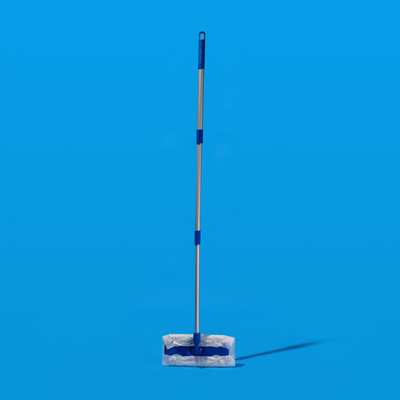
Laminate flooring gives you the look of wood without the high maintenance, but it shares one important rule: avoid excess water. Like hardwood, laminate can be damaged by too much moisture, which can cause the edges of the planks to swell. A weekly cleaning with a lightly dampened microfiber mop or a spray mop is all you need. Before you mop, it’s a great idea to go over the floor with a dry duster or a sticky mop like the Lola Rola Sticky Mop to pick up any loose debris. This prevents you from just pushing dirt around with a wet mop.
Cleaning Vinyl and Linoleum Floors
Vinyl and linoleum are some of the most resilient and low-maintenance flooring options out there. A weekly mopping is generally enough to keep them clean and shiny. However, these floors are pretty forgiving. If you’re diligent about wiping up spills as they happen and have a no-shoes-in-the-house rule, you can easily get away with mopping every other week. For quick clean-ups between mopping sessions, having good sponges & scourers on hand is a lifesaver. This flexibility makes vinyl and linoleum a practical choice for busy households.
Why Regular Mopping Matters for Your Home and Health
Mopping might feel like just another chore on your to-do list, but it’s one of the most impactful things you can do for your home and well-being. It goes far beyond just making your floors look shiny and clean. A consistent mopping routine is a powerful tool for creating a healthier living environment for you and your family. From the air you breathe to the longevity of your floors, the benefits are more significant than you might think. Let's explore why grabbing that mop is about more than just tackling a sticky spot—it's an investment in your home's health and your peace of mind.
Improving Indoor Air Quality
Have you ever noticed how dust seems to resettle almost immediately after you’ve finished cleaning? That’s because dust, pollen, pet dander, and other tiny particles float in the air until they land on a surface, like your floor. Every time you walk across the room, these particles get kicked back up into the air you breathe. Regular mopping helps trap and remove these airborne irritants, which can significantly improve the air quality in your home. Using effective cleaning cloths and mops ensures you’re capturing this dust instead of just pushing it around, leading to a fresher, cleaner, and more breathable space for everyone.
Preventing Buildup of Allergens and Bacteria
Your floors are a collecting ground for all sorts of invisible things you’d rather not think about. Allergens get tracked in on shoes, pet dander settles after your furry friend walks by, and bacteria can multiply in high-traffic areas like the kitchen and bathroom. If you have family members with allergies or little ones who love to play on the floor, mopping is non-negotiable. It does more than just wipe away visible dirt; it helps reduce the allergens and bacteria that accumulate over time. A thorough mopping with the right cleaning solution sanitizes your floors, creating a healthier surface for bare feet and playtime.
Protecting Your Floors from Damage
Think of regular mopping as preventative maintenance for one of your home's biggest investments: your flooring. Tiny particles of dirt, sand, and grit act like sandpaper underfoot, scratching and dulling your floor’s finish over time. By removing this debris regularly, you protect the surface and keep it looking its best for years. It’s also crucial to use the right technique for your specific floor type. As we've mentioned, excess moisture can cause wood or laminate to warp and stain. Using the right mops and just enough water ensures you’re cleaning effectively without causing unintended harm, preserving the beauty and integrity of your floors.
Factors That Change How Often You Should Mop
Figuring out the perfect mopping schedule isn’t about following a strict rule—it’s about understanding your own home. The classic “mop once a week” advice is a great starting point, but it doesn’t account for real life. Your ideal routine depends entirely on what happens within your four walls. A quiet, two-person household will have very different needs than a bustling home with kids, pets, and lots of visitors.
Think of your mopping schedule as a flexible guide rather than a rigid chore list. Factors like your family size, lifestyle, and even the weather outside play a huge role in how quickly your floors get dirty. By paying attention to these unique details, you can create a custom cleaning plan that keeps your floors looking their best without adding unnecessary work to your plate. Let’s look at the key things that will influence how often you should pull out the mop.
How Foot Traffic Impacts Your Floors
The number of people walking through your home is one of the biggest factors in how often you need to mop. If you live alone or with a partner and you both work outside the home, your floors can likely go a week or even two between moppings. However, if you have a larger family or frequently host guests, dirt, dust, and grime will build up much faster. High-traffic areas like entryways, hallways, and the main living space will show wear first. A quick daily sweep with a good broom can help extend the time between mopping sessions.
When You Have Kids and Pets
Anyone with children or furry friends knows they are magnets for messes. From muddy paws and shedding fur to spilled juice and tracked-in dirt, kids and pets guarantee your floors will need more frequent attention. In a home with pets, you might find yourself mopping high-traffic zones every few days just to keep pet hair and dander under control. For quick pickups of pet hair and crumbs between deeper cleans, a tool like the Lola Rola Sticky Mop can be a lifesaver. The more activity you have from your smallest family members, the more often you’ll need to clean.
Creating a 2-3 Times a Week Schedule
If your home is a hub of activity with kids, pets, or frequent guests, mopping 2-3 times a week might be your secret to staying on top of the mess. This doesn't mean you need to deep clean the entire house each time. Instead, focus on the high-traffic hotspots like the kitchen, entryway, and main hallways. A quick five-minute mop in these areas on a Monday, Wednesday, and Friday can prevent dirt and grime from building up, making your bigger weekly clean feel much less overwhelming. Keeping the right cleaning accessories handy makes it easy to tackle these targeted clean-ups without it feeling like a major chore.
Considering Your Climate and Season
Where you live has a surprising impact on your floors. If your region is dry and dusty, you’ll constantly be fighting a fine layer of dirt that gets tracked inside. In rainy or snowy climates, mud, water, and sidewalk salt can make a mess of your entryways in no time. During pollen season, open windows can leave a yellow film on every surface, including your floors. Pay attention to the weather forecast—you’ll likely find yourself mopping more often during wet seasons or after a big storm blows through town.
Spills and Splatters in the Kitchen
The kitchen is the heart of the home, but it’s also ground zero for spills, splatters, and crumbs. If you cook most of your meals at home, your kitchen floor will need more attention than any other room. Grease splatters, dropped food, and sticky drips can quickly make the floor feel grimy and attract pests. While a full floor mop might happen weekly, the kitchen often requires spot-cleaning every day or two. Keeping a pack of reusable cloths handy helps you wipe up small messes before they become bigger problems.
The "Shoes On or Off?" Rule
The great household debate—shoes on or off—is more than just a matter of comfort; it’s a core cleaning strategy. Implementing a strict no-shoes policy is one of the most effective ways to keep your floors cleaner for longer. Think about everything your shoes pick up on a typical day: dirt, pollen, lawn chemicals, and countless germs. When you leave them at the door, you prevent all of that from being tracked across your home. This simple habit dramatically cuts down on the grime that builds up, allowing you to stretch the time between mopping sessions. If you’re diligent about this rule and keep essential cleaning accessories handy for quick touch-ups, you might find you can easily get away with mopping every other week.
3 Telltale Signs You Need to Mop
While having a regular mopping schedule is a great goal, life happens. Sometimes your floors need a little extra attention between your planned cleaning days. Instead of sticking rigidly to a calendar, it’s often better to let your floors tell you when they need a wash. Paying attention to a few key signs will help you know exactly when it’s time to pull out the mop and bucket. Think of it as your home sending you a (not-so-subtle) message that it’s ready for a refresh. From visible messes to that unmistakable sticky feeling under your feet, learning to read the room—or in this case, the floor—is the secret to maintaining a home that feels as clean as it looks. Trust your senses; they’re usually the best guide for knowing when it’s time to get to work.
Look for Visible Dirt and Grime
This is the most obvious sign, but it’s easy to overlook the little things when you see them every day. Take a moment to really look at your floors. Do you see cloudy spots where the shine used to be? Are there visible footprints or paw prints trailing from the door? On tile floors, you might notice the grout lines looking darker than they should. Another classic indicator is that gritty feeling under your bare feet or socks. If you spot any of these signs, your floors are officially asking for a good cleaning. A quality mop can quickly restore that clean, smooth surface you love.
Do the Sticky Floor Test
You know the feeling—you’re walking through the kitchen in your socks, and one spot just feels…tacky. That’s the sticky floor test, and it’s a definite sign that it’s time to mop. Sticky areas are usually the result of small spills from drinks, food, or tracked-in residue that didn’t get fully cleaned up. Not only do these spots feel unpleasant, but they also act like magnets for dirt, dust, and pet hair, creating grimy patches on your floor. Running a mop over these areas with a good cleaning solution will lift that residue and stop dirt from accumulating.
Don't Ignore Lingering Odors
If you walk into a room and notice a faint, musty, or just generally unpleasant smell you can’t quite place, your floors might be the culprit. Over time, spilled liquids, food crumbs, and dirt that gets ground into the floor can start to create odors, especially in kitchens and bathrooms. This is particularly true for porous surfaces like tile grout, which can absorb moisture and bacteria. A thorough mopping doesn't just make your floors look better; it also helps freshen up your entire home by removing the source of those mysterious smells.
Notice an Increase in Allergy Symptoms
If you find yourself sneezing more often or dealing with watery eyes inside your own home, don't just blame the pollen outside. Your floors could be the real culprit. Dust, pet dander, and other common allergens settle on hard surfaces over time. Every step you take can kick these microscopic particles back into the air, triggering those familiar allergy symptoms. While a quick sweep is good for visible debris, it can sometimes just stir up fine dust. A thorough mopping is one of the best ways to actually capture and remove these irritants, improving your indoor air quality and helping everyone breathe a little easier. Using the right mop designed to trap dust can make a noticeable difference.
Your Mopping Game Plan for High-Traffic Areas
Not all rooms in your home gather dirt at the same rate. The path from your front door to the kitchen probably needs a lot more attention than the guest bedroom that’s rarely used. Creating a mopping schedule that accounts for these high-traffic zones is the key to an efficient cleaning routine. By focusing your efforts where they matter most, you can keep your entire home looking its best without feeling like you’re constantly mopping. Let’s break down a simple schedule for the busiest spots in your house.
Tackling the Kitchen Floor
The kitchen is often the command center of a home, which means it sees a ton of action. From cooking splatters and food spills to constant foot traffic, kitchen floors get dirty fast. To keep grime and bacteria at bay, you should plan to mop this area weekly or, at the very least, every two weeks. This regular cleaning prevents sticky spots from setting in and keeps the floor hygienic for everyone, including kids and pets who might be playing on it. A good spin mop can make this weekly task quick and easy, tackling grease and grime without much effort.
Maintaining a Clean Bathroom Floor
Just like kitchens, bathrooms are high-use areas that need frequent mopping to stay clean and sanitary. Between water splashes, soap residue, and hair, bathroom floors can become grimy surprisingly quickly. Wiping them down weekly or bi-weekly is a great way to maintain a fresh and hygienic space. According to cleaning experts, this frequency is ideal for managing moisture and preventing buildup in such a busy room. Regular mopping also helps get into those tricky corners around the toilet and under the vanity where dust and germs love to hide.
First Impressions: Entryways and Hallways
Think of your entryway as the welcome mat for your entire home—it’s the first place dirt, dust, and mud land after being tracked in from outside. Because of this, entryways and main hallways see some of the heaviest foot traffic. Mopping these areas once a week or every two weeks is your best defense against dirt spreading to other parts of the house. For those in-between days when you spot a few stray leaves or dirt clumps, a sticky mop is perfect for a quick pickup without having to do a full wet mop.
Don't Forget Living Rooms and Bedrooms
Living rooms and bedrooms are typically lower-traffic zones compared to the rest of the house. Unless you have pets that shed a lot or kids who love to snack on the couch, you can get away with mopping these floors a little less often. Many households find that mopping once a week or every 7-10 days is the perfect balance to keep dust down and floors feeling fresh. Of course, you know your home best, so adjust this based on your family’s lifestyle. Having a reliable, all-purpose mop on hand makes it simple to give these rooms a quick refresh whenever they need it.
Effective Mopping Techniques for a Deeper Clean
Once you’ve figured out the right mopping schedule for your home, the next step is to make sure you’re doing it effectively. The right technique can make a huge difference, turning a chore into a satisfying task that leaves your floors truly spotless. It’s not just about pushing a wet mop around; it’s about working smarter, not harder. These simple strategies will help you get a deeper, longer-lasting clean every time, ensuring your floors look their absolute best without any extra effort on your part.
The Two-Bucket Method
If you want to stop spreading dirty water around your floors, the two-bucket method is a game-changer. It’s simple: fill one bucket with your cleaning solution and hot water, and a second bucket with plain water for rinsing. After mopping a section of the floor, dunk your dirty mop into the rinse bucket and wring it out thoroughly before dipping it back into the clean solution. This keeps your cleaning water fresh and ensures you’re always using a clean mop to wash the floor. Remember, the secret to a streak-free finish is to sweep or vacuum first. Removing all that loose debris prevents you from creating a muddy mess and lets you properly clean the surface.
Mopping Patterns: Work from the Farthest Corner Out
There’s nothing more frustrating than realizing you’ve mopped yourself into a corner. To avoid this, always start mopping in the corner of the room that’s farthest from the door and work your way backward toward the exit. This simple strategy ensures you never have to step on your freshly cleaned, wet floors, which can leave behind footprints and smudges. Mopping in a figure-eight pattern can also help you cover the area evenly without pushing dirt into a single line. For high-traffic areas, a quick daily sweep with a good broom can make your weekly mopping session much faster and more effective.
Using Separate Mops for Different Rooms
To prevent cross-contamination, it’s a great idea to use separate mops for different areas of your home, especially the kitchen and the bathroom. The kitchen floor deals with food spills, grease, and crumbs, while the bathroom floor collects germs, hair, and soap scum. Using the same mop in both rooms can spread bacteria from one space to another. If you cook often, your kitchen floor will need more attention than any other room, so having a dedicated, heavy-duty mop for that space just makes sense. This keeps everything more hygienic and ensures each room gets the specific type of cleaning it needs.
Tips for Faster Drying
No one wants to wait around for hours for the floors to dry. To speed up the process, the key is to use as little water as possible. Before you even start mopping, wring your mop out until it’s just damp, not dripping wet. This is especially important for sensitive surfaces like hardwood and laminate, where excess moisture can cause damage. Using a microfiber mop can also make a big difference, as the material is designed to absorb more water and release it effectively, leaving less moisture behind. A well-wrung mop not only helps your floors dry faster but also prevents streaks and water spots.
How to Create a Mopping Routine That Sticks
Knowing when to mop is half the battle; the other half is creating a simple, repeatable process that doesn't feel like a chore. A solid routine makes all the difference between floors that are sometimes clean and floors that are always clean. The key is to make it efficient and tailored to your home. By breaking it down into a few simple steps, you can build a mopping habit that sticks, leaving you with sparkling floors and more time to enjoy your home.
What to Do Before You Mop
Before a single drop of water hits the floor, you need to clear the way. Always sweep or vacuum first to pick up loose dust, crumbs, pet hair, and other debris. Mopping a dirty floor just pushes the grime around, creating a muddy mess instead of a clean surface. Taking a few minutes to prep ensures your mop can do its job effectively, lifting away stuck-on dirt without getting bogged down. A quick pass with a good broom or a sticky mop is a non-negotiable first step for a truly clean finish.
Always Dust and Vacuum First
It might feel like an extra step, but this is the golden rule of mopping. Skipping the pre-clean and mopping a floor that’s still covered in crumbs, dust, and pet hair doesn’t actually clean it—it just turns all that loose debris into a gritty, muddy mess that you push around with your mop. This is the number one cause of a streaky, dull finish. Taking just a few minutes to go over the floor with a quality broom or vacuum is the secret to a truly clean surface. This simple prep work ensures your mop can focus on lifting stuck-on grime, giving you that satisfying, streak-free shine every time.
Find the Best Mop and Cleaner for You
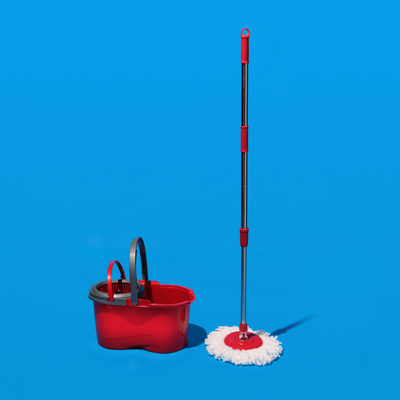
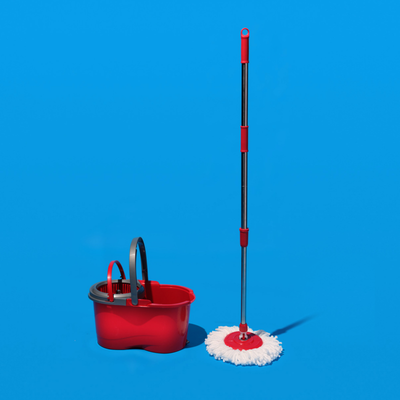
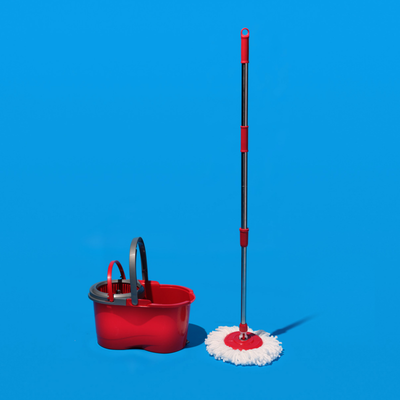
Using the right tools is essential for getting the best results and protecting your floors from damage. A microfiber spin mop, like the Lola Revolution Spin Mop, is great for controlling water usage on sensitive floors like hardwood, while a traditional string mop might be better for durable tile. Always pair your mop with a cleaner formulated for your specific floor type. And here’s a pro tip: change your water as soon as it looks murky. Mopping with dirty water just spreads germs and leaves a dull, streaky residue behind.
Matching Your Mop to Your Floor Type
Think of your mop as a specialized tool—you wouldn't use a hammer to turn a screw, right? The same logic applies to your floors. For sensitive surfaces like hardwood and laminate where too much water is the enemy, a microfiber mop is your best friend. A tool like the Lola Revolution Spin Mop is perfect because it gives you total control over how damp the mop head gets, letting you clean effectively without risking warped boards. For more durable floors like tile, stone, or vinyl, you can bring in the heavy-hitters. A classic string mop can hold more water and cleaning solution, giving you the scrubbing power needed to tackle tough grime and dirty grout lines. Choosing the right mop for the job makes cleaning easier and protects your floors for the long haul.
How to Build Your Custom Schedule
Consistency is your best friend. For most homes, mopping once a week is a great baseline. Pick a day and time that works for you—maybe it’s Sunday morning or Wednesday afternoon—and put it on your calendar. However, be flexible. You’ll want to mop high-traffic areas like the kitchen and entryway more frequently, perhaps twice a week, while low-traffic bedrooms might only need it every other week. The goal is to create a schedule that fits your life, not the other way around.
Light Mopping vs. Detailed Mopping
It’s also helpful to think about mopping in two different ways: light and detailed. A light mop is your quick, weekly touch-up. It’s perfect for hitting high-traffic areas to pick up fresh dust and deal with minor spots before they set in. This is where a simple, lightweight mop shines. In contrast, a detailed mop is a deeper clean that you might do every two to three weeks. This is when you move furniture, get into the corners, and really scrub any stubborn, sticky spots. Differentiating between the two makes the task feel less daunting and helps you maintain a consistently clean home without the weekly deep-clean burnout.
Setting a Baseline: At least Once a Month
If you’re just starting to build a routine, let’s set a simple baseline: aim to mop your floors at least once a month. This is a good minimum to prevent serious grime from building up. However, think of this as your absolute starting point. For most homes, a weekly mop is a much better target, especially in active households. If you have kids, pets, or lots of visitors, you’ll find that dirt accumulates much faster. The key is to start with a manageable goal and adjust from there based on what your floors are telling you.
Helpful Tools to Stay on Track
Let’s be honest: it’s hard to stay motivated when your tools make the job harder. Investing in quality cleaning supplies that you enjoy using can make a huge difference. A lightweight mop that’s easy to maneuver, a comfortable broom, and an effective dustpan can turn mopping from a dreaded task into a quick, satisfying one. When your cleaning accessories work well, you’re more likely to stick to your schedule and keep your floors looking their best without a second thought.
Mop Care and Maintenance
A great mop is only as good as its mop head. Think about it—that's the part doing all the heavy lifting. Over time, it not only gets dirty but also wears out, becoming less effective at trapping dirt and grime. Using a worn-out mop head is like trying to wash your dishes with a dirty sponge; you’re mostly just spreading the mess around. Keeping your mop in top shape is simple, and it starts with knowing when it’s time for a fresh start. This small step ensures you get a truly deep clean every single time you mop.
When to Replace Your Mop Head
Your mop head won't last forever, and knowing when to swap it out is key to an effective clean. The most obvious sign is visible wear and tear—if the strands are frayed, falling apart, or permanently discolored, it's time for a replacement. As a general guideline, it's a good idea to change reusable mop heads every few months, depending on how often you use them. Performance is another big indicator. If you notice your mop is leaving streaks, isn't absorbing spills like it used to, or just seems to be pushing dirt around, its cleaning power has diminished. Keeping a few extra refills on hand ensures you can make a quick switch and get back to cleaning with a tool that actually works.
Related Articles
- Can You Mop Hardwood Floors with Water? Yes, Here's How
- To Mop or Not to Mop: The Ultimate Guide to Wood Floor Cleaning (Without Driving Yourself Crazy)
- What to Put in a Mop Bucket for Any Floor
- The 4 Best Commercial Wet Mops (2025 Review)
Frequently Asked Questions
Can I damage my floors by mopping them too often? Yes, it's possible, especially with certain floor types. For hardwood and laminate, the real enemy is excess water, not necessarily the frequency. Mopping too often with a soaking wet mop can cause water to seep into the planks and lead to warping or swelling. The key is to always use a well-wrung, damp mop. For more resilient floors like tile or vinyl, over-mopping is less of a concern for damage, but it can be an unnecessary chore.
What's the single most important thing to do before I start mopping? Always clear the floor of loose debris first. Taking a few minutes to sweep, dust mop, or vacuum up crumbs, dust, and pet hair is a non-negotiable step. If you skip this, you’ll just be pushing wet grime around, which can leave your floors looking streaky and feeling gritty instead of truly clean.
My floors look dull or streaky after I mop. What am I doing wrong? This is a common problem that usually comes down to one of two things: you're using dirty water or too much cleaning solution. Once your mop water starts to look murky, you're no longer cleaning the floor—you're just spreading a thin layer of dirt. Be sure to change your water as soon as it gets cloudy. Also, using more cleaner than the instructions recommend can leave behind a sticky residue that dulls the finish.
How can I deal with small messes without having to mop the entire house? You don't need to pull out the bucket for every little spill. For quick cleanups, spot-treating is your best friend. Keep a good sponge or a few reusable cloths handy to wipe up spills as soon as they happen. For dry messes like pet hair or crumbs in a high-traffic area, a sticky mop is perfect for a quick pickup that takes just a minute and keeps things tidy between your full mopping sessions.
Is a weekly schedule really necessary if I live alone and don't have pets? Not at all. The "mop once a week" rule is more of a general guideline than a strict command. Your ideal schedule depends entirely on your lifestyle. If you live in a low-traffic household, you can likely get away with mopping every 10 to 14 days. The best approach is to pay attention to your floors—when they start to look a little dull or feel gritty under your feet, it's time to clean.









Comments