


Is your spin mop leaving more streaks than shine? It's a frustrating sign that your spin mop head needs some attention. Instead of fighting with a grimy tool, you can learn the simple trick to keeping it fresh. Knowing how to detach the mop head is the first step to a truly effective clean. Whether you need to give it a deep sanitizing soak or it’s time for a brand-new refill, we’ll guide you through it. Let's get your floors back to being effortlessly spotless with these easy-to-follow steps.
Key Takeaways
- Master the simple 'step-and-pull' removal technique: To easily detach your mop head for cleaning or replacement, step firmly on the fibers and pull the handle straight up. This leverage-based method avoids frustration and prevents damage to your mop.
- Wash gently and dry completely to extend its life: Preserve your mop head’s cleaning power by washing it with mild detergent—never bleach or fabric softener. Always air dry it fully before storing to prevent mildew and musty odors.
- Replace your mop head when its performance drops: If you notice streaks, fraying fibers, or find yourself scrubbing harder for the same results, it's time for a new one. A fresh head is essential for an effective and hygienic clean.
What's a Spin Mop and How Does It Actually Work?
If you’ve ever wrestled with a dripping, heavy string mop, you know the struggle is real. A spin mop is a modern cleaning tool designed to make mopping easier and more effective. At its heart, a spin mop system uses a special bucket with a spinning mechanism to wring out the mop head for you. This simple but brilliant feature gives you total control over how damp the mop is, so you can get the perfect moisture level for any floor, from sealed hardwood to durable tile.
Most spin mops also feature a microfiber head, which is a major upgrade from traditional cotton. Microfiber is fantastic at grabbing onto dust, dirt, and grime instead of just pushing it around. This means you get a deeper clean with less effort and fewer passes. The combination of a moisture-controlled head and a powerful microfiber material makes the spin mop one of the most efficient tools for keeping your floors spotless.
Breaking Down the Parts of a Spin Mop
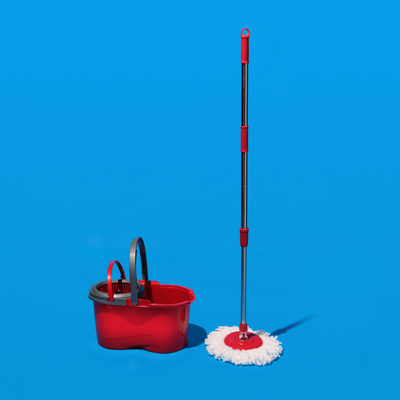
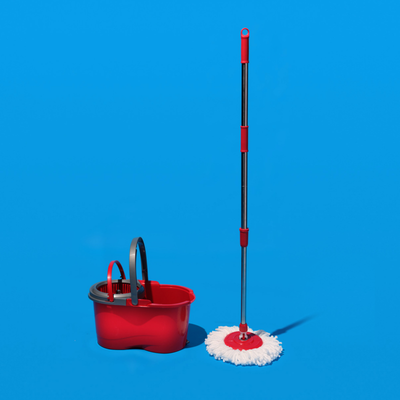
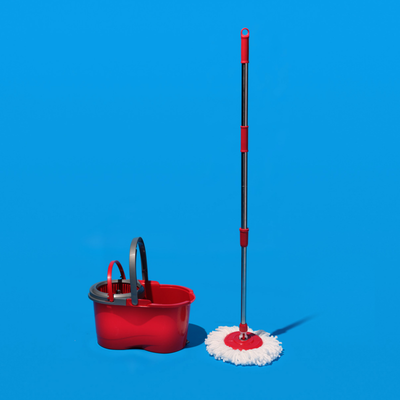
A spin mop isn’t just a mop; it’s a complete system. It typically includes three main parts that work together. First, you have the mop handle, which is usually lightweight and adjustable. Attached to the handle is the mop head, which is almost always removable and machine washable for easy cleaning.
The real magic happens in the bucket. A spin mop bucket is more than just a pail for water. It features a built-in spinning chamber or basket. This heavy-duty component is where you place the wet mop head to efficiently spin out excess water and dirt, leaving you with a perfectly damp mop ready for cleaning.
What Makes the Spin Feature So Effective?
The spin feature is what sets these mops apart. After dunking the mop head in the water, you place it into the spinning basket in the bucket. By either pressing a foot pedal or pumping the handle, you activate the spinning mechanism. This creates a centrifugal force that flings water and dirt from the microfiber strands. The faster you pump or press, the more water is removed.
This gives you complete control over the mop’s dampness, which is key for cleaning different surfaces safely. The microfiber head itself is also a crucial part of the process, as it absorbs moisture far better than cotton and traps dirt more effectively. The Lola Revolution Spin Mop is a great example of this technology in action.
Impressive Cleaning Performance
One of the biggest advantages of a spin mop is its incredible cleaning power, which comes directly from the microfiber head. Unlike old-school cotton mops that tend to push dirty water around, microfiber is made of ultra-fine fibers that actively grab and hold onto dust, dirt, and even bacteria. In fact, many high-quality microfiber mop heads can remove over 99% of bacteria from surfaces using only water. This means you can achieve a deep, sanitized clean without always resorting to harsh chemicals, which is better for your floors and your home's air quality. The mop head essentially traps the grime within its fibers until you rinse it out, ensuring you’re actually removing dirt, not just spreading it.
Smart Design for Tricky Corners
We’ve all been there: trying to force a bulky mop into a tight corner or along a baseboard, only to leave a line of dust behind. Spin mops are designed to solve this exact problem. Many feature a triangular-shaped head specifically engineered to fit perfectly into corners, ensuring no spot is missed. Even those with round heads are built for agility. The head typically pivots 360 degrees, allowing you to easily maneuver under furniture, around table legs, and along the edges of your walls. This smart design means less time spent on your hands and knees scrubbing hard-to-reach spots and more time enjoying your sparkling clean floors. It’s a simple but effective feature that makes the entire mopping process much less of a chore.
Hygienic Cleaning with Dual-Compartment Buckets
Think about mopping with a traditional bucket: after the first few passes, you’re dipping your mop back into dirty water. This can feel counterproductive, as you risk spreading grime right back onto the floor you’re trying to clean. To combat this, some advanced spin mop systems feature dual-compartment buckets that keep clean and dirty water separate. This is a huge step up for home hygiene, as it guarantees you’re always using fresh water. Even with a single-bucket system, the spin mechanism provides a more hygienic clean by wringing the dirty water out of the mop head and into the bucket, so you aren’t putting a sopping, dirty mop back on your floor.
Spin Mop vs. Other Mops: Which Is Right for You?
Walking down the cleaning aisle can feel overwhelming with so many different types of mops available. Each one promises a sparkling clean, but the best tool really depends on the job at hand. A spin mop is a fantastic all-around player, but it’s helpful to see how it stacks up against other popular options, like flat mops and steam mops. Understanding the key differences will help you choose the right mop for your home and cleaning style, ensuring you get the results you want without the extra work. Let’s compare them so you can find your perfect match for tackling everything from daily dust to deep-seated grime.
Spin Mop vs. Flat Mop
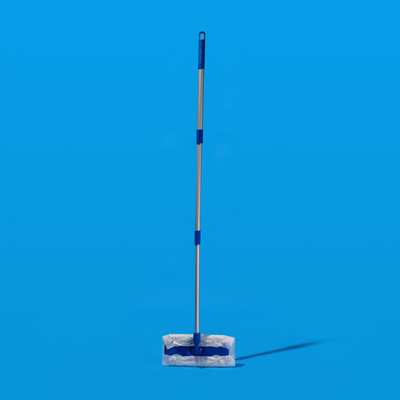
Think of a flat mop as your go-to for daily maintenance. With its wide, rectangular head and a reusable or disposable pad, it’s perfect for quick cleanups, trapping dust, pet hair, and light dirt. They are lightweight, easy to store, and great for getting under furniture. However, when you’re facing a sticky, dried-on mess or need to give your floors a serious scrub, a spin mop is the better choice. Its microfiber head and spinning wringer are designed for deep cleaning. The spin mop lifts away tough grime that a flat mop might just push around, making it the clear winner for more intensive cleaning sessions.
Spin Mop vs. Steam Mop
The main difference between a spin mop and a steam mop comes down to cleaning power: water and solution versus hot steam. A spin mop, like our Revolution Spin Mop, uses a cleaning solution mixed with water to break down dirt, while the spinning bucket wrings out the excess. This method is safe for most sealed floor types. A steam mop, on the other hand, uses high-temperature steam to sanitize and loosen grime without any chemicals. While effective for sanitizing, steam can damage sensitive flooring like unsealed hardwood or certain types of laminate. A spin mop offers more versatility and control over moisture, making it a safer bet for a wider variety of surfaces.
The Real Pros and Cons of Spin Mops
Like any cleaning tool, spin mops have their strengths and weaknesses. While they’ve become incredibly popular for good reason, it’s important to have a clear picture of what they do best and where they might fall short. Knowing the full story helps you decide if a spin mop system is the right investment for your cleaning routine. For many, the benefits far outweigh the drawbacks, especially if you’re looking for a powerful tool that can handle serious messes. Let’s break down what people love about them and a few things to keep in mind before you buy.
The Benefits: Why People Love Them
The biggest advantage of a spin mop is its incredible deep-cleaning power. The combination of a super-absorbent microfiber head and the spinning wringer allows you to scrub away stubborn dirt and stains effectively. Because the spinning action removes so much water, your floors dry faster, and you avoid leaving puddles or streaks. This control over moisture makes it ideal for a variety of surfaces. Plus, the hands-free wringing mechanism saves your back and hands from the strain of manually squeezing out a heavy, dripping mop head. It’s a more ergonomic and hygienic way to achieve a truly deep clean.
The Drawbacks: What to Consider
While spin mops are powerful, there are a couple of things to consider. The bucket system, though essential to its function, is bulkier than a simple flat mop or stick mop, so you’ll need a bit more storage space. They also require a cleaning solution to effectively tackle germs and tough grime, which isn't as eco-friendly as a steam mop that just uses water. Finally, there’s a little more setup involved—you have to fill the bucket with water and your chosen cleaner, which takes more time than just grabbing a pre-moistened flat mop for a quick spot clean.
Where Spin Mops Work Best
A spin mop truly shines in situations that call for more than just a light dusting. It’s the tool you pull out when you need to restore your floors to their former glory. Because of its ability to control water levels and scrub effectively, it’s incredibly versatile. It’s not just for one type of mess or one type of room; it’s a workhorse for the entire house. Whether you're dealing with the aftermath of a party, seasonal deep cleaning, or just the regular chaos of a busy household, a spin mop is designed to handle it all with efficiency and ease.
Deep Cleaning for Homes and Businesses
For a true deep clean, a spin mop is your best friend. It’s perfect for high-traffic areas like kitchens, entryways, and hallways where mud, spills, and grime accumulate. The system is designed to tackle large surface areas quickly, making it a great choice for open-plan homes or even small business spaces. When you need to do more than just a surface-level wipe-down, the spin mop’s ability to scrub and lift away dirt is unmatched. It’s the ideal solution for your weekly or monthly floor-cleaning ritual, leaving your home looking and feeling fresh and spotless. All of our mops are built to last, but a spin mop is a true game-changer for heavy-duty tasks.
Why Should You Detach Your Spin Mop Head?
Taking your spin mop head off might seem like an extra step, but it’s one of the most important things you can do to keep your home truly clean. A dirty mop doesn’t clean floors—it just spreads grime and germs around. By regularly detaching the head, you ensure your mop is always ready to tackle messes effectively. It’s a simple habit that makes a huge difference in both the cleanliness of your home and the lifespan of your mop. Think of it as essential maintenance for one of your most important cleaning tools.
This small action is the key to unlocking your mop's full potential. It allows you to wash away trapped dirt, sanitize the fibers, and even swap out an old head for a new one when the time comes. Neglecting this step means you could be mopping with a tool that’s harboring bacteria, mildew, and old dirt, which defeats the whole purpose of cleaning. Getting into the routine of removing the head for cleaning or replacement protects your investment in your cleaning supplies and, more importantly, contributes to a healthier environment for you and your family. Whether you need to give it a quick wash, a deep sanitizing soak, or replace it altogether, it all starts with this easy step.
To Keep It Clean Between Uses
To keep your floors hygienic, you need to clean with a clean mop. After each use, dirt, dust, and bacteria get trapped in the mop’s fibers. If left to sit, this buildup can create odors and get spread right back onto your floors the next time you clean. Detaching the mop head allows you to wash it thoroughly, removing all the collected grime. Most spin mop heads are designed to be washed hundreds of times, so you can toss them in the machine or hand wash them after a cleaning session. This simple routine ensures you’re always starting with a fresh tool, giving you a more effective and sanitary clean every single time and preventing that musty mop smell from ever developing.
When It's Time for a Fresh Mop Head
Even the best mop heads don’t last forever. Over time, the microfiber strands can become frayed, matted, and less absorbent, which means they won't pick up dirt or hold water as well as they used to. You might notice streaks being left behind or that you have to work harder to clean up simple spills. When you see your mop isn’t performing like it once did, it’s time for a replacement. Detaching the old head is a quick process—on most models, you just step on the fibers and pull the handle up to release it. Swapping in one of the new refills instantly restores your mop’s cleaning power, so you can get back to having sparkling floors without the extra effort.
To Give Your Mop Head a Deep Clean
Sometimes, a standard wash isn’t enough, especially if your mop has tackled a particularly tough mess or has developed a stubborn smell. For a true deep clean, you’ll want to detach the mop head and give it a sanitizing soak. You can use a mixture of warm water and a mild disinfectant or a bit of white vinegar, which naturally breaks down grime and neutralizes odors. Letting it soak for about 30 minutes will help kill any lingering bacteria. This process ensures your mop is not just visibly clean but hygienically clean, protecting your family and extending the life of your mops and other essential cleaning tools.
How to Remove a Spin Mop Head: A Step-by-Step Guide
Changing your spin mop head is a quick task that makes a huge difference in your cleaning routine. A fresh head cleans more effectively and keeps your floors sparkling. Follow these four simple steps to swap out your old mop head for a new one.
Step 1: Prep Your Mop for Removal
First, get your mop into position. Stand it upright on a flat, stable surface. Most spin mops have a pivot point where the handle connects to the mop head for 360-degree movement. This joint is also the key to easy detachment. Before you start, make sure the handle can move freely back and forth so you’re not fighting against a locked mechanism. A little prep here makes the whole process go much smoother.
Step 2: Use the Foot-and-Pull Method
This is the classic, no-fuss way to pop off a mop head. Place the mop on the floor and step firmly onto the microfiber strands with one foot. With the head secured, pull the handle straight up and away from the base. You should feel a clean "pop" as it detaches. This method gives you leverage without requiring much force, and it keeps your hands clean. It’s a simple technique for most standard spin mops.
Step 3: Locate the Release Point
Some spin mops have a subtle release built into the handle's movement. As you tilt the handle, the pivot point might lock and lift the mop head slightly, helping to disengage it. It’s not a visible button, but a specific angle that makes detachment easier. Gently tilt the handle back and forth to find that sweet spot where the head begins to loosen. This trick can make all the difference when you’re trying to get the head off without a struggle.
Step 4: Gently Detach the Mop Head
Once the head is loose, it’s time for the final step. Firmly grip the mop strands and pull them upward to unclip the head from its plastic base. Here's a helpful tip: hold the lower part of the handle, just above the mop head, while you pull. This prevents you from accidentally extending the telescoping handle. With a steady tug, the old head will come right off, ready to be washed or replaced with a fresh refill.
Common Mistakes to Avoid When Removing Your Mop Head
Trying to detach a spin mop head can feel like a wrestling match if you don't know the proper technique. It’s designed to be a quick and simple process, but a few common missteps can leave you feeling frustrated. The good news is that these mistakes are easy to avoid once you know what they are. Instead of fighting with your mop, you can learn to work with its design for a smooth release every time. Whether you're cleaning the head or swapping it for a new one, avoiding these errors will save you time and prevent potential damage to your favorite cleaning tool.
It's all about understanding the mechanics of the mop and using leverage to your advantage, not brute strength. Many spin mops use a simple snap-on, pop-off mechanism that relies on a specific angle and motion. When we get frustrated, we tend to ignore these subtleties and just yank, which often locks the head on even tighter. Once you master the correct approach, you'll wonder why you ever struggled. It’s a small skill that makes a big difference in your cleaning routine, turning a potential chore into a quick, satisfying task. Let's walk through what not to do, so you can get it right on the first try and get back to cleaning.
Don't Use Too Much Force
When something is stuck, our first instinct is often to use more muscle. With a spin mop, this can actually make the problem worse. Applying too much force can damage the plastic base or the handle's connection point. The key is to let the mop's mechanism do the work for you. If you're trying to unscrew a head that's designed to pop off, you might be working against its design. One user found that it's important to "let the handle spin as well as the mop head." Forcing it can cause it to unscrew improperly or break. Instead, use a firm but steady motion. If it doesn’t release easily, take a moment to reassess your technique rather than just pulling harder.
Forgetting to Step on the Mop Fibers
One of the most common reasons a mop head gets stuck is because its own fibers are in the way. If the microfiber strands get caught in the plastic connection point when you attach the head, they can create a jam that makes removal difficult. As one person advised, "make sure that none of the fibers are in the way when you're clicking it on." Before you even try to pull the handle, use your foot to press down and spread the mop fibers away from the central plastic disc. This gives you a clear connection point to work with and ensures a clean release without any snagging. This simple step makes a huge difference for all types of mops.
Pulling the Handle at the Wrong Angle
Technique is everything when it comes to detaching your mop head. Yanking the handle sideways or at an angle won't give you the right leverage and can strain the connection. The most effective method is a straight, upward pull. To do this correctly, "simply step on the mop fibers and pull up on the mop handle." Place your foot firmly on the strands on either side of the base to hold it to the floor. Then, grip the handle with both hands and pull directly upward in one smooth motion. This action uses leverage to pop the head right off its base, making it easy to grab your refills and attach a fresh one.
How to Properly Clean Your Spin Mop Head
Once you’ve removed the mop head, it’s time to give it a good cleaning. After all, you can’t expect clean floors from a dirty mop. Washing your mop head regularly gets rid of the bacteria and grime it picks up, so you aren’t just spreading dirt around during your next cleaning session. A clean mop head is more absorbent and effective, making your chores easier and your floors shinier. Plus, proper cleaning helps it last longer, saving you money on replacements. Whether you prefer to wash by hand or toss it in the machine, we’ve got you covered.
Hand-Washing Your Mop Head
For a quick and effective clean, hand washing is a great option. Start by finding a clean bucket or a sink you can dedicate to the task. Fill it with warm water and add a splash of a mild disinfectant or white vinegar, which works as a natural cleaning agent. Submerge the mop head completely and let it soak for about 30 minutes to loosen any caked-on dirt. After it has soaked, swish it around and gently squeeze it to work out the grime. Finally, rinse the mop head under cool, running water until the water runs clear. Make sure to squeeze out all the excess water before setting it out to dry.
Can You Put Your Mop Head in the Washing Machine?
If you’d rather let an appliance do the work, most microfiber spin mop heads are machine washable. For the best results, place the mop head in a mesh laundry bag to prevent the strands from snagging or tangling with other items. Wash it with similar textiles, like towels or other cleaning cloths, on a gentle cycle. Use your regular detergent, but skip the fabric softener, as it can leave a residue on the microfibers that reduces their cleaning power. It’s also best to use cool or warm water—no hotter than 86°F (30°C)—to protect the fibers and keep your mop head in top shape.
The Right Way to Dry Your Mop Head
Properly drying your mop head is just as important as washing it. A damp mop head can quickly become a breeding ground for mold and mildew, which leads to unpleasant odors. The best way to dry it is to lay it flat or hang it up in a well-ventilated area. If it’s a sunny day, you can even let it sit outside. The sunlight acts as a natural sanitizer, giving it an extra dose of freshness. Just be sure the mop head is completely dry before you reattach it. This simple step will keep your mop smelling clean and extend the life of your refills.
How to Attach a New Spin Mop Head
Once you’ve removed the old, grimy mop head, putting on a fresh one is even easier. This simple swap will have your spin mop working like new in just a minute. Follow these three steps to attach your new mop head and get back to making your floors sparkle.
Step 1: Find the Right Replacement Head
First things first, you need to make sure you have the right mop head for your system. While some brands offer interchangeable heads, most spin mops work best with a specific replacement designed for that model. Using the wrong one can lead to a wobbly fit and less effective cleaning. Check your mop’s packaging or the manufacturer’s website to confirm which one you need. Finding the correct mop head refills ensures a perfect fit, so your mop can glide smoothly and pick up dirt efficiently.
Step 2: Align the New Head with the Base
Now that you have the correct replacement, lay it on the floor with the microfiber strands spread out. You’ll see a plastic base at the center of the mop head. Take your mop handle and position the disc at the bottom directly over this base. Make sure they are perfectly aligned before you try to connect them. This simple step prevents the head from attaching at an angle, which could cause it to pop off while you’re cleaning. It’s all about lining up the two connecting parts so they can snap together properly.
Step 3: Press Down to Lock It in Place
With the mop head and handle aligned, it’s time to connect them. Gently but firmly press the handle straight down onto the mop head. You should hear a satisfying “click” or “snap” sound. This is your cue that the head is securely locked into place. To be extra sure, give the handle a little tug upward. If the mop head stays put, you’re good to go. That’s it! Your spin mop is now ready to tackle any mess you throw at it.
What Are the Different Types of Spin Mops?
Not all spin mops are created equal. While they all share the brilliant feature of a spinning mechanism to wring out excess water, different models come with their own unique designs and strengths. Think of it like choosing any other tool for your home—the details matter. Some are built for heavy-duty scrubbing, while others prioritize maneuverability for getting into tight corners. Understanding the key differences between popular types can help you find the perfect match for your floors and cleaning style. From the materials used in the bucket to the design of the mop head itself, these variations can make a big impact on your cleaning routine. Exploring the different mops available is the first step to making mopping less of a chore.
The Hurricane Spin Mop
The Hurricane Spin Mop is a popular model known for its durability and cleaning power. Its key feature is a mop head that spins away dirt with a 360-degree rotating action, making it effective at lifting grime from your floors. What really sets it apart for many people is the reusable head. The head of the Hurricane Spin Mop is removable and can be washed over 300 times, which means you get a lot of use out of a single refill. This makes it a cost-effective and eco-friendly option over time. It’s a solid choice if you’re looking for a reliable mop that can handle daily messes and will last for years with proper care.
The Tornado Spin Mop
If you need a little more muscle for your cleaning tasks, the Tornado Spin Mop might be the right fit. This model is often designed with a more robust system for wringing out water. Its heavy-duty bucket and spinning chamber work to remove water and dirt efficiently from the mop head, making it a practical choice for various cleaning tasks. This efficiency means you have more control over how damp the mop is, which is great for surfaces that are sensitive to moisture, like hardwood or laminate. The sturdy construction also means it can stand up to more frequent and intense use, perfect for homes with pets, kids, or high-traffic areas that need constant attention.
360-Degree Swivel Mops
This category describes a core feature found in many of the best spin mops, including Lola's own Revolution Spin Mop. The 360-degree swivel head gives you incredible maneuverability, allowing you to effortlessly clean around furniture legs, under cabinets, and into tight corners. These spin mops use a unique mechanism that allows you to control the moisture level of the mop head, ensuring you get just the right amount of water for your cleaning needs. This combination of flexibility and moisture control makes them incredibly versatile for cleaning almost any hard surface in your home, from tile and vinyl to sealed wood floors, without leaving puddles behind.
The Lola Products Revolution Spin Mop
When you bring together all the best features of a modern spin mop, you get something like the Lola Products Revolution Spin Mop. It’s a perfect example of this technology in action, designed to make floor cleaning less of a chore. Its system gives you complete control over the moisture level, so you can safely clean everything from tile to sealed hardwood without worry. The powerful microfiber head is fantastic at grabbing dirt instead of just pushing it around, which means you get a deeper clean with less effort. This is one of those essential mops that combines smart design with real-world effectiveness, making it a go-to for keeping your home spotless.
When Should You Replace Your Spin Mop Head?
Even the most durable spin mop head has a lifespan. While regular cleaning helps extend its life, there comes a point when it’s just not doing its job anymore. Using a worn-out mop head means you’re likely just spreading dirt around, which defeats the whole purpose of cleaning. Recognizing the signs that it’s time for a replacement is key to keeping your floors truly clean and your cleaning routine effective. Think of it like any other tool in your home—it needs to be in good shape to work properly. From visible fraying to a noticeable dip in performance, your mop will give you clues. Paying attention to these signs ensures you’re always cleaning with a tool that’s up to the task, making your efforts more efficient and your home more hygienic. It’s a simple switch that makes a huge difference.
Check for Obvious Signs of Wear
The easiest way to tell if your mop head is past its prime is to just look at it. Give the microfiber strands a quick inspection. Are they looking thin, frayed, or matted together? A new mop head has full, fluffy fibers that are great at trapping dirt. Over time and after many washes, these fibers break down and lose their texture. While some high-quality mop heads are designed for hundreds of washes, they aren’t invincible. Once you see significant fraying or bald spots, you know its dirt-trapping days are numbered. It’s time to grab one of your mop refills and make the swap.
Your Mop Isn't Cleaning as Well
Sometimes a mop head looks okay, but its performance tells a different story. If you find yourself scrubbing the same spot over and over or notice your floors are left with streaks and a hazy film, your mop head is likely the culprit. A worn-out mop head loses its absorbency, meaning it can’t pick up dirty water effectively and just pushes it around instead. You might also notice it doesn’t glide across the floor as smoothly as it used to. When your cleaning routine starts feeling like more of a workout with less-than-sparkling results, it’s a clear sign that the mop head has lost its cleaning power. Keeping a fresh head on your mop is one of the simplest ways to maintain your cleaning accessories and get a better clean.
How Often Should You Get a New Mop Head?
As a general rule, it’s a good idea to replace your spin mop head every two to three months. However, this isn't a hard-and-fast rule. How often you need a new one really depends on how frequently you mop and the size of your home. If you have a busy household with pets and kids, you might be mopping several times a week and will need to replace it more often. On the other hand, if you live in a small apartment and only mop occasionally, you might get a bit more life out of it. Regularly replacing your mop head isn't just about performance; it's also about hygiene. An old, damp mop head can become a breeding ground for bacteria. Using fresh, eco-friendly tools is a great way to keep your home sanitary without relying on harsh chemicals.
Understanding the Costs: Initial Purchase and Refills
Let's talk about the cost. A spin mop system is more of an initial investment than a basic string mop, but you're paying for a smarter, more efficient cleaning tool. The real value comes from the special bucket that does the hard work of wringing for you, giving you total control and saving your back. The main ongoing cost is the mop head, but high-quality microfiber heads are designed to be washed and reused hundreds of times, making them incredibly budget-friendly. While you'll eventually need to buy new refills—typically every two to three months—this small expense is a worthwhile investment. It ensures your mop always performs at its best, which is far more effective than struggling with a worn-out tool that just spreads dirt around your home.
How to Make Your Spin Mop Head Last Longer
Getting a new spin mop feels like a fresh start for your floors, and you want to keep that effective cleaning power for as long as possible. While mop heads are designed to be replaced eventually, you can significantly extend their lifespan with just a little bit of care. Treating your mop head right not only saves you money on refills but also ensures you’re getting a more hygienic and effective clean every time you use it. A dirty, worn-out mop head doesn’t just look bad—it can spread germs and leave streaks behind, defeating the whole purpose of your hard work.
The secret to a long-lasting mop head isn’t complicated. It comes down to three simple habits: storing it correctly, cleaning it regularly, and using the right cleaning agents. By building these small steps into your routine, you protect the delicate microfibers that do all the heavy lifting of trapping dirt and absorbing spills. Think of it as simple maintenance for one of your most important cleaning tools. A well-cared-for mop is a better mop, and these practices will help you keep your floors sparkling clean for months to come.
Store Your Mop Correctly
One of the biggest mistakes you can make is putting your mop away while it's still wet. Dampness is a breeding ground for mildew and bacteria, which leads to that musty smell and can degrade the mop head’s fibers over time. To prevent this, always let your mop head and bucket dry completely before storing them. After you’re done cleaning, give the mop head a final spin to wring out as much water as possible. Then, detach the head and hang it up or lay it flat in a well-ventilated area to air dry. Store your clean, dry mop in a closet or utility room where it can stay dry until its next use.
Stick to a Regular Cleaning Routine
Just like any other cleaning tool, your mop head needs to be cleaned too. Using a dirty mop just pushes grime around your floors. By maintaining a regular cleaning schedule for your mop, you’ll ensure that your floors are not only cleaner but that your mop remains effective and hygienic for future use. It’s a good practice to rinse the mop head thoroughly with clean water after every mopping session. For a deeper clean, especially after tackling a big mess, you should wash it either by hand or in the washing machine. This simple habit keeps your mop fresh and ready to go, so you always get the best possible performance.
Use Gentle Cleaning Products
Microfiber mop heads are incredibly effective, but their delicate fibers can be damaged by harsh chemicals. You should never use bleach or fabric softeners when washing your reusable mop head. Bleach can cause the fibers to break down and deteriorate, while fabric softener can clog the microfibers, reducing their ability to absorb liquid and trap dirt. Instead, opt for a gentle detergent in warm water. If you need to disinfect it, a small amount of white vinegar in the wash cycle is a great natural alternative that won’t harm the material. Using gentle cleaning accessories and solutions will keep your mop head in top shape.
Keep a Spare Mop Head on Hand
It’s a smart move to always have an extra mop head tucked away in your cleaning closet. Think of it as insurance against cleaning interruptions. You might be in the middle of a big cleaning job when you realize your current mop head is just too saturated with grime to continue effectively. Or, an unexpected disaster strikes—like a pet tracking mud through the house—and you need a fresh, clean tool right away. Having a spare means you can quickly swap out the dirty head and keep going without missing a beat. You won't have to pause your cleaning to wash a mop head and wait for it to dry. Keeping a few extra mop head refills on hand ensures you’re always prepared for whatever mess comes your way, making your entire cleaning process smoother and more efficient.
Related Articles
- 5 Best Easy Spin Mops for a Spotless Home
- 5 Best Easy Mop Floor Cleaners for 2025
- 8 Best Spin Mops with Wheels (2025 Review)
- 8 Best Spin Mops for Hardwood Floors of 2025
Frequently Asked Questions
How often should I wash my spin mop head? For the best results, it’s a good idea to at least rinse the mop head thoroughly with clean water after every single use. If you’ve tackled a particularly grimy mess or it’s been about a week of regular use, you should give it a proper wash, either by hand or in the washing machine. This keeps it from building up bacteria and ensures you’re always cleaning with a fresh tool.
Can I use my spin mop on all types of floors? A spin mop is incredibly versatile and safe for most sealed hard floors, including tile, vinyl, and laminate. The real advantage is the spin bucket, which gives you total control over how much water is in the mop head. For more sensitive surfaces like sealed hardwood, you can spin it extra dry to get a damp mop that cleans effectively without leaving excess moisture behind.
Why are my floors still streaky after mopping? Streaks are usually caused by one of three things. First, your mop head might be old and worn out, meaning it’s pushing dirty water around instead of absorbing it. Second, you could be using water that’s too dirty—it’s always a good idea to change your water if it looks murky. Finally, the mop head might be too wet, leaving behind excess water that doesn't dry evenly.
Is it okay to put the microfiber mop head in the dryer? It's best to avoid the dryer. The high heat can damage the delicate microfibers, causing them to melt or fray, which reduces their ability to grab onto dirt. The safest and most effective way to dry your mop head is to hang it up or lay it flat in a spot with good air circulation until it's completely dry.
What should I do if my mop head is really stuck and won't come off? If you’re having trouble, the first thing to do is stop pulling so hard, as too much force can break the plastic base. Double-check that you are stepping firmly on the cloth fibers on either side of the base, not on the plastic itself. Then, try wiggling the handle back and forth gently while pulling straight up to help find the angle that releases the lock.









Comments