


Ever notice a musty smell from your cleaning closet? Or wonder why your floors still look streaky after a good mopping? The culprit is likely the very tool you're using to clean. Over time, your spin mop head collects grime and bacteria, making it less effective with every use. But here's the good news: you can probably toss it right in the washing machine. Properly washing your mop head is a total game-changer. It restores its cleaning power, eliminates odors, and helps you get that sparkling, genuinely clean floor you're working so hard for.
Key Takeaways
- Use the right wash settings: Protect your mop head's fibers by washing it on a gentle cycle with cold water and a mild detergent. This cleans effectively without the damaging effects of high heat.
- Skip the softener and bleach: Fabric softener clogs the microfiber and reduces its absorbency, while bleach can cause the delicate fibers to break down. Stick to a simple detergent to preserve your mop's cleaning power.
- Air-drying is essential: Never put your mop head in the dryer, as the intense heat will damage the microfiber. Instead, hang it in a well-ventilated space to dry completely, which prevents mildew and extends its life.
The Power of a Microfiber Spin Mop Head
So, what makes a spin mop so special? The magic is all in the microfiber head. Unlike old-school cotton string mops that tend to push dirty water around, microfiber is engineered for a superior clean. Its ultra-fine fibers are split into millions of tiny strands, creating an enormous surface area that acts like a magnet for dust, dirt, pet hair, and grime. This material doesn't just smear messes; it actively traps and lifts particles from your floors, leaving behind a streak-free shine. This advanced cleaning technology is the driving force behind the effectiveness of modern mops, turning a dreaded chore into a quick and satisfying task. When you combine this powerful material with a smart design, you get a tool that truly transforms how you clean your home.
More Than Just Dirt: Removing Bacteria with Water
One of the most impressive benefits of a microfiber mop head is its ability to deep clean without relying on harsh chemicals. The tiny, dense fibers are so effective that they can remove over 99% of bacteria from hard surfaces using only water. This is fantastic news for anyone with children, pets, or chemical sensitivities, as it allows you to sanitize your floors safely and naturally. By ditching the chemical cleaners, you not only create a healthier environment for your family but also save money and reduce your environmental impact. It’s a simple switch that makes a huge difference, proving that a powerful clean doesn’t have to come from a bottle. This approach aligns perfectly with a more eco-friendly cleaning routine.
Designed for Every Nook and Cranny
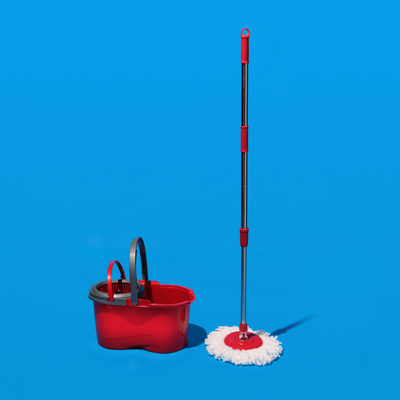
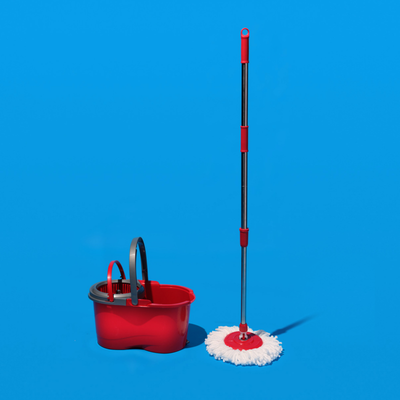
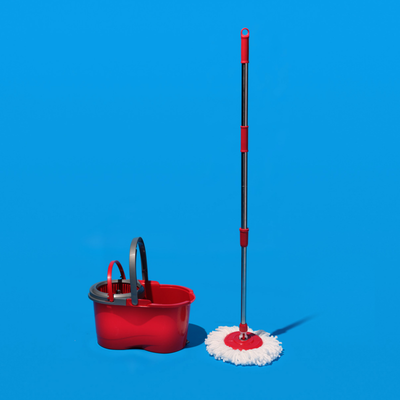
Beyond the material itself, the design of a spin mop head offers a significant advantage. Many, like the one on our Revolution Spin Mop, feature a triangular shape that is specifically engineered to tackle hard-to-reach areas. Think about those dusty corners, tight spaces around toilets, and the grime that collects along baseboards—places where traditional round or rectangular mops often miss. The pointed tip of a triangular mop head slides right into these spots, ensuring a comprehensive clean across the entire floor. This thoughtful design means you spend less time on your hands and knees scrubbing and more time enjoying a spotless home. And when it's time for a fresh start, finding replacement refills is simple, so you can maintain that perfect clean.
Can You Machine Wash a Spin Mop Head?
Great question! The short answer is yes, you absolutely can. Tossing your spin mop head into the washing machine is one of the easiest ways to keep your cleaning tools in top shape. Think about it—you wouldn't use a dirty cloth to wipe your kitchen counters, so why use a dirty mop on your floors? A clean mop head means a cleaner home, plain and simple.
Most microfiber mop heads, like the one on the Revolution Spin Mop, are designed to handle a gentle cycle in the washing machine. The key is to do it correctly to protect the delicate fibers that do all the hard work of trapping dirt and grime. Before you toss it in, you’ll want to detach it from the handle and give it a good rinse to remove any loose debris.
Washing your mop head not only gets it clean but also helps it last longer and perform better. It’s a simple step that makes a huge difference in your cleaning routine. We’ll walk through the exact steps and settings later, but for now, know that machine washing is a fantastic, low-effort way to maintain your favorite cleaning tool.
Why Machine Washing Is Worth It
Giving your mop head a spin in the washer does more than just get it clean. First, it saves you money. A well-maintained mop head lasts much longer, which means you won't need to buy refills as frequently. It’s also a more sustainable choice, as you’re reusing the same head instead of relying on disposable pads. This simple habit is a great way to incorporate more eco-friendly practices into your routine. Plus, a truly clean mop head is more effective. It absorbs more water and traps more dirt, leaving your floors sparkling instead of just pushing grime around. It’s a win for your wallet, the planet, and your home.
Is It Time for a Wash? Here's How to Tell
So, how often should you be washing your mop head? The most obvious sign is how it looks. If the fibers are looking gray, matted, or you can see dirt and hair trapped in them even after rinsing, it’s definitely time for a wash. Another telltale sign is the smell. If your mop head has a damp, musty odor, it’s a sign that bacteria is starting to build up. You might also notice it’s not cleaning as well as it used to, perhaps leaving streaks behind or not absorbing spills effectively. As a general rule, washing it after every few deep-cleaning sessions is a good habit to get into.
How to Machine Wash Your Spin Mop Head
Ready to give your spin mop head a new lease on life? Tossing it in the washing machine is a fantastic way to get it deeply clean and ready for your next mopping session. It’s one of the easiest ways to maintain your cleaning tools and make sure you’re not just spreading old dirt around. Just follow these four simple steps to do it right, ensuring your mop head comes out fresh, effective, and ready to tackle any mess.
Step 1: Remove the Mop Head
First, you need to separate the mop head from the handle. Most spin mops are designed for this to be a quick, tool-free job. For a mop like the Lola Revolution Spin Mop, you can typically unclip it by holding the handle, gently stepping on the microfiber strands, and then pulling the handle straight up. If you're unsure, a quick look at the manufacturer's instructions will help, but it's usually a simple snap-off mechanism. Getting it off cleanly is the first and most important step to a successful wash.
Step 2: Give It a Quick Pre-Rinse
Before it goes in the machine, take a minute to rinse the mop head under warm running water. This pre-rinse is crucial because it washes away loose dirt, hair, and surface grime. You don't want all that gunk from your floors floating around in your washing machine and potentially redepositing on your clothes in the next load! Rinsing it first helps your machine do a better job and prevents debris from clogging the filter. A utility sink is perfect for this, but a bucket or an outdoor hose works just as well. Just make sure the water runs clear.
Step 3: Protect It with a Laundry Bag
This step is optional, but I highly recommend it. Placing your mop head inside a mesh laundry bag before washing is a great way to protect it. The bag prevents the microfiber strands from getting tangled, stretched, or snagged on the machine's drum. It’s a simple trick that helps maintain the shape and integrity of your mop head, which means it will last longer and work better. This is especially important for getting the most value out of your mop head refills and keeping them in top condition for as long as possible.
Step 4: Choose a Gentle Detergent
Now you're ready for the main event. Place the bagged mop head into the washing machine and add a small amount of a gentle liquid detergent. It's important to skip the extras here—that means no fabric softener or bleach. Fabric softeners leave a coating on the microfibers that reduces their absorbency, making them less effective at cleaning. Bleach, on the other hand, can be too harsh, causing the delicate fibers to break down over time. Just stick to a simple, mild detergent for a safe and effective clean that preserves the life of your mop head.
What Are the Best Washer Settings?
Once your mop head is prepped and ready for the machine, choosing the right settings is the final step to getting it perfectly clean without causing any damage. Think of it like washing a favorite sweater—you want to be effective yet gentle. Using the wrong cycle or temperature can wear out the microfibers, making your mop less efficient over time. Luckily, the ideal settings are simple and available on any standard washing machine. By taking a moment to select the right options, you’ll extend the life of your mop head and ensure it’s ready to tackle dirt and grime on your floors for many more cleaning sessions.
Why You Should Use Cold Water
It might feel like hot water is the key to disinfecting, but when it comes to microfiber mop heads, heat is the enemy. Most spin mops use microfiber because its tiny fibers are fantastic at grabbing onto dust and dirt. High temperatures can damage or even melt these delicate fibers, causing them to lose their cleaning power. For best results, stick with a cold or cool wash, no warmer than 86°F (30°C). This temperature is more than enough to wash away grime with a good detergent, all while preserving the integrity of the microfiber. Your mop head will come out clean, and its fibers will stay in top shape.
Always Choose the Gentle Cycle
The next setting to look for is the gentle or delicate cycle. Your spin mop head goes through a lot while cleaning your floors, so it deserves a little TLC in the wash. A vigorous wash cycle can be too aggressive, causing the fibers to fray or get tangled. The gentle cycle uses a slower spin and less agitation, which is perfect for cleaning the mop head thoroughly without roughing it up. This simple choice helps maintain the mop head’s shape and texture, ensuring it continues to glide smoothly across your floors and pick up dirt effectively. It’s a small step that makes a big difference in how long your mop head lasts.
Should You Wash It Alone or With Other Items?
To prevent your mop head from picking up extra fuzz and lint, it’s best to wash it alone or with similar items. Tossing it in with a load of bath towels or fuzzy blankets is a recipe for a lint-covered mop. Instead, wash it by itself or with other microfiber cleaning cloths or non-linting fabrics. This ensures that nothing gets tangled in the mop strands and that it comes out as clean as possible. Washing it separately also prevents it from getting snagged on zippers, buttons, or other hardware that could tear the delicate microfiber strands.
What Cleaning Products Should You Avoid?
To keep your spin mop head working like a charm, what you don't put in the wash is just as important as what you do. Microfiber is a fantastic material, made of millions of tiny, split fibers that create a massive surface area. This structure is what makes it so good at grabbing onto dust, trapping grime, and absorbing liquids. But those same fibers are sensitive to certain chemicals and residues that can ruin their effectiveness. Using the wrong products can clog the microscopic gaps, break down the synthetic material, and ultimately turn your super-absorbent mop head into a useless, streaky mess. Think of it like this: you wouldn't wash a delicate silk blouse with harsh chemicals, right? Your mop head deserves the same thoughtful care to ensure it has a long, effective life. It's an investment in a cleaner home, after all. Before you toss it in the machine, it's crucial to understand which common laundry additives are off-limits. Let's walk through the main culprits to keep out of your laundry cycle so your floors stay sparkling clean.
Why Fabric Softener Is a No-Go
It might be tempting to add a splash of fabric softener for a fresh scent, but it's one of the worst things you can do for your mop head. Fabric softeners work by coating fibers with a waxy film to make them feel soft. For microfiber, this coating is a disaster. It clogs all the microscopic nooks and crannies that are designed to trap dirt and absorb liquid. A clogged mop head can't clean effectively; it will just push dirt around your floor. To maintain its powerful grip on grime, always skip the softener.
Skip the Bleach and Harsh Chemicals
Bleach is a powerful disinfectant, but it's far too aggressive for your spin mop head. The harsh chemicals in chlorine bleach can actually break down the synthetic fibers of the microfiber, causing them to become brittle and less absorbent over time. This damage isn't just cosmetic—it permanently reduces the mop's ability to clean your floors properly. Instead of bleach, stick to a small amount of a gentle, dye-free detergent. If you feel your mop head needs some extra disinfecting, a bit of white vinegar in the wash cycle is a much safer alternative.
Keep It Away from Delicate Fabrics
Your microfiber mop head is a lint magnet, which is great when you're cleaning floors but not so great in the washing machine. Avoid washing it with items that shed a lot of lint, like cotton towels, fleece blankets, or fuzzy sweaters. All that lint will get trapped in the mop's fibers and then transfer right back onto your clean floors during the next use. For the best results, wash your mop head by itself or with other non-linting microfiber items, like your collection of cleaning cloths. This simple step keeps it ready for action.
How to Properly Dry Your Spin Mop Head
Washing your spin mop head is only half the battle. How you dry it is just as important for keeping it in great shape. The right drying method preserves the delicate microfiber strands, prevents that dreaded mildew smell, and ensures your mop is ready for the next cleaning session. If you’ve ever pulled a mop out of the closet only to be hit with a musty odor, improper drying is likely the culprit. Taking a few extra minutes to dry your mop head correctly will extend its life and keep it cleaning effectively, saving you money on replacements in the long run. It’s a simple final step that makes all the difference in maintaining your go-to cleaning tool, like the Revolution Spin Mop.
Why Air-Drying Is Your Best Bet
When it comes to drying your spin mop head, the simplest method is also the best: let it air-dry. After washing, gently wring out any excess water and find a well-ventilated spot to hang it up. A laundry room, a hook in the garage, or even a clothesline on a sunny day will work perfectly. The key is to allow air to circulate freely around the entire mop head, ensuring it dries completely. This gentle approach helps the microfiber material last longer and maintain its dirt-grabbing texture. Just make sure it’s thoroughly dry before you store it away to prevent any moisture from getting trapped.
Why You Should Avoid the Dryer
It might be tempting to toss your damp mop head into the dryer for a quick fix, but please resist the urge. A clothes dryer is the fastest way to ruin your mop head. The high heat can damage or even melt the fine fibers that make your mop so effective at cleaning. According to cleaning experts, you should always air dry spin mop heads because the heat can permanently harm the microfiber. Once those fibers are damaged, they lose their ability to attract and hold onto dust and grime, making your cleaning efforts less productive. Taking the time to air-dry is a crucial step in protecting your investment in quality mop head refills.
How to Store Your Clean Mop Head
Once your mop head is completely dry to the touch, it’s ready for storage. Where you keep your mop matters. To prevent mildew and keep things fresh, store your mop and bucket in a dry, airy place. Avoid stashing it in a damp, dark closet or a cramped corner under the sink where moisture can accumulate. A well-ventilated utility closet, pantry, or garage is an ideal spot. You can reattach the head to the handle and stand it upright, ensuring air can still circulate around the fibers. Proper storage is the final piece of the puzzle for keeping your mop clean, fresh, and ready to tackle any mess.
Prefer to Hand Wash? Here's How
If the thought of tossing a dirty mop head in with your clothes makes you cringe, you're not alone. Machine washing is convenient, but sometimes a good old-fashioned hand wash is the better option. It gives you more control over the cleaning process and can be a great way to tackle tough grime without using your washing machine. Plus, it’s a simple way to extend the life of your mop head and ensure it’s perfectly clean for the next use.
Whether you're dealing with a particularly messy cleanup or just prefer a hands-on approach, washing your spin mop head in the sink is quick and effective. Here’s everything you need to know to get it done right.
When Should You Hand-Wash Instead?
Hand-washing your spin mop head is a fantastic choice if you're concerned about hygiene. After mopping up a big spill or cleaning a high-traffic area, you might worry that a low-temperature machine wash won't be enough to get rid of all the dirt and bacteria. Taking a few minutes to wash it by hand ensures you can give it the deep clean it needs. This method is especially useful for microfiber mops, as it helps preserve the delicate fibers and maintain their cleaning power over time.
Your Step-by-Step Hand-Washing Guide
Ready to get that mop head sparkling clean? Just follow these easy steps. First, fill your sink with cold or lukewarm water—sticking to the temperature recommended by the manufacturer is always a safe bet. Add a bit of laundry detergent and let the mop head soak for about 10 minutes. For extra cleaning power, you can use a small brush to gently scrub away any stubborn spots. Once it's clean, rinse the mop head thoroughly under cool water until the suds are gone. Squeeze out the excess water and hang it up to air dry completely before reattaching it.
How Often Should You Wash Your Mop Head?
Knowing how often to wash your mop head is key to keeping your home truly clean. While the ideal washing frequency depends on how often you mop, a good general rule is to replace the head entirely every three months. Regular washing not only keeps your mop effective but also helps it last longer, ensuring you get the most out of your cleaning tools. Think of it this way: you wouldn't use a dirty cloth to wipe your counters, and the same logic applies to your floors. A dirty mop head can harbor bacteria and re-deposit grime, which defeats the whole purpose of cleaning.
Washing your mop head after every major cleaning session is the best way to prevent mildew and bacteria from growing and to make sure it’s ready for its next use. A clean mop picks up dirt more effectively and leaves your floors without streaks. If you’re not washing it regularly, you could just be spreading old dirt around. For your mop to do its job well, it needs to start clean. Investing in high-quality mops with durable, washable heads makes this routine much easier to maintain. When the time finally comes for a new one, having fresh refills on hand means you’ll never miss a beat in your cleaning schedule.
Signs Your Mop Head Needs a Wash
Sometimes your mop will give you clear signals that it’s time for a wash, even if you haven’t stuck to a strict schedule. If you notice it’s leaving streaks behind or not picking up dirt like it used to, it’s definitely due for a cleaning. Another obvious sign is the look and smell—if the mop head is discolored, feels grimy, or has a musty odor, don’t wait to wash it. For those really tough jobs where the mop head is caked in dirt, try pre-soaking it in warm water with a mild detergent for about 30 minutes before tossing it in the machine. This little step helps loosen stubborn grime for a much deeper clean.
A Simple Washing Schedule to Follow
The ideal routine is simple: wash your spin mop head after every use. This practice prevents mildew and ensures you always have a fresh tool ready for the next mess. After mopping, just detach the head and follow the machine-washing instructions. For very light clean-ups, a thorough rinse under hot water might be enough, but a machine wash is always the best option for sanitizing. By making this part of your cleaning process, you ensure your mop head stays in great shape and your floors get the brilliant shine they deserve. It’s a small habit that makes a big difference in the cleanliness of your home.
Are You Making These Mop Washing Mistakes?
Washing your spin mop head seems straightforward, but a few common missteps can accidentally shorten its lifespan and reduce its cleaning power. It’s easy to toss it in the wash with your regular laundry, but microfiber requires a little extra care. By avoiding these simple mistakes, you can make sure your mop head stays effective for much longer, saving you time and money. Let's walk through what not to do so you can keep your floors sparkling clean.
Why Hot Water Can Cause Damage
It’s tempting to think that hot water equals a deeper clean, but when it comes to microfiber mop heads, high heat is the enemy. Hot water can actually damage the delicate fibers, causing them to melt or warp. This damage makes the mop less effective at trapping dirt and absorbing spills. Always check the care label, but a good rule of thumb is to stick with a cold or warm water cycle. This gentle approach cleans the mop head perfectly without compromising the material, ensuring your mops continue to perform their best every time you clean.
The Real Reason to Skip Fabric Softener
Who doesn't love the fresh scent of fabric softener? Unfortunately, it’s a major no-go for your mop heads. Fabric softeners work by coating fibers with a waxy, scented film to make them feel softer. While that’s great for your towels, it clogs the microscopic pores of your microfiber mop head. This coating prevents the fibers from grabbing onto dust and absorbing liquid, which is their main job! To keep your mop head in top-notch cleaning condition, skip the softener altogether. A gentle detergent is all you need to get it clean without sacrificing its effectiveness.
How Improper Drying Leads to Mildew
How you dry and store your mop head is just as important as how you wash it. Tossing it into a hot dryer is a fast track to a ruined mop. The intense heat can shrink and damage the microfiber, just like hot water does. The best method is to simply let it air-dry. You can hang it on a line or lay it flat in a well-ventilated area. Once it's completely dry, store it in a way that allows air to circulate, like hanging from a hook. This prevents mildew from growing and helps the mop head keep its shape, so it’s ready for your next cleaning session. Proper care extends its life, but when it's finally time, you can always find fresh refills.
How to Keep Your Mop Head Fresh Between Washes
Washing your spin mop head is a fantastic way to keep it in top shape, but what you do between washes is just as important. Think of it like brushing your teeth between dental cleanings—those daily habits make all the difference! A few simple steps after each mopping session can prevent that dreaded mildew smell, stop bacteria from growing, and help your mop head last longer. By incorporating these quick habits into your cleaning routine, you’ll ensure your mop is always ready to tackle messes effectively, leaving your floors sparkling clean every time. It only takes a couple of extra minutes, but the payoff in freshness and performance is huge.
The Importance of a Post-Mop Rinse
This might sound obvious, but it’s a step many of us are tempted to skip when we’re in a hurry. After you’ve finished mopping, always take a minute to rinse the mop head thoroughly under clean running water. Your goal is to wash away all the loose dirt, grime, and leftover cleaning solution clinging to the fibers. This simple action prevents debris from drying and getting caked into the mop head, which is often what causes lingering odors and discoloration. A quick, thorough rinse is your first line of defense in keeping your mop head cleaner for much longer.
Proper Storage for a Longer Lifespan
Where you store your mop head is critical. Tossing a damp mop head into a dark closet or leaving it in the bucket is a recipe for mildew and unpleasant smells. After rinsing, wring out as much excess water as possible. Then, store it in a dry, well-ventilated area where it can air-dry completely. The best method is to hang it up so air can circulate all around the fibers. If you don't have a place to hang it, you can also stand the mop upright in a corner of a room with good airflow. Proper storage ensures your mop is fresh and ready for its next use.
Is It Time for a New Mop Head?
Even with the best care, a mop head won’t last forever. Over time, the fibers break down, get permanently stained, and just don’t clean as effectively as they used to. As a general rule, it’s a good idea to replace your mop head every three months, especially if you use it frequently. If you notice it looks overly frayed, feels grimy even after a deep clean, or just isn’t picking up dirt anymore, it’s time for a fresh start. Using a worn-out mop head can just spread dirt around, so keeping up with mop head refills is key to a truly clean floor.
Choosing Your Next Spin Mop Head Replacement
Even with the best care, your spin mop head will eventually need to be replaced. When that time comes, choosing the right replacement is key to getting back to that sparkling clean you love. It might seem like any mop head will do, but compatibility, material, and even pack size can make a big difference. Making a smart choice ensures your mop continues to work efficiently, saving you frustration and money in the long run. Let’s walk through how to pick the perfect replacement so you can get back to effortless cleaning.
Finding the Perfect Fit: Brands and Designs
The most important factor when buying a replacement is making sure it’s compatible with your mop system. Most brands design their mops to work with specific heads, so a generic refill might not click into place or spin correctly. For example, popular systems have unique shapes and connection points. To guarantee a perfect fit, it’s always best to buy refills made by the same manufacturer as your mop. If you own a Lola Revolution Spin Mop, you’ll want to look for its dedicated refills to ensure optimal performance. These are made from high-quality microfiber, which is fantastic for deep cleaning because it can trap dirt and grime effectively using just water.
Smart Shopping: Pack Sizes and Pricing
Once you know which type of refill you need, you’ll often find them sold in various pack sizes. You can buy them individually or in multi-packs of two, three, or even more. Buying in bulk is usually more cost-effective and saves you a trip to the store later. It’s also incredibly convenient to have a fresh mop head on hand the moment you realize the old one is past its prime. Since a well-cared-for mop head can last for months, a multi-pack can easily set you up for an entire year of cleaning, ensuring you’re never caught with a worn-out mop when a mess happens.
Making a Confident Purchase
To make a confident purchase, start by double-checking your mop’s model name to ensure you’re buying the correct refill. Next, consider the material. Microfiber is almost always the best choice for its superior cleaning power and durability. Investing in high-quality mops and their corresponding refills not only makes your cleaning routine more effective but also contributes to a more sustainable household by reducing the waste created by disposable pads. Taking a moment to choose the right replacement head is a simple step that guarantees your floors will continue to get the best possible clean every single time.
Related Articles
- The Spin to Win: How the Revolution Microfiber Spin Mop System Cuts Cleaning Time in Half
- Spin Cycle Success: Mastering Washing Machine Cleaning Like a Laundry Pro
- MOP, MOP and AWAY: How To Clean Your Home's Floors Leaving Them Spotless
- It's Time for THE REVOLUTION!
Frequently Asked Questions
How often should I actually wash my spin mop head? For the best results, I recommend washing your mop head after every few deep-cleaning sessions. However, you should also trust your senses. If the fibers look gray and matted, or if it starts to have a damp, musty smell, it's definitely time for a wash. A clean mop head is an effective mop head, so washing it regularly is a great habit.
Is it okay to put my mop head in the dryer to save time? Please don't! While it’s tempting to speed up the process, the high heat from a clothes dryer can melt and damage the delicate microfibers that make your mop so effective. Once those fibers are damaged, they can't trap dirt and grime properly. The best and safest method is to always let it air-dry completely in a well-ventilated spot.
My mop head still smells a little musty after washing. What am I doing wrong? A lingering musty smell is usually caused by one of two things: trapped moisture or product residue. Make sure you are hanging the mop head to air-dry completely before storing it away. If it's stored while still damp, mildew can form. Also, be sure you are not using any fabric softener, as it can create a coating on the fibers that traps odors and bacteria.
Do I need to use a special detergent to wash my mop head? Not at all! A small amount of a simple, gentle liquid detergent is all you need. The most important thing is what you don't use. Stay away from bleach, which can break down the fibers, and fabric softener, which clogs them and reduces their ability to absorb water and trap dirt. Simple is always better in this case.
When is it time to stop washing and just buy a new mop head? Even with perfect care, mop heads don't last forever. It's time for a replacement when you notice the fibers are very frayed, matted, or permanently discolored. If it leaves streaks on your floor or just doesn't seem to be cleaning as well as it used to, even after a thorough wash, it's time for a fresh start. A good rule of thumb is to replace it every three months if you mop frequently.









Comments