


There’s nothing more frustrating than finishing a mopping session only to find your floors look dull, hazy, or feel sticky to the touch. You put in the effort, but the results just aren't there. More often than not, the problem starts with your cleaning solution. Using too much soap, the wrong ingredients for your floor type, or even just dirty water can completely undermine your hard work. The secret to a sparkling, residue-free finish lies in knowing exactly what do you put in a mop bucket and, just as importantly, what to leave out. This guide will walk you through creating the perfect cleaning mix, avoiding common mistakes, and ensuring every mopping session leaves your floors looking their absolute best.
Key Takeaways
- Match your cleaner to your floor: Protect your investment by using the right solution for your specific flooring. A simple mix of dish soap and water works for most surfaces, but always use a pH-neutral cleaner for sensitive materials like natural stone and hardwood.
- Prep your floors and use clean water: For a truly clean result, always sweep or vacuum up loose debris before mopping. Change your mop water as soon as it looks dirty to avoid spreading grime and leaving behind a sticky film.
- Clean safely with simple, effective solutions: Avoid dangerous chemical reactions by never mixing different cleaning products, especially bleach and ammonia. A basic DIY solution made with vinegar or dish soap is often all you need for a sparkling, residue-free finish.
What to Put in Your Mop Bucket for a Sparkling Clean
Getting your floors to shine isn't just about having the right mop—it's about what you put in the bucket. The perfect
The truth is, the best mopping solution is often the simplest. It all comes down to a few key ingredients and understanding how they work with your specific flooring. Before you start your next cleaning session, let’s break down the basics of creating the perfect mop water. We’ll cover the essential components, why water temperature is so important, and how to get your cleaning ratios just right for a streak-free finish every time.
The Essential Ingredients
At its core, every effective mopping solution starts with two things: water and a cleaning agent. The right cleaner will depend entirely on your floor type, as materials like hardwood, tile, and laminate have very different needs. For a great all-purpose cleaner that works on many surfaces, a simple mix of warm water, a half-cup of white vinegar, and a few drops of dish soap is a fantastic starting point. This combination is effective at cutting through everyday grease and grime without harsh chemicals. If you're working with specialty flooring like natural stone or unsealed wood, you'll want to use a pH-neutral cleaner specifically designed for that material.
Hot vs. Cold Water: Does It Matter?
Yes, it absolutely matters! You should always start with warm or hot water in your mop bucket. Think of it like washing greasy dishes—cold water just doesn't cut it. Hot water has more energy, which helps it dissolve dirt, break down grime, and lift stubborn, sticky spots from your floor much more effectively than cold water can. It also helps your cleaning solution work more efficiently and can even help your floors dry faster, reducing the chance of streaks or water spots. Using the right mop that can handle hot water and wring out thoroughly is key to getting the best results.
Getting the Ratios Right
Creating a great DIY floor cleaner is a bit like baking—the ratios are important. Using too much soap or vinegar can leave your floors with a dull, sticky film that attracts even more dirt. A reliable recipe for general cleaning is to mix about a half-cup of white vinegar and a few drops of dish soap into one gallon of warm water. This simple formula is gentle enough for most sealed floors but tough on dirt. For a slightly stronger solution, you can try a 50/50 mix of vinegar and water, but it's always a good idea to test it on a small, inconspicuous area first.
Match Your Cleaning Solution to Your Floor Type
Using the right cleaning solution for your floor is a bit like using the right skincare for your skin type—what works for one might damage another. Different flooring materials react differently to cleaners, especially acidic ones like vinegar or lemon. Choosing the correct mixture not only gets your floors cleaner but also protects your investment by preventing streaks, dullness, or even permanent damage. Before you fill your mop bucket, take a moment to identify your floor type and find the perfect cleaning recipe to make it shine. It’s a simple step that makes a huge difference in keeping your floors looking their best for years to come.
For Hardwood Floors
Hardwood floors are beautiful but require a gentle touch. Your best bet is to use warm water and a well-wrung-out mop. If you need a little more cleaning power, you can add a few drops of a pH-neutral dish soap to your water. While a heavily diluted vinegar solution can be used occasionally, it's best to be cautious as acid can dull the finish over time. The most important rule for hardwood is to use as little water as possible. Your mop head should be just barely damp. After mopping a section, it’s a great idea to go over it with a dry mop or cloth to pick up any excess moisture.
For Tile and Ceramic
Tile and ceramic floors are pretty resilient, which makes them easier to care for. Most of the time, warm water is all you need for a routine clean. For a deeper clean to tackle grime or stubborn spots, a simple mix of ½ cup of white vinegar per gallon of water works wonders. You can use this solution every few months to restore shine. If you’re using a disinfectant spray for spills, just be sure to wipe it up promptly so it doesn’t sit on the surface or grout for too long. For tough grout stains, a good scrub brush can make all the difference.
For Laminate and LVP
Laminate and luxury vinyl plank (LVP) flooring give you the look of wood without the high maintenance, but they still need proper care. Just like with hardwood, water is the enemy here. Always use a barely damp mop. For your cleaning solution, a few drops of gentle dish soap in a bucket of water is a safe and effective choice. You can use a very diluted vinegar cleaner, but only once in a while to avoid damaging the floor's protective layer. After you’re done mopping, follow up with a quick dry mop to ensure no water is left behind to seep into the seams.
For Natural Stone
Natural stone floors like marble, granite, or travertine are gorgeous but porous and sensitive. This is one floor type where you must avoid DIY acidic cleaners like vinegar or lemon at all costs. The acid can etch and permanently damage the stone's surface and degrade the grout. Instead, you need to use a cleaner specifically formulated for natural stone. Always check the label to ensure it’s pH-neutral and safe for your specific type of stone. It’s a small extra step that will preserve the beauty of your floors for years to come.
For Vinyl and Linoleum
Vinyl and linoleum are durable and low-maintenance, making them a popular choice for busy areas. A simple and effective cleaning solution is a mixture of ¼ cup of dish soap in about 2 gallons of water. If you want to add a little extra shine and a fresh scent, you can create a solution with one gallon of warm water, ½ cup of white vinegar, and a few drops of your favorite dish soap. This combination cuts through grime and leaves the room smelling great without any harsh chemicals. Just grab your favorite mop and you’re ready to go.
DIY Mopping Solutions That Actually Work
Sometimes the best cleaning solutions are the ones you can whip up yourself using ingredients you already have in your pantry. Making your own mopping solution is not only cost-effective, but it also gives you complete control over what you’re using on your floors—a huge plus if you have kids, pets, or sensitivities to harsh chemicals. These simple, effective recipes prove you don’t need a cabinet full of store-bought cleaners to get a sparkling clean.
Before you reach for a commercial product, consider what a few household staples can do. Ingredients like white vinegar, dish soap, and baking soda are powerhouse cleaners that can cut through grease, disinfect surfaces, and lift stubborn grime without leaving behind harsh residues. Plus, you can customize the scent with a few drops of your favorite essential oil for a truly personalized clean. In this section, we’ll walk through four tried-and-true DIY mopping solutions that actually work. Grab your favorite mop, and let’s mix up a batch that will leave your home looking and smelling fresh.
The Classic Vinegar Mix
You can’t go wrong with this timeless cleaning recipe. For a powerful, all-purpose solution, simply combine a half-cup of white vinegar with one gallon of warm water and a few drops of dish soap. The vinegar’s acidity is fantastic for cutting through grime and fighting bacteria, making it a great choice for tile, vinyl, and laminate floors. Just be sure to steer clear of using this mix on more porous surfaces like hardwood, marble, or travertine, as the acid can cause damage over time. It’s a simple, effective way to get your floors gleaming.
A Simple Dish Soap Solution
When you need a gentle yet effective clean, look no further than the dish soap under your sink. This is one of the safest bets for most floor types. Just mix about a quarter-cup of a mild dish soap into a gallon of warm water. This simple combination is excellent for lifting everyday dirt and grime without being too harsh. The key is not to overdo it with the soap—using too much can leave behind a sticky film that attracts more dirt. A little goes a long way for a residue-free shine.
Using Baking Soda for Tough Grime
For floors that need a little extra scrubbing power, baking soda is your best friend. It acts as a mild abrasive to help lift stuck-on messes and is also a natural deodorizer, making it perfect for kitchen floors or pet areas. Add about half a cup of baking soda to your gallon of warm mop water and mix until it dissolves. After mopping, it’s a good idea to go over the area once more with a mop dipped in plain water to rinse away any powdery residue. For really stubborn spots, you can even make a paste with baking soda and water and apply it directly with one of our scrubbing brushes before you mop.
Adding Essential Oils for Scent
Want to add a lovely, fresh scent to your home while you clean? A few drops of essential oil in your mop bucket is all it takes. This little trick works with any of the DIY solutions mentioned above. Simply add five to ten drops of your favorite oil, like calming lavender or invigorating peppermint, to your mop water. It won’t add any cleaning power, but it will leave behind a subtle, pleasant aroma that makes your entire space feel more inviting. It’s the perfect finishing touch to your mopping routine.
The Best Store-Bought Floor Cleaners
While DIY solutions are fantastic, sometimes you just need the targeted power of a store-bought cleaner. The cleaning aisle can be overwhelming, but the right product can make your floors look brand new without the guesswork. The trick is to know what you’re looking for, whether it’s a do-it-all solution for quick cleanups or a specialized formula for delicate surfaces. Let's break down some of the best options out there so you can grab the right bottle for your home.
Our Favorite All-Purpose Cleaners
For everyday spills and general maintenance, you can’t go wrong with a reliable all-purpose cleaner. These are the workhorses of the cleaning world, designed to tackle dirt and grime on a variety of surfaces without much fuss. One of the most popular and effective options is Mr. Clean All-Purpose Cleaner. It consistently gets high marks for its ability to clean thoroughly, kill germs, and leave behind a fresh scent without any sticky residue. Just a capful in your bucket with one of our mops and hot water is usually all you need for a sparkling finish on tile, vinyl, and other sealed floors.
Powerful Disinfecting Solutions
Sometimes your floors need a deeper, more sanitizing clean, especially in high-traffic areas like the kitchen or bathroom. For really tough jobs on durable flooring like ceramic tile or linoleum, a solution containing ammonia can be incredibly effective at cutting through grease and disinfecting surfaces. If you go this route, safety is key. Always make sure the room is well-ventilated, and follow dilution instructions carefully. And remember the golden rule: never, ever mix ammonia with bleach, as it creates toxic gas. For caked-on grime, pair your solution with good scrubbers before mopping.
Specialty Cleaners for Tricky Floors
Not all floors are created equal, and using the wrong cleaner can cause serious damage. Hardwood and laminate floors are particularly sensitive. For real hardwood, always use a pH-neutral cleaner specifically designed for wood to protect its finish. All-purpose cleaners can be too harsh and may leave them looking dull. Laminate floors also require special care; they can’t handle a lot of water. The best approach is to use a laminate-specific cleaner in a spray bottle and wipe it up with a damp mop, like a good spin mop that lets you control the moisture level. This prevents water from seeping into the seams and causing swelling or warping.
How to Mix Cleaning Products Safely
It can be tempting to play chemist under the sink, thinking that mixing two different cleaners will create one super-powered solution. But before you start pouring, it’s important to know that combining cleaning products can be ineffective at best and dangerous at worst. Certain chemicals react with each other to create toxic gases or substances that can be harmful to you, your family, and your home’s surfaces.
Safety should always be the top priority when you’re cleaning. This means understanding which chemicals are foes, not friends, and always following a few simple rules. Think of it this way: the companies that make these products have already done the science to make them effective. Your job is simply to use them correctly. By reading the label, avoiding risky combinations, and doing a quick spot test, you can ensure your floors get a sparkling clean without any unintended consequences. Using the right cleaning accessories and following these guidelines will help you clean with confidence.
Chemicals You Should Never Mix
Some cleaning chemicals should never, ever be mixed. Combining them can create hazardous chemical reactions right in your home. The most common culprit in these dangerous duos is bleach, so pay close attention to what you use alongside it.
Here are the combinations to avoid at all costs:
- Bleach and Vinegar: This mix creates chlorine gas, which is extremely toxic and can cause severe respiratory damage if inhaled.
- Bleach and Ammonia: This combination produces a toxic gas called chloramine. It can cause chest pain, shortness of breath, and irritation to your eyes, nose, and throat. Remember that ammonia is a common ingredient in many glass and window cleaners.
- Bleach and Rubbing Alcohol: Mixing these two can create chloroform, a highly toxic substance you definitely don’t want in your home’s air.
When in doubt, it’s always safest to use one cleaning product at a time, as intended.
Why You Should Always Read the Label
The tiny print on the back of a cleaning bottle is your best friend. It’s not just filler text—it’s a user manual packed with crucial information for getting the best results safely. The manufacturer has formulated the product for specific tasks, and the label tells you exactly how to use it effectively.
Labels provide essential details like the proper dilution ratio, ensuring you don’t use a solution that’s too weak to clean or so strong it damages your floors. They also list the types of surfaces the product is safe for and any necessary precautions, such as ensuring good ventilation or wearing gloves. Taking a moment to read the label removes all the guesswork and is one of the simplest ways to protect your home and yourself.
The Importance of a Spot Test
Before you mop your entire floor with a new cleaning solution, always perform a spot test. This quick, simple step can save you from a major headache later. A spot test involves applying a small amount of your diluted cleaner to a hidden, inconspicuous area to see how it reacts with your flooring.
Good places for a spot test include inside a closet, under a large piece of furniture, or behind an appliance. Apply the solution with one of your cleaning cloths, let it sit for the recommended time, and then wipe it away and let the area dry completely. Check for any discoloration, damage, or dulling of the finish. If the spot looks perfect, you can proceed with confidence. This is especially important for sensitive surfaces like hardwood, natural stone, or when trying a DIY solution for the first time.
How Often Should You Change Your Mop Water?
You’ve mixed the perfect cleaning solution, you have your favorite mop ready, and you’re about to get those floors shining. But how far can one bucket of
Signs It's Time for Fresh Water
Trust your eyes. The most reliable indicator that you need fresh mop water is simply looking at it. If the water in your bucket has turned murky, cloudy, or dark, it’s time for a change. You’re picking up a lot of dirt, and that’s a good thing! But once the water is saturated with grime, your mop can’t get truly clean when you dip it back in. You might also see debris, pet hair, or little bits of dirt floating on the surface. Another tell-tale sign is on the floor itself. If you notice your mop is leaving behind a hazy film or streaks instead of a clean shine, your water is the likely culprit.
The Problem with Mopping with Dirty Water
Have you ever finished mopping only to find your floors feel sticky or look dull once they dry? This is the classic sign of using dirty water. As one cleaning expert put it, mopping with dirty water just makes your floors dirty again. You’re essentially picking up dirt from one spot and spreading a thin, even layer of it everywhere else. This not only looks bad but can also trap bacteria and create a grimy buildup over time, completely defeating the purpose of cleaning. To get the most out of your effort, you need a quality mop and a bucket of clean water to go with it.
Why the Two-Bucket Method Is a Game-Changer
If you feel like you’re constantly running to the sink for fresh water, you need to try the two-bucket method. This is a simple technique professional cleaners use to keep their cleaning solution effective for longer. You’ll need two buckets: one for your cleaning solution and a second one filled with plain, clean water for rinsing. After mopping a section of the floor, you’ll rinse the dirty mop head in the rinse water bucket first, wringing it out well. Then, you dip your now-cleaner mop into the cleaning solution to continue. This simple extra step prevents you from contaminating your cleaning solution, letting you clean your floors more effectively and with fewer interruptions.
Get Ready to Mop: Your Prep Checklist
Before you even think about filling up that mop bucket, a little prep work can make a world of difference. Trust me, taking a few extra minutes to get ready will save you time and frustration later, and you’ll end up with a much better result. Think of it like painting a room—you wouldn’t just start slapping color on the walls without taping the edges and putting down a drop cloth, right? The same principle applies here. A great mop job starts with a clean slate.
Prepping your floors isn't complicated. It really comes down to three simple steps: clearing away all the loose dirt and debris, grabbing the right tool for your specific floor type, and mixing your cleaning solution correctly. Skipping any of these can lead to streaky, grimy floors, which is the exact opposite of what you’re trying to achieve. By sweeping first, you ensure you’re not just making mud. By choosing the right mop, you’re working smarter, not harder. And by getting your cleaning solution just right, you avoid leaving behind a sticky residue. Let’s walk through each step so you can get a truly sparkling clean every time.
Always Sweep or Vacuum First
This might seem obvious, but it’s the most important step and one that people often rush. Before a drop of water hits the floor, you need to get rid of all the loose stuff—dust bunnies, crumbs, pet hair, and dirt. Mops are designed to wash away grime that’s stuck to the floor, not to act as a dustpan. If you try to mop a floor that’s covered in debris, you’ll just be pushing a gritty, dirty puddle around. This not only makes a bigger mess but can also scratch your floors. So, grab one of your trusty brooms or a vacuum and give the area a thorough once-over. Your mop (and your floors) will thank you.
Choose the Right Mop for the Job
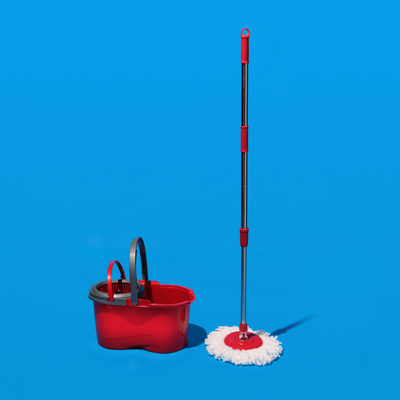
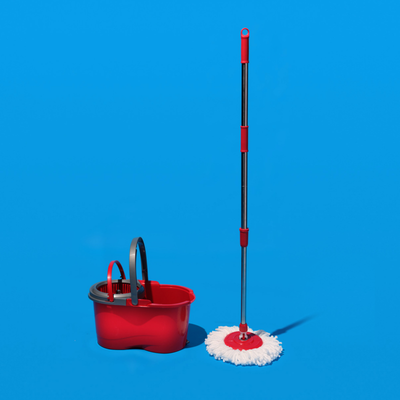
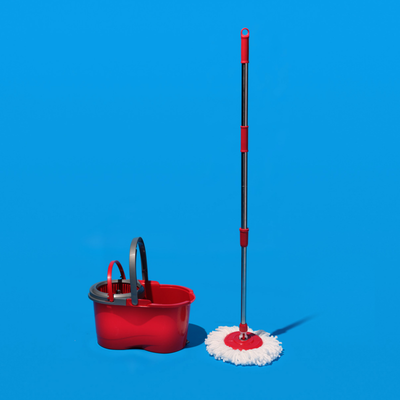
Not all mops are created equal, and the one you choose can seriously impact your results. The best mop for your kitchen tile might not be the right choice for your delicate hardwood floors. For example, a Revolution Spin Mop is fantastic for controlling moisture, making it ideal for materials that are sensitive to water. A classic sponge mop, on the other hand, offers great scrubbing power for sticky spills on linoleum. Take a moment to consider your floor type and the kind of mess you’re tackling. Having a few different mops in your cleaning arsenal ensures you always have the perfect tool ready to go for any surface in your home.
Dilute Your Cleaner Correctly
More is not always better, especially when it comes to floor cleaner. Using too much soap or a concentrated solution can leave behind a dull, sticky film that attracts even more dirt. Whether you’re using a store-bought cleaner or a DIY mix, getting the ratio right is key. Always read the label on commercial products for dilution instructions. If you’re making your own, a little goes a long way. A common mistake is pouring cleaner directly onto the floor, but it’s much better to mix it in your bucket first. This ensures it’s evenly diluted and you won’t end up with overly saturated spots that are tough to rinse clean.
Avoid These Common Mopping Mistakes
You’ve mixed the perfect solution and you’re ready to go, but a few common slip-ups can keep you from getting that satisfying, streak-free shine. Mopping isn’t just about what’s in your bucket; it’s also about how you use it. By steering clear of these simple mistakes, you can make sure your floors get cleaner without any unintended side effects like sticky residue or, worse, permanent damage. Let’s walk through what not to do, so you can get the job done right every time.
Using Too Much Cleaner
When it comes to floor cleaner, more is definitely not better. It’s tempting to add an extra glug of soap for more cleaning power, but this often backfires. Using too much cleaning solution can leave behind a dull, sticky film that attracts dirt and footprints, making your floors look dirtier than when you started. The key is to follow the dilution instructions on the bottle or, for DIY solutions, to use them sparingly. A little goes a long way, especially when you have an effective mop that can spread the solution evenly. You’ll save money on cleaner and get a much better result.
Mixing the Wrong Chemicals
This is the most important mistake to avoid, as it can be genuinely dangerous. Certain household cleaners, when mixed, create toxic gases that are harmful to inhale. For example, you should never, ever mix bleach with ammonia (found in many glass cleaners) or with vinegar. These combinations release toxic gases like chloramine and chlorine. Always stick to one cleaning product at a time and read the label before you start. If you’re unsure, the safest bet is to use a single, commercially-formulated floor cleaner or a simple DIY solution. Your health is not worth the risk of a dangerous chemical reaction.
Drenching Your Floors with Too Much Water
Soaking your floors is a fast track to damage, especially for materials like hardwood, laminate, and even some types of vinyl. Excess water can seep into seams and planks, causing them to swell, warp, or stain over time. Your goal should be a damp mop, not a soaking wet one. Wring your
Related Articles
- Why Mopping is a Perfect All-Around-the-House Cleaning Alternative
- MOP, MOP and AWAY: How To Clean Your Home's Floors Leaving Them Spotle
- Mop Magic: 7 Quirky Ingredients to Turn Your Floors Into Shiny Dance F
- To Mop or Not to Mop: The Ultimate Guide to Wood Floor Cleaning (Witho
- Choosing the Best Wet Mop
Frequently Asked Questions
My floors feel sticky after I mop. What am I doing wrong? That sticky feeling is usually caused by one of two things: using too much cleaning solution or mopping with dirty water. It’s easy to think more soap means a better clean, but excess cleaner leaves behind a residue that attracts dirt. Try cutting the amount of cleaner you use in half. Also, be sure to change your mop water as soon as it looks cloudy. Pushing dirty water around just spreads a thin layer of grime back onto your floors.
Is it true that vinegar is a good cleaner for all types of floors? While vinegar is a fantastic and affordable cleaner, it's definitely not a one-size-fits-all solution. Its acidity is great for cutting through grime on durable surfaces like ceramic tile and vinyl. However, you should never use it on natural stone floors like marble or granite, as the acid can etch and permanently dull the surface. It's also best to use it sparingly and heavily diluted on hardwood, as it can damage the finish over time.
Can I just use hot water to clean my floors, or do I always need a cleaner? For a quick, routine clean, hot water is often all you need to lift light dirt and dust from your floors. It's a great option for a simple refresh, especially on sealed surfaces. You'll want to add a cleaning agent, like a few drops of dish soap or a designated floor cleaner, when you need to cut through grease, tackle sticky spots, or give your floors a deeper, more thorough cleaning.
How can I get my floors clean and make my house smell fresh at the same time? An easy way to add a pleasant scent to your home while you clean is to use essential oils. After mixing up your favorite DIY mopping solution, simply add five to ten drops of an oil like lavender, lemon, or peppermint directly into your mop bucket. It won't add any extra cleaning power, but it will leave behind a subtle, natural fragrance that makes your whole space feel more inviting without any harsh chemicals.
What's the biggest mistake people make when mopping? One of the most common mistakes is not sweeping or vacuuming the floor thoroughly before mopping. If you skip this step, you’re essentially just pushing around dirt, crumbs, and pet hair, which creates a muddy mess and can even scratch your floors. Another major error is using a soaking wet mop, especially on wood or laminate. Always wring your mop out until it's just damp to protect your floors from water damage.









Comments