


Did you know your kitchen sponge is often one of the germiest items in your entire home? It’s true. Because it stays damp and traps tiny food particles, it becomes a perfect breeding ground for bacteria. If that thought makes you cringe, there’s a much more hygienic solution. A dish wand brush is a cleaner alternative because its bristles don’t hold onto water and debris, allowing them to dry out much faster between uses. This simple design choice significantly reduces the opportunity for bacteria to grow, making it an easy and effective step toward a cleaner kitchen.
Key Takeaways
- Focus on a leak-proof design and durable build: The best dish wands solve the most common frustrations by featuring a secure soap dispenser that prevents messes and a sturdy handle that stands up to daily scrubbing.
- Upgrade from a sponge for better hygiene and efficiency: A dish wand is a more sanitary choice because it dries faster and traps fewer food particles, while the all-in-one design makes the chore of washing dishes feel much quicker.
- Match the features to your personal cleaning style: Consider the types of dishes you wash most often to select the right scrubber head, and think about your sink-side storage to find a wand that fits seamlessly into your kitchen routine.
What Makes a Dish Wand Actually Good?
We’ve all been there: you grab a brand-new dish wand, fill it with soap, and are immediately met with a sudsy puddle on your counter. Or maybe the scrubber head gives up after a single encounter with a baked-on lasagna pan. It’s frustrating, and it makes you wonder what separates the good from the genuinely useless. A great dish wand isn’t just a stick with a sponge on the end; it’s a thoughtfully designed tool that makes a daily chore easier.
The best ones combine a few key elements that work together seamlessly. They feel good in your hand, giving you the leverage you need without causing cramps. They dispense soap when you want them to—and only when you want them to. And most importantly, they have a scrubbing head that can tackle tough messes without scratching your favorite cookware. When you find a wand that checks all these boxes, it can honestly change your dishwashing game. It’s about finding smart, durable cleaning accessories that simplify your routine.
First Things First: It Shouldn't Leak Soap
Let's start with the most common complaint: the dreaded leaky soap dispenser. A dish wand that constantly drips soap isn't just messy; it's wasteful. The whole point of the built-in reservoir is to save you the step of grabbing the dish soap bottle, but that benefit is lost if you’re constantly wiping up sudsy rings from your countertop.
A well-made dish wand has a secure seal and a reliable dispensing mechanism, so you’re in complete control of the soap flow. Look for models specifically designed to be leak-proof. This usually means a tight-fitting cap where you add the soap and a button or valve that requires a deliberate press to release suds. This single feature can make the difference between a helpful kitchen tool and a frustrating piece of plastic.
A Comfortable Grip That Won't Slip
You might not think about ergonomics when you’re washing dishes, but a comfortable handle is a game-changer, especially when you have a sink full of pots and pans. A good dish wand should feel like a natural extension of your hand. A handle with a non-slip, comfortable grip allows you to apply the right amount of pressure without your hand getting tired or slipping, even when it’s wet and soapy.
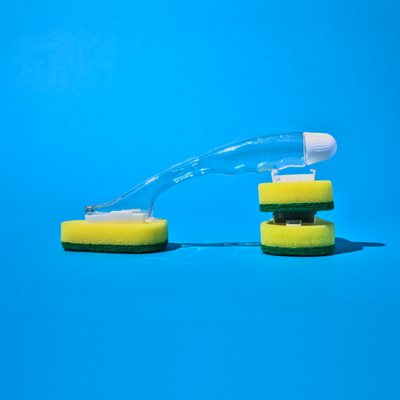
The LOLA Products Dish Brush with Soap Dispenser Wand, for example, was designed with this in mind. A comfortable handle gives you better control to get into the corners of baking dishes or around the rim of a glass. It’s a small detail that makes a big impact on how pleasant—or unpleasant—the task of dishwashing feels.
A Scrubber That's Tough on Grime, Not Your Pans
The scrubber head is where the real work happens, so it needs to be both tough and gentle. The ideal scrubbing surface can power through dried-on food and grease without leaving scratches on your non-stick pans, ceramic plates, or delicate glassware. Many modern dish wands use durable, non-abrasive materials that are effective yet safe for most surfaces.
Beyond being non-scratch, the scrubber itself needs to be durable. A head that flattens, frays, or falls apart after a few uses isn’t worth your money. Look for high-quality sponges and scourers that are built to last through many dishwashing sessions. Some even have unique textures or shapes designed to make rinsing food particles out of the sponge easier, which helps it stay cleaner for longer.
Extra Features That Make a Difference
The Built-In Scraper
Sometimes, a sponge or bristle head just isn't enough for those stubborn, baked-on bits of cheese or burnt sugar. That’s where a built-in scraper comes in. This small, flat edge, usually located on the back of the dish wand's head, gives you the extra power you need to tackle the toughest messes without having to grab a separate tool. It’s perfect for dislodging food that’s practically glued to your pans. Using a dedicated scraper is also much safer for your cookware than resorting to a knife or fork, which can easily cause permanent scratches. This simple feature enhances the all-in-one convenience of the dish wand, making it an even more effective tool for handling all kinds of kitchen cleanup, especially when dealing with tough scrubbing jobs.
Replaceable Heads or a New Wand: Which Is Better?
When the scrubber head eventually wears out, what do you do? Some dish wands are designed to be completely disposable, but the most cost-effective and eco-friendly options feature replaceable heads. Instead of throwing away the entire plastic handle every time the sponge gets grimy, you can simply pop off the old head and snap on a new one.
This approach not only reduces plastic waste but also saves you money over time. Buying a pack of refills is almost always cheaper than buying a whole new wand. It’s a practical feature that shows a brand is thinking about both the user’s wallet and the environment. Plus, it means you can stick with the handle you already know and love.
Which Dish Wand Brands Are Worth Buying?
With so many options on the shelf, it can be tough to know which dish wand will actually make your life easier and which one will end up in a leaky puddle under your sink. We’ve looked at some of the most popular brands to see how they stack up, from household names to cult favorites. Each one has its own strengths and weaknesses, whether it’s a super-durable scrubber or a handle that just feels right in your hand.
Finding the right one often comes down to personal preference and what you value most in a cleaning tool. Do you prioritize a leak-proof design above all else? Or maybe you need a heavy-duty scrubber that can tackle baked-on messes without scratching your favorite pans. Some people prefer a classic sponge head, while others swear by bristles for getting into tight corners. We're going to break down what makes each of these brands a contender in the kitchen, looking at their key features, what real users have to say about them, and where they shine. This way, you can find the perfect partner for your sink and make washing dishes just a little less of a chore.
Making Sense of the Many Choices
Okay, so we've covered a lot of ground: leak-proof seals, ergonomic grips, and scrubbers that won't ruin your favorite skillet. It can feel like a lot to consider for a simple kitchen tool, but it really boils down to one thing: finding the right match for how *you* clean. The perfect dish wand for someone who mostly washes delicate glassware will be different from one for a family that bakes a lot of cheesy casseroles. The key is to think about your biggest dishwashing pet peeves. Is it a messy, soap-dripping handle? Or a sponge that gets gross after a week? Pinpointing your main frustration will help you prioritize which features matter most to you.
Instead of just grabbing the first one you see, take a moment to think about your daily routine. Do you need a scrubber that's tough on grease but gentle on non-stick surfaces? Look for a wand with a non-scratch head. Are you trying to be more eco-conscious and save a little money? A model with replaceable refills is definitely the way to go. This simple switch means you're not tossing a whole plastic handle every month. By considering these practical details, you move from just buying another cleaning tool to investing in one that genuinely makes your kitchen tasks easier and more efficient.
Lola Products: The Underdog Pick
Lola Products is a fantastic choice if your biggest pet peeve is a leaky soap dispenser. Their refillable handle is specifically designed to be leak-proof, so you can say goodbye to wasted soap and messy countertops. The wand features a super-absorbent sponge scrubber that works wonders on dishes, sinks, and even tough cookware without leaving scratches. It’s a reliable, no-fuss tool that gets the job done efficiently. If you’re looking for a dependable dish wand that combines smart design with effective cleaning power, Lola’s lineup of brushes and wands is definitely worth checking out.
Scotch-Brite: The Classic Go-To
You’ve probably seen Scotch-Brite wands everywhere, and for good reason—they are known for being effective scrubbers. The brand is a giant in the cleaning world, and their heavy-duty wands can tackle some serious grime. However, it’s worth noting that some user concerns have popped up regarding their long-term durability. A few people have mentioned issues with the sponge head not staying securely attached, which can be frustrating in the middle of washing a sink full of dishes. While they offer strong cleaning performance, you might want to handle them with a bit of care to ensure they last.
What the Reviews Say About Popularity
Sifting through user reviews reveals a clear pattern: the most popular dish wands aren't the ones with flashy features, but the ones that solve common frustrations. At the top of everyone's list is a leak-proof design. A secure seal that prevents soap from dripping all over the counter is a massive win for users. Durability is a close second, with people praising scrubber heads that can tackle tough, baked-on messes without falling apart or scratching their pans. Finally, thoughtful details like a comfortable, non-slip grip and the option to buy refills instead of a whole new wand consistently get high marks. It all comes down to reliability, efficiency, and good value—the things that actually make a daily chore easier.
OXO Good Grips: The Ergonomic Favorite
If you prefer bristles over a sponge, the OXO Good Grips dish wand is a top-tier option. It stands out for its sturdy bristle head, which provides excellent scrubbing power without flattening out after a few uses. Users consistently praise how easy it is to dispense soap—you get just the right amount with a simple push, and there are no accidental squirts when you’re scrubbing away. The handle is also designed for comfort, living up to the "Good Grips" name. It’s a well-built tool that feels solid and dependable, making it a great choice for those who want a brush-style wand that’s built to last.
Scrub Daddy: More Than Just a Smiley Face
Scrub Daddy has built a loyal following, and their entry into the dish wand market has been met with a lot of enthusiasm. Many users swear by its sponges, which are famous for their texture-changing abilities and serious scrubbing power. The brand’s dish wand is often recommended for its overall effectiveness and simple, user-friendly design. If you're already a fan of their iconic smiley-face scrubbers, integrating their dish wand into your routine is a natural next step. It combines the convenience of a wand with the cleaning performance that made the brand a household name.
What the Reviews Say About Popularity
Sifting through user reviews reveals a clear pattern: the most popular dish wands aren't the ones with flashy features, but the ones that solve common frustrations. At the top of everyone's list is a leak-proof design. A secure seal that prevents soap from dripping all over the counter is a massive win for users. Durability is a close second, with people praising scrubber heads that can tackle tough, baked-on messes without falling apart or scratching their pans. Finally, thoughtful details like a comfortable, non-slip grip and the option to buy refills instead of a whole new wand consistently get high marks. It all comes down to reliability, efficiency, and good value—the things that actually make a daily chore easier.
Dawn & Mr. Clean: The Degreasing Powerhouses
When you see names like Dawn and Mr. Clean, you expect great cleaning power. However, users have reported some mixed experiences with their dish wands. A common point of frustration, particularly with the Dawn model, is that the soap can be difficult to dispense effectively. Some people find they have to work too hard to get the soap flowing, which slows down the entire dishwashing process. While these brands are powerhouses in other areas of cleaning, their dish wands might not be the most reliable choice if you’re looking for a seamless and frustration-free experience at the sink.
Dish Wands vs. Sponges: Which Cleans Better?
The debate over the best tool for washing dishes is a surprisingly passionate one. For years, the classic kitchen sponge has been the go-to for most households, but dish wands have steadily gained a loyal following. So, which one really gets the job done better? While both can leave your plates sparkling, they have some key differences in hygiene, scrubbing power, and overall convenience that might make you reconsider your sink-side setup.
A traditional sponge is great for wiping down counters and handling delicate glassware, but it has some well-known drawbacks, especially when it comes to cleanliness. Dish wands, on the other hand, combine the scrubbing action of a brush or sponge with the convenience of a built-in soap dispenser, creating a tool that streamlines the entire process. They offer a way to tackle greasy pans and sticky plates without getting your hands covered in grime. To figure out if a dish wand is the right upgrade for you, it helps to look at how it performs in the areas that matter most: keeping germs at bay, scrubbing away tough messes, and simply making your life easier. Let's break down how they stack up against each other.
Are They More Hygienic Than a Regular Sponge?
If you’re concerned about germs, this is where the dish wand really shines. Your kitchen sponge is a perfect home for bacteria because it’s porous, stays damp for long periods, and traps tiny food particles. In fact, some studies suggest it’s one of the germiest items in your entire home.
A dish wand, especially one with a brush head, is a much more hygienic option. The bristles don't hold onto water and food debris the way a sponge does, allowing them to dry out much faster between uses. This quick-drying design means there’s less opportunity for bacteria to grow. So, if you want to avoid bacteria buildup, switching from a sponge to a dish wand is a simple and effective step.
Do They Scrub More Effectively Than a Brush?
When it comes to scrubbing power, both tools have their strengths. A dish wand gives you a handle to grip, which allows you to apply more focused pressure on stubborn, caked-on food without getting your hands dirty. The bristles on a brush head are excellent for getting into the nooks and crannies of pots, pans, and utensils.
However, some people prefer the direct control of a handheld sponge or scrubber for more delicate items. While a dish wand is a powerhouse for tough jobs, a potential downside is that vigorous scrubbing can sometimes splash water around your sink area. Ultimately, it comes down to personal preference, but for all-around tough cleaning, the targeted design of a dish wand often comes out on top.
Making Your Soap Work Harder
One of the best things about a dish wand is how it helps you use soap more efficiently. Instead of pouring a big glug of soap onto a sponge only to watch most of it wash down the drain, a well-designed wand dispenses just enough suds right where you need them. The key is a reliable, leak-proof design with a button that requires a deliberate press to release soap. This puts you in complete control of the flow, preventing wasteful drips and messy counters. By applying soap directly to the dish surface through the scrubber head, you create a better lather with less product, making that bottle of dish soap last much longer. It’s a small change that adds up to real savings and less waste.
Why Your Scrubbing Technique Matters
A dish wand isn't just about convenience; it’s about leverage. The handle allows you to apply focused pressure on stubborn, caked-on food without having to put your whole arm into it. This means you can let the tool do most of the work. For tough spots, press down firmly and use small, circular motions to break up the grime. The ideal scrubber head is tough on messes but gentle on your cookware, so you can scrub effectively without worrying about scratching your non-stick pans or delicate plates. Combining the right amount of pressure with a quality, non-abrasive scrubber ensures your dishes get sparkling clean while your favorite cookware stays in great condition.
The Real Reason You'll Love Them: Sheer Convenience
Let’s be honest: the biggest win for the dish wand is its incredible convenience. The built-in, refillable soap dispenser is a game-changer. You simply fill the handle with your favorite dish soap, and it dispenses directly onto your dishes as you scrub. No more fumbling with a separate soap bottle with wet, slippery hands.
This all-in-one design makes the chore of washing dishes feel faster and more efficient. The Lola Soap Dispensing Dish Wand, for example, turns a multi-step process into one simple action. This convenience factor is often what convinces people to make the switch for good. It’s a small change that makes a big difference in your daily kitchen routine.
Sustainable Swaps: Eco-Friendly Dish Brushes
While the convenience of a dish wand is undeniable, many of us are also trying to be more mindful about the amount of plastic we use in our kitchens. It can feel like you have to choose between what’s easy and what’s good for the planet, but thankfully, that’s not the case. The rise of eco-friendly cleaning tools means you can have the best of both worlds. There are fantastic dish brushes and wands made from sustainable, natural materials that work just as hard as their plastic counterparts.
These alternatives are thoughtfully designed to reduce waste without sacrificing performance. Instead of plastic handles and synthetic bristles, they use materials like bamboo, wood, and plant fibers that are renewable and often biodegradable. Making a simple swap can be a small but meaningful step toward a more sustainable household. It’s about finding products that align with your values and still make daily chores feel a little bit easier. Many brands are now offering these options, giving you the power to choose tools that are kind to your home and the environment.
Brushes Made from Natural Materials
When you start looking for eco-friendly dish brushes, you’ll notice a common theme: they’re made from plants. These brushes swap out plastic components for natural materials that are both durable and biodegradable. The handles are often crafted from fast-growing bamboo or sturdy wood, while the bristles are made from tough plant fibers like sisal or coconut. This means that from top to bottom, the tool is designed with the earth in mind. Not only do these materials help reduce plastic pollution, but they also bring a warm, natural aesthetic to your kitchen sink.
Bamboo and Wood Handles
A dish brush with a bamboo or wood handle is a fantastic sustainable choice. Bamboo, in particular, is a highly renewable resource because it grows incredibly fast. These handles are not only better for the environment, but they’re also incredibly durable and feel comfortable to hold. The sturdy, ergonomic build gives you a solid grip for tackling tough scrubbing jobs, proving that you don’t have to rely on plastic for a tool that’s built to last.
Bristles from Plants like Sisal and Coconut
The bristles are where the real cleaning action happens, and plant-based fibers are more than up to the task. Materials like sisal (from the agave plant) and coconut husk are naturally tough and abrasive, making them perfect for scrubbing away grime. Unlike plastic bristles, which can shed tiny microplastics down the drain, these natural fibers are completely biodegradable. They offer effective, chemical-free cleaning power that’s tough on messes but gentle on the planet.
Compostable Sponges and Scourers
One of the biggest benefits of choosing eco-friendly dish tools is what happens when they wear out. Many natural sponges and scrubber heads are compostable, meaning they can break down and return to the earth instead of sitting in a landfill for hundreds of years. This ties back to the idea of using a wand with replaceable heads. When your scrubber is done, you can simply compost the old head and snap on a new one, keeping the durable handle in use.
This approach is a win-win: it drastically reduces plastic waste and saves you money in the long run. Investing in a pack of refills is almost always more affordable than buying a whole new tool every few months. It’s a smart, practical system that makes it easy to maintain a clean kitchen and a clear conscience.
Your Dish Wand Buying Checklist
Not all dish wands are created equal. While they might look similar on the shelf, a few key details can make the difference between a helpful kitchen tool and a leaky, frustrating gadget. When you’re shopping for a new dish wand, keep an eye out for these four features. They’re the true signs of a well-made wand that will make washing dishes feel a little less like a chore. Getting these details right means you’ll have a reliable tool that works with you, not against you, every time you step up to the sink.
Does the Soap Dispenser
The main appeal of a dish wand is the built-in soap dispenser, but only if it works correctly. A great wand has a dispenser that’s easy to fill and, most importantly, doesn’t leak soap all over your counter when you’re not using it. Look for models with a secure cap or a rubber button that seals tightly after you add your dish soap. The goal is to have soap dispense only when you press the button, giving you total control over how much you use. This not only saves you from wasting soap but also keeps your sink area much cleaner.
How Does the Handle Feel in Your Hand?
You’ll be holding this tool while your hands are wet and soapy, so a comfortable, secure grip is a must. An ergonomic handle is designed to fit naturally in your hand, which helps reduce strain and fatigue, especially if you have a big pile of dishes to get through. Look for a handle with a non-slip texture or a shape that gives you good leverage while you scrub. A handle that feels good to hold makes the whole process more comfortable and gives you better control as you clean, preventing annoying slips and drops.
Will the Scrubber Scratch Your Cookware?
The business end of the dish wand is the scrubber, and you want one that’s tough on grease but gentle on your cookware. A non-scratch scrubbing surface is essential for safely cleaning non-stick pans, delicate glassware, and ceramic dishes without leaving marks. Some of the best sponges and scourers have textured surfaces that help lift away stuck-on food more effectively while still being easy to rinse clean. Having a scrubber that does the hard work for you without causing damage is the perfect combination.
Can It Clean Hard-to-Reach Corners?
Baked-on cheese in the corner of a casserole dish or residue at the bottom of a tall water bottle can be tricky to clean. A well-designed dish wand will have a head shape that can easily get into those tight spots. Look for wands with angled heads, pointed tips, or a slightly rounded shape that can fit into corners and along the curved edges of pots and pans. This thoughtful design ensures you can give every dish a thorough clean without having to switch to different brushes or contort your hand to reach every spot.
How Much Should You Spend on a Quality Dish Wand?
It’s a fair question. Walk down any cleaning aisle, and you'll see dish wands with prices ranging from just a few dollars to over twenty. The truth is, you don't need to spend a lot to get a tool that works well. However, the price often reflects the wand's durability, design features, and the quality of the scrubber head. A cheaper wand might get the job done for a while, but a mid-range or premium option could offer a more comfortable grip, a leak-proof soap dispenser, or longer-lasting materials. The key is to find the sweet spot between your budget and the features that matter most to you. It's also smart to think beyond the initial price tag and consider the ongoing cost of replacement heads, which can impact the total value over time.
What's the Average Price?
You can find a basic dish wand for as little as a few dollars, with prices for a simple model starting around $3. More advanced options or kits that include extra refills can go up to about $11. So, what's the difference? A higher price tag usually gets you better features, like a truly leak-proof design, a more comfortable handle, and a scrubber head that won't fall apart after a week. While it might be tempting to grab the cheapest one, investing a little more in a quality wand often means you get a tool that lasts longer and works better, saving you frustration down the road. It’s less about the initial cost and more about the value you get from a tool that makes a daily chore easier.
Budget-Friendly Finds Under $10
You can absolutely find a great dish wand without spending a lot. In the under-$10 range, you’ll discover plenty of reliable, no-frills options that handle everyday grease and grime perfectly. These wands typically feature a simple plastic handle and a standard sponge or bristle head. While they might not have the ergonomic bells and whistles of pricier models, they are workhorses for a reason. Many store-brand cleaning tools fall into this category, offering a fantastic value for anyone who just needs a straightforward tool to get their dishes sparkling clean.
The Sweet Spot: Mid-Range Picks from $10-$20
If you’re willing to spend a little more, the $10 to $20 range is where you’ll find some of the most popular and well-designed dish wands. In this tier, you can expect upgrades like more comfortable, non-slip grips, better-sealed soap dispensers that are less prone to leaking, and more durable scrubber heads. Brands like OXO often shine here, offering thoughtful designs that make the chore a bit easier. This price point really hits the mark for most people, balancing innovative features with long-lasting quality, making it a smart investment for your kitchen sink.
Are Wands Over $20 Ever Worth It?
Is it ever worth it to spend more than $20 on a dish wand? For some, the answer is yes. Premium wands often boast superior materials, like stainless steel accents, or come in sets with multiple interchangeable heads for different cleaning tasks. You might also be paying for a specific aesthetic that matches your kitchen decor. While a higher price doesn't automatically mean it scrubs better, it can mean a sturdier build that feels more substantial in your hand. If you view your cleaning tools as a long-term investment and value top-tier design, a high-end model could be the right choice for you.
Don't Forget to Factor in Refill Costs
The initial price of the dish wand is just one part of the story. Before you commit, think about the ongoing cost of keeping it functional. The real expense over time comes from the replacement heads. Some wands have affordable and easy-to-find refills, while others can be surprisingly pricey or difficult to track down. At Lola Products, we design our tools to be both effective and economical. Our dish wand refills are made to last and are easy to stock up on, ensuring your wand is always ready for action without becoming a hidden expense down the line.
What Do Real People Think About Their Dish Wands?
It’s one thing to read about features on a box, but it’s another to know how a tool actually performs day after day at the kitchen sink. To get the real story, I looked through countless reviews from people who use these wands every day. It turns out, people have some strong opinions—both good and bad. Across different brands and models, a few key themes kept popping up, giving us a clear picture of what makes a dish wand a kitchen hero or a frustrating gadget.
The Most-Loved Features, According to Reviews
Hands down, the most loved feature is the built-in soap dispenser. People appreciate being able to fill the handle with their favorite dish soap and have it ready to go. It streamlines the whole process of washing a few dirty dishes, saving you from constantly reaching for the soap bottle. Another major win is an effective scrubbing head. When a dish brush has sturdy, durable bristles or a tough sponge, users feel like it makes the chore faster and more efficient. A wand that can handle tough, baked-on messes without a ton of elbow grease is always a crowd-pleaser.
Common Complaints to Watch Out For
On the flip side, the biggest frustration is a leaky soap dispenser. There’s nothing worse than finding a puddle of soap on your counter every morning. This is the number one complaint across almost every brand. Another common issue is the sponge head not staying attached. Many people report that the refill heads pop off the clip too easily, especially when you’re scrubbing vigorously. This can be incredibly annoying mid-wash and often leads people to give up on the wand altogether. It’s a design flaw that seems to plague many popular models.
How Long Do They Really Last?
When it comes to getting your money's worth, durability is key. People are willing to spend a little more on a wand that feels solid and well-made. An ultra-sturdy handle and a scrubbing head that doesn’t fall apart after a week are frequently mentioned in positive reviews. While dish wands are convenient, their long-term value often comes down to the cost of refills. If the refills are affordable and the wand itself lasts, most people consider it a great investment. It’s the combination of a strong build and effective sponges & scourers that makes a dish wand a truly valuable kitchen tool.
How to Pick the Perfect Dish Wand Brush for You
Finding the right dish wand can feel surprisingly personal. What works for your friend’s kitchen might not be the best fit for yours. The perfect wand isn't just about brand names; it's about finding a tool that simplifies your daily routine. Think about it—this is something you'll likely use every single day, so it needs to feel right in your hand, work well with your dishes, and not create more clutter around your sink.
Before you grab the first one you see at the store, take a moment to consider what you actually need. Are you mostly washing delicate wine glasses or scrubbing baked-on lasagna from a casserole dish? Do you have a neat little caddy by your sink, or does everything get tossed into a drawer? Your answers to these questions will point you toward a dish wand that you’ll genuinely love using. We’ll walk through a few key things to consider so you can choose a wand that feels like it was made just for you.
First, Consider What You Wash Most Often
The most important job of a dish wand is to clean effectively without causing damage. The type of dishes you wash most often should be the biggest factor in your decision. If your cabinets are full of non-stick pans, delicate glassware, or hand-painted plates, you’ll want a wand with a soft, non-scratch scrubbing surface. A gentle sponge or a microfiber head will clean away grease and food without leaving behind any marks. On the other hand, if you’re constantly tackling tough, baked-on messes, you might need something with a bit more scrubbing power. Look for wands with heavy-duty or scouring pads that can handle the job. Many brands offer refills with different textures, so you can swap them out depending on the task.
Next, Think About Where You'll Keep It
A dish wand is a tool of convenience, but it can quickly become clutter if you don’t have a good place to put it. Before you buy, take a look at your sink area. Do you have space for a stand or a caddy? If so, a wand that comes with its own holder can keep your counter tidy and allow the brush head to dry properly, which helps prevent mildew. If you’re short on space, look for a model with a slimmer profile or a built-in hole in the handle for hanging on a hook. A wand that’s easy to grab and put away is one you’ll be much happier with in the long run.
Finally, Match the Wand to Your Cleaning Style
We all have our own way of doing dishes. Some people like to fill the sink with soapy water, while others prefer to apply soap directly to the sponge. A dish wand with a built-in soap dispenser is perfect for the second group. Check how easy it is to fill—some have a simple cap that pops off, while others can be a bit more cumbersome. The handle is another key feature. You’ll want something with a comfortable, non-slip grip that feels good in your hand, especially when it’s wet and soapy. Pay attention to the little details that match your personal preferences, as these are what separate an okay tool from a great one. Exploring different brushes can help you see what style fits you best.
The Secret to Perfect Suds
Getting the most out of your dish wand isn’t just about the tool itself—it’s also about what you put inside it. The right dish soap consistency can make a huge difference, turning your wand into a suds-producing machine that cuts through grease with ease. But it’s not always as simple as just pouring your favorite soap into the handle. Depending on your soap’s formula and even the type of water you have, you might need a few tricks up your sleeve to get that perfect, long-lasting lather. From diluting your soap for a better flow to tackling the frustrating spots left behind by hard water, a little bit of know-how can transform your dishwashing routine and leave your plates sparkling every time.
How to Dilute Your Dish Soap Correctly
It might sound counterintuitive, but diluting your dish soap can actually make it work better, especially in a dish wand. A thick, concentrated soap can have trouble flowing through the dispenser, but a slightly thinned-out mixture creates suds more easily and helps you avoid wasting product. A great tip is to fill your wand’s handle with water first, then add the soap. Gently invert the wand a few times to mix everything without creating a foamy mess inside. This method is perfect for those quick, one-off washes. For a deeper clean, you can even create a sanitizing solution by following a 1:20 ratio of antibacterial dish soap to water, which helps kill germs while you scrub.
A Warning About Certain Soaps in Dishwashers
It’s important to remember that the soap you put in your dish wand is meant for handwashing only. Never use regular dish soap in an automatic dishwasher. These soaps are formulated to create lots of suds, which is great in the sink but can cause a disastrous, bubbly overflow in your dishwasher. This can lead to leaks, damage your appliance, and leave you with a huge mess to clean up. Always use detergents specifically designed for dishwashers to keep your machine running smoothly.
Tackling Hard Water Problems
If you’ve ever washed your glasses only to have them dry with a cloudy film, you likely have hard water. Hard water is rich in minerals like calcium and magnesium, and when the water evaporates, it leaves these mineral deposits behind, creating unsightly spots and streaks on your dishes. This can be incredibly frustrating, making your clean dishes look dirty. Hard water can also react with soap, reducing its ability to lather and leaving behind a sticky soap scum. To combat this, you need more than just a good scrubbing technique; you need a strategy to dissolve those minerals and get a truly spotless finish. Using effective sponges and scourers can help remove the buildup, but preventing it is even better.
Understanding Hard Water Film
That frustrating cloudy layer on your glassware is a direct result of mineral buildup. To break it down, a rinse aid is your best friend in the dishwasher, as it helps water sheet off your dishes, preventing spots from forming as they dry. For existing buildup from handwashing, a simple vinegar rinse can work wonders. The acidity in the vinegar helps dissolve the mineral deposits, restoring the sparkle to your glassware and plates. It’s an easy, effective way to fight back against hard water film.
Tips for a Spot-Free Finish
For a consistently spot-free shine, a few simple habits can make all the difference. After washing, make sure to rinse your dishes thoroughly to wash away any remaining mineral-rich water droplets. For the best results, dry them immediately with a clean, absorbent cloth. A good microfiber cloth is perfect for this, as it can soak up every last bit of moisture without leaving lint behind. Regularly cleaning your dishwasher can also help, and if your water is particularly hard, you might consider a water softener for a long-term solution to prevent spots from forming in the first place.
Common Dish Wand Problems (and How to Fix Them)
Dish wands are fantastic tools, but let's be honest—they aren't always perfect. If you've ever found a puddle of soap under your sink or had a scrubber head pop off mid-scrub, you know exactly what I mean. These little frustrations can make you want to toss the whole thing and go back to a regular sponge. But before you do, know that most common dish wand problems are avoidable. By knowing what to look for when you buy and how to care for your wand, you can keep your kitchen cleaning routine running smoothly. Let's break down the top three complaints and what you can do about them.
Problem: The Leaky Soap Dispenser
Nothing is more annoying than a dish wand that constantly leaks soap. It’s wasteful, messy, and defeats the purpose of having a convenient, self-dispensing tool. This usually happens because of a poor seal around the cap or where the scrubber head attaches. To avoid a sudsy mess, try not to overfill the handle—leaving a little air at the top can prevent pressure buildup. It also helps to store your wand scrubber-side up in a caddy. When you’re shopping, look for models specifically designed with a secure, no-leak seal. A well-made soap dispensing dish wand should keep the soap inside until you’re ready to use it.
Problem: The Scrubber Head Won't Stay On
You’re scrubbing away at a stubborn pot, and suddenly, the sponge head flies off and lands in the greasy dishwater. We’ve all been there. This problem often comes down to a weak attachment mechanism. Some wands use a simple slide-on design that can loosen over time, while others have a click-in system that’s generally more secure. Before buying, check how the head connects to the handle. A firm, sturdy connection is key. Also, make sure you’re using the correct refills for your specific model, as an ill-fitting head is much more likely to detach.
Problem: Cracked Handles and Poor Durability
A dish wand should be able to stand up to daily use, but cracked handles and flimsy construction are common complaints. Durability often comes down to the quality of the plastic. A cheap, brittle handle is more likely to crack if you drop it in the sink or apply too much pressure while scrubbing. To avoid this, look for wands made from robust, high-quality materials. Reading customer reviews can give you a good idea of a product's long-term durability. Investing in well-made scrubbers and brushes from a trusted brand can save you the hassle of having to replace a broken wand every few months.
Where to Find the Best Deals on Dish Wands
Once you’ve decided which dish wand is right for you, the next step is finding it at a great price. You don’t have to spend a lot to get a quality cleaning tool, but it helps to know where to look. Whether you prefer the convenience of online shopping or need a replacement during your weekly grocery run, there are plenty of places to score a deal on both the wand and its refills. A little smart shopping can save you money and keep your kitchen stocked with your favorite cleaning sidekick.
Online vs. In-Store: Where Are the Best Prices?
Shopping online for a dish wand often means more variety and better prices right at your fingertips. It’s easy to compare different brands and read reviews without leaving your couch. Retailers like The Home Depot offer a wide selection of dish brushes online, often with free shipping for qualifying orders. If you need something fast, many stores now have a "buy online, pick up in-store" option. This gives you the best of both worlds: you can secure the online price and have your new tool in hand within a few hours.
Scoring a Deal at Your Local Supermarket
Sometimes, you just need a new dish wand now. That’s where your local supermarket or drugstore comes in handy. It’s incredibly convenient to grab one while you’re already out picking up groceries or prescriptions. Stores like Walgreens typically stock a solid range of dish wands and scrub brushes, and many even offer same-day delivery or pickup. While the selection might not be as vast as online, the immediate availability is a huge plus when your old scrubber has seen its last dish.
Simple Ways to Save on Wands and Refills
To get the most value, think beyond the initial purchase price and consider the long-term cost of refills. Big-box stores are great for this. For example, you can often find deals on kitchen cleaning tools at Target, which carries everything from non-scratch to heavy-duty options. It’s also smart to compare prices at home improvement stores. Lowe's has a variety of kitchen brushes and supplies, making it easy to find a discount. Keep an eye out for multi-packs of refill heads, as buying in bulk is almost always cheaper than buying them one at a time.
Related Articles
- Dishwashing Tips and Tricks
- Wise and Creative Ways to Use Your Common Dishwashing Sponge
- Work Your Magic with the Soap Dispensing Dish Wand
- Soap Dispensing Dish Wand, with Changeable Sponge Head
Frequently Asked Questions
How often should I replace the scrubber head on my dish wand? A good rule of thumb is to swap out the scrubber head every 3 to 6 weeks, depending on how often you use it. You should also replace it sooner if you notice it’s looking frayed, flattened, or has a persistent odor. A fresh scrubber head not only cleans more effectively but is also more hygienic for your kitchen.
What's the best way to stop my dish wand from leaking? The most common cause of a leaky wand is a poor seal. To prevent this, avoid overfilling the handle with soap; leaving a little bit of air at the top can help reduce pressure. It also helps to store the wand with the scrubber head facing up in a caddy or holder. This allows it to dry properly and keeps gravity from encouraging drips.
Can I use any kind of dish soap in the handle? Most standard liquid dish soaps work perfectly well in a dish wand. However, you might want to avoid very thick, concentrated formulas, as they can sometimes have trouble flowing through the dispenser. Similarly, overly diluted soap won't give you the suds you need. Your everyday liquid dish soap is usually the best choice for a consistent, sudsy clean.
Is it okay to clean my dish wand in the dishwasher? Many dish wand handles are top-rack dishwasher safe, which is a great way to sanitize them every so often. However, it's always best to check the manufacturer's instructions first, as some plastics may not hold up to the high heat. The scrubber heads themselves are generally not meant for the dishwasher and should be rinsed thoroughly by hand after each use.
Sponge head or bristle head—which one should I choose? This really comes down to what you wash most often. A sponge head is excellent for everyday cleaning, as it’s gentle enough for non-stick pans and glassware while still being effective on grease. A bristle head offers more aggressive scrubbing power, making it ideal for getting into the corners of baking dishes and tackling stubborn, caked-on food.









Comments