


That new spin mop box is open, and you're just a few steps away from truly cleaner floors. You've got the handle pieces, the bucket, and that fluffy microfiber head ready to go. But first, you have to put it all together. Don't worry, this part is quick and painless. We're here to show you exactly how to assemble a spin mop in minutes. This guide will walk you through it step-by-step, answer common questions, and share simple tips to get you mopping like a pro right away.
Key Takeaways
- Control Your Mop's Dampness: The spinning bucket is your best feature for a perfect clean. Spin the mop head a few extra times for a drier finish on sensitive floors like hardwood, or just a couple of times for a wetter mop on durable surfaces like tile.
- Mop with a Simple Strategy: For streak-free results, start in the corner farthest from the door and work your way out using a figure-eight motion. This technique traps dirt effectively and prevents you from stepping on your freshly cleaned floors.
- A Clean Mop Means a Cleaner Floor: After you're done, always wash and completely air-dry the microfiber head to keep it fresh and prevent mildew. A quick rinse of the bucket ensures your entire system is ready for the next time you need it.
What Is a Spin Mop? (And Why It's a Game-Changer)
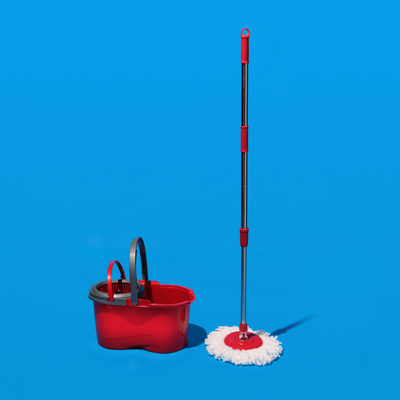
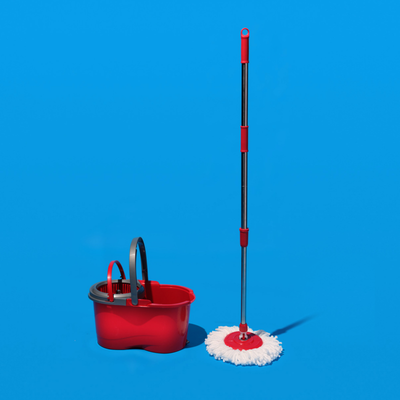
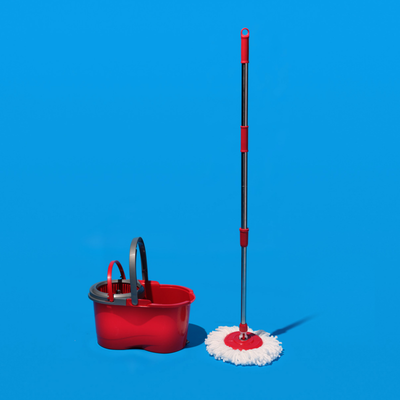
If you’ve ever wrestled with a traditional string mop and a heavy bucket of sloshing, dirty water, you know the struggle is real. A spin mop is a modern cleaning system designed to make washing your floors less of a chore. It consists of two main parts: a mop with a rotating head (usually made of microfiber) and a special bucket with a built-in spinning mechanism. Instead of using your own strength to wring out the mop, you simply place the mop head into the spinner, press down on the handle or a foot pedal, and let centrifugal force do the work.
This simple but brilliant design means you have total control over how damp your mop is, making it safe for all kinds of flooring, from tile and laminate to sealed hardwood. It’s a complete upgrade from older mops that often leave floors streaky and soaking wet. The goal is to clean more effectively with less effort, keeping your hands clean and your back happy. Think of it as the smarter, not harder, approach to getting sparkling clean floors. It's a game-changer for anyone who wants a thorough clean without the mess and muscle that traditional mopping requires.
Say Goodbye to Your Old Mop: Here's Why
Let's be honest: wringing out a grimy, dripping mop by hand is nobody's idea of a good time. The biggest advantage of a spin mop is its self-wringing bucket, which makes the whole process cleaner and more efficient. The rotating head also gets into tight corners and under furniture with ease, something clunky old mops can’t do. Plus, most spin microfiber pads, which grab more dirt and bacteria than traditional cotton mops. This means you get a deeper clean with less physical strain and without ever having to touch dirty water.
Finding Your Perfect Spin Mop: What to Look For
Not all spin mops are created equal. When you’re shopping for one, pay attention to the handle. A durable, lightweight handle made from quality materials will be easier to use and won't bend under pressure. The bucket’s wringing mechanism is also key; a fast and effective spinner streamlines the cleaning process and gets the mop head to the perfect dampness. Finally, look at the mop head itself. A high-quality microfiber head, like the one on the Lola Revolution Spin Mop, will stay fluffy and absorbent for much longer, giving you a better clean every time.
Breaking Down the Different Spin Mop Types
Not all spin mops are created equal. While they all share the same basic goal—to make wringing out a mop easier—the design and features can vary quite a bit. Understanding these differences will help you pick the right tool for your home. From the type of bucket system to the material of the mop head, each element plays a role in how well the mop cleans and how easy it is to use. Let's look at what sets a great spin mop apart.
A Closer Look at the Lola Revolution Spin Mop
The Lola Revolution Spin Mop is designed to make floor cleaning faster and less of a workout. Instead of a clunky foot pedal, it uses a simple push-down handle that spins the mop head 360°, wringing out water with minimal effort. Its braided microfiber head is a powerhouse, absorbing up to 10 times its weight in water and grabbing tough grime. The head also swivels 180° to slide under furniture and into tight corners. Plus, the handle is a lightweight but durable alloy. To top it off, the mop head is machine washable for up to 300 uses, and the whole system comes with a 5-year guarantee.
Spin Mop Showdown: How Top Brands Stack Up
When you start looking at different spin mops, you'll notice a few key features that make some stand out. The Lola Revolution Spin Mop, for example, gets high marks for its wringer technology. The push-pump handle gives you complete control over how damp or dry you want the mop head, which is a feature customers love—78% of users give it a 5-star rating. This level of control is perfect for cleaning different floor types, from heavily soiled tile that needs more water to hardwoods that require just a damp touch. It’s this thoughtful design that makes a real difference in the cleaning experience.
Dual-Bucket or Single-Bucket: Which Is Better?
Spin mops generally come with one of two bucket types: single or dual. A dual-bucket system has separate compartments for clean and dirty water. This design is great for preventing cross-contamination, as you’re not dipping your clean mop back into dirty water. On the other hand, single-bucket systems, like the one used for the Lola Revolution, offer a more streamlined and compact design. They are simpler to carry and store. While you might need to change the water more often during a big cleaning job, many people find the convenience and simplicity of a single bucket is the perfect fit for their routine.
Microfiber vs. Cotton: Choosing the Right Mop Head
The material of the mop head is one of the most important factors in its cleaning power. Traditional mops often use cotton, but microfiber has become the gold standard for a reason. Microfiber heads, like the one on the Lola Revolution, are far more absorbent and effective at trapping dirt, dust, and grime within their fibers. Cotton tends to just push dirt around. Because microfiber is so durable, you can toss the mop head in the washing machine—it can handle up to 300 washes. This makes it a more effective, long-lasting, and sustainable option for keeping your floors spotless.
Getting to Know Your Spin Mop: A Part-by-Part Breakdown
Okay, let's get acquainted with your new cleaning partner. Before you start putting anything together, it’s a good idea to lay out all the pieces and know what you’re working with. Think of it as a meet-and-greet with your spin mop. Unboxing a new tool can feel a little overwhelming, but once you know what each part does, assembly becomes a breeze. Most spin mop systems, like the Lola Revolution Spin Mop, come with the same core components designed to make your life easier. Let's break them down.
The Handle and Pole: Your Control Center
The handle is your main point of contact, and it usually arrives in a few sections that you’ll need to screw together. This multi-part design isn't just for fitting it in the box; it allows you to adjust the length for comfortable mopping, no matter your height. No more hunching over! You’ll typically find a top handle piece, one or two middle poles, and a bottom section that connects to the mop head base. Many handles also have a locking mechanism that you can engage or disengage to allow the spinning action. It’s the command center of your whole mopping operation.
The Microfiber Mop Head: The Heart of the Clean
This isn't your average string mop head. The circular head is made of ultra-absorbent microfiber strands that are fantastic at trapping dirt, dust, and grime instead of just pushing them around. The best part? Microfiber is gentle enough for almost any hard floor surface, from sealed hardwood and laminate to tile and vinyl, so you can clean without worrying about scratches. Most of these mop heads are detachable and machine washable, which means you can reuse them again and again. When it’s finally time for a new one, you can easily find mop head refills to keep your system working like new.
The Bucket: Where the Magic Happens
Here’s where the magic happens. The bucket is the heart of the spin mop system. It features a built-in spinner, which acts like a salad spinner for your mop head. After dunking the mop in water, you place it in the spinner basket. With a push of a foot pedal or the handle itself, the basket spins at high speed, wringing out the perfect amount of excess water. This gives you total control over how damp your mop is, preventing puddles and speeding up drying time. Many buckets also include a splash guard to keep water from flying out while you spin.
How Clean and Dirty Water Stay Separate
Some of the most effective spin mop systems feature a dual-bucket design. This is a game-changer for getting a truly deep clean. Instead of dipping your mop back into the same murky water you just wrung out, these systems keep your clean water and cleaning solution separate from the dirty water. This means you’re always mopping with fresh water, not just spreading grime from one part of the floor to another. It’s one of many thoughtful cleaning accessories that makes a huge difference in your final result, ensuring your floors are left sparkling clean every single time.
How to Assemble Your Spin Mop, Step by Step
Alright, you've unboxed your shiny new spin mop and you're ready to get cleaning. Putting it together is a breeze, and you'll be mopping in minutes. While specific models might have small differences, these four simple steps cover the basics for getting your mop assembled and ready for action. Let's get started!
Step 1: Assembling the Mop Handle
First things first, let's build the handle. You should have a few pole sections and a handle grip or cap. Start by screwing the pole sections together firmly. Most designs, like the Lola Revolution Spin Mop, are threaded to twist together easily. Make sure each connection is snug so the handle feels sturdy and doesn't wobble while you work. Once the poles are connected, attach the handle cap to the top. This gives you a comfortable grip for mopping and spinning.
Check for Protective Caps
Before you start connecting the pole sections, take a moment to inspect the threaded ends. Sometimes, manufacturers will place small plastic caps over the threads to protect them from damage during shipping. It’s an easy detail to miss, but these caps must be removed before you can assemble the handle correctly. Trying to screw the poles together with a cap still on will prevent a secure connection and could damage the threads. Just give each end a quick look, pop off any protective pieces you find, and you’ll be ready to build a sturdy handle for your mop.
Align and Connect the Pole Sections
Now, let's put the handle together. Lay out the pole sections so you can see them all clearly. Most spin mop handles come in three parts: a bottom piece that attaches to the mop head base, a middle extension pole, and the top section with the hand grip. Start by taking the bottom pole and carefully aligning the threads with the middle section. Twist them together until they feel snug. Then, do the same thing to connect the top handle piece. The process is straightforward—just make sure you aren't cross-threading the pieces as you connect them.
Ensure a Tight, Gap-Free Fit
The final check for your handle assembly is to make sure every connection is solid. Give each joint a firm hand-tighten, ensuring there are no visible gaps between the pole sections. A loose handle will feel wobbly and unstable when you’re mopping, and it could even come apart during the spinning process. You want the handle to feel like one single, sturdy pole. This solid construction gives you better control and leverage, especially when you’re tackling stubborn, sticky messes on the floor. A secure handle is the foundation of all the great mops in your cleaning arsenal.
Step 2: Snapping on the Mop Head
With the handle assembled, it's time to connect the microfiber mop head. Place the mop head flat on the floor. Line up the base of the handle directly over the center of the mop head. Apply gentle but firm pressure straight down. You should hear a distinct "click" sound. This click is your confirmation that the head is securely locked onto the handle. Give it a little lift to make sure it’s attached properly before you move on to the next step.
Attach the Microfiber Pad to the Base
Before you connect the head to the handle, you’ll need to attach the soft microfiber pad to the hard plastic base. Start by laying the circular microfiber pad on the floor with the fluffy side facing up. Now, take the plastic disc and place it directly on top, making sure it's centered over the pad. Press down firmly with your hands or even your foot. The pad will grip the base, creating one complete mop head. This simple press-on design is also what makes it so easy to pull the pad off for washing. When it’s time for a replacement, you can just grab a new refill and get right back to cleaning.
Connect the Head to the Handle
With your mop head now in one piece, it's time to connect it to the handle. Place the assembled mop head on the floor. Take the mop handle you put together and line up the bottom end directly over the pivot point in the center of the plastic base. Apply gentle but firm pressure straight down until you hear a distinct "click." That satisfying sound is your confirmation that the head is securely locked onto the handle. Give it a little lift to double-check that it’s attached properly. This secure connection is key to making sure all our mops pivot and spin correctly for a seamless cleaning experience.
Step 3: Getting the Bucket Ready
Now for the bucket. If you have a dual-bucket system, make sure the clean water reservoir and the dirty water spinner are latched together securely. Fill the clean water side up to the indicated fill line—you don't want to overfill it. Add a small amount of your favorite floor cleaner. Using the right amount of solution is key for streak-free floors. You can find a variety of great cleaning accessories to pair with your mop for the perfect clean.
Insert the Spinner Basket (If Separate)
Some spin mop buckets come in two pieces: the main water basin and a separate spinner basket. If this is the case for your model, your next step is to connect them. Simply slide the spinner basket into the main bucket, making sure it fits snugly. You might feel it click or see hooks that latch into place, securing the two parts together. This basket is the powerhouse of your system; it’s what acts like a salad spinner to wring out the mop head efficiently. Many designs also include a splash guard around the spinner to keep water contained while you spin, ensuring a mess-free experience. Taking a moment to ensure everything is properly connected will make your entire mopping process smoother and more effective.
Step 4: Taking It for a Test Spin
This is the fun part! Dip the mop head into the clean water, ensuring it's fully saturated. Then, transfer it to the spinner basket. Depending on your model, you'll either use a foot pedal or pump the handle up and down to start the spinning action. Give it a few pumps to wring out the excess water. The more you spin, the drier the mop head will be, which is great for floors that are sensitive to moisture. Now you're officially ready to start mopping
Stuck During Assembly? Here's What to Do
Even the most straightforward tools can have a tricky moment during setup. If you’ve run into trouble putting your new spin mop together, don’t worry—it happens. Most of the time, it’s a simple fix that’s easy to overlook. We’ve gathered the most common assembly questions here to help you get past that snag and on your way to sparkling clean floors.
What to Do If the Handle Won't Connect
Having trouble getting the handle sections to screw together? The first thing to check is that you’re connecting the right parts. Most spin mop handles come in a few pieces, so it’s easy to mix them up. Make sure you’re using the extension with the thinner thread to connect to the mop head base. When you screw it in, it should feel secure, with no gap between the pieces. If it feels wobbly or won’t tighten, try a different section. A solid connection is essential for a sturdy mop that can handle any cleaning job.
Mop Head Not Attaching? Try This
Getting the mop head to snap into place can seem tricky, but there’s a simple method. First, lay your new microfiber mop head flat on the floor. Next, line up the circular plastic base at the bottom of the handle directly over the center of the mop head. Now for the easy part: put the mop handle over the mop head and step on the plastic base until you hear a satisfying 'click.' That sound is your cue that the mop head is securely attached and ready for action. If you don't hear it, just lift and try again with firm, even pressure.
How to Fix a Spinner That Isn't Working
The spinning mechanism is the star of the show, so it’s a pain when it doesn’t work right. A spin mop bucket needs a fast and effective wringing mechanism to streamline the cleaning process. If yours isn’t spinning smoothly, check for any obvious obstructions. Sometimes a stray mop string can get caught in the works. Also, double-check that the bucket’s components are assembled correctly. The spinner should move freely when you press the pedal or pump the handle. If it feels stuck, don’t force it. Inspect the mechanism and ensure everything is aligned. You can find replacement refills and parts if anything seems broken.
How to Use Your Spin Mop Like a Pro
Now that your spin mop is assembled, you’re ready for the fun part: getting those floors to sparkle. Using a spin mop is incredibly straightforward, but a few simple tips can make a huge difference in your results. The beauty of this tool is the control it gives you—from how much water you use to how you tackle different floor types. Forget the days of wrestling with a sopping wet, stringy mop that just pushes dirt around. We’ll walk through exactly how to fill your bucket, get the perfect spin for your floors, and develop a mopping rhythm that leaves every surface spotless. Let’s get to it.
The Perfect Mix: Water and Cleaning Solution
First things first, let's prep your cleaning solution. Fill the clean water compartment of your bucket with warm water up to the indicated fill line. If your bucket doesn't have one, a good rule of thumb is to fill it about halfway. Next, add your favorite floor cleaner. A little goes a long way here—too much soap can leave a sticky residue on your floors. Just a small amount is all you need to cut through grime and leave a fresh scent. If you're cleaning sensitive surfaces like hardwood, always double-check that your chosen cleaner is safe to use. Using the right cleaning accessories ensures you get the best results without damaging your floors.
How to Get the Perfect Spin Every Time
This is where the magic happens. After dipping your mop head into the clean water, place it into the spinner basket. Make sure all the microfiber strands are inside to avoid any splashing. Now, gently press the foot pedal to start the spinning motion. The more you press, the more water is wrung out. For a wetter mop ideal for tile or linoleum, a few quick pumps will do. For surfaces like laminate or hardwood that are sensitive to moisture, give it a few extra spins until the mop head is just damp. The Lola Revolution Spin Mop gives you complete control, so you can customize the dampness for every floor in your home.
Your Step-by-Step Guide to Mopping Floors
To avoid mopping yourself into a corner (literally), start at the point farthest from the room’s exit and work your way back. Mop in small, manageable sections using a figure-eight motion, which helps trap dirt instead of just pushing it around. When you notice the mop head looking dirty or leaving too much water behind, it’s time for a rinse and spin. Dip it in the clean water, wring it out in the spinner, and you’re ready to continue. This method ensures you’re always cleaning with a fresh mop head, which is the secret to a truly clean floor. It’s a simple technique that makes all our mops more effective.
Using a Dual-Bucket System Effectively
If your spin mop has a dual-bucket system, you've got a serious advantage for achieving a deep, hygienic clean. The whole point of this design is to keep your clean water and cleaning solution separate from the dirty water you wring out. This prevents cross-contamination, which is just a fancy way of saying you won't be spreading grime from one part of the floor to another. Your process is simple: dip the mop head into the clean water reservoir, mop a section of your floor, then place the mop in the spinner over the dirty water compartment to wring it out. By always returning to fresh water, you ensure every pass of the mop is actually removing dirt, not just moving it around. It’s a simple feature that makes your mopping efforts far more effective.
How Often Should You Change the Mop Water?
One of the biggest mistakes people make is mopping with dirty water. You'll know it's time for a change when the water in your bucket becomes murky and gray. If you keep mopping, you're essentially just spreading diluted dirt back onto your clean floors. With a dual-bucket system, the dirty water is kept separate, but you'll still need to empty it and refill the clean side periodically. Once you're finished with a room or a large area, pour out the dirty water, give both sides of the bucket a quick rinse, and start fresh. This simple step is non-negotiable for achieving that streak-free, satisfyingly clean finish you’re after.
Simple Maintenance to Keep Your Spin Mop Working
Your spin mop is a fantastic tool, and with a little care, it will keep your floors sparkling for a long time. Just like any other cleaning tool, regular maintenance is key to getting the best performance. A clean mop means a cleaner floor, and taking a few minutes to care for it after each use prevents grime buildup and ensures it’s always ready to go. Think of it as a simple routine that protects your investment and makes your future cleaning sessions that much easier.
How to Clean Your Mop Head
A dirty mop head just pushes dirt around, so keeping it clean is your top priority. After you’re done mopping, detach the microfiber head from the handle. A thorough rinse under warm running water will wash away most of the immediate grit and grime. For a deeper clean, you can toss the mop head right into the washing machine. I like to wash mine with other cleaning cloths or a load of towels. Just let it air dry completely before storing it to keep it fresh and ready for next time.
How to Clean the Bucket and Spinner
Don't forget about the bucket! Leaving dirty water sitting in it is a recipe for a grimy, smelly mess. Once your floors are clean, pour out the used water and give the bucket a good rinse. Pay special attention to the spinner mechanism, as dirt can get trapped in there. A quick spray and wipe-down with a clean cloth is usually all it takes. This simple step keeps your entire mop system hygienic and prevents old dirt from getting back onto your clean mop head.
Know When It's Time for a New Mop Head
Even with regular washing, your mop head will eventually wear out. If you notice it’s looking frayed, isn't absorbing water like it used to, or starts leaving streaks behind, it’s time for a replacement. Using a fresh mop head makes a world of difference in how well your floors come out. Thankfully, swapping it out is easy. You can find high-quality mop refills that snap right into place, instantly restoring your spin mop’s cleaning power.
Storing Your Spin Mop the Right Way
Your floors are sparkling, but what about your spin mop? Tossing it damp into a closet is a recipe for a smelly mess. Proper storage is the secret to making your mop last longer and stay fresh for the next cleaning session. It’s not just about putting it away—it’s about prepping it for a long and effective life. A few simple habits will keep your mop head fluffy and your bucket clean, ensuring your whole system is ready to go when you need it.
How to Properly Dry Your Mop to Prevent Mildew
The most important step for mop longevity is drying it completely after every use. A wet mop head is a perfect home for mold and mildew, which causes that musty odor. After your final rinse, use the bucket’s spinner to wring out as much water as possible. Then, detach the mop head from the handle and hang it up to air dry in a well-ventilated spot, like a laundry room. If you can’t hang it, stand the mop upright where air can circulate freely. This simple step keeps your mop refills fresh and effective for much longer.
Clever Storage Ideas for Your Spin Mop
Once your mop is clean and dry, give it a proper home. The best place is somewhere it can hang freely, which helps the microfiber head keep its shape. A simple hook or a wall-mounted organizer in a utility closet or garage works perfectly. This keeps the mop off the floor, preventing the fibers from getting flattened or dirty again. Avoid storing your mop inside the bucket, as this traps moisture and encourages mildew growth. Keeping your cleaning mops in a designated, airy spot ensures they’re always ready for action and easy to find.
Nesting Buckets for Compact Storage
Let's talk about storage. A spin mop bucket, especially a dual-bucket system, can feel a bit bulky when it's time to put it away. But many are designed with a clever space-saving trick: nesting. Once both parts of your bucket are completely dry, you can often nest the dirty water bucket inside the clean water bucket. This simple move cuts the storage footprint in half, making it much easier to tuck away in a crowded utility closet or under a sink. It’s a thoughtful design feature that makes owning a more effective dual-bucket system even more convenient. You get the benefit of separating clean and dirty water without sacrificing precious storage space.
Tips to Prevent Common Wear and Tear
A little routine care goes a long way in preventing damage to your spin mop. Make it a habit to inspect the different parts—the handle lock, the spinner, and the base where the head attaches—for any signs of stress or blockage. Always rinse the bucket thoroughly after dumping the dirty water to prevent grime buildup. By cleaning your mop head after each use, you stop dirt from becoming embedded in the fibers. Having a few extra cleaning accessories on hand, like a spare mop head, lets you rotate them and reduce wear on a single one.
Related Articles
- 5 Best Easy Mop Floor Cleaners for 2025
- 8 Best Spin Mops with Wheels (2025 Review)
- 8 Best Spin Mops for Hardwood Floors of 2025
- The 5 Best Spin Mops That Separate Dirty Water
Frequently Asked Questions
Can I really use a spin mop on my wood floors? Absolutely. This is one of the best things about a spin mop. Because you control how much water is wrung out, you can get the mop head to a perfectly damp state that's safe for sealed hardwood and laminate. Just give it a few extra pumps in the spinner until it’s no longer dripping. This gives you enough moisture to clean effectively without soaking the wood.
How often should I wash the microfiber mop head? For the best results, I recommend tossing the mop head in the wash after every major cleaning session. If you're just doing a quick spot clean, a thorough rinse under hot water might be enough. Washing it regularly prevents grime from building up in the fibers, which means it will clean better and last longer. Just be sure to let it air dry completely before you store it.
My floors look streaky after mopping. What's going on? Streaks are usually caused by one of two things: using too much cleaning solution or mopping with dirty water. Try cutting back on the amount of cleaner you add to the bucket—a little really does go a long way. Also, make it a habit to change your water as soon as it starts looking murky. This ensures you're always lifting dirt off the floor, not just spreading it around.
What kind of cleaning solution works best with a spin mop? You can use almost any floor cleaner you like, as long as it’s appropriate for your specific floor type. The key is to use it sparingly. A simple solution of warm water with a splash of a pH-neutral cleaner is often all you need for a great clean. For a more natural approach, a bit of white vinegar in the water works wonders on tile and vinyl floors.
Is it okay to leave water in the bucket until my next mopping session? I would strongly advise against it. Leaving dirty water to sit in the bucket creates a breeding ground for smelly bacteria and can lead to grime building up in the spinner mechanism. Always empty and rinse your bucket after you finish cleaning. It only takes a minute and ensures your entire mop system stays fresh and ready for next time.









Comments