


You probably have a mop and broom in your closet, but are they really working for you? It’s easy to overlook these cleaning staples, but using the wrong ones can lead to serious frustration—and a sore back. The secret to a truly clean floor isn't more effort; it's a better tool. The difference is in the details: the angle of the bristles, the absorbency of the mop head, and the comfort of the handle. This guide will help you look at these basic tools with fresh eyes, so you can find the perfect pair to make your floors finally shine.
Key Takeaways
- Choose tools designed for your specific floors: The right tool makes cleaning easier and protects your surfaces, so match soft bristles to hardwood and use more absorbent mops for tile.
- Clean and hang your tools after every use: A few minutes of care prevents mildew on mop heads and keeps broom bristles from bending, which helps your tools last longer and perform better.
- Look for specific details in customer reviews: Find feedback from people with similar homes or cleaning challenges (like pets) to get an honest look at a tool's durability and real-world performance.
How to Choose the Right Mop and Broom
Choosing the right cleaning tools can feel like a chore in itself, but it doesn't have to be complicated. Think of your mops and brooms as the foundation of your cleaning toolkit. With the right ones on hand, you can tackle any mess efficiently and get back to enjoying your home. The key is understanding that different floors and messes require different tools. A broom that works wonders on your hardwood might not be the best for your garage, and the mop you use for a quick spill isn't the same one you'd use for a deep clean.
This guide will walk you through the essentials of selecting the perfect mop and broom for your space. We'll cover the different types available and what they do best, so you can feel confident you’re making the right choice. Having the proper cleaning accessories not only makes the job easier but also helps you achieve a better, longer-lasting clean. Let's get you set up with the tools that will make your floors shine.
Find the Best Mop for Any Mess
When it comes to mops, it’s helpful to think in two categories: wet and dry. A dry mop, like a dust mop, is your first line of defense for picking up dust, pet hair, and loose debris before you wash the floor. A wet mop is what you’ll use with water and a cleaning solution to scrub away grime and spills. Many modern mops are designed to handle both tasks. For example, a spin mop lets you control the dampness for either a light dusting or a serious scrub, while a sticky mop is fantastic for grabbing every last bit of hair and lint. The best choice depends on your floors and the kind of messes you handle most often.
Find the Best Broom for Any Surface
Not all brooms are created equal. The right one makes sweeping feel less like a task and more like a quick win. For indoor surfaces like tile and hardwood, an angle broom is perfect for getting into tight corners and along baseboards. The bristles are typically softer to avoid scratching your floors. For larger areas like a garage or patio, a heavy-duty push broom will be more effective. When choosing from different brooms, pay attention to the bristle material and stiffness. A good broom should feel sturdy and effectively capture dirt without just pushing it around, making your cleanup quick and thorough.
What Makes a Mop or Broom Great?
When you’re standing in the cleaning aisle, it’s easy to think a mop is just a mop. But the right tool can make cleaning feel less like a chore and more like a quick win. The difference between a great mop or broom and a mediocre one comes down to a few key details: the materials they’re made from, how comfortable they are to use, and whether they’re suited for the job at hand. A well-designed tool not only cleans more effectively but also lasts longer and saves you from backaches. Before you grab the first one you see, let’s break down the features that truly matter.
How Experts Test Cleaning Tools
It’s always a good idea to see what the pros look for when they test cleaning tools, because it helps you focus on what really matters. For example, experts at Wirecutter found that the best brooms have bristles with frayed or "flagged" ends, which are amazing at grabbing fine dust and pet hair instead of just pushing them around. They also point out that angled bristles are a must for reaching into corners. For dustpans, they recommend a rubber lip that sits flat against the floor to stop that annoying line of dirt from getting left behind. When it comes to mops, microfiber is the top choice because it attracts and holds onto grime so well, whether you’re cleaning wet or dry. By keeping these expert-backed features in mind, you can confidently choose tools that are built to perform.
Why Mop Head & Bristle Materials Matter
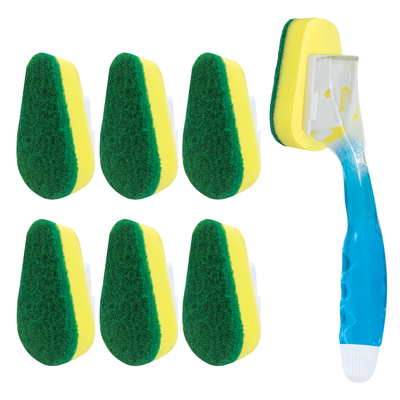
The business end of your mop or broom is what does all the work, so its material is everything. For mops, microfiber heads are fantastic for attracting dust and pet hair on dry floors and are super absorbent for wet cleaning. Cotton is a classic choice for its scrubbing power and durability, perfect for tough, grimy floors. Sponge mops work wonders on smooth, non-porous surfaces like tile or linoleum.
For brooms, pay attention to the bristles. Bristles with flagged (split) ends are soft and excel at sweeping up fine dust and debris on indoor floors. Unflagged bristles are stiffer and more aggressive, making them ideal for tackling larger messes in garages or on patios.
Choosing the Right Broom Bristles
When you're picking out a broom, the bristles are the most important feature to consider. It's what separates a great sweep from just pushing dirt around. You'll often see bristles described as either "flagged" or "unflagged." Flagged bristles have split, feathery ends that are amazing at grabbing fine dust, pet hair, and tiny crumbs. This makes them perfect for indoor surfaces like hardwood or tile, where you want a thorough clean without any scratches. On the other hand, unflagged bristles are stiffer and more robust. They're built to handle bigger jobs and larger debris, which is why they're the go-to for sweeping out the garage, a patio, or a workshop. Choosing the right type for your needs ensures your broom actually captures the mess instead of just scattering it.
Prioritize a Comfortable Handle
If you’ve ever finished sweeping and felt a twinge in your back, you know why ergonomics matter. A comfortable handle can make a huge difference. Look for a handle length that suits your height, so you can work with a straight back instead of hunching over. Many modern mops and brooms feature telescoping handles that you can adjust for a custom fit, which is also great for reaching under furniture or into high corners. A cushioned grip can also prevent hand strain during bigger cleaning sessions. And here’s a pro tip: choose a broom or mop with a loop or hole at the end for easy hanging. Storing your tools off the ground keeps the bristles and mop heads in perfect shape.
Do You Need Wet or Dry Cleaning Options?
Most homes need a two-part approach to floor cleaning: dry cleaning to pick up loose debris, followed by wet mopping to remove grime. Using a dry tool first, like a dust mop or a sticky mop, prevents you from just pushing wet dirt around. The Lola Rola Sticky Mop is a game-changer for picking up pet hair, lint, and crumbs before you bring in the water.
For wet cleaning, you have options like spin mops that wring out excess water for you or classic string mops for heavy-duty scrubbing. Having dedicated tools for both wet and dry messes ensures you can handle anything from dusty floors to sticky spills effectively.
Don't Forget the Dustpan
A great broom can be completely let down by a bad dustpan. You know the kind, the one that leaves that infuriating line of dust on the floor no matter how many times you sweep. To avoid this, look for a dustpan with a thin, flexible rubber lip that sits completely flat against the floor. This creates a seal, ensuring all the dirt goes into the pan on the first try. Some of the best dustpans also have a built-in ridge or "teeth" along the side, which you can use to comb dust bunnies and hair off your broom’s bristles. A dustpan that snaps onto your broom handle is another convenient feature for easy storage.
Features of a High-Quality Dustpan
So, what separates a good dustpan from a bad one? It all comes down to a few smart design features that make your final sweep satisfyingly clean. When you're shopping, keep an eye out for these details to find a dustpan that works with you, not against you.
- A Thin Rubber Lip: This is the secret weapon against that annoying line of dirt. A flexible rubber edge lies perfectly flat against the floor, creating a tight seal so every last speck of dust and debris goes into the pan, not under it.
- Built-in Comb: Check for a dustpan with built-in "teeth" or a comb-like edge. This brilliant feature lets you clean your broom bristles right into the pan. A quick swipe removes trapped hair and dust bunnies, keeping your broom fresh for the next use.
- Durable Build: A flimsy dustpan that cracks or bends is more frustrating than helpful. Look for sturdy construction that can handle regular use, ensuring it will be a reliable part of your cleaning kit for years to come.
- Easy Storage: The most convenient dustpans are designed to snap right onto the broom handle. This keeps your tools together and tidy. An upright sweep set is a great example, combining a long-handled broom and dustpan into one easy-to-store unit.
How to Match Your Tools to Your Home
Walking down the cleaning aisle can feel a bit like a pop quiz. Angled brooms, sponge mops, microfiber dusters… with so many options, how do you know which ones are right for you? It’s easy to grab what looks good or what you’ve always used, but the secret to a truly clean home isn’t about having a closet full of supplies. It’s about having the right supplies. Using the right tool for the job means less scrubbing, less frustration, and more time to actually enjoy your sparkling space.
The good news is that you don’t need to be a professional to build the perfect cleaning arsenal. It all comes down to a few simple considerations about your home and your lifestyle. Before you add another mop or broom to your cart, take a moment to think about your floors, your most common messes, and your personal cleaning style. This simple approach will help you cut through the clutter and choose tools that work hard, so you don’t have to. Let’s get into how you can pick the perfect partners for a cleaner home.
Start with Your Floor Type
The first step is to look down. The type of flooring in your home is the single most important factor in choosing your cleaning tools. Using the wrong broom on a delicate surface can cause scratches, while using the wrong mop on textured tile won’t get into the grout lines. A stiff-bristled broom is great for sweeping outdoor patios or garages, but you’ll want something with softer, flagged bristles for your indoor hardwood or laminate floors. Similarly, some mops are designed for maximum absorption on tile, while others are made to use minimal water on sensitive wood surfaces. Always check the product details to see what floors it’s designed for.
Special Care for Terrazzo Floors
Terrazzo floors are stunning, but their unique composite nature means they need a gentle touch to stay that way. When it's time to clean, think "less is more." You'll want to use a soft microfiber mop with a small amount of water and a pH-neutral cleaner specifically designed for stone. Wring your mop out thoroughly before it touches the floor to avoid excess moisture. It’s crucial to skip harsh chemicals like vinegar, bleach, or ammonia. While they seem like powerful cleaners, they can strip the sealant and leave permanent dull spots on your beautiful floor. For regular upkeep, a quick sweep two to three times a week and a gentle mopping session once a week will keep your terrazzo looking its absolute best.
Plan for Your Common Cleaning Tasks
Think about the messes you handle most often. Are you constantly wiping up spills in the kitchen, or is your main challenge dust bunnies and pet hair? Your answer will guide you to the right tool. It’s helpful to have different tools for different jobs. For daily upkeep like crumbs and pet fur, a quick and easy tool like the Lola Rola Sticky Mop is perfect for grabbing debris without a fuss. For deeper cleans, like scrubbing muddy footprints or sticky kitchen floors, you’ll need a sturdy wet mop that can handle cleaning solutions and a bit of elbow grease. Separating your tools by task keeps your home cleaner and makes the job feel less like a chore.
Factor in Your Routine and Storage Space
Finally, be realistic about your lifestyle. If you live in a small apartment, you probably don’t have room for a bulky, commercial-style mop bucket. Look for compact designs or tools with built-in hanging holes for easy storage. If you prefer to do quick, daily touch-ups instead of one big weekly clean, you’ll want tools that are lightweight and easy to grab. Building a collection of cleaning accessories that fits your space and habits is key. Your cleaning toolkit should work for you, not the other way around, so choose items that make sense for your home and routine.
Creative Storage Ideas for Mops and Brooms
Let’s be honest, mops and brooms can be awkward to store. They often end up tangled in a corner or falling over every time you open the closet door. A little creativity can go a long way in keeping them organized and out of sight. The best trick is to use your vertical space. A simple wall-mounted gripper rack in a utility closet, laundry room, or garage can hold everything neatly in place. Even simple adhesive hooks on the back of a pantry door work wonders. Hanging your tools isn't just about tidiness; it also helps your brooms and mops last longer by keeping bristles straight and allowing mop heads to dry completely, which keeps them in perfect shape. If you enjoy a good weekend project, you can even build a custom storage unit to fit your specific collection of cleaning tools.
Top Mop and Broom Picks for Every Need
Finding the right tool can make all the difference between a quick cleanup and a frustrating chore. Different messes call for different solutions, so having a few specialized tools in your closet is always a good idea. Whether you're dealing with daily dust, a major spill, or just trying to keep things tidy, we’ve got a recommendation that will make your life easier. Here are our top picks for the most common cleaning challenges around the house.
Best for Everyday Spills and Pet Hair
Life is full of little messes, from spilled cereal to muddy paw prints. For those daily cleanups, you need something fast and effective. A sticky mop is a game-changer for picking up pet hair, crumbs, and other dry debris without pulling out the vacuum. The Lola Rola Sticky Mop is perfect for this, grabbing everything in its path with a quick roll. For small liquid spills, a spray mop with a reusable pad gives you a grab-and-go solution to wipe them up before they set. These tools are designed for speed, so you can get back to your day in minutes.
Best for Deep-Cleaning Kitchens and Bathrooms
When it’s time for a serious clean, you need tools that can handle some elbow grease. Kitchens and bathrooms are high-traffic areas that collect grease, grime, and soap scum. A sturdy wet mop is essential for applying cleaning solutions and scrubbing away tough messes. Look for spin mops with built-in wringers to control water usage and get your floors sparkling. For grout lines and stubborn spots, pair your mop with specialized brushes that can get into tight spaces and lift away grime without scratching your surfaces. This combination ensures a hygienic, deep clean where you need it most.
Best for Hard-to-Reach Corners
Dust and cobwebs love to hide in corners, under furniture, and along baseboards. To catch them, you need a tool with the right shape and reach. An angled broom is your best friend for sweeping debris out of tight corners and along walls. The slanted bristles get into spaces that flat brooms miss. For everything above the floor, a flexible duster is key. Choose one with a long handle to easily reach ceiling fans, light fixtures, and the tops of cabinets. These dusters are designed to be nimble, making it simple to keep every nook and cranny of your home dust-free.
Best for an Eco-Friendly Clean
If you’re looking to make your cleaning routine more sustainable, start with your tools. Many modern cleaning products are designed to be reused, reducing waste and saving you money over time. Opt for mops with washable, reusable microfiber pads instead of disposable ones. You can also swap out paper towels for reusable cleaning cloths that can be washed and used again and again. Our Eco-Friendly line includes options made from sustainable materials like bamboo and recycled plastic, so you can keep your home clean while being kind to the planet.
Reusable vs. Disposable Options
Making your cleaning routine more sustainable often starts with the tools you choose. The debate between reusable and disposable options is a big one, but reusable tools usually win out for a few key reasons. First, they're much kinder to the planet and your budget. Instead of constantly buying disposable mop pads or paper towels, you can invest in items like washable microfiber mop heads or reusable cleaning cloths that you can use over and over. This not only reduces waste but also saves you a significant amount of money over time. Plus, reusable materials like microfiber are often more effective, trapping more dust and absorbing more liquid than their disposable counterparts, giving you a better clean with less effort.
Alternative Cleaning Tools and Methods
While classic mops and brooms are staples for a reason, the world of cleaning is always coming up with clever new ideas. Sometimes the best solutions aren’t about buying more tools, but about finding smarter ones that can do double duty or using the ones you have in a more effective way. From brilliant inventions that combine tools to simple technique shifts that make a huge difference, thinking outside the box can make your cleaning routine faster and more efficient. Let’s look at a couple of alternative approaches that might just change the way you tackle your floors.
The Broom-to-Mop Invention
Have you ever wished you could quickly wipe up a small spill right after sweeping without having to grab a separate mop? Someone actually came up with an invention for that. The idea is a flexible fabric cover designed to slip over the head of a broom. You just slide the broom handle through a hole in the center of the fabric, and the cloth drapes over the bristles, effectively turning your broom into a temporary mop. It’s a great example of the kind of multi-purpose thinking that leads to smarter cleaning. While not a mainstream product, it shows how a little creativity can help streamline your chores by combining two steps into one.
Understanding Different Mopping Techniques
One of the most effective mopping methods isn't about a new tool, but a simple two-step process: dry mopping, then wet mopping. As experts on cleaning different floor types will tell you, you should always start by removing loose debris. Using a dry dust mop or a sticky mop first picks up all the pet hair, dust, and crumbs. This crucial first pass prevents you from turning that dry debris into a wet, clumpy mess when you add water. Once the surface is clear, you can follow up with a wet mop and your favorite cleaning solution to scrub away grime and leave your floors truly sparkling. This technique ensures a deeper, streak-free clean every time.
How to Decode Customer Reviews
Customer reviews are a fantastic resource, but scrolling through pages of comments can feel overwhelming. The trick is to read them like a detective, looking for specific clues that tell you whether a product is right for your home. Instead of just looking at the star rating, you can learn a lot by digging into what people are actually saying. A little bit of focused reading can help you find a mop or broom that you’ll love for years, saving you from the frustration of buying a tool that doesn’t quite get the job done.
Think of reviews as firsthand accounts from people who have already put these tools to the test. They’ll often share honest insights you won’t find in a product description, like how a broom really handles pet hair on laminate floors or if a mop is easy to wring out. These details are pure gold when you're trying to decide between two similar products. By learning how to spot the most useful feedback, you can make a confident choice and find the perfect cleaning partner for your home. It’s less about finding a universally “best” product and more about finding the best product for your specific floors, messes, and cleaning style.
Scan for Clues on Durability and Performance
A great price is tempting, but not if the tool falls apart after a few uses. When reading reviews, keep an eye out for comments about how well the product is built. Look for words like “sturdy,” “solid,” or “long-lasting.” Reviewers will often mention if a broom’s handle feels strong or if a mop head has held up after months of deep cleaning. On the flip side, take note if you see repeated complaints about flimsy plastic parts or bristles that fall out. These details give you a clear picture of the product’s quality and whether it’s a worthwhile investment.
Filter Reviews for Your Specific Needs
The best mop for a sprawling house with tile floors might not be the best one for a small apartment with original hardwoods. That’s why it’s so helpful to find reviews from people in situations similar to yours. Use the search function on the reviews page to look for keywords that match your life, like “pets,” “kids,” “hardwood,” or “grout.” This filters the noise and shows you how the tool performs on the exact messes you face every day. Finding someone who says, “This broom is the only thing that gets all my golden retriever’s hair off the floor!” is more valuable than a dozen generic five-star ratings.
Look for Patterns in the Ratings
One negative review could just be a fluke, but if you see the same comment popping up again and again, it’s a pattern worth noting. Make a habit of reading a few five-star reviews and a few one-star reviews to get a balanced perspective. Often, a product’s greatest strength can also be a drawback for someone else. For example, dozens of people might love that a mop has a large, absorbent head for big spills, while a few others might complain that it’s too heavy when wet. Seeing these common themes helps you understand the product’s true character and decide if it fits your preferences.
How to Care for Your Mop and Broom
Finding the perfect mop and broom is a great first step, but keeping them in excellent condition is how you get a truly great clean every time. The job isn’t quite done when the floors are sparkling. The real secret to a consistently clean home is taking care of the tools that do all the hard work. It’s an easy step to overlook in the rush to finish chores, but using a grimy mop or a dusty broom can spread more germs and grime than it picks up. Think about it: you wouldn't use a dirty sponge to wash your dishes, and the same logic applies to your floors and other surfaces.
Maintaining your tools isn’t just about hygiene; it’s also about performance and longevity. A well-kept broom sweeps more effectively into the dustpan, and a clean mop head absorbs spills without leaving behind frustrating streaks. When you take care of your cleaning supplies, they last much longer, which saves you from having to buy replacements as frequently. It's a simple habit that pays off with a cleaner home and a healthier wallet. Taking just a few minutes after you clean to care for your tools ensures they are always ready for the next mess, big or small. This small investment of time protects your larger investment in quality cleaning tools and makes your entire cleaning process more effective and satisfying.
The Right Way to Clean Your Cleaning Tools
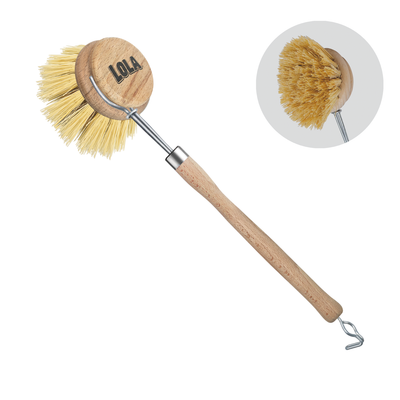
You can’t achieve a true clean with dirty tools. After each use, take a few moments to remove the dirt and grime you just worked so hard to collect. For brooms and brushes, start by tapping them against a hard surface outside to dislodge loose debris. Use your fingers or a comb to pull out any trapped hair and lint from the bristles. For a deeper clean, you can swish the bristles in a bucket of warm, soapy water, then rinse thoroughly and let them air dry. For mops, always check the manufacturer’s care instructions, as many modern mop heads are machine washable. If not, a good rinse in hot water with a little disinfectant will do the trick. Wring it out completely to speed up drying time.
Tips for Handling Microfiber Dust Mops
Microfiber dust mops are fantastic because their fibers act like magnets for dust, dirt, and pet hair. To keep them working their best, give the mop head a good shake outside after each use to get rid of loose debris. This is a key part of the "dry clean first" method, ensuring you don't just turn dust into mud when you follow up with a wet mop. For a deeper clean, most microfiber pads are machine washable—just check the care label. When you wash it, use a gentle detergent and skip the fabric softener and bleach, as they can clog the fibers and ruin their static cling. Let it air dry completely before storing it. Properly caring for your microfiber mops ensures they stay absorbent and effective, preventing those frustrating streaks a dirty mop head can leave behind.
Proper Storage for a Longer Lifespan
How you store your cleaning tools is just as important as how you clean them. Tossing a damp mop into a dark, unventilated closet is a recipe for mildew and bacteria, which leads to unpleasant odors and a ruined mop head. The best way to preserve your tools is to hang them up. A simple set of hooks or a wall-mounted rack in a utility closet or garage allows air to circulate freely, letting mop heads and bristles dry completely between uses. This also protects the bristles on your brooms from bending, fraying, and losing their shape. Proper storage is essential to keep your tools in good condition and ready for action whenever you need them.
When Should You Replace Mop Heads and Refills?
Even the most well-cared-for tools eventually wear out. Continuing to use a worn-out mop head or a frayed broom is inefficient and can leave your floors looking streaky or dusty. Keep an eye out for telltale signs of wear. If your mop head is thinning, permanently discolored, or holds a musty smell even after a thorough washing, it’s time for a replacement. For brooms, check for bristles that are badly bent, broken, or falling out. A good rule of thumb is if your tool is making cleaning harder instead of easier, it’s time for a change. Using fresh refills ensures you’re always getting the most effective clean and not just spreading old dirt around your home.
How to Get the Best Deal on a Mop and Broom
You don’t have to spend a fortune to get high-quality cleaning tools. With a little strategy, you can stock your supply closet with everything you need without overspending. A great mop or broom is an investment in a cleaner home, and finding one at a good price makes it even better. Here are a few simple tips to help you find the best prices on your cleaning essentials.
What to Expect for Your Budget
Cleaning tools come in a wide range of prices, and it’s smart to think about value over the initial cost. While you can find a broom for just a few dollars, investing a bit more in a quality tool often pays off. A well-made mop with a sturdy handle and a washable head will outlast a cheaper alternative, saving you money and frustration in the long run. Think about the cost of maintenance, too. Tools with reusable parts, like many in our Eco-Friendly line, might seem like a bigger investment at first, but they eliminate the need to constantly buy disposable refills. You don't need to spend a fortune, but choosing durable, effective tools is a smart way to manage your budget over time.
Should You Shop Online or In-Store?
Shopping online for cleaning tools gives you a huge advantage. You can browse a massive selection of mops and brooms from the comfort of your couch, making it easy to compare features and prices without walking through a single aisle. Online stores let you see everything a brand offers, from basic dusters to innovative spin mops. Plus, with options for home delivery or in-store pickup, you can choose whatever is most convenient for you. It’s the easiest way to find the perfect tool for the job.
Save Money with Bundles and Cleaning Kits
One of the smartest ways to save money is by looking for bundles or cleaning kits. Instead of buying a mop, a broom, and a duster separately, you can often find them packaged together for a lower price. These kits are designed to give you a complete cleaning system, ensuring you have a coordinated set of tools to handle any mess. Keep an eye out for special offers that group popular items together. It’s a great way to get more value and build your cleaning arsenal all at once.
The Best Time of Year to Buy Cleaning Tools
Patience can pay off when it comes to buying cleaning supplies. Brands often run promotions during holidays or seasonal cleaning events, like in the spring. Before you buy, check the company’s website for any active sales or discounts. Many online stores also have features that let you filter products by price or see which items are currently on sale. Planning your purchase around these events can lead to significant savings, especially on popular or higher-priced items like a complete mop system.
Related Articles
- The Ultimate Dust Cleaning Mop Buyer's Guide
- Heavy Duty Industrial Mop Price: A 2026 Guide
- The Ultimate Heavy Duty Commercial Mop Guide
- 5 Best Dust Mops for Under Furniture (2026)
- Sponge Mop vs Cotton Mop: Which Cleans Better?
Frequently Asked Questions
How often should I replace my mop head? There isn't a strict timeline, so you should pay attention to performance instead. If you notice your mop head is leaving streaks, looks permanently dingy even after washing, or holds onto a musty smell, it's time for a new one. Using a worn-out mop head just pushes dirt around, so replacing it when it's past its prime is key for a truly clean floor.
My floors always look streaky after I mop. What am I doing wrong? Streaks are usually caused by one of three things: using a dirty mop, using too much water, or using the wrong cleaning solution for your floor type. Start by making sure your mop head is completely clean before you begin. A spin mop can be a great help here, as it gives you excellent control over how much water stays in the mop head, preventing overly wet floors that lead to streaks as they dry.
Is it okay to use the same mop for my kitchen and bathroom? For hygiene reasons, it's best to use separate tools for these areas. The kitchen has food-related grime, while the bathroom has its own unique set of germs. If you don't have space for two separate mops, consider using a mop with interchangeable heads. You can designate one head for the bathroom and another for the rest of the house to prevent cross-contamination.
What's the biggest mistake people make when choosing a broom? The most common mistake is not matching the broom's bristles to the floor surface. Many people grab a generic broom without realizing that stiff, unflagged bristles are meant for heavy debris in garages or on patios and can be too harsh for indoor floors. For hardwood or tile, you want a broom with softer, flagged bristles that are designed to sweep up fine dust and dirt without scratching the surface.
Is a sticky mop better than a broom for pet hair? They serve slightly different purposes, but a sticky mop often has the edge for fine pet hair. A broom is great for gathering larger debris and clumps of fur, but it can sometimes send fine hairs flying into the air. A sticky mop, on the other hand, traps every last bit of hair, dander, and lint it rolls over. Many people find the best results by doing a quick sweep first and then following up with a sticky mop to get what the broom missed.











Comments