


You’ve vacuumed and tidied, but the room still doesn't feel truly clean. Sound familiar? Your area rug is likely the culprit. Rugs act like giant filters, trapping dust, allergens, and pet dander deep in their fibers, which can leave your home feeling stuffy. A good deep clean is the only way to get that freshness back. Knowing how to clean an area rug is about more than just removing stains; it’s about reviving your entire living space. We’ll show you exactly how to get it done right, without the stress.
Key Takeaways
- Preparation is everything: Before you start, always check the rug’s care tag for specific instructions, vacuum both sides thoroughly, and spot-test your cleaning solution in a hidden area to prevent any unexpected damage.
- Match your method to the material: Your rug's fiber dictates the entire cleaning process; use gentle, low-moisture cleaners for natural materials like wool, while more durable synthetic rugs can handle a simple soap and water solution.
- Clean gently and dry completely: Avoid permanent damage by blotting stains instead of scrubbing aggressively. After cleaning, rinse away all soap residue and use fans or a wet-dry vac to ensure the rug is 100% dry, which prevents mold and musty smells.
Getting Your Rug Ready for a Deep Clean
A little prep work goes a long way toward getting your rug truly clean. Think of it like painting a room; you wouldn't start without taping the edges and putting down a drop cloth. The same principle applies here. Proper preparation ensures you don't just move dirt around but actually remove it, leading to a much better final result and preventing potential damage to your rug. Taking these few extra minutes to get organized will make the entire cleaning process smoother and more effective. It’s the difference between a rug that looks clean and one that feels truly fresh. We'll walk through exactly what you need to do before you even think about getting the rug wet.
Always Read the Care Tag First
This is the golden rule of rug cleaning. Before you do anything else, find the care tag and read it carefully. This little label is your instruction manual, telling you exactly what the manufacturer recommends for cleaning based on the rug's material. Some materials can handle water and mild soap, while others might be dry-clean only or require a specific type of cleaner. Ignoring this step is a gamble you don’t want to take, as using the wrong method could cause colors to bleed, fibers to shrink, or permanent damage. If the tag is missing, it's best to identify the rug's material and proceed with the gentlest cleaning method possible.
Understanding Care Tag Codes
Think of your rug's care tag as its personal cheat sheet. This little label tells you everything you need to know, from the materials it's made of to the best way to clean it. The manufacturer includes these instructions for a reason—some rugs can handle a good wash with water and mild soap, while others might need to be dry-cleaned or treated with a special solution. As one article puts it, ignoring these directions can lead to disasters like bleeding colors or shrinking fibers. It’s a simple step that can save you from permanently damaging a rug you love.
So, what happens if the tag is missing? First, don't panic. Your main goal is to identify the rug's material and then opt for the gentlest cleaning method possible. A rug's fiber really dictates the cleaning process. Delicate natural fibers like wool require low-moisture cleaners to avoid damage, and you'll want to use a soft tool like a gentle brush to work in the cleaner without being too aggressive. In contrast, durable synthetic rugs can usually handle a simple soap and water solution. Understanding this key difference will help you make the right call and keep your rug looking its best for years.
Clear the Space and Vacuum Both Sides
First things first, move any furniture off the rug so you have a clear, open space to work. If the rug is manageable, take it outside and give it a good shake to dislodge any loose dust and debris. Next, it’s time to vacuum. Don’t just give it a quick pass; vacuum thoroughly and slowly to pull up as much dirt, pet hair, and grit as possible. Make sure to vacuum both sides of the rug. Flipping it over and vacuuming the back helps loosen compacted dirt from deep within the fibers, which you can then vacuum up from the front. This step is crucial for preventing a muddy mess when you add a cleaning solution.
Gather Your Cleaning Supplies
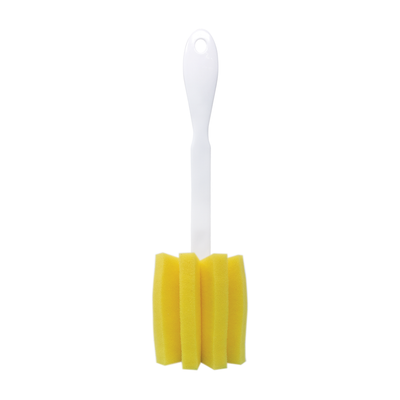
Having everything you need within arm's reach will make the job much easier. You don’t need a lot of fancy equipment, just a few key items. Grab a bucket for your cleaning solution, some clean cloths or towels for blotting, and a soft-bristled brush. A gentle brush is perfect for working the cleaner into the fibers without being too abrasive. Our collection of cleaning brushes includes options that are tough on dirt but gentle on your rug. You might also want a sponge or one of our durable scrubbers for working on specific spots.
How to Choose the Right Cleaning Solution
The best cleaning solution depends entirely on your rug’s material. For most synthetic rugs, a simple mixture of cool water and a small amount of mild dish soap works wonders. You can also add a splash of white vinegar to help tackle tough stains and odors. However, natural fibers like wool or silk require a much gentler approach, often with a pH-neutral cleaner and minimal water. Always avoid harsh chemicals like bleach or ammonia, as they can strip color and damage the rug fibers. When in doubt, you can find many DIY cleaning recipes online tailored to specific materials.
How to Clean Rugs Based on Their Material
Not all rugs are created equal, and using the wrong cleaning method can do more harm than good. The material of your rug dictates the entire cleaning process, from the type of solution you use to how you dry it. Before you get started, it’s crucial to identify what your rug is made of. This simple step ensures you’re giving it the care it needs to look its best for years to come. Below, we’ll walk through the best ways to clean the most common types of rug materials you’ll find in a home.
For Delicate Wool and Silk Rugs
Wool and silk rugs bring a touch of luxury to a room, but they require a gentle touch. For wool, always use cool water and a detergent specifically made for wool fibers. Hot water is a definite no-go, as it can cause the fibers to shrink or become damaged. When you’re working in the cleaner, avoid aggressive scrubbing. Instead, use a soft brush to gently agitate the fibers. Silk rugs are even more delicate, and professional cleaning is often the safest route. If you decide to tackle a small spot yourself, proceed with extreme caution, using minimal water and a very mild, pH-neutral cleaner.
A Note on Oriental and Persian Rugs
It's easy to get confused by terms like "Oriental" and "Persian" when it comes to rugs. These names actually tell you where the rug was made, not what it's made of. Think of them as a geographical label, not a material one. An authentic Persian rug could be woven from wool, silk, or even a combination of fibers. Because of this, you can't use a one-size-fits-all cleaning approach. The most important step is to figure out the material. Once you know if you're dealing with durable wool or delicate silk, you can choose the right cleaning method and avoid accidentally ruining a treasured piece.
Caring for Silk Rugs
Silk is the definition of delicate, so extra care is a must. The number one rule is to avoid getting it too wet at home. Heat and steam are also off-limits, as they can shrink or weaken the fragile fibers. When vacuuming, use a suction-only attachment without a spinning beater bar, which can pull and tear the threads. Work from the center of the rug outwards and stop before you get to the fringe. If a spill happens, blot it immediately with a clean, dry cloth. Never scrub. Steer clear of DIY solutions like vinegar and water, which can make the dyes bleed, and avoid enzymatic cleaners, as they can break down the protein-based silk fibers. For anything more than a minor spot, your best bet is to blot it dry and call a professional right away.
For Durable Synthetic Rugs (Nylon, Polyester)
If you have a synthetic rug, you’re in luck. Materials like nylon and polyester are built for durability and can handle a more straightforward cleaning process. You can effectively clean these rugs with a simple mixture of mild dish soap and warm water. For tougher spots, a solution of equal parts white vinegar and water can work wonders. Just be sure to avoid bleach-based cleaners, as they can discolor or damage the synthetic fibers. You can use one of our gentle scrubbers to work the cleaning solution into the rug, paying extra attention to any stained areas before rinsing thoroughly.
For Natural Fiber Rugs (Jute, Sisal)
Natural fiber rugs like jute and sisal have a beautiful, earthy texture, but they have one major rule: avoid water. Soaking these materials can cause browning and weaken the fibers. So, how do you clean them? Your best bet is to take the rug outside and give it a good shake or beat it with a broom handle to dislodge dirt and dust. For a more thorough cleaning, a dry-cleaning powder or professional dry cleaning is the recommended method. If you’re dealing with a minor spill, blot it immediately with a clean, dry cloth and avoid rubbing it deeper into the fibers.
For Shag Rugs
That deep, plush feel of a shag rug is amazing, but those long fibers can be a real trap for dirt and dust. Using a vacuum with a powerful beater bar can snag, pull, and tear the strands, ruining that signature texture. Instead, take smaller shag rugs outside for a vigorous shake to dislodge loose debris. For larger rugs that are too heavy to move, a leaf blower on a low setting can work wonders. Because these rugs are so thick, ensuring they dry completely after any wet cleaning is crucial to prevent mold growth. For a deep clean, calling a professional is often the safest and most effective option.
For Sheepskin and Faux Fur Rugs
Sheepskin and faux fur rugs are all about luxurious texture, so gentle care is key to keeping them soft and inviting. Regularly shake them out to fluff up the fibers and remove dust. When you vacuum, use an attachment without a spinning brush to avoid pulling at the delicate pile. For real sheepskin, spot-clean stains using a detergent made specifically for sheepskin, blotting gently with a cloth and using as little water as possible. Faux fur rugs are often more resilient and can sometimes be hand-washed with mild soap, but always check the care label first. Let it air-dry completely to restore its fluffiness.
For Cowhide Rugs
Cowhide rugs add a unique, modern touch to a room and are surprisingly low-maintenance. A simple shake outside is often enough to get rid of everyday dust and dirt. When you vacuum, do so without a beater bar and move in the same direction as the hair to keep it looking smooth and sleek. The most important rule is to avoid soaking the hide, as excess moisture can cause it to become stiff or develop mold. If you have a spill, simply blot the spot with a damp cloth and a tiny bit of gentle, enzyme-free soap. This method helps you care for the rug without causing permanent damage.
For Viscose Rugs
Viscose rugs often have a beautiful, silky sheen, but they are extremely delicate and highly sensitive to water, which can cause yellowing and weaken the fibers. When vacuuming, only use a suction attachment without a rotating brush, as the bristles can easily pull and damage the fragile material. If you have a spill, act fast. Instead of rubbing, place a clean, dry towel over the wet spot and put something heavy on top to absorb as much moisture as possible. For other stains, you can gently blot the area with a sponge lightly dampened with a 50/50 mix of white vinegar and water.
How to Clean a Large Area Rug: Step-by-Step
Alright, you’ve prepped your rug, and now it’s time for the main event: the deep clean. This is where you’ll see all that hard work pay off. Don’t feel intimidated by the size of your rug; breaking the process down into these simple, manageable steps makes it feel much less like a chore. With the right tools and a little bit of patience, you can get your rug looking fresh and vibrant again. Let’s get started.
Method 1: Washing Outdoors on a Hard Surface
If you have the space, taking your rug outside is often the easiest way to give it a deep clean. A clean, sloped driveway, deck, or patio works perfectly, as it prevents water from damaging your indoor floors and makes rinsing a breeze. Start by laying the rug flat and hosing it down completely. For synthetic rugs, a simple solution of water and a few drops of mild dish soap is all you need. Apply the soapy water and gently work it into the fibers with a soft-bristled brush. Our collection of all-purpose cleaning brushes are great for this, as they can lift dirt without being too harsh. Once you’ve scrubbed the entire rug, rinse it thoroughly with the hose until the water runs clear, ensuring no soap residue is left behind.
Using a Pressure Washer Safely
A pressure washer can be a powerful tool for cleaning durable synthetic rugs, but you have to be careful. The high-pressure stream can easily damage rug fibers or even tear the backing if you’re not cautious. If you decide to use one, start with the lowest possible pressure setting and use a wide-angle nozzle (40 degrees is a good choice). Always keep the nozzle at least a foot away from the rug’s surface and maintain a consistent, sweeping motion. Before you tackle the whole thing, test it on a small, inconspicuous corner to see how the material reacts. This method should only be used on sturdy, well-made rugs and never on delicate materials like wool, silk, or jute.
Method 2: Cleaning Indoors in Sections
What if you live in an apartment or don’t have an outdoor space? No problem. You can still deep clean your large area rug by working in manageable sections. The key is to protect your floor from moisture. Start by placing a waterproof tarp under the section you plan to clean, then lay a few old towels on top of the tarp to absorb excess water. Treat any noticeable stains first, then spray the section with your cleaning solution. Use a soft brush or one of our absorbent reusable cleaning cloths to gently scrub the area. To "rinse," lightly mist the section with clean water and blot with dry towels, which helps pull the dirt and soap down into the towels underneath.
Protecting Your Floors
When cleaning a rug indoors, protecting your floors is the top priority, especially if you have unsealed hardwood or laminate that’s susceptible to water damage. The tarp-and-towel method is a great start, but for extra peace of mind, you can use a roll of self-adhering plastic film—the kind contractors use to protect floors during renovations. Stick it directly onto the floor under your work area for a waterproof barrier. Working in small, controlled sections helps you manage the amount of water you’re using and prevents it from seeping through to the floor. Always blot up as much moisture as possible and check the floor underneath between sections to ensure it’s staying dry.
First, Do a Quick Spot Test
Before you go all-in with your cleaning solution, it’s so important to do a quick spot test. Think of it as a safety check to make sure the cleaner won’t cause any discoloration or damage to your rug’s fibers. Find a small, out-of-the-way area, like a corner that’s usually hidden under the sofa. Apply a tiny amount of your chosen cleaner with a clean cloth, let it sit for a few minutes, and then blot it with a fresh, damp cloth. Once it’s dry, check for any fading or changes in texture. This simple step can save you from a major cleaning mishap.
Pre-Treat Stains in High-Traffic Spots
Next, turn your attention to any specific stains or heavily soiled areas, especially in high-traffic zones. It’s much more effective to deal with these spots before you clean the entire rug. Apply a small amount of your spot-tested cleaner directly to the stain. Instead of scrubbing, which can push the stain deeper into the fibers, gently blot the area with a clean cloth or a gentle scrubber. Work from the outside of the stain inward to prevent it from spreading. This targeted approach helps lift the stain without being too harsh on your rug.
Apply the Cleaner and Scrub Gently
Now you’re ready to clean the whole rug. Working in small, manageable sections, apply your cleaning solution. Use a sponge or a soft-bristled brush to gently work the cleaner into the fibers until you see a light foam. This foam is what helps lift the dirt and grime to the surface. Let the solution sit for about five minutes to really work its magic, but don’t let it dry. Remember to be gentle with your scrubbing; you want to clean the fibers, not damage them. A little elbow grease goes a long way here.
Rinse Until the Water Runs Clear
Once you’ve scrubbed the entire rug, it’s time to rinse away all the soap and dirt. If you’re able to take your rug outside, a garden hose on a low-pressure setting works perfectly. Keep rinsing until the water running off the rug is completely clear. This is your sign that all the suds are gone. If you’re cleaning indoors, you can use buckets of clean water and a sponge to rinse section by section, using a wet/dry vacuum to extract the excess water as you go. Thoroughly rinsing is key, as any leftover soap residue can attract more dirt over time.
Drying Your Area Rug the Right Way
You’ve done the hard work of scrubbing your rug, and now it’s time for the final, crucial step: drying. Getting your rug completely dry is just as important as the cleaning itself. A damp rug can quickly become a breeding ground for mold and mildew, leaving you with a musty smell that’s hard to get rid of. Taking the time to dry your rug properly protects your investment and ensures it stays fresh and clean for much longer. Follow these simple steps to get it right.
Squeeze Out as Much Water as Possible
Before you do anything else, your goal is to get as much moisture out of the rug as you can. The less water you start with, the faster the drying process will be. If you have a wet-dry vacuum, now is its time to shine. Go over the entire surface of the rug, pulling out as much water as the machine will allow. If you don’t have one, a floor squeegee can also work wonders. Simply pull the rubber blade across the pile in the direction of the nap to push excess water out. This single step can dramatically cut down on drying time and is your best defense against mildew.
Create Plenty of Airflow
Air circulation is your best friend when drying a large rug. You want to create an environment where moisture can evaporate quickly and evenly. Start by opening any windows in the room to get a cross-breeze going. Then, set up a few fans and aim them directly at the rug’s surface. Box fans or oscillating fans work great for this. If you have a dehumidifier, place it in the room to help pull moisture from the air. The more air you can get moving over, under, and around the rug, the better. This consistent airflow helps prevent those damp spots that can lead to musty odors later on.
Lay Flat or Hang Until Completely Dry
Now, you need to position the rug for optimal drying. The best method is to lay it flat on a clean, dry surface. To help air circulate underneath, prop up the edges with books or small blocks. You can place some absorbent cloths under the props to protect your floors. If you have a sturdy clothesline or a pair of sawhorses, you can also hang the rug to dry, which allows for excellent airflow on both sides. Whichever method you choose, be patient. Make sure the rug is 100% dry to the touch, including the backing, before you move furniture back onto it.
How to Remove Tough Stains and Odors
Even with regular cleaning, some stains and odors just don’t want to leave. Whether it’s a pet accident, a spilled glass of wine, or a lingering musty smell, these problem areas need a little extra attention. Don’t worry, you don’t have to live with them forever. With the right techniques and a bit of patience, you can handle even the most stubborn spots. Let’s walk through how to treat specific types of stains and get your rug smelling fresh again.
Getting Rid of Pet Stains and Odors
Our furry friends are family, but accidents happen. When they do, it’s important to act fast and clean thoroughly. For pet stains, a combination of an enzyme cleaner and a gentle dish soap works wonders. The enzyme cleaner breaks down the organic proteins in the stain, which is key to eliminating the odor for good. Mix your cleaner according to its directions, adding a few drops of soap. Gently work it into the stain with a soft brush, then let it sit. Afterward, rinse the area completely with a damp cloth to remove any residue that could attract more dirt.
Tackling Set-In Food, Drink, and Dirt
For those older, mysterious stains from food, drinks, or tracked-in dirt, you might need a stronger approach. You can find professional-strength stain removers designed for this very purpose. If you prefer a DIY method, a simple mix of vinegar and dish soap can be very effective. Just add about a quarter teaspoon of soap to a quart of warm water with a splash of white vinegar. For extremely tough, set-in stains, you can try a paste of one part hydrogen peroxide to three parts dish soap. Apply it to the stain, let it sit for a bit, and then gently scrub and rinse away.
A Warning for Wool and Silk Rugs
When you're dealing with wool or silk rugs, it's time to slow down and be extra careful. These materials are beautiful but delicate. For wool, always use cool water and a detergent specifically designed for wool fibers, as hot water can cause them to shrink or become damaged. It's also crucial to avoid aggressive scrubbing; instead, use a soft brush to gently work on the fibers. Silk rugs are even more sensitive, and honestly, professional cleaning is your safest bet. If you must tackle a small spot yourself, proceed with extreme caution, using the least amount of water possible and a very mild, pH-neutral cleaner. No matter what, always steer clear of harsh chemicals like bleach or ammonia, as they can strip color and permanently damage the fibers. If you're ever in doubt, a quick online search for cleaning recipes tailored to your rug's specific material can be a lifesaver.
Removing Red Wine Stains
That slow-motion moment when a glass of red wine tips over is the worst. The key is to act fast. Immediately grab a clean, dry cloth and gently blot the spill to absorb as much liquid as possible. Whatever you do, don’t rub, as that will only push the stain deeper into the rug fibers. Once you’ve blotted, spray the area with a simple solution of 50% water and 50% white vinegar. Let it sit for a few minutes, then continue blotting with a fresh cloth. You might have heard the old tip to use white wine, but it’s best to avoid that method, as it can leave behind a sugary residue that attracts more dirt later on.
Dealing with Candle Wax
A little spilled candle wax might seem like a disaster, but it’s surprisingly manageable if you’re patient. Your first instinct might be to wipe it up while it’s hot, but that will only smear the wax and push it deeper into the rug. Instead, let the wax cool and harden completely. Once it’s solid, you can use a blunt, dull tool like a spoon or a butter knife to gently scrape the wax off the surface of the fibers. If any residue remains, you can place a paper bag over the spot and run a warm iron over it. The paper will absorb the melted wax. Just be sure to keep the iron moving to avoid scorching your rug.
Handling Gum, Slime, and Paint
For sticky situations like gum or slime, start by picking off as much of the mess as you can without rubbing it in. Then, grab an ice cube and hold it against the spot until the gum or slime hardens. Once it’s brittle, you can carefully scrape it off with a dull knife. Paint stains, however, are a different story. While you should gently blot up any wet paint immediately with a clean cloth, removing dried paint often requires specific solvents that can damage your rug. For paint stains, your safest bet is to blot what you can and then call a professional for assistance to avoid causing permanent damage.
Deodorizing Your Rug with Natural Ingredients
Sometimes a rug doesn’t have visible stains, but it just doesn’t smell fresh. Baking soda is your best friend here. This simple pantry staple is amazing at absorbing odors. Start by making sure your rug is completely dry. Then, sprinkle a generous, even layer of baking soda all over the surface. You don’t need to rub it in. Let it sit for at least 30 minutes, but for stronger odors, leaving it overnight is even better. Once the baking soda has worked its magic, simply vacuum it all up. It’s a safe, natural, and effective way to freshen your entire rug between deep cleans.
Common Rug Cleaning Mistakes (and How to Avoid Them)
Even with the best intentions, a few common missteps can turn a cleaning day into a rug disaster. Knowing what not to do is just as important as knowing what to do, so let's walk through the biggest mistakes to avoid to keep your rug looking its best.
Using Too Much Water or Solution
It’s tempting to think more water means a deeper clean, but flooding your rug is a major mistake. Over-saturating, especially with natural fibers like wool or jute, can lead to serious damage. Excess water can cause colors to bleed, leave behind ugly water stains, and create a damp environment perfect for mold and mildew growth, which results in musty odors. Instead of pouring water on the rug, use a spray bottle to lightly mist the cleaning solution or apply it with a damp cloth. The goal is to clean the surface fibers without soaking the backing. This simple switch will protect your rug's integrity and prevent water damage in the long run.
Scrubbing Too Hard and Damaging the Fibers
When you’re faced with a stubborn stain, your first instinct might be to scrub it with all your might. Please don't! Scrubbing too aggressively can permanently damage your rug’s delicate fibers, causing them to fray, fuzz, or even break. A gentle approach is always better. Use a soft-bristled cleaning brush and work in light, circular motions. For spills, blotting with a clean cloth is your best friend. It might take a little more patience to lift the stain, but you’ll preserve the texture and appearance of your rug. Remember, the goal is to lift the stain out, not grind it deeper into the fibers.
Using Harsh Chemicals or the Wrong Temperature
Not all cleaners are created equal, and using the wrong one can be a costly mistake. Harsh chemicals, especially anything containing bleach, can strip the color from your rug and weaken its fibers, leading to irreversible damage. Always opt for a pH-neutral cleaner specifically designed for your rug’s material. Water temperature matters, too. While warm water can be effective on synthetic rugs, you should never use hot water on wool, as it can cause the fibers to shrink and felt. Always read your rug’s care label and spot-test any new cleaning solution in an inconspicuous area before applying it all over.
How to Keep Your Area Rug Looking New
After putting in the effort to deep clean your rug, you want it to stay fresh for as long as possible. The good news is, you don't need to do a full deep clean every week. By adopting a few simple habits, you can extend the time between cleanings and keep your rug looking its best. It all comes down to consistent, gentle maintenance that makes a huge impact over time.
Vacuum Regularly (the Right Way)
This is the single most effective thing you can do for your rug. You should vacuum at least once a week to remove the daily buildup of dirt, dust, and debris. This isn't just about looks; when dirt gets pressed deep into the fibers, it acts like sandpaper, causing wear over time. For high-traffic areas like entryways, you might want to vacuum a couple of times a week. Using a quality vacuum is key, but don't forget the edges. A good brush can help you get into the corners and along baseboards where dust bunnies love to hide.
The Two-Direction Technique
To really get the most out of your vacuuming routine, try the two-direction technique. It’s a simple change that makes a huge difference. Start by vacuuming the entire rug in one direction, following the natural grain or "nap" of the fibers. You can usually feel which way the pile lays by running your hand over it; it will feel smoother one way than the other. This first pass picks up all the loose surface debris. Now, go back over the entire rug again, but this time, vacuum against the nap. This second pass works to lift the rug fibers, allowing the vacuum’s suction to pull out the stubborn, ground-in dirt and pet hair that the first pass missed. It’s a game-changer for getting a truly deep clean with just your vacuum.
Blot Spills Immediately—Don't Rub!
We’ve all had that heart-stopping moment when a drink topples over. Your first instinct might be to scrub, but please don't! When spills occur, it’s crucial to blot them immediately with a clean cloth. Rubbing the stain will only push it deeper into the fibers and can cause them to fray. Instead, grab one of your go-to cleaning cloths, lay it over the spill, and press down firmly to absorb as much liquid as possible. Lift and repeat with a clean section of the cloth until the spot is nearly dry. Quick action is your best defense against a permanent stain.
Rotate Your Rug to Prevent Uneven Wear
This simple trick makes a huge difference in the long run. To ensure your rug wears evenly, rotate it 180 degrees every few months. Think about it: the part of your rug in a main walkway gets a lot more action than the part tucked under a sofa. This leads to uneven fading from sunlight and wear from foot traffic. By rotating it, you distribute that wear and sun exposure more evenly. I like to set a calendar reminder to do it with the changing seasons. It’s a quick task that can significantly extend the life of your beautiful rug.
Use Doormats and a Rug Pad
Think of doormats as your rug’s personal bodyguards. Placing a durable mat both outside and inside your main entryways is a simple but powerful way to stop dirt in its tracks. These mats catch mud, grit, and grime from shoes before they ever have a chance to get ground into your beautiful area rug. It’s a proactive step that drastically cuts down on how much dirt you have to clean up later. Additionally, don’t underestimate the power of a good rug pad. It does more than just prevent slipping; a quality pad adds a layer of protection that helps prevent dirt from getting trapped underneath the rug and also protects your floors from scratches and wear.
Manage Pet Hair Proactively
If you have pets, you know that fur is a fact of life. But it doesn’t have to take over your rugs. One of the best ways to manage pet hair is to tackle it at the source with regular grooming. Brushing your dog or cat a few times a week can significantly reduce the amount of hair that ends up on your floors and furniture. For the hair that does make it onto the rug, quick and frequent cleanups are key. A great tool for this is a sticky mop, like our famous Lola Rola Sticky Mop, which effortlessly picks up pet hair, lint, and crumbs between vacuuming sessions, keeping your rug looking fresh day-to-day.
The Squeegee Trick for Embedded Hair
Here’s a cleaning hack you’ll wish you knew sooner. For pet hair that’s stubbornly woven into the rug fibers, grab a simple window squeegee. The rubber blade is incredibly effective at grabbing and pulling out embedded hair that even powerful vacuums can miss. Just pull the squeegee firmly across the rug’s surface in short strokes, moving toward you. You’ll be amazed at the clumps of hair it gathers. Once you’ve de-furred the rug, you can easily vacuum up the piles, making your vacuum’s job much easier and more effective. It’s a low-cost, high-impact trick for any pet owner.
When to Call a Professional Cleaner
While DIY cleaning is a fantastic way to maintain your rugs, there are times when calling in a professional is the smartest and safest choice. Think of it as protecting your investment. For most everyday upkeep and even deep cleaning synthetic rugs, having a good set of brushes and cloths on hand is all you need. However, some rugs and situations require a level of expertise and specialized equipment that goes beyond a home cleaning kit. Knowing when to hand the job over to an expert can save you from accidentally causing irreversible damage to a cherished piece, ensuring it stays beautiful for years to come.
So, when should you make the call? Definitely consider a professional for very valuable, antique, or heirloom rugs. The same goes for rugs made of delicate materials like silk, which can be easily ruined by too much water or the wrong cleaning solution. If your rug’s care tag is missing and you’re not 100% sure what it’s made of, a pro can identify the fibers and use the appropriate method. They are also your best bet for tackling extremely tough, set-in stains that haven’t budged with your best efforts. While professional cleaning is an added expense, it’s a worthwhile one for preserving special rugs that you truly love.
A Unique Method: Snow Cleaning
If you live somewhere that gets plenty of fresh, powdery snow, you have access to a surprisingly effective and traditional cleaning method. This eco-friendly technique uses cold temperatures and snow crystals to pull dirt and odors from your rug’s fibers without any chemicals. On a day with clean, dry snow, take your rug outside and lay it face down. Then, use a clean broom to beat the back of the rug, which helps release all the trapped dirt and dust onto the snow. You’ll be amazed at what comes out! You can then flip the rug over and sweep any loose snow off the top. It’s a fantastic way to freshen up your rug during the winter, and you can find plenty of detailed guides online if you want to use snow to clean rugs yourself.
Related Articles
- Wool Rug Woes? Here's How to Clean it Like a Pro!
- How to Get Rid of Top Five Stubborn Carpet Stains
- Stop! Don’t Scrub There: 4 Cleaning Mistakes That Can Ruin Your Carpet
- Cleaning Coffee Stains
- Fabulous Tips for Deep Cleaning Upholstery
Frequently Asked Questions
How often should I be deep cleaning my area rug? This really depends on how much foot traffic the rug gets. For rugs in busy spots like your living room or entryway, a deep clean every 12 to 18 months is a good goal. If the rug is in a lower-traffic area, such as a guest room, you can likely wait longer, maybe every two or three years. Consistent vacuuming and spot-treating spills right away will make a huge difference in stretching the time between deep cleans.
My rug doesn't have a care tag. What should I do? When you're flying blind without a care tag, the safest approach is to be cautious. If you can't confidently identify the rug's material, treat it as if it's delicate. This means using the gentlest method possible: cool water, a mild pH-neutral cleaner, and very little moisture. Always perform a spot test in a hidden corner to check for color bleeding or fiber damage before you clean the whole thing.
Can I use a carpet cleaning machine on my area rug? It depends entirely on your rug's construction. A durable synthetic rug can usually handle a carpet cleaning machine without any issues. However, you should avoid using one on delicate materials like silk, wool, or natural fibers such as jute. The machine's aggressive brushes and strong suction can damage these fibers. If you have any doubt about your rug's durability, washing it by hand is always the safer choice.
Is it safe to use baking soda on all types of rugs? For most rugs, baking soda is a perfectly safe and effective natural deodorizer. It works wonderfully on synthetic and wool rugs to absorb unwanted smells. The main exceptions are very delicate silk or antique rugs. For these valuable pieces, it's always best to consult a professional cleaner before applying any product, even one as gentle as baking soda.
What's the best way to clean the fringe on my rug? The fringe requires a bit of special care. Avoid running your vacuum's main brush over it, as the suction can easily snag and tear the threads. Instead, use the upholstery attachment to gently lift away dirt. If the fringe needs a wash, you can dip a cloth in a solution of mild soap and water, gently wipe the threads, and then "rinse" with a clean, damp cloth. Comb it straight with your fingers and let it air dry flat.









Comments