


The space under your furniture can feel like a black hole for dust bunnies, pet hair, and lost socks. While it's tempting to ignore, a truly clean home means tackling those hidden spots. Forget getting on your hands and knees with a wet rag—the right tool makes this job surprisingly simple. Finding the best dust mop for cleaning under furniture comes down to a few key features. We’ll cover everything from the dust-trapping power of microfiber to why a 360-degree swivel head is a non-negotiable, so you can confidently choose a tool that actually works.
Key Takeaways
- Focus on smart design for under-furniture cleaning: A great dust mop combines a slim head to fit under low furniture, a swivel feature to easily move around legs, and an adjustable handle for comfortable, maximum reach.
- Choose the right material for the job: Microfiber is your best bet for trapping fine dust and allergens with its static cling, while durable cotton is a workhorse perfect for large spaces and heavy use.
- Maintain your mop for better performance: Keep your dust mop working like new by regularly washing the mop head (without fabric softener) and hanging it to dry. Knowing when to swap in a fresh refill ensures you're always cleaning effectively.
Choosing the Best Dust Mop for Under Furniture
Getting rid of the dust bunnies hiding under your couch or bed can feel like a real chore. You either have to move heavy furniture or accept that some spots will just stay dusty. But the right tool can make all the difference. When it comes to cleaning under furniture, not all dust mops are up to the task. The best ones have a few key features that let them glide into tight spaces and capture dust without you having to break a sweat.
Choosing the right mop means looking beyond the mop head material and focusing on the design. You need a tool built for reaching awkward spots. A great under-furniture dust mop combines a slim profile, excellent maneuverability, and an adjustable handle to create a seamless cleaning experience. Let’s look at what makes these features so important.
Go Low: Why a Slim Mop Head Is Key
A low-profile design is your best friend for cleaning under furniture. This simply means the mop head is thin enough to easily slide under low-clearance items like sofas, entertainment centers, and dressers. A bulky mop head will just bump into the furniture legs and stop short, leaving dust behind. With a slim design, you can reach all the way to the back wall without any trouble. This feature is a game-changer because it saves you the hassle of moving heavy furniture every time you clean. It turns a difficult job into a quick and simple part of your routine, ensuring no dust bunny is safe.
Effortless Reach with a 360-Degree Swivel Head
Maneuverability is everything when you’re working around a forest of furniture legs. A mop head with a 360-degree swivel is essential for effortlessly steering around obstacles. This feature allows the mop head to pivot and turn in any direction, so you can clean in a smooth, fluid motion instead of a clunky stop-and-start pattern. You can easily guide it around the legs of a dining table or weave it between chair legs without missing a spot. This flexibility makes the entire process faster and much less frustrating. Many modern mops include this feature because it makes cleaning so much more efficient.
How to Find the Perfect Handle Length
The handle of your dust mop plays a surprisingly big role in how effectively you can clean under furniture. A handle that’s too short will force you to bend over, which can lead to back strain. One that’s too long can be awkward to handle in smaller rooms. The ideal solution is an extendable or telescoping handle. This allows you to adjust the length for maximum reach under a king-size bed, then shorten it for better control in tighter spaces. Having the right handle length gives you better leverage and makes your cleaning accessories work for you, not against you.
My Go-To Dust Mops from Lola Products
When it comes to finding reliable cleaning tools, it’s smart to look at brands that have stood the test of time. Lola Products has been a household name for decades, and their mops are a perfect example of why. While they offer a whole range of cleaning tools, their dust mops really shine when you’re faced with the challenge of cleaning under furniture. These tools are thoughtfully designed to make a frustrating chore feel surprisingly simple. Let's look at what makes them stand out.
Spotlight: The Lola 360° Flexible Dust Mop
If you’ve ever struggled to get dust bunnies out from under the couch or along baseboards, this mop is for you. The Lola 360° Flexible Dust Mop is designed with a uniquely bendable head that can easily slip into tight spaces. Think about the areas under your entertainment center, behind the fridge, or in sharp corners where dust loves to hide. Its flexibility allows it to hug surfaces, ensuring you get a thorough clean every time. It’s one of those essential tools that, once you have it, you’ll wonder how you ever managed to keep your home dust-free without it.
Why This Flexible Mop Stands Out
What makes this particular dust mop so effective is its smart design. It comes with a four-piece handle that’s easy to assemble and gives you the reach you need without straining your back. The mop itself is lightweight, so you can maneuver it effortlessly around the room. Plus, it’s built for powerful dust pickup, grabbing onto dirt and hair instead of just pushing it around. When you’re done, the mop head is completely washable, so you can use it again and again. It’s a practical and efficient tool that simplifies the task of reaching those tricky, out-of-the-way spots.
Does American-Made Quality Make a Difference?
There’s a certain peace of mind that comes with buying from a trusted, American-owned company, and the feedback on Lola’s products speaks for itself. One customer said it best: "I absolutely love my Lola flexible dust mop! It is the best dust mop being manufactured today." This kind of loyalty doesn’t happen by accident. It comes from a real commitment to making high-quality, durable mops that people can rely on. When you choose a Lola product, you’re not just getting a cleaning tool; you’re getting a piece of equipment that’s built to last and designed with your home in mind.
Must-Have Features for Cleaning Under Furniture
Finding the right dust mop feels like unlocking a secret level of clean. Suddenly, those dust bunnies under the couch don't stand a chance. But not all mops are created equal, especially when you’re trying to get into tight spaces. Before you buy, let's walk through the four key features that separate a good dust mop from a great one. These are the non-negotiables for tackling those hard-to-reach spots without throwing out your back.
Slim Profile for Easy Access
A mop with a slim, low-profile head is your best friend for cleaning under furniture. Think about the tight squeeze under your media console or the narrow gap beneath your dresser. A bulky mop head just isn't going to cut it. A slim design allows the mop to slide easily into these neglected spaces, grabbing dust and pet hair from areas you might otherwise miss. This feature ensures you get a thorough clean in every nook and cranny, not just the open floor space. It’s the key to reaching those hidden dust hotspots that accumulate over time.
Swivel Head for Maximum Maneuverability
A swivel head gives your dust mop the agility to move around obstacles with ease. Instead of awkwardly bumping into table legs or struggling to clean around corners, a 360-degree swivel lets you glide effortlessly. This maneuverability is a game-changer, making the entire cleaning process faster and more efficient. Mops with this feature can pivot and turn, ensuring you capture fine dust and debris from every angle. When you’re looking at different dusters and mops, a flexible swivel head should be high on your list for a truly deep clean.
Extendable Handle to Save Your Back
An extendable or telescoping handle saves you from bending, stretching, and straining your back. You can adjust the length to comfortably reach far under beds, sofas, and other low-clearance furniture. Many designs even allow the mop head to lay completely flat, giving you maximum reach without having to get on your hands and knees. This flexibility not only makes cleaning more comfortable but also more effective. An adjustable handle means you can customize the tool to fit your height and the task at hand, making it a must-have for ergonomic cleaning.
Washable and Replaceable Mop Heads
Look for a dust mop with a head that you can easily remove and wash. Reusable, machine-washable mop heads are not only better for the environment, but they also save you money in the long run. Instead of buying disposable pads, you can just toss the mop head in the laundry to keep it fresh and hygienic for the next use. Having easily available refills is also a huge plus. This ensures your mop stays effective over time and that you always have a clean head ready to go when you need it.
Microfiber vs. Cotton: Which Dust Mop Is Better?
When you’re choosing a dust mop, the material of the mop head is one of the biggest decisions you’ll make. The two most common options are microfiber and cotton, and each has its own fan base for good reason. Think of it like choosing between a high-tech gadget and a classic, reliable tool. One isn’t necessarily better than the other; it all comes down to your cleaning style, your floors, and what you need your mop to do.
Microfiber is known for its incredible ability to grab onto dust and allergens, while cotton is a durable workhorse that can handle heavy-duty jobs and last for years. Understanding the strengths of each material will help you pick the perfect partner for your floors. Let’s break down what makes each one special so you can decide which type of mop is the right fit for your home and your cleaning routine.
Why Microfiber Is a Dust Magnet
If you feel like you’re just pushing dust bunnies around, a microfiber mop might be the game-changer you need. Microfiber is made of incredibly fine synthetic fibers that create a static charge as you clean. This charge acts like a magnet, attracting and trapping dust, pet hair, and other tiny particles instead of just scattering them.
This makes microfiber exceptionally good for a deep, thorough clean, especially if anyone in your home deals with allergies. The fibers are designed to hold onto dirt until you wash the mop head, ensuring you’re actually removing grime from your floors. It’s the perfect tool for getting a truly polished surface and making sure every last speck of dust is gone.
The Case for a Classic Cotton Mop
Cotton dust mops are the tried-and-true classics of the cleaning world, and their reputation is built on sheer toughness. A well-made cotton mop is incredibly durable and can withstand frequent, heavy use without falling apart. With the right care, a single cotton mop head can clean a massive amount of floor space before it needs to be replaced, making it a very cost-effective choice in the long run.
If you have large areas to clean or just want a reliable tool that you know will last, cotton is a fantastic option. These scrubbers are built to be workhorses, tackling big jobs with ease and providing a dependable clean every time.
Which Mop Is Easier to Clean?
Both microfiber and cotton mop heads are washable, but their care routines are a little different. Cotton mops are ideal for heavy use because they can be laundered and even treated with cleaning solutions to improve their dirt-collecting abilities. They are built to be washed and reused repeatedly, making them a sustainable choice.
Microfiber, on the other hand, requires a bit more specific care to protect its dust-trapping properties. It’s best to wash microfiber heads with other microfiber items and avoid fabric softeners, which can clog the fibers and reduce their static cling. Eventually, both types will wear out, so having a few refills on hand is always a smart idea.
Comparing the Best Dust Mops for Under Furniture
With so many options out there, it helps to see how different dust mops stack up. We’ve looked at some of the most popular and effective models to see how they handle the tricky task of cleaning under furniture. Here’s a breakdown of a few top contenders to help you find the perfect fit for your home.
My Top Pick: Lola's 360° Flexible Dust Mop
When it comes to getting into tight spaces, the Lola 360° Flexible Dust Mop is a true standout. Its design is all about reaching the places other mops can't, like deep under couches, along baseboards, and into sharp corners. The flexible head is the star of the show, bending and maneuvering so you don’t have to rearrange your living room just to clean the floor. It’s an excellent choice if your main frustration is dealing with those hard-to-reach dust bunnies that gather under furniture. This mop makes a thorough clean feel effortless.
How Does the Bona Microfiber Mop Compare?
The Bona Microfiber Dust Mop is another fantastic option, especially if you have large surface areas to cover under beds or long sofas. Its wide head helps you clean more floor in less time. According to extensive testing, its detachable pads are incredibly effective at trapping fine dust and flour, which is great news for anyone with allergies. While it may not have the same hyper-flexible head as our top pick, its sheer dust-trapping ability makes it a strong competitor for keeping the spaces under your furniture spotless. You can see a full review of the best dust mops to compare its features.
What About the O-Cedar Hardwood Floor 'N More?
If your home has a mix of flooring, the O-Cedar Hardwood Floor 'N More Microfiber Dust Mop is worth a look. It’s highly rated for its versatility and does a great job on everything from hardwood to tile. Its design allows it to slide easily under most furniture, ensuring you capture dust and debris without leaving anything behind. This mop is a reliable workhorse that has earned its popularity by consistently delivering a great clean across different surfaces. It’s a solid, all-around tool for anyone who needs one mop to do it all.
What About the Turbo Microfiber Mop System?
For those who love a good all-in-one cleaning tool, the Turbo Microfiber Mop System is a compelling choice. This isn't just a floor mop; its versatile design lets you clean walls, ceilings, and, of course, floors. The maneuverable head makes it easy to get under furniture for a comprehensive clean. If you’re looking to invest in a single system that can handle most of your home’s surfaces, this is a great option. Its ability to tackle more than just floors makes it one of the best dust mops for a full cleaning routine.
The Swiffer Question: Convenience vs. Cost
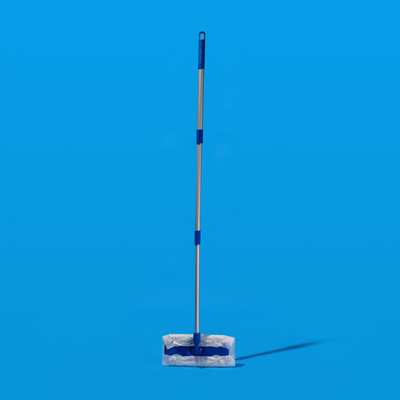
It’s hard to ignore the convenience of disposable mops like Swiffer. They’re everywhere, and for good reason—they often dominate best-seller lists for their grab-and-go simplicity. Tearing off a dirty pad and tossing it is undeniably easy. However, that convenience comes with a trade-off. The ongoing cost of buying disposable pads can add up significantly over time, making it a more expensive choice in the long run. Plus, all those single-use pads create a lot of household waste. When you look at the bigger picture, what seems easy upfront might not be the most practical or sustainable choice for your home or your wallet.
Beyond the cost, research shows that reusable microfiber mops often outperform their disposable counterparts when it comes to cleaning. Materials like microfiber and cotton offer distinct advantages. Microfiber is a true dust magnet, using a static charge to trap fine particles and allergens instead of just pushing them around. Cotton, on the other hand, is a durable workhorse that can handle heavy-duty jobs and last for years with proper care. Investing in a high-quality, reusable dust mop not only provides a more thorough clean but also saves money and reduces waste over time, making it a smarter choice for many households.
What Size Dust Mop Do You Need?
Choosing the right size dust mop isn't just about storage space; it's about making your cleaning routine easier and more effective. The perfect mop for a wide-open living room might be completely wrong for a cramped bathroom. The key is to match the mop head's size and shape to your home's unique layout, especially the tricky spots under furniture. By considering your furniture clearance, room size, and how much you need to maneuver, you can find a mop that feels like it was made just for you.
Step 1: Measure Your Furniture Clearance
Before you even start shopping, grab a tape measure. The most important factor for cleaning under furniture is whether the mop head can actually fit. Take a moment to measure the distance between the floor and the bottom of your lowest pieces of furniture, like your sofa, media console, or bed frame. This number is your golden ticket. Look for mops with a low-profile design that can easily slide into those tight spaces. A mop that’s too bulky will just bump into furniture legs, leaving dust bunnies to thrive in the hard-to-reach areas you’re trying to clean.
When to Choose a Wider Mop
If you have large, open areas like a great room, a long hallway, or an open-concept kitchen, a wider mop head can be a huge time-saver. A larger surface area allows you to cover more ground with each pass, cutting down your cleaning time significantly. Wider mops are fantastic for quickly gathering fine dust, crumbs, and pet hair from big floors. While they might not be the best for getting into tight corners, they are incredibly efficient for the main stretches of your home. For these bigger jobs, a tool like the Lola Rola Sticky Mop can also make quick work of large surfaces.
Do You Need a Compact Mop for Tight Spaces?
For smaller rooms or areas packed with furniture, a compact mop is your best friend. Think about cleaning a bathroom, where you have to work around the toilet and vanity, or a home office filled with chair legs and filing cabinets. A smaller, more nimble mop head gives you the control and precision needed to clean these cluttered spaces effectively. It allows you to get right up against baseboards and into tight corners without knocking things over. A compact mop with a swivel head offers the best maneuverability, letting you glide around obstacles with ease and ensuring no spot is missed.
Matching Mop Head Size to Your Space
Think of your cleaning tools like a chef’s knives—you wouldn’t use a giant cleaver for delicate slicing. The same logic applies to dust mops. The size and shape of the mop head should match the room you're cleaning. A wide mop is perfect for big, open spaces, but it becomes awkward and ineffective in a cluttered room. On the other hand, a small mop is great for tight spots but will take forever to clean a large floor. Finding the right balance is key to making your cleaning routine feel less like a chore and more like a quick, satisfying task.
Large Mops for Open Areas
If your home features large, open floors in a living room or an open-concept kitchen, a wider mop head is a game-changer. It allows you to cover a significant amount of ground with each swipe, drastically reducing your cleaning time. Think of it as the difference between painting a wall with a tiny artist's brush versus a wide roller. These larger mops are designed for efficiency, making quick work of dust, crumbs, and pet hair across expansive surfaces. They are the perfect solution for maintaining those high-traffic areas without spending your entire afternoon on the task.
Smaller Mops for Tight Corners
Conversely, for those smaller, more cluttered spaces, a compact mop head is essential. In rooms like bathrooms, laundry rooms, or a crowded home office, precision is more important than speed. A smaller, more nimble mop gives you the control to navigate around obstacles like furniture legs, trash cans, and the base of a toilet. It allows you to get right into tight corners and flush against baseboards, areas where dust loves to hide. Using a compact tool in these spaces prevents you from awkwardly bumping into things and ensures you can achieve a detailed clean without the frustration.
How to Clean Under Furniture Like a Pro
Let’s be honest, cleaning under the sofa or bed often falls to the bottom of the to-do list. It’s out of sight, out of mind, until you spot a dust bunny the size of a small pet making a break for it. But tackling these hidden spots is more than just about appearances. Getting rid of that trapped dust and dirt can actually improve your home's air quality. With the right tools and a simple plan, you can easily manage these hard-to-reach areas without turning it into a major project. Think of it as a quick win that makes your whole space feel fresher.
Clear the Way: Prepping Your Space
Before you start swinging a mop, take a minute to prep the area. A little preparation makes the actual cleaning process much smoother. First, do a quick scan and pick up any small items that have migrated under the furniture, like pet toys, shoes, or magazines. This clears the path for your cleaning tools. Next, decide if you need to move the furniture completely or if you have enough clearance to work around it. For a regular weekly clean, a good long-handled duster can often do the trick without any heavy lifting. For a deeper clean, you might need to slide the piece of furniture out a bit to get full access to the floor underneath.
Why Dust Mopping First is Non-Negotiable
It might be tempting to jump straight to the wet mop to get that shiny, clean look, but that’s a classic cleaning mistake. If you don't dust mop first, you’re essentially just turning loose dust and dirt into muddy water and spreading it across your floors. Think of dust mopping as your first line of defense. It removes all the loose particles—the grit, pet hair, and allergens—that can scratch your floors or get pushed into grout lines. Using a tool with a microfiber head is especially effective because its static charge traps dust instead of just scattering it around. By taking a few minutes to dust your floors first, you create a clean slate for your wet mop, which means you get a streak-free shine and a much deeper clean with less effort.
My Go-To Dust Mopping Technique
Once your space is prepped, it’s time to grab your tool of choice. For hard floors, a slim microfiber dust mop is your best friend. It’s designed to slide into tight spaces and grab onto dust, dirt, and hair instead of just pushing it around. Start at the furthest point under the furniture and pull the mop toward you in a smooth, continuous motion. This technique ensures you capture everything without leaving trails behind. For a more thorough clean, especially if it’s been a while, you might want to follow up with one of your favorite mops and a gentle cleaning solution to really make the floors shine and remove any stuck-on grime.
Mastering the "S" Shape Method
To effectively clean under your furniture, the "S" shape method can make a huge difference. Start by positioning your slim, low-profile mop head at the furthest point under the furniture. As you pull the mop toward you, guide it in a smooth, continuous "S" pattern. This technique is great because it ensures you capture all the dust and debris in the mop head instead of just pushing it from one side to the other. It prevents you from leaving behind those annoying trails of dust that make you feel like you have to clean all over again. The key to making this method work is the maneuverability of your mop. A mop head with a 360-degree swivel is what allows you to easily steer around furniture legs and into tight corners, making the "S" motion feel natural and efficient. When you combine this fluid movement with the right tool, like a microfiber mop known for its dust-trapping abilities, you can tackle those hidden spots without breaking a sweat. The right mops make this technique feel almost effortless, turning a chore into a quick and satisfying task.
Don’t forget that a clean tool is an effective tool. A dirty mop head will just spread grime around, defeating the purpose of your hard work. To keep your mop performing at its best, make sure to wash the head regularly according to its care instructions. This simple step ensures your mop is always ready to grab dust effectively and keeps your cleaning routine efficient. For microfiber heads, it's best to avoid fabric softener, as it can clog the fibers and reduce their static cling. Having a few clean refills on hand is always a smart move, so you’re never stuck with a dirty tool when you’re ready to clean. This way, you’re always prepared to keep your home looking its best.
How to Tackle Corners and Baseboards
Corners and baseboards are notorious dust magnets, especially under furniture where they’re rarely disturbed. A mop with a 360-degree swivel head is perfect for maneuvering into tight corners and running along the baseboards. For detailed molding or extra grimy spots, you can use a damp microfiber cloth to wipe them down by hand. If you have pets, you know that fur finds its way into every nook and cranny. Using a tool designed to attract pet hair, like a sticky mop or a microfiber pad, will make this part of the job much easier and leave the area looking and feeling completely clean.
What Are Real Customers Saying?
Product descriptions are great, but the real test is how a dust mop performs in an actual home. Sifting through customer reviews can give you a clear picture of what it’s like to use a product day in and day out. Let's look at what people are saying about some of the most popular dust mops on the market, including what they love and what they wish was different. This honest feedback can help you decide which features matter most for your own cleaning routine.
What Features Do People Love Most?
Customers consistently praise dust mops with wide, effective heads. For example, some mops are celebrated because their detachable pads can catch fine dust better than many competitors. People also get excited about thoughtful design. One customer called the Lola flexible dust mop "the best dust mop being manufactured today" because of its performance and smart features. Ease of use is another huge win. A reviewer mentioned their Lola dust mop was simple to handle even while using a walker, which shows that a well-designed tool can make cleaning accessible for everyone. These are the kinds of details that make a real difference.
Common Complaints to Watch For
Of course, no product is perfect for everyone. One of the most common concerns you’ll see in reviews relates to durability, especially after washing the mop head. A typical comment might sound something like, "it picks up the dust well but I don't know how it will work after washing." This is a valid point, as the longevity of the mop head is key to its overall value. When you're shopping, pay attention to reviews that mention how the material holds up over several wash cycles. This will give you a better idea of what to expect and help you choose a mop that lasts.
How They Hold Up Over Time
Long-term performance often comes down to material quality. The best dust mops often include different pads for different jobs, like a fluffy polyester head for dusting and a separate microfiber pad that acts more like a broom for tougher messes. The main question is how these materials endure. That concern about washing is important because a mop head that falls apart after a few cleanings isn't a good investment. To get the most out of your purchase, always follow the care instructions. And remember, many brands like Lola Products offer affordable refills, so you can easily replace a worn-out head without buying a whole new mop.
Exploring Different Types of Mops
While a great dust mop is essential for tackling dry messes under furniture, your cleaning closet probably has room for more than one type of mop. Different floors and messes call for different tools. Spray mops and spin mops are two popular choices for wet cleaning, and understanding what they do best can help you see why a dedicated dust mop is still a must-have. These mops are designed for scrubbing and washing, which is a different job entirely from the daily dust and allergen trapping you need for maintenance. Let's look at how these other mops work and where they fit into a complete cleaning routine.
Spray Mops: The 2-in-1 Solution
Spray mops are all about convenience. They combine a mop with a built-in, refillable spray bottle, letting you mist your floors with a cleaning solution as you go. This makes them perfect for quick cleanups, like wiping up spills in the kitchen or giving your hardwood floors a light refresh. According to some tests, they are highly recommended for light misting on sensitive surfaces. However, they aren't designed for heavy-duty dusting. Their pads are typically meant for absorbing liquid and scrubbing, not trapping fine dust with static cling. For getting the dust bunnies from under the bed, you’ll still want a tool specifically designed to attract and hold onto dry debris.
Spin Mops: Pros and Cons
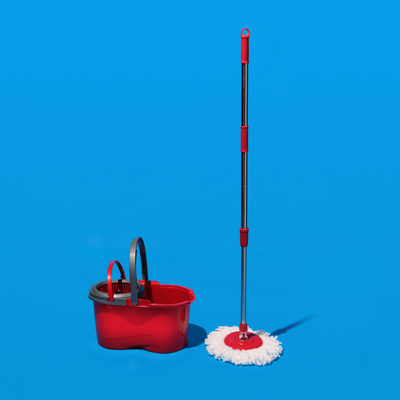
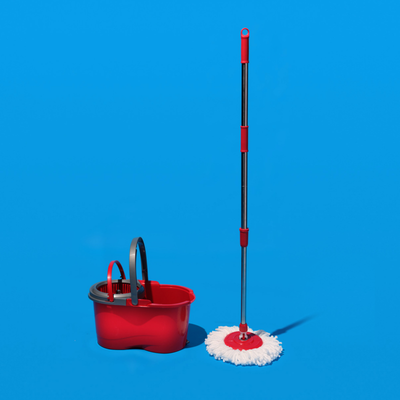
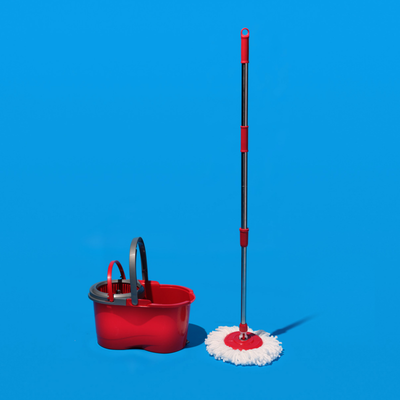
Spin mops have become incredibly popular thanks to their clever wringing mechanism, which uses a foot pedal or pump to spin excess water out of the mop head. This gives you great control over how damp your mop is, which is ideal for moisture-sensitive floors like hardwood. The downside? They aren't built for dusting. Some users find that the mop heads can be too small for large areas and may leave dust behind. While they excel at washing floors, they lack the wide surface area and specialized fibers of a dedicated dust mop, which is designed to capture and hold onto fine particles across a large space efficiently.
Dust Mops vs. Other Cleaning Tools
A dust mop isn't your only option for cleaning floors, but it often holds a unique advantage, especially for hard-to-reach spots. Vacuums and traditional brooms are staples in most homes, and each has its own strengths. A vacuum can provide a deep clean that a mop can't, while a broom is great for sweeping up larger debris. However, when it comes to the fine layer of dust, pet hair, and allergens that settles under furniture, a dust mop is often the most efficient and effective tool for the job. Let's compare how it stacks up against these other household essentials.
HEPA Vacuums: A Deeper Clean?
For a truly deep clean, nothing quite beats a vacuum with a HEPA filter. These machines are fantastic at removing dirt and allergens from deep within carpets and even from the cracks in hard floors. A HEPA vacuum is much better at trapping microscopic particles than a standard mop. However, lugging out the vacuum, finding the right attachment, and fitting it under low furniture can be a hassle for daily or weekly upkeep. A lightweight dust mop is the perfect tool for frequent maintenance, preventing dust from building up in the first place and keeping your floors looking fresh between deep vacuuming sessions.
What About Traditional Brooms and Dustpans?
A classic broom and dustpan will always have a place in the cleaning toolkit, especially for sweeping up bigger messes like spilled cereal or dirt tracked in from outside. The problem is that stiff bristles can sometimes flick fine dust and pet hair into the air, only for it to settle right back down again. A dust mop, on the other hand, is designed to be the first line of defense for hard floors. Its soft fibers trap and hold onto fine particles, removing them from the surface completely. While Lola Products offers excellent, sturdy brooms for bigger jobs, a dust mop is your best bet for a truly dust-free finish under furniture.
Where to Find the Best Deals on Dust Mops
Finding the right dust mop is one thing, but getting it at a great price makes the purchase even better. When you're shopping for a new cleaning tool, it’s easy to get caught up in hunting for the lowest price tag. But a true "deal" is about more than just the initial cost. It’s about finding a high-quality, durable mop that does the job right, saving you time, frustration, and money in the long run. A cheap mop that needs replacing after a few uses is no bargain at all. Think about the total cost of ownership, including how long the mop will last and how much replacement heads will cost.
To find the best value, you need to know where to look and what to look for. From buying directly from the source to comparing options at big-box retailers, each approach has its pros and cons. It's worth considering where you'll get the best customer service, the most comprehensive product information, and access to a full range of accessories like replacement heads. Let's break down how you can find a fantastic dust mop that fits your budget and your cleaning needs, ensuring you get a tool that will last for years to come.
Why Buying Direct from Lola Products Is a Smart Move
Going straight to the source often has its perks, and that’s certainly true when shopping with Lola Products. When you buy directly from our website, you get access to our entire lineup of cleaning tools, not just a limited selection you might find elsewhere. This means you can find the exact mop for your needs, whether it’s our 360° Flexible Dust Mop or another specialized tool. Plus, you can often find exclusive online deals and bundles that aren’t available in stores. It’s a great way to discover new products and stock up on essentials while saving a little money.
A Quick Price Check on Other Retailers
It’s natural to want to shop around. Large online retailers and big-box stores like Lowe's or Amazon carry a wide variety of brands, and it can be tempting to just grab whatever is on sale. However, it’s important to compare apples to apples. You might find a lower price, but is it the same quality? Does it come with the same features? Sometimes, the models sold in these stores are basic versions, and you might miss out on the innovative designs found in our new products that make cleaning easier. Be sure to check shipping costs and return policies, as these can quickly turn a good deal into a hassle.
Looking Beyond the Price Tag
The cheapest mop on the shelf is rarely the best one. A well-made dust mop is an investment in your home. Think about long-term value: a durable handle that won’t bend, a sturdy swivel head that won’t snap, and high-quality microfiber pads that can withstand dozens of washes. A mop with a wide head and effective pads, like the ones praised by experts, will pick up more dust in a single pass, saving you time and effort. When you choose a quality product, you also get the peace of mind that you can easily find refills and replacement parts, extending the life of your tool for years.
How to Care for Your Dust Mop So It Lasts
Once you’ve found the perfect dust mop, you want it to last. Taking good care of your cleaning tools not only extends their lifespan but also ensures they work effectively every time you pull them out of the closet. A little maintenance goes a long way. If you treat your dust mop right, it can clean a massive amount of floor space before you even need to think about washing it. Proper care is simple and breaks down into three key areas: how you clean it, how you store it, and knowing when it’s time for a fresh start. Following a few easy steps will keep your mop in top shape, making your cleaning routine quicker and more efficient.
Easy Tips for Washing Your Mop Head
Keeping your dust mop head clean is the secret to its performance. After each use, take the mop outside or over a trash can and give it a good shake to release any loose dust and debris. This simple step prevents you from spreading dirt around during your next cleaning session. For a deeper clean, most modern mop heads, especially microfiber ones, are machine washable. Just detach the head from the handle and toss it in the washing machine with a gentle detergent. It’s best to avoid fabric softeners, as they can clog the fibers and reduce their dust-trapping ability. Always let it air dry completely before reattaching it. Having a few extra mop refills on hand means you’ll always have a clean one ready to go.
The Best Way to Store Your Mop
How you store your mop matters more than you might think. Tossing it in a corner can damage the fibers and leave it sitting in any lingering moisture, which isn't ideal. The best way to store your dust mop is to hang it up, with the head off the floor. This allows air to circulate, helping it dry properly and preventing the fibers from getting flattened or misshapen. Most mops come with a hole in the handle for easy hanging on a hook in a utility closet or garage. Storing it this way also keeps the mop head from touching a wall, which prevents any cleaning treatment residue from transferring and keeps the head cleaner for its next use.
When Is It Time for a New Mop Head?
Even the most durable dust mop head won’t last forever. Over time, fibers break down, and the mop head loses its ability to effectively grab onto dust and hair. If you notice your mop is just pushing dirt around instead of picking it up, it’s probably time for a replacement. Other signs include frayed edges, thinning patches, or a permanently dingy appearance even after washing. Using a worn-out mop head is counterproductive and can make cleaning a frustrating chore. Keep an eye on its condition and have a fresh replacement head available so you can swap it out as soon as you notice a dip in performance. This ensures you always get the best possible clean.
Key Signs of Wear and Tear
So, how do you know when your mop head has officially retired? The most obvious sign is a drop in performance. If you find yourself just pushing dust around instead of trapping it, your mop head has likely lost its magic. Take a closer look at the mop head itself. You might see frayed edges, thinning patches where the fibers have worn away, or a dingy, stained appearance that just won’t come clean in the wash. A once-fluffy microfiber head might look flat and matted, even when it’s dry. Using a mop in this condition is counterproductive, so it’s always a good idea to have a fresh replacement on hand to maintain an effective cleaning routine.
Related Articles
- The Ultimate Dust Cleaning Mop Buyer's Guide
- The 7 Best Flexible Microfiber Mops for Wood Floors
- 4 Tools to Sweep and Mop at the Same Time
Frequently Asked Questions
Will a microfiber dust mop scratch my hardwood floors? This is a common worry, but you can relax. High-quality microfiber is incredibly soft and designed specifically to be gentle on sensitive surfaces like hardwood, laminate, and vinyl. Scratches are usually caused by hard debris (like a small pebble or grit) getting trapped in the mop fibers, not by the material itself. To avoid this, just give your mop head a quick shake before you start cleaning to dislodge any larger particles you might have picked up last time.
How often should I actually clean under my furniture? For general upkeep, a quick pass with your dust mop under major furniture pieces once a week is a great habit. This prevents dust bunnies from forming and keeps allergens down. Then, aim for a more thorough clean about once a month, where you might move the furniture slightly to get all the way to the wall and along the baseboards. Of course, if you have pets or family members with allergies, you might find that more frequent cleaning keeps your home feeling fresher.
Can I use my dust mop for wet cleaning too? It’s best to keep your dust mop dry. Dust mops, especially microfiber ones, work their magic by using static electricity to attract and trap fine particles like dust, hair, and allergens. When you get the mop head wet, you lose that static cling. Using it damp will likely just push dirt around and leave streaks on your floor. It's better to use a dedicated wet mop for spills or deep cleaning after you've finished dusting.
What's the best way to clean around lots of table and chair legs? Cleaning a room that looks like a forest of furniture legs can be frustrating. This is where a mop with a 360-degree swivel head is essential. Instead of using a rigid back-and-forth motion, use the swivel feature to your advantage. Guide the mop in a fluid, weaving pattern around each leg. A slim profile head also helps you get into the tight spaces between legs without having to stop and reposition the mop constantly.
Is it really necessary to wash the mop head after every single use? Not at all. While you should definitely shake out the loose dust and debris after each cleaning session, you don’t need to throw the mop head in the laundry every time. A good rule of thumb is to wash it when it looks visibly dirty or when you notice it isn’t picking up dust as effectively. For most homes, this might be after every three or four uses. Regular washing keeps it hygienic and working at its best.









Comments