


Is your home dusty no matter how often you clean? You're not just fighting visible grime; you're dealing with allergens that affect your health. For anyone with allergies or pets, airborne dust, dander, and pollen are a real problem. Your trusty broom might even be making it worse by just kicking irritants into the air. This is where a dust cleaning mop truly shines. It doesn't just move dust—it traps it. By capturing microscopic particles in its fibers, it actively pulls them from your floors and air, helping everyone breathe a little easier.
Key Takeaways
- Capture dust instead of scattering it: A dust mop’s main advantage is its ability to trap fine particles like dust and pet hair in its fibers, removing them from your home instead of just kicking them into the air like a broom does.
- Choose features that simplify cleaning: Look for a mop with a washable head for a fresh start every time, an adjustable handle to save your back, and a material—like microfiber for fine dust or cotton for durability—that suits your specific floor type.
- Master the technique for a better clean: Always use your dust mop dry, moving in long, overlapping passes across the floor. Shake the mop head out after each use and wash it regularly to make sure it stays effective.
What Is a Dust Mop and Do You Really Need One?
If you feel like you’re in a never-ending battle with dust bunnies and pet hair, you’re not alone. A dust mop, often called a dry mop, is your secret weapon for winning that fight on hard floors. Think of it as a specialized tool designed to attract and hold onto dust, hair, and other fine debris, rather than just pushing it around. Unlike a wet mop, you use it completely dry, making it the perfect solution for quick, daily surface cleaning on hardwood, laminate, tile, or vinyl.
The long handle and wide mop head let you cover large areas like hallways and living rooms in just a few minutes. But its usefulness doesn't stop at the floor. A clean dust mop is also fantastic for grabbing cobwebs from high corners and dust from walls and baseboards. This versatility makes it one of the most valuable cleaning accessories you can own. It’s an essential tool for anyone who wants to maintain a truly clean home with less effort and keep allergens at bay between deeper cleanings. By trapping particles instead of sending them airborne, it improves your home's air quality and keeps surfaces cleaner for longer.
Breaking Down the Types of Dust Mops
When you start looking for a dust mop, you’ll mainly find two types: microfiber and cotton. Microfiber mops are fantastic at trapping fine particles. The synthetic fibers create a static charge that acts like a magnet for dust and allergens, pulling them off the floor instead of just pushing them around. They are lightweight and easy to maneuver.
Cotton mops are the durable, traditional choice. They are highly absorbent and tough enough to handle years of use. Because they can be washed and reused many times, they are a cost-effective and eco-friendly option. Your choice really depends on your home’s needs—whether you prioritize grabbing the tiniest allergens or having a heavy-duty, long-lasting tool from our collection of mops.
Why a Dust Mop Beats a Traditional Broom
So, why choose a dust mop over one of the classic brooms in your closet? The biggest advantage is how it handles dust. A broom tends to sweep fine particles into the air, allowing them to resettle on your floors and furniture moments later. A dust mop, on the other hand, traps dust and dirt in its fibers, removing them completely.
This efficiency means you get a cleaner surface in less time. Using a dust mop regularly can also extend the time between more intensive cleanings like wet mopping or vacuuming. It effectively removes the surface-level grime before it gets ground in, keeping your floors looking their best with minimal daily effort.
Key Benefits of Dust Mopping
Improves Home Safety
One of the best things about a dust mop is how it helps clear the air in your home. If you've ever swept a floor only to see dust motes dancing in a sunbeam moments later, you know the problem. Brooms often send dust, dander, and pollen flying, where it can trigger allergies and eventually resettle on your furniture. A dust mop works differently. Its fibers create a static charge that attracts and traps those tiny particles. This process prevents dust from becoming airborne, which is a game-changer for anyone with allergies, asthma, or pets. It’s a simple switch that helps everyone breathe a little easier.
Protects Floors and Saves Money
The fine dirt and grit that gets tracked into your home acts like tiny pieces of sandpaper on your floors. With every step, those abrasive particles can create microscopic scratches that slowly dull the finish of your hardwood, laminate, or vinyl. A dust mop is your best defense against this daily wear and tear. By regularly capturing this debris before it gets ground in, you protect your flooring from damage. This simple dry cleaning method stops tiny particles from scratching your floors over time. Protecting your floors means they’ll look great for years, saving you a lot of money on potential repairs or replacements.
An Eco-Friendly Choice
Adding a dust mop to your cleaning routine is also a smart, sustainable move. Since it’s so good at handling daily dust, you won't need to pull out the wet mop and bucket as often. That means you’ll naturally use less water and fewer chemical cleaners. Many dust mops feature washable and reusable heads, which is a fantastic way to reduce the waste that comes from single-use disposable pads. Choosing durable, reusable tools is a cornerstone of building an eco-friendly cleaning arsenal. It’s a simple change that’s better for the environment and your budget.
How Dust Mops Compare to Other Cleaning Tools
You probably have a closet full of cleaning supplies, so you might be wondering where a dust mop fits in. Is it really that different from a broom or a vacuum? The short answer is yes. Each tool has a specific job, and using the right one makes cleaning faster and more effective. Let's break down how a dust mop stacks up against the other go-to tools for floor care, so you can see exactly why it deserves a spot on your team.
Dust Mop vs. Broom
Think of a broom as the tool for big jobs—sweeping up spilled cereal, clumps of pet hair, or dirt tracked in from the garden. But when it comes to fine dust, allergens, and dander, traditional brooms can sometimes do more harm than good by kicking particles into the air only to have them resettle later.
A dust mop, on the other hand, is designed to capture and hold onto that fine debris. Its wide, flat head glides across hard surfaces, trapping dust instead of scattering it. This makes it a much better choice for daily maintenance on hardwood, laminate, or tile, especially in large areas where you want to control dust effectively. It’s also gentler on your floors.
Dust Mop vs. Disposable Dusters
Those disposable dusting pads are handy for a quick touch-up on furniture, but they aren't very practical for floors. You’d go through several sheets just to clean one room, which isn't great for your wallet or the environment. They simply can’t handle the surface area of a floor without becoming saturated with dust almost immediately.
A quality dust mop with a large, washable head is a far more efficient and eco-friendly solution. You can clean your entire home, then simply toss the mop head in the wash to be used again and again. It’s a sustainable choice that provides a better clean by covering more ground in a single pass, saving you time and money in the long run.
Dust Mop vs. Vacuum
Your vacuum is a powerhouse for pulling dirt out of carpets and sucking up larger debris from hard floors. But while vacuums are great for suction, they don't actually wipe the surface. This means they can leave behind a fine film of dust that’s stuck to the floor.
This is where the dust mop shines. After you’ve vacuumed up the bigger particles, a quick pass with a dust mop picks up that remaining layer of grime, leaving your floors with a polished look. Think of them as a one-two punch for the ultimate clean. Using both tools in your routine ensures you’re getting everything from crumbs to the finest dust particles, giving you a truly clean surface.
How to Choose the Right Dust Mop
Choosing the right dust mop can feel surprisingly complex, but it really comes down to matching the tool to your home and cleaning style. Think of it like picking the right paintbrush—you wouldn't use a giant roller for fine details. The perfect dust mop will make your floors sparkle without feeling like a chore. When you're shopping, the main things to consider are the mop head, the handle, and its overall durability.
A great mop head will grab dust and hang onto it, rather than just pushing it around. The handle should feel comfortable in your hands and be the right length to save your back from aching. And of course, you want a tool that lasts. A well-made, washable dust mop is a smart investment that saves you money and reduces waste over time. Let’s break down exactly what to look for in each of these features so you can find the one that’s just right for you.
Mop Head: Why Material and Size Matter
The business end of the mop is its head, and the material makes all the difference. Most modern dust mops use microfiber, and for good reason. Its tiny fibers are fantastic at trapping dust, pet hair, and other small particles. Cotton is another classic option, known for its absorbency and durability. The size of the mop head also matters. If you have large, open areas like a living room with hardwood floors, a wider head will help you cover ground quickly. For smaller spaces with lots of furniture, like a bathroom or kitchen, a more compact head will give you the agility you need to clean in tight corners.
Common Mop Head Materials
The material of your mop head is what does all the heavy lifting. Microfiber mops are fantastic at trapping fine particles. The synthetic fibers create a static charge that acts like a magnet for dust and allergens, pulling them off the floor instead of just pushing them around. This makes them an excellent choice for households with pets or allergy sufferers. On the other hand, cotton mops are the durable, traditional choice. They are highly absorbent and tough enough to handle years of use. Because they can be washed and reused many times, they are a cost-effective and eco-friendly option for general-purpose dusting.
Choosing the Right Mop Size
The size of the mop head also matters. If you have large, open areas like a living room with hardwood floors, a wider head will help you cover ground quickly. It reduces the number of passes you need to make, saving you time and energy. For smaller spaces with lots of furniture, like a bathroom or kitchen, a more compact head will give you the agility you need to clean in tight corners and around obstacles. Think about your home’s layout and choose a size that matches the job, ensuring you can easily navigate every room without frustration.
Mop Head Styles and Attachments
Beyond material and size, look at the mop head's design. A quality dust mop with a large, washable head is a far more efficient and sustainable solution than disposable options. You can clean your entire home, then simply toss the mop head in the wash to be used again and again. Many modern mops also feature a swivel head, which is a game-changer for reaching under couches and tables. Also, consider how the head attaches to the handle; a system with easy-to-change refills makes it simple to swap out a dirty mop head for a clean one mid-task.
The Handle: Finding the Right Design
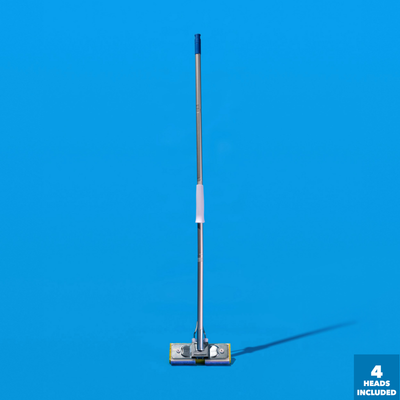
A mop is only as good as its handle. Look for one that’s adjustable, as this allows you to set the perfect length for your height, preventing you from hunching over. An adjustable handle also makes it much easier to reach under beds, couches, and other low furniture without getting on your hands and knees. A comfortable, ergonomic grip is another small detail that makes a big impact, especially during longer cleaning sessions. Many of Lola's mops are designed with these user-friendly features in mind, making the work feel less strenuous.
Is It Washable? A Key to Durability
No one wants to buy a cleaning tool that falls apart after a few uses. A durable dust mop is a much better value in the long run. One of the best indicators of durability is a washable mop head. Being able to toss the mop head in the washing machine not only extends its life but also ensures you’re cleaning with a fresh surface every time. This is more effective and hygienic than using a dirty mop. Plus, it’s an eco-friendly choice that reduces waste. When the time finally comes, you can often just buy refills for the head instead of replacing the entire mop.
Should You Get a Commercial-Grade Mop?
If you’re dealing with high-traffic areas or very large spaces, you might want to consider a dust mop with commercial-grade features. These mops are built to withstand heavy use and are often larger and more robust than standard household models. They are specifically designed for superior dust control on hard floors, making them an excellent choice for entryways, hallways, or open-concept homes. A commercial-style dust mop is often much gentler and more effective at capturing fine dust than sweeping with a traditional broom, which can kick particles into the air.
Reusable vs. Disposable Mop Heads
The choice between reusable and disposable mop heads really comes down to long-term value versus short-term convenience. Disposable pads are handy for a quick wipe on a small surface, but they’re impractical for cleaning floors. You’d likely go through several sheets just to clean one room, which is tough on both your budget and the environment. They become saturated with dust almost immediately and lack the robust design needed to effectively clean a large area, often just pushing dirt around instead of picking it up.
A quality dust mop with a washable, reusable head is a far more efficient and sustainable solution. You can clean your entire home, then simply toss the mop head in the wash to be used again and again. This is a much more eco-friendly approach that saves you money over time. These heads are designed for performance; materials like microfiber create a static charge that acts like a magnet for dust and allergens, trapping them securely. When the head eventually wears out, you can typically just purchase a refill, making it a smart investment for a consistently clean home.
The Best Dust Mop Brands We Trust
When you start shopping for a dust mop, you'll find a ton of options out there. It can feel a little overwhelming, but the right brand for you really just depends on your home and your cleaning style. Some brands are fantastic for everyday household tasks, while others are built to handle the heavy-duty demands of commercial spaces. To help you sort through it all, I’ve pulled together a few of my favorite types of brands and what makes each of them a great choice for different needs.
Why We Recommend Lola Products
For home cleaning, I always look for tools that are smart, efficient, and easy to use. That’s why I’m a big fan of Lola Products. They design their mops with practical features that make a real difference. For example, many of their dust mops have a wide, 18-inch head that covers more ground in a single pass, which is a huge time-saver. They also often include a 360-degree swivel, letting you effortlessly glide under couches and around table legs. My favorite part? The mop heads are usually machine washable and reusable, so you can stop spending money on disposable pads and get a fresh, clean start every time you tidy up.
Top-Rated Brands for Commercial Use
If you have a large home, run a small business, or just want something incredibly durable, looking at commercial-grade brands is a great idea. These mops are built to withstand constant use in high-traffic areas like offices, schools, and restaurants. Professional cleaning services have to select mop heads that are both effective and long-lasting to keep their operations running smoothly. You’ll find that commercial mops often feature heavy-duty handles, oversized heads, and specialized yarn blends designed for maximum dust pickup and retention. They might seem like overkill for a small apartment, but for big jobs, their performance is unmatched.
Microfiber vs. Cotton: Which Is for You?
Beyond specific brands, it’s helpful to know about the most common materials: microfiber and cotton. The debate over microfiber vs. cotton mops comes down to your cleaning goals. Microfiber is fantastic for attracting and trapping fine dust, pet hair, and allergens thanks to its electrostatic charge. It’s my go-to for daily dusting on hardwood, laminate, and tile floors. Cotton, on the other hand, is known for its incredible absorbency, making it a solid choice if you need a mop that can handle light damp mopping in addition to dusting. Many top brands offer both options, so you can choose the material that best fits your floors and cleaning routine.
How to Match a Dust Mop to Your Space
Choosing the right cleaning tool often comes down to your environment. A dust mop that works wonders in a small apartment might not be the best fit for a bustling office lobby. The key is to match the mop’s features—like its size, material, and design—to the specific demands of your space. Whether you're tackling pet hair at home, managing daily foot traffic in a commercial building, or maintaining pristine conditions in a sensitive area, there’s a dust mop designed for the job. Let's walk through how to find the perfect match for your floors.
Finding the Best Dust Mop for Your Home
For daily upkeep around the house, you need a dust mop that’s lightweight, versatile, and easy to maneuver. A good home dust mop is your secret weapon for grabbing dust, pet hair, and crumbs from hard floors. It's not just for floors—you can also use it to clean dust from walls and ceilings. Look for a model with a swivel head to easily reach under furniture and into tight corners. A washable, reusable mop head is also a must-have for home use, making it a cost-effective and eco-friendly choice. The goal is to find a reliable tool that makes your daily cleaning routine faster and more effective.
Choosing a Mop for High-Traffic Areas
Commercial spaces like offices, schools, and retail stores see a lot of foot traffic, which means dust and dirt accumulate quickly. In these environments, efficiency is everything. You’ll want a large, wide dust mop that can cover a lot of ground in a single pass. These mops are designed for effective dust control on hard floors and are often gentler than aggressive sweeping with a broom. Prioritize durability with a sturdy, commercial-grade handle that can withstand daily use. A high-quality cotton or synthetic blend mop head will be tough enough to handle constant work while effectively trapping debris.
What to Use in Sensitive Environments
In places where cleanliness is critical, like healthcare facilities, childcare centers, or even homes with allergy sufferers, the right dust mop is essential. These spaces often require a higher level of sanitation. Microfiber mops are typically the best choice here because their fine fibers are incredibly effective at trapping microscopic particles, allergens, and bacteria. As one industrial guide explains, while some facilities might prefer dust mops for daily dirt control, others need microfiber for its superior cleaning power. Look for mops with heads that can be easily removed and sanitized or disposable options to prevent cross-contamination and keep the environment safe.
Will It Work on Your Floors?
The type of flooring you have plays a huge role in determining the best dust mop. For smooth surfaces like hardwood, laminate, vinyl, and polished tile, a microfiber flat mop is ideal. It glides effortlessly and its electrostatic charge attracts fine dust particles like a magnet. However, if you’re cleaning rougher or more textured surfaces like concrete, slate, or certain types of tile, a more traditional cotton dust mop might be a better option. Cotton is highly durable and less likely to snag on uneven surfaces, making it great for tougher jobs and even small spill cleanup. Always check your flooring manufacturer’s care instructions before trying a new cleaning tool.
Common Dust Mop Myths, Busted
Dust mops are one of the most effective tools for keeping floors clean, but they’re surrounded by a surprising number of misconceptions. These myths can stop you from getting the most out of your cleaning routine or even prevent you from trying a dust mop in the first place. Let’s clear the air and set the record straight on what these essential tools can actually do. By busting these common myths, you can clean more efficiently and keep your floors looking their best.
Myth: All Mops Are the Same
It’s easy to lump all mops into one category, but that’s a big mistake. A wet mop is designed for scrubbing away grime with water and a cleaning solution, while a dust mop is a specialist for dry cleaning. Using a wet mop for dusting will just push dirt around, and using a dust mop on a sticky spill won’t do much good. Different floor types also require different tools. Using the wrong mop can be ineffective at best and damaging at worst. That’s why it’s helpful to have a variety of mops and cleaning tools on hand to tackle different jobs correctly.
Myth: They Only Pick Up Loose Dust
The name "dust mop" is a bit too specific because these tools are masters of collecting much more than just dust. They excel at trapping pet hair, crumbs, allergens, and other small debris from hard surfaces. While a vacuum’s floor attachment might blow some of this lightweight debris around, a dust mop’s fibers grab and hold onto it. This wiping action gives your floors a cleaner finish than suction alone can achieve. Think of it less as just a duster and more as a dry-cleaning system for your floors, making it a versatile player in your cleaning arsenal.
Myth: They Don't Need to Be Cleaned
Using a dirty tool to clean is counterproductive, and dust mops are no exception. If you don’t clean your mop head, you’ll eventually just be spreading old dust and grime back onto your floors. A quality dust mop should have a removable, machine-washable head. After each use, give it a good shake outside to dislodge loose debris. Then, toss it in the wash regularly to keep it fresh and effective. Proper care ensures your mop works efficiently for years and that you always have a clean tool ready to go. Having easy-to-find refills also makes maintenance a breeze.
Myth: You Can't Use Them on Certain Floors
This myth usually comes from bad experiences with wet mops, which can damage sensitive surfaces like unsealed hardwood or laminate with excess water. However, dust mops are often the safest and most effective choice for these exact floors. Because they’re used dry, there’s no risk of water damage, warping, or streaks. They gently remove abrasive dirt and grit that could scratch the finish over time. From tile and vinyl to delicate hardwood, a good dust mop is a universal tool for keeping all types of hard floors clean without causing harm.
Your Guide to Using and Caring for a Dust Mop
Once you've found the perfect dust mop, you'll want to make sure you're using it correctly. A little know-how goes a long way in keeping your floors spotless and your mop in great shape for years to come. Proper technique and care not only extend the life of your cleaning tools but also make your cleaning routine faster and more effective. Let's walk through the simple steps to get the most out of your dust mop.
How to Use Your Dust Mop Correctly
A dust mop, or dry mop, is your secret weapon for grabbing dust, pet hair, and other small debris from hard floors. The key is to always use it dry—never wet. For the best results, keep the mop head flat against the floor and start at one end of the room. Move across the floor in long, straight lines, slightly overlapping each pass to make sure you don't miss a spot. This methodical approach is much more effective than random sweeping. If you notice the mop head is getting full, just take it outside for a quick, vigorous shake or swap it out for a clean refill.
The Figure-Eight Mopping Technique
For a truly professional-level clean, try the figure-eight technique. Instead of just pushing the mop back and forth in straight lines, which can leave trails of dust behind, move it in a continuous "S" shape across the floor. This method keeps the same leading edge of the mop forward at all times, pushing a pile of dust and debris ahead of you without letting any escape. As you move, slightly overlap each pass to ensure you cover the entire surface. This simple change in motion traps dirt much more effectively, preventing you from accidentally spreading it back over the areas you’ve just cleaned. It’s a small adjustment that delivers a noticeably better result.
Dust Mop Before You Wet Mop
This is one of the most important rules of floor cleaning: always dust mop before you wet mop. Think of it this way—if you add water to a dusty, gritty floor, you’re essentially creating mud. A wet mop will just smear that grime around instead of lifting it, leaving you with a streaky finish. More importantly, dragging abrasive particles like sand and dirt across the floor with a wet mop can cause tiny scratches that dull your floor’s finish over time. By taking a few minutes to dry mop first, you remove all the loose debris, allowing your wet mop to do its real job of scrubbing the surface clean. This two-step process is the key to getting a spotless, protected floor with our collection of mops.
Washing and Storing Your Mop Head
After you've gathered all the dust bunnies into a few neat piles, you can easily sweep them up with a broom and dustpan. Now, it's time to clean the mop head itself. If your mop has a fixed head, take it outdoors and shake it firmly to release any trapped dust and dirt. For removable and washable heads, simply follow the manufacturer's care instructions—many can be tossed right into the washing machine. To keep your mop in top condition, always hang it up for storage. This prevents the fibers from getting crushed and matted, ensuring it’s ready for your next cleaning session.
Tips for Washing Microfiber Mop Heads
To keep your microfiber mop head working like new, a proper wash routine is key. The magic of microfiber is in its tiny, dust-grabbing fibers, and you want to protect them. Always wash the mop head with other non-linting fabrics, like bed sheets or more microfiber cloths, to prevent it from getting covered in fuzz. Use a small amount of a mild detergent, but be sure to skip the fabric softener and bleach. Fabric softener will clog those all-important fibers, making them less effective, while bleach can cause them to break down over time. For the best results, let the mop head air dry completely before you use it again, or tumble dry on a low-heat setting. Taking good care of your mop head is an eco-friendly choice that ensures you always have a fresh, effective tool ready to go.
Is It Time for a New Mop Head?
Even with the best care, mop heads don't last forever. Over time, the fibers break down and become less effective at trapping dirt and germs. To stay ahead of the game, it’s a great idea to have an extra washable mop head on hand. That way, you can easily swap one out while the other is in the wash, so your cleaning routine never misses a beat. If you notice your mop head looks worn out or isn't picking up debris like it used to, it's time for a replacement. A fresh mop head is one of the simplest ways to guarantee a truly effective clean for your home's floors.
Where to Buy Your Next Dust Mop
Once you’ve decided on the type of dust mop you need, the next step is finding the right place to buy it. The good news is that you have plenty of options, from big-box retailers to specialized online stores. Where you shop can depend on whether you prefer to see products in person or enjoy the convenience of having them delivered to your door. Thinking about your priorities—like selection, price, or quality—will help you figure out the best place to make your purchase.
Online vs. In-Store: Where Should You Shop?
Shopping online offers an incredible selection that you just can’t find in a physical store. You can easily compare dozens of different mops, read reviews from other homeowners, and find the perfect tool for your specific floors without leaving your couch. On the other hand, shopping in-store allows you to get a feel for the product. You can test the handle’s grip, check the weight, and see the actual size of the mop head. For many people, this hands-on experience is worth the trip. Ultimately, the best choice comes down to your personal shopping style and how much research you like to do beforehand.
Where to Find Commercial-Grade Mops
If you have a large area to clean or just want a tool that’s built to last, you might be looking for a commercial-grade dust mop. While you can find these at specialty supply stores, many brands that cater to homeowners also offer heavy-duty options. Look for features like extra-large mop heads, durable steel handles, and high-quality microfiber that can stand up to frequent washing. The key is to match the mop’s features to your cleaning tasks. A more robust mop can make a huge difference in efficiency, especially in high-traffic areas of your home.
How to Get the Best Deal on Your Mop
Everyone loves a good deal, and there are a few simple ways to save money on your next dust mop. If you’re shopping online, take a moment to compare prices across different retailers. It’s also a great idea to sign up for email newsletters from your favorite brands to get notified about sales and exclusive offers. Many companies have a dedicated section on their website for markdowns. For example, you can often find great prices by checking a brand’s specials page before you buy. A little patience can often lead to significant savings on a high-quality tool.
Understanding the Price Range
Dust mop prices can vary quite a bit, with simple models available for around $10 and more robust options costing over $60. The price difference usually comes down to features that offer better long-term value. While a budget-friendly mop might seem like a good deal, investing a little more in a durable model with a washable head is often a smarter choice. A quality dust mop is a more efficient and eco-friendly solution because you can simply toss the head in the wash and reuse it countless times. This saves you from the recurring cost of disposable pads and ensures you have a tool that will last for years, making it a better value overall.
Related Articles
- The 4 Best Commercial Wet Mops (2025 Review)
- Why Mopping is a Perfect All-Around-the-House Cleaning Alternative
- The Best Broom and Dustpan Set: A Buyer's Guide
- Chamois Mop vs. Sponge Mop: The Key Differences
Frequently Asked Questions
Can I use my dust mop for wet cleaning, or is it only for dry use? A dust mop is designed specifically for dry cleaning. Its fibers work by creating a static charge that attracts and holds onto dust, hair, and other fine particles. If you get it wet, you’ll lose that static cling and likely just push around damp dirt, creating a bigger mess. For scrubbing and tackling spills, you’ll want to stick with a traditional wet mop.
Do I still need a broom if I have a good dust mop? Yes, it’s a good idea to have both. Think of them as a team that handles different jobs. A broom is your go-to for sweeping up larger debris like spilled cereal, tracked-in dirt, or big clumps of pet fur. The dust mop is your finishing tool, perfect for picking up the fine dust, allergens, and hair that a broom often misses or kicks into the air.
How often should I wash my dust mop head? For the best results, you should shake the mop head out outdoors after every use to get rid of loose debris. As for washing, a good rule of thumb is to toss it in the laundry once a week if you use it daily, especially in a home with pets or kids. If you use it less frequently, you can wash it whenever it starts to look dirty or you notice it isn’t picking up dust as effectively.
Is a microfiber or cotton dust mop better for picking up pet hair? While both materials are effective, microfiber generally has an edge when it comes to pet hair. The fine synthetic fibers create a strong electrostatic charge that acts like a magnet for lightweight fur and dander, pulling it off the floor and trapping it securely. Cotton is very durable, but for that specific challenge, microfiber is often the more efficient choice.
Is it really okay to use a dust mop on surfaces other than the floor? Absolutely! As long as you’re using a clean mop head, a dust mop is a fantastic tool for high-reach cleaning. The long handle makes it perfect for grabbing cobwebs from ceiling corners, dusting walls, and even cleaning baseboards without having to bend over or climb on a stool. It’s a versatile tool that can help you clean much more than just your floors.










Comments