


Choosing a mop for your tile floors can feel a bit like matchmaking. You need to find the one that understands your home’s specific needs. A slick, glossy ceramic tile has different requirements than a rustic, textured slate tile. Your busy kitchen floor needs a different kind of partner than your quiet guest bathroom. With so many options, from spin mops to steam mops, it’s easy to feel overwhelmed. Think of this as your guide to finding "the one." We'll introduce you to the top candidates and help you identify the features that make a tile cleaner mop the perfect match for your floors and your lifestyle.
Key Takeaways
- Match your mop to your floor: The best mop is the one that fits your specific tile and cleaning routine. A spin mop offers excellent water control for large areas, while a flat mop is great for quick, daily touch-ups.
- Master the damp-mopping method: A streak-free finish comes from proper technique, not extra soap. Always sweep first, use a barely damp mop, and go easy on the cleaning solution to avoid a sticky, dull residue.
- Avoid common mopping mistakes: Using too much water, harsh chemicals, or a dirty mop head will only spread grime around. Wring your mop well, choose gentle cleaners, and always clean your tools after you finish the job.
Your Guide to Tile Mop Types
Choosing the right mop for your tile floors can feel like a bigger deal than it should be, right? With so many options out there, it’s easy to get stuck. But the truth is, the tool you use makes all the difference between a quick, satisfying clean and a frustrating, streaky mess. Think of this as your personal matchmaking guide to finding the perfect mop for your home. We’ll walk through the most popular types, from modern spin mops to the classic string mop, so you can pick the one that fits your cleaning style and leaves your tile floors sparkling.
Spin Mops
If you’ve ever struggled with a sopping wet mop that leaves puddles everywhere, a spin mop might be your new best friend. These mops are famous for their clever wringing mechanism, which is usually a foot pedal or a pump handle that spins the mop head inside a bucket to wring out excess water. This gives you amazing control over how damp the mop is, which is perfect for tile floors since it prevents water spots and helps them dry faster. Our Revolution Spin Mop is a great example of how efficient these can be for achieving a clean, polished shine with less effort. They make cleaning feel less like a chore and more like a quick win.
Steam Mops
For those who prefer a chemical-free clean, steam mops are a fantastic choice. They work by using hot steam to sanitize and break down dirt and grime, and they only require distilled water to operate. This is a huge plus if you have kids or pets running around and want to avoid harsh cleaning solutions. The steam does the heavy lifting, killing germs and bacteria without leaving behind any residue. While Lola Products focuses on durable tools, pairing a steam mop with high-quality eco-friendly cleaning practices can create a truly spotless and healthy home environment. Just be sure to check that your specific type of tile is sealed and can handle high heat and moisture before you begin.
Flat Mops
Flat mops are the versatile workhorses of the cleaning world. Designed with a wide, rectangular head, they are perfect for everyday cleaning and quick pickups. Many use microfiber pads that are excellent at trapping dust, dirt, and pet hair. Their slim profile makes it easy to clean under furniture and along baseboards, and the swivel head offers great maneuverability around obstacles. For picking up loose debris before a wet mop, a sticky flat mop like our Lola Rola Sticky Mop is incredibly effective. Flat mops are a simple, lightweight, and efficient tool for keeping your tile floors looking their best day to day.
String Mops
The classic string mop is a timeless cleaning staple for a reason. It’s the go-to for tackling big, tough messes. Made with highly absorbent cotton or synthetic strings, these mops can hold a lot of water and cleaning solution, making them ideal for scrubbing heavily soiled tile floors in kitchens, bathrooms, or mudrooms. While they might seem old-fashioned, many modern string mops come with self-wringing buckets that make them much easier to use. For a reliable and powerful deep clean, you can’t go wrong with a traditional string mop from our collection of mops. They are durable, affordable, and always get the job done.
Spin Mop vs. Steam Mop: Which is Better for Tile?
Choosing between a spin mop and a steam mop for your tile floors can feel like a big decision. Both are fantastic tools, but they clean in fundamentally different ways. Think of a spin mop as your trusty, manual sidekick. It uses a cleaning solution and a microfiber head to scrub away dirt, and its bucket has a clever wringing system to control water. A steam mop, on the other hand, is an electric appliance that uses hot steam to sanitize and lift grime, often without any chemicals. This distinction is key: one is about controlled, physical cleaning, while the other is about high-temperature sanitization.
So, which one wins the title for tile? The truth is, it’s not a one-size-fits-all answer. The best choice for you depends on your specific tile type, the kinds of messes you’re usually cleaning, and your personal cleaning style. If you have pets and kids tracking in germs, the sanitizing power of steam might sound appealing. If you have delicate natural stone tiles or prefer using specific cleaning solutions, the control offered by a spin mop is a major advantage. We're going to look at how they stack up in terms of cleaning power, ease of use, and results, so you can feel confident you're picking the right tool to make your floors shine. Let’s break down the key differences to help you find your perfect match.
Comparing Cleaning Power
When it comes to cleaning power, both mops bring something valuable to the table. A steam mop is a sanitizing champion. It uses high-temperature steam to kill 99.9% of germs and bacteria, which is amazing for households with kids or pets. It’s also fantastic at loosening tough, sticky messes without needing harsh chemicals.
A spin mop, like Lola's Revolution Spin Mop, offers a different kind of power: control. You get to choose your own cleaning solution, so you can tackle grease with a degreaser or just use a gentle cleaner for a quick polish. The physical action of mopping with a microfiber head is excellent for scrubbing away everyday dirt and grime that builds up over time.
Comparing Ease of Use
Your cleaning routine should make your life easier, not harder. Spin mops are incredibly straightforward. They’re lightweight, don’t need to be plugged in, and you can get started in seconds. The real star is the wringing mechanism. Many people love spin mops because the foot pedal or handle pump lets you easily wring out excess water, giving you total control over the mop’s dampness.
Steam mops require a bit more setup. You’ll need to fill the tank with distilled water, plug it in, and wait a minute or two for it to heat up. The cord can sometimes feel limiting, but many models are self-propelled, meaning they glide across the floor with minimal effort from you. It’s a trade-off between the grab-and-go freedom of a spin mop and the low-effort glide of a steam mop.
Which Dries Faster and Prevents Streaks?
Nothing is more frustrating than finishing a mopping session only to see streaks left behind. A common mistake is making the mop too wet, which just pushes dirty water around. This is where a spin mop truly shines. The wringing system allows you to control the moisture level precisely, so you can damp-mop for a streak-free finish. A nearly dry mop head is your secret weapon for gleaming floors.
Steam mops also offer a quick-drying solution, as the hot steam evaporates almost instantly. This is great for getting floors dry in a hurry. However, if the mop pad becomes oversaturated or the machine isn't working correctly, it can leave water behind and cause streaks. With a spin mop, you have direct, manual control, which many find gives them more consistent, streak-free results.
The Best Mop for Your Specific Tile
Before you start cleaning, it’s critical to know what kind of tile you have. Using the wrong mop can cause serious damage. If you have unsealed natural stone like marble, travertine, or slate, you should not use a steam mop. The high heat and moisture can strip the sealant and permanently damage the stone. For these delicate surfaces, a spin mop with a soft microfiber head and a pH-neutral cleaner is the safest and most effective choice.
For durable, sealed tiles like ceramic and porcelain, you have more flexibility. Both mops are generally safe and effective. A steam mop is great for a deep, sanitizing clean, while a spin mop is perfect for routine cleaning and polishing without risking damage. When in doubt, always check your flooring manufacturer’s care instructions.
Key Features to Look for in a Tile Mop
You know the different types of mops out there, but what separates a good mop from a great one? It really comes down to the details. The right features can make cleaning your tile floors feel less like a chore and more like a quick refresh. When you’re shopping for a new mop, paying attention to a few key characteristics will ensure you get a tool that’s effective, easy to use, and built to last. Let’s walk through what you should keep an eye out for.
Mop Head Material
The material of your mop head is one of the most important factors for tile floors. You want something that can scrub away dirt without scratching or dulling your beautiful tile. To clean tile floors effectively and prevent damage, you need a material suited for your specific surface. Microfiber is a fantastic all-around choice because its tiny fibers are excellent at grabbing dust, grime, and even bacteria. It’s also super absorbent but wrings out well, so you don’t leave puddles behind. Cotton is another classic option, known for its durability and scrubbing power, but it can hold more water, so a good wringer is a must.
An Adjustable Handle
Comfort is key to a pleasant cleaning routine, and an adjustable handle makes a world of difference. Hunching over a mop that’s too short is a recipe for back pain. Look for a mop with a telescoping or adjustable handle that you can set to the perfect height for your body. This small feature makes the entire process more comfortable and ergonomic. It also gives you better leverage and control as you clean. Plus, a longer handle can help you easily reach under tables and into other tight spaces without having to get on your hands and knees. Many modern mops are designed with user comfort in mind.
A Swivel Head for Easy Steering
Have you ever struggled to get your mop perfectly into a corner or around the base of the toilet? A swivel head is the solution. This feature allows the mop head to pivot and rotate, giving you incredible maneuverability. Instead of doing that awkward stop-and-lift motion, you can glide smoothly around furniture legs, along baseboards, and into tight spots. Many mops now come with swivel steering, which makes cleaning feel faster and more fluid. It’s a simple but game-changing feature that helps you clean every inch of your floor with minimal effort.
The Wringing Mechanism
Using too much water is a common mistake when mopping tile, leading to streaks, water spots, and even damage to your grout over time. That’s why a good wringing mechanism is non-negotiable. Whether it’s a hands-free foot pedal on a spin mop or a simple squeeze lever, the goal is to control the dampness of your mop head. An effective wringer removes excess water so you’re cleaning with a damp mop, not a soaking wet one. Our Revolution Spin Mop uses a bucket with a built-in spinner, making it easy to get the perfect moisture level every time.
Washable vs. Disposable Pads
When choosing a mop, consider if you prefer reusable or single-use pads. Disposable pads are convenient for quick cleanups, but the cost can add up, and they create more waste. On the other hand, many mops come with machine-washable microfiber pads that can be used over and over. This is a more sustainable and budget-friendly option in the long run. Having a few extra refills on hand means you can always start with a fresh, clean pad, which is essential for getting a truly clean floor without just spreading dirt around.
Water Tank Size (for Steam Mops)
If you’re leaning toward a steam mop, the water tank size is an important detail to check. Steam mops are great for sanitizing floors without chemicals, as they use hot steam to remove bacteria. A larger water tank means you can clean for longer without stopping to refill it. If you have large tiled areas in your home, a bigger tank will make the job much more efficient. For smaller spaces like bathrooms, a compact steam mop with a smaller tank might be all you need. Just remember to check if your specific tile type is safe for steam cleaning.
Our Top Mop Picks for Every Tile Floor
The best mop for your tile isn't a one-size-fits-all answer. The right tool depends on the job, whether you're tackling a huge kitchen floor or just cleaning up a quick spill. Matching the mop to the mess makes cleaning faster and more effective, leaving you with sparkling floors and more time for yourself. Let's look at our top recommendations for a few common tile-cleaning scenarios.
For Large Tiled Areas
If you have a lot of ground to cover, like in a large kitchen or open-plan living space, a spin mop is your best friend. Mopping big areas can be a workout, but a spin mop does the heavy lifting for you. The foot pedal and spinning basket wring out the perfect amount of water, so you aren't sloshing puddles around. This controlled moisture is key for tile, as it prevents streaks and helps the floor dry quickly and evenly. Our Revolution Spin Mop is designed for this exact task, helping you get the job done efficiently without breaking your back.
For Deep-Cleaning Grout Lines
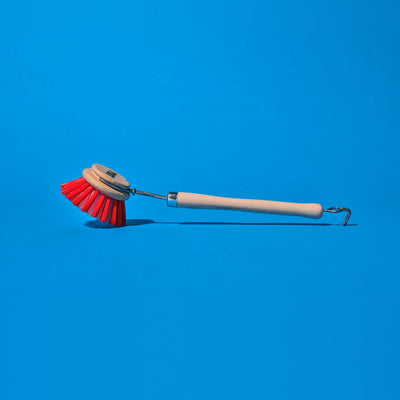
Grout can be a magnet for dirt, and dingy grout lines can make even the cleanest tiles look dull. To really get in there and lift away grime, you need a tool with some scrubbing power. While a standard mop is great for the tile surface, you’ll want to pair it with something that can handle the grooves. Using one of our sturdy scrub brushes on the grout before you mop can make a world of difference. The stiff bristles dig into the grout to dislodge stubborn dirt that a soft mop head might miss, restoring brightness to your entire floor.
For Quick, Everyday Messes
Life is full of little messes, from spilled juice to muddy paw prints. For those daily cleanups, you don’t always need to pull out a full bucket and mop. A spray mop is the perfect grab-and-go solution. It keeps you ready for unexpected spills without the setup. These mops are lightweight and have a built-in sprayer, so you can target small areas with a cleaning solution and wipe them away in seconds. Having one on hand makes it easy to stay on top of messes, keeping your tile floors looking great all week long.
For a Chemical-Free Clean
Many of us are looking for ways to clean our homes effectively without relying on harsh chemicals. While steam mops are one option, you can also get a fantastic, chemical-free clean with the right tools. High-quality, reusable microfiber cloths are incredibly effective at trapping dirt, dust, and bacteria with just hot water. The tiny fibers scrub the surface and lift away grime without needing a chemical cleaner. This method is not only safe for kids and pets but is also an eco-friendly choice that protects your tile’s finish over time.
How to Get a Streak-Free Shine on Your Tile Floors
Getting that perfect, glossy, streak-free shine on your tile floors can feel like a professional-level achievement, but it’s completely doable. It’s less about intense scrubbing and more about using the right technique from start to finish. A few simple adjustments to your routine can make all the difference between a dull, streaky surface and a floor that truly sparkles. Let's walk through the four key steps to get you there, ensuring your hard work results in a beautiful, clean finish every time.
Always Sweep or Vacuum First
Before a single drop of water hits your floor, you need to clear the way. Think of mopping a dirty floor like trying to wash a muddy car with a sponge; you’re just pushing the grit around. Taking a few minutes to sweep up crumbs, dust bunnies, and pet hair is the most important first step. This ensures your mop and cleaning solution can focus on lifting grime that’s actually stuck to the tile, not just chasing loose debris across the room. A clean slate is the foundation for a streak-free finish.
Choose the Right Cleaning Solution
You don't always need a fancy, store-bought cleaner to get the job done. In fact, some of the best solutions are simple DIY mixes. Many people swear by using very hot water with a small amount of powdered laundry detergent or a splash of white vinegar. The key is to use less than you think you need, as too much soap is a primary cause of sticky residue and streaks. Start with a minimal amount, and remember that the hot water is doing most of the heavy lifting. Your goal is to clean the floor, not leave a film behind.
Master the Right Mopping Technique
Here’s where many people go wrong: using way too much water. A sopping wet mop doesn’t clean better; it just spreads dirty water around and leaves puddles that dry into streaks. Your mop head should be damp, not dripping. A great way to achieve this is with a system like the Revolution Spin Mop, which lets you control exactly how much water stays in the mop head. Mop in small sections, working your way from the farthest corner of the room toward the door so you don't have to walk over your freshly cleaned tiles.
Let the Floor Air Dry Completely
Patience is a virtue, especially when it comes to mopping. Walking on a damp floor is a surefire way to leave footprints and smudges. For the best results, let the floor air dry completely without any foot traffic. If you notice any areas with a little too much water, you can go over them with a dry mop head or the squeegee side of a rubber broom to pull the excess water away. This final step helps guarantee that all your hard work pays off with a beautiful, even shine that makes the whole room feel cleaner.
Are You Making These Tile Mopping Mistakes?
You’ve got the perfect mop, you’ve set aside the time, and you’re ready to make those tile floors sparkle. But if you’re not careful, a few common missteps can leave your floors looking streaky, sticky, or just as dirty as when you started. It’s frustrating when your hard work doesn’t pay off. The good news is that these mistakes are easy to fix.
By making a few small adjustments to your routine, you can get that satisfying, streak-free shine every single time. Let’s walk through some of the most frequent tile mopping errors and how you can correct them for a truly deep clean. You’ll be surprised what a difference these simple changes can make.
Using Too Much Water
It feels logical that more water equals a better clean, but with tile floors, the opposite is often true. Drenching your mop head in water can do more harm than good. Instead of lifting dirt away, excess water tends to just spread it around, leaving a grimy film and ugly streaks once the floor dries. Too much moisture can also seep into your grout lines, potentially weakening them over time.
The key is to use a damp mop, not a soaking wet one. Wring it out thoroughly until it’s no longer dripping. A great tool for this is a spin mop, like the Lola Revolution Spin Mop, which uses a foot pedal to wring out the perfect amount of water for you. This gives you just enough moisture to clean effectively without flooding your floors.
Choosing Harsh Chemical Cleaners
Walking down the cleaning aisle, it’s easy to grab the strongest-looking chemical cleaner, thinking it will blast away grime. However, harsh chemicals like bleach or ammonia can be tough on your tile and grout. Over time, they can strip away the sealant on certain types of tile, dull the finish, and even discolor your grout. Plus, they aren’t always the best choice for homes with pets or small children.
For most routine cleaning, a gentle, pH-neutral cleaner is all you need. You can even get a fantastic, chemical-free clean using just hot water, especially with a microfiber mop. If you prefer a cleaning solution, look for eco-friendly options that are designed to be tough on dirt but gentle on surfaces.
Forgetting to Clean the Grout
You can have the shiniest tiles in the world, but if the grout between them is dark and dirty, the whole floor will look dingy. Grout is porous, which means it acts like a sponge for dirt, spills, and grime. Simply running a mop over the surface often isn’t enough to get into those recessed lines and lift out the trapped dirt.
To keep your grout looking fresh, you need to give it some focused attention. Every few weeks, use a tool with stiff bristles to scrub the grout lines before you mop the entire floor. A dedicated grout brush is perfect for this job. Applying a bit of targeted pressure will dislodge stubborn buildup and restore your grout to its original color, making your entire floor look brand new.
Not Cleaning Your Mop Head
Mopping with a dirty mop head is like trying to wash your dishes with a greasy sponge. You’re just moving germs and grime from one spot to another. A soiled mop head won’t absorb dirt effectively and will leave behind a sticky residue and unpleasant odors. It’s a crucial final step that many people forget.
Make it a habit to clean your mop head after every single use. For reusable microfiber pads, you can rinse them with dish soap and then toss them in the washing machine. If you have a traditional string or sponge mop, rinse it thoroughly with hot water until the water runs clear, then wring it out and let it air dry completely to prevent mildew. When a mop head looks worn out or stays dirty after washing, it’s time to replace it with a fresh mop refill.
How Often Should You Mop Your Tile Floors?
Figuring out the perfect mopping schedule can feel like a mystery, but it really comes down to one thing: foot traffic. Not all rooms are created equal. Your kitchen floor, for example, sees a lot more action (and spills) than a guest bedroom. Finding the right rhythm for each space is the key to keeping your tile floors looking their best without feeling like you’re cleaning all the time. The goal is to create a routine that works for you, not the other way around.
Having the right tools makes a huge difference. A great mop can cut your cleaning time in half and make the entire process feel less like a chore. Whether you prefer a spin mop or a classic string mop, using quality mops designed for tile will give you a better, faster clean. Once you have your routine down, you’ll be able to maintain that beautiful shine with minimal effort. The following guidelines will help you figure out the best frequency for the different areas of your home.
For High-Traffic Areas
Let’s talk about the busy zones: your kitchen, bathrooms, and entryways. These areas are magnets for dirt, crumbs, and whatever gets tracked in from outside. For these high-traffic spots, you’ll want to mop more often, perhaps every other day or even daily if you have a busy household with kids or pets. This might sound like a lot, but a quick daily pass prevents dirt from getting ground into the grout and keeps germs from spreading. A system like the Revolution Spin Mop makes it easy to do a fast, effective clean without getting your hands dirty.
For Low-Traffic Areas
Now for the easier parts of your home, like bedrooms, home offices, or a formal dining room that doesn't see daily use. These spaces don’t need as much attention. Mopping once a week is usually enough to keep dust and allergens under control and maintain a fresh, clean feel. Before you mop, give the floor a quick once-over with one of your brooms to pick up any loose debris. A weekly mop in these areas is a simple maintenance task that keeps your entire home feeling consistently clean without adding much to your to-do list.
Signs It’s Time for a Deep Clean
Sometimes, a standard mopping session just isn’t enough. You’ll know it’s time for a deep clean when your floors still look dull or feel slightly sticky even after you’ve mopped them. Another clear sign is when the water in your mop bucket gets filthy right away. To get your tiles truly clean, you might need to mop them a few times with a fresh cleaning solution until the water you wring out stays clean. For stubborn spots or grimy grout lines, you may need to use some extra elbow grease with dedicated scrubbers to restore that original sparkle.
Common Myths About Mopping Tile Floors
When it comes to cleaning, we often rely on tips passed down through generations or things we’ve heard from friends. But some of the most common advice about mopping tile floors is actually counterproductive. Let's clear up a few of these myths so you can get a truly clean floor without the extra work or potential damage. Getting your tile to sparkle is much easier when you know what not to do. By avoiding these common mistakes, you’ll save time and keep your floors looking their best for years to come.
Myth: More Cleaner Equals a Deeper Clean
It seems logical that adding an extra splash of cleaning solution to your mop bucket would give you a more powerful clean, but it’s one of the biggest mopping mistakes. Using too much cleaner creates a sticky residue that dulls your tile’s shine and actually attracts more dirt and dust. A common mistake is also making the mop too wet. Soaking the floor just spreads the dirt around and often results in frustrating streaks. The key is to use your cleaning solution exactly as directed and wring your mop out thoroughly. A quality spin mop can be a huge help here, as its wringing mechanism gives you perfect control over the mop’s dampness.
Myth: Steam Mops Work on All Tile
Steam mops have become popular because they can sanitize floors without harsh chemicals. While it's true that "steam mops are often highlighted for their ability to remove bacteria," they aren't a one-size-fits-all solution. The intense heat and moisture can be too much for certain types of flooring. Porous, unsealed tiles like slate or travertine can absorb the water, leading to discoloration or damage. It can also harm some luxury vinyl tile and even cause laminate flooring to warp. Before you use a steam mop, it's essential to check your flooring manufacturer's recommendations to make sure your tile can handle the heat.
Myth: Any Mop Will Do the Job
Grabbing any old mop to clean your tile might seem fine, but it can make the job harder and less effective. As cleaning experts know, "to clean tile floors well and avoid damage, you need to use the right kind of mop for your specific tile." For example, a classic string mop is great for durability and scrubbing textured surfaces, but a microfiber flat mop is often better for smooth, polished tile because it traps fine dust and prevents streaks. The right tool makes all the difference. Taking a moment to choose from a variety of mops designed for different tasks ensures you get the best possible clean every time.
Find the Perfect Tile Mop for Your Home
Tile floors are a fantastic, durable choice for any home, but finding the right tool to keep them sparkling can feel like a chore in itself. With so many options out there, how do you choose the best mop? The secret isn't finding a single "best" mop, but rather finding the one that’s perfect for your specific floors and cleaning style. Getting this right is the first step toward achieving that satisfying, streak-free shine you’re after.
Before you start shopping, think about your tile. Is it smooth and glossy ceramic, or does it have a rough, natural texture like slate? The material and finish of your tile will determine what kind of mop head will clean most effectively without causing damage. You should also consider the types of messes you clean most often. Are you dealing with muddy paw prints in the entryway or just light dust in the bathroom? Your answer will guide you toward the right type of mops for the job.
There are several popular mop types to consider. Spin mops are a favorite because their wringing mechanisms remove excess water, which is great for preventing streaks and water spots. Steam mops are excellent for sanitizing without chemicals, using hot steam to lift away grime. Flat mops with microfiber pads are fantastic for trapping dust and dirt on a daily basis. Beyond the type, look for features that make cleaning easier, like an adjustable handle for comfort or washable pads that are both effective and eco-friendly. Considering these factors will help you select a tool that makes cleaning your tile floors feel less like a task and more like a triumph.
Related Articles
- How to Mop Clean Floor: The Ultimate Guide
- From Grime to Shine: The Ultimate Guide to Cleaning Every Type of Tile
- The 5 Best Types of Mops for Every Floor
- 6 Best Heavy Duty Wet Mops for Rough Floors
- The Best Wet Mop Cleaner: A Complete Guide
Frequently Asked Questions
Is there one "best" mop for all tile floors? I wish it were that simple, but the best mop really depends on your specific tile and the kinds of messes you handle. For most homes with ceramic or porcelain tile, a spin mop is a fantastic all-around choice because it gives you great control over water, which prevents streaks. If you have delicate natural stone, a gentle microfiber flat mop is a safer bet. The key is to match the tool to your floor type and your cleaning style.
My grout is really dirty, and mopping doesn't help. What should I do? This is a super common problem. A mop is designed to clean the flat surface of the tile, so it often glides right over the grime stuck in your grout lines. To get them truly clean, you need to give them some special attention before you mop. Use a stiff scrub brush and a good cleaner to scrub the grout lines first. This will loosen all that trapped dirt, and then you can use your mop to wipe it all away.
How often should I replace my mop head? A good rule of thumb is to replace your mop head every two to three months, but you should really let its condition be your guide. If it starts to look permanently stained, smells a little funky even after washing, or is visibly falling apart, it's time for a new one. Cleaning with a dirty, worn-out mop head just spreads germs around, so using a fresh refill is one of the easiest ways to get a better clean.
My floors are always streaky after I mop. What am I doing wrong? Streaks are usually caused by one of three things: using too much water, using too much cleaning solution, or using a dirty mop. The most common mistake is a mop that's too wet. Make sure you wring it out until it's just damp, not dripping. Also, go easy on the cleaner; a little goes a long way, and too much will leave a sticky film. Finally, always start with a clean mop head for a fresh, streak-free finish.
Can I use a steam mop on my tile? You need to be careful with this one. Steam mops are great for sanitizing durable, sealed tiles like ceramic and porcelain. However, you should never use a steam mop on unsealed, porous tiles like natural stone, slate, or travertine. The high heat and moisture can cause serious, permanent damage. If you're not sure what kind of tile you have or if it's sealed, it's safest to stick with a traditional mop and cleaner.










Comments