


You probably have a picture in your head of a traditional cotton mop and a sleek sponge mop, but do you know which one is actually right for your floors? Using the wrong one can mean leaving dirt behind in grout lines or using too much water on a sensitive surface like hardwood. The real difference in the sponge mop vs cotton mop discussion lies in the details: absorbency, scrubbing power, and ease of use. One is built for soaking up big spills and tackling tough grime, while the other excels at quick, targeted cleanups. Before you buy your next mop, let’s explore the strengths and weaknesses of each so you can invest in a tool that makes cleaning easier and leaves your floors looking their best.
Key Takeaways
- Prioritize your floor type: Use a sponge mop for smooth, sealed surfaces like laminate and vinyl to ensure an even clean. For textured floors with grout or concrete, a cotton mop's strands are essential for getting into every crevice.
- Assess your common messes: A sponge mop is your go-to for quick, everyday spills and sticky spots that need targeted scrubbing. Reach for a highly absorbent cotton mop when you're tackling large liquid messes or deep, set-in grime.
- Think long-term about value: While a sponge mop has a low initial price, its head needs frequent replacing. A durable cotton mop head lasts much longer, offering better value over time and standing up to more rigorous cleaning.
Sponge Mop vs. Cotton Mop: What's the Difference?
When you’re standing in the cleaning aisle, the sheer number of mops can be overwhelming. Two of the most common choices you’ll see are the classic cotton string mop and the modern sponge mop. They might both clean your floors, but they work in very different ways. The best one for your home really comes down to your floor types, the kinds of messes you’re usually cleaning, and how much scrubbing power you need. Let’s break down what makes each one unique so you can find your perfect match.
Breaking Down the Sponge Mop
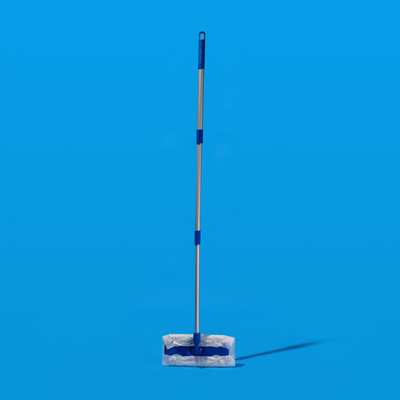
You can spot a sponge mop by its rectangular sponge head, which often comes with a built-in wringer. These mops are super absorbent, making them perfect for quick cleanups and sopping up spills. They perform best on smooth, even surfaces like tile, laminate, and sealed hardwood. While they might struggle with deep-set grime or uneven floors, sponge mops are great for tackling sticky messes and light daily dirt. You can also apply more pressure when you need to scrub away a tougher spot. Just remember, they need to be rinsed and dried completely after each use to prevent bacteria and odors from developing.
Breaking Down the Cotton Mop
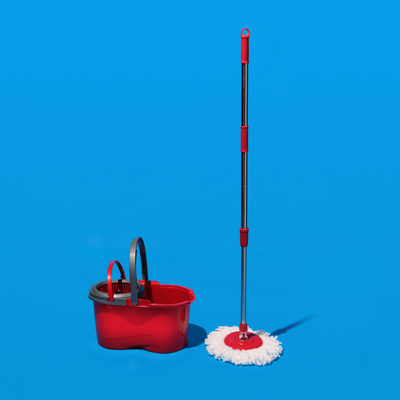
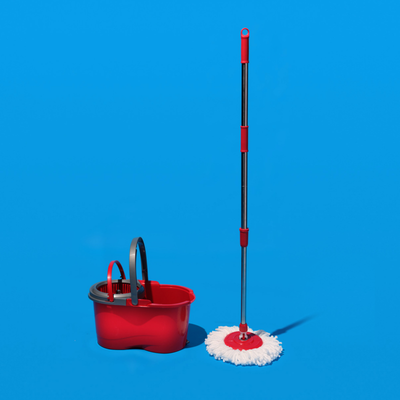
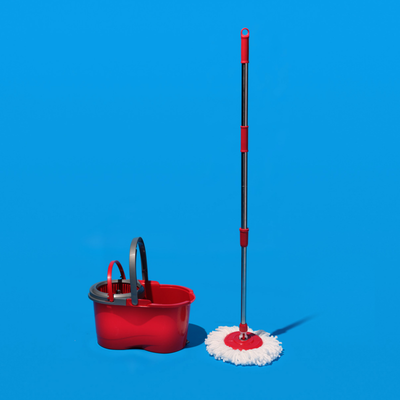
The cotton mop is the traditional workhorse of floor cleaning. With its familiar head of thick cotton strings, this mop is built for bigger, tougher jobs. Cotton mops are fantastic for heavy-duty cleaning and are especially effective on uneven surfaces like textured tile, where a sponge might miss the low spots. Their incredible absorbency means they can soak up large spills with ease. Because cotton is a durable material, these mops can stand up to frequent, vigorous use and are even recommended for heavy tasks like stripping floor wax. They are a reliable and effective tool for almost any floor surface you can throw at them.
How Do Sponge and Cotton Mops Compare?
Choosing the right mop really comes down to understanding how each one performs in the real world. While both will get your floors clean, their strengths and weaknesses become clear when you look at how they handle different situations. Let's break down how sponge and cotton mops stack up against each other in the categories that matter most: absorbency, ease of use, and grime-fighting power.
Absorbency and Cleaning Power
When it comes to soaking up messes, both mops are effective, but they excel in different scenarios. A sponge mop is incredibly absorbent, making it your go-to tool for quick cleanups and sticky spills on smooth surfaces. Think of it as a super-sponge on a stick, perfect for sopping up a juice spill on the kitchen tile or wiping away daily dirt on laminate flooring.
On the other hand, a cotton mop is built for bigger jobs. Its classic string design is best suited for situations where you need to use a lot of liquid to saturate a surface, like when you’re deep cleaning a large area. It’s also the clear winner for uneven floors, as the cotton strands can reach into grout lines and textured spots that a flat sponge might miss.
Weight and Ease of Use
How a mop feels in your hands can make a huge difference in your cleaning routine. Sponge mops are known for being lightweight and easy to manage, which is why they’re so popular for everyday tasks. Their simple design often includes a built-in wringer, so you don’t have to strain your back trying to squeeze out excess water. This makes them ideal for anyone who wants a straightforward, no-fuss cleaning tool.
Cotton mops, while fantastic cleaners, can be a bit of a workout. Once those cotton strands soak up water, the mop head becomes quite heavy. Wringing it out properly requires more effort, and maneuvering it across the floor takes a bit more muscle. While they are workhorses, their weight is something to consider if you’re looking for a quick and easy cleaning experience.
How They Tackle Dirt and Grime
Different messes call for different mops. A sponge mop is surprisingly versatile for its simple design. While it’s perfect for gentle cleaning, you can also apply direct pressure to scrub away tougher dirt and scuff marks on smooth floors. It’s great for dealing with sticky messes that need a little extra elbow grease without scratching delicate surfaces like hardwood or vinyl.
For a true deep clean, especially on textured floors, the cotton mop is the undisputed champion. It’s the tool you grab for heavy-duty cleaning jobs, like scrubbing a muddy entryway or a greasy garage floor. The individual cotton strands get into all the little nooks and crannies, lifting away dirt that a flat mop would just glide over. When you need serious scrubbing power, a cotton mop is the way to go.
Find the Right Mop for Your Floors
Choosing the right mop often comes down to the type of floors you have in your home. A mop that works wonders on your smooth kitchen tile might not be the best choice for your textured entryway. Let’s break down which surfaces are best suited for each type of mop so you can get a beautiful, streak-free clean every time.
The Best Surfaces for a Sponge Mop
A sponge mop is your best friend for everyday cleaning on smooth, delicate floors. Because they’re so absorbent, they are perfect for wiping up spills and light daily dirt. Think of surfaces like sealed hardwood, laminate, vinyl, and smooth tile. The flat sponge head glides easily over these floors, making quick cleanups a breeze. However, they can struggle with deep grout lines or uneven surfaces, as the sponge can’t always reach into those nooks and crannies. If your home has mostly smooth flooring, a sponge mop is a fantastic, lightweight tool to have on hand.
Where a Cotton Mop Shines
If you’re dealing with a bigger mess or a more durable floor, a cotton string mop is the way to go. These mops are built for heavy-duty cleaning. The long cotton strands are excellent at soaking up large spills and scrubbing textured surfaces like concrete, stone, or tile with deep grout lines. They are ideal for high-traffic areas that see a lot of dirt and grime, such as kitchens, mudrooms, and garages. The scrubbing power of a cotton mop can cut through greasy, stuck-on messes that a sponge mop might just smear around.
Your Quick Floor-to-Mop Cheat Sheet
Still not sure which to choose? Here’s a simple guide to help you pick the right tool for the job.
Grab a sponge mop if you have:
- Smooth, sealed floors like hardwood, laminate, or vinyl.
- Quick, daily cleanups or small spills to manage.
- A need for a lightweight, easy-to-handle tool.
Reach for a cotton mop when you have:
- Large, high-traffic areas to deep clean.
- Textured or uneven floors like stone, concrete, or tile with deep grout.
- Big spills or greasy, tough messes to tackle.
Remember that both types of mops will eventually need a new head, so be sure to check for available refills when you make your purchase.
The Pros and Cons of Each Mop
Deciding between a sponge mop and a cotton mop comes down to understanding what each one does best. Both are great tools, but they shine in different situations. Thinking about your floors, the kinds of messes you usually clean, and how much effort you want to put in will help you pick the right one for your home. Let's break down the strengths and weaknesses of each so you can feel confident in your choice.
Sponge Mops: The Good and the Bad
Sponge mops are fantastic for quick, everyday cleanups. Their absorbent heads are perfect for sopping up spills and wiping away light dirt on smooth surfaces like tile, laminate, and sealed hardwood. Because you can apply direct pressure, they’re also surprisingly effective at scrubbing away a sticky spot on the kitchen floor. The main drawback is that they can struggle with deep grout lines or uneven surfaces. One thing to remember is that sponge heads need to be rinsed well and dried completely after each use to keep them fresh and prevent bacteria from growing.
Cotton Mops: The Highs and Lows
A classic cotton string mop is a true workhorse, especially for big jobs. If you have textured floors like rough tile or need to clean a large area, a cotton mop is your best friend. The string design gets into nooks and crannies that other mops might miss. They are also highly absorbent, making them ideal when you need a good amount of water to tackle a really tough, set-in mess. On the flip side, they can get quite heavy when wet and may leave behind more water than a sponge mop, so they aren’t always the best choice for moisture-sensitive flooring.
Head-to-Head Performance
When you put them side-by-side, the choice becomes clearer. Sponge mops are the champions of speed and convenience for daily cleaning on smooth floors. They give you great control for targeted scrubbing and are easy to manage. Cotton mops, however, are the heavy-duty option. They excel at deep cleaning, handling large volumes of liquid, and cleaning uneven surfaces where a sponge might snag or skip over grime. Think of the sponge mop as your go-to for daily maintenance and the cotton mop as the tool you pull out for the bigger, tougher cleaning sessions.
Match the Mop to the Mess
Not all spills are created equal, and your mop shouldn't be a one-size-fits-all tool. Using the right mop for the job doesn't just make cleaning easier—it gives you a much better result. Think of it as having the perfect tool in your cleaning kit for any mess that comes your way, ensuring you can tackle anything from a small kitchen spill to muddy floors with confidence.
When to Grab a Sponge Mop
Think of the sponge mop as your go-to for daily upkeep and quick clean-ups. It’s the perfect choice for smooth surfaces like vinyl, laminate, and tile. Did someone spill juice on the kitchen floor? A sponge mop will soak it right up. Its built-in wringer makes it easy to control the water level, and you can apply extra pressure to scrub away sticky spots or dried-on grime without much effort. It’s lightweight and easy to handle, making it ideal for everyday mops and keeping high-traffic areas looking fresh.
When You Need a Cotton Mop
For the bigger, tougher jobs, a cotton mop is your best friend. These mops are built for heavy-duty cleaning and are super absorbent, making them perfect for soaking up large spills. If you’re dealing with a muddy entryway after a rainy day or need to deep clean a textured tile floor, the cotton strings will get into every groove. They excel in high-traffic areas that see a lot of grease and grime. When you need serious cleaning power and a floor that can handle a good amount of water, a cotton mop and a bucket of hot, soapy water are unbeatable.
Choosing a Mop Based on the Spill
Let’s make it simple. If you’re facing a surface-level spill on a smooth floor, a sponge mop gives you the control and scrubbing power you need. It’s great for targeted cleaning. But when you’re dealing with a widespread mess, a large volume of liquid, or a rough surface, a cotton mop is the way to go. Its absorbent fibers are designed to pick up more dirt and water, making it more efficient for big jobs. Having the right cleaning accessories on hand means you're always ready for whatever life throws at your floors.
How to Keep Your Mop Clean
A mop is a tool for cleaning, but it can’t do its job if it’s dirty. A grimy mop head doesn't just push dirt around—it can also spread bacteria and leave your floors with a funky smell. No thank you! Keeping your mop clean is just as important as the mopping itself. The good news is that a little care after each use goes a long way in extending the life of your mop and ensuring your floors are truly clean. Whether you have a sponge or a cotton mop, these simple steps will help you keep it fresh and ready for the next mess.
Caring for Your Sponge Mop
Sponge mops are fantastic for smooth surfaces, but their porous nature can make them a hotspot for germs if they aren't cared for properly. The key is to rinse and dry them completely after every single use. Once you’re done mopping, rinse the sponge head under hot running water until it runs clear. Squeeze out all the excess water, then store it upright in a well-ventilated spot to air dry. A damp sponge is a breeding ground for mildew and bacteria, so getting it bone-dry is non-negotiable. When your sponge head starts to look worn out or develops a permanent odor, it’s time for a replacement. Having a few mop refills on hand makes this a quick and easy swap.
Keeping Your Cotton Mop Fresh
Cotton mops are super absorbent, which is great for big spills but also means they can hold onto a lot of dirty water and bacteria. After you finish mopping, give the mop head a thorough rinse in a clean bucket of hot water until no more dirt comes out. Wring it out as much as you possibly can. The best way to dry a cotton mop is to hang it upside down, with the fibers pointing toward the floor, in a place with good airflow like a garage or utility closet. This allows it to dry completely and prevents mildew from forming. For a deeper clean every few uses, you can soak the mop head in a solution of water and a little bleach or vinegar to disinfect it.
Tips for Preventing Bacteria Growth
Beyond cleaning the mop head itself, a few simple habits can keep germs at bay. First, always use clean water. It might seem obvious, but it’s tempting to cut corners. If the water in your bucket looks murky, it’s time to change it—sometimes even halfway through cleaning a large room. This prevents you from just spreading dirty water across your floors. Proper storage is also crucial. Never leave a mop sitting in a bucket of water, and avoid storing it in a dark, damp closet. A dry, ventilated space is your mop’s best friend. Finally, know when to say goodbye. Even with the best care, mop heads don't last forever. Regular replacement is essential for a truly clean home.
Which Mop is a Better Investment?
When you're standing in the cleaning aisle, it’s easy to just grab the mop with the lowest price tag. But if you want to make a smart purchase, it’s worth thinking about the long-term costs. The initial price is only part of the story. The real value comes from how long the mop lasts, how often you need to buy replacements, and how well it holds up to your cleaning routine. Let's break down the costs associated with both sponge and cotton mops to see which one gives you more bang for your buck over time.
Comparing Upfront Costs
At first glance, sponge mops often look like the more budget-friendly option. You can typically find a complete sponge mop for a very low price, making it an attractive choice if you're trying to save money on the spot. Cotton mops also come in a range of prices, and a simple, basic cotton string mop can be just as affordable. The initial investment for either type is usually quite reasonable, so you won't break the bank either way. The key is to look beyond that first purchase and consider what you'll be spending on refills down the road, as that’s where the costs can really start to differ.
Durability and Replacement Needs
This is where you’ll see the biggest difference between the two. Sponge mop heads are not known for their longevity. The sponge material can tear, crumble, or become permanently grimy after just a month or two of regular use, forcing you to buy a replacement. On the other hand, cotton mop heads are built to be workhorses. The cotton fibers are tough and resilient, meaning a single mop head can last for many months, even with frequent, heavy-duty cleaning. This durability means you’ll be buying refills far less often, which saves you both money and trips to the store.
The Best Long-Term Value
When you add it all up, the cotton mop usually comes out on top for long-term value. While you might save a few dollars on a sponge mop initially, the recurring cost of replacement heads can make it the more expensive option over the course of a year. A cotton mop might have a slightly higher upfront cost for a quality model, but its durable head lasts significantly longer. Plus, many cotton mop heads are machine washable, which helps you keep them clean and extend their life even further. For a reliable tool that won't have you constantly buying replacements, the cotton mop is the smarter investment.
Which Mop is the Greener Choice?
When you’re trying to make more sustainable choices at home, every little bit counts—right down to your cleaning tools. If you're weighing the environmental impact of a sponge mop versus a cotton mop, the answer isn't just about the material itself, but how you use and dispose of it. Both have their green pros and cons, so let's break it down.
The Eco-Friendly Breakdown
From a resource standpoint, sponge mops often have an edge. They are designed for efficiency, typically requiring less water and cleaning solution to get the job done. Because you can wring them out so thoroughly, you’re not sloshing excess water and chemicals around your floors, which means less waste. In contrast, traditional cotton mops are incredibly absorbent, but that can lead to using more water and cleaner than necessary. If you're looking for ways to reduce your environmental footprint, exploring our range of eco-friendly cleaning tools can help you find products designed with sustainability in mind.
How to Dispose of Your Mop Head
When your mop head has seen its last spill, disposal becomes the next green challenge. Cotton mop heads are made from a natural fiber, which means they are biodegradable. However, in a landfill, they can take a long time to break down. Sponge mop heads vary; some are made from cellulose (plant-based) and can be composted, while others are synthetic and belong in the trash. Before you toss either type, consider giving it a second life. An old mop head is perfect for grimy jobs like cleaning garage floors or scrubbing outdoor furniture. When it's truly time for a replacement, choosing high-quality mop refills ensures you get more use out of each one.
So, Which Mop Should You Buy?
Alright, we've laid out all the details, but now it's time for the big decision. Choosing between a sponge mop and a cotton mop isn't about finding the single "best" option—it's about finding the best option for you. Your floors, your common messes, and even your cleaning style all play a part. Think of it like picking any other tool; you want the one that makes the job easier, not harder. Let's walk through a final checklist to help you pinpoint the perfect mop for your home, so you can buy with confidence and get back to enjoying a sparkling clean space.
Your Final Checklist
Before you add a mop to your cart, run through these quick questions. Your answers will point you in the right direction.
- What type of floors are you cleaning? Are they smooth surfaces like sealed hardwood, laminate, and vinyl, or are they uneven, like textured tile or concrete?
- What are your typical messes? Do you mostly handle small kitchen spills and quick cleanups, or are you looking for a tool for deep, whole-house floor washing?
- How do you feel about maintenance? Are you diligent about rinsing and thoroughly drying your cleaning tools after each use, or do you prefer something a bit more low-maintenance?
Answering these honestly will make your choice clear. Different mopping options are designed for different jobs, and knowing yours is half the battle.
Picking the Perfect Mop for Your Home
So, what's the verdict? If you have smooth, delicate floors and your primary goal is tackling everyday spills and scuffs quickly, a sponge mop is your new best friend. Its high absorbency is perfect for sopping up liquids without leaving your floors drenched. A great sponge mop with a built-in wringer makes these daily tasks feel effortless. Just remember that it requires a good rinse and air dry after use to stay fresh.
On the other hand, if you need a heavy-duty workhorse for large areas, deep cleaning, or textured floors, the classic cotton mop is the way to go. It holds a lot of water, making it ideal for saturating and scrubbing tough, set-in grime. It’s a durable and cost-effective choice for bigger, tougher jobs.
Related Articles
- The 4 Best Sponge Mops of 2026 (Tested & Reviewed)
- Heavy Duty Industrial Mop Price: A 2026 Guide
- Chamois Mop vs. Sponge Mop: The Key Differences
- The 4 Best Commercial Wet Mops (2025 Review)
- Chamois Mop vs Sponge Mop: Which Is Best?
Frequently Asked Questions
Can I really use a sponge mop on my hardwood floors? Yes, you can, but only if your hardwood floors are properly sealed. A sponge mop is a great choice for sealed wood because its wringer allows you to control the amount of water, ensuring the mop is just damp, not soaking wet. For unsealed, waxed, or older wood floors that are more sensitive to moisture, it's best to use a cleaning method that involves very little water to prevent any damage.
Which mop is better for cleaning up after pets? This really depends on the specific pet mess you're tackling. For muddy paw prints tracked across a textured tile floor, a cotton mop is the clear winner because its absorbent strands can get deep into grout lines to lift out the dirt. For everyday cleanups like water bowl splashes or a bit of drool on a smooth laminate floor, a sponge mop is perfect for a quick and targeted wipe-up.
How do I know when it's time to replace my mop head? There are a few tell-tale signs that your mop head has done its job. For a sponge mop, it's time for a new one if the sponge starts to feel stiff even when wet, begins to crumble, or holds onto a funky smell no matter how well you clean it. With a cotton mop, you'll want to get a refill when the strands become permanently discolored, thin, or so frayed that they lose their scrubbing power.
Is a cotton mop or a sponge mop better for getting into corners? A cotton mop usually has the upper hand when it comes to corners and edges. The flexible string fibers can easily push into tight 90-degree corners and wrap around baseboards to pull out dust and grime. The fixed rectangular shape of a sponge mop head can sometimes make it a little tricky to get right into a sharp corner, though it works very well along straight walls.
Do I need a special bucket for a cotton mop? While you can use a cotton mop with any standard bucket, your arms will thank you for choosing one with a built-in wringer. Cotton mops get incredibly heavy once they soak up water, and trying to wring one out by hand is tough work. A wringer bucket helps you efficiently squeeze out all that excess water, which gives you a better clean and helps your floors dry much faster.









Comments