


Not all baseboard messes are the same. The light dust in a guest room requires a different approach than the scuff marks and pet hair in a busy hallway. Using a single tool for every job can lead to frustration and mediocre results. A great cleaning strategy involves having a small, effective toolkit. You need a go-to for quick daily dusting and a heavy-hitter for deep cleaning grime. This guide will help you build that perfect kit. We’ll identify the best baseboard cleaning tool for each specific task, from erasing stubborn marks to tackling everyday dust, ensuring you’re always prepared for whatever your baseboards throw at you.
Key Takeaways
- Make it a simple routine: Prevent major buildup by dusting your baseboards every one to two weeks. This turns a big chore into a quick task and means you only need to do a deeper scrub with a damp cloth every few months.
- Use the right tool for the job: Rely on a long-handled duster for quick weekly maintenance. For tougher grime and scuffs, switch to a microfiber mop or a targeted spot-cleaning tool like a gentle scourer to get the job done without extra effort.
- Prep your surfaces for success: Always vacuum away loose dust and hair before wiping your baseboards to avoid creating a grimy mess. Then, protect your surfaces by using a gentle cleaner, like soapy water for painted trim or a wood-safe product for stained baseboards.
Why Are My Baseboards Always Dirty?
Ever feel like you just cleaned your baseboards, only to find them covered in a fresh layer of dust a week later? You’re definitely not alone. It’s a frustrating cycle, but it’s not your fault. Baseboards live in a tough spot, right at the intersection of floor and wall. This prime location makes them a natural collection point for all sorts of household grime, turning them into one of the most deceptively dirty surfaces in your home.
Think about it: dust, pet hair, and other airborne particles float down and settle on their top edge. At the same time, dirt, scuffs from shoes, and splashes from mopping or spills hit them from the front. They get attacked from both sides, which is why they seem to need constant attention. It's easy to overlook them during a quick tidy-up, but that neglect allows layers of dust and dirt to build up over time, making the eventual cleaning job much harder. Understanding exactly what you’re up against is the first step to winning the battle. Once you know why they get so grimy, you can build a simple routine to keep them looking fresh without spending your entire weekend on your hands and knees.
The Sneaky Reason Your Baseboards Collect So Much Dust
Baseboards are essentially tiny shelves lining every room in your house. Because they’re located at floor level, they catch everything that gravity brings down. Dust, dirt particles, pollen, and pet hair that get kicked into the air eventually have to land somewhere, and the top ledge of your baseboard is the perfect resting spot. They become a magnet for this debris, creating that fuzzy layer you know all too well.
It’s not just airborne dust, either. The front-facing part of the baseboard takes a beating from foot traffic, vacuum cleaner bumps, and stray toy collisions, leading to scuffs and smudges. This combination of settled dust on top and kicked-up grime on the front is what makes them look perpetually dirty. Having the right dusters on hand can make tackling that top layer of dust a much quicker job.
How Often Should You Really Be Cleaning Them?
The honest answer is: it depends on your home. If you have pets, small children, or live in a dusty area, you’ll probably need to clean them more often. The key is to think about it in two parts: maintenance and deep cleaning. After you give your baseboards a good, thorough scrub, most of the future work is just upkeep.
For maintenance, a quick dusting every one to two weeks will prevent that thick layer of fuzz from building up. This can be as simple as running a duster or a vacuum brush attachment along the top edge. Then, plan for a deeper clean every two to three months to wipe away scuffs and grime. This approach keeps the job manageable and prevents it from becoming a huge project. Having a few go-to cleaning accessories makes this routine feel less like a chore.
Choosing the Right Tool for the Job
Picking the right tool can be the difference between a quick, satisfying clean and a frustrating chore that leaves you with an aching back. When it comes to baseboards, a little bit of smart design goes a long way. Instead of grabbing the first sponge you see, think about the features that will make this specific job easier. You want something that can handle dust, dirt, and scuffs without forcing you to crawl around on the floor. Let’s break down the key features to look for in a great baseboard cleaner.
An Extendable Handle to Save Your Back
Let’s be honest, nobody enjoys spending an afternoon on their hands and knees. A tool with a long or extendable handle is a game-changer for cleaning baseboards. It allows you to do the entire job from a comfortable standing position, which saves you from back and knee pain. This feature is also fantastic for reaching the tops of door frames and other high moldings that collect dust. A lightweight pole that extends to four feet or more gives you the reach you need for both high and low spots, making the process faster and much more comfortable.
A Flexible Head for Tricky Corners
Baseboards aren't just straight lines. They have tricky inside and outside corners, and they run behind heavy furniture you’d rather not move. A tool with a flexible or pivoting head is essential for getting a truly thorough clean. This design allows the cleaning pad to conform to the contours of your molding and swivel to fit into tight spaces. Instead of awkwardly trying to jam a cloth into a corner, a flexible head does the work for you, ensuring you capture dust and grime from every nook and cranny without missing a spot.
Reusable or Disposable? What's Best for You
When you're looking at cleaning pads, you'll generally find two options: reusable or disposable. There’s no single right answer here; it really comes down to your personal preference. Disposable pads are convenient for a quick cleanup, but the cost can add up. Reusable pads, often made of microfiber, are a more sustainable and budget-friendly choice. You can simply toss them in the wash after each use. Many of Lola's eco-friendly options feature reusable heads, helping you reduce waste while keeping your home sparkling.
A Tool That Works Both Wet and Dry
Versatility is a huge plus in any cleaning tool. Look for one that can be used both wet and dry to get the most value. For routine maintenance, a dry pad is perfect for grabbing dust, dirt, and pet hair. When you’re dealing with more stubborn grime, scuff marks, or sticky spots, you can dampen the pad with water or your favorite cleaning spray to scrub them away. Having one of these dual-function cleaning accessories means you’re prepared for any mess your baseboards throw at you, from light dust to serious buildup.
Our Top Picks for Baseboard Cleaning Tools
Now that you know what to look for, let's get into the specific tools that will make cleaning your baseboards a breeze. From specialized gadgets to everyday items you already own, there’s a perfect solution for every home and every type of mess. Here are our top five picks to help you get those baseboards looking brand new.
1. Lola Products: The Versatile All-Rounder
When you want a tool that does more than just one job, Lola Products is a fantastic choice. We're all about versatile, hardworking cleaning supplies that you can use all over the house. For baseboards, a tool like our 4-in-1 Snap-in-Place Duster Kit is a game-changer. It comes with different heads, including a flexible duster that can bend to hug the curves of your baseboards and a microfiber pad for trapping dust. You can use it for baseboards one minute and for ceiling fans or shelves the next. It’s all about getting the most value and use out of a single, reliable tool.
2. Baseboard Buddy: The Specialized Tool
If you're looking for a tool designed for one specific task, the Baseboard Buddy is it. This gadget was created with baseboards and molding in mind. Its main selling point is the long, extendable handle that can reach up to four feet, so you can clean from a comfortable standing position. The cleaning head swivels 360 degrees, allowing it to conform to any angle or corner with ease. According to its product description, you can use its special pads dry for dusting or wet them for a deeper clean on more stubborn grime. It’s a specialized solution for anyone who finds cleaning baseboards to be a particularly dreaded chore.
3. O-Cedar: The Microfiber Option
O-Cedar has built a reputation on the cleaning power of microfiber, and for good reason. Microfiber is excellent at grabbing and holding onto dust, dirt, and pet hair instead of just pushing it around. This makes their tools a great option for baseboards, as they provide a thorough clean without scratching paint or wood finishes. A microfiber mop with a flexible head can easily glide along the top and front of your baseboards. Because the fibers are so effective, you often only need a little water to tackle grime, making it a simple and gentle cleaning method for most surfaces in your home.
4. Swiffer Duster: The Quick Dust-Up
For those quick, in-between cleanings, you can't beat the convenience of a Swiffer Duster. Many people swear by it for light baseboard maintenance. The fluffy fibers are designed to trap and lock dust, and the extendable handle versions mean you don't have to bend over or get on your knees. While it might not be the best for scrubbing away heavy scuffs or caked-on grime, it’s the perfect tool to grab for a five-minute dust-up before guests arrive. Think of it as your go-to for keeping dust at bay on a daily or weekly basis with minimal effort.
5. The DIY Hack: A No-Cost Solution
Sometimes the best tool is one you already have. For a no-cost solution, a simple DIY approach can be surprisingly effective. Grab a damp microfiber cloth and a spray bottle with your favorite all-purpose cleaner for spot-cleaning scuffs and dirty patches. For dusting, try a dryer sheet. Not only does it pick up existing dust, but the residue it leaves behind actually helps repel future dust from settling on your baseboards. It’s a clever little trick that keeps them looking cleaner for longer. This method is perfect for budget-conscious cleaners or for when you’re in a pinch and need a quick fix.
How the Top Tools Stack Up
With so many cleaning tools on the market, it can be tough to figure out which one is actually worth your money. The truth is, the "best" tool really depends on the job at hand. Are you looking for something to handle a quick daily dusting, or do you need a heavy-hitter for a deep clean to tackle months of built-up grime? Maybe your biggest challenge is pet hair that seems to cling to every surface, or those stubborn scuff marks from shoes in the hallway.
Thinking about your main cleaning challenge is the first step. A tool designed for light dusting might not stand a chance against caked-on dirt, and a powerful scrubber is overkill for everyday maintenance. Key features like an extendable handle can save your back, while a flexible or swivel head is a lifesaver for getting into tight corners and around detailed molding. Whether the cleaning pads are reusable or disposable can also be a deciding factor, depending on your budget and preferences. Seeing how the top options compare side-by-side makes it much easier to match a tool to your specific needs, turning a dreaded chore into a quick and satisfying task.
A Quick Comparison Chart
To make your decision easier, here’s a simple breakdown of what each popular tool brings to the table.
-
Lola Products Dusters & Mops
- Best for: All-around dusting and versatile cleaning.
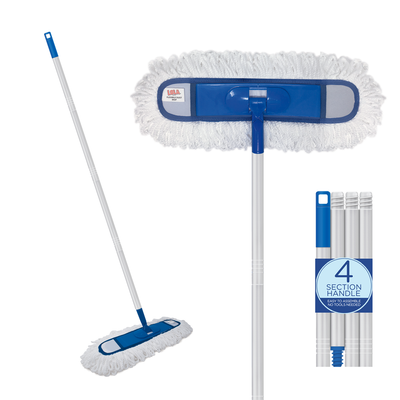
- Key Features: Many of our dusters and mops feature extendable handles and flexible heads, making them great for more than just baseboards. You can easily clean ceiling fans, shelves, and light fixtures, too. The microfiber or sticky heads are designed to effectively trap dust and debris.
- My take: This is the kind of multi-purpose tool that earns its spot in your cleaning caddy. Since it’s not just for baseboards, you get more value from a single purchase.
-
Baseboard Buddy
- Best for: Specifically targeting baseboards and moldings.
- Key Features: It has a long, 4-foot aluminum handle and a 360-degree swivel head that conforms to the unique shape of your trim. It typically comes with washable, reusable pads that you can use for wet or dry cleaning.
- My take: This is a true specialty tool. If your main frustration is cleaning baseboards and nothing else, this tool is designed precisely for that job.
-
Swiffer Duster
- Best for: Quick, daily maintenance and picking up pet hair.
- Key Features: The long-handled version is lightweight and uses disposable cloths that are excellent at trapping dust and common allergens. It's incredibly easy to grab for a quick touch-up before guests arrive.
- My take: This is perfect for anyone who wants a low-effort way to keep dust from building up. It’s not meant for deep cleaning, but it's a lifesaver for routine tidying.
-
Magic Eraser
- Best for: Removing stubborn scuff marks and tough stains.
- Key Features: This is a water-activated foam sponge that acts as a super-gentle abrasive to lift away marks from painted surfaces without damaging the finish.
- My take: You wouldn't use this to dust all your baseboards, but it's a must-have for spot treatments. Many cleaning experts agree it's the secret weapon for making white baseboards look brand new.
Find the Perfect Tool for Your Home
The secret to clean baseboards isn’t finding one magic tool, but knowing which tool to grab for the specific mess you’re facing. Let's be honest, baseboards attract everything: dust, pet hair, scuff marks, and mysterious splatters from the kitchen. A quick dusting might be all you need in the bedroom, but the hallway baseboards that get kicked by shoes all day require a different strategy. Thinking about it this way helps you build a small, effective cleaning kit instead of searching for a single product that promises to do it all.
Your approach will change depending on whether you're doing a quick daily tidy-up or a deep seasonal scrub. For instance, the fine layer of dust that settles overnight is a different beast than the caked-on grime that builds up behind the sofa over months. By matching your tool to the task, you save yourself time and frustration. You wouldn't use a sledgehammer to hang a picture frame, right? The same logic applies here. Having a couple of key items on hand means you're always prepared, whether it's for a five-minute dust-off before guests arrive or a satisfying deep clean on a Saturday afternoon. Let's break down which tools work best for each job, so you can clean smarter, not harder.
For Everyday Dusting
For the light, routine maintenance that keeps dust and pet hair from taking over, a long-handled duster is your best friend. Think of this as your preventative measure. A tool with an extended handle lets you quickly swipe along the tops of your baseboards without bending over, making it easy to incorporate into your regular cleaning schedule. This simple habit, which takes only a few minutes, prevents that fuzzy layer of grime from ever getting a chance to build up. Using effective dusters for these quick clean-ups is the easiest way to keep your baseboards looking fresh day to day and makes your deep cleaning sessions much less intimidating when the time comes.
For Tackling Grime and Buildup
When dust mixes with moisture or grease and turns into stubborn grime, you need something with more power. This is where a tool with a microfiber or chenille pad comes in handy, as these materials are designed to grab and lift dirt, not just push it around. Look for a tool with a long handle and a flexible head that can apply pressure to scrub away scuffs and stuck-on messes in high-traffic areas like hallways and kitchens. Many modern mops come with these types of heads, allowing you to deep clean your baseboards without getting on your hands and knees. This approach is perfect for those less frequent, more intensive cleaning sessions that really make your trim shine.
For Erasing Scuffs and Stains
We’ve all been there: a stray shoe, a vacuum cleaner bump, or a piece of furniture leaves a dark scuff mark on your pristine white baseboards. For these targeted jobs, a simple duster won't do. This is when you should reach for a cleaning eraser or a gentle scouring pad. These tools have a unique texture that works to lift away tough marks without damaging the paint. You can use them dry or slightly damp to gently buff out scuffs and stains, restoring your baseboards in seconds. It's always a good idea to test on a small, hidden spot first. Having a few of these specialty sponges and scourers in your cleaning kit is a game-changer for quick spot treatments.
For the Eco-Conscious Cleaner
If you prefer to minimize waste and use more sustainable products in your home, look for tools with reusable components. Many baseboard cleaners come with microfiber pads that can be tossed in the washing machine and used again and again. This is not only better for the environment by reducing landfill waste, but it also saves you money on disposable refills over time. Choosing eco-friendly options means you can maintain a sparkling clean home while also making a choice you feel good about. These reusable pads are just as effective for both wet and dry cleaning, making them a versatile and responsible addition to your cleaning arsenal for any baseboard task.
Does the Right Tool Really Make Cleaning Easier?
Let's be honest, no one gets excited about cleaning baseboards. It’s one of those chores that often involves getting on your hands and knees, leading to sore backs and scraped knuckles. So, does having the right tool actually make a difference, or is it all just marketing? The short answer is a resounding yes. The right tool doesn't just get your baseboards cleaner; it transforms the entire experience from a dreaded task into a quick, satisfying job. It’s the difference between spending an hour grumbling and spending 15 minutes feeling accomplished.
Think about it: you wouldn't try to sweep your floor with a toothbrush. The same logic applies here. Specialized cleaning tools are designed to tackle the specific challenges of baseboards, like awkward angles, tight corners, and that persistent layer of dust. They can help you work smarter, not harder, saving you time and a whole lot of physical discomfort. Instead of contorting your body to reach every nook and cranny, you can let the tool do the heavy lifting. It’s the key to making baseboard cleaning less of a chore and more of a simple maintenance task you can check off your list without a second thought. This isn't about finding a magic wand, but about finding a smart solution that makes a real, physical difference in how you clean.
Say Goodbye to Aching Backs and Awkward Angles
If the thought of cleaning your baseboards makes your back ache in anticipation, you're not alone. Bending, kneeling, and stretching to reach every spot is uncomfortable and can be a real barrier to getting the job done. This is where a tool with a long handle becomes your best friend. It allows you to clean everything from a comfortable standing position. Tools with extendable handles and flexible heads are designed to follow the contours of your moldings and baseboards, so you can easily clean behind furniture and into corners without the strain. It’s a simple change that makes a world of difference, turning a painful task into a pain-free one.
Why You Might Need More Than One Tool
While one great tool can handle daily dusting, a truly deep clean might require a team effort. If your baseboards have gone a while without attention, you'll likely face more than just dust. You might have scuffs, grime, and stuck-on dirt to deal with. Many professional cleaners use a multi-step approach for this reason. Start by vacuuming with a brush attachment to get rid of loose hair and debris. Then, go in with your main duster or mop for the overall clean. For any stubborn scuffs or spots that remain, a little targeted work with a good scrubber or a magic eraser will do the trick. Having a small arsenal of tools ensures you're ready for anything.
Match Your Cleaner to Your Baseboards
The right tool is only half the battle. To get your baseboards truly clean without causing damage, you need to pair your tool with the right cleaning solution for the surface. What works wonders on a durable, painted baseboard might strip the finish right off a natural wood one. It’s a classic case of "right tool, wrong job," and it can lead to frustrating results like chipped paint, warped wood, or a dull, lifeless finish. Think of it like your skincare routine; you choose products based on your skin type, and the same logic applies here.
Before you start scrubbing, take a moment to identify your baseboard material. This simple step is the key to cleaning effectively and safely. It ensures you won't accidentally cause damage that's much harder to fix than a little dust and grime. Whether your home has classic painted trim, beautiful stained wood, or even vinyl baseboards, a little know-how goes a long way. We’ll walk through the best methods for the most common types, so you can get that satisfyingly clean look without any of the stress. This approach will help you protect your home's features and keep them looking their best for years to come.
For Painted Baseboards
When your baseboards are painted, the goal is to remove scuffs and grime without stripping the paint. Aggressive scrubbing or harsh chemicals are your worst enemies here. Instead, opt for a gentle approach. A soft microfiber cloth is perfect for this job because it traps dirt effectively without being abrasive. For a simple and safe cleaning solution, mix a few drops of mild dish soap into a bucket of warm water. Dampen your cloth, wring it out well so it’s not dripping, and gently wipe down the surfaces. This method is usually all you need to lift everyday dirt and leave your painted baseboards looking fresh and clean.
For Wood Baseboards
Wood baseboards require a bit more care to preserve their natural beauty and finish. The biggest rule is to avoid letting water sit on the surface, as it can cause damage or warping over time. Start by dry dusting with a soft brush or duster to remove loose debris. For cleaning, a slightly damp cloth is the way to go. You can use a simple solution of water with a tiny bit of mild soap, or a cleaner specifically formulated for wood. Always wring your cloth out thoroughly before wiping. After cleaning, it’s a good idea to wipe the baseboards with a dry, clean cloth to remove any lingering moisture.
Can You Use a Steam Cleaner?
While using a steam cleaner might seem like a great way to deep clean and sanitize, you should be very careful when it comes to baseboards. The combination of high heat and moisture can be a disaster for both painted and wood surfaces. For painted baseboards, steam can cause the paint to bubble, peel, or soften. For wood, it can damage the finish and even cause the wood to swell or warp. A safer bet for a deep clean is a simple mix of water and white vinegar. This solution is effective at cutting through grime without the risks that come with a steam cleaner.
How to Keep Your Baseboards Cleaner, Longer
Let's be honest, nobody enjoys spending an afternoon on their hands and knees scrubbing baseboards. The good news is, you don't have to. The real secret to clean baseboards isn't a single miracle product, but a couple of simple habits that prevent dust and grime from getting out of control in the first place.
Once you do that initial deep clean, the goal is maintenance. A few minutes of upkeep every week or so will save you from a major cleaning project down the road. It’s all about working smarter, not harder. By incorporating a quick dusting into your routine and always starting your cleaning process the right way, you can keep your baseboards looking fresh with minimal effort.
Simple Habits for Lasting Cleanliness
If your baseboards haven't seen some love in a while, that first cleaning session will be the most intensive. But after that, it’s all about staying on top of it. The easiest way to do this is to make dusting your baseboards a regular part of your cleaning schedule. Just a quick pass every week or two prevents that thick layer of dust from ever forming. Using a tool with a long handle, like an extendable duster, means you can do it while standing up in just a few minutes. This simple habit transforms a dreaded chore into a quick, painless task.
Don't Skip This First Step: The Vacuum
Before you ever touch your baseboards with a wet cloth or cleaning spray, you must vacuum them first. This is non-negotiable. Use your vacuum’s brush attachment or crevice tool to suck up all the loose dust, pet hair, and dirt. If you skip this step and go straight to wiping, you’ll just mix the dirt with your cleaner, creating a grimy paste that gets smeared around. Taking a minute to vacuum first removes all the surface-level debris, making your scrubbers and cloths much more effective at tackling the stuck-on grime. It’s the single most important step for a truly clean finish.
Where to Find Your New Favorite Cleaning Tool
Okay, you're ready to find your new favorite tool and finally conquer that baseboard dust. The good news is, you have plenty of choices, and you probably won't have to look far. For many of the tools we've discussed, your local supermarket or big-box store is a great place to start. On your next trip to Target or Walmart, take a stroll down the cleaning aisle. You'll likely find staples like basic dusters and microfiber mops right there on the shelf. The biggest advantage here is convenience; you can see and feel the tool before you buy it and take it home the same day. No waiting for shipping required.
If you're a fan of online shopping, you can find almost any cleaning gadget you can imagine. Websites like Amazon are fantastic for comparing different models and reading through tons of customer reviews. This is especially helpful for specialty tools, like the popular Baseboard Buddy, where you can see what other homeowners think before you commit. When you're reading reviews, look for comments about the tool's durability and how easy it is to handle. Does the handle stay extended? Are the pads easy to wash? These are the details that will tell you if a tool is a good fit for your home.
Of course, you can also go straight to the source. Shopping directly from a brand's website, like our own, gives you access to the complete range of products that you might not find in a larger store. You can explore our full collection of household cleaning tools and find everything from versatile mops to specialized brushes, all in one place. This is also the best way to find exact-fit refills for your tools or discover new accessories you didn't know you needed. It's a great way to see all your options and maybe even discover a new go-to gadget for your cleaning kit.
Related Articles
- Kick Dust to the Curb: The Ultimate Guide to Cleaning Baseboards!
- Simple Cleaning Hacks from the Pros
- What to Put in a Mop Bucket for Any Floor
Frequently Asked Questions
How often should I really be cleaning my baseboards? Honestly, it comes down to a little bit of maintenance and a less frequent deep clean. For upkeep, a quick dusting every week or two with a long-handled duster will prevent that fuzzy layer of dust from building up. Then, plan to give them a proper wipe-down with a damp cloth every two to three months to handle any grime or scuffs. If you have pets or kids, you might find you need to do it a bit more often.
What's the best way to remove scuff marks without damaging the paint? For those stubborn black marks from shoes or furniture, a gentle approach is best. A cleaning eraser (like a Magic Eraser) is fantastic for this. Just dampen it slightly and lightly buff the mark until it disappears. You can also use a soft cloth with a simple paste of baking soda and water. Always test your method on a small, hidden area first to make sure it doesn't affect your paint's finish.
Do I really need to vacuum my baseboards before wiping them? Yes, this is the one step you should never skip. If you go straight to wiping with a wet cloth, you're just turning all that loose dust, hair, and dirt into a grimy mud that gets smeared across the surface. Vacuuming first with a brush attachment removes all the surface debris, which allows your cloth and cleaner to work on the stuck-on grime underneath. It makes the job faster and much more effective.
Is it better to have one specialty tool or a few different ones? While a tool designed just for baseboards can be great, you'll get more value from a small, versatile kit. Most homes benefit from having two key items: a long-handled duster for quick, weekly dust-ups and a more robust tool with a reusable microfiber pad for deeper cleaning sessions. Add a good spot-cleaning scrubber to your caddy, and you'll be prepared for any mess, from light dust to tough grime.
Can I use a steam cleaner on my baseboards? I would strongly advise against it. The high heat and moisture from a steam cleaner can cause serious damage to most baseboards. For painted trim, it can make the paint bubble and peel. For wood, it can warp the material and ruin the finish. A much safer option for a deep clean is a simple solution of warm water and a little white vinegar or mild dish soap.









Comments