


There’s nothing more frustrating than finishing a sweep of your kitchen only to see that stubborn line of dust left behind. A bad broom just pushes dirt around, turning a simple task into a pointless exercise. The secret to a truly clean floor isn’t sweeping harder; it’s using the right tool for the job. A great kitchen broom grabs every last crumb and speck of dust, making your efforts worthwhile. This guide is here to help you find that perfect tool. We'll break down what really matters, from bristle type to handle length, so you can choose a broom that works with you, not against you.
Key Takeaways
- Focus on the bristles: Choose a broom with soft, flagged bristles to capture fine dust on smooth floors like hardwood, and consider one with firmer bristles to effectively clean textured surfaces like tile and grout.
- Prioritize comfortable design: A lightweight broom with a long handle prevents back strain, while an angled head helps you easily sweep dirt from corners and under cabinets without extra effort.
- Don't forget the accessories and storage: A quality dustpan with a rubber lip is crucial for a clean sweep, and hanging your broom to store it is the best way to protect the bristles and keep it effective.
How to Choose the Best Kitchen Broom
Picking a new broom might seem simple, but the right one can completely change how you feel about cleaning your kitchen. A great broom doesn't just push crumbs around; it grabs every last bit of dust and debris, making your floors genuinely clean. Think of it as an investment in making a daily chore a little easier and a lot more effective. When you have a tool that feels good to use and does its job well, you're more likely to stay on top of those little messes before they become big ones.
So, what separates a so-so broom from a fantastic one? It comes down to a few key features: the bristles, the handle, its overall size, and how you plan to store it. Paying attention to these details will help you find a kitchen broom that you’ll reach for again and again. Let's walk through what to look for so you can choose a broom that’s perfectly suited for your home and your cleaning style.
Find the Right Bristles
The business end of the broom is where the magic happens, so the bristles are your first consideration. For indoor surfaces like kitchen floors, you want bristles that are soft enough not to scratch your flooring but firm enough to sweep effectively. Look for brooms with synthetic bristles that have frayed or "flagged" ends. This design is fantastic for trapping fine dust and pet hair instead of just flicking it into the air. An angled head is another great feature, as it helps you get into corners and along baseboards with ease. The right brooms make all the difference.
Pick a Comfortable Handle
If you’ve ever finished sweeping with an aching back, you know why the handle matters. A broom shouldn't force you to hunch over. Look for a handle that is long enough for you to stand up straight while you work. Some brooms even come with adjustable or telescoping handles, which are perfect if people of different heights will be using them. A comfortable grip is also important. A handle that feels good in your hands makes the task more pleasant and gives you better control as you sweep.
Consider the Size and Weight
The overall size and weight of a broom affect how easy it is to use. A heavy, bulky broom can feel like a workout, especially when you’re just trying to clean up a few stray crumbs after dinner. A lightweight broom is much easier to grab for quick cleanups and maneuver around furniture legs and under cabinets. You want a tool that feels balanced in your hands, not cumbersome. A lighter broom is also easier to store, whether you're hanging it on a wall or tucking it into a closet.
Plan for Dustpan and Storage Needs
A broom is only as good as its partner: the dustpan. There’s nothing more frustrating than that stubborn line of dirt that refuses to be swept into the pan. To avoid this, choose a dustpan with a thin rubber or silicone lip that sits flush against the floor. This creates a seal that helps you sweep up every last particle on the first try. Also, think about storage. Many cleaning accessories, including brooms and dustpans, are designed to snap together, making them easy to store neatly in a pantry or utility closet.
Our Top Picks for a Cleaner Kitchen
With so many options out there, finding the right broom can feel like a chore in itself. But don't worry, I've done the sweeping for you. Having the right tool for the job can completely change your relationship with cleaning, turning a dreaded task into a quick and satisfying one. A flimsy broom that just pushes dirt around is frustrating, while the perfect one makes your floors feel truly clean. The kitchen, being the heart of the home, often sees the most foot traffic and the messiest spills, so a good broom isn't just a nice-to-have, it's essential. To help you find your match, I've curated a list of top picks based on different kitchen needs, from daily crumb collection to tackling stubborn pet hair. We'll look at an everyday workhorse, a secret weapon for pet owners, a heavy-duty option, and a clever solution for small spaces. Let's find the perfect broom for your home.
1. The Everyday Essential: Lola Products Angle Broom
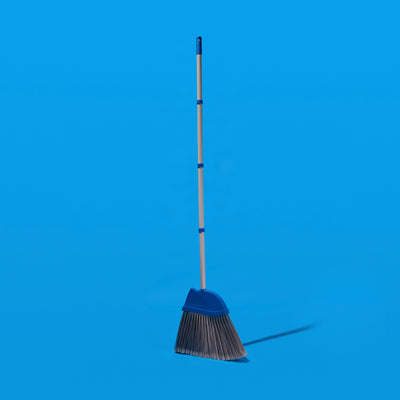
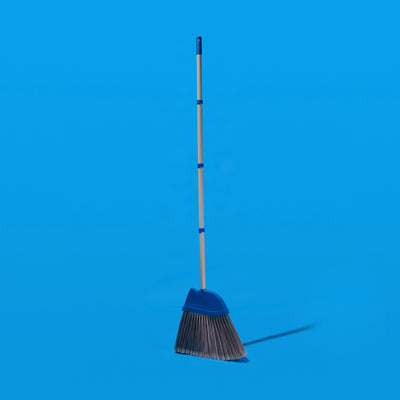
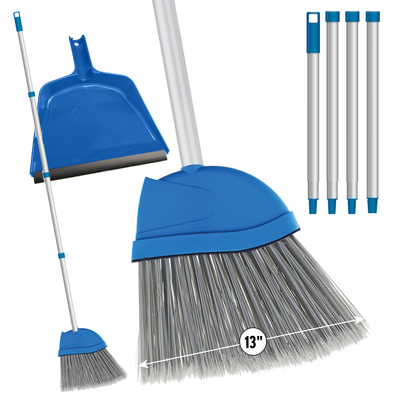
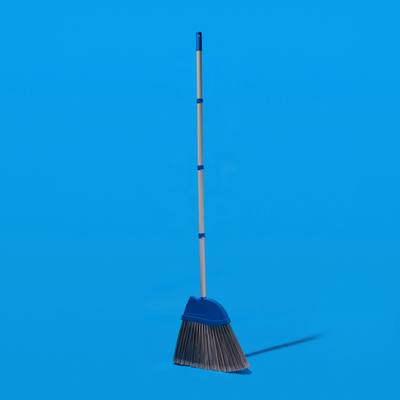
For the daily dust bunnies and after-dinner crumbs, you need a reliable go-to. The Lola Products Angle Broom is the perfect workhorse for this job. Its smartly angled head is the key feature, designed to get into those tricky corners and along baseboards where dirt loves to hide. The durable bristles are effective at grabbing fine dust and larger debris in a single pass. As reviewers at The Spruce noted, the angle makes it easy to sweep up dirt from hard-to-reach areas. It’s a simple, effective tool that makes daily upkeep feel less like a task and more like a quick, satisfying tidy-up.
2. The Pet Hair Pro: Lola Rola Sticky Mop
If you share your home with furry friends, you know that pet hair has a way of getting everywhere. While not a traditional broom, the Lola Rola Sticky Mop is a lifesaver for this exact problem. It uses a large, sticky roller to lift and trap pet hair, dust, and dander from hard floors without sending it flying into the air. Good Housekeeping praised this type of tool, calling the sticky roller a "game-changer for pet owners" because it picks up hair so easily. It’s an amazing supplement to your regular sweeping routine, especially when you need to quickly get your floors looking spotless before guests arrive.
3. The Heavy-Duty Helper: A Sturdy Push Broom
Sometimes a kitchen requires a deeper, more powerful clean, especially if it opens onto a patio, mudroom, or garage. For those bigger jobs, a sturdy push broom is your best friend. With thick, stiff bristles, these brooms are built to move larger debris that a standard angle broom might struggle with. Think tracked-in dirt, leaves, or the aftermath of a big cooking project. As Consumer Reports points out, a good push broom can make quick work of heavy debris. While you might not use it every day, having one in your cleaning arsenal is a smart move for seasonal deep cleans or unexpected, large-scale messes.
4. The Small-Space Solution: A Compact Broom Set
Living in an apartment or have a kitchen with limited storage? You don’t have to sacrifice cleanliness for space. A compact broom set is the perfect solution. These sets typically feature a smaller broom and a matching dustpan that clips together for slim, upright storage in a pantry or cabinet. They are lightweight and easy to handle for quick cleanups. Apartment Therapy highlights that these sets are ideal for small kitchens, offering efficient cleaning without taking up valuable real estate. A broom and dustpan set gives you exactly what you need to keep your floor tidy in a conveniently small package.
Comparing Broom Types: Which Is Right for You?
Walking down the cleaning aisle, you’ll see that not all brooms are created equal. Choosing the right one really comes down to what you’re cleaning and what feels most comfortable for you. Let’s break down the most common types so you can find your perfect match for a spotless kitchen.
For daily crumbs and dust bunnies, a classic angle broom is your best friend. Look for one with soft, synthetic bristles that have frayed tips. These are sometimes called "flagged ends," and they are fantastic at grabbing fine dust instead of just pushing it around. An angled head also helps you get into tight corners and along baseboards with ease. These are the versatile, everyday brooms that handle most household messes without any fuss.
If you need something with a bit more muscle for tougher jobs, like tracked-in dirt or workshop debris, a heavy-duty broom with stiffer bristles is a better choice. For ultimate convenience, especially if you prefer not to bend down, a lobby broom set with a long-handled dustpan is a game-changer. Reviewers love these sets because they make sweeping up messes quick and painless, saving your back in the process.
Finally, don't forget about dust mops, especially if you have a lot of hard-surface flooring. A mop with a microfiber head is incredibly effective at trapping dust and pet hair. Microfiber is a powerhouse material because it holds onto dirt until you wash it, leaving your floors sparkling. It’s a great tool to use for a quick clean before you do a deeper wet mop.
The Right Way to Sweep Any Floor
Grabbing any old broom for any old floor might seem fine, but using the right technique can make a huge difference. Not only will you clean more effectively, but you’ll also protect your floors from scratches and damage. Different surfaces have different needs, and matching your sweeping style to your floor type is the secret to getting that truly clean feeling. From delicate hardwood to sturdy tile, a little know-how goes a long way. Let’s walk through the best way to sweep the most common floors in your home.
For Hardwood and Laminate
Hardwood and laminate floors are beautiful, but they can also be prone to scratching. To keep them looking their best, you’ll want to use a broom with soft bristles. Stiff bristles can leave fine scratches on the finish over time, dulling the floor’s shine. As experts suggest, a soft-bristled broom is perfect for picking up dust and small debris without causing any harm. For the most effective clean, try sweeping in the direction of the wood grain. This helps you gather all the dust that settles into the tiny grooves of the wood. Using a quality angle broom can make it easy to get into corners and along baseboards where dust loves to hide.
For Tile and Vinyl
Tile and vinyl floors are durable, but dirt can easily get trapped in grout lines or textured surfaces. For these floors, a broom with slightly stiffer bristles can be a great asset. According to The Home Depot’s guide on how to clean tile floors, firm bristles are effective at dislodging stubborn dirt from grout. A combination broom with both stiff and soft bristles works wonders here; the stiff ones tackle the grout while the soft ones sweep away the finer dust. Regular sweeping is key to preventing grime from building up, which saves you from a much bigger scrubbing job later on. For really tough spots, a dedicated grout brush can be your best friend.
Can You Use a Broom on Rugs?
Yes, you can definitely use a broom on some rugs. It’s a great way to quickly freshen them up without having to pull out the heavy vacuum cleaner. The trick is to know which type of rug you’re dealing with. For low-pile or flatweave rugs, a broom works perfectly for sweeping away crumbs and surface debris. However, as cleaning experts point out, you should avoid using a broom on high-pile or shag rugs, as the bristles can pull and damage the long fibers. Before you start sweeping, it’s always a smart idea to check the rug’s care instructions. This simple step helps you follow the best practices for how to clean area rugs and keep them looking great for years.
Indoor vs. Outdoor Brooms: What's the Difference?
A broom is a broom, right? Not exactly. While it might be tempting to grab whichever one is closest for a quick sweep, using the right tool for the job makes a huge difference. Using a stiff outdoor broom on your hardwood floors can be ineffective, and taking your delicate kitchen broom outside is a recipe for ruined bristles. The main differences come down to the bristles, design, and overall construction.
The biggest giveaway is the bristles. Indoor brooms have softer, finer bristles, often with flagged or split ends, to pick up tiny dust particles, crumbs, and pet hair from smooth surfaces like hardwood, tile, and laminate. Outdoor
Beyond the bristles, you'll notice outdoor brooms are generally heavier and more rugged. They are built to withstand the elements and sweep across abrasive surfaces without falling apart. Indoor brooms are lighter and more nimble, often featuring angled heads to help you get into corners and under cabinets with ease. They are designed for precision, not power. So, while you could technically use one for both jobs, it won't be very effective. An outdoor broom will just push fine dust around inside, while an indoor broom will quickly get destroyed by the rough work outside. Having one of each is a small investment that makes your cleaning routine much more efficient.
Searching for an Eco-Friendly Broom?
If you’re trying to make more sustainable choices at home, your cleaning closet is a great place to start. Choosing an eco-friendly broom doesn’t mean you have to sacrifice cleaning power. It’s simply about paying attention to the materials used to make it. By opting for a broom made with sustainable or recycled components, you can help reduce plastic waste and feel even better about keeping your home tidy. When you’re shopping, the two key things to look at are the bristles and the handle. Making a thoughtful choice here is a small step that contributes to a healthier home and planet.
Look for Sustainable Bristles
The bristles do all the hard work, but many are made from plastics that don't break down. A great alternative is a broom with bristles made from natural plant fibers. Materials like sorghum, corn, or palm are not only biodegradable, but they are also excellent at their job. These natural bristles create a sturdy yet flexible brush that’s perfect for gathering everything from fine dust to larger crumbs. Many people find that plant-based fibers are surprisingly effective at capturing dirt and debris, making them a fantastic swap for their synthetic counterparts.
Choose Recycled or Bamboo Handles
The handle is another important part of a broom’s environmental footprint. Look for handles made from recycled materials or, even better, bamboo. Bamboo is a standout choice for all kinds of eco-friendly home products, and for good reason. It’s technically a grass, not a tree, and it grows incredibly fast, making it a highly renewable resource. A bamboo handle is also strong and lightweight, so you get a durable tool that’s comfortable to use. Choosing a broom with a thoughtfully sourced handle is an easy way to make your cleaning routine a little greener.
The Dustpan Debate: Do You Really Need One?
Let's be honest, we've all been there. You sweep a small pile of crumbs into a neat little mound, then wonder if you can just scoop it up with a paper towel or your hand. So, do you really need a dustpan? While a vacuum can handle big jobs, for those everyday kitchen messes, a dustpan is your broom's essential partner. Without it, you're left with that frustrating line of dust that just won't go away, no matter how many times you try to sweep it up. It’s the final, crucial step that separates a quick tidy-up from a truly finished job.
Think of it this way: a broom gathers the mess, but the dustpan finishes the job. It’s the difference between a floor that looks clean and one that actually is clean. The right dustpan makes sweeping less of a chore and more of a quick, satisfying task. Instead of chasing debris around the floor, you can capture it all in one go. The key is knowing what to look for, because not all dustpans are created equal. From the design of the lip to its overall shape and how it pairs with your broom, the details matter more than you might think. A good dustpan doesn't just collect dirt; it makes the entire process of sweeping faster and more effective.
What Makes a Good Dustpan
When you're shopping for a dustpan, a few key features can make a world of difference. First, look for a thin, flexible rubber lip along the front edge. This is the secret to getting a clean sweep. The rubber creates a seal with the floor, so you can capture every last bit of dust and debris without leaving that annoying line behind. A wide opening is also helpful, as it lets you collect more in a single pass. Some of the best designs even have a small ridge inside to keep the dirt from spilling back out as you carry it to the trash can.
Why a Broom and Dustpan Set Is a Smart Choice
Investing in a broom and dustpan set is one of the smartest moves you can make for your cleaning routine. These sets are designed to work together, which saves you a lot of hassle. Many dustpans in these sets come with built-in "teeth" or a comb-like edge. You can run your broom's bristles through them to easily remove trapped hair, dust bunnies, and fuzz. This keeps your broom clean and effective for the next sweep. Plus, many sets are designed for convenient, upright storage, often with the broom handle clipping directly onto the dustpan, which helps protect your bristles and keep your utility closet tidy.
Keep Your Broom in Top Shape
A good broom is an investment in a clean home, so it makes sense to take care of it. With just a little maintenance, you can keep your broom working effectively for years. A clean broom sweeps better, and proper storage prevents the bristles from getting bent and worn out. Think of it this way: you wouldn't clean your floors with a dirty mop head, so why sweep with a dirty broom? Taking a few minutes to clean and store your brooms correctly ensures you're always ready for a quick and efficient sweep. It’s a simple habit that makes a big difference.
How to Clean Your Broom's Bristles
Over time, your broom's bristles collect dust, hair, and all sorts of gunk. Sweeping with a dirty broom just pushes that grime around your kitchen. To keep it effective, give it a quick clean every few weeks. Start by taking your broom outside and giving it a good, firm shake to dislodge any loose debris. For a deeper cleaning, fill a bucket with warm water and a little mild soap. Let the bristles soak for about 10 minutes, then use a small brush to gently work out any stubborn dirt. Rinse the bristles completely with clean water and let the broom air dry thoroughly before you use it again.
How to Store Your Broom Correctly
How you store your broom matters more than you might think. Tossing it in a corner or leaning it against a wall can cause the bristles to bend, fray, and lose their shape, making your sweeping less effective. The best way to prolong the life of your broom is to hang it. Use a hook, a clamp in your utility closet, or a dedicated broom holder to keep the bristles off the floor. This allows them to keep their original shape. It’s also a good idea to store your broom in a cool, dry place away from direct sunlight, which can make the bristles brittle over time.
Ready to Find Your Perfect Broom?
Finding the right broom for your kitchen can make all the difference in maintaining a spotless floor. Now that you know what to look for, from the right bristle stiffness to a comfortable handle, you're equipped to make a choice that fits your home and cleaning style. It’s less about finding the single "best" broom and more about finding the best broom for you.
Expert reviews can be a great starting point. For instance, publications like Wirecutter often highlight top performers for everyday messes and tougher jobs, praising features like soft, dense bristles for fine dust or wider heads for larger debris. While specific models get a lot of attention, the real takeaway is that different brooms are built for different tasks. The key is matching the tool to your specific cleaning challenges, whether that's constant pet hair on the tile or crumbs under the dining room table.
The perfect broom is out there, and now you have the knowledge to find it. You can confidently choose a tool that will make your daily sweep feel less like a chore and more like a quick win. Take a look at our collection of durable and effective brooms to find your match. From our classic Angle Broom for everyday sweeping to the powerful Lola Rola Sticky Mop that grabs stubborn pet hair, your ideal cleaning partner is waiting to make your life a little easier.
Related Articles
- 10 Best Dustpan and Broom Sets for Easy Sweeping
- The 5 Best Angled Brooms for a Spotless Home
- The Best Broom and Dustpan Set: A Buyer's Guide
- 5 Best Long Handled Dustpan and Broom Sets
- 5 Best Angled Brooms for Corners (2026 Review)
Frequently Asked Questions
I have both hardwood and tile in my kitchen. Do I need two different brooms? Not necessarily. A good quality angle broom with soft, flagged bristles is versatile enough to handle both surfaces well. It will be gentle on your hardwood while still being effective at gathering dust and crumbs from your tile. The key is to use the right technique. Sweep with the grain on your wood floors, and for the tile, the angled head will help you get into the grout lines without needing overly stiff bristles that could scratch your wood.
My broom bristles are starting to look bent. Can I fix them or is it time for a new one? Bent bristles are a sign that your broom isn't making proper contact with the floor, which means you're leaving dirt behind. While you can try to reshape them by soaking them in hot water and letting them dry while hanging, severely bent bristles are often a lost cause. To prevent this, always store your broom by hanging it up. If the bristles are permanently misshapen, investing in a new broom will make a surprising difference in how clean your floors get.
I have a dog that sheds constantly. Will a regular angle broom be enough to handle all the pet hair? An angle broom is great for daily sweeping of dust and debris, including some pet hair. However, if shedding is your main battle, you might find a regular broom just pushes some of the hair around. For a truly effective solution, consider adding a tool like the Lola Rola Sticky Mop to your routine. You can use the angle broom for general sweeping and then use the sticky mop specifically to lift and trap stubborn pet hair from your hard floors.
What's the biggest mistake people make when choosing a kitchen broom? The most common mistake is focusing only on the price and not considering the handle length or bristle type. People often end up with a broom that is too short, forcing them to hunch over and causing back strain. They also might grab a broom with bristles that are too stiff for their indoor floors, which can cause scratches, or too soft for their needs, which just pushes dirt around. A comfortable handle and the right bristles for your floor type are what separate a frustrating tool from a fantastic one.
Is a broom and dustpan set really better than buying them separately? A matched set is almost always a smarter choice. When you buy a set, the broom and dustpan are designed to work together. The dustpan often has a comb feature to clean hair and fuzz from the broom's bristles, and the two pieces usually clip together for neat, upright storage. This not only keeps your cleaning closet tidy but also protects the bristles from getting bent, which helps your broom last longer and work more effectively.









Comments