


If you look online for cleaning advice, you’ll find a sea of conflicting opinions, especially when it comes to caring for hardwood floors. Some sources say vacuums are best, while others warn they’ll cause scratches. It’s enough to make you question even the most basic tasks. You might find yourself wondering, can you sweep hardwood floors with a broom, or is that an outdated practice that will ruin the wood? Let’s cut through the noise. Sweeping is a fantastic and perfectly safe way to clean your hardwood floors, provided you follow a few simple guidelines. This article will give you clear, no-nonsense answers on how to choose the right tools and use them effectively.
Key Takeaways
- Choose soft bristles to protect your finish: Stiff-bristled brooms are too abrasive for hardwood and can cause micro-scratches that dull the surface, so always opt for a soft broom designed for indoor use.
- Sweep gently to prevent scratches: You don't need to scrub your floors; use light, controlled strokes to gather debris, as pressing down too hard can grind small particles into the wood and damage the finish.
- Combine tools for a complete clean: Use a soft broom for quick, daily pickups of crumbs and dirt, and follow up weekly with a microfiber mop or a hardwood-safe vacuum to capture finer dust particles.
Is It Safe to Sweep Hardwood Floors?
Yes, you can absolutely sweep your hardwood floors. In fact, a good old-fashioned sweep is one of the best ways to handle the daily dust and crumbs that accumulate. The key isn't if you should sweep, but how you sweep. Using the wrong broom or a heavy hand can create tiny scratches on your floor's surface. While you might not notice them at first, these micro-scratches can build up over time, leaving your beautiful floors looking dull and worn.
The goal is to find a tool that's tough on dirt but gentle on your wood's delicate finish. A broom is a fantastic, straightforward tool for this job, as long as you choose the right one. Think of it as your first line of defense against grit and debris that could otherwise get ground into the floor by foot traffic. With the proper technique and the right broom in hand, you can keep your hardwood looking its best without worrying about causing any harm.
What to Know About Your Floor's Finish
Before you grab any old broom, it’s important to think about your floor’s finish. This is the clear, protective topcoat that seals the wood and gives it that lovely sheen. It’s also what takes the brunt of daily wear and tear. Unfortunately, many common cleaning methods can actually damage this protective layer. Using a broom with stiff, abrasive bristles, like one you might use on a concrete patio, is a fast way to scratch and wear down the finish. Once that seal is compromised, the wood underneath becomes vulnerable to moisture, stains, and deeper damage. Always treat your floor’s finish with care.
How to Avoid Scratching Your Floors
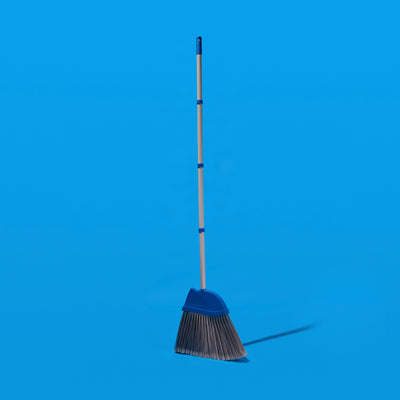
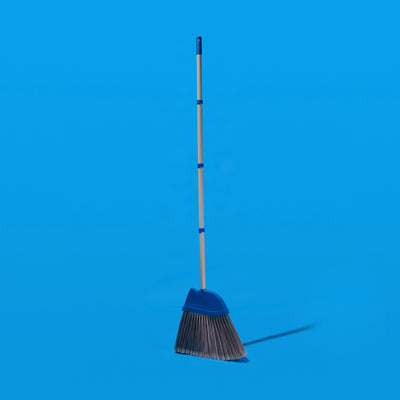
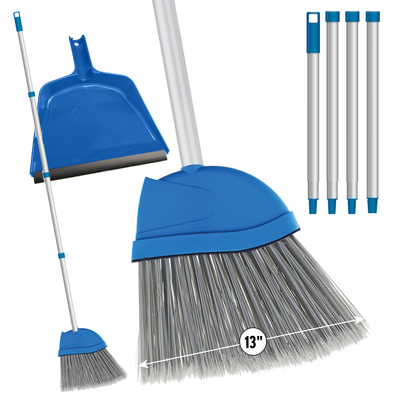
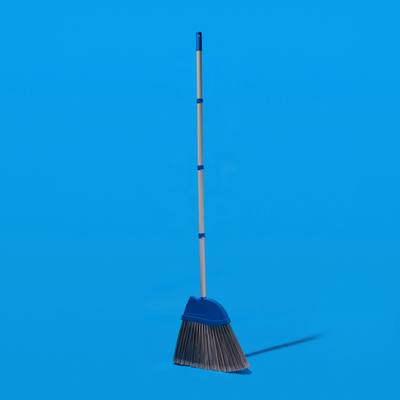
Preventing scratches is simple when you have the right tools. Your number one priority should be choosing a broom with soft bristles. These bristles are flexible enough to glide over the floor, capturing dust and dirt without scuffing the surface. Look for brooms specifically designed for indoor or delicate surfaces. An angled broom can also be a game-changer, making it much easier to sweep dirt out of tight corners and along baseboards without bumping and scraping the walls. Remember to use a light touch; you don’t need a lot of force to get the job done. Let the bristles do the work for you.
What's the Best Broom for Hardwood Floors?
When it comes to hardwood floors, not just any broom will do. The right one will glide across the surface, grabbing dust and debris without leaving a single scratch. The wrong one, however, can cause dullness or even permanent damage to the finish. Choosing the best broom means paying attention to a few key details: the bristles, the materials, and even the shape of the head. Let’s walk through what you should look for to keep your floors looking their best.
Soft vs. Stiff Bristles
The most important feature to consider is the texture of the bristles. That heavy-duty broom you use for the garage or patio has stiff, rigid bristles designed for tough surfaces. If you use it on your hardwood, those bristles can easily scratch the delicate finish, leaving behind fine lines and dulling the wood’s natural shine.
For indoor sweeping, always choose a broom with soft bristles. They are gentle enough to clean effectively without causing any harm. Think of it as dusting your floors. Soft bristles are flexible and can capture fine particles like dust, pet hair, and crumbs without being abrasive. When you’re shopping, look for brooms specifically labeled for indoor or hardwood use.
Natural vs. Synthetic Bristles
You’ll also find brooms with either natural or synthetic bristles. Natural bristles, often made from horsehair or fine plant fibers, are exceptionally soft and great at trapping fine dust. They are a fantastic choice for creating that perfectly clean, polished look on your hardwood floors.
Synthetic bristles, usually made from materials like rubber or nylon, are also a great option. They are durable, easy to clean, and often more budget-friendly. Many modern synthetic brooms are designed with flagged bristles (meaning the ends are split) to pick up even more dust and dirt. The choice between natural and synthetic often comes down to personal preference and how you plan to use the broom.
Tackling Corners with an Angled Broom
Have you ever noticed how dust bunnies love to gather in corners and along baseboards? A straight-headed broom can make it frustrating to reach these tight spots. This is where an angled broom comes in handy. The slanted head is specifically designed to get into corners and under cabinet edges with ease.
Using an angled broom allows you to pull debris out from tricky areas instead of pushing it further in. It’s a simple design feature that makes a huge difference in your cleaning routine, helping you get a more thorough sweep in less time. It’s the perfect tool for making sure no speck of dust gets left behind, keeping your entire floor spotless from wall to wall.
How to Sweep Hardwood Floors the Right Way
Once you have the right broom, your technique is what makes all the difference. Sweeping hardwood floors isn't just about pushing dirt around; it's about effectively gathering dust, hair, and crumbs without kicking them back into the air or scratching your beautiful floors. A little strategy goes a long way in keeping your home looking its best.
By following a simple process, you can make your sweeping routine faster and more effective. We’ll walk through the best sweeping method, how often you should be doing it, and the simple prep work that sets you up for a perfect clean every time.
Your Step-by-Step Sweeping Technique
To get a truly clean floor, it helps to have a system. Start at the edges of the room and work your way toward the center, using short, controlled strokes. This method keeps dust from flying around and ensures you’re methodically moving debris into one manageable pile. As you sweep, slightly overlap each stroke so you don’t miss any spots.
Once you’ve gathered everything in the middle of the room, use a good dustpan to collect the pile. A dustpan with a thin rubber lip at the edge is great for ensuring no pesky dust lines get left behind. For the best results, use one of our soft-bristled brooms designed to capture fine particles without damaging your floor’s finish.
How Often Should You Sweep?
For most homes, a quick sweep every few days is a great habit to get into, especially in high-traffic zones like the kitchen, entryway, and hallways. This regular maintenance prevents dirt and grit from building up and potentially scratching the floor’s surface over time. At a minimum, aim for a thorough sweep once a week.
If you have pets that shed or kids who leave a trail of crumbs, you might find that a daily sweep is necessary to keep things tidy. Think of it as a light daily touch-up. A deeper clean, which might include mopping, is usually only needed about once a month.
How to Prep Your Floors for Sweeping
Before you even start sweeping, take a minute to prepare the room. This simple step makes the job much easier and more effective. First, pick up any clutter from the floor, such as shoes, toys, pet beds, or small rugs. This gives you a clear, open surface to work with and prevents you from just pushing dirt under objects.
Next, do a quick scan for any sticky spots or damp spills. It’s always best to wipe these up with one of our absorbent cloths before you begin sweeping. Trying to sweep over a sticky patch will only spread the mess and gum up your broom’s bristles. A quick spot-clean ensures your broom can glide smoothly and do its job properly.
Are You Making These Sweeping Mistakes?
Sweeping seems straightforward, right? You grab a broom and get to work. But when it comes to hardwood floors, a few common missteps can lead to scratches and a dull finish over time. The good news is that these mistakes are easy to fix once you know what to look for. Let's walk through some of the most frequent sweeping errors and how you can adjust your routine to keep your floors looking their best for years to come. Protecting your investment is all about having the right tools and techniques.
Choosing the Wrong Broom
The most common mistake starts before you even make the first sweep: using the wrong kind of broom. A stiff-bristled broom that works wonders on your patio or in the garage can be a nightmare for your hardwood. Those tough bristles can easily scratch and wear down the delicate finish on your floors. Instead, always opt for a broom with soft bristles. They are gentle enough to protect the floor's surface while still being effective at gathering dust, dirt, and pet hair. Think of it as choosing the right brush for the right job; your floors will thank you for the gentler approach. Using the right brooms is the first step to a perfect sweep.
Sweeping with Too Much Force
Once you have the right broom, it's all about your technique. It can be tempting to apply a lot of pressure, thinking you're getting a deeper clean, but this can backfire on hardwood. Sweeping with too much force can grind small particles of dirt and grit into the floor's finish, creating tiny scratches that accumulate over time and dull the wood's natural shine. A light touch is all you need. Let the bristles do the work for you. Your goal is to gently guide the debris into a pile, not scrub the floor. A relaxed, easy motion is more effective and much safer for your hardwood.
Ignoring Sticky Spots
Have you ever noticed a small sticky spot on the floor and thought, "I'll get that later"? We've all been there. But ignoring these little messes can cause bigger problems. Even something as innocent as a melted ice cube can damage the wood or leave behind a sticky residue that acts like a magnet for dirt and dust. Before you start your full sweep, do a quick scan of the room for any spills or sticky areas. Clean them up right away with one of our damp cleaning cloths or a sponge. This simple pre-sweep step prevents you from spreading the sticky mess around and makes your overall cleaning much more effective.
Sweep or Vacuum: Which Is Better for Hardwood?
The debate between sweeping and vacuuming hardwood floors is a classic one, but the truth is, there’s a place for both in your cleaning routine. It’s not about picking a winner but about knowing which tool is right for the job at hand. A quick daily tidy-up has different needs than a deep weekly clean. Understanding the strengths of each method will help you keep your hardwood floors looking their best without causing accidental damage. Let’s break down when to reach for the broom and when to plug in the vacuum.
The Pros of Sweeping
Sweeping is the go-to for daily maintenance, and for good reason. It’s a gentle, quiet, and effective way to handle everyday dust, crumbs, and pet hair. Using a broom with soft bristles is perfectly safe for your hardwood floors and won't cause scratches or damage the finish. An angled broom is especially helpful for getting into tight corners and along baseboards where dust loves to hide. For quick cleanups after dinner or when you track in a bit of dirt from outside, a good broom is often the fastest and easiest solution.
When to Use a Vacuum Instead
While sweeping is great for surface debris, a vacuum is your best bet for a deeper clean. Vacuums are much better at removing the fine dust, dander, and allergens that can settle into the seams between floorboards. However, there’s a big catch: you must use the right kind of vacuum. Never use a vacuum with a stiff, spinning brush roll or beater bar, as this can easily scratch and dull your hardwood’s finish. Instead, choose a vacuum that has a hardwood floor setting that stops the brush from spinning or use a model with a soft-bristle attachment specifically designed for hard surfaces.
How to Combine Sweeping and Vacuuming
The most effective way to care for your hardwood floors is to use both a broom and a vacuum. Think of them as a team. Use your broom for daily touch-ups to keep surface dirt under control. Then, once or twice a week, pull out your hardwood-safe vacuum for a more thorough cleaning that captures the finer particles a broom might leave behind. This two-step approach ensures you’re getting rid of both large debris and deep-down dust. Having the right cleaning accessories on hand makes it easy to switch between tasks and keep your floors in top shape.
What Are the Best Alternative Cleaning Tools?
While a high-quality broom is a cornerstone of any cleaning closet, it’s not the only tool you should have on hand for your hardwood floors. Think of your cleaning supplies like a chef’s knife set; you wouldn’t use a cleaver for fine dicing. Similarly, different cleaning challenges on your hardwood floors call for different tools. A broom is fantastic for gathering larger debris like crumbs and dirt tracked in from outside, but what about the fine layer of dust that seems to settle moments after you’ve finished? Or the stubborn pet hair that weaves itself into the grain of the wood? This is where having a few alternatives in your arsenal can make a world of difference.
Expanding your toolkit doesn’t mean you have to spend a fortune or clutter your home with gadgets. It’s about working smarter, not harder. The right tool can cut your cleaning time in half and deliver a much better result, all while protecting your floor’s delicate finish. For instance, some tools are designed specifically to trap allergens and fine particles that a broom might just stir into the air. Others offer automated convenience, handling the daily upkeep so you don’t have to. By exploring options beyond the traditional broom, you can create a more comprehensive cleaning system that addresses everything from quick touch-ups to deep cleans. Below, we’ll look at some of the most effective alternatives that are perfectly safe for your beautiful hardwood floors.
Microfiber Dust Mops and Cloths
If you’re dealing with fine dust, dander, or pet hair, a microfiber dust mop is your best friend. Unlike brooms that can sometimes push fine particles around, microfiber uses a little bit of science to get the job done. As you move the mop across the floor, it creates a small static charge that acts like a magnet for dust and hair, lifting it right off the surface. Flat-head mops with a removable, washable microfiber pad are especially great for hardwood. They cover a lot of ground quickly and are gentle enough to use every day without worrying about scratches. Plus, they ensure no excess moisture is left behind, protecting your wood from potential damage.
Hardwood-Safe Robot Vacuums
For daily maintenance with almost zero effort, a robot vacuum can be a game-changer. These smart devices are perfect for keeping dust and hair under control between your more thorough cleaning sessions. You can program them to run while you’re at work or even while you sleep, so you always wake up to clean floors. When choosing one, make sure it’s specifically designed for hardwood. Look for models with soft, bristle-free rollers or brushes that won’t scratch the finish. While they won’t replace the need for a deep clean in corners or sticky spots, they are incredibly effective at handling the day-to-day accumulation of debris, making your home feel consistently tidier.
Explore Lola's Hardwood-Safe Tools
Sometimes you need a specialized tool for a specific job. For picking up pet hair, lint, and other stubborn bits without pulling out a large appliance, the Lola Rola Sticky Mop is a fantastic option. It works like a giant lint roller for your floors, grabbing debris quickly and efficiently without any risk of scratching. It’s lightweight and easy to maneuver, making it perfect for quick touch-ups before guests arrive. For getting into tight spaces, consider pairing your sweeping routine with one of our specialized brushes designed to clean baseboards and corners where dust loves to hide. Having the right tool makes all the difference in achieving that truly clean look.
How to Maintain Your Floors After Sweeping
Sweeping is a great start, but it’s just step one in keeping your hardwood floors looking their best. Proper maintenance is all about protecting that beautiful finish and preventing long-term damage. The good news is that it doesn’t require a ton of effort. A few simple follow-up steps will ensure your floors stay clean, shiny, and free from harm for years to come. Think of it as protecting your investment while making your home feel fresh and clean.
What to Do After You Sweep
Once you’ve swept away all the loose dirt and dust, it’s time to address any lingering grime. For a deeper clean, you’ll want to use a mop, but the key is to be gentle. The right way to clean wood floors involves using very little water. Always use a dampened or "half-dry" mop that isn’t soaking wet. Too much liquid can seep into the wood, causing it to warp or stain over time. A microfiber spin mop is perfect for this because it allows you to wring out nearly all the excess water before you even touch the floor, leaving it just damp enough to clean effectively without causing damage.
How to Spot Floor Damage Early
The best way to handle floor damage is to stop it before it starts. This means being vigilant about spills. Make it a rule to clean them up right away, even small ones like a few drops of water or a melted ice cube. Liquids can quickly damage the wood’s finish or leave behind sticky spots that act like magnets for dirt, undoing all your hard work. Keep a few absorbent cleaning cloths handy in the kitchen or living room so you can act fast. A quick wipe-up takes only a few seconds and is one of the easiest ways to prevent lasting stains and damage.
Create a Simple Maintenance Routine
Consistency is more important than intensity when it comes to floor care. Instead of doing an aggressive deep clean every few months, stick to a simple weekly routine. After your weekly sweep, give the floor a quick pass with a damp mop to keep it looking fresh. Place doormats at every entrance to catch dirt before it’s tracked inside, and consider using furniture pads to prevent chairs and tables from scratching the surface. A little bit of regular upkeep is far easier than dealing with major repairs down the road and will keep your hardwood looking brand new.
Related Articles
- Can You Mop Hardwood Floors with Water? Yes, Here's How
- Are Microfiber Mops Safe for Hardwood? Read This First
- 5 Best Bendable Dusters for Wood Flooring
- 8 Best Spin Mops for Hardwood Floors
- How to Use a Dust Mop on Hardwood Floors Like a Pro
Frequently Asked Questions
My current broom seems fine. How do I know if it's actually scratching my floors? You often won't see individual scratches from a stiff broom right away. The damage is more like a slow, gradual dulling of your floor's finish. Over time, you might notice that high-traffic areas look less shiny or more worn than other spots. The best way to check your broom is to feel the bristles. If they feel stiff, rough, or rigid, they are likely too abrasive for your floor's protective topcoat. A good rule of thumb is to only use brooms with soft, flexible bristles that are specifically labeled for indoor or hardwood use.
Is there a "best" way to sweep to avoid just pushing dust around? Yes, technique makes a huge difference. Instead of using long, fast strokes that can send dust flying into the air, use shorter, more deliberate motions. Start from the edges of the room and sweep toward the center. This method contains the mess and helps you gather everything into one manageable pile. Using an angled broom can also help you pull dirt out of corners and from along baseboards, preventing those annoying lines of dust that get left behind.
I have pets that shed a lot. Is sweeping enough to handle all the hair? Sweeping is a fantastic first step for managing pet hair, especially for daily cleanups. A soft-bristled broom will gather the majority of fur and dander from the floor's surface. However, for a deeper clean, you might want to follow up with a tool designed to grab finer particles. A microfiber dust mop or a hardwood-safe vacuum can pick up the stubborn hairs and allergens that a broom might miss, giving you a more thorough result.
Should I be mopping my hardwood floors every time I sweep? No, you definitely don't need to mop every time you sweep. Over-mopping can introduce too much moisture to your wood floors, which can cause damage over time. A good routine is to sweep high-traffic areas every day or two to handle surface debris. Then, plan on a more thorough cleaning with a lightly dampened mop about once a week or every other week, depending on how much foot traffic your home gets.
What's the single biggest mistake people make when sweeping hardwood? The most common and damaging mistake is simply using the wrong tool for the job. Many people grab a heavy-duty, stiff-bristled broom, thinking it will clean more effectively, but it's actually harming the floor's finish with every sweep. Protecting your hardwood starts with choosing a broom with soft bristles. It's a simple switch that makes all the difference in preserving the shine and longevity of your floors.









Comments