


When it comes to cleaning hardwood, many of us have been taught to reach for a wet mop to tackle dirt. But this is often the biggest mistake you can make. Water can damage wood over time, and cleaning a dusty floor with a wet mop just turns the grime into a muddy film. The real first step should always be removing dry debris. This is where the dust mop shines as the unsung hero of floor care. This guide will clear up the confusion and show you how to use a dust mop on hardwood floors as the essential foundation for a perfect clean.
Key Takeaways
- Proper Technique is Everything: To effectively capture dust instead of just pushing it around, always use a completely dry mop head. Guide the mop in long, straight passes that follow the direction of your wood grain for the best results.
- Clean Based on Your Lifestyle: How often you dust mop depends on foot traffic. Aim for a quick daily pass in busy areas like kitchens and entryways, and clean low-traffic rooms like guest bedrooms once or twice a week.
- Start with a Clean, Quality Mop: A dirty mop head will only spread grime and can scratch your floors. Choose a quality tool, like one with a microfiber head, and make sure to shake it out after each use and wash it regularly.
What is a Dust Mop (and Why Your Hardwood Floors Need One)?
If you have hardwood floors, you know the constant struggle against dust bunnies, pet hair, and stray crumbs. A quick sweep with a broom can send fine particles flying into the air, only for them to settle right back down. This is where the dust mop comes in as your floor’s best friend.
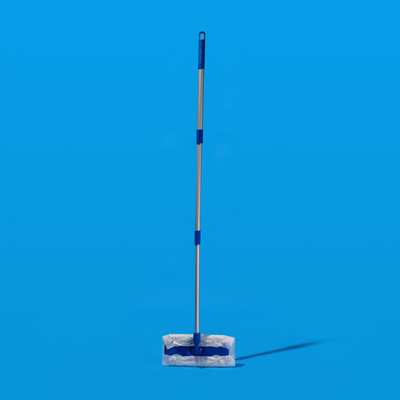
A dust mop, sometimes called a dry mop, is a cleaning tool with a long handle and a wide, flat head, often made of microfiber or cotton. Its sole purpose is to glide across hard surfaces and attract and trap dust, dirt, and other small debris without using any water or cleaning solutions. Think of it as a super-efficient duster for your floors. It’s the perfect tool for daily maintenance that keeps your hardwood looking its best between deeper cleanings.
How a Dust Mop Works
The magic of a dust mop lies in its simplicity. The fibers on the mop head create a static charge as you move it across the floor, attracting dust and hair like a magnet. To use it effectively, start with a clean and completely dry mop head.
Begin at one edge of the room, keeping the mop head flat against the floor. Guide it across the surface in long, straight passes, moving with the grain of the wood. To avoid leaving any dust behind, slightly overlap each pass. The key is to keep the mop on the floor the entire time, pushing the debris in one direction rather than lifting and scattering it.
Benefits for Hardwood Floors
Regularly using a dust mop is one of the best things you can do to protect your hardwood floors. Tiny particles of dirt, sand, and grit act like sandpaper when walked on, creating tiny scratches that dull your floor’s finish over time. A daily pass with a dust mop removes these abrasive particles before they can cause damage.
This simple habit not only preserves the beauty and shine of your floors but also means you won’t have to do a deep, wet clean as often. By making dust mopping part of your routine, you’re taking a proactive step to maintain your investment and keep your floors looking new. It’s an essential tool in any collection of home mops.
How to Prep Your Floors for Dust Mopping
Before you start sweeping across your hardwood, a few minutes of prep can make a huge difference. Think of it as setting the stage for a truly effective clean. Taking these simple steps ensures you get the most out of every pass, picking up more dust and debris with less effort. It’s all about working smarter, not harder, to get that spotless finish you’re looking for.
Clear the Area of Clutter
First things first, give yourself a clear runway. You can’t clean what you can’t reach, so take a moment to move small furniture, floor plants, pet beds, and area rugs out of the way. This includes picking up any toys, shoes, or magazines that have found a home on your floor. Creating an open space allows you to move freely and maintain a consistent mopping pattern without stopping to dodge obstacles. A clear floor means a more thorough, even clean for your entire room.
Check Your Mop's Condition
Starting with a dirty mop is like trying to wash dishes with a muddy sponge; it just moves the mess around. Before you begin, make sure your mop head is clean and completely dry. If you’re using a mop with a removable head, check that it’s attached securely to prevent it from wobbling or falling off mid-clean. A fresh, dry mop head is essential for grabbing and holding onto dust particles effectively. If your current one has seen better days, it might be time to grab a new refill to ensure you get the best results.
Pre-Treat Your Mop for Better Dust Pickup
For an extra cleaning edge, you can pre-treat your mop head. This step helps the fibers attract dust like a magnet. If you have a dust mop treatment spray, lightly mist the mop head about 24 hours before you plan to use it. This gives the treatment time to fully absorb into the fibers, preventing oily streaks on your floors. While many modern microfiber mops are excellent at trapping dust on their own, a light treatment can make them even more effective, especially for capturing fine particles and pet hair.
The Right Way to Dust Mop Hardwood Floors
Okay, you’ve cleared the room and prepped your mop. Now for the main event! Dust mopping isn't just about randomly pushing a mop around; there’s a technique to it that ensures you’re actually collecting dust, not just relocating it. Think of it like mowing a lawn. You need a pattern to get the best results and make sure you cover every inch. By following a few simple steps, you can get that satisfyingly clean floor without kicking up a cloud of dust. Let’s walk through the process together.
Establish Your Starting Point and Pattern
To avoid re-dirtying the areas you just cleaned, it’s smart to have a game plan. I always recommend starting at the edge of the room furthest from the doorway and working your way out. This way, you won’t have to walk over your freshly dusted floors. Place the mop head flat on the floor and make long, straight passes across the room. As you make your next pass, slightly overlap the previous one to catch any stray dust. This systematic approach is the secret to a streak-free, thoroughly clean surface. It’s a simple habit that makes a huge difference in your overall cleaning routine.
Move with the Wood Grain
Here’s a pro tip specifically for hardwood: always move your mop in the same direction as the wood grain. Your floorboards have tiny grooves and textures, and mopping with the grain helps the mop fibers get into those crevices to lift out trapped dust and dirt. While you work, try to keep the front edge of the mop facing the direction you are moving. This helps you push the debris forward in a neat pile instead of scattering it around. A good dust mop with a swivel head makes it easy to maintain this motion without having to twist and turn your body.
Tackle Corners and Tight Spaces
Dust bunnies love to hide in corners and along baseboards, so don’t forget to give these areas some attention. A great strategy is to dust mop around the perimeter of the room first. This corrals all the dust from the edges into the main area, making it easier to collect everything in your long, straight passes. For those really tight spots, like under furniture or in awkward corners, you might need to get creative. Use the edge of your mop head to get into crevices, or keep a smaller handheld duster nearby to quickly grab any dust your mop can’t reach.
Keep the Mop Head Dry
This might be the most important rule of dust mopping: your mop head must always be used dry. Never, ever wet it. Adding water or cleaning spray will not only turn the dust into a muddy smear but can also damage your beautiful hardwood floors over time. The magic of a dust mop, especially a microfiber one, is in its ability to use static electricity to attract and trap dust, hair, and other fine particles. Getting it wet completely negates this effect. Remember, you’re dusting the floor, not washing it. Save the wet cleaning for when you need to tackle spills or stuck-on grime.
How Often Should You Dust Mop?
The ideal dust mopping schedule isn’t one-size-fits-all. How often you should clean your hardwood floors depends entirely on your home’s activity level. A busy household with kids, pets, and lots of foot traffic will need more frequent attention than a quiet, shoes-off home. Instead of sticking to a rigid calendar, pay attention to your floors and your lifestyle. A good rule of thumb is to dust mop before dirt and dust become visible. This proactive approach keeps grime from getting ground into the wood’s finish and makes your deep cleans much easier.
For High-Traffic Areas
High-traffic zones like your entryway, kitchen, and main hallways are the front lines in the battle against dirt. These areas see the most action and collect the most dust, pet hair, and tracked-in debris. To keep them looking their best and prevent scratches, aim to dust mop them daily or at least every other day. A quick pass with one of our effective mops only takes a few minutes but makes a huge difference. It stops dirt from spreading to the rest of the house and protects your hardwood’s finish from the abrasive effects of grit underfoot.
For Low-Traffic Spaces
Rooms that don’t see a lot of daily activity, such as guest bedrooms, formal dining rooms, or a home office, don’t need as much attention. For these low-traffic spaces, dust mopping once or twice a week is usually plenty to keep dust from accumulating. While these rooms are less likely to have tracked-in dirt, dust still settles on every surface. A regular, quick cleaning keeps the air fresher and ensures the rooms are always ready for use. Think of it as simple maintenance that keeps your entire home feeling consistently clean.
Signs Your Floors Need a Quick Clean
Sometimes your floors will tell you they need a touch-up between scheduled cleanings. Get in the habit of looking for a few key signs. If you can see dust bunnies gathering in corners or clumps of pet hair drifting by, it’s time for a quick sweep. Another tell-tale sign is a gritty feeling when you walk barefoot. You may also notice your floors look dull and don’t reflect light as well as they do when they’re clean. For these in-between moments, a tool like the Lola Rola Sticky Mop is perfect for a fast pickup without the full routine.
Common Dust Mopping Mistakes to Avoid
Dust mopping seems straightforward, but a few common missteps can leave your floors looking dull or even cause long-term damage. Getting the technique right is just as important as having the right tool for the job. By steering clear of these simple mistakes, you can make sure your hardwood floors stay clean, protected, and beautiful for years to come. Let’s walk through the biggest pitfalls to avoid so you can mop with confidence.
Using a Wet or Damp Mop
This is the number one rule of dust mopping: keep your mop dry. It might be tempting to add a little water for extra cleaning power, but water is hardwood’s worst enemy. Wood is a porous material, meaning it absorbs liquid. When you use a wet or even a slightly damp mop, that moisture can seep into the wood, causing it to swell, warp, or stain over time. A dust mop is designed to attract and trap dry particles like dust, hair, and dirt. If you need to tackle spills or stuck-on grime, use a separate, barely-damp mop with a proper cleaning solution after you’ve finished dust mopping.
Cleaning with a Dirty Mop Head
Starting your cleaning routine with a dirty mop head is like trying to wash dishes with a muddy sponge. You’ll end up just pushing dirt and grime around your floors instead of picking it up. Even worse, the debris trapped in a dirty mop can act like sandpaper, creating tiny scratches that dull your floor’s finish. Before you begin, always make sure your mop head is clean and free of debris. It’s a great idea to have a few extra mop head refills on hand so you can quickly swap one out when it gets too dirty to continue. This simple habit ensures you get an effective clean every single time.
Applying the Wrong Cleaning Products
When you’re dust mopping, you don’t need any cleaning sprays or solutions. The goal is simply to remove dry debris. Applying cleaners directly to the floor or the mop head can leave behind a sticky residue that attracts even more dirt. For deeper cleaning sessions, it’s critical to use a product specifically formulated for hardwood floors. Many all-purpose cleaners contain harsh chemicals, oils, or waxes that can strip the protective finish from your wood, leaving it vulnerable to damage. Always read the label and stick to pH-neutral, hardwood-safe cleaners to preserve your floor’s natural shine and integrity.
How to Choose the Right Dust Mop
Picking the right dust mop can feel like a small decision, but it makes a huge difference in how quickly and effectively you can clean your hardwood floors. The best tool for the job will not only save you time but also protect your flooring investment. When you’re ready to find the perfect partner for your cleaning routine, there are a few key things to consider. You’ll want to look at the material of the mop head, the design of the handle, and any extra features that make the mop more versatile. Thinking through these points will help you select from the wide variety of mops available and find one that feels like it was made just for you and your home. A great dust mop makes cleaning less of a chore and more of a satisfying refresh for your space.
Microfiber vs. Cotton Mop Heads
When you look at the business end of a dust mop, you’ll typically find one of two materials: microfiber or cotton. While both get the job done, microfiber has a distinct advantage for dusting. Its synthetic fibers are designed to create a static charge that attracts and traps dust, dirt, and pet hair instead of just pushing it around. This means you capture more debris in a single pass. Cotton is a classic for a reason; it’s absorbent and durable. However, for grabbing the finest particles off your hardwood, a mop with a microfiber head is often the more effective choice. To keep your floors looking their best, choose a mop head designed to easily collect dust and debris.
Handle Length and Maneuverability
Don’t overlook the handle. The right handle length is crucial for a comfortable cleaning experience that doesn’t leave you with an aching back. Look for a mop with a long enough handle that allows you to stand upright while you work. Beyond length, consider how well the mop moves. A good dust mop should have a swivel head that glides smoothly across the floor, making it easy to steer around furniture legs and slip into tight corners. The goal is to find a tool that feels like a natural extension of your arm, not something you have to wrestle with. Many modern cleaning tools are designed with this kind of user-friendly maneuverability in mind.
Must-Have Features for an Effective Mop
To get the most value, look for a dust mop with features that extend its usefulness. One of the best features is versatility. Many dust mops are designed for both dry and wet cleaning, allowing you to handle dusty floors and sticky spills with a single tool. Just be sure to have separate mop heads for each task. It’s also important to confirm that the mop head is safe for all your hard floor surfaces. While your focus might be on hardwood, a mop that can also safely clean laminate, tile, and vinyl is a smart investment for the whole house. Having the right cleaning accessories on hand makes it easy to tackle any mess.
How to Care for Your Dust Mop
A great dust mop is an investment in your home, and with a little care, it can last for years. Keeping your mop clean and storing it correctly not only extends its life but also ensures it does the best possible job every time you clean. Think of it this way: you wouldn't wash your floors with a dirty bucket of water, so why would you dust them with a dirty mop? A well-maintained mop head picks up more dust, glides smoothly, and keeps your hardwood floors looking their best. Taking just a few minutes after each use to care for your mop will make your cleaning routine more effective and satisfying.
Clean and Wash Your Mop Head
To keep your dust mop working efficiently, you need to clean the mop head regularly. After you finish dusting, take the mop outside and give it a good, vigorous shake to dislodge loose dust and debris. If the mop head is still looking grimy, it’s time for a deeper clean. For mops with removable and washable heads, you can simply toss the dirty head into the washing machine. Just be sure to follow the manufacturer’s instructions for washing and drying to keep it in great shape. If your mop head is worn out, it's best to get a fresh one. Having clean mop refills on hand is always a smart idea.
Store It Properly and Know When to Replace It
How you store your dust mop matters more than you might think. To protect the fibers and maintain the shape of the mop head, always store it standing upright with the head pointing toward the ceiling. Leaning it against a wall in a closet or utility room is perfect. Avoid leaving it on the floor, as this can flatten and damage the fibers. It’s also helpful to have an extra mop head available. That way, you can easily swap one out while the other is in the wash, so you’re never stuck waiting to clean. A well-cared-for mop is always ready when you need it.
Maintain Your Mop Between Uses
A little upkeep between deep cleans can make a big difference. For an extra edge against dust, you can lightly spray your mop head with a dust mop treatment about a day before you plan to use it. This helps the fibers attract and hold onto dust particles more effectively, leaving your floors even cleaner. After each use, once you've given it a good shake outside, you can also use a small brush or a vacuum attachment to remove any stubborn bits of lint or hair that are clinging to the mop head. These simple steps will keep your mop in prime condition for your next cleaning session.
Related Articles
- Can You Mop Hardwood Floors with Water? Yes, Here's How
- The Ultimate Dust Cleaning Mop Buyer's Guide
- Are Microfiber Mops Safe for Hardwood? Read This First
- 8 Best Spin Mops for Hardwood Floors
Frequently Asked Questions
Can I use my dust mop on floors other than hardwood? Absolutely! While this guide focuses on hardwood, a dust mop is a fantastic tool for any hard surface in your home. You can use it on laminate, vinyl, linoleum, tile, and even sealed concrete floors to quickly and effectively pick up dust, pet hair, and other small debris.
Why should I use a dust mop instead of just sweeping with a broom? Think of it as the difference between capturing and scattering. A traditional broom is great for larger crumbs, but it often sends fine dust particles flying into the air, only for them to settle back down on your floors and furniture. A dust mop, particularly one with a microfiber head, uses a static charge to attract and hold onto that fine dust, removing it from the room completely.
What do I do with the pile of dust I've collected at the end? This is the final, satisfying step. Once you have guided all the dust and debris into a single pile near your exit point, simply use a dustpan and a small brush to sweep it up. This ensures all the dirt you worked so hard to collect ends up in the trash can.
Is it really that bad to get my dust mop wet? Yes, this is the golden rule of dust mopping. The tool is designed to work dry, attracting particles with static. Adding water turns that dust into a muddy mess that will smear across your floors. For hardwood specifically, any excess moisture can cause long-term damage like warping or staining, so it's a habit you'll want to avoid.
Can I use the same mop head for both dry dusting and wet mopping? It's much better to have separate, dedicated mop heads for each task. A mop head used for wet cleaning can hold onto moisture or cleaning solution residue, which prevents it from effectively attracting dry dust. Keeping them separate ensures you get the best performance for both jobs and avoids spreading grime.









Comments