


Those dust bunnies under the couch aren't just hiding—they're multiplying. Moving heavy furniture every week to clean your wood floors is a workout nobody signed up for. But leaving those hard-to-reach spots untouched means dust and allergens just keep building up. There's a smarter way to clean. A bendable duster with an extension pole gets into every nook and cranny without the heavy lifting, sliding under beds and media consoles to grab dust from its favorite hiding spots. If you want to simplify your routine, it’s time to buy a bendable duster for wood flooring and reclaim your weekend.
Key Takeaways
- Clean Gently and Thoroughly: A bendable duster with a microfiber head is the best tool for wood floors because it uses a static charge to trap dust—not just push it around—while being soft enough to prevent scratches.
- Prioritize Smart, Reusable Features: For the best value and performance, choose a duster with a washable head and an extension pole. This combination allows you to clean sustainably and reach every spot without straining.
- Create a Consistent Dusting Habit: Dust your wood floors at least once a week to protect the finish from grit and reduce allergens in your home. Regularly washing the duster head ensures it stays effective for every use.
Why a Bendable Duster is a Game-Changer for Wood Floors
Wood floors bring so much warmth and character to a home, but they also have a knack for showing every last speck of dust. While you might think any old duster will do, the unique challenges of cleaning wood floors—from preventing scratches to reaching under low-profile furniture—call for a specialized tool. A bendable duster isn't just another gadget; it's one of the most effective ways to keep your floors looking pristine without the back-breaking work. These clever tools are designed to go where other dusters can't, grabbing dust bunnies from their hiding spots and protecting your investment. The combination of soft materials and a flexible design means you can clean thoroughly and safely, preserving the beautiful finish of your hardwood. If you're tired of seeing dust accumulate along baseboards, in tight corners, or under the sofa, a bendable duster might be the simple solution you've been looking for. It tackles the specific pain points of wood floor maintenance, making the job faster, easier, and much more effective than traditional methods. Instead of just pushing dust around, you'll be trapping it for good, leaving behind nothing but a clean, gleaming surface.
Prevent Scratches and Protect Your Finish
The last thing you want to see on your beautiful wood floors is a network of tiny scratches left behind by your cleaning tools. Stiff bristles or rough materials can easily mar delicate finishes. Bendable dusters are typically made with ultra-soft microfiber filaments designed to glide gently across surfaces. This material is tough on dust but incredibly soft on your floors, minimizing the risk of damage. You can confidently dust around furniture legs and along baseboards knowing you’re protecting the wood’s surface, not harming it. It's a simple switch that offers peace of mind and helps maintain the value and beauty of your home.
The Hidden Dangers of Dust
That thin layer of dust on your wood floors is more than just an eyesore; it’s a collection of allergens, skin cells, and grit that can impact both your health and your home. Dust provides a breeding ground for germs and can harbor pathogens that trigger allergies and respiratory issues. When left to accumulate, these fine particles don't just stay on the surface. They get ground into the floor's finish every time someone walks by, creating tiny scratches that dull the wood's natural beauty over time. Even if you sweep, dust can hide in the small cracks between floorboards, slowly wearing away at the protective coating. Regularly removing it with a tool that traps dust is essential for maintaining a healthy environment and preserving the life of your beautiful floors.
Finally Clean Those Hard-to-Reach Spots
Let’s be honest, how often do you move your couch to dust underneath it? Dust and pet hair love to gather in those hard-to-reach places. The flexible head of a bendable duster is a game-changer, allowing you to easily maneuver into tight spaces. You can slide it under low-clearance furniture, wrap it around table legs, and press it into corners where dust bunnies thrive. This mobility ensures you’re not just pushing dust around but actually capturing it from every nook and cranny. It’s a much more thorough clean without the hassle of rearranging your entire living room every time you want to dust.
Dust Gently Without Damaging Your Floors
Wood floor finishes can be sensitive to harsh chemicals and abrasive cleaning methods. One of the best features of microfiber is its ability to trap and hold onto dust particles using static electricity, often without needing any chemical sprays. This allows for effective, dry dusting that won't leave behind residue or dull your floor’s shine over time. By cleaning your wood floors gently, you help preserve their protective finish, keeping them looking lustrous and new for years to come. It’s a smarter way to clean that protects the long-term health and appearance of your flooring.
Get Under Furniture and Into Every Corner
Some spots are just plain awkward to clean. Think about the space deep under your bed or behind a heavy media console. Many bendable dusters come with an extension pole, giving you unparalleled reach without having to get on your hands and knees. This combination lets you effortlessly swipe away cobwebs from high corners and dust from the furthest reaches under furniture. It ensures no area is overlooked, helping to reduce allergens and keep your entire room feeling fresh and clean. It turns a frustrating chore into a quick and satisfying task, making it easy to maintain a truly dust-free home.
How to Choose the Best Bendable Duster
When you’re ready to find the perfect bendable duster, it’s easy to feel a bit overwhelmed by all the options out there. But a great duster isn’t just about being bendy—it’s about having the right combination of features to make your cleaning routine faster, easier, and more effective. The goal is to find a tool that doesn’t just move dust around but actually captures it, all while protecting your beautiful wood floors. A duster that simply pushes dust into the air only creates more work for you later. The right one will trap particles on contact, leaving surfaces truly clean.
Think about the material of the duster head, how it’s designed to reach tricky spots, and whether it’s built for long-term use. A well-designed duster should feel comfortable in your hand and help you clean high and low without straining your back or pulling out a stepladder. By paying attention to a few key details, you can find a reliable cleaning partner that will keep your home looking its best. We’ll walk through exactly what makes certain dusters stand out from the rest, so you can shop with confidence and find the perfect match for your home.
Why Microfiber is a Must for Dusting
Let’s be honest, traditional feather dusters look classic, but they often just push dust from one surface to another, sending it airborne only for it to settle somewhere else. For a truly effective clean, you need microfiber. This material is made of ultra-fine synthetic fibers that create a static charge, attracting and trapping dust, pollen, and pet dander like a magnet. Instead of just scattering particles, a microfiber duster holds onto them until you’re ready to wash the duster head. This means less dust in the air and a cleaner home for you and your family.
The Cleaning Power of Microfiber
When it comes to wood floors, microfiber is the undisputed champion. Its tiny, split fibers create a powerful static charge that grabs onto dust, dirt, and pet hair, holding them tight instead of just pushing them around. Think of it as a dust magnet for your floors. This is especially important for hardwood, where loose grit and debris can easily cause micro-scratches that dull the finish over time. Because microfiber dusters work so well on their own, you can often skip the chemical sprays, which helps protect your floor's delicate sealant. The combination of a gentle touch and effective cleaning power makes it the ideal choice for preserving the beauty and longevity of your wood floors.
Look for a Flexible Head for Tricky Angles
The main appeal of a bendable duster is its ability to conform to any surface. A flexible head is essential for cleaning all those awkward, hard-to-reach places that often get neglected. Think about the tops of ceiling fan blades, high bookshelves, window casings, and the space above your kitchen cabinets. A duster with a flexible head gives you the mobility to bend and shape the tool to fit into tight corners and wrap around curved objects. This feature ensures you can give every part of your home a thorough cleaning without having to perform any acrobatic feats.
Choose a Washable Head to Save Money
Disposable duster pads are convenient, but the cost adds up over time, and they aren’t great for the environment. A duster with a removable, machine-washable head is a much smarter investment. When you’re finished cleaning, you can simply slide the microfiber head off, toss it in the washing machine, and have it ready for next time. This not only saves you money on refills but also reduces waste, making it a more eco-friendly choice. A durable, reusable duster head will last through countless cleaning sessions, making it a reliable part of your cleaning toolkit.
Check for Durability
A cleaning tool is only useful if it holds up over time. When you’re shopping for a bendable duster, look for one that feels sturdy and well-made, not flimsy. A durable duster should have a strong handle and a securely attached head that won’t wobble or snap off when you’re reaching into a tight spot. The quality of the microfiber matters here, too; it should be thick enough to withstand repeated trips through the washing machine without fraying or losing its dust-trapping abilities. Investing in well-constructed dusters means you won't have to replace them every few months, making it a more reliable and cost-effective choice for your cleaning arsenal.
Prioritize a Comfy Handle and Extension Pole
Comfort and reach are two of the most important factors in any cleaning tool. Look for a duster with an ergonomic handle that fits comfortably in your hand to reduce fatigue during longer cleaning sessions. Even better, find one with an extension pole. A telescoping handle allows you to easily reach vaulted ceilings, light fixtures, and cobwebs in high corners without precariously balancing on a chair or ladder. This simple feature makes cleaning safer and much more efficient, helping you get the job done without any unnecessary strain.
Consider Size and Reach
A duster's effectiveness isn't just about the material—it's also about where it can go. Before you buy, think about the specific cleaning challenges in your home. Do you have vaulted ceilings that collect cobwebs or low-profile furniture that hides dust bunnies? A duster with an extension pole is a must-have for these situations, giving you the reach you need without pulling out a ladder or straining your back. When combined with a flexible head, you can easily clean the tops of ceiling fan blades, high window casings, and the space above kitchen cabinets. The right combination of size and reach in a duster transforms a difficult chore into a simple task, ensuring no spot is left untouched.
Our 5 Favorite Bendable Dusters for Wood Floors
Finding the right tool to clean your wood floors can feel like a chore in itself. You need something that can slip under furniture, hug the baseboards, and grab dust without kicking it back into the air. A great bendable duster does all of that and more. To make your search easier, I’ve rounded up five of the best bendable dusters that are perfect for keeping your wood floors spotless.
Lola Products Bendable Microfiber Duster
This duster is a fantastic all-arounder for keeping your home clean. The head on the Lola Products Bendable Microfiber Duster is super flexible, letting you shape it to clean ceiling fan blades, the tops of cabinets, and right along your baseboards without any awkward stretching. Its microfiber sleeve is the real star, though. It creates a static charge that attracts dust, pet hair, and allergens like a magnet, trapping them in its fibers instead of just pushing them around. The sleeve is also removable and machine washable, so you can use it again and again. It’s a durable and reliable tool for your weekly cleaning routine.
Swiffer Dusters Heavy Duty
You’ve probably seen Swiffer in action, and for good reason. The Swiffer Dusters Heavy Duty line is excellent for wood floors because of its specially coated fibers that trap and lock dust. The duster head is fluffy and pliable, allowing it to compress and fit into tight spaces like between stair balusters or under low-profile couches. While the disposable heads aren't as eco-friendly as a washable option, they are incredibly convenient for quick cleanups and for households dealing with a lot of allergens. They are a go-to for a reason and are gentle enough not to leave a single scratch on your floor’s finish.
O-Cedar Dual-Action Microfiber Duster
If you love a tool that does double duty, the O-Cedar Dual-Action Microfiber Duster is for you. One side features long, fluffy chenille fingers that are amazing at grabbing larger debris like pet hair and cobwebs from corners. The other side is a smooth microfiber cloth perfect for general dusting on flat surfaces. The flexible head bends to clean tricky spots, and you can attach it to an extension pole for reaching high ceilings. Like the Lola Products duster, its head is machine washable, making it a sustainable cleaning choice that you can rely on for years.
E-Cloth Flexi-Edge Floor & Wall Duster
The E-Cloth Flexi-Edge Duster is a powerhouse for floors, walls, and ceilings. Its lightweight aluminum handle is extendable, helping you reach high and low without straining your back. The head is long and flat with a flexible edge that’s specifically designed to make full contact along baseboards and in corners. The high-quality microfiber head uses its natural static charge to pick up dust and debris effectively. It’s another great washable option, and E-Cloth is known for its durable materials, so you can trust this duster will hold up through many cleaning sessions.
Eversprout Cobweb Duster
While it’s called a cobweb duster, the Eversprout Cobweb Duster is surprisingly versatile for wood floors. Its dome-shaped head and soft bristles are designed to get into textured surfaces and corners without scratching. The head is bendable, allowing you to angle it perfectly for cleaning along crown molding or the edges of your floors where dust bunnies love to hide. This duster often comes with an extension pole, making it one of the best tools for a top-to-bottom clean. It’s especially useful for homes with high ceilings or for getting those pesky cobwebs that seem to appear overnight.
How Do Bendable Dusters Stack Up?
You have plenty of options when it comes to cleaning your wood floors, but not all tools are created equal. A bendable duster offers a unique combination of gentleness and effectiveness that makes it a standout choice for this specific task. While vacuums and mops have their place, a flexible duster can handle the daily dust and debris with a level of precision that other tools just can’t match. Let’s break down how it compares to other common household cleaners.
Bendable Duster vs. Feather Duster
You might remember feather dusters from old movies, but they aren’t the best choice for a truly clean home. Traditional dusters are designed to attract and trap dust particles. The electrostatic charge of the fibers grabs onto dust, dirt, and pet hair, removing them from the surface instead of just relocating them. This means you get a deeper clean that actually helps reduce allergens in your home.
Bendable Duster vs. Vacuum
Vacuums are powerhouses for deep cleaning, but they can be bulky and hard to manage for quick touch-ups. A bendable duster gives you the mobility to clean tricky spots that a vacuum can’t reach. Think about the tight space between the sofa and the wall, the area under your low-profile media console, or the corners where dust bunnies love to gather. A flexible duster slides into these spaces with ease. It’s the perfect tool for a thorough dusting without having to pull out and plug in a heavy appliance, making daily upkeep simple and fast.
Bendable Duster vs. Mop
Microfiber cloths and mops are fantastic for wiping down surfaces and cleaning open floor areas. However, they lack the specialized shape needed to clean contoured or tight spaces effectively. A bendable duster is specifically designed to twist and conform to different shapes. You can bend it to perfectly hug your baseboards, wrap around furniture legs, or slide into the narrow gaps between appliances. This flexibility gives it a clear advantage over a flat cloth or mop, ensuring no speck of dust is left behind in those hard-to-clean nooks and crannies.
Beyond Dusting: A Complete Wood Floor Care Routine
Dusting is your first line of defense in the battle to keep your wood floors beautiful, but it’s only half the story. While a bendable duster is perfect for grabbing everyday dust, pet hair, and allergens, some grime is just too stubborn for a dry clean. Spills, muddy footprints, and the general buildup of daily life require a little more attention. That’s where mopping comes in. A proper mopping routine is essential for lifting away stuck-on dirt and restoring your floor’s natural shine. It’s the step that takes your floors from just “not dusty” to truly, deeply clean. Think of dusting as the daily tidy-up and mopping as the weekly refresh that keeps your wood floors healthy and looking their best for years to come.
Why Mopping is Still Necessary
Even if you’re diligent about dusting or vacuuming, your hardwood floors still need a good mopping. Wood is a natural material with tiny grooves, seams, and micro-crevices where dirt, dust, and germs can settle. Over time, this hidden grit can act like fine sandpaper, scratching and dulling your floor’s protective finish every time you walk on it. Mopping is the only way to lift that embedded grime out of the wood grain. A quality mop doesn’t just clean the surface; it gets into those tiny spaces to remove what dusting leaves behind, protecting your floors from long-term damage and keeping them hygienic.
The Right Way to Mop Wood Floors
Mopping wood floors isn't like mopping tile or linoleum; it requires a bit more finesse. The golden rule is that wood and water are not best friends. While you need moisture to lift dirt, too much of it can be your floor’s worst enemy. The key is to use a damp mop, not a soaking wet one. Your goal is to clean the surface without letting water seep into the seams or penetrate the finish. Mastering this technique will ensure your floors get a safe, effective clean that leaves them gleaming without any risk of damage.
The Dangers of Too Much Water
Using too much water is one of the most common and damaging mistakes you can make when cleaning wood floors. When excess water sits on the surface, it can seep between the planks and cause the wood to swell, warp, or even buckle over time. It can also lead to discoloration and damage the protective polyurethane finish, leaving your floors looking cloudy and dull. To avoid this, it’s crucial to use a mop that allows you to wring out as much water as possible. A spin mop with a foot pedal or a mop with a heavy-duty wringer is perfect for achieving that ideal "damp-not-wet" level of moisture.
How to Avoid Streaks
Nothing is more frustrating than finishing a mopping session only to see streaks left behind as the floor dries. Streaks are usually caused by a few simple culprits: a dirty mop, too much cleaning solution, or excess water. To get a flawless, streak-free shine, always start with a clean mop head. Use only the recommended amount of cleaner—more is not better—and wring your mop out until it’s just damp. Mop in small sections, following the direction of the wood grain, and allow the area to dry completely before walking on it.
Safe Cleaning Solutions for Wood Floors
The cleaning solution you choose is just as important as your mopping technique. Wood floors with modern finishes are durable, but they can be sensitive to harsh chemicals. The wrong cleaner can strip the protective finish, leave a sticky residue that attracts more dirt, or create a dull, cloudy film. Always opt for a pH-neutral cleaner specifically formulated for wood floors. If you prefer to make your own, simple solutions can be just as effective, as long as you know which ingredients are safe to use and which to avoid at all costs.
A Simple DIY Floor Cleaner
You don’t need to buy an expensive cleaner to get great results. For a simple and effective DIY solution, you can mix about a quarter-cup of white vinegar into a gallon of warm water. The vinegar helps cut through grime without leaving a residue. However, always use it sparingly and well-diluted, as straight vinegar is too acidic for wood finishes. Before you try any DIY cleaner, it’s a good idea to test it on a small, inconspicuous area to ensure it doesn’t affect your floor’s finish.
Harsh Chemicals to Avoid
Protect your investment by staying away from harsh cleaning agents that can cause irreversible damage. Never use products containing ammonia, bleach, wax, or oil soaps on your wood floors. These ingredients can dull or strip the finish, create a slippery surface, or leave behind a residue that’s difficult to remove. Similarly, avoid using a steam mop, as the high heat and moisture can force water deep into the wood and cause long-term damage. Stick to gentle, approved cleaners for a safe and beautiful result.
Tackling Common Stains and Scuffs
Even with regular cleaning, scuffs and stains are bound to happen. For light scuff marks from shoes, you can often buff them out with a clean, dry tennis ball or even a sock. For tougher scuffs, try applying a small amount of baking soda to a damp sponge and gently rubbing the mark. Be sure to wipe the area clean with a damp cloth afterward and dry it thoroughly. For sticky residue from tape or stickers, use a touch of mineral spirits on a soft cloth, but test it in a hidden spot first to ensure it doesn’t harm the finish.
How to Use a Bendable Duster on Wood Floors
Ready to get those wood floors looking their best? Using a bendable duster is one of the simplest and most effective ways to keep them free of dust, pet hair, and allergens. Unlike bulky vacuums or wet mops that can sometimes do more harm than good, a flexible duster glides over the surface, trapping particles without scratching the finish. The real magic is in its ability to reach places other tools can't. Think under the sofa, around table legs, and along baseboards—all without you having to get on your hands and knees.
The key is using a duster with a microfiber head, which uses a natural static charge to attract and hold onto dust instead of just pushing it around. When paired with an extension pole, you can effortlessly clean your floors and even reach up to snag cobwebs from ceilings and corners. With the right technique, you can make dusting a quick, satisfying part of your cleaning routine. Let's walk through exactly how to do it, how often you should tackle the task, and how to keep your duster in top shape.
A Simple Step-by-Step Dusting Guide
Getting started is simple. First, attach your clean microfiber head to the duster and adjust the extension pole to a comfortable height. Begin in the corner of the room farthest from the door and work your way out, so you don't walk over the areas you've just cleaned. Glide the duster along the floor in a smooth, continuous motion. The flexible head is perfect for maneuvering around furniture legs and getting deep under couches and beds. For open areas, an 'S' pattern helps collect dust efficiently without just pushing it around. This method ensures you trap particles instead of sending them airborne.
How Often Should You Dust Wood Floors?
To keep your wood floors looking pristine and prevent dust from building up, aim to dust them at least once a week. This simple habit does more than just keep things looking tidy; it helps protect your floor's finish from the tiny scratches that grit and dirt can cause over time. Regular dusting also significantly improves your home's air quality by removing common allergens. If you have pets that shed or live in a particularly dusty area, you might find that dusting every few days works better for your space. The key is consistency—a few minutes each week goes a long way in maintaining the beauty of your floors.
Your Full Wood Floor Cleaning Schedule
Keeping your wood floors looking great doesn’t require a complicated routine. Your main goal is consistency. Make weekly dusting your non-negotiable task. Using a bendable microfiber duster, glide along the floors to pick up grit, pet hair, and allergens before they have a chance to get ground in and scratch the finish. Pay special attention to corners and under furniture, where dust loves to hide. For spills and sticky spots, tackle them immediately with a slightly damp cloth to prevent staining or water damage. A more thorough cleaning with a damp mop is only needed occasionally—think monthly or seasonally, depending on your home’s foot traffic. This simple, consistent schedule of gentle cleaning is the best way to preserve your floor’s protective finish and keep it looking beautiful for years.
How to Clean and Maintain Your Duster
Keeping your bendable duster clean is essential for it to work effectively. After each use, take the duster outside and give it a good shake to release loose dust and debris. For a deeper clean, detach the microfiber head. Most high-quality dusters have washable heads that you can toss in the washing machine with a gentle detergent—just be sure to skip the fabric softener, as it can reduce the microfiber's static cling. Let it air dry completely before reattaching it. Taking a moment to clean your duster head after a few uses ensures it’s always ready to grab dust effectively and will last for years.
Proper Washing for Microfiber Heads
A clean duster is an effective duster. To keep your microfiber head grabbing dust like a pro, you need to wash it regularly. After you’re done dusting, slide the microfiber sleeve off the duster head and take it outside for a good shake to remove any loose debris. Then, you can toss it into the washing machine on a gentle cycle with cool or warm water and a mild detergent. The most important thing to remember is to skip the fabric softener and bleach, as these can clog the fibers and ruin their natural static charge. Let the sleeve air dry completely before putting it back on the duster. Regularly washing the duster head ensures it stays effective for every use, saving you money and keeping your home cleaner.
Cleaning Tools to Use and Avoid
Choosing the right cleaning tools is just as important as your technique. Wood floors are designed to be durable, but their finish is surprisingly delicate and can be easily damaged by abrasive materials. The last thing you want is to leave behind a network of tiny scratches while you’re just trying to clean up. Using the wrong tool can dull the shine, mar the surface, and ultimately shorten the life of your beautiful floors. It’s not about working harder; it’s about working smarter with equipment that protects your investment. This means being selective about what you use for daily upkeep and deeper cleans.
From brooms that scatter dust to vacuums that can scratch the finish, some of the most common household tools are actually not the best choice for wood. Understanding which ones to use and which to leave in the closet will make all the difference in preserving the warmth and beauty of your floors for years to come. We’ll go over the common culprits to avoid and explain why tools like microfiber dusters and mops are the superior choice for a gentle yet thorough clean. Making a few simple swaps in your cleaning arsenal can save you from costly repairs down the road.
Tools That Can Damage Wood Floors
The last thing you want to see on your beautiful wood floors is a network of tiny scratches left behind by your cleaning tools. Stiff bristles or rough materials can easily mar delicate finishes, creating a dull, worn-out look over time. Even tools that seem harmless can cause micro-abrasions that build up, slowly eroding the protective sealant on your floors. It’s crucial to be mindful of what you use, because once the damage is done, it can be costly and difficult to repair. Protecting your floors starts with choosing soft, non-abrasive tools designed specifically for sensitive surfaces.
Why to Skip the Broom
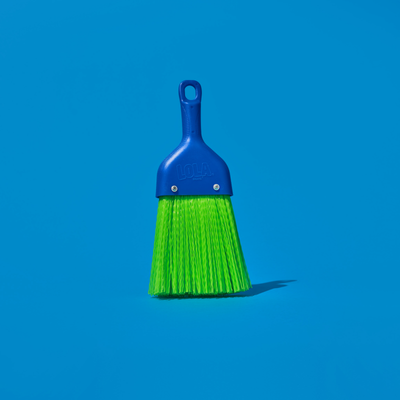
A traditional broom might seem like a quick and easy solution for sweeping up debris, but it’s one of the worst tools for wood floors. The stiff bristles on most brooms can easily scratch the floor’s finish. Even worse, brooms leave fine dust behind and just push dust into the air, which then settles back down on your floors and furniture moments later. They’re only really effective for picking up large pieces of trash on more durable surfaces like a garage floor or patio. For the fine dust, pet hair, and allergens that collect on interior wood floors, a microfiber duster is a much better option because it traps particles instead of just scattering them.
Vacuums with Beater Bars
While a vacuum can be great for pulling dirt from between floorboards, you have to use the right kind. Many upright vacuums have a spinning brush roll, also known as a beater bar, designed to agitate carpet fibers and loosen dirt. On wood floors, however, these stiff, rotating bristles can cause scratches and dull the finish over time. If you’re going to vacuum your wood floors, make sure your machine has an option to turn the beater bar off. Alternatively, use a canister vacuum with a soft-bristled hard floor attachment that’s specifically designed to clean delicate surfaces without causing damage.
Sponge, String, and Spin Mops
The number one enemy of wood floors is excess water. That’s why traditional sponge, string, and some spin mops can be risky. These types of mops tend to absorb and hold a lot of water, and it’s difficult to wring them out enough to be safe for wood. Too much water left on the floor can seep into the seams between boards, leading to warping, discoloration, and even mold growth. While a quality spin mop like the Lola Revolution Spin Mop is excellent at wringing out water, you must be diligent about spinning it until the mop head is just barely damp to the touch before you begin cleaning.
What to Look for in a Steam Cleaner
Steam cleaners have become incredibly popular for their ability to sanitize hard surfaces like tile and linoleum without the use of harsh chemicals. The idea of using hot steam to kill germs is appealing, and it’s a fantastic solution for many areas of the home. However, when it comes to wood floors, what works for one surface can be disastrous for another. The very features that make steam cleaners effective on tile—high heat and moisture—are the two things you should almost always keep away from your hardwood. Before you even consider using one on your wood floors, it's critical to understand the risks involved.
Warning: Never Use a Steam Cleaner on Wood
Here’s the bottom line: never use a steam cleaner on your wood floors. The intense heat and moisture can cause serious, often irreversible damage. Steam can penetrate the finish and get into the wood itself, causing the planks to warp, swell, or crack. It can also lead to discoloration and leave the finish looking cloudy and dull. Even if your floors are perfectly sealed, a steam cleaner can force moisture into tiny, invisible cracks in the finish, compromising the wood underneath. It’s simply not worth the risk. Stick to safer, eco-friendly methods like dry dusting with microfiber and occasional damp mopping to keep your floors in top condition.
Where to Find the Best Deals on Dusters
Finding a great bendable duster doesn't mean you have to overspend. With a bit of smart shopping, you can get a high-quality tool that fits your budget and makes cleaning your wood floors a breeze. It’s all about knowing where to look and when to buy. From big-box retailers to seasonal promotions, there are plenty of opportunities to snag a deal on the perfect duster for your home. Here are a few places to start your search and some tips to keep in mind.
Top Online Stores to Check First
Your hunt for the perfect duster deal can start right from your couch. Major online retailers are a great place to begin, as they often have a wide selection and competitive pricing. For instance, The Home Depot carries a variety of bendable head dusters and frequently offers free shipping or in-store pickup. You can also explore specialty brands like E-Cloth, which features high-performance extendable dusters and might offer a discount on your first order. It’s also worth checking out sites like The Better Home, which sells a popular telescopic cleaning duster known for its flexibility.
A Quick Tip for Marketplace Shopping
When you're shopping online, it’s easy to get overwhelmed by the sheer number of choices. To cut through the noise, focus on three non-negotiable features for your bendable duster. First, always opt for a washable head. It’s a simple way to save money on refills and make a more eco-friendly choice. Second, insist on microfiber. This material is a game-changer for wood floors because it uses static electricity to grab and hold onto dust, preventing scratches and leaving a truly clean surface. Lastly, an extension pole will make your life so much easier. It helps you reach high corners and get deep under furniture without any back strain. By prioritizing these three things, you'll find a reliable duster that makes cleaning feel less like a chore.
Time Your Purchase with Seasonal Sales
A little patience can go a long way for your wallet. Timing your purchase around major shopping events is a fantastic strategy for saving money. Keep an eye out for seasonal sales during Black Friday, Cyber Monday, or even back-to-school promotions. These are prime times when retailers discount home goods, including cleaning supplies. Brands like O-Cedar often provide special offers on their products during these periods, making it the perfect opportunity to buy a high-quality duster at a lower price. Planning ahead can help you get the tools you need without stretching your budget.
Our Favorite Money-Saving Tips
Beyond big sales, a few simple habits can help you save on cleaning essentials year-round. One of the easiest ways to get discounts is by signing up for newsletters from your favorite retailers. Companies often send exclusive coupons and early access to sales directly to their subscribers' inboxes. Another smart tip is to look for products that come with a satisfaction guarantee. This ensures you can return the duster if it doesn’t meet your expectations, so you can shop with confidence knowing your money won’t go to waste on a tool that doesn't work for you.
Related Articles
- Can You Mop Hardwood Floors with Water? Yes, Here's How
- To Mop or Not to Mop: The Ultimate Guide to Wood Floor Cleaning (Without Driving Yourself Crazy)
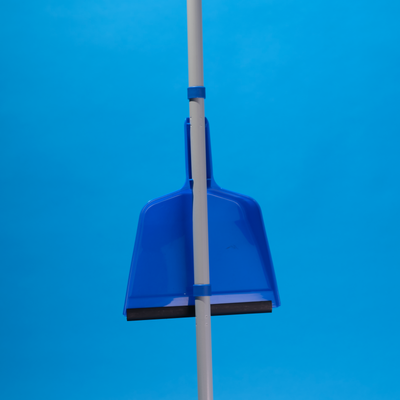
- 10 Best Dustpan and Broom Sets for Easy Sweeping
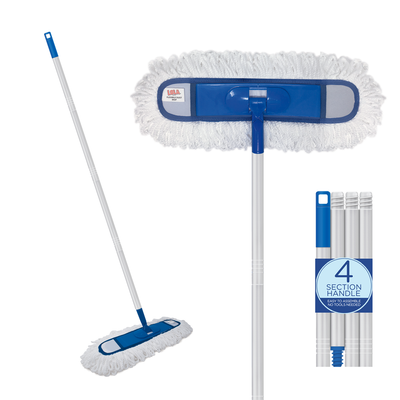
- The Ultimate Dust Cleaning Mop Buyer's Guide
Frequently Asked Questions
Can I use a bendable duster on more than just my wood floors? Absolutely! While these dusters are fantastic for wood floors, their gentle microfiber and flexible design make them incredibly versatile. You can use them to clean dust from walls, ceiling fan blades, bookshelves, light fixtures, and even the top of your refrigerator. They are designed to handle just about any surface where dust likes to settle.
Will this duster replace my need to vacuum or mop? Think of a bendable duster as your first line of defense against dust and pet hair. It’s the perfect tool for frequent, light cleaning that prevents buildup. You will still want to pull out your vacuum for a deeper clean and use a mop for spills or stuck-on dirt. However, by using a duster regularly, you’ll find that you need to do those bigger cleaning jobs less often.
What's the best way to wash the microfiber head so it stays effective? Taking care of the duster head is simple. Just slide it off the frame and put it in the washing machine on a gentle cycle with a small amount of mild detergent. The most important thing to remember is to skip the fabric softener and bleach, as they can damage the fibers and reduce their dust-trapping static charge. Always let it air dry completely before using it again.
Why can't I just use the dusting attachment on my vacuum? A vacuum attachment certainly has its place, but a bendable duster offers a different level of convenience and precision. It’s lightweight, quiet, and doesn't require any cords, making it ideal for quick, everyday touch-ups. Its flexible head can also wrap around furniture legs and press into corners in a way that a rigid vacuum tool simply can’t, giving you a more thorough clean in tricky spots.
Is it really worth investing in a quality duster, or will any cheap one do? You can find a duster at almost any price point, but investing in a well-made one often pays off in the long run. Higher-quality models usually have denser microfiber heads that grab more dust and hold up better after multiple washes. They also tend to feature more durable handles and secure extension poles, which makes the entire cleaning process feel much smoother and more effective.









Comments