


Mopping sounds simple until your floor ends up sticky, streaky, too wet, or somehow dirtier than when you started. The truth is, effective floor cleaning is not about flooding the floor and hoping for the best. It is about using the right mop, the right amount of moisture, and the right routine for the floor you actually have.
Lola Products offers a wide mop selection, including cotton and twist mops, sponge squeeze mops, roller mops, dust mops, cotton deck mops, spray mops, the Revolution™ Spin Mop, and the Lola Rola Sticky Mop®. The collection is designed for common hard floors like hardwood, tile, marble, and laminate, with some jobs needing only warm water and others needing a proper cleaning solution.
Step 1: Start Dry Before You Go Wet
The biggest mopping mistake is skipping the dry-cleaning step. If you mop over dust, crumbs, pet hair, and grit, you are not cleaning—you are making floor soup.
Start by sweeping, using a Lola Rola Sticky Mop® to pick up loose dirt first. This makes the actual mopping faster and helps prevent streaks. It also protects floors from tiny gritty particles that can scratch the surface.
Step 2: Pick the Right Lola Mop for the Job
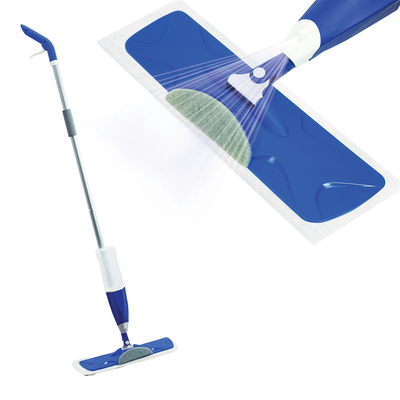
For everyday hard-floor cleaning, a microfiber Spritz N' Mop or Revolution™ Spin Mop is ideal because it gives you better moisture control. Lola’s mop collection includes spray mops, microfiber spin mop systems, dust mops, sponge mops, and wet mops, so you can match the tool to the mess instead of forcing one mop to do everything.
Use a Spritz N' Mopfor quick daily cleaning, especially on laminate, hardwood, and vinyl where too much water is a problem.
Use a Revolution™ Spin Mop when you need a deeper clean but still want to wring the mop well.
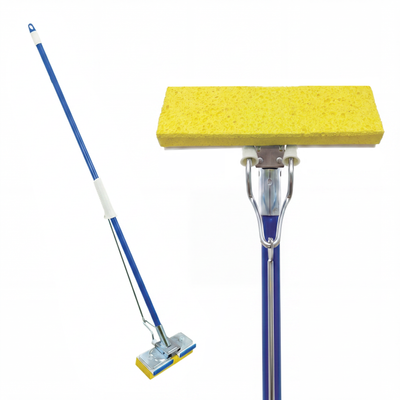
Use a Squeezematic Butterfly Sponge Mop for kitchens, bathrooms, and small spills. Lola’s sponge mop collection includes absorbent sponge mops, easy wringing mechanisms, scrubber roller mops, butterfly sponge mops, and refill options.
Use a Flexible Dust Mop or Lola Rola Sticky Mop® before wet mopping, especially if you have pets, hair, dust, or crumbs.
Step 3: Match the Method to the Floor
For tile floors, you can use a damp mop with warm water or a suitable floor cleaner. Tile can usually handle more moisture than wood or laminate, but you still do not need to soak it. Mop in sections, rinse the mop often, and pay attention to grout lines where dirt likes to settle.
For laminate floors, use very little water. Laminate can expand or swell when exposed to excessive moisture, so the mop should be damp—not dripping. A Lola spray mop or well-wrung spin mop is a better choice than a soaking wet string mop.
For hardwood floors, moisture control is everything. Use a lightly damp microfiber mop and avoid letting water sit on the floor. If your hardwood is unsealed, waxed, or older, check the manufacturer’s care instructions before wet mopping.
For vinyl and luxury vinyl plank, a damp mop works well for routine cleaning. Avoid abrasive scrubbers that can dull the finish, and do not leave puddles sitting in seams.
For marble, granite, and natural stone, skip vinegar, bleach, and harsh cleaners. Natural stone is sensitive, and pH-neutral cleaners are recommended for stone, tile, grout, masonry, and polished marble surfaces. Use a soft mop, light moisture, and gentle passes.
Step 4: Mop in Sections
Do not mop the whole room randomly like you are painting with water. Work in small sections, moving from the farthest corner toward the exit. Use overlapping strokes so you do not miss spots.
For sticky areas, let the damp mop sit on the spot for a few seconds before wiping again. Do not attack the floor with harsh scrubbing unless the surface can handle it.
Step 5: Change Dirty Water or Rinse Often
Dirty mop water is the villain of floor cleaning. Once the water looks gray, cloudy, or suspicious, change it. If you are using a spray mop, rinse or replace the mop pad when it gets dirty. If you are using a spin mop, wring it well between sections.
Clean water equals cleaner floors. Revolutionary concept, somehow still ignored by many of us.
Step 6: Let the Floor Dry Properly
After mopping, let the floor air dry before walking on it. For moisture-sensitive floors like laminate, hardwood, or natural stone, you can go over the surface with a dry microfiber pad or clean cloth to remove excess moisture.
This prevents streaks, reduces slipping, and helps protect the floor from water damage.
The Smarter Mopping Rule
The most efficient way to mop is simple: remove dry debris first, use the least amount of moisture needed, choose the right mop for the floor, and clean in sections.
With Lola mops like spray mops, sponge mops, dust mops, spin mops, wet mops, and the Sticky Mop®, floor cleaning becomes less of a workout and more of a routine you can actually keep up with.
Because the goal is not to drown your floors. It is to clean them.











Comments