


Your kitchen sponge is a workhorse, tackling everything from greasy pans to countertop spills. But for a tool dedicated to cleaning, it can harbor some dirty secrets, starting with its own ingredients. If you’ve never asked what are kitchen sponges made of, you’re not alone. Most of the bright, rectangular sponges we see are made from polyurethane, a type of plastic. While durable, they shed microplastics and clog landfills for centuries. This guide explores the materials behind the scrub, from common plastics to sustainable, plant-based alternatives, so you can make a more informed choice for a truly clean kitchen.
Key Takeaways
- Choose plant-based sponges over plastic: Most common kitchen sponges are made from plastic, which creates microplastic pollution and sits in landfills for centuries. Opting for a sponge made from natural materials like cellulose is an easy switch that gives you great cleaning power without the environmental cost.
- Look for the word "compostable" on the label: To avoid misleading "green" marketing, check the packaging for specific terms. "Compostable" is the gold standard because it means the sponge will break down completely and return to the soil, unlike many items that are only vaguely labeled "biodegradable."
- Keep your sponge clean and dry: You can easily sanitize your sponge by microwaving it for one minute or soaking it in vinegar. The most important habit is letting it dry completely between uses to prevent bacteria growth, and be sure to replace it every few weeks or as soon as it starts to smell.
What's Actually in Your Kitchen Sponge?
Ever stop to think about what that colorful sponge sitting by your sink is actually made of? It’s one of the most-used tools in our kitchens, but we rarely give its ingredients a second thought. The truth is, not all sponges are created equal. They generally fall into two main camps: synthetic and natural. Understanding the difference can help you pick the right tool for your cleaning routine and your home. Let's break down the materials you'll find in common kitchen sponges.
Synthetic Sponges: Polyurethane and Plastic
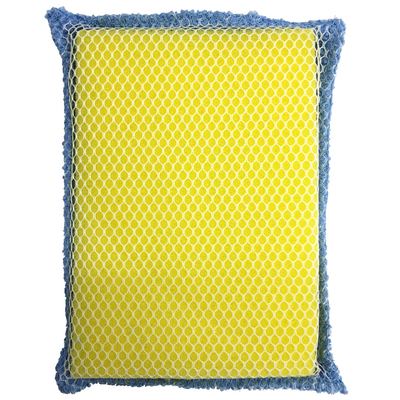
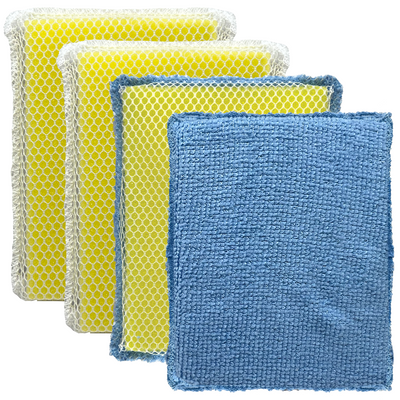
That classic, often brightly colored kitchen sponge is typically synthetic. Most are made from plastics like polyurethane or polyester, which are derived from oil. While they’re great for tough scrubbing jobs, it’s important to know that these materials are not recyclable and don’t break down in landfills. So, every time you toss one out, it sticks around for a very long time. When you're browsing for new sponges and scourers, you'll find many synthetic options designed for durability, but it's helpful to be aware of their plastic origins and environmental impact.
Natural Sponges: Cellulose and Plant Fibers
On the other side, you have natural sponges, which are usually made from cellulose. Cellulose comes from wood pulp and other plant fibers, making these sponges a more earth-friendly option. They are fantastic at soaking up liquids and are biodegradable, meaning they’ll break down over time instead of sitting in a landfill. You might notice they feel a bit stiff when dry, but they soften right up with water. Because they come from renewable resources, they are a great choice if you're trying to incorporate more eco-friendly cleaning tools into your home.
What About Antimicrobial Additives?
You’ve probably seen sponges labeled "antibacterial" or "antimicrobial." While that sounds like a great feature, some of these sponges are treated with a chemical called triclosan. This additive is designed to slow down bacteria growth, but it has raised concerns for its potential health effects and its harm to aquatic life when it washes down the drain. A fascinating alternative is the natural sea sponge, which contains its own enzymes that inhibit mold and bacteria growth without added chemicals. When choosing your cleaning tools, it's always a good idea to read the packaging to understand what you're really bringing into your kitchen.
Synthetic vs. Natural Sponges: Which Is Better?
When you're in the cleaning aisle, the sponge selection can be surprisingly overwhelming. Brightly colored plastic sponges sit next to muted, natural-looking ones. So, which one should you choose? The "best" sponge really depends on what you value most. Are you looking for something that can tackle baked-on grime and last for weeks, or is an eco-friendly option at the top of your list? Let's break down the pros of each to help you find the perfect match for your kitchen.
The Case for Synthetic: Durability and Scrubbing Power
Think of the classic kitchen sponge, and you’re likely picturing a synthetic one. These are typically made from plastics like polyester or polyurethane, and they are popular for a reason. Their plastic fibers give them serious scrubbing power, making them great for tough jobs like cleaning pots and pans. They’re also incredibly durable and can often outlast their natural counterparts, which can save you money over time. Many of our go-to sponges and scourers are designed for this kind of heavy-duty cleaning, offering a reliable tool that you can count on for those really stubborn messes.
The Case for Natural: Absorbency and Eco-Friendliness
If sustainability is a priority for you, natural sponges are a fantastic choice. Most are made from cellulose, which comes from wood pulp. This means they are completely plant-based and will biodegrade when you're done with them, unlike plastic sponges that linger in landfills. Cellulose sponges are also super absorbent, holding a lot of soapy water to make dishwashing a breeze. Choosing an eco-friendly option like a cellulose sponge is a simple swap that can make a real difference in reducing your household's environmental footprint without sacrificing cleaning performance.
Exploring Other Plant-Based Alternatives
The world of natural sponges goes beyond just cellulose. Have you ever tried a loofah sponge? It’s made from a gourd-like vegetable and provides excellent scrubbing action that’s gentle enough for non-stick pans but tough on grime. Because they are so porous, they also dry very quickly, which helps prevent smelly bacteria from growing. Many natural sponges are also hypoallergenic and contain natural enzymes that resist mold and mildew. Exploring different plant-based cleaning accessories can introduce you to new, effective, and sustainable ways to keep your home sparkling clean.
The Problem with Plastic Sponges
Let's talk about the classic kitchen sponge, the one that’s probably sitting by your sink right now. While it’s a staple in most homes for its scrubbing power and low cost, the typical synthetic sponge has a few secrets. Most are made from plastic, which means they come with a significant environmental price tag. From the moment you start scrubbing to the day you toss it out, a plastic sponge leaves a lasting mark on the planet. Understanding this impact is the first step toward making a more conscious choice for your home. The issues with plastic sponges generally fall into three main categories: the pollution they create, the landfill space they occupy, and the hidden chemicals they can contain.
How They Create Microplastic Pollution
Every time you use a plastic sponge to wash dishes or wipe down a counter, it sheds tiny, invisible particles of plastic. These microplastics get washed down the drain and are too small to be filtered out by most water treatment systems. They end up in our rivers, lakes, and oceans, where they can harm aquatic life that mistakes them for food. This ongoing breakdown means a single sponge contributes to a much larger plastic pollution problem over its short lifespan in your kitchen. It’s a quiet kind of pollution that adds up significantly over time.
Why They Clog Up Landfills
When your plastic sponge gets grimy and you throw it away, its journey is far from over. Unlike natural materials, plastic doesn't truly biodegrade. Instead, it just sits in a landfill, where it can take hundreds of years to break down into smaller plastic pieces. Think about every plastic sponge you’ve ever used, all of them likely still existing somewhere in a landfill. In contrast, sponges made from natural, plant-based materials can decompose in just a few months. Choosing eco-friendly cleaning tools is a simple switch that dramatically reduces the amount of long-term waste your household produces.
The Hidden Chemicals in Your Sponge
To make them seem more appealing, some synthetic sponges are treated with antibacterial agents. One common chemical used for this is triclosan. While the idea of an "antibacterial" sponge sounds great, triclosan has been linked to potential health concerns and is known to be very harmful to marine ecosystems when it enters our waterways. These additives are designed to kill bacteria on the sponge itself, but they don’t necessarily make your cleaning routine any safer or more effective. It’s always a good idea to check the packaging and opt for sponges made from simple, natural materials instead.
Your Guide to Eco-Friendly Sponge Materials
Making the switch to eco-friendly cleaning tools can feel like a big project, but starting with your kitchen sponge is an easy and impactful first step. Many sustainable sponges work just as well (if not better) than their plastic counterparts, and they won’t leave microplastics behind. Let’s look at some of the best plant-based materials you can find, so you can choose the perfect one for your home. These options are better for the planet and give you a clean you can feel good about.
Biodegradable Cellulose: A Classic Choice
If you’re looking for a familiar feel, cellulose sponges are a fantastic choice. They are made from wood pulp, a natural and renewable resource. Because they come from plants, they are completely biodegradable and can be composted at the end of their life. Cellulose sponges are super absorbent, making them perfect for wiping up spills and cleaning countertops. They also dry relatively quickly, which helps keep mildew and funky smells at bay. Many are also non-toxic and hypoallergenic, making them a safe option for your family. Using one of these sponges & scourers is a simple swap that makes a real difference.
Natural Plant Fibers: Loofah and Beyond
Ready to try something a little different? Sponges made from natural plant fibers offer unique textures and scrubbing power. The most well-known is the loofah, which comes from a gourd-like vegetable in the cucumber family. Loofahs are excellent scrubbers that are tough on grime but gentle enough not to scratch most surfaces. Like cellulose, they are fully compostable. Other options include sponges made from coconut coir (the fibrous husk of a coconut), which provide a seriously tough scrub for baked-on food. These eco-friendly alternatives connect your cleaning routine directly back to nature.
Reusable Options: Cotton and Hemp Scrubbers
For the ultimate waste-reducing option, consider reusable scrubbers and cloths made from materials like cotton or hemp. Instead of tossing them after a few weeks, you can simply throw them in the washing machine and use them again and again. These durable cloths can last for months or even years, saving you money and significantly cutting down on landfill waste. Some natural fibers even contain enzymes that naturally slow the growth of bacteria and mold. Choosing a reusable scrubber is a small change in your routine that helps create a much healthier home and planet.
How to Spot a Truly Sustainable Sponge
Walking down the cleaning aisle can feel overwhelming, especially when so many products claim to be "green." How can you tell which sponges are truly better for the planet? It comes down to knowing what to look for. With a little label-reading know-how, you can confidently choose a sponge that aligns with your sustainability goals and keeps your kitchen sparkling clean. Here’s how to cut through the noise and find a genuinely eco-friendly option.
Read the Label: What to Look For
The front of the package tells a story, but the back label tells the facts. To avoid "greenwashing," a marketing tactic where products are falsely advertised as environmentally friendly, you need to become a bit of a detective. Skip vague claims like "earth-friendly" and look for specific, meaningful terms. The most important one to find is "plastic-free." Also, keep an eye out for the word "compostable," which means the sponge can break down naturally in a compost pile. Some packaging will even mention specific certifications, like ASTM D6400, which confirms a product is compostable. These details are your best clue to a sponge's true environmental impact.
Understanding Eco-Friendly Certifications
Think of eco-friendly certifications as a trustworthy third-party endorsement. These labels are awarded by independent organizations that have verified a product meets strict environmental standards. They take the guesswork out of your purchase, assuring you that you’re making a responsible choice without sacrificing cleaning power. When you see a certification, it means the product has been evaluated for things like its materials, manufacturing process, and end-of-life impact. While there are many different eco-labels, their presence is a great sign that a company is committed to transparency and sustainability, which you can see in our line of eco-friendly cleaning products.
Compostable vs. Biodegradable: What's the Difference?
You’ll often see the words "biodegradable" and "compostable" used interchangeably, but they mean very different things. It’s a crucial distinction when choosing a sustainable sponge. "Biodegradable" simply means a product can be broken down by microorganisms over time, but it doesn’t specify how long it will take or what it will leave behind. "Compostable," on the other hand, is much more specific. A compostable item will break down into natural elements in a compost environment, returning valuable nutrients to the soil. The EPA provides great resources on composting at home. Essentially, all compostable products are biodegradable, but not all biodegradable products are compostable. For a truly circular option, always choose compostable.
Choosing the Right Sponge Material for You
Picking the right sponge can feel like a small decision, but it makes a big difference in your daily cleaning routine. The best choice for your kitchen depends on what you value most: heavy-duty scrubbing power, eco-friendliness, or simple longevity. The main things to consider are performance, environmental impact, and overall cost. Some sponges are built for durability, while others are designed to be gentle on the planet. By weighing these factors, you can confidently choose a sponge that fits your cleaning habits and budget.
Balancing Performance and Durability
When it comes to getting the job done, not all sponges are created equal. Cellulose sponges, made from wood pulp, are fantastic at soaking up liquids, making them perfect for wiping counters and cleaning spills. They also tend to dry out fairly quickly, which helps prevent mildew and keeps them fresh. On the other hand, polyurethane sponges are synthetic and known for their durability. These plastic-based sponges can handle tough, abrasive scrubbing jobs and often last a long time. The trade-off is that they can hold onto moisture, which sometimes leads to unpleasant odors if not dried properly.
Considering the Environmental Footprint
If you’re trying to make more sustainable choices at home, your sponge is a great place to start. Most common kitchen sponges are made from polyurethane, a type of plastic derived from oil. These sponges can't be recycled and contribute to microplastic pollution as they break down. Choosing natural, compostable sponges & scourers is a simple swap that reduces waste. Materials like cellulose are biodegradable, meaning they will break down naturally over time instead of sitting in a landfill for centuries. It’s a small change that can make a real environmental difference.
Factoring in Cost and Upkeep
It’s easy to assume that eco-friendly products are less durable, but that’s not always the case with sponges. In fact, many natural sponges can last between four to seven weeks with proper care, while their plastic counterparts may only last up to three. Regardless of the material, it’s a good idea to replace your sponge every couple of weeks to keep things hygienic. A good rule of thumb is to toss it immediately if it starts to smell, change color, or feel slimy. This habit ensures you’re always cleaning with a fresh, effective tool and getting the most value from your purchase.
How to Care for Your Sponges (The Right Way)
You’ve picked out the perfect sponge, and it’s doing a fantastic job on your dishes. But how you treat it after the scrubbing is done is just as important. Giving your sponges and scourers a little TLC not only helps them last longer but also keeps your kitchen a healthier, more hygienic space. A damp sponge can be a breeding ground for bacteria, but with a few simple habits, you can keep germs at bay and ensure you’re always cleaning with a clean tool. Think of it as a small routine that makes a big difference.
Simple Cleaning and Sanitizing Tips
Let’s be honest, your kitchen sponge works hard. To keep it from becoming a germ magnet, you need to clean it regularly. Luckily, it’s easy to do. For a quick and powerful sanitization, just make sure your sponge is completely wet and pop it in the microwave for one minute. The heat effectively kills off nasty bacteria. If you’re running a load of dishes, you can also toss it on the top rack of your dishwasher for a deep clean.
If you prefer a more natural approach, you can disinfect a sponge by soaking it in a bowl of white vinegar for about five minutes. Afterward, just rinse it thoroughly and let it air dry.
The Best Way to Store and Dry Them
The number one rule for sponge care is to never leave it sitting in a puddle of water at the bottom of your sink. A constantly damp environment is exactly what bacteria love. The goal is to let your sponge dry out completely between uses. The best way to do this is by storing it upright or placing it in a caddy or on a rack where air can circulate around it freely. Some sink caddies even have dedicated slots just for this purpose. Propping it against the side of the sink works in a pinch, too. Anything you can do to promote airflow will help keep your sponge fresh and ready for its next job.
When to Say Goodbye to Your Sponge
Even with the best care, sponges don’t last forever. As a general rule, you should plan on replacing your everyday kitchen sponge every two weeks. However, you should toss it sooner if you notice any red flags. If your sponge starts to smell funky, looks discolored, or feels slimy to the touch, it’s time for it to go. These are all signs that bacteria like Salmonella have made themselves at home. A worn-out sponge that’s falling apart is also less effective at cleaning, so don’t hesitate to grab a fresh one. Staying on top of this simple swap is an easy way to maintain a clean and healthy kitchen.
Related Articles
- 5 Best Non-Scratch Sponges for Your Kitchen
- 8 Best Non-Scratch Sponges for Dishes (2026)
- Buy Non-Scratch Sponges: Our Top 5 Picks
- The Buyer's Guide to Bulk Reusable Dishcloths
- How to Disinfect a Sponge
Frequently Asked Questions
How often should I really be replacing my kitchen sponge? A good rule of thumb is to swap out your kitchen sponge every two weeks. However, you should toss it immediately if it starts to smell, feels slimy, or looks discolored. These are clear signs that it’s become a home for bacteria, and a fresh sponge is your best bet for a truly clean kitchen.
Are natural sponges less effective than plastic ones for tough jobs? Not at all, it’s just about picking the right tool for the task. While synthetic sponges are known for their scrubbing power, many natural options are just as tough. Sponges made from loofah or coconut fibers, for example, are excellent for scouring away baked-on food without scratching your pans. For everyday spills and wiping, a super-absorbent cellulose sponge works beautifully.
What's the most important thing to look for when buying an eco-friendly sponge? The best way to know if a sponge is truly sustainable is to read the label carefully. Look for specific terms like "plastic-free" and "compostable." A compostable sponge is a fantastic choice because it will break down completely and return to the soil, unlike items that are just labeled "biodegradable," which can be a vague claim.
Can I just throw my old plastic sponge in the recycling bin? Unfortunately, no. The typical synthetic kitchen sponge is made from plastics like polyurethane that cannot be recycled through standard curbside programs. When you throw one away, it ends up in a landfill where it can take hundreds of years to break down, contributing to long-term plastic waste.
Is it really necessary to clean my sponge between uses? Yes, giving your sponge a quick clean is a great habit. A damp sponge is the perfect environment for germs to grow. To keep it fresh, you can wet it and microwave it for one minute or let it soak in white vinegar for five minutes. The most important step is to let it dry completely between uses, so store it upright or in a caddy where air can circulate.











Comments