


You scrub your counters and mop your floors, but the germiest spot in your kitchen might be the tool you use to clean your dishes. That convenient dish wand sponge can become a hotspot for bacteria. It stays wet long after you're done, creating a perfect breeding ground for all sorts of gross stuff. So, are dish wand sponges sanitary, or are you just smearing invisible messes all over your plates? We’ll break down what’s really growing on there and give you simple, actionable steps to keep your kitchen truly clean.
Key Takeaways
- Your Dish Wand Sponge Is a Germ Hotspot: The warm, damp, and porous sponge head is the perfect environment for bacteria like Salmonella to grow, potentially spreading germs across your kitchen with every wipe.
- Clean Your Cleaner and Replace It Often: Sanitize your dish wand's sponge head every few days by microwaving it or running it through the dishwasher. Be sure to replace the head every one to two weeks, or as soon as it looks worn or starts to smell.
- Switch to a Brush for Better Hygiene: For a more sanitary clean, a dish brush is your best option. Its bristles dry much faster and are less likely to trap food and bacteria, making it a safer choice for daily dishwashing.
What Is a Dish Wand Sponge?
If you’ve ever wished you could tackle a sink full of dirty dishes without getting your hands covered in leftover food and greasy water, you’ve probably come across a dish wand sponge. This handy kitchen gadget is essentially a sponge on a stick, but its design is a bit more clever than that. It’s a cleaning tool specifically created to make washing dishes, pots, and pans a little less of a chore.
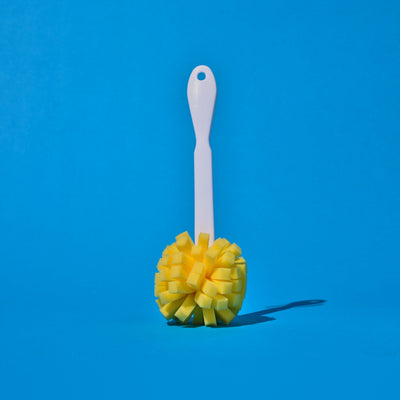
The basic setup features a long handle, which is often clear so you can see what’s inside, and a replaceable sponge head at the end. The real magic is that the handle doubles as a reservoir for your favorite dish soap. This simple but effective design lets you apply soap directly where you need it, all while keeping your hands clean and dry. It’s become a go-to tool in many kitchens because it combines the scrubbing power of a sponge with the convenience of a brush, making it a popular choice for daily cleanups.
How Does a Dish Wand Actually Work?
The genius of the dish wand lies in its simplicity. The handle is designed to be filled with liquid dish soap, and a small hole or valve allows the soap to flow into the sponge head as you wash. With a light push of a button or just the pressure from scrubbing, you can dispense soap directly onto grimy surfaces. This eliminates the need to constantly stop and grab the soap bottle, making the whole process faster and more efficient. Many dish wands also include tough scrubbers or a built-in scraper on the back of the head to help you tackle baked-on food without breaking a sweat.
Creative Ways to Use Your Dish Wand
While its name suggests it’s just for dishes, the dish wand is a surprisingly versatile tool. Its primary job is, of course, cleaning plates, bowls, and silverware. However, its long handle and direct soap application make it perfect for getting into the corners of deep pots, pans, and baking dishes. It’s also fantastic for scrubbing out the kitchen sink itself, cleaning countertops, or even tackling a messy stovetop. The dish wand is one of those multi-purpose cleaning accessories that proves its worth all over the kitchen, handling a variety of everyday cleaning tasks with ease.
Key Features of Modern Dish Wands
Soap Control and Odor-Resistant Materials
Dish wands have come a long way from the leaky, basic models you might remember. Many newer designs focus on user convenience and, more importantly, hygiene. One of the best improvements is a "soap control" feature, which helps stop those annoying leaks that leave soap puddles on your counter. This mechanism ensures soap is only dispensed when you're actually scrubbing, saving you from waste and mess. On top of that, some wands are now made with odor-resistant materials. This is a huge plus because it helps prevent that unpleasant, sour smell that can develop in damp sponges, giving you a cleaner and more sanitary tool for your kitchen.
Understanding Refill Compatibility
When you find a dish wand you love, you don’t want to toss the whole thing just because the sponge head is worn out. That’s where refill compatibility comes in. Most dish wands are designed so you can easily pop off the old head and snap on a new one. This is not only great for your wallet but also essential for keeping things sanitary, since you should be replacing the sponge head every week or two. Having a stash of refills on hand makes it easy to stick to a healthy replacement schedule without having to buy a brand-new wand each time. It’s a simple, cost-effective, and more sustainable way to keep your dishwashing routine clean and effective.
How to Choose the Right Dish Wand
Picking the right dish wand might seem straightforward, but a little thought can make a big difference in your daily cleaning routine. The best choice for your kitchen depends on the types of dishes you wash most often, your personal cleaning style, and even your environmental values. From the texture of the sponge head to the design of the handle, each feature plays a role in how effectively you can tackle that pile of dirty dishes. Considering these factors will help you find a tool that not only cleans well but also lasts longer and makes the task feel less like a chore.
Understanding Sponge Head Types and Materials
Non-Scratch vs. Heavy-Duty Scrubbers
The most important part of any dish wand is its sponge head, and they aren’t all created equal. Most wands use replaceable heads, so you can swap them out based on the cleaning task at hand. You’ll generally find two main types: non-scratch and heavy-duty. Non-scratch sponges are your go-to for delicate items like nonstick pans, glassware, and ceramic plates, as they clean effectively without leaving marks. For tougher jobs like baked-on cheese or greasy pans, a heavy-duty scrubber provides the extra abrasive power you need. Having a variety of sponges and scourers on hand means you’re always ready for whatever mess comes your way.
Eco-Friendly Sponge Options
If you're trying to make more sustainable choices in your kitchen, you'll be happy to know there are eco-friendly dish wand sponges available. Instead of traditional plastic-based sponges, these options are often made from plant-based materials like cellulose. They are biodegradable and just as effective at cleaning, so you don't have to sacrifice performance for sustainability. When shopping, look for sponges that are labeled as compostable or made from recycled materials. Choosing eco-friendly cleaning tools is a small but meaningful way to reduce your household's environmental footprint while still keeping your dishes sparkling clean.
Finding the Best Dish Wand for You
Popular Brands on the Market
When you start shopping for a dish wand, you'll notice a few brands dominate the shelves. Companies like Scotch-Brite and OXO are popular and widely available, each offering wands with slightly different features, such as ergonomic handles or unique soap-dispensing mechanisms. Some brands focus on durability, while others might offer a wider variety of sponge head types. It's worth taking a moment to compare the designs to see which one feels right for you. Exploring the options from different brands can help you find a tool that fits comfortably in your hand and meets your specific cleaning needs.
Using Customer Reviews and Ratings to Guide Your Purchase
One of the best ways to choose a dish wand is to see what other people are saying about it. Customer reviews and ratings are a goldmine of information, offering real-world insights that you won't find on the product packaging. Shoppers often comment on a wand's long-term durability, whether the handle is prone to leaking, and how easily the soap dispenses. When you check reviews on retail sites, look for products with consistently high ratings (four stars or more) and read through a few comments to get a feel for common praises or complaints. This little bit of research can save you from buying a dud.
Checking for Surface Compatibility
Before you make your final decision, take a moment to think about the surfaces you clean most often. The last thing you want is to accidentally scratch your favorite nonstick skillet or leave scuff marks on your delicate wine glasses. Most dish wand sponge packaging will clearly state which surfaces it's safe for, such as nonstick cookware, glass, plastic, or stainless steel. This is especially important when buying heavy-duty scrubbers. By double-checking for compatibility, you can ensure your new tool works with your dishes, not against them. It's also a good idea to keep different types of refills on hand for various cleaning jobs.
Do Dish Wand Sponges Harbor Bacteria?
We love our dish wands for their convenience, but have you ever stopped to think about what might be lurking inside that sponge head? It’s the tool we trust to get our plates and glasses sparkling clean, yet it can quickly become one of the germiest items in the kitchen. The unfortunate truth is that the very design that makes a sponge so great for scrubbing also makes it a perfect home for bacteria. Let's look at what’s really going on with your go-to cleaning tool.
What's Really Growing on Your Dish Wand Sponge?
I’ll spare you the dense scientific jargon, but here’s the deal: sponges are porous. All those tiny holes are fantastic for creating suds and scrubbing away grime, but they also trap moisture and tiny food particles. This creates a warm, damp, food-rich environment—basically a five-star resort for bacteria to grow and multiply. Research has found that used kitchen sponges can have extraordinarily high bacterial densities. It’s a sobering thought, considering we use them on the surfaces we eat from every single day.
A Quick Guide to Common Kitchen Germs
So, what kind of uninvited guests are we talking about? These aren't just harmless microbes. Your dish wand sponge can become a breeding ground for some pretty nasty characters that can cause foodborne illnesses. According to food safety experts, it’s common to find bacteria like Salmonella, E. coli, Staphylococcus, and Listeria setting up camp in kitchen sponges. Because the sponge head on your dish wand stays wet long after you’re done with the dishes and holds onto food debris, it creates the ideal conditions for these germs to thrive.
Can Your Dish Wand Make You Sick?
This all sounds alarming, but what does it actually mean for your health? The biggest risk here is cross-contamination. When you use a dirty dish wand, you might not be cleaning at all. Instead, you could be spreading bacteria from the sponge to your dishes, sink, and countertops. Even with hot water and soap, a contaminated sponge can transfer germs everywhere it touches. Studies have shown that harmful bacteria like Salmonella survive much better in sponges than in brushes, turning your trusty scrubber into a potential health hazard if it isn't cleaned or replaced regularly.
Dish Wand vs. Sponge vs. Brush: Which Is Cleaner?
When you’re standing in the cleaning aisle, it’s easy to wonder which tool is truly the best for tackling that pile of dirty dishes. Is a dish wand really better than a standard sponge? How do brushes fit into the picture? The truth is, not all cleaning tools are created equal, especially when it comes to hygiene. Let’s break down how the dish wand compares to other popular options so you can feel confident you’re making the cleanest choice for your kitchen.
The Classic Showdown: Dish Wand vs. Regular Sponge
Since a dish wand is essentially a sponge on a stick, it shares many of the same sanitation concerns as its handheld counterpart. Kitchen sponges are notoriously good at collecting bacteria. Because they stay damp and trap tiny food particles, they create the perfect environment for germs like salmonella to thrive. One study even found that a used kitchen sponge can contain up to 54 billion bacterial cells.
While a dish wand’s handle keeps your hands out of the mess, the sponge head itself is still a potential hotspot for germs. The key difference is how it’s stored. If a dish wand can air out more effectively than a sponge sitting in a puddle at the bottom of the sink, it might have a slight hygienic edge. Still, you’re dealing with the same porous material, so regular cleaning and replacement are non-negotiable for both wands and traditional sponges & scourers.
Why a Dish Brush Might Be Your Best Bet
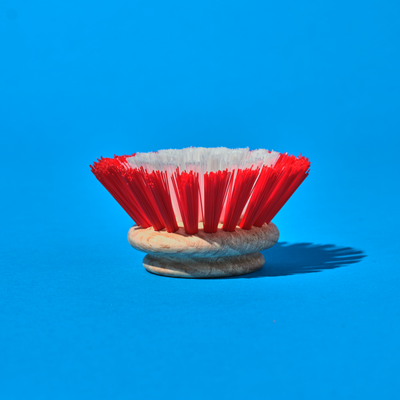
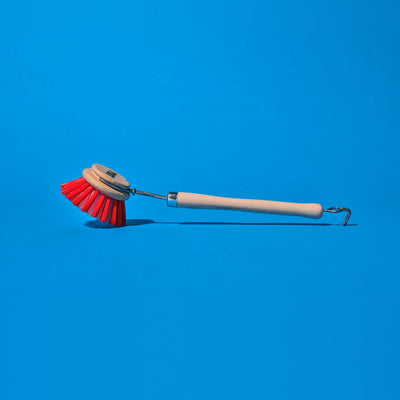
If hygiene is your top priority, a dish brush is the clear winner. Research has shown that brushes are more hygienic than sponges and should be the preferred tool for washing dishes. The reason is simple: the bristles on a brush don't hold onto water or trap food debris the way a sponge does. They dry much faster, which makes it incredibly difficult for bacteria to multiply.
Plus, the design of most dish brushes keeps your hands clean and away from hot water and grime. They are also durable and easy to rinse completely clean after each use. For scrubbing away tough, stuck-on food without turning your cleaning tool into a science experiment, a brush is one of your best bets.
Are There Better Scrubbing Tools Out There?
Of course, sponges and brushes aren’t your only options. The world of kitchen cleaning includes a wide variety of tools designed for different tasks. Silicone scrubbers, for example, are non-porous and dry quickly, making them naturally resistant to bacteria growth. Steel wool and other heavy-duty scrubbers are great for cast iron pans and tough messes where a sponge just won’t cut it.
Ultimately, the most sanitary tool is one that is cleaned and stored properly. No matter what you choose, it’s important to sanitize it regularly, allow it to dry completely between uses, and replace it when it starts to show signs of wear. Having a few different tools on hand ensures you can always choose the right one for the job.
How to Actually Sanitize Your Dish Wand Sponge
Keeping your dish wand clean is just as important as cleaning your dishes. A dirty sponge head can spread germs around your kitchen, which is the last thing anyone wants. The good news is that sanitizing your dish wand is simple and takes just a few minutes. You can easily work it into your regular cleaning routine using items you already have at home. Whether you prefer the microwave, a bleach solution, or your dishwasher, there’s a method that works for you. Regular sanitizing will help keep your kitchen tools hygienic and give you peace of mind.
The Microwave Method for a Germ-Free Sponge
Your microwave is a surprisingly powerful tool for killing germs. In fact, studies show that microwaving sponges kills 99.99999% of bacteria. To use this method, first, remove the sponge head from the wand. Make sure the sponge is completely wet and doesn't have any metal parts. Place the damp sponge in the microwave and heat it on high for one minute. This will create steam that effectively sanitizes the sponge. Be very careful when you take it out, as it will be extremely hot. Let it cool down completely before you handle it or reattach it to your dish wand.
Using a Bleach Soak to Disinfect Your Wand
For a deep clean that disinfects, a quick bleach soak is a great option. Bleach is highly effective at killing bacteria, mold, and other pathogens that might be hiding in your sponge. Start by removing the sponge head from the handle. In a small bowl or container, create a sanitizing solution by mixing one part household bleach with nine parts water. You can soak the sponge in this solution for about five minutes to ensure it's thoroughly disinfected. After soaking, rinse the sponge completely with clean water until you can no longer smell bleach, then squeeze out any excess liquid before letting it dry.
Yes, You Can Clean It in the Dishwasher
If you’re looking for a hands-off approach, let your dishwasher do the work. This is one of the easiest ways to sanitize your dish wand sponge head because you can just add it to your regular dish load. Washing sponges in the dishwasher is proven to kill nearly all bacteria. Just pop the sponge head off the wand and place it on the top rack. Run the dishwasher on a hot water cycle and use the heated dry setting for the best results. The combination of hot water and the drying cycle will leave your sponge sanitized and ready for its next use.
The Right Way to Dry and Store Your Dish Wand
How you store your dish wand between uses makes a huge difference in keeping it sanitary. Bacteria thrive in damp environments, so the key is to let the sponge dry out completely. After you’re done with the dishes, rinse the sponge head thoroughly and squeeze out as much water as possible. Instead of tossing it in the sink, store the wand upright in a caddy or holder where air can circulate around the sponge. Experts agree you should keep sponges in a dry spot to slow down bacterial growth. This simple habit prevents germs from multiplying and helps your sponge head last longer.
A Pro Tip to Prevent Soap Leaks
There’s nothing more annoying than reaching for your dish wand only to find it sitting in a puddle of its own soap. It’s messy, wasteful, and a common frustration. Luckily, there’s a super simple fix to prevent this. To keep your dish soap inside the handle where it belongs, the trick is to store the dishwand with the handle pointing down. This small change uses gravity to your advantage, pulling the soap away from the sponge head and back into the reservoir. It’s a game-changer for keeping your sink area clean and tidy. While many modern wands have special features like "soap control" to help manage dispensing, this storage trick works for any model and ensures your soap is ready for action only when you are.
When Should You Replace Your Dish Wand Sponge?
Even with regular sanitizing, your dish wand sponge head won't last forever. Sponges are designed to be replaced, and knowing when to swap out the old one for a fresh one is key to keeping your kitchen clean and hygienic. It’s not just about looks; it’s about preventing the spread of germs that can hide in your cleaning tools.
Think of it like any other tool in your home—it has a lifespan. Over time, the sponge material breaks down, becoming less effective at scrubbing and more likely to hold onto bacteria. While there are some general guidelines for how often you should make the switch, the best approach is to pay attention to the sponge itself. A few simple checks can tell you everything you need to know. Let’s walk through the timeline, the visual cues, and the one sign you definitely can’t ignore: the smell.
How Often Should You Replace the Sponge Head?
A good rule of thumb is to replace your dish wand sponge head every one to two weeks, depending on how often you use it. If you’re washing dishes for a large family every day, you’ll likely need to replace it closer to the one-week mark. For lighter use, you might stretch it to two weeks. The goal is to toss it before it becomes a breeding ground for bacteria. To make it easy on yourself, stock up on a few refills so you always have a fresh one ready to go. This simple habit helps ensure your cleaning tool is actually cleaning, not just spreading germs around.
Telltale Signs It's Time for a New Sponge Head
Beyond the calendar, your sponge will give you clear visual signals when it’s time for a change. Take a look at the sponge head itself. Is it starting to fall apart, fray at the edges, or look permanently flattened? A worn-out sponge loses its texture and scrubbing power, making your dishwashing efforts less effective. You might also notice that it’s permanently stained or discolored, even after a good cleaning. According to health experts, contaminated sponges should be replaced to avoid spreading bacteria. If your sponge looks tired and worn, it’s time to say goodbye and grab a new one.
The Look (and Smell) Test: When to Toss It
The most undeniable sign that your sponge needs to be replaced is the smell. If you pick up your dish wand and notice a sour or musty odor, that’s your cue to toss the head immediately. That unpleasant smell is a direct result of bacteria multiplying within the sponge’s porous material. As researchers at Michigan State University point out, a smelly sponge is a clear sign that bad bacteria are growing. You might also see visible signs of mildew, which can appear as small black or green spots. Don’t try to clean it at this point—just replace it. Trust your senses; if it looks or smells off, it’s not worth the risk.
Hygienic Alternatives to Your Dish Wand
If the thought of what’s growing on your dish wand has you rethinking your kitchen sink setup, I get it. While dish wands are convenient, they aren't the only option for getting your dishes sparkling clean. In fact, switching things up might be the best move for a more hygienic kitchen. Think of it as a simple upgrade to your cleaning routine.
Exploring alternatives doesn’t mean you have to sacrifice convenience. Many other tools offer the same scrubbing power without becoming a paradise for germs. From sponges designed to fight bacteria to durable brushes that last for ages, there are plenty of effective and sanitary choices. Let’s look at a few of the best alternatives that can help you wash dishes with a little more peace of mind.
Could Antimicrobial Sponges Be the Answer?
If you love the feel of a sponge but hate the funky smell that comes with it, an antimicrobial sponge is your new best friend. Unlike traditional cellulose sponges that can become a breeding ground for bacteria, these are often made from materials like polyurethane foam. This foam is treated with an antimicrobial agent that actively prevents the growth of odor-causing bacteria, mold, and mildew. That means you get all the scrubbing and sudsing power you love, without the stink. You can find great options in our collection of sponges and scourers that are designed for heavy-duty cleaning while staying fresh.
Why Replaceable Heads Are a Game-Changer
One of the biggest appeals of a dish wand is that you can just replace the head when it gets grimy. You can apply this same smart, sustainable approach to other cleaning tools. Many modern cleaning gadgets are designed with replaceable heads, which is fantastic for both hygiene and reducing plastic waste. Instead of tossing the entire tool, you just swap out the part that does the dirty work. This ensures you’re always cleaning with a fresh surface. We offer a wide variety of refills for our products, making it easy to keep your tools in top shape without creating unnecessary waste.
Making the Switch to a Durable Dish Brush
When it comes to sanitation, a good old-fashioned dish brush is tough to beat. Studies have shown that scrub brushes are generally more hygienic than sponges. Why? The plastic bristles are far less porous than a sponge, giving bacteria fewer nooks and crannies to hide in. Plus, they dry out much faster, which makes it harder for germs to multiply. A well-made kitchen brush is a durable, long-lasting tool that can handle everything from delicate glasses to baked-on casserole dishes. It’s a simple switch that can make a big difference in the cleanliness of your kitchen.
Ready for a Cleaner Kitchen Routine?
Let’s be honest: your kitchen sponge has probably seen better days. To keep your kitchen a truly clean and sanitary space, it’s worth taking a closer look at the tools you use every day. Research shows that kitchen sponges can harbor more bacteria than almost any other item in your home, which is a little unsettling when you think about it. Using a dirty sponge can spread germs to your hands, countertops, and even your food.
This is where a simple upgrade can make a huge difference. Switching to cleaning tools with replaceable heads, like a dish wand or a sturdy brush, is a great first step. Because you can swap out the head regularly, you prevent the massive bacteria buildup that happens in an old, overused sponge. In fact, one study found that bacteria levels were significantly lower in used dish brushes compared to sponges, making them a more hygienic choice for scrubbing pots and pans.
Beyond choosing the right tool, it’s all about how you care for it. Regularly sanitizing your sponge heads or brushes is a non-negotiable for a clean kitchen. According to Michigan State University, using a dirty sponge can spread bacteria all over your kitchen, undoing all your hard work. Luckily, cleaning your cleaning tools is easy. You can zap a damp sponge in the microwave for a minute or run it through a hot cycle in the dishwasher to kill off lingering germs. By making these small changes, you’ll ensure your kitchen isn’t just sparkling—it’s truly clean.
Related Articles
- The Grossest Thing in Your Kitchen: What You Need to Know?
- How to Disinfect a Sponge
- The 4 Best Dish Wand Sponges for a Clean Kitchen
- The Most Hygienic Dish Scrubber: Our Top Picks
Frequently Asked Questions
How often should I sanitize my dish wand sponge head? If you use your dish wand every day, it's a good idea to sanitize the sponge head every couple of days. This helps keep bacteria under control in between replacements. A quick one-minute session in the microwave or a cycle in the dishwasher is enough to keep it fresh and ready for your next round of dishes.
Is a dish brush really that much cleaner than a dish wand sponge? From a purely hygienic standpoint, yes. The bristles on a dish brush dry out much faster than a porous sponge, which makes it incredibly difficult for germs to multiply. While a dish wand is convenient, its sponge head can harbor bacteria just like a regular sponge, so it requires more diligent cleaning and frequent replacement to stay sanitary.
Can I use my dish wand to clean my sink or countertops? It's best to avoid using your dish wand on other surfaces to prevent cross-contamination. You don't want to accidentally spread germs from dirty dishes onto your food prep areas. I recommend keeping your dish wand for dishes only and using a separate cloth or sponge for wiping down your sink and counters.
What's the best way to store my dish wand to keep it from getting gross? The most important thing is to let the sponge head dry completely between uses. After you finish washing up, rinse the sponge thoroughly and squeeze out as much water as you can. Then, store the wand upright in a sink caddy or holder that allows air to circulate all around the sponge. This simple step prevents it from sitting in a puddle and becoming a breeding ground for bacteria.
The soap-dispensing handle on my dish wand has some buildup inside. How do I clean it? That soap scum can be tricky. To clean the handle, empty out any old soap and fill the reservoir with a mixture of equal parts white vinegar and hot water. Let it sit for about an hour to break down the residue, then shake it well and rinse it thoroughly with clean water. Let the handle dry completely before you refill it with fresh dish soap.









Comments