


We’ve all felt that sinking feeling. You turn your back for a moment, and now a burnt-on mess is fused to your favorite skillet. Your first thought might be that the pan is ruined, but I’m here to tell you it’s not. Stainless steel is incredibly resilient! With the right approach, you can clean stainless steel and fix even the most stubborn messes. This guide is your complete resource for handling everything from everyday water spots to serious kitchen disasters. We'll walk through simple, effective methods to restore that beautiful shine.
Key Takeaways
- Clean promptly and dry immediately: Wash your cookware with gentle soap and a soft sponge as soon as it cools. This simple habit prevents food from hardening into tough stains and, when followed by thorough towel drying, stops water spots from forming.
- Tackle stubborn messes with pantry staples: For burnt-on food or discoloration, you can skip the harsh chemicals. A simple paste of baking soda and water or a simmering solution of vinegar can safely lift stains and restore your pan's original shine.
- Avoid harsh tools and temperature shock: Protect your cookware's finish by never using abrasive scrubbers like steel wool or scraping with metal utensils. To prevent warping, always let a hot pan cool down on its own before rinsing it with cold water.
Why Is Stainless Steel a Kitchen Staple?
If you’ve invested in stainless steel cookware, you’ve made a great choice. These pots and pans are the workhorses of the kitchen for a reason. They’re incredibly durable, distribute heat evenly, and won’t react with acidic foods, which means your tomato sauce will taste exactly as it should. Unlike non-stick pans that can wear out, stainless steel is built to last for years, handling everything from a gentle simmer to a high-heat sear.
The best part? Even when they look a little worse for wear after a big meal, stainless steel pans can almost always be restored to a like-new condition. A little scorching or a few stubborn food spots don’t mean your favorite skillet is ruined. With the right techniques and a few simple cleaning accessories, you can keep your cookware gleaming. Taking proper care of your pans ensures they perform their best and continue to be a reliable part of your kitchen for a long, long time.
Understanding the "Stainless" in Stainless Steel
Let's clear up one common misconception right away. Even though it's called "stainless," the material isn't completely stain-proof. The name actually refers to its incredible resistance to rust and corrosion, which is why stainless steel appliances and cookware tend to last longer than items made from other metals. This durability is what makes it such a fantastic investment. However, it can still fall victim to fingerprints, smudges, grease, and water spots. So, while your pan is built to be tough, it still needs a little help from you to stay looking its best.
The secret to maintaining that mirror-like finish is using the right cleaning methods and tools. Harsh materials like steel wool can create tiny scratches on the surface, which can ironically make the pan more prone to future staining and food sticking. That’s why it’s so important to stick with gentle but effective tools, like non-abrasive sponges and scourers designed for the job. Proper care isn't just about aesthetics; it's about protecting the integrity of your cookware so it continues to perform beautifully for every meal.
How Proper Cleaning Protects Your Pans
The secret to keeping your stainless steel looking its best is consistency. Cleaning your pots and pans right after each use is the most effective way to prevent food residue from turning into deep, difficult stains. When you let food sit, it has more time to bake onto the surface, making your job much harder later. A quick wash after cooking is a small habit that pays off big.
Another key step is drying your pans completely with a clean cloth as soon as you’re done washing. This simple action stops those pesky water spots from forming and keeps the metal bright and shiny. Using one of your dedicated kitchen cloths for this task will help maintain that beautiful, polished finish you loved when you first bought them.
Common Cleaning Problems (and How to Solve Them)
Even with the best care, you’ll likely run into a few common issues like cloudy white spots, rainbow-colored stains, or bits of burnt-on food. Don't panic. These marks are usually just cosmetic and won't stop the pan from working well. Heat tint, that rainbow discoloration, is simply a reaction between the metal and high heat, while mineral deposits from your water can cause white spots.
For burnt food, a simple paste of baking soda and water is often all you need. Just apply it to the burnt area, let it sit for a few minutes, and gently scrub with one of your soft sponges or scourers. We’ll get into more specific methods later, but the takeaway is that most challenges are easily fixed.
Your Daily Routine to Clean Stainless Steel
Keeping your stainless steel cookware in top shape doesn't require a ton of effort, just a consistent daily routine. A quick clean right after cooking prevents food from getting caked on and saves you from heavy scrubbing later. Think of it as a little bit of care that goes a long way in preserving that beautiful shine and ensuring your pans last for years. By following a few simple steps after each meal, you can make sure your pots and pans are always ready for your next culinary creation. This daily habit is the foundation for maintaining cookware that looks and performs like new.
What You'll Need for a Daily Clean
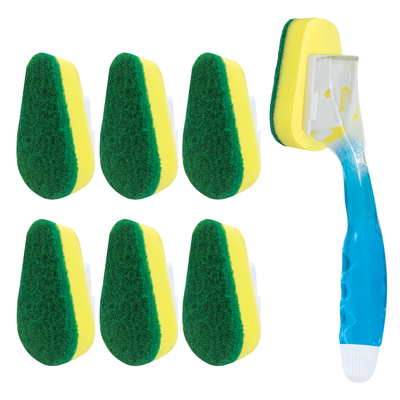
For everyday cleaning, you don’t need anything fancy. The best approach is a gentle one. All you really need is warm water, a mild dish soap, and a soft sponge. A non-abrasive scrubber is also a great tool to have on hand for any slightly stubborn spots that don't want to lift easily. Using a soft sponge or scourer is key because it cleans effectively without scratching the delicate surface of your cookware. Avoid steel wool or harsh scouring pads for your daily wash, as they can cause tiny scratches that dull the finish over time.
Step-by-Step: How to Wash Your Pans
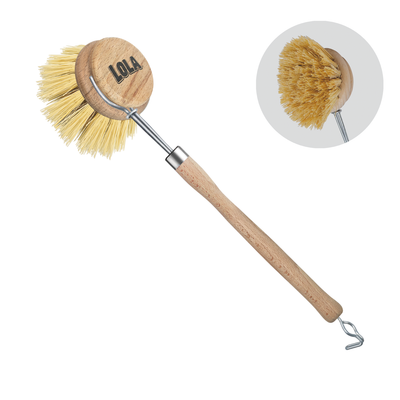
First, let the pan cool down a bit to avoid any warping from extreme temperature changes. Scrape out any leftover food or excess oil with a spatula or paper towel. Next, add some dish soap and hot water to the pan to deglaze it, which helps loosen any browned bits stuck to the bottom. Use a long-handled dish brush to gently scrub away any remaining food particles. If you have some stubborn residue, just fill the pan with hot, soapy water and let it soak for about 15 minutes before washing. This little bit of patience makes the final cleanup much easier.
Always Clean with the Grain
Here’s a pro tip that makes a huge difference in keeping your cookware looking brand new: always clean with the grain. If you look closely at your stainless steel, you’ll notice very fine lines running in one direction—that’s the grain. Wiping against it can create tiny new scratches and trap residue, which dulls the surface over time. As the experts at John Boos recommend, you should always wipe in the direction of the grain to protect the finish. This simple habit is one of the best ways to maintain that beautiful, polished look you love.
Once your pan is clean and dry, you can take it one step further for a truly flawless finish. To get that factory-level shine and eliminate any streaks, grab a clean, dry microfiber cloth and buff the surface, again moving with the grain. The Cleaning Authority confirms this is the most important step for achieving a streak-free result. This final buffing only takes a few seconds but makes a world of difference in keeping your cookware gleaming.
Drying and Storing Your Pans the Right Way
Drying your stainless steel pans immediately after washing is the secret to preventing those pesky water spots and mineral deposits. Use a soft, absorbent dish cloth to wipe them down completely, both inside and out. Air-drying can leave behind marks that dull the surface. When it comes to storage, try not to stack your pans directly on top of each other, as this can lead to scratches. If you’re short on space and need to stack, place a paper towel, a soft cloth, or a pot protector between each pan to keep them from getting scuffed.
Use Pot Protectors to Prevent Scratches
You've just spent time getting your pans sparkling clean, so the last thing you want is to scratch them up in the cabinet. Stacking stainless steel cookware directly on top of each other is a common mistake that can easily scuff and damage the finish. If you're tight on storage space and have to stack, creating a protective barrier is essential. While dedicated pot protectors are great, you don't need to buy anything special. A simple paper towel or one of your soft kitchen cloths placed between each pan will do the trick perfectly. This small, simple step acts as a cushion, preventing metal-on-metal contact and preserving the beautiful, smooth surface of your cookware for years to come.
Tackling Burnt-On Food and Stubborn Stains
We’ve all been there. You get distracted for a moment, and suddenly that sauce you were simmering has become a blackened mess on the bottom of your favorite pan. Don’t panic or assume the pan is ruined. With a little patience and the right technique, you can get it looking good as new. These methods use simple household ingredients or specialized cleaners to tackle everything from burnt-on food to stubborn discoloration. Here are a few tried-and-true ways to restore your cookware.
Create a Powerful Baking Soda Paste
For that frustrating layer of burnt food, baking soda is your best friend. This gentle abrasive works wonders without scratching your stainless steel. Just mix some baking soda with a small amount of water to form a thick paste. Spread the paste evenly over the burnt area and let it sit for about 10 minutes. This gives it time to work on breaking down the residue. Afterward, take a soft sponge and scrub in a circular motion. You’ll feel the burnt bits start to lift away. Rinse thoroughly with warm water, and your pan should be sparkling clean.
Using Bar Keepers Friend for Tough Jobs
When you need a bit more cleaning power, Bar Keepers Friend is an excellent solution. This cleaner is a favorite for a reason, as it’s specifically designed to handle tough stains on stainless steel. To use it, create a paste by mixing about four parts of the powder with one part water. Apply this mixture to the stains, but don’t let it sit for more than a minute, as it’s quite potent. Gently scrub the area with a non-scratch pad, then rinse the pan completely with water. This method is fantastic for removing stubborn food residue and restoring that original shine.
Fix Discoloration by Boiling Vinegar
Have you noticed a rainbow-like sheen or chalky water spots on your pans? This is just heat tint or mineral deposits, and it’s easy to fix. An expert guide suggests a simple vinegar solution. Pour equal parts white vinegar and water into the pan, enough to cover the discolored areas. Bring the mixture to a simmer on the stove. Once it simmers, turn off the heat and let it cool down completely. When it’s cool, you can wash the pan as usual with soap and water. The discoloration and water spots should wipe away easily, leaving a brilliant finish behind.
Scrub Away Marks with Salt and Lime
If you prefer a natural approach for tough marks, look no further than salt and lime. This combination acts as a powerful, yet gentle, scouring agent. Start by sprinkling a generous amount of coarse salt (about a quarter cup) into the bottom of the pan. Next, squeeze the juice of one lime over the salt. Let this mixture sit for 10 to 15 minutes to allow the acidity of the lime to break down the grime. Then, use a non-abrasive sponge to scrub away the stains. This natural method not only cleans effectively but also leaves your cookware with a fresh, citrusy scent.
How to Handle Scratches and Sticky Residue
Even with the most careful handling, your stainless steel pans will eventually show signs of a life well-lived in the kitchen. You might notice a fine scratch from a utensil or find some stubborn sticky residue left behind from a store label. While you can’t always make these imperfections disappear completely, you can certainly minimize their appearance. The key is to use gentle methods that won’t cause further damage. Having the right tools, like soft cloths and non-abrasive scrubbers, is essential for tackling these minor issues without harming the beautiful finish of your cookware.
Making Scratches Less Noticeable
Discovering a scratch on your favorite pan can be a bit of a letdown, but you can often make it much less obvious. According to cookware experts, the best approach is to gently rub the area with a special non-scratch pad designed for stainless steel. Move the pad back and forth in the direction of the metal's grain, not against it. This technique helps to blend the scratch with the surrounding brushed finish, making it harder to spot. Remember to be gentle; the goal is to polish the area lightly, not to scrub it aggressively. This simple step can help restore a more uniform look to your pan's surface.
Removing Tape and Glue Residue
There’s nothing more annoying than the sticky, gummy residue left behind by price tags or brand labels. Instead of scraping at it with your fingernail, try a simple trick using oil. An effective technique is to apply a small amount of olive oil or mineral oil to a soft cloth and gently rub the sticky spot. The oil works to break down the adhesive, allowing you to wipe it away easily. Once the residue is gone, wash the pan with warm, soapy water and a soft sponge to remove any oily film. This method safely lifts away the glue without you having to resort to harsh chemicals or abrasive scrubbing.
Do Natural Cleaning Solutions Really Work?
You don’t always need a heavy-duty chemical cleaner to get your stainless steel cookware sparkling again. Sometimes, the most effective solutions are already sitting in your pantry. Using natural ingredients like vinegar, baking soda, and lemon is a gentler approach that’s safe for your cookware and your kitchen. These simple, everyday items have powerful cleaning properties that can cut through grease, lift stains, and restore shine without harsh fumes or residues. Let’s look at a few tried-and-true methods that really get the job done.
The Classic: White Vinegar and Water
For those frustrating water spots or faint rainbow-like discoloration, white vinegar is your best friend. The acidity in vinegar is perfect for breaking down mineral deposits left behind by hard water. Simply mix equal parts white vinegar and water inside the pan. Place it on the stove and heat the mixture until it simmers gently. Turn off the heat, let it cool completely, and then wash the pan as usual with warm, soapy water and a soft sponge. After a quick dry, your pan will look noticeably brighter and spot-free.
The Fizzing Power of Baking Soda and Vinegar
When you’re dealing with more than just water spots, like burnt-on food bits, it’s time to bring in baking soda. This combination creates a chemical reaction that helps lift stubborn grime. Pour about half an inch of water and a cup of white vinegar into the pan and bring it to a boil. Remove it from the heat and carefully add two or three tablespoons of baking soda. It will fizz up, so be prepared! Let the mixture cool until it’s warm, then use a non-abrasive scrubber to work away the stains.
Erase Water Spots with Lemon Juice
Much like vinegar, lemon juice is a fantastic natural acid that can help clean and shine your stainless steel. It’s especially effective against discoloration and can help restore a pan that’s looking a little dull. For a gentle but powerful scrub, you can create a paste using lemon juice and baking soda. Apply the paste to the stained areas and let it sit for a few minutes before gently scrubbing with a damp cloth. The combination helps lift stains and leaves your cookware with a fresh, clean scent, proving that effective pantry cleaners are often the best choice.
Are You Making These Cleaning Mistakes?
Your stainless steel cookware is an investment, and with the right care, it can last a lifetime. A big part of that care is knowing what not to do. It’s easy to accidentally cause warping, scratching, or discoloration by using the wrong tools or techniques. Let’s walk through some of the most common cleaning mistakes so you can keep your pots and pans in pristine condition for years to come. Protecting your cookware is less about intense scrubbing and more about smart, gentle habits.
Don't Shock Your Pans with Cold Water
I know how tempting it is to take a hot pan straight from the stove to the sink for a quick rinse. But that sizzling sound is actually a cry for help from your cookware. Plunging a hot pan into cold water causes thermal shock, which can warp the metal and create an uneven cooking surface. To prevent this, you should always let your pans cool down completely before washing them. Just set them aside on a heat-proof surface while you eat. A little patience goes a long way in preserving the shape and integrity of your favorite pans.
Step Away from Abrasive Scrubbers
When you’re faced with a stubborn, burnt-on mess, reaching for an aggressive scrubber feels like the obvious solution. However, you should never use metal scouring pads or steel wool on your stainless steel. These materials are too harsh and will create permanent scratches on the surface, ruining that beautiful mirror finish. Instead, opt for a gentler tool that still has cleaning power. A tough but non-abrasive scrubber or a nylon brush will help you tackle stuck-on food without damaging the cookware itself. Remember, the goal is to clean the pan, not scratch it.
Avoid Steel Wool, Green Pads, and Paper Towels
When you’re staring down a stubborn mess, it's so tempting to reach for something heavy-duty like steel wool or one of those green scouring pads. But please, don't do it! These tools, and surprisingly, even paper towels, are far too abrasive for stainless steel. They'll leave behind permanent scratches that dull your cookware's beautiful shine and can make it more prone to staining in the future. It's not just me saying this; cookware experts at All-Clad specifically warn against using harsh metal pads. To protect your investment, always choose a soft sponge or a gentle, non-abrasive scrubber. They have all the power you need to get the job done without causing any damage.
Why Harsh Chemicals Are a No-Go
Strong chemicals have no place near your stainless steel. Cleaning products that contain bleach, ammonia, or oven cleaner are far too corrosive and can permanently damage the metal’s finish. These harsh agents can cause pitting and discoloration, leaving your pans looking dull and worn. Stick to milder detergents and natural solutions like baking soda and vinegar. Your regular dish soap is usually more than enough for daily cleaning. If you need something stronger, make sure it’s specifically formulated for stainless steel to avoid any costly mistakes.
Put Down the Metal Utensils
We’ve all done it: used a fork or a metal spatula to scrape away a stubborn bit of food while cleaning. This is a major cause of scratches and gouges on your cookware’s surface. Instead of using metal utensils to dislodge food, switch to tools made from wood, silicone, or nylon. These materials are firm enough to help with cleaning but soft enough that they won’t scratch the stainless steel. A simple wooden spoon or a pan scraper can be your best friend when dealing with stuck-on residue, keeping your cooking surface smooth and flawless.
How to Keep Your Cookware Looking New
Maintaining that beautiful, mirror-like finish on your stainless steel cookware is easier than you think. It doesn't require hours of scrubbing or special, expensive cleaners. The secret is consistency and a few smart techniques to handle common issues like water spots and dullness. By incorporating a few simple steps into your post-cooking cleanup, you can keep your pots and pans looking pristine for years. It’s all about working smarter, not harder, to protect your investment and keep your kitchen shining.
The Golden Rule: Clean After Every Use
The most important habit you can build is to wash your pans right after you use them. I know it's tempting to leave them in the sink, but letting them sit allows food residue to harden, creating much tougher stains to deal with later. For daily cleaning, all you need is warm water, a gentle dish soap, and a soft sponge. Once the pan has cooled down enough to handle safely, give it a quick wash. Afterward, dry it immediately with a clean dish towel. This simple step is your first line of defense against pesky water spots and keeps your cookware ready for its next use.
Prevent Messes with Good Cooking Habits
The best way to keep cleanup easy is to adopt a few smart habits both during and after cooking. While you're cooking, try to avoid using metal utensils that can scratch the surface; scratches can make future cleaning more difficult. Once you're done, the most important step is to let the pan cool down completely on a heat-proof surface. This simple act of patience prevents warping, which can lead to uneven cooking and more food sticking down the line. A quick clean right after it cools prevents food from hardening and saves you from intense scrubbing later. For this, all you need is warm water, mild soap, and one of your go-to sponges or scourers to gently wipe away any residue.
How to Prevent Annoying Water Spots
Water spots, those chalky-looking marks, are caused by minerals left behind after water evaporates. The easiest prevention method is to dry your cookware thoroughly with a towel right after washing. If spots have already formed, don't worry, it's an easy fix. Just pour equal parts white vinegar and water into the pan and gently heat it to a simmer. Let it cool completely, then wash it with soap and water as usual. Using absorbent cloths for drying will make a huge difference and keep those spots from ever appearing in the first place.
Try a Final Rinse with Distilled Water
If you live in an area with particularly hard water, you might find that water spots appear no matter how quickly you dry your pans. This is because tap water contains minerals that get left behind after evaporation. For those who want to go the extra mile to achieve a flawless, spot-free shine, here’s a pro tip: do a final rinse with distilled water. After you’ve washed your pan with soap and rinsed it with tap water, give it one last quick rinse with distilled water. This step removes any lingering mineral deposits before you dry. As a guide from Dawn points out, using filtered or distilled water is a great way to prevent those chalky marks from forming in the first place. It’s a simple, extra step that guarantees a perfect finish every time.
How to Restore That Original Shine
Over time, even well-cared-for pans can lose a bit of their luster. To bring back that brilliant shine, you can use a couple of simple household items. For dull spots or minor burnt-on residue, create a paste with baking soda and a little water. Apply it to the area, let it sit for about 10 minutes, and then gently scrub with one of your non-abrasive sponges. For an all-over polish, simply wipe the pan down with a damp microfiber cloth and a drop of dish soap, moving in the direction of the metal’s grain. This helps restore that factory-fresh gleam without harsh chemicals.
Buff with a Dry Microfiber Cloth
This final step is the secret to achieving that flawless, streak-free finish. After you’ve washed and towel-dried your pan, grab a completely dry microfiber cloth. You’ll want to buff the entire surface, both inside and out, moving in the direction of the metal’s grain. You can usually see the faint lines in the steel—just follow them. This process removes any lingering moisture and buffs away any residue from your water or cleaner, which is what causes streaks. As cleaning experts often point out, this aggressive buffing is what truly restores that factory-level shine. Using one of your dedicated kitchen cloths for this ensures you don’t reintroduce any grease or dirt.
Use Oil for Extra Shine and Protection
Here’s a little trick for taking that shine to the next level and adding a layer of protection. Once your pan is completely clean and dry, put a tiny drop of food-grade mineral oil or even olive oil onto a soft, clean cloth. A little goes a very long way here—you barely need any. Lightly wipe the surface of the pan, again moving with the grain of the metal. This not only gives your cookware a beautiful, polished gleam but also helps to repel fingerprints and smudges, keeping it looking cleaner for longer. It’s an optional step, but it makes a huge difference if you love that showroom look.
Your Essential Stainless Steel Cleaning Kit
Having the right tools on hand makes cleaning your stainless steel cookware so much easier. The goal is to find products that are tough on grease and grime but gentle on the surface of your pans. Using the wrong scrubber or a harsh chemical can leave behind permanent scratches and ruin that beautiful, mirror-like finish. You don’t need a huge arsenal of supplies, just a few key items that can handle everything from daily washing to tackling those stubborn, burnt-on messes.
Think of it like a care routine for your cookware. You have your daily cleansers and your more intensive treatments for when things get a little out of hand. By stocking your kitchen with the right sponges, brushes, and cleaning agents, you can keep your pots and pans looking brand new for years. It’s all about working smarter, not harder, and protecting your investment. Let’s walk through the essential tools you’ll want to keep by your sink.
Why You Need Microfiber and Soft Sponges
For daily cleaning, your best friends are a soft sponge and a gentle dish soap. This simple combination is perfect for washing away food residue after a meal without scratching the delicate surface of your cookware. When you’re dealing with fresh messes, you don’t need anything aggressive. A high-quality, non-scratch sponge will lift away grease and food particles effectively. After washing, use a soft microfiber cloth to dry your pans completely. This is a crucial step that helps prevent those pesky water spots and keeps your stainless steel gleaming.
Choosing the Right Non-Abrasive Scrubbers
When you’re faced with more stubborn food bits, it’s time to bring in a tool with a little more power, but you still need to be careful. A long-handled dish brush or a non-abrasive scrubber is ideal for this job. These tools give you the leverage to scrub away browned food without damaging the pan. The most important thing to remember is to avoid metal scouring pads and steel wool at all costs. While they might seem like a quick fix, they will create permanent scratches. Stick with gentle yet effective scrubbers designed to be tough on grime but safe for your cookware.
Other Cleaning Tools You'll Love
Every well-equipped kitchen needs a few secret weapons for deep cleaning. For restoring that like-new silver shine and removing discoloration, a powdered cleanser like Bar Keepers Friend is fantastic. Another powerful, and more natural, option is a simple baking soda paste. Just mix baking soda with a little water to form a paste, apply it to the burnt areas, and let it sit for a few minutes before scrubbing. Having these cleaning accessories in your cabinet ensures you’re ready for any kitchen mishap, from a little discoloration to a seriously scorched pan.
Related Articles
- Stainless-Steel SOS: Your Pans Are Crying for Help (Here's How to Rescue Them)
- How to Clean Stainless Steel Appliances and Sink in a Snap
- How to Clean Scorched Pots and Pans in Minutes
Frequently Asked Questions
My pan has rainbow-colored stains. Is it permanently damaged? Not at all! That rainbow sheen is just a harmless reaction called heat tint, which happens when the metal is exposed to high heat. It doesn't affect the pan's performance one bit. You can easily get rid of it by simmering a mixture of equal parts white vinegar and water in the pan for a few minutes. Let it cool, wash as usual, and the discoloration should be gone.
What's the easiest way to deal with burnt-on food without scratching the pan? The key is to use a gentle abrasive, not a harsh one. Your best bet is to create a thick paste with baking soda and a little water. Spread it over the burnt area, let it sit for about 10 to 15 minutes to loosen the grime, and then scrub with a non-abrasive sponge. For really tough spots, soaking the pan in hot, soapy water first will make the job much easier.
Can I just put my stainless steel pans in the dishwasher? While many stainless steel pans are technically dishwasher-safe, I always recommend hand washing them. The high heat and harsh detergents used in dishwashers can dull the finish and cause discoloration over time. A quick hand wash is much gentler and is the best way to keep your cookware looking its best for years to come.
Are expensive cleaners necessary, or can I just use things from my pantry? For most daily cleaning and minor issues, simple pantry items like baking soda, white vinegar, and lemon juice work wonderfully. They are effective, safe, and inexpensive. However, for extremely stubborn, set-in stains or a deep polish, a specialized cleaner like Bar Keepers Friend can provide a bit of extra cleaning power when you need it.
Why is it so important to dry my pans right after washing? Drying your pans immediately with a soft cloth is the secret to preventing those cloudy white water spots. These spots are caused by mineral deposits left behind when water evaporates from the surface. Taking a few extra seconds to towel-dry ensures a brilliant, spot-free shine every time and keeps your cookware looking brand new.











Comments