


It’s one of the most-used tools in your entire home, but have you ever paused mid-scrub to think about it? That simple block you use to wash dishes is more complex than it looks. Asking what are kitchen sponges made of opens up a surprising world of materials, from petroleum-based plastics to plant-derived fibers. The answer directly impacts how well it cleans, how long it lasts, and what happens to it after you toss it. Understanding the difference between a synthetic sponge and a natural one can help you make a better choice for your home and the planet. Let's break down the common materials you’ll find in our sponges & scourers so you can pick the perfect partner for your sink.
Key Takeaways
- Know what your sponge is made of: Sponges are typically either plastic-based synthetics or plant-based cellulose. This difference is key, as cellulose sponges are biodegradable and can be composted, while synthetic ones contribute to landfill waste.
- Choose plant-based for the planet: Synthetic sponges can release microplastics and will sit in landfills for centuries. Opting for a natural cellulose sponge is an easy, effective way to reduce your environmental impact with every wash.
- Keep your sponge clean and fresh: Sanitize your sponge daily by microwaving it wet for one minute or running it through the dishwasher. Always let it air dry completely and replace it every two weeks to keep your kitchen healthy.
What's Really in Your Kitchen Sponge?
Have you ever stopped to think about what’s inside that colorful block you use to wash your dishes every day? The answer might surprise you. Kitchen sponges are generally made from one of two types of materials: synthetic or natural. Understanding the difference can help you choose the right tool for your cleaning routine and your home. Let's break down what you'll find in the cleaning aisle.
Synthetic Materials
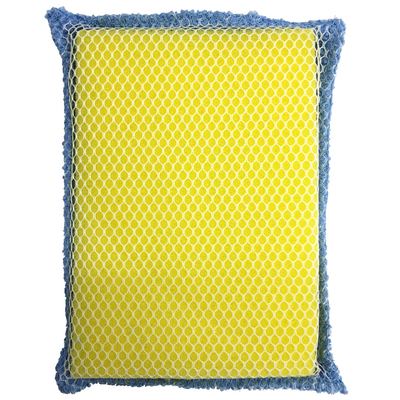
Most of the kitchen sponges you see on store shelves are made from synthetic, or man-made, materials. The soft, squishy part is typically polyurethane foam, a type of plastic that comes from petroleum. The tougher, abrasive side used for scrubbing away stuck-on food is usually made from nylon or polyester. These materials are effective and durable for everyday cleaning tasks. The main drawback is their environmental impact. Since they are plastic-based, these sponges and scourers are not biodegradable and can sit in a landfill for hundreds of years after you've thrown them away.
Natural Materials
For a more earth-friendly choice, you can turn to sponges made from natural materials. These are typically created from plant-based sources. The most common natural sponge is made of cellulose, which comes from wood pulp. Cellulose sponges are very absorbent, great for wiping up spills, and are biodegradable, meaning they will break down over time. Other natural options include loofah sponges, which come from a plant in the cucumber family, and bamboo fibers. These eco-friendly alternatives provide excellent cleaning power while being kinder to the planet.
Breaking Down Common Sponge Materials
Ever stop to think about what your kitchen sponge is actually made of? It’s one of the most-used tools in our homes, but we rarely consider its composition. The truth is, sponges come in a variety of materials, each designed for different cleaning tasks. Understanding what’s in your sponge can help you pick the perfect one for the job, whether you’re wiping up a quick spill or tackling a sink full of greasy pans. Let’s look at the most common materials you’ll find in the cleaning aisle.
Polyurethane Foam
If you picture a classic kitchen sponge, you’re probably thinking of one made from polyurethane foam. This petroleum-based plastic is the workhorse of the sponge world for a few good reasons. It’s incredibly durable, holds onto soapy water for a long time, and can handle plenty of scrubbing before it starts to fall apart. This material is what gives many of our go-to sponges and scourers their familiar springy texture. Because it’s inexpensive to produce and effective for general cleaning, polyurethane has become a staple in kitchens everywhere.
Cellulose Sponges
For a more plant-based option, there are cellulose sponges. These are made from wood pulp, which means they are biodegradable and a bit kinder to the planet. You’ll notice that cellulose sponges are often stiffer when dry but become soft and incredibly absorbent once you wet them. They can hold a surprising amount of water, making them perfect for wiping down countertops and soaking up spills. Many people prefer them for their natural feel and eco-friendly credentials, offering a great alternative to purely synthetic options for everyday cleaning tasks.
Melamine Foam
You might know melamine foam by another name: the magic eraser. This material is completely different from your typical dish sponge. Instead of absorbing messes, it acts like an extremely fine sandpaper to physically lift away stubborn stains. Melamine foam is fantastic for removing scuff marks from walls, getting rid of soap scum in the bathroom, or even cleaning crayon art off your furniture. It’s a specialty tool for tough, set-in grime that regular scrubbers might not handle, and it works with just a little bit of water, no harsh chemicals needed.
Nylon and Polyester Scrubbing Surfaces
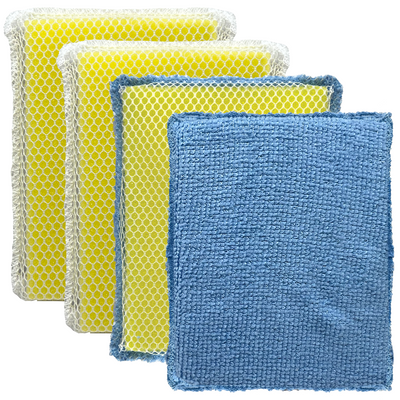
Have you ever noticed the rough, green or blue side on a dual-sided sponge? That’s usually made from synthetic fibers like nylon or polyester. This abrasive surface is designed to give you extra scrubbing power for tough jobs, like scraping baked-on food off a casserole dish or cleaning a grill grate. These fibers are tough enough to cut through grime without being as harsh as steel wool, protecting your cookware from deep scratches. This scrubbing side is a key feature on many all-purpose sponges & scourers, giving you two cleaning tools in one.
Synthetic vs. Natural Sponges: What's the Difference?
Walking down the cleaning aisle, you'll see a whole rainbow of sponges. But what really separates them? It usually comes down to two main categories: synthetic and natural. Understanding the difference can help you pick the perfect tool for your kitchen sink. Let's break down what each type is made of and how they compare.
What to Know About Synthetic Sponges
Think of the classic kitchen sponge: bright yellow with a green, scratchy top. That’s usually a synthetic sponge. They're typically made from petroleum-based plastics like polyurethane foam, and that abrasive layer is often made of nylon or polyester. These materials are designed to be tough on grime and last through many dishwashing sessions. While they are effective and widely available, it's helpful to know they are essentially a form of plastic. This means they won't break down in a landfill after you toss them.
The Perks of Natural Sponges
If you're looking for a more earth-friendly option, natural sponges are your answer. Instead of plastic, these are made from plant-based materials. The most common type is the cellulose sponge, which comes from wood pulp. Because they originate from plants, they are biodegradable, meaning they can break down naturally over time. You can find great eco-friendly options that work just as hard at cleaning your dishes and counters, giving you peace of mind along with a sparkling kitchen.
Performance and Durability: A Comparison
So, which one holds up better? Synthetic sponges are known for their durability; they can often withstand heavy scrubbing for a longer period. However, their plastic nature means they don't biodegrade. On the other hand, natural cellulose sponges are fantastic when it comes to absorbency, soaking up spills and suds with ease. While they might wear out a bit faster than their plastic counterparts, their ability to return to the earth makes them a compelling choice. You can explore a variety of sponges and scourers to see which material fits your cleaning style.
How Your Sponge Choice Affects the Planet
It’s just a sponge, right? It’s easy to think of it as a disposable tool we toss without a second thought. But the type of sponge you use in your kitchen has a bigger impact than you might imagine, affecting everything from our waterways to our landfills. When you understand what your sponges are made of, you can make a simple switch that aligns with your goal of keeping both your home and the planet a little cleaner. Making a conscious choice in the cleaning aisle is a small step that contributes to a much larger, positive effect.
The Connection to Microplastic Pollution
You’ve probably heard about microplastics, the tiny plastic particles that have become a major environmental concern. What you might not know is that your kitchen sponge can be a source of them. Many common sponges are made from plastic materials like polyurethane. Every time you scrub a pot or wipe down a counter with one, the friction can cause microscopic plastic fibers to break off. These tiny pieces wash down the drain and are too small to be filtered out by most wastewater treatment plants. From there, they can enter rivers, lakes, and oceans, contributing to the growing issue of microplastic pollution that affects wildlife and ecosystems.
The Environmental Cost of Synthetic Sponges
Beyond microplastics, the entire lifecycle of a synthetic sponge poses an environmental challenge. These sponges are typically made from petroleum-based plastics, a non-renewable resource. After a few weeks of use, we throw them away, but their journey doesn't end there. Because they are not biodegradable, they end up in landfills where they can sit for hundreds of years without breaking down. Think about how many sponges a single household goes through in a year, and then multiply that by millions of homes. It adds up to a significant amount of plastic waste that occupies landfill space indefinitely, making it a choice with a long-lasting environmental footprint.
The Sustainability of Natural Sponges
The good news is that there are fantastic, sustainable alternatives. Natural sponges are typically made from plant-based materials like cellulose (wood pulp) or loofah (a type of gourd). Unlike their plastic counterparts, these materials are renewable and biodegradable. When you’re finished with a cellulose sponge, you can often compost it, allowing it to break down naturally and return to the soil. This creates a closed-loop system that minimizes waste and avoids adding to landfills. By choosing eco-friendly options, you get the same great cleaning power without the long-term environmental cost, making it an easy and effective switch for a greener kitchen.
How to Choose the Right Sponge for Your Kitchen
Picking the right sponge might seem like a small decision, but it can make a big difference in how you clean. With so many options available, from soft cellulose to tough scourers, it helps to know which tool is best for the job. Thinking about the types of messes you handle, your environmental goals, and your budget will help you find the perfect sponge to keep your kitchen sparkling.
Match the Sponge to the Mess
Not all kitchen messes are the same, so your sponge shouldn't be a one-size-fits-all tool. For daily tasks like wiping counters and washing dishes with light food residue, a classic cellulose sponge is your best friend. These sponges are highly absorbent and gentle on most surfaces. When you’re facing baked-on food or greasy pots and pans, you’ll need something with more muscle. A sponge with a non-scratch scrubbing side or one of our heavy-duty scrubbers provides the abrasion needed to cut through grime without damaging your cookware. For delicate items like wine glasses or fine china, choose a softer material that won’t leave scratches.
Align With Your Environmental Goals
Your choice of sponge can also reflect your commitment to sustainability. If you're looking for ways to reduce household waste, consider an eco-friendly option. Many natural sponges, like those made from cellulose, come from plant-based materials like wood pulp. This means they are biodegradable and can be composted after use, unlike their plastic counterparts. Making a simple switch to eco-friendly cleaning tools is a small change that contributes to a healthier planet. It’s an easy way to align your daily habits with your environmental values without sacrificing cleaning power.
Consider Your Budget and Replacement Habits
A clean sponge is a safe sponge. Kitchen sponges can harbor bacteria, so it’s important to replace them regularly. As a rule of thumb, plan to swap out your sponge every two weeks, or sooner if it starts to smell, look discolored, or feel slimy. To make this habit more affordable, buying sponges & scourers in multi-packs is a great way to save money and ensure you always have a fresh one on hand. While some durable sponges may cost more upfront, they might last longer, giving you more value over time. Balancing cost with hygiene will help you maintain a clean and healthy kitchen.
Common Myths About Kitchen Sponges
When it comes to kitchen sponges, there's a lot of information floating around. It can be tough to separate fact from fiction, especially with so many options on the shelf. Let's clear up a few common misconceptions so you can feel confident about the cleaning tools you bring into your home. We'll tackle some of the biggest myths about what sponges are made of, how they impact the environment, and how long they really last.
Myth: All Sponges Are Biodegradable
It’s easy to assume that a simple kitchen sponge will break down naturally once you toss it, but that’s often not the case. Many of the bright, colorful sponges you see in stores are made from polyurethane, a type of plastic. These synthetic sponges are not biodegradable and can linger in landfills for hundreds of years. If you're looking for a more sustainable option, consider sponges made from plant-based materials. Cellulose sponges, which come from wood pulp, are a fantastic alternative because they are compostable. By choosing materials that can return to the earth, you can make your kitchen cleanup routine a little kinder to the planet.
Myth: Natural Means Chemical-Free
The word "natural" can be a bit misleading. While a sponge might be made from plant-based fibers, that doesn't guarantee it's free from synthetic additives. Some mass-produced sponges, even natural ones, are treated with antibacterial chemicals, petroleum-based adhesives, or artificial dyes to give them their vibrant colors. If you have sensitive skin or simply want to avoid unnecessary chemicals, it’s a good idea to read the packaging carefully. Look for products that are explicitly labeled as "dye-free" or "100% plant-based." Making an informed choice helps you find the right cleaning accessories that align with your household's needs and preferences.
Myth: Synthetic Sponges Always Last Longer
While synthetic sponges are engineered for durability, "longer-lasting" doesn't always mean better. Polyurethane sponges are tough, but their plastic-based structure can trap water and food particles, creating a perfect environment for smelly bacteria to grow. This often leads to you throwing them out long before they actually fall apart. A high-quality cellulose sponge, when properly cared for, can be just as durable for everyday tasks. The key is to rinse it thoroughly and let it dry completely between uses. For those really tough jobs, pairing your sponge with dedicated scrubbers can also extend its life by saving it from the most abrasive work.
How to Keep Your Sponges Clean and Make Them Last
A good kitchen sponge is a workhorse, tackling everything from greasy pans to sticky countertops. But because it’s constantly wet and picking up food particles, it can quickly become a breeding ground for germs. In fact, a used kitchen sponge can harbor more bacteria than a toilet seat. The good news is that with a few simple habits, you can keep your sponges cleaner, fresher, and working effectively for longer. It doesn’t take much effort to sanitize your sponge and store it properly, but these small steps make a big difference in maintaining a healthy kitchen environment.
Taking care of your cleaning tools is just as important as the cleaning itself. A dirty sponge can spread germs around your kitchen instead of removing them. By incorporating a quick sanitizing routine and knowing the right way to store it, you’ll get the most out of every sponge. Plus, you’ll know exactly when it’s time to say goodbye and grab a fresh one, ensuring your cleaning efforts are always effective. Think of it as a small investment of time that pays off in a cleaner, safer home for you and your family.
Simple Ways to Sanitize Your Sponge Daily
Giving your sponge a daily cleaning is one of the easiest ways to keep kitchen germs in check. After you’re done with the dishes, rinse the sponge thoroughly with hot water and wring it out completely. For a deeper clean, you can sanitize it in the microwave or dishwasher. To use the microwave, make sure the sponge is completely wet (a dry sponge can catch fire) and heat it on high for one minute. If you have a dishwasher, you can simply toss the sponge in with a regular load using the heated dry setting. Both methods are effective at killing bacteria and keeping your sponges & scourers fresh.
The Best Way to Store Your Sponge
How you store your sponge between uses is critical for preventing bacteria and unpleasant odors. The key is to let it dry out completely. A sponge left sitting in a pool of water at the bottom of the sink creates the perfect moist environment for germs to multiply. Instead, place your sponge in a caddy or on a rack where air can circulate around it freely. This simple change helps it dry faster, which significantly reduces the growth of smelly bacteria. Many modern sinks come with built-in cleaning accessories like sponge holders, making proper storage effortless.
Know When It's Time for a New One
Even with regular cleaning, sponges don’t last forever. As a general rule, you should plan to replace your kitchen sponge every two weeks. However, you might need to toss it sooner if you notice any warning signs. If your sponge starts to smell bad, feels slimy, or looks discolored and worn out, it’s time for a new one. Holding onto an old sponge isn’t worth the risk, as it can harbor harmful bacteria like Salmonella. Keeping a pack of refills on hand ensures you can always swap out a spent sponge for a fresh, effective cleaning tool.
Related Articles
- 5 Best Non-Scratch Sponges for Your Kitchen
- The Most Hygienic Dish Scrubber: Our Top Picks
- 8 Best Non-Scratch Sponges for Dishes (2026)
- Buy Non-Scratch Sponges: Our Top 5 Picks
- 8 Best Dish Brushes with Handles for 2025
Frequently Asked Questions
How often should I really be replacing my kitchen sponge? A good rule of thumb is to swap out your main dish sponge every two weeks. However, you should replace it sooner if it starts to develop an odor, feel slimy, or look visibly worn out. A fresh sponge is not just more effective; it's also a healthier choice for your kitchen.
Are natural sponges actually better for the environment? Yes, they generally are. The biggest difference is that sponges made from natural materials like cellulose (wood pulp) are biodegradable, meaning they can break down and return to the earth. Synthetic sponges are made from plastic, so they will sit in a landfill for hundreds of years after you throw them away.
Why does my sponge get smelly so quickly? That unpleasant smell is caused by bacteria multiplying in the damp environment of the sponge. To prevent this, make sure you rinse it well after each use and, most importantly, store it in a place where it can dry completely, like a sponge caddy. A dry sponge is not a friendly place for smelly germs to grow.
Is it safe to clean my sponge in the microwave? It is, as long as you do it correctly. The sponge must be completely saturated with water and should not contain any metallic or plastic scrubbing parts. A minute on high power is enough to kill most of the bacteria. A dry sponge is a fire hazard in a microwave, so always make sure it's soaking wet first.
Can I use the same sponge for all my kitchen cleaning tasks? It's better to have a few different tools for different jobs. A soft, absorbent sponge is perfect for washing dishes and wiping counters. For tough, baked-on messes, you'll want a sponge with a more abrasive scrubbing surface to get the job done without wearing out your everyday sponge.











Comments