


We’ve all been there: you sweep a pile of crumbs, only for the dustpan to leave that frustrating line of dirt behind. Or maybe your broom’s bristles are so bent they just push messes around. A good kitchen broom shouldn’t make you work harder. It should be a reliable tool that makes cleaning up spills and dust feel effortless. The right one captures everything in a single pass and works with a dustpan that finishes the job perfectly. This guide will walk you through exactly what to look for, so you can find a broom that solves these common problems for good.
Key Takeaways
- The right features make all the difference: A great broom has flagged bristles to grab fine dust, an angled head to get into corners, and a handle long enough to let you sweep without hunching over. These details make cleaning faster and more comfortable.
- A good dustpan is non-negotiable: To avoid that frustrating line of dirt left behind, choose a dustpan with a thin, flexible rubber lip that sits completely flush with the floor. A set that clips together also makes storage simple and clutter-free.
- Match your broom to your floor and mess: Use soft bristles on delicate surfaces like hardwood and sturdier bristles for textured tile. Always remember that brooms are for dry debris; switch to a mop for anything wet, sticky, or greasy.
What Makes a Great Kitchen Broom?
Choosing the right broom can feel surprisingly complicated, but it really comes down to a few key features. A great kitchen broom isn't just about sweeping up messes; it's about making the job faster and easier, so you can get back to your life. When you find the right one, it feels less like a chore and more like a quick refresh for your space. Let's walk through what separates a so-so broom from a fantastic one.
Check the Bristles
The bristles are the heart of the broom, and they do the heavy lifting. For indoor spaces like the kitchen, you’ll want to look for bristles with "flagged" or frayed tips. Think of them like split ends, but for a good reason. These fine tips are experts at grabbing tiny particles like dust, flour, and sugar instead of just pushing them around. The bristles should also be dense enough to collect dirt effectively but flexible enough to bend into tight corners and along baseboards. The right combination ensures you capture everything from fine dust to stray crumbs in a single pass, making your sweeping far more efficient.
Find a Comfortable Handle
If you’ve ever finished sweeping with a sore back, you know how important a comfortable handle is. A good broom should work with your body, not against it. Look for a handle length that allows you to stand upright while you sweep, which prevents you from hunching over. A longer handle is a simple feature that can make a world of difference. The material and grip matter, too. You want something that feels sturdy and comfortable in your hands. After all, this is a tool you'll use regularly, so it should feel like a natural extension of your arm, not an awkward stick you have to wrestle with.
Angled vs. Straight: Which Is Better?
The debate between angled and straight broom heads really comes down to your kitchen's layout and your cleaning style. An angled broom head is fantastic for getting into those tricky spots. It easily reaches into corners, slides under the edge of your cabinets, and maneuvers around table legs. If your kitchen has a lot of nooks and crannies, an angled design is probably your best bet. On the other hand, a traditional straight broom is great for wide-open floor spaces. It can cover a larger surface area more quickly, making it a solid choice for bigger kitchens with fewer obstacles.
Don't Forget the Dustpan
A great broom is only half of the equation. The perfect dustpan is its essential partner, ensuring that all the dirt you’ve gathered actually makes it into the trash.
A Wide Mouth and Rubber Lip
We’ve all been there: you sweep a pile of dirt into the dustpan, only to be left with that frustrating little line of dust that refuses to cooperate. The solution is a dustpan with a thin, flexible rubber lip that sits completely flush with the floor. This creates a seal that prevents debris from slipping underneath. A wide mouth also helps, allowing you to capture the entire pile in one go without spilling it over the sides. It’s a small detail that makes a huge impact on your cleaning routine.
An Easy-to-Store Design
Keeping your cleaning tools organized makes it that much easier to grab them when you need them. A broom and dustpan set that clips together is a game-changer for storage. The dustpan snaps directly onto the broom handle, so you can hang them up or tuck them into a closet as one neat unit. This simple feature means you’ll never have to search for a misplaced dustpan again, and it keeps your cleaning space from feeling cluttered. It’s all about making cleanup as seamless as possible from start to finish.
Can Your Broom Handle These Kitchen Messes?
The kitchen is ground zero for messes. From spilled flour to a dropped bowl of cereal, your floor sees it all. While a good broom is a kitchen essential, it's important to know its strengths and weaknesses. The right tool makes any cleanup job faster and easier, so let's look at what your broom is built for and when you might need to reach for something else. Understanding this will help you keep your kitchen floors spotless with less effort. A quality set of cleaning accessories is your best defense against daily grime.
Sweeping Fine Dust and Crumbs
For the tiny particles that seem to appear out of nowhere, a broom with fine, flagged bristles is your best friend. Think flour from a baking session, sugar granules, or those pesky crumbs that escape the toaster. These bristles are designed to catch and move fine dust without just kicking it up into the air. But the broom is only half the equation. A great dustpan is critical for finishing the job. As noted by experts, a good dustpan needs a wide opening and a thin rubber lip that sits completely flush with the floor, ensuring no annoying dust line gets left behind. This simple feature makes a world of difference in getting that last bit of dirt off the floor and into the pan on the first try.
Tackling Pet Hair and Larger Debris
Even if you have a powerful vacuum, a broom is still a must-have for certain messes. It’s the perfect tool for quickly gathering up larger debris like spilled cereal, pet kibble, or dirt tracked in from outside. A broom is also the safest and most effective way to clean up broken glass. For homes with pets, a broom with sturdy bristles can be great for grabbing clumps of fur from corners and under cabinets where vacuums can’t always reach. Some specialized brushes even have rubber bristles that act like a magnet for pet hair on floors and furniture, making cleanup even more efficient.
When to Grab a Mop Instead
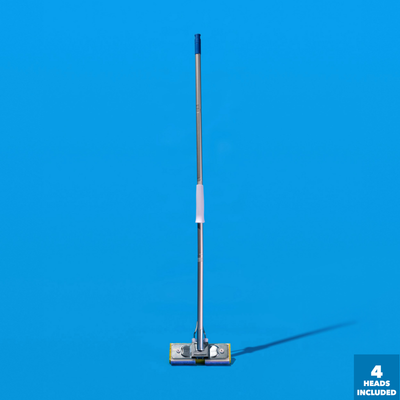
A broom is designed for dry messes, so when you’re dealing with anything wet, sticky, or greasy, it’s time to switch tools. Spilled juice, a dropped egg, or muddy footprints are all jobs for a mop. Trying to sweep a wet mess will only spread it around and make it worse. For a truly deep clean that removes grime, you’ll need one of our effective mops. If you're just dealing with light dust and pet hair, a dry dust mop can be a great option. Microfiber is excellent for attracting and holding onto dust, making it a top material for dusters and dry mops. Using one of these before you wet mop can make the whole process much more effective.
Does Your Floor Type Matter?
Yes, it absolutely does! Think of it this way: you wouldn't use a harsh scrub brush on a delicate silk shirt, and the same logic applies to your floors. Using the wrong broom can be ineffective at best and damaging at worst. A broom that works wonders on your tile might leave scratches on your hardwood, while one that’s perfect for smooth vinyl could miss all the dirt hiding in textured linoleum. It’s a common mistake to think any old broom will do, but taking a moment to consider your floor type will save you time and frustration in the long run.
Choosing the right broom for your specific floor ensures you get a thorough clean every time without causing any harm. It’s all about matching the bristle type, stiffness, and overall broom design to the surface you’re sweeping. A soft-bristled broom might be perfect for dust, but it won't do much for debris stuck in deep grout lines. An ultra-stiff broom might be great for a concrete patio, but it's a disaster waiting to happen on a polished wood floor. Let’s break down what works best for the most common kitchen floors so you can sweep smarter, not harder.
For Hardwood and Tile
When you're dealing with hardwood, the main goal is to clean effectively without leaving behind any scratches. Soft, fine-tipped bristles are your best friend here. They are gentle enough to protect your floor's finish but still firm enough to gather fine dust, crumbs, and pet hair. For tile floors, you have a bit more leeway, but the real challenge is the grout lines where dirt loves to settle. A broom with sturdy bristles can help dislodge that trapped debris. A versatile broom with flagged (split-end) bristles often works well for both, as it can sweep fine particles on hardwood and get into the shallow grooves of tile.
For Linoleum and Vinyl
Linoleum and vinyl floors are pretty resilient, which is why they're so popular in kitchens. However, they can still get scuffed or scratched by overly aggressive bristles. A broom with durable synthetic bristles is a great choice here. It’s tough enough to handle daily messes but won't mar the surface. Since kitchen corners and the edges along cabinets are magnets for crumbs, look for an angled broom. The slanted head makes it so much easier to reach into tight spots and pull out all that hidden grime, ensuring a truly clean floor. Many all-purpose cleaning accessories are designed with these common household surfaces in mind.
For Textured or Uneven Floors
If your kitchen has textured tile, slate, or any other uneven surface, you know the struggle. Dirt and dust get trapped in all those little crevices, and a standard broom can just skim over the top. This is where an angled broom really shines. The bristles are cut to a point, allowing you to apply more pressure and dig into those grooves to flick out debris. You might also find that brooms with stiffer, unflagged bristles do a better job on these rugged surfaces. A good set of brushes and a sturdy broom are essential for keeping these types of floors looking their best.
Our Top Picks: The Best Kitchen Brooms and Dustpans
After researching dozens of options, we’ve narrowed it down to four standout broom and dustpan sets perfect for the kitchen. Each one brings something unique to the table, from an innovative design to superior bristle quality. Let's find the right one to help you conquer those messes for good.
1. Lola Products Broom and Dustpan Set
For an all-around fantastic performer, the Lola Products Broom and Dustpan Set is a top contender. Its ergonomic and lightweight design makes sweeping feel less like a chore. The broom has soft, flagged bristles perfect for capturing fine dust and flour without sending it flying. The real star is the dustpan, which features a durable rubber lip that creates a tight seal with the floor. This means you can finally say goodbye to that frustrating line of dirt that always gets left behind. It’s a simple, effective, and reliable set that gets the job done right.
2. Casabella Wayclean Wide Angle Broom
For kitchens with tricky corners, the Casabella Wayclean Wide Angle Broom is a game-changer. The broom head is angled, letting you easily reach into spaces where crumbs love to hide. Its durable bristles work well on multiple surfaces, from hardwood to tile, and gather both fine dust and larger debris. As noted by testers at Good Housekeeping, its design delivers a thorough clean, making it a versatile tool for any busy kitchen. This smart design proves a little angle can make a big difference.
3. OXO Good Grips Large Sweep Set
OXO is known for thoughtful designs, and the Good Grips Large Sweep Set is no exception. Built for comfort and efficiency, its wide broom head covers more floor in fewer sweeps. The dustpan features a flexible lip that conforms to the floor, ensuring you get every last bit of debris. One of its most celebrated features, highlighted by Wirecutter, is its ability to stand upright for compact storage. The broom handle snaps securely into the dustpan, keeping everything neat and tidy in your pantry.
4. Libman Step-On Dust Pan and Broom
Bending over to hold a dustpan can be a real pain. The Libman Step-On Dust Pan and Broom solves this with its clever design. You simply step on the dustpan to hold it in place, leaving your hands free to sweep. This feature is especially helpful for anyone with back pain or mobility issues. The broom itself has stiff, sturdy bristles that are great for gathering heavier messes. It’s a practical choice that adds convenience to your daily cleanup, making it a reliable option according to various consumer buying guides.
How Much Should You Spend on a Kitchen Broom?
Figuring out how much to spend on a kitchen broom can feel a bit like a guessing game, but the good news is that you don’t have to break the bank to get a great one. The price of a broom often comes down to its materials, design features, and whether it comes with a matching dustpan. While a simple, inexpensive broom can certainly get the job done, investing a little more can get you features that make the chore quicker and more comfortable. Think ergonomic handles, bristles designed for specific messes, or dustpans that save you from bending over.
Your ideal price point really depends on what you value most. Are you looking for a basic tool for quick, daily sweeps, or do you want a durable, feature-rich set that makes cleaning feel less like a chore? A higher price can mean more durable plastic, recycled materials, or a more thoughtfully designed bristle head that won't fray after a few uses. We can break it down into three main categories: budget-friendly workhorses, solid mid-range options, and premium sets that are worth the extra cost for the convenience they offer. Understanding what you get at each level will help you find the perfect broom for your kitchen and your budget.
Budget-Friendly Finds ($10–$15)
You can absolutely find a reliable and effective broom in the budget-friendly range. For everyday crumbs, dust, and minor spills, a broom under $15 is often all you need. These models are typically lightweight and straightforward, making them perfect for quick cleanups. For example, a simple angle broom and dustpan set can be found for around $13. Many of these sets include a dustpan designed to sit flat against the floor, which makes it much easier to sweep debris right into it without leaving that annoying line of dust behind. You can find many effective brooms that are perfect for daily kitchen messes without stretching your budget.
Solid Mid-Range Options ($15–$25)
If you’re willing to spend a little more, the $15 to $25 range is where you’ll start to see some noticeable upgrades. Brooms in this category often feature wider heads to cover more ground with each sweep and stiffer bristles that are better at tackling heavier messes and getting into tight corners. A great example is an extra-large precision angle broom, which gives you more power to handle stuck-on debris. This price point is the sweet spot for many households, offering a great balance of durability, performance, and cost. These brooms are built to last longer and handle more than just light dust, making them a practical choice for busy kitchens.
Premium Picks Worth the Price ($25+)
For those who want to make sweeping as effortless as possible, investing in a premium broom set can be a game-changer. Priced at $25 and up, these options prioritize comfort and efficiency. A popular feature in this range is a long-handled dustpan, which lets you collect debris without having to bend or squat. Some brooms also come with extendable handles that you can adjust to your height for a more comfortable sweeping posture. You might also find dustpans with step-on features that hold them firmly to the floor, ensuring no dust escapes underneath. These thoughtful design elements and other cleaning accessories can make a daily chore feel much more manageable.
Common Broom Problems (and How to Avoid Them)
A good broom can make you feel like a cleaning superhero, but a bad one just adds to the frustration. We’ve all been there: you’re trying to sweep up a simple mess, and your tools seem to be working against you. Instead of a quick cleanup, you’re left with bent bristles, a line of dust that refuses to go into the pan, and a broom that’s a pain to store.
The good news is that these common annoyances are completely avoidable. When you know what to look for, you can find a kitchen broom that works with you, not against you. Let’s break down the most frequent issues and how to sidestep them so you can get back to having a sparkling clean kitchen.
Fraying or Bent Bristles
There’s nothing more irritating than a broom with bristles that are bent out of shape or frayed at the ends. When bristles are too stiff, they can flick fine dust everywhere but the dustpan. If they’re too soft, they just glide over the mess without picking anything up. A quality broom should have durable bristles that hold their shape and effectively capture everything from fine flour to bigger crumbs. When you’re shopping, look for brooms with bristles that feel sturdy but flexible. This ensures they can handle different types of messes without losing their cleaning power after just a few uses.
The Annoying Dustpan Gap
You know the one I’m talking about: that stubborn line of dirt that always seems to slip right under the dustpan. This happens when the edge of the dustpan doesn’t sit completely flush with the floor, creating a tiny gap for dust and debris to escape. To finally win this battle, look for a dustpan with a thin, flexible rubber lip. This feature creates a seal against the floor, making sure every last crumb is swept up into the pan on the first try. A wide dustpan opening also helps capture more debris at once, making your cleanup quicker and more efficient.
Uncomfortable or Flimsy Handles
Sweeping shouldn’t be a workout for your back and hands. If you find yourself stooping over or gripping a handle that digs into your palms, you’re using the wrong broom. A flimsy handle that bends or feels like it might snap is not only annoying but also ineffective. Prioritize a broom with a comfortable, ergonomic handle that’s long enough for you to stand upright while you sweep. A sturdy, well-constructed handle provides better control and makes the task of cleaning feel less like a chore. It’s a small detail that makes a huge difference in your daily cleaning routine.
Awkward and Bulky Storage
Your cleaning closet shouldn’t be a chaotic mess of tools that fall over every time you open the door. Many brooms and dustpans are sold separately and don’t fit together, making them awkward to store. This can lead to clutter and damage to your tools. The simple solution is to choose a broom and dustpan set designed for easy storage. Look for designs where the dustpan clips or snaps directly onto the broom handle. This keeps everything together in one neat package, which you can easily hang up or tuck into a narrow space, keeping your cleaning accessories organized and ready for action.
Where to Find the Best Deals on Brooms
Finding a great kitchen broom doesn't have to mean breaking the bank. With a little smart shopping, you can snag a high-quality set for a fantastic price. Online giants like Amazon, Walmart, and Target are go-to spots for a reason; they often have competitive prices and a massive selection. I always recommend keeping an eye out during big sales events like Black Friday, as that’s when you’ll see the deepest discounts. A simple pro tip is to sign up for your favorite retailers' newsletters. They’ll send exclusive coupons and sale alerts directly to your inbox, so you’re the first to know.
Don't forget to check your local stores, too. Home improvement centers like Home Depot and Lowe's are treasure troves for durable cleaning tools, and their weekly ads often feature promotions on household essentials. Timing your purchase can also make a big difference. Retailers tend to discount cleaning supplies during spring cleaning season and back-to-school sales, which Consumer Reports notes as a smart way to save. For budget-friendly finds, discount stores like Dollar General are perfect for stocking up on basic brooms and other tools without spending much.
Before you click "buy," do a quick search for extra savings. Coupon websites and cashback apps can help you lower the cost even more with just a few clicks. It’s an easy way to get more for your money when you buy cleaning supplies. Of course, you can always find great value by checking out our own Specials page for the latest offers on our cleaning tools. By combining these strategies, you’ll be sure to find the perfect broom at a price you love.
What About Eco-Friendly Brooms?
If you're trying to make more sustainable choices around the house, your cleaning closet is a great place to start. Eco-friendly cleaning tools are becoming more popular, and for good reason. They offer a way to keep your floors spotless while being a little kinder to the planet. But what exactly makes a broom "eco-friendly"? It usually comes down to the materials.
Many of these brooms are made from sustainable materials like bamboo for the handle. Bamboo is a fantastic choice because it's a fast-growing grass that doesn't require a lot of resources to produce. For the bristles, you might find options made from recycled plastics, which helps reduce waste, or natural fibers from corn or coconut husks. These natural bristles have the added benefit of being biodegradable, so they won't sit in a landfill for centuries like some synthetic materials can.
Choosing an eco-friendly broom doesn't mean you have to sacrifice quality. In fact, many are designed to be incredibly durable and long-lasting, which saves you money and reduces waste over time. A well-made broom also cleans effectively on its own, which can help you cut back on the need for harsh chemical cleaners. It’s a simple switch that contributes to a healthier home environment and a cleaner conscience.
How to Make Your Broom Last Longer
A great broom is an investment in a cleaner home, and with a little care, you can make sure it lasts for years. Just like any other tool, how you treat your broom directly impacts its performance and lifespan. Following a few simple habits will keep the bristles straight and your floors sparkling, saving you the frustration of a worn-out tool.
First, get into the habit of cleaning your broom after you use it. Take a moment to knock the dust out and pull any hair or debris from the bristles. This quick step prevents buildup that can damage the bristles over time. For a more thorough cleaning every few months, you can follow Martha Stewart's advice to maintain your broom by washing the head in warm, soapy water. Just be sure to let it air dry completely before you put it away.
How you store your broom is just as important. Leaning it in a corner might be easy, but it puts pressure on the bristles, causing them to bend and fray. The best method for broom care is to hang it on a hook or store it upside down. This keeps the bristles off the floor, preserving their shape and ensuring an effective sweep every time.
Finally, starting with the right tool is half the battle. Investing in a high-quality broom with durable bristles and a sturdy handle will make all the difference. A well-made broom is designed to withstand regular use, so you won't have to replace it every year. When you're ready for an upgrade, check out our collection of Lola Brooms to find a reliable partner for your cleaning routine.
Related Articles
- 10 Best Dustpan and Broom Sets for Easy Sweeping
- The 5 Best Angled Brooms for a Spotless Home
- 5 Best Angled Brooms for Corners (2026 Review)
- The Best Broom and Dustpan Set: A Buyer's Guide
- 5 Best Long Handled Dustpan and Broom Sets
Frequently Asked Questions
Is an angled or straight broom better for my kitchen? For most kitchens, an angled broom is the more versatile choice. The slanted bristles make it much easier to get into tight corners, sweep along baseboards, and clean under the edge of your cabinets where crumbs love to hide. A straight broom can work well if you have a very large, open kitchen, but an angled design generally gives you more precision for everyday messes.
What’s the difference between flagged and unflagged bristles? Think of "flagged" bristles as having split ends. These fine, frayed tips are experts at capturing tiny particles like dust, flour, and pet hair instead of just pushing them around. They are ideal for smooth indoor surfaces like hardwood or vinyl. Unflagged bristles are stiffer and more coarse, which makes them better for tackling larger debris or sweeping textured surfaces like rough tile or outdoor patios.
My dustpan always leaves a line of dirt behind. How do I fix this? That frustrating line of dust is usually caused by a gap between the dustpan and the floor. The best way to solve this is to find a dustpan with a thin, flexible rubber lip along its edge. This creates a seal against the floor, ensuring that all the dirt you sweep toward it actually goes into the pan on the first try.
How often should I clean my broom, and when is it time to replace it? You should give your broom a quick clean after every use by tapping it over a trash can and pulling out any trapped hair or fuzz. For a deeper clean, you can wash the bristles in warm, soapy water every few months, then let it air dry completely. It’s time for a replacement when the bristles are permanently bent, frayed, or worn down so much that they no longer sweep effectively.
Is it really worth spending more on a broom? While you can find a decent broom on a budget, spending a little more often gets you better durability and smarter design. A mid-range or premium broom typically has a sturdier handle, more resilient bristles that won't bend out of shape, and convenient features like a clip-on dustpan for easy storage. Investing a bit more can mean a more comfortable and effective cleaning experience that lasts much longer.











Comments