


Ever finish mopping, only to find your floors are still gritty or streaky once they dry? It's a frustrating feeling. The problem usually isn't your effort—it's your tool. While traditional mops can just push dirty water around, a quality flat mop pad changes the game entirely. The secret is in the material. High-quality microfiber is designed to grab and trap dust, grime, and germs on a microscopic level. This is the difference between simply wiping a surface and truly cleaning it. Choosing the right pad is the key to a faster, more effective cleaning routine.
Key Takeaways
- Microfiber is the key to a better clean: Flat mop pads made from quality microfiber are designed to trap dirt, dust, and bacteria far more effectively than traditional cotton mops, giving you a more hygienic floor with less water and effort.
- Match your pad to the mess: Don't rely on a one-size-fits-all approach. Use a standard microfiber pad for daily cleaning, a textured scrubber pad for tough, stuck-on spots, and keep disposable pads on hand for particularly germy situations.
- Wash your pads correctly to save money: You can reuse a quality microfiber pad hundreds of times. To protect its cleaning power, machine wash it without fabric softener or bleach, which can damage the dirt-grabbing fibers.
Why Flat Mop Pads Will Change How You Clean
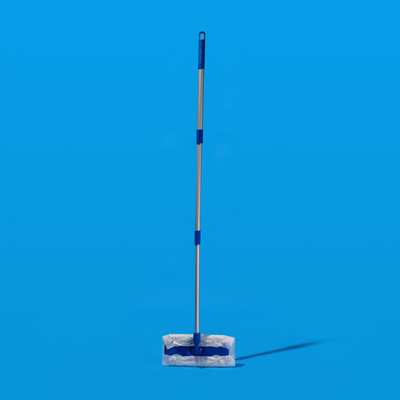
If the image of a mop in your head is a heavy, sopping wet bundle of strings, it’s time for an update. Flat mops have completely changed the way we clean our floors, and the secret to their success lies in the pad. A flat mop pad is a rectangular piece of cleaning cloth, typically made of microfiber, that attaches to the bottom of a flat mop head. Unlike traditional string mops that often just push dirty water around, flat mop pads are designed to attract and trap dirt, dust, and grime, leaving your floors truly clean.
This simple design shift makes a world of difference. Flat mop systems are lighter, easier to maneuver into corners and under furniture, and far more hygienic. You can easily swap out a dirty pad for a clean one mid-task, ensuring you’re not spreading germs from one room to another. Whether you’re doing a quick daily dust-up or a deep weekly scrub, using a system with interchangeable mop pads gives you more control and delivers a better clean with less effort. They are a true game-changer for anyone looking to make their cleaning routine more efficient and effective.
How Do They Actually Work?
The magic behind most flat mop pads is microfiber technology. Each pad is made of millions of tiny, synthetic fibers that are split to create a massive surface area. When you glide the mop across a dry surface, these fibers create a static charge that attracts dust and hair like a magnet. When used with water or a cleaning solution, the fibers work to scrub away grime and absorb liquid. The best part? Microfiber is so effective that it requires significantly less water and fewer harsh chemicals to get the job done, making it a smarter choice for your home and the environment.
Why They Beat Traditional Mops Every Time
When you switch from a string mop to a flat mop, the advantages become clear almost immediately. First, they offer superior cleaning power. The densely woven fibers are designed to trap dirt and bacteria far more effectively than bulky cotton strands. In fact, studies show that microfiber systems can remove up to 95% of microbes from a surface, compared to just 68% for traditional cotton mops. This means you’re not just making your floors look clean—you’re making them more hygienic. They’re also incredibly versatile and can be used to clean everything from floors and walls to ceilings and windows.
Flat Mops vs. String Mops
The classic string mop is probably what comes to mind when you think of mopping. It’s a workhorse, and it definitely has its place for tackling big, greasy, or grimy messes where you need a lot of water and scrubbing power. Think of it as the heavy-duty tool for a commercial kitchen or a garage floor spill. For everyday cleaning inside your home, however, a flat mop is a much smarter choice. Its microfiber pad is specifically designed to attract and lift fine particles like dust, pet hair, and allergens from smooth surfaces. Instead of just pushing dirt around with water, a flat mop actually traps it within its fibers, giving you a more effective and hygienic clean with every pass.
Flat Mops vs. Spin Mops
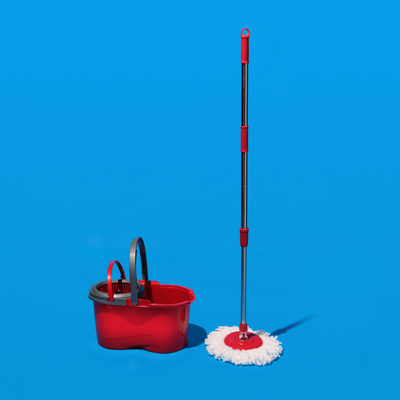
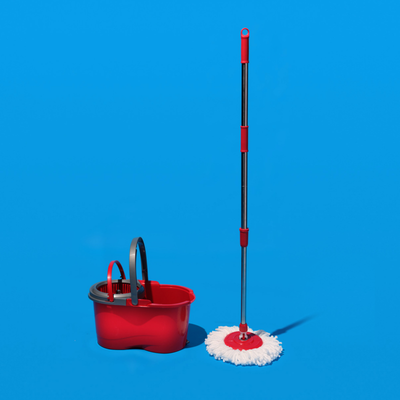
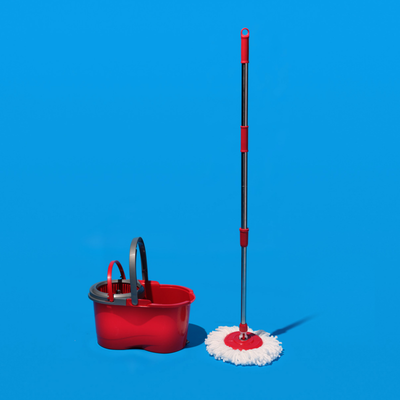
Spin mops have become incredibly popular, and for good reason. Their built-in wringing systems make it easy to control water levels, and they are fantastic for cleaning large, open areas or soaking up significant spills. If you’re dealing with a muddy entryway or a bathroom floor that needs a deep, wet clean, a spin mop is an excellent tool. However, for daily or weekly maintenance, a flat mop is often more practical. It’s lighter, more maneuverable for getting under furniture and into tight corners, and perfect for quick clean-ups. Think of it this way: the spin mop is for your deep cleaning sessions, while the flat mop is your go-to for keeping floors consistently spotless with minimal effort.
Flat Mops vs. Other Mop Types
Beyond string and spin mops, you’ll find sponge mops, dust mops, and more. While each has a specific function, none offer the sheer versatility of a flat mop system. A high-quality flat mop can serve as both a dry dust mop and a wet mop, working effectively on a wide range of hard surfaces like tile, hardwood, laminate, and vinyl. Their slim profile isn't just for floors; it's perfect for cleaning baseboards, walls, and even ceilings. Plus, the reusable nature of eco-friendly microfiber pads makes them a more hygienic and sustainable option compared to sponge heads that can trap bacteria and need frequent replacing. For an all-around cleaning tool, the flat mop simply covers more ground.
Finding Your Perfect Match: Types of Flat Mop Pads
Walking down the cleaning aisle can feel a bit overwhelming with so many options. When it comes to flat mop pads, it’s easy to assume they’re all the same, but choosing the right one for the job can make a world of difference. Think of your mop pads like tools in a toolkit—you wouldn’t use a hammer to turn a screw. The right pad can make your cleaning routine faster, more effective, and even protect your floors. Whether you're dealing with everyday dust, a sticky kitchen spill, or just want a quick and hygienic clean, there’s a pad designed specifically for that. Let’s break down the main types so you can confidently pick the perfect one for any mess that comes your way.
The Go-To: Microfiber for Daily Dust and Spills
Think of the standard microfiber pad as the reliable workhorse of your cleaning arsenal. These pads are perfect for daily upkeep, from wiping up small spills to grabbing dust bunnies and pet hair. The magic is in the material’s tiny fibers, which cling to dirt and grime instead of just pushing it around. Because they’re so effective, microfiber flat mops require much less water and cleaning solution to get the job done, which is great for your floors and your wallet. For quick touch-ups before guests arrive or your regular weekly floor cleaning, a reusable microfiber pad is almost always the right choice. They are gentle enough for most hard surfaces, including hardwood, laminate, and tile.
For Sticky Situations: When to Use a Scrubber Pad
We’ve all been there: dried-on food stuck to the kitchen floor, stubborn scuff marks in the hallway, or a layer of grime in a high-traffic area. For those moments when a standard pad just won’t cut it, a scrubber pad is your best friend. These pads are designed with a more abrasive texture or have built-in scrubbing strips to provide extra cleaning power without you having to put in all the elbow grease. They give you the leverage to lift away tough, stuck-on messes that would otherwise require getting on your hands and knees. These heavy-duty scrubbers are ideal for durable surfaces like tile, vinyl, and linoleum that can handle a more aggressive clean.
Clean and Toss: The Case for Disposable Pads
Sometimes a mess is so grimy that the last thing you want to do is throw the mop pad in your washing machine. That’s where disposable pads come in. They offer the ultimate convenience for particularly yucky situations, like cleaning up pet accidents, tackling bathroom germs around the toilet, or wiping up greasy spills. Disposable pads ensure a fresh, hygienic clean every single time, and many are compatible with disinfectants for an even deeper sanitization. Once you’re finished, you simply toss the pad—and the mess—in the trash. Having a stash of disposable refills on hand is a smart move for any household, giving you a quick and sanitary solution when you need it most.
Hardwood, Tile, or Laminate? There's a Pad for That
If you have different types of flooring in your home, you might want to consider specialty pads. Not all floors are created equal, and using the right pad can protect your investment. For example, there are extra-soft, plush pads designed specifically for delicate surfaces like hardwood and laminate to prevent scratching while still effectively trapping dust. On the other hand, some pads are designed with unique textures to get deep into the grout lines on tile floors. You can even find chenille pads with long, finger-like fibers that are absolute magnets for dust and pet hair, making them perfect for a quick dry mop. Exploring different cleaning accessories can help you tailor your cleaning routine to your home’s specific needs.
Cleaning Uneven Surfaces like Grout
Grout lines can be the biggest challenge on a tiled floor. They sit lower than the tile, creating the perfect little trench for dirt and grime to settle into. A standard flat mop pad might glide right over the top, cleaning the tile surface beautifully but leaving the grout looking dingy. This is where you need a pad with a bit more grit. Look for microfiber pads designed with a looped fringe or a more textured, scrubby surface. These specialized brushes and pads are engineered to reach down into those cracks and grooves, pulling out the trapped dirt that regular pads miss. It’s the secret to getting that satisfying, uniformly clean look across your entire tiled floor, not just the high points.
Which Flat Mop Pad Material Cleans Best?
When you’re standing in the cleaning aisle, it’s easy to assume all mop pads are created equal. But the material your pad is made from is the single biggest factor in how well it cleans your floors. The right material grabs dirt, eliminates germs, and leaves a streak-free shine, while the wrong one just pushes grime around. The two main players in the flat mop world are microfiber and cotton. While cotton has been around for ages, microfiber has truly changed the game with its superior cleaning technology. Let's break down exactly how they stack up in the areas that matter most for a clean home.
The Showdown: Microfiber vs. Cotton
If you want to know which material actually picks up more dirt, the science is clear: microfiber wins by a landslide. Studies show that microfiber mops can remove about 95% of surface contaminants. Cotton, on the other hand, is far less effective, removing only around 68% of microbes even when used with a detergent. The secret is in the structure. Microfiber is made of incredibly fine synthetic fibers that are split, creating a massive amount of surface area. These split fibers act like tiny hooks, grabbing and trapping dust, dirt, and hair instead of just moving them around. A traditional cotton mop pad simply can’t compete with that level of particle-trapping power.
Can Your Mop Pad Actually Sanitize Floors?
A clean-looking floor isn't always a truly clean floor. For homes with kids, pets, or anyone who just wants peace of mind, getting rid of germs is a top priority. This is another area where microfiber shines. Its unique fiber structure is so effective that it can remove up to 98% of bacteria from surfaces with just water. This means you can achieve a deep, sanitizing clean without always resorting to harsh chemicals. While cotton mops can spread bacteria around if not properly laundered, microfiber traps it within its fibers until you wash it away, leaving your floors more hygienic and giving you confidence in your clean.
How to Get a Streak-Free Finish Every Time
Is there anything more frustrating than waiting forever for your floors to dry, only to find them covered in streaks? Microfiber pads help solve this problem. Because the material is so absorbent yet wrings out so thoroughly, it leaves significantly less water on the floor. In fact, floors can dry up to four times faster when cleaned with a microfiber mop compared to a standard cotton mop. This quick-drying action not only gets you back into your room faster but is also the key to preventing those annoying water spots and streaks, giving you a flawless finish every time you clean.
Choosing a Pad That Lasts Wash After Wash
Investing in quality cleaning tools means choosing products that last. A well-made microfiber mop pad is a perfect example of a smart, long-term purchase. While cotton mop heads tend to break down, fray, and lose their shape after just a few dozen washes, a quality microfiber pad can withstand between 250 and 500 laundry cycles. That’s 5 to 10 times more durable than its cotton counterpart. This incredible lifespan means you’ll save money over time because you won’t need to buy mop pad refills nearly as often. It’s a more sustainable and cost-effective choice for keeping your home sparkling.
Mastering Your Flat Mop Technique
Okay, so you’ve picked out the perfect mop pad for your floors. That’s a huge step, but the right tool is only half the equation. How you use it makes all the difference between a floor that’s just okay and one that’s sparkling clean. The good news is that mastering your flat mop technique is incredibly simple. It’s not about scrubbing harder; it’s about working smarter. By adjusting your approach based on your floor type, you can prevent streaks, protect your surfaces from damage, and get a truly deep clean every time. Let’s walk through a couple of key techniques that will help you get the most out of your mop and leave your floors looking their absolute best.
The "Spray & Wipe" Method for Water-Sensitive Floors
If you have floors that are sensitive to water, like hardwood, laminate, or luxury vinyl, the "Spray & Wipe" method is your secret weapon. Too much water can cause these materials to warp or swell, so the goal is to clean effectively with minimal moisture. Simply grab a spray bottle with your favorite floor cleaner and a clean, dry microfiber mop pad. Lightly mist a small section of the floor—don’t saturate it—and immediately wipe it with your flat mop. The microfiber will grab the dirt and absorb the small amount of liquid, leaving the floor almost completely dry. This technique is fantastic because it leaves very little wetness and ensures a streak-free finish, with your floors drying in less than a minute.
A Critical Warning for Steam Mops on Wood Floors
Steam mops have become popular for their promise of a deep, sanitizing clean, and they can be great for certain durable surfaces like tile. However, there is one place they should never, ever go: your wood floors. While it might seem like a good way to blast away germs, using a steam mop on any kind of wood flooring is a recipe for disaster. The combination of high heat and concentrated moisture can force steam into the seams and finish of the wood, causing it to warp, cup, and peel over time. This kind of damage is often irreversible and can ruin your beautiful floors. Stick to a gentler approach like the "Spray & Wipe" method with one of your microfiber mops to keep your wood floors safe and sparkling.
Your Checklist for Choosing the Right Flat Mop Pad
Once you’ve decided on the type of pad you need, it’s time to get into the details. Not all mop pads are created equal, and a few key features can make a huge difference in how well they clean and how long they last. Think of it like buying any other tool for your home—you want something that feels sturdy, fits right, and does the job without causing any headaches. Paying attention to the material, size, and durability will help you find the perfect match for your floors and cleaning style, ensuring you get the most value from your purchase.
What to Look for in Material and Quality
The material of your mop pad is probably the most important factor to consider. High-quality microfiber is the industry standard for a reason. Its ultra-fine fibers create a natural static charge that actively attracts and traps dust, dirt, and pet hair instead of just pushing it around. Good microfiber pads also require significantly less water and cleaning solution to get your floors sparkling clean, which is a win for your wallet and the environment. When you’re shopping, look for pads that feel thick and plush. A denser weave means more tiny fibers are working to grab grime with every single swipe.
Will It Fit? Checking Size and Mop Compatibility
This might seem like a no-brainer, but it’s surprisingly easy to grab the wrong size pad in a hurry. Before you buy any refills, take a second to double-check the dimensions of your mop head. A pad that’s too small won’t cover the entire surface, leaving you with missed spots and frustrating streaks. If it’s too big, it will feel floppy and be difficult to control. You should also check how the pad attaches to your mop. Most mop frames use either simple hook-and-loop strips (like Velcro) or corner pockets to hold the pad securely. Make sure your new pad uses the same system for a snug, effective fit.
Finding the Right Size Pad and Frame
It might seem obvious, but getting the right size is crucial for an effective clean. Before you stock up on refills, take a moment to measure your mop head. A pad that’s too small will leave frustrating streaks and miss spots along your baseboards, forcing you to go over the same area multiple times. On the other hand, a pad that’s too large will feel floppy and make it difficult to maneuver into tight corners or under furniture. A perfect fit ensures every inch of the pad is working for you, giving you a better, more efficient clean with every swipe.
Understanding What's Included in Your Purchase
Beyond the dimensions, you also need to check how the pad attaches to the mop. Most mop frames use one of two systems: simple hook-and-loop strips, which work just like Velcro, or corner pockets that the frame slips into. Choosing a pad with the wrong attachment system means it simply won’t work with your mop. A snug, secure fit is essential for effective cleaning, as it prevents the pad from bunching up or slipping off while you work. Make sure your new pad is compatible with your current mop system for a hassle-free experience.
How Many Washes Can It Handle? Judging Lifespan
One of the best things about reusable mop pads is that you can use them over and over, but their actual lifespan can vary. A well-made microfiber pad can typically withstand hundreds of standard washes, making it a far more economical and eco-friendly choice than disposable wipes or traditional string mop heads. Always check the product details for its recommended lifespan and washing instructions. Some heavy-duty pads can even handle hot water and bleach for deep sanitizing, while others need a gentler cycle to stay in top shape. Investing in a durable, washable pad saves you money and reduces household waste over time.
Tough on Grime, Gentle on Floors: Finding the Balance
You need a mop pad that can cut through messes without scratching or damaging your floors. This is where microfiber really shines, as it cleans deeply on a microscopic level. In fact, some studies have found that microfiber systems can remove up to 95% of microbes with just a detergent cleaner. For those extra-stubborn sticky spills or dried-on grime, look for pads that have built-in scrubbing strips or a more textured weave. These give you extra friction to lift tough spots but are still designed to be gentle enough for delicate surfaces like hardwood, laminate, and tile. The goal is to find that perfect balance of cleaning muscle and surface protection.
Building a Complete Mopping System
Having the right mop pad is the most important step, but to truly get the most out of your cleaning routine, it helps to think of your mop as part of a larger system. The right accessories don’t just make the job easier; they make it faster and more hygienic. You don’t need a professional janitor’s closet, but adding a couple of smart components can transform how you tackle messes. From preventing the spread of germs to ensuring you’re always cleaning with fresh water, building a complete system is the secret to a truly professional-level clean in your own home.
Color-Coded Pads for Hygienic Cleaning
One of the simplest yet most effective pro-cleaning tricks is to use color-coded mop pads. The concept is straightforward: assign a different color pad to a specific area of your home to prevent cross-contamination. For example, you could use blue pads for general living areas like the living room and bedrooms, green for the kitchen, and red exclusively for bathrooms. This system ensures you’re never accidentally wiping kitchen grease onto your bedroom floor or, worse, dragging bathroom germs into the kitchen. It’s a small change that makes a huge difference in maintaining a truly hygienic home, especially in high-germ areas. You can easily separate cleaning areas and gain peace of mind knowing your home is clean and safe.
Buckets, Wringers, and Carts
For everyday spills, a spray bottle of cleaner is often all you need. But for deep cleaning or larger homes, a good bucket system is essential. The most effective method involves two buckets: one for your clean water and cleaning solution, and another to wring the dirty water into. This prevents you from dipping your dirty mop back into the clean solution and spreading grime all over your floors. For really big jobs, you might even consider a compact mop cart with built-in wringers. While it might seem like overkill, having all your cleaning supplies in one mobile station can be a huge time-saver, turning a multi-room cleaning marathon into a much more manageable task.
Which Brands Offer the Best Flat Mop Pads?
When you start shopping for flat mop pads, you’ll notice there are a lot of options out there. Finding the right one depends on your specific needs, floor types, and cleaning style. To make your decision easier, let’s look at what some of the top brands have to offer and what performance reviews say about their effectiveness. We’ll start with our own trusted solutions and then explore a few other popular names in the cleaning world. This will give you a well-rounded view of the market so you can choose a pad that will leave your floors sparkling.
Spotlight: Our Favorite Lola Mop Pads
We pride ourselves on creating durable, effective, and easy-to-use cleaning tools. Our flat mop pads are designed with the modern home in mind, focusing on high-quality microfiber that grabs dirt, dust, and grime with minimal effort. The pads for our Microfiber Hardwood Floor Mop are a perfect example—they are super absorbent, machine washable, and built to last, saving you money and reducing waste. Because you can reuse them hundreds of times, you’re making an eco-friendly choice without sacrificing cleaning power. We design our mops and refills to be straightforward and reliable, so you can spend less time cleaning and more time enjoying your home.
How Other Top Brands Compare
Beyond our own product line, other brands also offer quality flat mop pads worth noting. Rubbermaid Commercial, for instance, is known for its Adaptable Flat Mop Pad, which features a versatile design that connects to the mop frame using either tabs or pockets. This flexibility is great for commercial settings or large homes that need efficient cleaning systems. Another brand, FlexSweep, offers large 24-inch microfiber pads with a unique scrub action feature designed to tackle tougher messes without scratching delicate surfaces. These brands showcase the variety available, from adaptable designs to specialized scrubbing capabilities, helping you find a tool that fits your exact cleaning challenges.
What Real Users Are Saying
Across the board, performance reviews and cleaning studies consistently point to one conclusion: microfiber is the superior material for mop pads. It’s not just about looks; it’s about effectiveness. Research shows that microfiber systems can remove up to 95% of microbes from a surface when used with a detergent cleaner, compared to just 68% for traditional cotton mops. Furthermore, microfiber’s cleaning power means you need significantly less water and fewer chemicals to get the job done, which is better for your home and the environment. This makes it a smarter choice for a truly deep clean.
Common Flat Mop Pad Myths, Busted!
When it comes to cleaning tools, it’s easy to get tangled up in misinformation. Flat mops are incredibly effective, but a few persistent myths might be holding you back from getting the most out of them. Let’s clear the air and set the record straight on some common misconceptions about flat mop pads, so you can clean with confidence. From microfiber quality to their ability to handle tough jobs, we're breaking down what's true and what's simply not.
Myth #1: All Microfiber Is Created Equal
It’s tempting to think that if it looks like microfiber, it cleans like microfiber. But that’s not quite true. The quality of microfiber can vary significantly between brands, affecting everything from absorbency to its ability to trap dirt. High-quality microfiber has a unique split-fiber structure that creates more surface area to grab onto dust, grime, and bacteria. This design is why a great microfiber pad can clean effectively with far less water and cleaning solution than a traditional cotton mop. So, when you’re shopping for mop refills, remember that a well-constructed pad will make your job much easier.
Myth #2: Do You Really Get What You Pay For?
We’re often taught that you get what you pay for, but a higher price tag doesn't always guarantee a better clean. While some premium pads come with extra features, the most important factors are durability and performance. A well-made, affordable microfiber flat mop pad can easily outlast a traditional string mop, saving you money in the long run because you won't need to replace it as often. Instead of focusing solely on price, look for pads made from quality materials that are built to withstand repeated use and washing. This focus on value ensures you get a great product without overspending.
Myth #3: Are Disposable Pads Actually Cleaner?
Disposable pads are certainly convenient and offer a fresh start with every clean. They are designed to work well with disinfectants and eliminate the need for laundering, which can be a huge plus. However, this doesn't mean reusable pads are unhygienic. When cared for properly, a reusable microfiber pad is perfectly sanitary for everyday home use. The key is to wash it correctly after heavy use to kill germs and remove trapped dirt. For many households, a quality reusable pad is both a hygienic and eco-friendly choice, while disposable options are great for extra-messy situations or for anyone prioritizing convenience.
Myth #4: Flat Mops Can't Handle Tough Messes
Some people see a sleek flat mop and assume it’s only good for light dusting or quick touch-ups. This couldn't be further from the truth! While they are fantastic for daily maintenance, many flat mops are more than capable of tackling heavy-duty cleaning. The right pad can handle caked-on mud, sticky spills, and grimy buildup on hard floors like tile, laminate, and sealed hardwood. For those really tough messes, you can even find scrubber pads designed with extra texture to break down grime without scratching your floors. Flat mops are true multi-taskers, ready for whatever your floors throw at them.
When a Flat Mop Might Not Be the Best Choice
As much as we love flat mops for their everyday efficiency and deep-cleaning power, it’s important to be realistic. No single cleaning tool is the perfect solution for every single mess, and knowing when to reach for something else is just as important as knowing how to use your mop correctly. While a flat mop will handle the vast majority of your floor cleaning needs beautifully, there are a couple of specific, less common scenarios where another tool might get the job done faster or more effectively. Think of it as having a complete toolkit—your flat mop is your go-to screwdriver, but every once in a while, you’re going to need a sledgehammer. Let’s talk about those rare times when a flat mop might need to tag in a different player.
Handling Large Spills and Heavy-Duty Grime
Imagine a whole gallon of juice knocked over on the kitchen floor. While a microfiber pad is incredibly absorbent, it’s designed for cleaning, not for containing a flood. In a situation with a massive volume of liquid, a flat mop pad would become saturated almost instantly, requiring constant wringing. For huge spills, a more traditional string mop or a spin mop, which can hold a lot more water, might be a better first line of defense. However, it's important to distinguish a large liquid spill from heavy-duty grime. For caked-on mud or sticky, dried-on food, a flat mop equipped with a textured scrubber pad is still one of your best options, providing the targeted friction needed to break up the mess.
Deep Cleaning and Stripping Floors
There’s regular deep cleaning, and then there’s floor restoration. Tasks like stripping old wax or polish off a vinyl floor are intensive, specialized jobs that go beyond typical maintenance. This process usually involves harsh chemical solutions and requires aggressive, sustained scrubbing to lift the old finish—something a flat mop isn’t built for. A flat mop is designed to expertly clean and maintain the surface of your floor. For a full-on stripping project, you’d be better off using a dedicated deck brush with stiff bristles or even renting a commercial floor buffer. Think of your flat mop as the perfect tool for keeping your floors looking great week after week, not for the once-a-decade overhaul.
How to Make Your Flat Mop Pads Last Longer
Getting a quality flat mop pad is the first step, but making it last is just as important. With the right care, you can keep your pads working effectively for months, saving you money and ensuring a better clean every time. A little maintenance goes a long way in preserving their cleaning power.
The Right Way to Wash and Dry Your Mop Pads
To get the most out of your mop pads, you need to wash them correctly. Most microfiber pads can handle between 250 and 500 washes, which is a huge advantage over old-school mop heads. For best results, toss them in the washing machine with a gentle detergent after each use. Avoid using bleach or fabric softener, as these can damage the delicate fibers and reduce their ability to grab dirt. When it’s time to dry, you can either tumble dry on a low heat setting or simply hang them up to air dry. Properly cleaning your mops and their pads ensures they are ready for the next mess and aren't just spreading old grime around.
How to Store Pads (And Know When It's Time for a New One)
How you store your mop pads matters. After they are completely dry, store them in a clean, dry place away from dust. Many pads come with a handy loop for hanging, which is perfect for keeping them aired out and ready to go. Even the most durable pad won't last forever, though. You’ll know it’s time for a replacement when you see signs of wear and tear, like fraying edges, thinning material, or if the pad no longer sticks firmly to the mop head. If you notice your floors are staying streaky or the pad isn’t picking up dirt like it used to, it’s time to grab some fresh refills.
Are You Ruining Your Mop Pads? Common Mistakes to Avoid
A few common mistakes can drastically shorten the life of your mop pads. One of the biggest is using the same bucket of dirty water to clean an entire room. As the pad picks up grime, you’re just swishing it around in contaminated water, which is both ineffective and bad for the pad. Simply rinsing a dirty pad under the tap often isn't enough to remove all the trapped hair and particles, either. Always start with fresh water and consider a two-bucket system if you’re tackling a large area. Pairing your mop with the right cleaning accessories can make this process much easier and more effective.
How to Find Quality Flat Mop Pads Without Overpaying
Finding high-quality flat mop pads that don't break the bank is easier than you think. With a little know-how, you can stock up on the cleaning supplies you need while keeping your budget in check. It’s all about knowing where to look and what to look for. Let's go over a few simple strategies to help you get the best value on your next purchase of mop pads.
Should You Buy Your Mop Pads in Bulk?
This is a classic money-saving tip for a reason. Buying your mop pads in bulk almost always lowers the cost per pad, saving you money over time. It’s also incredibly convenient to have a stack of fresh refills on hand, so you’re never caught with a dirty mop pad when a mess happens. Many suppliers offer better pricing for larger quantities, which is a huge advantage for busy households that clean often or for small businesses. You get the double benefit of a lower price and fewer shopping trips. It’s a straightforward way to make sure you’re always prepared for your cleaning routine without stretching your budget.
Online vs. In-Store: Where to Get the Best Price
Deciding whether to shop online or in a physical store really comes down to your priorities. Shopping in-store lets you see and feel the quality of the mop pads before you buy, and you can take them home immediately. On the other hand, online retailers typically offer a much wider selection. You can find pads for all sorts of specific cleaning tasks, from simple dusting to scrubbing seriously dirty floors. Online shopping also makes it easy to compare prices between different brands and buy in bulk without needing a special business account. Exploring a brand's full range of mops and accessories online can help you find the perfect fit for your home.
Simple Tips for Saving Money on Mop Pads
A little strategic shopping can lead to big savings. One of the easiest ways to save is by looking for free shipping offers. Many online stores, like Microfiber Wholesale, provide free shipping on orders over a certain amount, which is perfect when you’re stocking up. Another great tip is to sign up for email newsletters from your favorite brands. They often send out exclusive discount codes and notify you about upcoming sales. Don’t forget to check the specials or clearance sections on websites for last-chance deals. Combining these tactics—like buying in bulk during a sale with a free shipping offer—is the best way to maximize your savings on quality cleaning supplies.
Related Articles
Frequently Asked Questions
Can I use the same mop pad for different types of floors, like hardwood and tile? Absolutely. A standard microfiber pad is a fantastic all-rounder that works well on most sealed hard surfaces, from hardwood to laminate and tile. The key is to think about hygiene. To avoid spreading germs, it’s a good practice to use separate pads for different areas of your home, such as one for the kitchen and another for the bathrooms.
How often should I wash my reusable mop pad? For the best results and a truly clean home, you should wash your reusable mop pad after every significant cleaning session. Tossing it in the laundry after you finish mopping ensures that you're removing all the trapped dirt and bacteria, so you can start fresh next time instead of just pushing old grime around.
Do I need to use a special cleaner with a microfiber mop pad? One of the best things about high-quality microfiber is that it cleans remarkably well with just water, which is perfect for quick daily touch-ups. If you need a deeper clean, you can certainly use it with your favorite floor cleaner. Just be sure to avoid harsh chemicals like bleach or fabric softeners when you wash the pad, as they can damage the fibers and reduce their effectiveness.
Are scrubber pads safe to use on delicate floors like laminate or hardwood? It’s best to reserve scrubber pads for more durable surfaces. They are specifically designed with a more abrasive texture to tackle tough, stuck-on messes on floors like tile, vinyl, and linoleum. Using one on a delicate surface like hardwood or laminate could cause scratches and damage the finish.
How do I know when it's time to replace my reusable mop pad? Even the most durable pad has a lifespan. You’ll know it’s time for a new one when you see visible signs of wear, such as frayed edges or material that looks thin and worn out. Another clear sign is if the pad no longer sticks securely to your mop head or if you notice it’s leaving streaks and not picking up dirt as well as it used to.









Comments