


Let's be honest—mopping can be a drag. Too often, it feels like you're just pushing dirty water around, leaving floors sopping wet without that truly clean feeling. If this sounds familiar, you might just be using the wrong tool for the job. A spin mop offers a modern, systematic approach to cleaning, while a strip mop brings simple, no-fuss power. We're breaking down the Heavy Duty Spin Mop vs Strip Mop debate to help you finally solve your biggest mopping frustrations and get the sparkling clean floors you want.
Key Takeaways
- Choose the right tool for the job: A spin mop gives you excellent moisture control for sensitive floors like hardwood, while a classic strip mop is perfect for soaking up large spills on durable surfaces like tile and vinyl.
- Spin mops offer a more effective clean: The combination of a microfiber head and a spinning wringer traps more grime and rinses out dirty water, so you are always cleaning with a damp, effective tool instead of spreading germs.
- Look beyond the initial price tag: While a strip mop is more affordable upfront, a spin mop is an investment in efficiency that saves you time and physical effort, making it a great value for homes with frequent, tough messes.
Spin Mop vs. Strip Mop: What's the Real Difference?
Choosing the right mop can feel like a bigger deal than it should. You have spin mops and strip
A Quick Look at the Mop Market
It turns out, a lot of us are on the hunt for the perfect mop. The U.S. market for manual cleaning mops was valued at nearly $448.5 million in 2022 and is expected to grow, showing just how much we're all investing in better ways to keep our floors sparkling. While most people still grab their mops from a physical store, online shopping for cleaning tools is becoming more common as we search for the best mops available. The key is finding the right tool for your specific needs. For example, a classic string mop is a powerhouse for big, tough jobs, while other mops might be better for daily touch-ups on smooth surfaces. This is why understanding the difference between a spin mop and a strip mop is so important—it helps you make a choice that truly fits your home and cleaning style.
How a Spin Mop Gets the Job Done
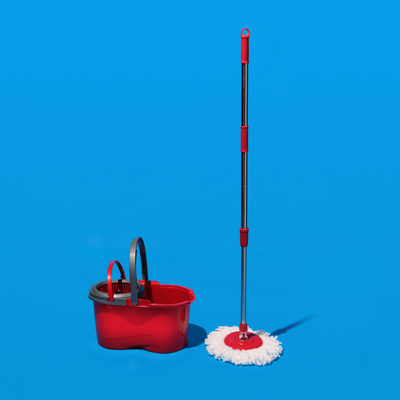
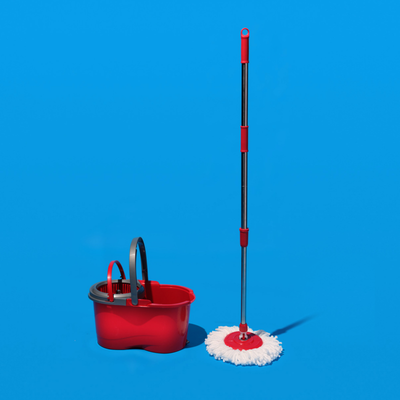
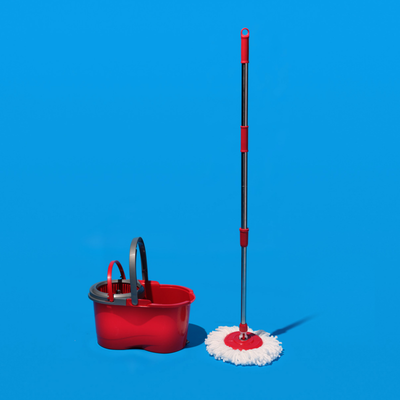
Think of a spin mop as a modern cleaning system. It comes with a special bucket that has a built-in mechanical wringer. After dipping the mop head in water, you place it in the wringer and use a foot pedal or a pump on the handle to get it spinning. This action wrings out excess water with impressive efficiency. The best part is that you control how damp the mop gets. A few spins leave it wet enough for tough, sticky messes, while more spins get it nearly dry for a quick polish on sensitive floors like hardwood. The Revolution Spin Mop is a great example of this system in action.
How a Strip Mop Tackles Dirt
The strip mop, which you might also know as a string mop, is the classic tool many of us grew up with. It features a head made of long, absorbent strands of material, usually cotton or a synthetic blend. These mops are fantastic for heavy-duty cleaning. Their design makes them perfect for soaking up big spills quickly and for putting some serious elbow grease into scrubbing stubborn, caked-on grime. You typically wring them out by hand or with a cone wringer attached to the bucket, giving you a straightforward, no-fuss cleaning experience for tough jobs.
Strip Mop vs. String Mop: Clearing Up the Confusion
You've probably heard both terms, and it can be a little confusing. The truth is, "strip mop" and "string mop" are often used interchangeably to describe the same classic cleaning tool. Both refer to a mop head made of long, absorbent strands designed for heavy-duty cleaning. So, whether you call it a strip mop or a string mop, you’re talking about that go-to tool for soaking up big spills and scrubbing tough, set-in dirt. The name might change, but its purpose as a powerful, straightforward cleaner remains the same.
Cut-End vs. Looped-End Mops
When you're looking at traditional strip mops, you'll notice two main designs: cut-end and looped-end. Cut-end mops have strands that are simply cut at the bottom. They're usually less expensive upfront, but they tend to fray and wear out faster. Looped-end mops, however, have strands that are looped back into the mop head, which prevents them from unraveling. This design makes them far more durable—sometimes lasting up to eight times longer—and they often have better absorption. While they might cost a bit more initially, looped-end mop heads are a smarter investment for the long haul.
How Their Designs Compare
So, what’s the bottom line? The biggest difference comes down to control and convenience. A spin mop gives you precise control over moisture, making it a versatile tool for everything from deep scrubbing to light dusting, and the system does the hard work of wringing for you. Strip mops, on the other hand, are simpler and often lighter. They are champions at tackling large liquid messes and are great for a quick, powerful clean without much setup. Your choice really depends on your primary cleaning needs and the types of cleaning accessories you prefer to use.
Beyond Spin and Strip: Other Mops You Should Know
While spin and strip mops are heavy hitters, the cleaning world has a few other specialists worth knowing. Depending on your home's layout and flooring, one of these might be the perfect addition to your cleaning closet. They each serve a specific purpose, from quick daily touch-ups to deep, sanitizing cleans. Understanding these options helps you build a complete toolkit for tackling any mess that comes your way, ensuring you always have the right tool for the job without overworking yourself or using a mop that isn't suited for the task at hand.
Flat Mops
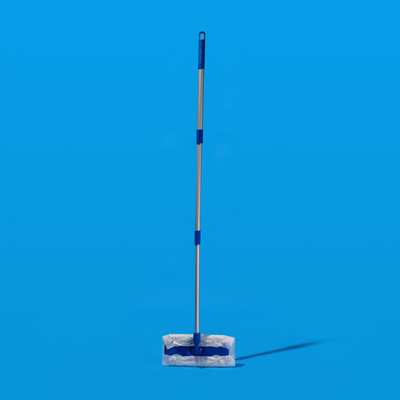
Flat mops are the go-to for quick, daily cleaning. With a wide, rectangular head, they cover a lot of floor at once, and their slim profile makes it easy to slide under furniture and into tight corners. Most use a microfiber pad that’s excellent at trapping dust, dirt, and pet hair using less water than traditional mops. These pads are often reusable, making them a more sustainable choice than disposable sheets. While they are perfect for maintaining clean floors and handling light spills, they aren't designed for scrubbing away heavy, caked-on messes. Think of them as the ideal tool for keeping things tidy between deep cleans, especially on hardwood, laminate, and tile floors.
Steam Mops
For a truly deep and sanitizing clean without harsh chemicals, a steam mop is your best friend. These mops use hot steam to kill up to 99.9% of bacteria and germs while loosening tough grime from your floors. This makes them an excellent choice for kitchens and bathrooms, or any home with kids and pets where hygiene is a top priority. They work wonders on sealed hard surfaces like tile, vinyl, and sealed hardwood. Since they clean with just water, you can maintain an eco-friendly home and avoid the cost and potential residue of chemical cleaners. Just be sure your floors are sealed, as the high heat and moisture can damage unsealed surfaces.
Sponge Mops
The sponge mop is the undisputed champion of liquid spills. Its head is made from a highly absorbent sponge, similar to the material in quality sponges and scourers, designed to soak up messes quickly and efficiently. Most come with a built-in wringer, usually a lever or handle, that makes it easy to squeeze out excess water without getting your hands dirty. They are incredibly useful for cleaning up spills in the kitchen or dealing with tracked-in rainwater by the door. However, their soft sponge head isn't the best for scrubbing away tough, dried-on spots, and they can sometimes push dirt around on very grimy floors rather than lifting it away completely.
Pros and Cons of Each Mop Type
Now that we've covered the basics, let's get into the details. Every mop has its strengths and weaknesses, and the best one for you depends entirely on your cleaning style, floor types, and the kinds of messes you deal with most often. A mop that’s a dream for someone with a small apartment and tile floors might be a nightmare for someone with a large house and delicate hardwood. By weighing the pros and cons of spin and strip mops, you can make an informed decision that will leave both you and your floors happy.
Spin Mops: The Good and The Bad
The biggest advantage of a spin mop is its brilliant wringing system. The bucket’s spinner lets you control the mop’s dampness with a simple foot pedal or handle pump, which means less physical effort and faster drying times for your floors. This feature makes spin mops incredibly versatile; you can leave the head sopping wet for a tough, sticky mess on tile or spin it nearly dry for a gentle clean on sensitive hardwood. The microfiber heads are also great at grabbing and holding onto dirt instead of just pushing it around, giving you a more effective clean with every pass.
However, spin mops aren't without their drawbacks. The complex spinning mechanism, especially models with a foot pedal, can be a point of failure and may break over time with heavy use. The buckets are also often bulky, which can make them a bit of a pain to store in a small closet or carry up and down stairs. To get the best results, they often work best with a cleaning solution, which means they aren't as environmentally friendly as a steam mop that cleans with just water.
Strip Mops: The Good and The Bad
The classic strip mop is a powerhouse for a reason. Its long, absorbent strands, often made of cotton, are fantastic for heavy-duty cleaning and scrubbing. This is the mop you want for tackling huge spills or caked-on mud on durable surfaces like concrete, vinyl, or tile. The simple, no-frills design means there are no mechanical parts to break, and it’s often a more affordable option upfront. When you need to put some serious muscle into your cleaning, the straightforward design of a strip mop lets you scrub with pressure to lift away the most stubborn grime.
On the downside, strip mops require a lot more physical effort. Wringing them out properly by hand can be tough, and they become quite heavy when fully saturated with water. The thick cotton strands take a long time to dry, and if they aren't stored properly with good air circulation, they can develop mildew and unpleasant odors. Some lower-quality heads may also leave lint behind. Because they hold so much water, they can be less than ideal for moisture-sensitive flooring like hardwood, which requires more careful water control.
Which Mop Cleans Better?
When you get down to it, the main question is which mop will leave your floors sparkling with the least amount of effort. While both spin mops and strip mops can get the job done, they perform differently when it comes to deep cleaning, water control, and handling various messes. A spin mop often comes out ahead for its modern design, which is built to handle the tough jobs that everyday life throws at your floors. Let’s look at how they stack up in the areas that matter most for a truly clean home.
Which Mop Offers a Deeper Clean?
If you’re looking for a mop that can handle more than just surface-level dust, a spin mop is your best bet. They are designed for heavy-duty cleaning, which means you can scrub away tough, stuck-on grime without getting on your hands and knees. The magic is in the microfiber mop head, which is excellent at trapping dirt, dust, and bacteria. Paired with an efficient wringing mechanism in the bucket, you’re always cleaning with a damp, effective mop head instead of just pushing dirty water around. This makes spin mops a more hygienic choice for keeping your home fresh and clean.
How Well Do They Control Water?
Have you ever worried about using too much water on your hardwood or laminate floors? That’s a valid concern, as excess moisture can cause warping and damage over time. This is where a spin mop truly shines. The bucket’s spinner uses centrifugal force to wring out the perfect amount of water, giving you complete control over how damp the mop head is. This feature not only protects your floors but also helps them dry faster. You can achieve a deep clean without leaving puddles behind, making it a safer option for delicate surfaces and busy households with kids or pets.
Best Mop for Different Surfaces and Messes
From tile in the kitchen to hardwood in the living room, a versatile mop is a must. Spin mops are fantastic for everyday cleaning and can easily handle most floor types. Their real strength, however, is shown when you’re faced with a challenging mess. Spin mops are known to outperform regular mops on greasy spills, sticky spots, and other tough jobs that require a little more scrubbing power. The absorbent microfiber head lifts grime effectively, making cleanup quicker and more thorough. For a reliable tool that can handle anything from spilled juice to muddy paw prints, a spin mop is an excellent choice.
Specialized Jobs Where Strip Mops Shine
While a spin mop is a fantastic all-around tool, don't count the classic strip mop out just yet. There are specific situations where its simple, powerful design is exactly what you need. Think of big, messy spills—like a knocked-over bucket of water or a pet accident on a tile floor. The long, absorbent strands of a strip mop are champions at soaking up large amounts of liquid quickly, something a spin mop head might struggle with. They're also great for heavy-duty scrubbing on durable surfaces like garage floors, patios, or unfinished basements. For those tough, no-fuss jobs where you just need raw cleaning power, a reliable strip mop is an invaluable tool to have in your cleaning arsenal.
Which Mop Will Last Longer?
A good mop is an investment in your home, and like any tool, its lifespan depends on how you care for it. Both spin mops and strip mops need a little TLC to perform their best, but their maintenance routines and overall durability can differ. Taking a few extra minutes after each cleaning session to properly clean and store your mop not only keeps it hygienic but also saves you money in the long run. This means knowing how to wash the mop head, where to store it, and when it’s time for a replacement. Having the right mop refills on hand makes this process seamless, ensuring you’re never stuck with a grimy mop. Let’s break down what you can expect from each mop type.
How Long Do Mop Heads Last?
No mop head lasts forever, and using one past its prime can make your floors dirtier. For spin mops, a good rule of thumb is to replace the microfiber head every three to six months, depending on how often you use it. Over time, the fibers break down and lose their ability to trap dirt effectively. Strip mop heads have a similar lifespan, though it can vary based on the material. The important thing is to inspect your mop head regularly. If it looks permanently stained, matted, or is falling apart, it’s time for a replacement. This simple swap ensures you’re always cleaning with a fresh, effective tool.
When to Replace Your Mop Head
Knowing when to swap out your mop head is key to keeping your floors truly clean. Using a worn-out mop is like trying to wash dishes with a dirty sponge—you're just spreading grime around instead of cleaning it up. As a general guideline, you should plan on replacing the microfiber head on your spin mop every three to six months, with a similar timeline for strip mops. More important than the calendar, though, are the visible signs of wear. If your mop head is permanently discolored, smells a bit funky even after washing, or the fibers are starting to look thin and matted, it’s definitely time for a change. Keeping a couple of fresh mop head refills in your cleaning closet is a great habit that ensures you’re always ready for an effective clean.
Easy Care and Storage for Your Mop
A few simple habits can make a world of difference in how long your mop lasts. For both spin and strip mops, always rinse the head thoroughly with clean water after you’re done. If the mop head is machine washable, toss it in the laundry, but skip the fabric softener, as it can reduce the microfiber’s absorbency. For spin mops, be sure to rinse out the bucket, too. The most important step is to let the mop head dry completely before storing it. Hang it up in a well-ventilated area to prevent mildew and unpleasant odors from developing. Storing a damp mop is a recipe for bacteria growth.
Caring for Different Mop Materials
The material of your mop head dictates the best way to care for it. Most spin mops use microfiber, which is amazing at trapping dirt but needs a gentle touch. When you toss a microfiber head in the wash, use a mild detergent and skip the fabric softener and dryer sheets entirely. These products leave behind a residue that clogs the tiny fibers, making them less effective at grabbing grime. For best results, wash it with other microfiber cloths. Strip mops, on the other hand, often use durable cotton or synthetic blends. These materials are tougher and can typically handle hot water washes, which is great for sanitizing after a particularly messy job.
A Simple Trick for Disinfecting Your Mop
Sometimes, a simple rinse isn’t enough to get rid of lingering germs and odors. For a deeper clean, give your mop head a disinfecting soak after you’re done cleaning. Fill your bucket with a gallon of hot water and add a cup of white vinegar. Let the mop head soak for about 15 minutes to kill bacteria, then rinse it thoroughly with clean water. For very durable, non-microfiber mop heads, you can use a diluted bleach solution, but always check the care instructions first. Once it’s rinsed, wring it out completely and hang it up to air dry. This simple step ensures you know exactly what to put in your mop bucket for a truly hygienic clean every time.
Which Mop Is Built to Last?
When it comes to durability, the simpler design of a strip mop often gives it an edge. With fewer moving parts, there’s less that can break. A quality strip mop with a sturdy handle can last for years with proper care. Spin mops, on the other hand, have mechanisms like foot pedals and spinning baskets that can wear out over time, especially with heavy use. However, a well-made model like the Revolution Spin Mop is designed for durability. Ultimately, the choice comes down to a trade-off: the straightforward, rugged design of a strip mop versus the convenient, feature-rich system of a spin mop.
Breaking Down the Costs
When you’re choosing a new cleaning tool, the price tag is always part of the conversation. But the initial cost is only one piece of the puzzle. To figure out which mop is the better investment for your home, you need to look at the upfront price, the cost of ongoing maintenance, and what you’re getting for your money. Let’s break down the numbers so you can see how a spin mop and a strip mop stack up financially over time.
Comparing Upfront Prices
Right off the bat, you’ll notice that a spin mop system usually costs more than a classic strip mop. This is because you’re not just buying a mop; you’re getting a complete system that includes a specialized bucket with a built-in spinning mechanism for wringing. The design is more complex, which is reflected in the price. A strip mop, on the other hand, is a much simpler tool, often sold with a basic bucket or on its own, making it a more budget-friendly choice initially. Think of the spin mop’s higher price as an investment in a heavy-duty cleaning tool that’s designed to tackle bigger jobs more efficiently, potentially reducing how often you need to replace the entire system.
Factoring in Long-Term Refill Costs
Every mop head has a lifespan, and ongoing costs are something to consider. Both spin mops and strip mops will require you to buy replacement heads to keep them cleaning effectively and hygienically. A quality spin mop head typically needs to be replaced every three to six months, depending on how often you use it. Strip mop heads have a similar replacement cycle. While the cost of individual refills can vary, the most important factor for your long-term budget is how well you care for your mop head. Rinsing it thoroughly after each use and letting it dry completely will help you get the most out of every refill, no matter which style you choose.
Which Mop Gives You Better Value?
Value isn’t just about the lowest price; it’s about what you get for your money. A spin mop often provides better value for those who prioritize a deep, hygienic clean. Its microfiber head and efficient wringing system remove more dirt and bacteria from your floors, and you’ll spend less time waiting for them to dry. Because it can make cleaning quicker, a spin mop also gives you back valuable time. However, if you have a smaller space or less frequent deep-cleaning needs, the straightforward, low-cost strip mop might be the perfect value for you. The best choice ultimately depends on your home’s specific needs and your cleaning routine.
When to Use a Spin Mop vs. a Strip Mop
Choosing between a spin mop and a strip mop really comes down to the job at hand. Both are fantastic tools, but they shine in different situations. Think about the types of floors you have, the messes you typically clean, and how much time you want to spend mopping. One might be your go-to for quick cleanups, while the other becomes your trusted partner for deep cleaning days. Let’s break down which mop to grab for specific scenarios around your home.
Choosing a Mop for High-Traffic Areas
High-traffic areas like your kitchen, entryway, or main hallway see a lot of action and get dirty fast. For these spots, a spin mop is often the better choice. Because they are designed for heavy-duty cleaning, their durable construction can handle frequent use without wearing out quickly. The efficient wringing system means you can clean large areas faster, which is a huge help when you’re trying to keep up with daily foot traffic. A strip mop can certainly get the job done, but you might find yourself putting in more elbow grease to cover the same amount of ground.
The Best Mop for Tough, Stuck-on Messes
When you’re dealing with more than just dust and footprints, a spin mop’s design gives it an edge. Think sticky juice spills, muddy paw prints, or dried-on food in the kitchen. The microfiber head of a spin mop excels at grabbing and lifting grime, and the spinning bucket helps rinse the dirt out completely. This means you aren't just pushing dirty water around. This systematic approach to cleaning your floors is much more efficient, saving you time and energy when tackling stubborn messes. A traditional strip mop requires more manual scrubbing and wringing, which can be tiring.
How Much Scrubbing Power Do Spin Mops Really Have?
Let's talk about scrubbing power, because that's where spin mops really prove their worth. Their impressive ability to tackle tough jobs comes from the thousands of tiny fibers in the microfiber mop head. These fibers act like little hooks, grabbing onto and lifting away stubborn grime, from dried-on food spills to scuff marks on your tile. This is a big step up from traditional mops that often just smear messes around. Because the mop head does most of the heavy lifting, you can apply firm pressure to scrub away tough spots without having to get on your hands and knees. A quality system like the Revolution Spin Mop gives you a sturdy handle and an absorbent head, making it easier to tackle those challenging messes quickly and effectively.
Handling Specialized Cleaning Tasks
Sometimes, the job requires a little more finesse. If you have moisture-sensitive flooring like hardwood, a spin mop offers superior wringing control. You can spin the mop head until it’s just damp, protecting your floors from water damage. The spinning action also cleans the mop head as you work, which is a great feature for ensuring a streak-free finish. Our Revolution Spin Mop is perfect for this. Strip mops are a reliable and simple option for durable surfaces like tile, vinyl, or linoleum, where precise moisture control isn’t as critical. They are great for straightforward, general-purpose cleaning.
Our Top Mop Picks
After comparing the features, performance, and maintenance of spin mops and strip
Why We Love the Revolution Spin Mop
When it comes to heavy-duty cleaning, the Revolution Spin Mop is our go-to choice. Its design is perfect for tackling big messes and high-traffic floors that need more than a light touch-up. Because spin mops are built for tougher jobs, they reduce the need for frequent replacements, making them a durable part of your cleaning arsenal. We especially appreciate the hygienic benefits. The microfiber mop head traps more dirt, and the efficient wringing mechanism in the bucket means you’re always cleaning with a damp, not sopping, mop head. This gives you a streak-free finish and helps your floors dry faster.
How Leading Strip Mops Compare
Strip mops are a classic for a reason. They are straightforward, affordable, and get the job done for everyday spills and general mopping. However, when you put them up against tougher, stuck-on grime, they sometimes lack the scrubbing power of a spin mop. While a good cotton strip mop can handle a lot, you might find yourself putting in more physical effort to get the same level of clean. They are a reliable tool, but for a truly deep clean, many modern mops offer features that make the work easier and more effective, especially on textured surfaces like tile and grout.
Which Mop Offers the Best Performance and Value?
So, which mop offers better value? A strip mop has a lower upfront cost, but a spin mop is an investment in efficiency. While a spin mop system might be a higher initial purchase, its systematic approach can significantly cut down your cleaning time. The bucket’s spinning wringer doesn’t just remove excess water; it also helps rinse the mop head clean while you work, so you aren’t just pushing dirty water around. Over time, this efficiency adds up, giving you a cleaner home with less effort. For the best value, check out our current specials to find a great deal on your next cleaning powerhouse.
How to Choose the Right Mop for You
Picking the right mop can feel like a bigger decision than it should be. With so many options, it’s easy to get stuck. But the best mop for you really comes down to your home, your cleaning style, and your budget. Let’s clear up some common confusion and walk through the key things to consider so you can feel confident in your choice. By thinking about maintenance and your specific cleaning needs, you can find a mop that makes your life easier, not harder.
Common Mop Myths to Ignore
Let's start by busting a few myths. First, the idea that soaking your floors gets them cleaner is completely false. Using too much water just pushes dirty water around, leaving you with a streaky mess. A good mop gives you control over moisture. Another common myth is that all mops are equally hygienic. The truth is, some designs are simply better at staying clean. For example, spin mops often use microfiber heads and have efficient wringing systems that remove more dirty water and germs from the mop itself, which means you aren't putting them back on your floor.
Don't Forget About Upkeep
A clean home starts with clean tools, and your mop is no exception. No matter which type you choose, both the mop head and the bucket need regular cleaning to prevent mildew and stop the spread of germs. After you finish mopping, take a minute to rinse the mop head thoroughly and let it dry completely before storing it. To make this even easier, I always recommend having an extra mop head on hand. That way, you can toss one in the wash and have a fresh one ready to go. Keeping a stock of clean mop refills is one of the simplest ways to guarantee a better clean every time.
Environmental Considerations
Many of us are trying to be more mindful of the products we use in our homes, and cleaning tools are no exception. When it comes to mops, the biggest environmental question often revolves around cleaning solutions and waste. While both spin and strip mops are typically used with cleaners, the efficiency of a spin mop's microfiber head means you can often get a great clean with just water or a small amount of a gentle cleaner. This effectiveness in trapping dirt can actually reduce your overall reliance on harsh chemicals. The other key factor is the mop head itself. Both types require replacements, which contributes to waste. Choosing a durable mop and caring for the head properly extends its life, meaning you buy fewer refills over time.
Choosing the Perfect Mop for Your Home
So, how do you make the final call? Think about your space and the messes you handle most often. If you have large areas of hard flooring or deal with frequent, tough spills, a spin mop is an excellent choice for heavy-duty cleaning. While they can have a higher initial price, their efficiency can save you a lot of time and effort in the long run. For smaller apartments or quick, everyday cleanups, a classic strip mop might be all you need. Consider your budget, how much storage space you have, and what kind of cleaning will make the biggest difference in your home.
Why You Might Need More Than One Mop
It might sound a little extra, but hear me out: owning more than one mop can be a game-changer. Think of it like your kitchen knives—you wouldn’t use a paring knife to chop a watermelon. The same logic applies to cleaning your floors. A classic strip mop is your go-to for emergencies, like when a whole gallon of juice hits the tile floor. It’s incredibly absorbent and perfect for soaking up big liquid messes in a flash. But for your weekly deep clean, especially in high-traffic zones or on delicate hardwood, a spin mop offers the control and scrubbing power you need. Having both types of mops in your cleaning closet means you’re always ready with the right tool for the job, making any cleanup less of a chore.
Related Articles
- 5 Best Spin Mop & Bucket Systems for Hardwood Floors
- 5 Best Easy Spin Mops for a Spotless Home
- The Ultimate Heavy Duty Commercial Mop Guide
- The 4 Best Sponge Mops of 2026 (Tested & Reviewed)
- How to Detach a Spin Mop Head: A Simple Guide
Frequently Asked Questions
I have hardwood floors. Is a spin mop safe to use? Absolutely. In fact, a spin mop is one of the best tools for hardwood because you have total control over the moisture level. You can spin the mop head until it's just damp, which is exactly what you want for wood floors. This prevents excess water from seeping into the wood and causing damage, giving you a safe and effective clean every time.
Is the spin mop bucket complicated to use? Not at all. It might look like it has a lot going on, but it's designed to be very straightforward. You just dip the mop head in the water, place it in the spinner basket, and then use the foot pedal or handle pump. The system does all the hard work of wringing for you. After one or two uses, it will feel completely natural.
How often should I wash the mop head? For the best results, I recommend rinsing the mop head thoroughly with clean water after every single use. For a deeper clean, you should toss it in the washing machine after every few uses, or at least once a week if you mop daily. This keeps it from getting grimy and ensures you're always cleaning with a fresh tool, not just spreading old dirt around.
Can I use my favorite floor cleaner with both mops? Yes, you can definitely use your preferred cleaning solution with either a spin mop or a strip mop. Just add the cleaner to your bucket of water according to the product's directions. The type of mop you use doesn't limit your choice of cleaning solution, so you can stick with what you know and love.
Why would I choose a simple strip mop over a spin mop system? A strip mop is a great choice if you value simplicity and have a smaller area to clean. They are very budget-friendly, lightweight, and take up less storage space. If your cleaning needs are straightforward and you don't mind a more hands-on approach to wringing, a classic strip mop is a reliable and effective tool for the job.









Comments