


Hardwood floors are beautiful, but they show every single speck of dust. Keeping them clean can feel like a never-ending chore, but the daily upkeep doesn't have to be a battle. The secret isn't cleaning harder; it's cleaning smarter with the right tool. A flexible dust mop for hardwood floors is a total game-changer for quick, satisfying maintenance. With its lightweight design and 360-degree swivel head, this flexible dust mop effortlessly glides under furniture and into tight corners, capturing debris in a single pass. Forget lugging out the heavy vacuum for a simple touch-up.
Key Takeaways
- Choose a mop that traps dust, not just moves it: A flexible dust mop with a microfiber head is better for hardwood floors because it captures dust, pet hair, and allergens instead of kicking them into the air like a traditional broom.
- Look for features that simplify the work: A 360-degree swivel head is essential for cleaning under furniture and in tight corners, while a washable, reusable pad makes the tool both cost-effective and eco-friendly.
- Use the right technique for a better clean: Mop in a continuous figure-eight motion to gather debris effectively. On hardwood, always move the mop parallel with the wood grain to clean inside grooves and protect the floor’s finish.
Why a Flexible Dust Mop is a Must-Have for Hardwood Floors
If you have hardwood floors, you know they’re a beautiful investment. You also know that keeping them free of dust, pet hair, and daily grime can feel like a constant battle. Brooms often just push dirt around, sending dust particles airborne only for them to settle right back down. Heavy vacuums can be a hassle to pull out, and some can even scratch your floor’s delicate finish. This is exactly where a flexible dust mop becomes your go-to cleaning tool.
Unlike a traditional broom, a quality dust mop is designed to efficiently trap dust and debris. The microfiber pads act like a magnet for all the unwanted particles on your floor, lifting them away instead of just shuffling them from one spot to another. This means you get a truly clean surface in one simple pass.
Your floors will also appreciate the gentle approach. Flexible dust mops use soft, cushioned heads that glide smoothly across wood surfaces without causing scratches or scuffs. They are specifically designed to be gentler on hardwood, preserving the beauty and longevity of your flooring.
Finally, these mops make the work of cleaning so much easier. They are lightweight and incredibly easy to maneuver. With a swivel head, you can effortlessly reach under furniture, along baseboards, and into tight corners without having to rearrange your entire room. This simple tool makes daily upkeep faster, more effective, and a lot less of a chore.
What Exactly Is a Flexible Dust Mop?
When we talk about a "flexible" dust mop, we're not just talking about a bendy handle. The real magic is in the mop head's design. These mops typically have a cushioned, flat base and a swivel joint that lets them pivot in any direction. This is what allows them to glide smoothly across your floors, making them incredibly easy to handle.
So, why is this flexibility such a game-changer for your hardwood floors? First, it means you can finally clean those hard-to-reach spots without rearranging your entire living room. A flexible mop head can easily maneuver around furniture legs, slip under the sofa, and get right into tight corners. This ensures you're picking up dust from every inch of your floor, not just the open spaces.
Second, this design is much gentler on your delicate floor surfaces. Unlike rigid, heavy mops that can scuff or scratch, a flexible dust mop's cushioned base distributes pressure evenly. It effectively traps dust, pet hair, and other debris without damaging the finish of your beautiful hardwood. This means you can keep your floors looking pristine for years to come. Plus, by trapping particles instead of just pushing them around, you're also improving your home's air quality. It’s a simple tool that makes a big difference in maintaining a truly clean home.
How to Choose the Best Flexible Dust Mop
When you’re on the hunt for the perfect flexible dust mop, it’s easy to feel like they’re all the same. But a few key features can completely change your cleaning experience, turning a daily chore into a quick and satisfying task. The right mop doesn’t just pick up dust; it glides around your home with ease, reaches into tricky spots, and lasts for years. It’s about finding a tool that works with you, not against you.
Think of it like this: you wouldn’t use a tiny paintbrush to paint a whole room. The same logic applies here. You need the right tool for the job. A great flexible dust mop should feel like an extension of your arm, making it simple to maintain those beautiful hardwood floors. To make sure you’re getting a mop that will actually make your life easier, focus on four main things: the mop head’s movement, the material it’s made from, the handle’s design, and whether you can reuse the cleaning pad. Let’s break down what makes each of these features so important.
Look for a 360-Degree Swivel Head
A 360-degree swivel head is the feature you never knew you needed, but you won’t be able to live without it once you have it. This is what gives a dust mop its flexibility, allowing it to pivot and turn in any direction. It lets you effortlessly steer the mop around chair legs, under the sofa, and along baseboards without having to stop and reposition it. A mop with a quality swivel head can easily push and flex into the toughest corners, ensuring no dust bunny is safe. This simple mechanism is the key to a faster, more thorough clean with a lot less frustration.
Insist on Dust-Trapping Microfiber
The material of the mop head is crucial, and microfiber is the undisputed champion for dusting. Unlike old-school cotton mops that can sometimes just push dirt around, microfiber’s tiny fibers are designed to grab and hold onto dust, pet hair, and other allergens. This means you’re actually removing debris from your floors instead of just stirring it up into the air. Using a mop with microfiber is especially great for hardwood floors because it cleans effectively without needing harsh chemicals, protecting your floor’s finish while leaving behind a perfect shine.
Comparing Mop Head Materials: Microfiber vs. Cotton
When you’re choosing a mop head, it often comes down to microfiber versus traditional cotton. While cotton has been around forever, microfiber is the clear winner for hardwood floors. Microfiber is made of tiny, split fibers that create a static charge, acting like a magnet for dust, pet hair, and allergens. This means it actually traps the debris in its fibers instead of just pushing it around. Cotton mops, on the other hand, tend to shuffle dirt across the floor, which can kick dust into the air only for it to settle again later. For a truly deep clean, you want a material that lifts dirt away completely.
Beyond just trapping dust, microfiber is also much gentler on your hardwood. Because it cleans so effectively on its own, you don't need to rely on harsh chemical cleaners that can dull or damage your floor’s finish over time. The soft material of microfiber mops glides smoothly across the surface, preventing the scratches and scuffs that a rougher material might cause. It’s a smarter way to clean that protects your investment and keeps your floors looking their best for years. This makes microfiber the ideal choice for effective and safe modern floor care.
Prioritize an Adjustable, Ergonomic Handle
Cleaning shouldn’t be a pain in the back. An ergonomic and adjustable handle helps you maintain good posture while you work, reducing strain on your back, shoulders, and arms. Look for a mop that lets you change the handle’s length to fit your height. This small adjustment makes a huge difference in comfort, especially when you’re cleaning larger areas. Many modern mops also feature lightweight yet sturdy materials, like polished aluminum, which makes the tool easy to handle without feeling flimsy. A comfortable grip and a lightweight design make daily dusting feel less like a chore.
Handle Materials, Length, and Sizing
Beyond just being adjustable, the handle's material and overall size play a big role in how the mop feels to use. Many handles are made from aluminum because it’s lightweight and easy to maneuver, though it can sometimes bend with rough use. For something a bit more robust, you might find handles made from steel or fiberglass, which offer more durability without adding too much weight. The goal is to find a balance that feels sturdy in your hands but doesn’t tire you out. A telescoping handle is the ideal solution, as it allows you to customize the length perfectly to your height, preventing you from hunching over and making it easier to clean large areas efficiently. This thoughtful design is what separates a basic cleaning tool from one that makes your life genuinely easier.
Opt for Washable and Reusable Mop Heads
A mop with a washable and reusable head is a smart choice for your wallet and the planet. Instead of buying disposable pads over and over, you can simply toss the microfiber head into the washing machine after you’re done cleaning. It comes out fresh and ready to go for next time. This not only saves you money in the long run but also cuts down on waste. Having a few extra refills on hand means you’ll always have a clean mop head ready for action, making it a practical and cost-effective tool for keeping your floors spotless.
Check for Mop Head Size and Connector Durability
Beyond the pad material, pay close attention to the mop's physical construction. The size of the mop head can make a big difference; a wider head will cover large, open areas much faster, while a more compact one is easier to handle in smaller rooms or kitchens packed with furniture. Just as important is the connector—the joint where the handle meets the head. This is often the weak point on cheaper models, leading to wobbling or snapping after just a few uses. Look for a sturdy connection that allows the head to swivel smoothly without feeling loose. A durable connector is what separates a frustrating tool from the kind of reliable mops that last for years, giving you a consistently solid clean every time.
My Top Picks for the Best Flexible Dust Mops
After sweeping, scrubbing, and swiveling our way through the top contenders, we’ve narrowed down the best flexible dust mops for keeping your hardwood floors spotless. We looked for mops that combine smart design with real-world practicality. Our top choices feature heads that pivot effortlessly into tight spaces, high-quality microfiber pads that grab onto dust and pet hair, and handles that make cleaning feel less like a chore.
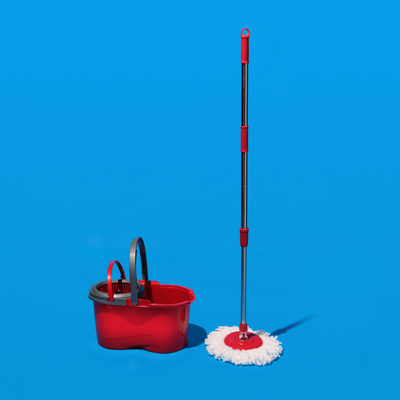
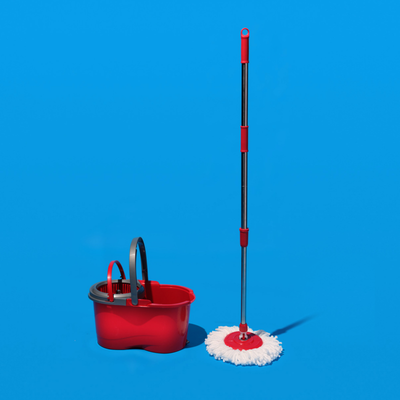
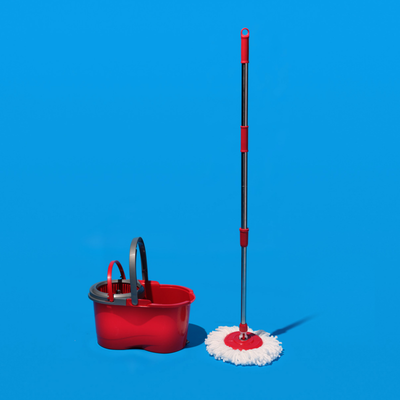
Whether you need a wide mop to cover large, open rooms or a nimble tool to get around furniture legs, there’s a perfect fit for your home on this list. We considered everything from overall cleaning power and durability to ease of use and maintenance. Each of these mops brings something special to the table, from dual-action heads that clean baseboards to convenient spray functions. Let’s find the right one to make your floors shine.
Lola Products 360 Degree Flexible Dust Mop
For a straightforward, effective clean, the Lola Products 360 Degree Flexible Dust Mop is a fantastic choice. Its extra-wide 18-inch head means you can cover more ground in less time, which is a huge plus for larger rooms. The real star is the 360-degree swivel action that lets you effortlessly guide the mop around chair legs and under couches without missing a spot. The reusable microfiber head is machine washable, making it an eco-friendly and budget-conscious option. It’s a durable, no-fuss tool that simply gets the job done well, trapping dust and allergens with ease.
O-Cedar Dual-Action Microfiber Flip Mop
If you dread cleaning your baseboards, the O-Cedar Dual-Action Microfiber Flip Mop might be your new best friend. This mop has a clever design that lets you clean your floors and baseboards at the same time. One side of the mop head is a traditional flat microfiber pad for the floor, while the other side has a fluffy chenille texture perfect for grabbing dust from baseboards. The flexible head makes it easy to maneuver into corners and under furniture. It’s a great time-saver that tackles two tedious tasks in one simple motion, keeping every part of your room looking fresh.
Bona Premium Microfiber Floor Mop
Known for its floor care products, Bona delivers a high-quality tool with its Premium Microfiber Floor Mop. While often sold as part of a wet mopping system, its large microfiber dusting pad is excellent for dry dusting hardwood. The mop features a sturdy, adjustable handle and a large, flexible head with soft corners to prevent scuffing walls and furniture. As noted by reviewers at Real Simple, its lightweight design and impressive cleaning capabilities make it a top performer. It’s a premium, versatile option for anyone who wants one reliable tool for both dusting and mopping.
Swiffer Sweeper Dry and Wet Mop
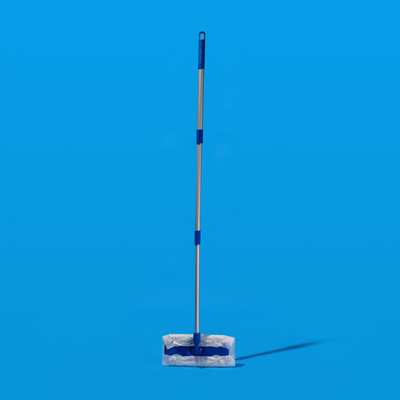
The Swiffer Sweeper is a household name for a reason: it’s incredibly convenient for quick cleanups. This lightweight tool is exceptionally easy to maneuver, making it perfect for daily touch-ups to catch dust, dirt, and pet hair before they build up. The dry sweeping cloths use an electrostatic charge to trap particles effectively. While the reliance on disposable cloths isn’t the most sustainable or cost-effective long-term solution, you can’t beat the Swiffer for its grab-and-go simplicity. It’s an ideal secondary mop for handling everyday messes in high-traffic areas like kitchens and entryways.
Rubbermaid Reveal Spray Mop
The Rubbermaid Reveal Spray Mop offers a great balance of convenience and sustainability. It features a thick, reusable microfiber pad that can be washed and reused hundreds of times, saving you money on disposable refills. The onboard spray bottle is refillable with your favorite cleaning solution (or just water), giving you complete control over what you use on your floors. Its trigger spray lets you target specific spots, and the flexible head is great for getting under cabinets and around obstacles. It’s a durable, highly-rated choice for those who want the power of a spray mop without the waste.
Flexible Mop vs. Broom or Vacuum: Which Is Better?
You probably have a closet full of cleaning tools, so you might be wondering where a flexible dust mop fits in. While brooms, vacuums, and traditional mops all have their place, a flexible dust mop is specifically designed to be the best friend your hardwood floors have ever had. It excels at the daily upkeep that keeps floors looking their best, gently and effectively removing the dust, pet hair, and allergens that accumulate every day. Let’s break down how it stacks up against the other tools you might be using.
Flexible Mop vs. String Mop
When you think of mopping, a classic string mop might come to mind. These are great for scrubbing tough, sealed surfaces like tile or linoleum, but they often use too much water for hardwood floors, which can lead to warping or damage over time. Flexible dust mops, especially those with microfiber heads, are a much better choice. The fine fibers are designed to attract and trap dust particles, pet hair, and other small debris without needing water. This makes them a more efficient and safer option for the routine cleaning that keeps your hardwood looking pristine.
Flexible Mop vs. Broom
A good old-fashioned broom might seem like the obvious choice for a quick sweep, but it has a major drawback: it tends to kick fine dust and allergens into the air, only for them to settle back down on your floors and furniture later. A flexible dust mop, on the other hand, glides across the floor and uses its microfiber head to capture and hold onto that dust. Thanks to their cushioned, flexible bases, dust mops are gentler on hardwood and much easier to maneuver around furniture legs and into tight corners, making them a more practical and effective choice for everyday cleaning.
Flexible Mop vs. Vacuum
Vacuums are powerful, but they aren’t always the best tool for daily hardwood floor maintenance. Some vacuums, especially those with stiff beater bars, can scratch delicate floor finishes. They can also be loud and bulky to pull out for a quick touch-up. More importantly, some vacuums may stir up fine dust particles rather than capturing them all. A flexible dust mop is a lightweight, quiet alternative that efficiently traps dust and debris, preventing it from being scattered back into the air. It’s perfect for larger cleaning areas and quick daily tidying without the noise and hassle of a vacuum.
A Note on HEPA Vacuums
For those of us who are serious about air quality or live with allergies, it’s worth mentioning the power of a HEPA vacuum. These machines are the gold standard for deep cleaning because their filters are designed to capture the tiniest particles, including dust mites, pollen, and pet dander, that other tools might miss. A HEPA vacuum is fantastic for a weekly, thorough clean and is much more effective than a standard dust mop at removing fine dust and allergens from your home. However, for the daily touch-ups in between those deep-cleaning sessions, a flexible dust mop remains the more convenient, lightweight, and quiet option for keeping surfaces clear.
Flexible Mop vs. Disposable Pad Sweepers
Disposable pad sweepers are popular for their convenience, but a flexible dust mop with a reusable microfiber head is often the superior choice for several reasons. First, effectiveness. The thick, plush microfiber pads on a quality dust mop have more surface area and texture to trap and hold onto dust, dirt, and pet hair, while the thin disposable sheets can sometimes just push larger debris around. Second, a flexible mop is far more sustainable and cost-effective. The initial investment might be slightly higher, but a machine-washable mop head can be used hundreds of times, saving you from the endless cycle of buying expensive refills. This not only reduces household waste but also saves you a significant amount of money over time.
What's a Good Price for a Flexible Dust Mop?
Deciding on a budget for a new cleaning tool can be tricky, but the good news is that there’s an effective flexible dust mop for every price point. You don’t have to spend a lot to get a mop that keeps your hardwood floors looking great. However, investing a little more can get you extra features, better durability, and a more comfortable cleaning experience. The key is to find the sweet spot that matches your home’s needs with what you’re willing to spend. Let’s break down what you can expect to find in three common price ranges.
Budget-Friendly Picks ($10-$25)
If you're looking for a simple, no-fuss tool that gets the job done, you can find plenty of great options in this price range. You don't need to break the bank to get a quality clean. Retailers offer many different microfiber dust mops for hardwood floors that are both effective and affordable. These models are perfect for daily touch-ups and keeping dust bunnies at bay. While they might not have all the bells and whistles of more expensive mops, a basic model with a good microfiber head is often all you need for routine maintenance. This is a great starting point if you're new to flexible dust mops or have a smaller space to clean.
Solid Mid-Range Options ($25-$45)
Stepping up to the mid-range opens up a world of enhanced features and better durability. In this price bracket, you’ll find mops designed for more specific cleaning challenges. For example, the O-Cedar Hardwood Floor ‘N Baseboards Dust Mop has a flexible head that makes cleaning along baseboards and under furniture much easier. Mops in this category often have sturdier handles, higher-quality microfiber pads, and more ergonomic designs. If you have a larger home or deal with a lot of pet hair and dust, investing a bit more for a mid-range model can save you time and effort in the long run.
Premium, Long-Lasting Models ($45-$65)
For those who want the best of the best, premium models offer top-tier performance, superior materials, and long-lasting durability. These mops are an investment in your cleaning routine. High-end options are often celebrated as some of the best mops for hardwood floors because of their strong performance and lightweight design. You can expect features like integrated spray functions, extra-large mop heads, and ultra-durable construction. If you view cleaning as a serious task and want a tool that will stand up to heavy use for years, a premium dust mop is a fantastic addition to your cleaning arsenal.
The Complete Mopping Process: Dry vs. Wet Mopping
To get your hardwood floors truly clean, it helps to think of mopping as a two-step process. Many of us are tempted to jump straight to the wet mop to tackle spills and grime, but that can actually make more work for you. Without removing the loose dust and debris first, you’re essentially just pushing around dirty water, creating a muddy mess and potentially scratching your beautiful floors with abrasive particles. It’s like trying to wash a car that’s caked in mud without rinsing it off first—you’ll just be smearing the dirt around.
The secret to a professional-level clean is simple: start dry, then go wet. The first pass with a dry dust mop is designed to pick up all the loose stuff—dust, crumbs, pet hair, and sand. Once the surface is clear of debris, you can follow up with a damp mop to handle the sticky spills, stains, and ground-in dirt. This one-two punch ensures you’re not only cleaning your floors but also protecting them. Following this method will leave your hardwood looking spotless and shiny, with a lot less effort than you might think.
Step 1: Always Start with a Dry Mop
Think of dry mopping as sweeping, but much more effective. Your first step should always be to glide a flexible dust mop over the entire floor surface. The goal here is to remove all the loose debris that can scratch your floors or turn into mud during the wet mopping stage. A quality microfiber dust mop is perfect for this job because it doesn’t just push dirt around; it actually traps dust, crumbs, pet hair, and other allergens in its fibers. This initial pass clears the way for a deeper clean and is the most important step in protecting your hardwood from tiny scratches caused by dragging gritty particles across the finish.
Step 2: When to Follow Up with a Wet Mop
Once you’ve removed all the loose debris, it’s time for the wet mop to do its work. This is the deep-cleaning phase, designed to tackle everything the dry mop leaves behind. Wet mopping is what removes sticky spills, muddy footprints, grease, and any other grime that’s stuck to the floor. It also sanitizes the surface, getting rid of bacteria and leaving your home feeling fresh and truly clean. Remember to use a mop that allows you to control the moisture level, like one of our Lola mops, as too much water can damage hardwood. This second step is what gives your floors that beautiful, polished shine.
Limitations of Dry Mopping
While a flexible dust mop is your best friend for daily maintenance, it does have its limits. It’s designed to handle dry debris, so it won’t do much for sticky juice spills, muddy paw prints, or greasy kitchen messes. If you try to clean a wet spot with a dry mop, you’ll likely just create a bigger, muddier smear. As noted by cleaning experts, dust mops can also struggle to pull dirt out of very tight corners or deep grooves. This is why dry mopping is only the first half of the cleaning process; it preps the floor perfectly for the deep clean that follows.
The Purpose of Wet Mopping
Wet mopping is the finishing touch that takes your floors from just tidy to sparkling clean. Its main purpose is to dissolve and lift away the grime that a dry mop can’t handle, like stubborn stains and sticky residues. This is also the step that sanitizes your floors, which is especially important in high-traffic areas like kitchens and entryways. A good wet mop removes bacteria and leaves your floors looking shiny and renewed. By tackling the deep-seated dirt, wet mopping ensures your home is not only visually clean but also hygienic and safe for everyone, from toddlers to pets.
Getting the Most Out of Your Flexible Dust Mop
You’ve brought home the perfect tool for your hardwood floors, but are you using it to its full potential? Getting the most out of your flexible dust mop isn’t just about pushing it around; a little technique goes a long way. Before you start, do a quick scan of the room and pick up any large items like toys or shoes. This clears the way for a smooth, uninterrupted clean.
For the best results, start at the farthest corner of the room and work your way toward the exit so you don’t track dust back over the areas you’ve just cleaned. Instead of pushing the mop back and forth in straight lines, which can leave debris behind, use a continuous figure-eight or “S” motion. This technique keeps the same leading edge of the mop forward, effectively gathering dust and dirt into a neat pile you can sweep up later. This method ensures you're trapping dust, not just pushing it around. It might feel a little different at first, but once you get the hang of it, you'll see how much more efficient it is. Using your mop this way turns a simple chore into a highly effective cleaning session, making all your cleaning accessories work smarter, not harder.
Create a Simple Daily Dusting Routine
A flexible dust mop is your best friend for daily maintenance. Think of it as a quick, five-minute touch-up that prevents dust, pet hair, and crumbs from building up on your floors. Unlike a broom that can kick particles into the air, a good dust mop with a microfiber head is designed to trap and hold onto debris. This simple step keeps allergens down and makes your deeper cleans much easier.
Make it a habit to give your high-traffic areas, like the kitchen and entryway, a quick pass every day. It’s a low-effort task that delivers a big impact, keeping your floors looking consistently clean and extending the time between more intensive mopping or vacuuming sessions. It’s one of the easiest ways to maintain that just-cleaned feeling throughout the week.
Always Mop With the Grain of the Wood
If you have hardwood floors, this tip is for you. Always mop in the same direction as the wood grain. Look closely at your floorboards; you’ll see the lines and patterns running lengthwise. By moving your mop parallel to these lines, you help the microfiber head get into the tiny grooves and crevices of the wood, pulling out trapped dust more effectively.
This technique also helps protect your floor’s finish. While flexible dust mops are incredibly gentle, moving with the grain ensures the smoothest possible glide. It’s a small detail that professional cleaners swear by, and it helps maintain the natural beauty and longevity of your hardwood floors. It feels more natural, too, as you’re working with the floor instead of against it.
How to Clean Corners and Under Furniture
This is where a flexible dust mop truly shines. That 360-degree swivel head isn’t just for show; it’s designed to make reaching awkward spots completely painless. Use the swivel action to effortlessly steer the mop head under couches, beds, and coffee tables without having to move heavy furniture. The low profile of the mop head allows it to slide into tight spaces that vacuums often miss.
To tackle corners and baseboards, turn the mop on its side and use the edge to trace along the wall. The flexible head will hug the baseboard, picking up all the dust that accumulates there. Because these dusters are so lightweight and easy to maneuver, you can clean around table legs and other obstacles with a simple twist of the wrist, ensuring no dust bunnies are left behind.
How to Keep Your Flexible Dust Mop Like New
You’ve found the perfect flexible dust mop, and your hardwood floors have never looked better. Now, let's talk about how to keep it that way. A little bit of care goes a long way in extending the life of your mop and ensuring it continues to pick up dust and debris effectively. With just a few simple habits, you can protect your investment and keep your cleaning tool in top shape for months, or even years, to come. Proper maintenance is easy and ensures you get a great clean every single time.
Washing Your Mop Head Correctly
One of the best features of modern dust mops is that most heads are machine washable. After a few cleaning sessions, simply detach the microfiber pad from the mop base. I like to give it a good shake outside to get rid of any loose dust and pet hair first. Then, you can toss it in the washing machine with your regular laundry or a load of cleaning cloths. Use a gentle cycle with cold or warm water. It's best to let it air dry to preserve the integrity of the microfibers. This simple step keeps your mop hygienic and ready for its next use.
When Should You Replace the Mop Head?
Even with consistent washing, your mop head won’t last forever. Over time, the fibers can break down and lose their ability to trap dust effectively. As a general rule, it’s a good idea to swap in a new mop head every three months, especially if you use it frequently. This ensures you’re always getting the best possible clean and protecting your hardwood floors from being scratched by a worn-out pad. Keeping a few extra refills on hand means you’ll never have to pause your cleaning routine.
The Right Way to Store Your Mop
How you store your mop matters more than you might think. Tossing it in a corner can bend the bristles and damage the mop head. Instead, look for a mop with a hanging loop or a hole in the handle for easy storage. Hang it in a utility closet, laundry room, or garage where it can stay clean and dry between uses. This keeps the mop head off the floor, preventing it from collecting extra dirt or becoming misshapen. Proper storage keeps your tool organized and ready to go whenever you need it.
Beyond the Floor: Dusting Hard-to-Reach Areas
Your flexible dust mop has proven its worth on your hardwood floors, but its clever design principles can be applied to more than just what’s under your feet. Dust doesn’t discriminate; it settles on every surface, including the ones that are completely out of sight and out of mind. Think about the tops of your kitchen cabinets, the blades of your ceiling fan, or those high-up bookshelves. These spots are often neglected because they’re just so awkward to clean. But with the right tools, you can tackle these hard-to-reach areas with the same ease and efficiency as your floors, ensuring a truly top-to-bottom clean home.
Using Flexible Dusters for High Places
This is where a long-handled, flexible duster becomes an essential part of your cleaning kit. Much like your floor mop, these dusters often feature a microfiber head designed to attract and trap dust particles instead of just pushing them off into the air. The extendable handle saves you from dangerously balancing on a step stool, allowing you to safely reach ceiling fan blades, light fixtures, and the tops of tall furniture. The flexible head can be bent and angled to fit the exact shape of the surface you’re cleaning, ensuring you capture every last bit of dust from tricky spots like window casings and picture frames.
Making the Right Choice for Your Home
Choosing the right cleaning tool can feel like a chore in itself, but when it comes to your beautiful hardwood floors, the decision is actually pretty clear. A flexible dust mop isn’t just another gadget; it’s a specialized tool designed to make your life easier and keep your floors looking pristine. Unlike brooms that can send dust flying, a quality dust mop is designed to efficiently trap dust and debris, preventing particles from becoming airborne and resettling on your surfaces. This means a cleaner home and better air quality with every sweep.
One of the biggest advantages of using a flexible dust mop is its gentle touch. Many models feature cushioned, flexible bases that glide smoothly across surfaces without the risk of scratching or scuffing your delicate hardwood. This design allows you to clean thoroughly and confidently, preserving the finish you love. It’s the perfect combination of effective cleaning power and protective care, making it an essential part of any hardwood floor maintenance routine.
The real magic, however, often lies in the mop head itself. The best mops use fine microfibers that are engineered to attract and hold onto dust, dirt, and pet hair far more effectively than traditional cotton or synthetic materials. This superior cleaning capability ensures you get a spotless finish every time. Plus, this tool is incredibly versatile. You can use it for your daily dry dusting routine or lightly dampen the mop head to tackle sticky spots and stubborn grime without oversaturating your floors. Finding the right mop means finding a tool that makes cleaning faster, safer for your floors, and ultimately, more satisfying.
Related Articles
- Can You Mop Hardwood Floors with Water? Yes, Here's How
- Are Microfiber Mops Safe for Hardwood? Read This First
- The Ultimate Dust Cleaning Mop Buyer's Guide
- The 7 Best Flexible Microfiber Mops for Wood Floors
Frequently Asked Questions
Can I use a flexible dust mop on floors other than hardwood? Absolutely. While these mops are ideal for protecting delicate hardwood, they are fantastic on nearly any hard surface. The microfiber pads effectively grab dust and hair from laminate, vinyl, tile, and even sealed concrete floors without leaving behind scratches or scuffs.
How often should I be dust mopping my floors? For high-traffic zones like your kitchen or entryway, a quick daily pass is a great habit to prevent buildup. For less busy areas, like bedrooms or a formal dining room, dusting two or three times a week is usually plenty to keep dust and allergens under control. Think of it as simple maintenance that makes your deeper cleans much easier.
Can I use my dust mop for wet cleaning? Most flexible dust mops are designed for dry use to trap dust and hair. However, many microfiber heads can be lightly dampened with water or a floor-safe cleaning solution to tackle sticky spots or light spills. The key is to avoid soaking the pad, especially on wood floors, as too much moisture can cause damage.
Will a dust mop really pick up all the pet hair? Yes, this is where a quality dust mop truly excels. The fine fibers on a microfiber mop head create a natural static charge that attracts and holds onto pet hair, dander, and dust. Unlike a broom that can send hair flying, a dust mop traps it securely in the pad until you're ready to wash it.
Is it better to have one expensive mop or a couple of cheaper ones? This really comes down to your cleaning habits. A premium mop is a great investment for durability and comfort if you want one primary tool that will last for years. On the other hand, having a couple of budget-friendly mops can be very practical, allowing you to keep one on each floor of your home for quick and convenient touch-ups.









Comments