


Tired of wrestling a bulky mop into the tight space behind the toilet? Cleaning your floors shouldn't feel like an obstacle course. You need a tool that works with you, gliding into corners and under low furniture with ease. This is where a great microfiber mop for wood floors makes all the difference. Its slim profile and flexible head reach the spots other mops simply can't. We’ll cover the must-have features, from washable pads to comfortable handles, to help you find a mop that makes cleaning feel simple and satisfying.
Key Takeaways
- Look for a Mop That Works Smarter, Not Harder: The best microfiber mops have a flexible, 360-degree swivel head to get under furniture and a sturdy, adjustable handle that saves your back. These design features make the cleaning process faster and much more comfortable.
- Your Technique is as Important as Your Tool: The golden rule for wood floors is to use a damp mop, not a soaking wet one. Wring the mop head out until it’s barely damp to the touch to clean effectively without risking water damage or streaks.
- Choose a Mop That’s Easy to Maintain: Opt for a system with machine-washable pads to save money on disposable refills and ensure you’re always cleaning with a fresh surface. A quick check on the cost of replacement heads before you buy is a smart move for long-term value.
Why It's Important to Clean Hardwood Floors Correctly
Hardwood floors are a beautiful, timeless feature in any home, but they require the right kind of care to maintain their charm. It’s not just about getting a superficial shine; it’s about protecting your floors for the long haul and creating a healthier living space for your family. Using the wrong cleaning methods or tools can lead to scratches, water damage, and a dull finish, which can be expensive to fix. On the other hand, a little know-how and the right equipment will ensure your floors stay gorgeous for years, making the effort well worth it.
Protecting Your Investment
Your hardwood floors are a significant investment, and protecting them starts with using the right tools. Abrasive cleaners or harsh brushes can easily scratch the wood's surface or strip away its protective finish, leading to dull spots and irreversible damage. This is why gentle mops with soft, microfiber pads are so highly recommended—they grab onto dust and grime without being rough on your floors. Before you commit to a new cleaning tool or solution, it’s always a good idea to test it on a small, hidden patch of flooring, like under a rug or inside a closet. This simple step ensures compatibility and helps you avoid any unwelcome surprises, keeping your investment safe and sound.
Removing Allergens and Grime
Sweeping and vacuuming are great for daily maintenance, but they don’t get everything. Tiny particles of dirt and grit inevitably find their way into the cracks and grain of the wood, where they can act like fine-grit sandpaper with every footstep. Mopping is the only way to lift this embedded grime. Beyond preserving your floor’s finish, a proper mopping removes dust, germs, and other allergens, contributing to a healthier home environment. The most important rule is to use a damp mop, not a soaking wet one. Too much water can cause the wood planks to swell, warp, or crack over time. Always wring your mop head out until it’s barely damp to the touch for a safe, effective clean.
What to Look For in a Microfiber Mop for Wood Floors
When it comes to cleaning wood floors, not just any mop will do. You need a tool that’s gentle enough to protect the finish but tough enough to pick up dust, dirt, and pet hair. That’s where microfiber mops shine. Their unique material and thoughtful design make them the top choice for keeping hardwood looking its best. But what exactly should you look for when choosing one?
It’s not just about grabbing the first one you see. The right microfiber mop can make cleaning faster, easier, and more effective. Key features like the quality of the microfiber itself, the flexibility of the mop head, the comfort of the handle, and the overall size all play a huge role in performance. A great mop feels like an extension of your arm, gliding effortlessly across the floor and leaving nothing but a clean surface behind. Let's break down the specific features that separate a good microfiber mop from a great one, so you can find the perfect match for your home and your beautiful wood floors.
Focus on High-Quality Microfiber Pads
The magic of a microfiber mop lies in its fibers. High-quality microfiber has tiny, split fibers that create a static charge, attracting and trapping dust and grime instead of just pushing it around. This is crucial for wood floors, as dragging abrasive dirt particles across the surface can cause tiny scratches over time. When you’re shopping, look for dense, plush mop pads. A thicker, well-made pad indicates a higher quality microfiber that will grab and hold more dirt, giving you a more effective and safer clean with every pass.
Ensure It Reaches Tight Spaces
Dust bunnies love to hide under furniture and in tight corners, but the right mop can reach them without you having to move your couch. A mop with a slim, flexible head is a game-changer for a thorough clean. Look for models with a 360-degree swivel head that can easily maneuver around table legs and slip into narrow spaces. This flexibility means you can clean along baseboards and under low-profile furniture with minimal effort. The Lola Revolution Spin Mop, for example, is designed to pivot and reach those spots that are often missed, ensuring a complete clean every time.
Prioritize a Sturdy, Comfortable Handle
Mopping shouldn’t be a back-breaking chore. A comfortable and sturdy handle can make all the difference, turning a dreaded task into a quick and painless one. Look for a mop with an adjustable or telescoping handle. This allows you to set it to the perfect length for your height, so you don't have to bend over while cleaning. A longer handle provides better leverage and reduces strain on your back and shoulders. Also, check that the handle is made from a durable material like steel or high-quality aluminum that won’t bend or flex while you work.
Match the Mop Head to Your Space
The size and shape of the mop head can directly impact how quickly you get the job done. If you have large, open rooms, a wide, rectangular mop head will help you cover more ground in less time. A 17-inch pad, for instance, can make quick work of a big living room. For smaller spaces like bathrooms or kitchens, a more compact or triangular head might be more practical. Also, prioritize mops with reusable, machine-washable pads. This is not only more eco-friendly but also more cost-effective in the long run, as you won’t have to constantly buy disposable refills.
Consider a Two-Bucket System
If you're still using a single bucket to mop, I'm about to change your cleaning game. Think about it: after the first few passes, you’re dipping your mop back into increasingly murky water and just spreading diluted dirt back onto your floors. The two-bucket system is a simple but brilliant solution. You’ll have one bucket with your clean water and solution, and a second for wringing out the dirty water. This method ensures you’re always applying fresh, clean water to your wood floors, which means you’re actually removing grime instead of just moving it around. It’s a small adjustment that delivers a significantly cleaner result.
This isn't just about looks; it's about protecting your floors. Over time, that dirty water can work its way into the seams and pores of your hardwood, leading to potential damage and a dull finish. By keeping your clean and dirty water separate, you’re not only getting a more hygienic clean but also preserving your investment. Some modern mopping systems, like our Revolution Spin Mop, are designed with this principle in mind, featuring built-in wringers that help separate dirty water. This makes the process more efficient and ensures you get a better clean with every pass, saving you time and effort.
Our 7 Favorite Microfiber Mops for Wood Floors
Finding the perfect mop for your wood floors can feel like a chore in itself. You need something that cleans effectively without causing damage, reaches tricky spots with ease, and feels good to use. To make your search easier, I’ve put together a list of seven standout microfiber mops that are up to the task. Each one brings something unique to the table, whether it’s a clever design for wringing out water, a built-in sprayer for convenience, or an extra-wide head for covering large areas fast. This list includes options for every type of cleaning style, from deep-cleaning pros to those who just need a quick way to handle daily dust and spills. Let’s find the right mop to make your wood floors shine.
Lola Products Revolution Spin Mop
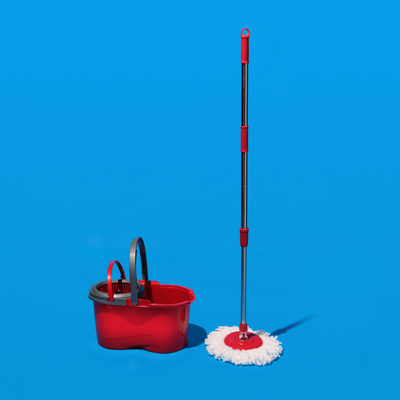
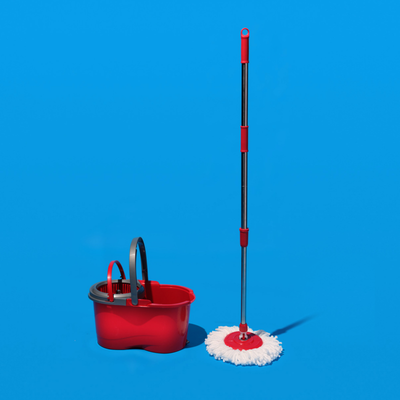
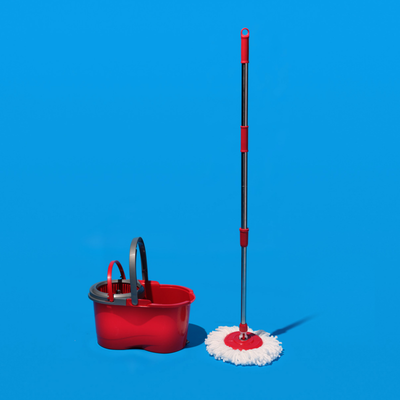
If you want a deep clean without ever touching a dirty mop head, the Lola Products Revolution Spin Mop is a game-changer. This system comes with a bucket featuring a built-in spinner that wrings out excess water with just a few pumps of the foot pedal. This gives you complete control over how damp the mop head is—a critical feature for protecting wood floors from water damage. The super-absorbent microfiber head pivots to slide under furniture and along baseboards, grabbing dirt and grime from every corner. It’s a powerful, all-in-one system that makes mopping feel less like a chore and more like a victory.
Bona Premium Microfiber Floor Mop
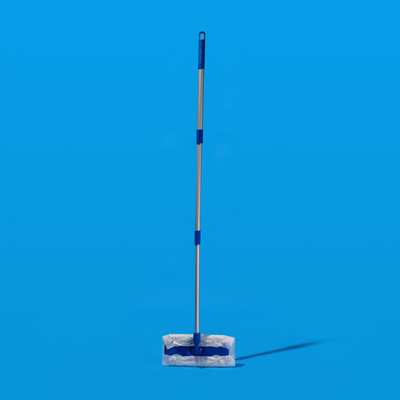
The Bona Premium Microfiber Floor Mop is a fantastic choice for anyone with large areas of hardwood to clean. Its wide, 17-inch mop head covers more ground in a single pass, saving you time and effort. According to testers at The Spruce, it’s exceptionally gentle on hardwood and leaves floors with a beautiful shine. The mop pad is not only machine washable but also has flexible, soft corners to prevent scuffs on your furniture and baseboards. It’s designed to handle everything from light dust to oily, dried-on messes, making it a reliable tool for keeping your floors in top condition.
O-Cedar Hardwood Floor N More Microfiber Mop
For a simple yet highly effective tool, look no further than the O-Cedar Hardwood Floor N More Microfiber Mop. Its main strength is its versatility. You can use it dry as a dust mop to quickly sweep up dust, hair, and other debris before you do a deeper clean. The dense microfiber pad is designed to grab and hold particles instead of just pushing them around. When you’re ready to mop, just dampen the pad for a thorough wet cleaning. This dual-functionality makes it a practical, all-in-one solution for daily floor maintenance, especially for anyone looking to simplify their cleaning routine.
CLEANHOME Microfiber Dust Mop
Pet owners, this one’s for you. The CLEANHOME Microfiber Dust Mop is a champion at picking up pet hair, dander, and dirt. Its long, flat head is perfect for sliding under couches and beds where dust bunnies and fur tend to gather. Like other versatile mops, it’s designed for both dry dusting and wet mopping, giving you the flexibility to tackle any mess your furry friends leave behind. The microfiber material excels at trapping fine particles, leaving your floors cleaner and helping to reduce allergens in your home. It’s a must-have for maintaining a spotless home with pets.
Norwex Microfiber Mop
The Norwex Microfiber Mop is known for its exceptionally high-quality materials. What sets it apart is the density of its microfiber; the tiny fibers are designed to grab and hold onto grime at a microscopic level. This means you can achieve a truly deep clean often using just water, reducing the need for harsh chemical cleaners on your beautiful wood floors. While it’s a premium option, its performance speaks for itself. It effectively removes dirt and bacteria instead of just spreading it around, giving you a healthier and more polished-looking floor with minimal effort.
OXO Microfiber Spray Mop
Convenience is the name of the game with the OXO Microfiber Spray Mop. This lightweight mop—weighing under four pounds—is incredibly easy to maneuver around furniture. Its standout feature is a slide-out scrubber that you can engage with your foot to tackle sticky spots and tough stains without bending down. The microfiber head is gentle on floors and can be used wet or dry. As noted by Better Homes & Gardens, this combination of features makes it an excellent choice for quick cleanups and everyday maintenance, allowing you to keep your floors looking great without the hassle of a traditional mop and bucket.
Rubbermaid Reveal Spray Mop
The Rubbermaid Reveal Spray Mop offers a fantastic blend of performance, value, and sustainability. Its key feature is a refillable bottle that you can fill with your favorite wood-safe cleaning solution—or just plain water. This not only saves you money on expensive, brand-specific refills but also allows you to choose exactly what you put on your floors. The non-scratch scrubbing pad helps lift stubborn dirt, while the thick microfiber pad can be washed and reused hundreds of times. It’s a practical and eco-friendly choice for anyone who wants a reliable spray mop that adapts to their cleaning preferences.
Other Popular Mop Types to Consider
While the microfiber mops we've covered are fantastic all-rounders for everyday cleaning, the world of floor care has some other clever tools worth knowing about. If you're regularly dealing with extra-stubborn, sticky messes or just love a good gadget that makes life easier, some specialized mops might be an even better fit for your home. These options often pack in features that reduce scrubbing effort and make targeted cleanups a breeze, taking the physical strain out of the equation. Let's look at a couple of popular alternatives that bring a little extra power and convenience to your cleaning routine.
Electric Spin Mops
If the thought of scrubbing makes your arms ache, an electric spin mop might be your new best friend. These mops do the hard work for you with powered, rotating pads that break down tough, sticky messes like spilled juice or dried-on food. Many models feature a built-in water tank, so you can ditch the heavy bucket and just glide the mop across the floor. According to testers at Better Homes & Gardens, they are excellent for tackling messes like honey and oil, leaving behind a polished, shiny finish with minimal effort on your part.
Advanced Spray Mops
We’ve already touched on some great spray mops, but some models come with extra features that make them stand out. Advanced spray mops are all about convenience and smart design. They are typically very lightweight and easy to steer around furniture, making them perfect for quick, daily touch-ups. What makes them "advanced" are the clever additions. For example, some models include a unique slide-out scrubber you can press with your foot to handle a sticky spot without having to get on your hands and knees. These thoughtful features are designed to solve common cleaning frustrations and are perfect for anyone who wants an efficient tool for everyday spills.
How Do Microfiber Mops Compare to Other Tools?
With so many cleaning tools on the market, it’s easy to feel overwhelmed. You’ve got string mops, sponge mops, steam mops—the list goes on. Each one works a little differently, and what’s perfect for one type of floor might be a disaster for another. When it comes to wood floors, you need a tool that cleans effectively without causing damage. Let’s break down how microfiber mops compare to the other options out there so you can see why they’re consistently a top choice for homeowners. Understanding the key differences will help you feel confident that you’re picking the right tool for the job.
It's all about finding a balance between powerful cleaning and gentle care, especially when you've invested in beautiful hardwood. A good mop shouldn't just clean; it should protect your floors for years to come. We'll look at the pros and cons of each type, so you can make an informed decision that fits your home and your cleaning style. Think of it like choosing the right skincare for your face—you wouldn't use a harsh scrub on sensitive skin, and the same principle applies to your floors. We'll explore why microfiber often comes out on top for its ability to lift dirt without leaving behind excess water or scratches.
Microfiber vs. String Mops
You probably remember the classic string mop—a heavy bundle of cotton strings that’s been a cleaning staple for decades. While they’re good for soaking up big spills, they often just push dirty water around and can leave wood floors overly wet, risking damage. Microfiber mops are a significant step up. They use far less water and are designed to trap dirt instead of spreading it. Because they are so lightweight and effective, many find that the microfiber mop is excellent for wood floors. It’s a simple switch that delivers a better, safer clean for your home’s most sensitive surfaces.
Microfiber vs. Sponge Mops
Sponge mops have their place, especially for scrubbing sticky messes on tile or linoleum. However, their design isn't ideal for picking up fine debris like dust, crumbs, or pet hair. More often than not, a sponge mop will push these particles around instead of lifting them off the floor. This is where microfiber truly shines. Microfiber mops are a fantastic choice for pet owners because they are very effective at catching pet hair. They provide a more thorough clean than old-fashioned mops, ensuring you capture all the dirt instead of just relocating it.
Microfiber vs. Steam Mops
Steam mops offer the benefit of sanitizing floors with high heat, but this power comes with a major catch: it’s not safe for all surfaces. The combination of intense heat and moisture can be destructive to hardwood floors, causing them to warp, swell, or lose their finish over time. Experts caution against using steam mops on floors sensitive to moisture, as the steam can damage them. A microfiber mop gives you a deep clean without any of that risk, making it a much safer and more reliable choice for protecting your investment in your wood floors.
Why Does Microfiber Trap So Much Dirt?
What makes microfiber so effective? The magic is in its construction. A single microfiber mop pad contains millions of incredibly fine synthetic fibers. Unlike the round, smooth fibers of a cotton mop, these tiny strands have a split texture that creates a static charge. This unique design allows the microfiber to grab and hold dirt, dust, and grime instead of just pushing it around. The fibers act like tiny magnets, lifting particles from the floor and trapping them in the pad until you’re ready to wash it. This results in a streak-free clean that leaves your floors looking their best.
Proven Effectiveness and Professional Trust
It’s not just homeowners who have embraced microfiber technology. There’s a reason why cleaning and healthcare professionals rely on microfiber mops to maintain sterile environments. Their proven effectiveness comes down to science. The millions of tiny, split fibers in a single mop pad are designed to grab and trap dirt, dust, and even microscopic particles, rather than just pushing them around like a traditional mop would. This superior cleaning power means you're not just making your floors look clean—you're actually removing more grime and allergens from your home. When professionals who depend on cleanliness for a living choose a tool, you know it’s because it delivers reliable, high-quality results every single time.
Cleaning Tools to Avoid on Hardwood Floors
Just as important as knowing which tools to use on your hardwood floors is knowing which ones to avoid. The wrong tool can do more harm than good, causing tiny scratches, dulling the finish, or even causing permanent water damage. It’s a frustrating feeling to realize your cleaning routine is actually hurting your beautiful floors. To protect your investment and keep your hardwood looking its best for years to come, it’s crucial to steer clear of a few common culprits. Let's walk through the tools that might seem like a good idea but can secretly sabotage your floors, so you can clean with confidence and peace of mind.
Traditional Brooms and Vacuums with Beater Bars
While a classic broom might seem like the go-to for a quick sweep, it’s not the best choice for hardwood. Stiff bristles can easily scratch the floor’s delicate finish over time. More importantly, traditional brooms tend to flick fine dust and allergens into the air, only for them to settle right back down later. Similarly, many vacuums pose a risk. The problem lies with the beater bar—that spinning brush designed to agitate carpet fibers. On hardwood, this aggressive brush can scratch the surface. Even if you turn the beater bar off, the vacuum's hard plastic or metal wheels can also cause scuffs. It’s better to stick with a tool designed to trap dust, not just move it around.
Disposable Wet Pad Mops
Those convenient, all-in-one wet mops with disposable pads are tempting for quick cleanups, but they have several downsides for hardwood floors. First, the pre-moistened pads often don't clean very deeply and can leave behind a sticky or hazy residue that dulls your floor’s shine. Second, the cost of constantly buying refills adds up quickly, and the single-use pads are not an environmentally friendly option. A high-quality microfiber mop with washable and reusable pads, like those found in the Lola Products mop collection, is a much more effective and sustainable choice for a truly clean floor without the waste or recurring expense.
Steam Mops and Excessive Water
Steam mops are fantastic for sanitizing durable surfaces like tile, but they are a major hazard for hardwood. The combination of high heat and moisture is a recipe for disaster. This intense steam can penetrate the wood's finish, causing the planks to warp, swell, or cup over time. It can also strip the protective sealant right off your floors, leaving them vulnerable to damage and looking dull. As experts caution, using steam mops on moisture-sensitive floors can be destructive. Always remember the golden rule for wood: less water is more. A damp microfiber mop gives you a powerful clean without any of the risks associated with steam or excessive moisture.
Are Microfiber Mops Really Safe for Wood Floors?
Let's clear the air on this one: yes, microfiber mops are not only safe for wood floors, but they're often the best tool for the job. The hesitation usually comes from a fear of scratching the finish or causing water damage. While those are valid concerns for any cleaning tool, microfiber is specifically designed to clean effectively without being abrasive. The tiny fibers are experts at grabbing onto dust, dirt, and pet hair instead of just pushing them around.
The real key to keeping your wood floors looking great isn't about avoiding microfiber—it's about using it correctly. This means busting a few common myths, picking the right kind of mop for your floor's specific finish, and mastering a technique that cleans thoroughly without leaving behind excess water. When you have the right approach, a good microfiber mop becomes your floor's best friend, not its enemy. We'll walk through exactly how to make sure you're cleaning safely and effectively.
Common Myths About Microfiber on Wood
One of the biggest myths is that microfiber is too harsh for delicate wood surfaces. In reality, the opposite is true. The material is incredibly soft and designed to be gentle. As the experts at Delight&Dazzle point out, "The microfiber mop is excellent for wood floors." The magic is in the split fibers, which create more surface area to trap grime without needing to scrub aggressively. This means you can get a deep clean without worrying about scuffs or scratches, making it a simple and effective choice for keeping your hardwood looking its best.
Match the Mop to Your Floor's Finish
Not all wood floors are created equal, and their finish—whether it's polyurethane, wax, or oil—determines how you should care for them. The good news is that microfiber works well on virtually all sealed wood floors. According to Better Homes & Gardens, the best mops for hardwood floors use non-abrasive microfiber pads that excel at trapping dirt. If your floors are unsealed, waxed, or oiled, you’ll want to stick to dry mopping or use extreme caution with water. When in doubt, always check your flooring manufacturer’s care instructions first.
How to Prevent Scratches and Water Damage
The real culprit behind damaged wood floors is almost always too much water or grit, not the mop itself. To avoid issues, always sweep or vacuum before you mop to pick up any large debris that could scratch the surface. When you do mop, follow the advice from Palo Duro Hardwoods to "use a damp mop, not a dripping wet one." Your mop pad should be thoroughly wrung out so it feels slightly damp to the touch. This technique cleans effectively without leaving puddles that could seep into the wood and cause swelling or discoloration.
Your Microfiber Mop Shopping Checklist
Ready to find the perfect microfiber mop? It can feel like there are a million options out there, but don't worry. I've put together a simple checklist to help you sort through the features and find a mop that fits your home and your budget. Thinking about these four key points before you buy will ensure you bring home a tool that makes cleaning your wood floors easier, not harder. Let's walk through what to look for so you can shop with confidence.
Wet Mopping vs. Dry Dusting: Which Do You Need?
First things first, think about how you'll use the mop. Are you mainly dealing with dust bunnies and pet hair, or are you tackling sticky spills and footprints? Many microfiber mops are fantastic for dry dusting, which is often all you need for a regular clean on wood floors. Some models, however, are designed for both wet and dry use, giving you more versatility. A dual-purpose mop is great because you can grab it for a quick dusting or use it for a deeper, damp clean. Just remember, with wood floors, less water is always more.
Don't Forget the Cost of Replacement Pads
The price tag on the box is just the beginning. Most microfiber mops have pads that will eventually wear out, so it's smart to look into the cost of replacements before you commit. A mop might seem like a great deal until you realize the pads are expensive or hard to find. A quick search for the mop's specific refills will tell you everything you need to know. This little bit of homework can save you a lot of money and frustration down the road, ensuring your mop stays effective for years to come.
How to Get the Best Mop for Your Money
When you're thinking about cost, consider the long-term value. One of the best things about microfiber is that the pads are reusable. Instead of buying disposable sheets over and over, you can just toss your microfiber pad in the wash. A quality microfiber mop can last for years, saving you money on both pads and cleaning solutions. It's also a more sustainable choice, which is always a plus. Investing in a durable, reusable tool is a smart move for both your wallet and the environment.
Check for Online Shopping Cues
Since you can't test drive a mop online, you have to be a bit of a detective. Scour the product descriptions and customer photos for clues about quality. Look for phrases like "360-degree swivel head" and "sturdy, adjustable handle," which are signs of well-designed mops that will save your back and reach under furniture. The best descriptions will also talk about the quality of the microfiber itself—look for dense, plush pads with split fibers. These create a static charge that attracts and traps dust instead of just pushing it around, which is key to preventing tiny scratches on your wood floors. Finally, do a quick search for the cost of machine-washable refills to understand the mop's long-term value before you add it to your cart.
Is It Machine-Washable? (Hint: It Should Be)
Let's be honest: nobody wants to spend a lot of time cleaning their cleaning tools. That's why a machine-washable mop head is a must-have feature. Being able to throw the pad in the washing machine after you're done mopping is incredibly convenient. It ensures you're starting with a genuinely clean surface every time, which is crucial for getting your floors to shine. Plus, proper washing extends the life of the pad, so you get more use out of it. A mop like the Revolution Spin Mop makes this part of the process totally painless.
Consider the Mop's Weight and Ergonomics
Let's be real, if a mop is heavy or the handle is too short, you're going to dread using it. Mopping shouldn’t be a back-breaking chore, and the right design can make all the difference. A comfortable and sturdy handle turns a dreaded task into a quick and painless one. When you're shopping, look for a mop with an adjustable or telescoping handle. This feature is a game-changer because it allows you to set the handle to the perfect length for your height, so you don't have to bend over while cleaning. A lightweight mop with good ergonomics means less strain on your back and shoulders, making the whole process more comfortable and efficient. It's a small detail that has a huge impact on how you feel about cleaning your floors.
Watch Out for Common Design Flaws
A poorly designed mop can do more harm than good. Some mops have heads with hard plastic edges that can scuff baseboards, or they hold way too much water, which is a major red flag for wood floors. The real culprit behind damaged wood floors is almost always too much water or grit, not the mop itself. To avoid issues, always sweep or vacuum before you mop to pick up any large debris that could scratch the surface. A good mop shouldn't just clean; it should help you protect your floors for years to come. Look for systems that give you control over the dampness of the mop head and feature soft, flexible edges to keep your walls and furniture safe.
How to Mop Your Wood Floors the Right Way
Your beautiful wood floors are a huge part of your home’s charm, and keeping them clean doesn’t have to be a chore. The key is to use the right technique and tools to protect the wood while getting a great shine. With a little know-how, you can avoid common mistakes that can damage the finish or the wood itself. Think of it less as a deep scrub and more as a gentle, effective clean.
The process is simple: start by clearing away loose debris, use a minimal amount of water, mop with the grain, and stick to a cleaner that’s made for wood. A great microfiber mop, like the Revolution Spin Mop, makes this process even easier because it gives you total control over how much water you use. Following these steps will not only make your floors look fantastic but will also help them last for generations.
Step 1: Prep Your Floors Before You Mop
Before a drop of water touches your floor, it’s essential to get rid of any loose dirt, dust, and crumbs. Think of it this way: mopping over gritty debris is like scrubbing your floor with sandpaper, which can cause tiny scratches that dull the finish over time. Taking a few minutes to prep can protect your investment for the long haul. With the right care, wood floors can easily last over 100 years.
Grab a soft-bristled broom or a vacuum with a hardwood floor setting to clear the surface completely. Pay special attention to corners, baseboards, and areas under furniture where dust bunnies love to hide. This simple step ensures your mop can focus on lifting grime instead of just pushing dirt around.
Step 2: Use Just Enough Water (Not Too Much!)
When it comes to wood floors and water, less is always more. The biggest mistake you can make is using a soaking wet mop. Excess water can seep between the floorboards, causing them to swell, warp, or discolor over time. It can also damage the subfloor and ruin the protective finish on your hardwood. Your goal is a damp mop, not a dripping one.
The mop head should feel slightly damp to the touch, without any water dripping off when you lift it. A spin mop is perfect for this because it wrings out most of the water for you, leaving you with the ideal level of moisture. This gives you enough cleaning power to tackle dirt without putting your beautiful floors at risk.
Step 3: Perfect Your Mopping Technique
Once your floor is prepped and your mop is perfectly damp, it’s time to start cleaning. For the best results, always mop in the direction of the wood grain. This helps you clean inside the tiny grooves of the wood and prevents streaks from forming as the floor dries. Work in small, manageable sections, moving from one end of the room to the other so you don’t have to step on wet areas.
A quality microfiber mop head is your best friend here. Unlike traditional string mops that can push dirt around, microfiber cloths have tiny fibers that grab and trap dust, grime, and pet hair. This ensures you’re actually lifting the dirt off the floor, leaving behind nothing but a clean, streak-free surface.
Step 4: Choose a Wood-Safe Cleaner
The cleaning solution you use is just as important as your mopping technique. Many all-purpose cleaners are too harsh for wood floors and can strip the protective finish, leaving them looking dull and vulnerable to damage. Avoid products with ammonia, bleach, or vinegar, as their acidity can eat away at the sealant over time.
Instead, opt for a pH-neutral cleaner specifically formulated for hardwood floors. You can find these at most home improvement stores. For a quick, routine clean, plain water on a damp microfiber mop often does the trick. Always read the label on any cleaning product to ensure it’s safe for your specific type of floor finish before you begin.
Look for a pH-Neutral Formula
When you're standing in the cleaning aisle, the sheer number of options can be overwhelming. The most important thing to look for on the label is "pH-neutral." This means the cleaner is gentle and won't strip the protective finish off your floors. As we've mentioned, it's crucial to use a pH-neutral cleaner specifically formulated for hardwood. You should always avoid products containing ammonia, bleach, or vinegar, as their harsh acidity can wear down the sealant, leaving the wood exposed to moisture and damage. Think of the finish as your floor's shield; a pH-neutral cleaner keeps that shield strong.
Check Your Flooring Manufacturer's Guidelines
Before you try any new product, your first move should always be to consult the care instructions from your flooring manufacturer. This is the single best way to ensure you’re using products that are safe for your specific type of wood and finish. Different floors have different needs, and the manufacturer’s guide is your cheat sheet to getting it right. As Better Homes & Gardens advises, checking these guidelines first helps you use the right techniques and avoid accidentally voiding your warranty. It’s a simple step that can save you from a costly mistake.
Always Test Cleaners in a Hidden Spot
Even when you’ve chosen a wood-safe cleaner, it’s always a smart idea to do a quick spot test. Find an inconspicuous area of your floor—like inside a closet, under a large rug, or behind the sofa—to try out the new solution. Apply a small amount of the cleaner with a cloth and let it dry completely. According to Consumer Reports, this simple precaution helps you avoid any potential damage or discoloration before you commit to cleaning the entire room. This five-minute check gives you the peace of mind to mop confidently.
How to Care For Your Microfiber Mop
A great microfiber mop is a fantastic cleaning partner, but just like any tool, it needs a little TLC to perform its best. Taking good care of your mop not only keeps it effective but also extends its life, saving you money in the long run. With just a few simple habits, you can ensure your mop head stays absorbent, your handle remains sturdy, and your floors get the streak-free shine they deserve every time you clean. These straightforward steps will help you maintain your mop so it’s always ready for action.
Wash and Dry Your Mop Pads Correctly
The best part about microfiber mop pads is that they’re reusable. After a cleaning session, just toss the mop head into the washing machine. Use warm water and a gentle detergent, but be sure to skip the fabric softener and bleach. Fabric softener clogs the tiny fibers that make microfiber so effective at trapping dirt, while bleach can break them down. For best results, wash them with other non-linting items, like bedsheets. You can either let the pad air dry or tumble dry it on a low heat setting. Proper washing keeps your mop head absorbent and ready for the next mess.
Where and How to Store Your Mop
Where you keep your mop between cleanings matters more than you might think. After washing and drying the mop head, reattach it to the handle and hang it up in a closet or utility room. Storing it upright with the head off the floor allows air to circulate, preventing any lingering moisture from creating musty smells. This also protects the microfiber from getting flattened or misshapen. Proper storage keeps your mop organized and ensures the head is clean, dry, and in perfect shape for its next use.
When Should You Replace the Mop Head?
Even with the best care, microfiber pads don’t last forever. Over time, the fibers will naturally wear down and become less effective at grabbing dust and absorbing spills. A good rule of thumb is to consider a replacement every three to six months, depending on how often you use it. You’ll know it’s time for a change when the pad looks frayed, feels less plush, or starts leaving behind more streaks and lint than it picks up. Having a fresh replacement head on hand means you’ll never have to compromise on a clean floor.
Simple Tricks to Make Your Mop Last Longer
Microfiber mops are designed for durability. Their reusable nature makes them one of the most practical and long-lasting cleaning tools you can own. By following a simple care routine—washing correctly, storing properly, and replacing the head when needed—you can make your mop last for years. This not only ensures you get the best possible clean every time but also reduces waste, making it a smart choice for your home and your wallet. Investing a few minutes in maintenance helps you get the most out of your sustainable cleaning tools and keeps them out of the landfill.
Where to Find the Best Deals on Microfiber Mops
Finding the right mop is one thing, but getting it at a great price makes your clean floors feel even better. A little savvy shopping can save you money without sacrificing quality. The key is knowing where to look and when to buy. By comparing a few different places and keeping an eye out for sales, you can easily find a high-quality microfiber mop that fits your budget. It’s all about being a smart shopper and making your money work as hard as your cleaning tools do.
Compare Online Stores vs. Brand Websites
Your first stop for a great deal should be the internet. Online retailers offer a huge selection and competitive pricing right at your fingertips. Big-box stores like Walmart often have very affordable options, such as their Great Value Microfiber Flip Dust Mop, which is perfect for a tight budget. It’s also worth checking out brand-specific websites. For example, companies like E-Cloth sometimes feature microfiber mops at surprisingly low starting prices. Don’t forget to check out our own specials page for the latest deals on our cleaning tools.
Check Your Local Home Improvement Store
If you’re the type of person who likes to see and feel a product before buying, a trip to your local home improvement store is a fantastic option. There’s a real benefit to holding a mop in your hands to check its weight, handle comfort, and overall sturdiness. Retailers like Lowe’s carry a wide range of microfiber mops, and their staff can often provide helpful advice to point you toward the best fit for your specific wood floors. You can compare different brands side-by-side and leave the store with your new mop in hand, ready to tackle those floors.
Keep an Eye Out for Seasonal Sales
Patience can pay off, especially when it comes to buying cleaning supplies. Retailers often run major sales during certain times of the year, like spring cleaning season or before major holidays. This is the perfect time to snag a high-quality microfiber mop at a discount. You can find great prices at stores like Target, which frequently puts cleaning tools on sale, offering items like microfiber dust mops for a fraction of their usual cost. A great tip is to sign up for email newsletters from your favorite retailers to get alerts about upcoming promotions and exclusive coupons.
Related Articles
- Can You Mop Hardwood Floors with Water? Yes, Here's How
- To Mop or Not to Mop: The Ultimate Guide to Wood Floor Cleaning (Without Driving Yourself Crazy)
- 8 Best Spin Mops for Hardwood Floors
Frequently Asked Questions
How often should I actually mop my wood floors? For general upkeep, it’s best to dry mop or dust with your microfiber mop a couple of times a week to handle dust and pet hair. When it comes to damp mopping, you don’t need to do it as often as you might think. For most homes, a thorough damp mop every two to four weeks is plenty, unless you’re dealing with a specific spill or muddy footprints in a high-traffic area.
Can I really get my floors clean using just water with a microfiber mop? Yes, for everyday cleaning, water is often all you need. High-quality microfiber is designed to physically grab and trap dust, dirt, and bacteria with its tiny fibers. For light, routine cleaning, a damp mop with plain water works beautifully. If you're dealing with something sticky or greasy, you’ll want to add a small amount of a pH-neutral cleaner designed specifically for wood floors.
What's the main advantage of a spin mop system over a regular flat mop for wood floors? The biggest benefit of a spin mop system is water control. Protecting wood floors is all about using as little moisture as possible, and a spin mop’s bucket lets you wring out the mop head to the perfect level of dampness without any guesswork. This precision helps you avoid overwetting the floor, which is the number one cause of damage like warping or discoloration.
My microfiber mop sometimes leaves streaks. What am I doing wrong? Streaks are usually caused by one of three things: using too much water, starting with a dirty mop pad, or using the wrong cleaning solution. Make sure your mop head is just slightly damp, not wet. Always start with a clean, freshly washed pad, and stick to a pH-neutral cleaner made for wood floors, as all-purpose cleaners can leave a dulling residue.
Are all microfiber pads the same, or does quality really matter? Quality makes a huge difference. A well-made, dense microfiber pad has finer, more numerous fibers that create a stronger static charge to attract and hold onto dirt. Cheaper, thinner pads don't grab grime as effectively and tend to just push it around. A higher-quality pad will not only clean better but will also hold up through many more machine washes.









Comments