


Forget the cabinet full of harsh, expensive chemicals. The secret to making your grout look new again is likely already in your pantry. This guide is all about simple, homemade solutions that cut through tough grime without the overwhelming fumes. We’ll show you how to mix and apply powerful cleaners using everyday items like baking soda and hydrogen peroxide. The best way to clean grout on tile floors is by pairing the right DIY solution with the right technique. We’ll cover the step-by-step instructions and essential tools, like a good stiff-bristled brush, to get the job done effectively.
Key Takeaways
- Tackle tough stains with a simple DIY paste: Mix baking soda and hydrogen peroxide into a paste, apply it to grout lines, and let it sit for 15 minutes before scrubbing with a stiff-bristled brush. This method effectively lifts grime without harsh chemicals.
- Seal your grout to prevent future grime: After a deep clean, applying a quality grout sealer is essential. It creates a protective barrier that blocks stains and moisture, which makes future cleanups much easier.
- Adopt a simple maintenance routine: Keep grout looking fresh by sweeping daily and mopping weekly. Wiping up spills immediately prevents them from soaking into the porous grout and becoming permanent stains.
So, Why Does Grout Get So Dirty?
Ever feel like you just cleaned your tile floors, only to see the grout lines looking dingy again a week later? It’s a common frustration, and you’re not imagining it. Grout, the filler between your tiles, is naturally prone to collecting dirt and grime. Understanding why it gets so dirty is the first step toward keeping it clean for good. It’s not just about looks; clean grout is also important for the hygiene of your home.
Why Grout Is a Stain Magnet
The main reason your grout gets so grimy is its texture. Most grout is cement-based and porous, which means it’s full of tiny holes, much like a sponge. When you spill coffee in the kitchen or splash soapy water in the bathroom, the grout lines soak it right up. Because grout is often a light color, these absorbed liquids create very noticeable stains. This porous nature means that dirt doesn't just sit on the surface; it settles deep into the grout, making it tough to remove with a simple wipe. To get into those tiny crevices, you need the right kind of scrub brush for the job.
What's Staining Your Grout Lines?
Everyday life is the biggest culprit behind discolored grout. In high-traffic areas like entryways and kitchens, dirt gets ground into the grout lines with every step. In the kitchen, food spills and grease splatters can quickly cause stains. The bathroom presents a different set of challenges. Soap scum, shampoo residue, and hard water minerals build up over time, creating a dull, filmy layer. The constant moisture also creates the perfect environment for mold and mildew to grow, leading to those stubborn black or pinkish spots. Wiping up spills quickly and using effective sponges and scourers can help manage these daily messes.
Why a Little Cleaning Goes a Long Way
While deep cleaning grout can feel like a big project, consistent maintenance is the key to avoiding it. Regular cleaning helps your tile and grout last longer and look so much better. When you let dirt and grime build up, they can start to break down the grout, potentially leading to loose tiles and water damage. A little weekly attention prevents stains from setting in and stops mold from taking hold. Think of it as protecting your investment. A clean floor not only looks great but also contributes to a healthier home, free from built-up bacteria. Incorporating eco-friendly cleaning habits makes this routine even better.
The Hidden Dangers of Dirty Grout
Dirty grout isn't just a cosmetic issue; it can pose real problems for your home and health. Because grout is porous, it acts like a sponge, absorbing moisture, soap scum, and spills. This damp, grimy environment is the perfect breeding ground for mold, mildew, and bacteria, which can contribute to poor indoor air quality and other health concerns. Beyond hygiene, neglecting your grout can lead to structural damage. Over time, the buildup of dirt and grime can weaken and break down the grout, compromising the stability of your tiles. This can eventually result in loose tiles and even water damage beneath your flooring. Regularly cleaning your grout isn't just about making it look good—it's about protecting your home's integrity and creating a healthier living space. Using the right cleaning accessories can make all the difference in tackling this buildup effectively.
A Quick Guide for Different Tile and Grout Types
Before you start scrubbing, it’s important to know what kind of tile and grout you’re working with. Not all surfaces are created equal, and using the wrong cleaner or tool can cause permanent damage. A gentle approach on a delicate surface is just as important as using some elbow grease on a durable one. Taking a moment to identify your floor type will help you choose the right method, ensuring your tiles look fantastic without any unintended side effects. This quick guide will walk you through the best practices for the most common types of tile and grout you’ll find in a home.
For Ceramic and Porcelain Tile
These are the workhorses of the tile world—durable and relatively low-maintenance. Because they're so tough, you have a few great cleaning options. Many experts suggest a steam mop is the best choice, as it uses hot vapor to sanitize and lift dirt without needing harsh chemicals. If you don't have a steam mop, a high-quality traditional mop paired with a simple pH-neutral cleaner works wonders. The key is to avoid overly abrasive scrubbers that could scratch the tile's finish over time. Before you begin any deep cleaning, it's always a smart move to double-check the cleaning instructions from your tile's manufacturer, just to be safe.
For Natural Stone Tile
Natural stone tiles like marble, slate, or travertine bring a beautiful, earthy feel to a room, but they require a gentler touch. These materials are porous, meaning they can stain easily and are sensitive to acidic substances. Never use vinegar, lemon juice, or other acidic cleaners on natural stone, as they can etch and dull the surface. Instead, opt for a pH-neutral cleaner specifically designed for stone. When mopping, use a soft microfiber mop to prevent scratches and be sure to dry the floor immediately to prevent water spots and absorption. Because it's so porous, keeping your natural stone sealed is the most important step in protecting it from stains and making cleanup easier.
For Different Grout Types
Just as tiles vary, so does the grout that holds them together. The type of grout you have can influence the best cleaning method. The two most common types you'll find in homes are unsanded and epoxy, and each has its own care requirements.
Unsanded Grout
Unsanded grout is typically used for very thin grout lines (less than 1/8 inch wide) and with tiles that could be scratched by sand, like natural stone. It's a bit more delicate than its sanded counterpart. For regular cleaning, a steam mop is an excellent, chemical-free option. For tougher stains, gently work on the area with a soft-bristled brush. Avoid aggressive scrubbing or using acidic cleaners, as these can wear away the grout over time.
Epoxy Grout
Epoxy grout is a superstar when it comes to durability. It's non-porous and resistant to stains and chemicals, making it a popular choice for kitchens and bathrooms. Because it doesn't absorb spills, it's much easier to keep clean. A steam mop or a simple wipe-down is usually all you need. If you do encounter a stubborn spot, you can use a brush, but steer clear of abrasive scouring pads. While epoxy grout is tough, a harsh scourer can dull its finish, taking away that clean, uniform look.
How to Clean Grout: 3 Proven Methods
When your grout starts looking dingy, it can make the whole room feel a bit grimy. The good news is you have several great options to bring it back to life. The best approach really depends on how stained your grout is and what kind of cleaning products you prefer to use. From simple pantry staples to powerful commercial cleaners, let's walk through the most effective ways to get your grout sparkling again.
Try a Homemade Grout Cleaner
You can often tackle grout stains with ingredients you already have at home. For moderate discoloration, a paste made from baking soda and hydrogen peroxide works wonders. Just mix them until you have a thick consistency, apply it directly to the grout lines, and let it sit for about 15 minutes. Then, grab one of your small, stiff-bristled brushes and scrub away the grime before rinsing with water. For lighter, routine cleaning, a simple mix of hot water and dish soap can keep your grout looking fresh and prevent major buildup.
The Best Store-Bought Cleaners for Grout
Sometimes, DIY solutions just don't cut it, especially for deep-set or stubborn stains. This is when a specialized, store-bought grout cleaner can be your best friend. Look for oxygen-based bleach powders or other cleaners specifically formulated for grout. These products are powerful, so it's really important to read and follow the manufacturer's instructions carefully. Always work in a well-ventilated area and wear protective cleaning accessories, like rubber gloves, to keep your hands safe. These cleaners can make a huge difference on tough stains that other methods can't touch.
Using Professional-Strength Cleaners
When you're dealing with years of built-up grime or stubborn mold stains, it might be time to bring in a professional-strength cleaner. These are the heavy hitters, like acidic formulas, designed to dissolve deep-set stains that other cleaners can't touch. While they are incredibly effective, they require careful handling. Safety is your top priority here. Always wear protective gear, especially a good pair of gloves, and make sure the room has plenty of airflow by opening windows or running a fan. It's also a smart move to test the cleaner on a small, inconspicuous spot first to ensure it doesn't damage your tile. And remember the most important rule of cleaning: never mix different chemical cleaners, as this can create toxic fumes.
Using a Steamer to Clean Grout
If you're looking for a powerful, chemical-free cleaning method, steam cleaning is an excellent choice. A steam cleaner uses hot, pressurized steam to loosen and lift away dirt, grime, and even bacteria from the porous surface of your grout. There’s no scrubbing with harsh chemicals involved, which is great for your home's air quality and for anyone sensitive to strong cleaning agents. The high heat does the heavy lifting for you, making it a surprisingly low-effort way to achieve a deep clean. It’s particularly effective on stubborn, greasy buildup in kitchens, and many floor mops now come with steam functions.
Gathering Your Grout Cleaning Tools
No matter which cleaning solution you choose, using the right tools is key to getting the job done without causing damage. You'll want a brush with stiff, sturdy bristles to effectively scrub the grout lines. A dedicated grout brush is ideal, but a firm toothbrush can also work in a pinch. It's important to avoid metal-bristled brushes, as they can scratch your tile and leave behind small metal particles that can rust and stain your grout. Once you're done scrubbing, having some quality sponges on hand makes rinsing the area clean and simple.
Tools for Easier Scrubbing
Let's be real: spending an afternoon on your hands and knees scrubbing grout is nobody's idea of a good time. It’s tough on your back and knees, and it can turn a simple cleaning task into a dreaded chore. This is where the right tool can be a total game-changer. To save yourself from hunching over, consider using a brush with a long or extendable handle. These tools allow you to apply firm pressure to the grout lines while standing comfortably. You get the leverage you need to scrub effectively without the physical strain, making the entire process faster and much less painful. It’s a simple switch that makes a huge difference.
Lola Products Brushes and Scrubbers
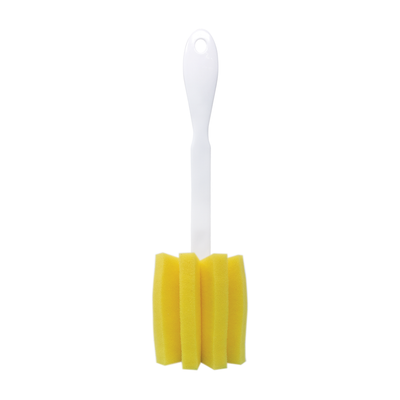
Finding a brush with firm bristles that won’t scratch your tile is crucial, and that’s exactly why we designed our tools with tough jobs in mind. Our collection of brushes includes options with stiff, durable bristles that are perfect for getting deep into grout lines without damaging the surrounding tile. Many feature comfortable, easy-grip handles that give you better control and scrubbing power exactly where you need it. And when you’re ready to tackle extra-tough spots or rinse everything clean, our heavy-duty scrubbers provide the extra muscle you need to finish the job right, leaving your floors looking spotless.
My Favorite DIY Grout Cleaner Recipes
Sometimes the best cleaning solutions are the ones you can whip up yourself using simple, inexpensive ingredients. Before you reach for a heavy-duty commercial cleaner, try one of these homemade recipes. They use common household items to cut through grime and brighten your grout lines without harsh chemicals. You probably have everything you need in your pantry right now.
These DIY options are not only effective but also give you more control over what you’re using on your floors. Whether you’re dealing with everyday dirt in the kitchen or stubborn stains in the bathroom, a homemade cleaner can often get the job done just as well, if not better. Let’s get into two of the most reliable recipes and what you should absolutely avoid.
Recipe 1: Baking Soda & Peroxide Paste
This is my go-to recipe for a reason: it’s simple and it works. To create a powerful cleaning paste, just mix baking soda with 3% hydrogen peroxide until you have a thick, spreadable consistency. Apply the paste directly onto the grout lines and let it bubble away for a few minutes. Then, grab a stiff-bristled grout brush or an old toothbrush and start scrubbing. For really tough, discolored spots, let the paste sit for about 15 minutes before you scrub. Once you’re done, simply rinse the area with warm water and wipe it dry. You’ll be amazed at how this simple paste lifts dirt and restores your grout’s color.
Recipe 2: Gentle Oxygen Bleach Solution
If you’re facing more formidable stains, powdered oxygen bleach is a fantastic option. Unlike chlorine bleach, it cleans deeply without the harsh fumes or risk of damaging your grout over time. Start by dissolving the powdered oxygen bleach in warm water, following the instructions on the product’s packaging to get the right ratio. Carefully apply the solution to the grout and let it sit for at least 15 minutes to penetrate the stains. After it has had time to work, give the grout a good scrub and rinse the floor thoroughly with clean water. This method is especially effective for white or light-colored grout that has become dingy.
Recipe 3: Simple Vinegar and Water Spray
For regular maintenance and lighter stains, a simple vinegar and water spray can work wonders. Just mix equal parts white vinegar and warm water in a spray bottle, then spritz it directly onto your grout lines. Let the solution sit for about five minutes to give it time to break down any surface-level grime or soap scum. After it has had a moment to work, use a stiff-bristled brush to scrub the grout clean. A quick word of caution: vinegar is acidic, so it can damage porous materials like natural stone, marble, or travertine. Always test it on a small, hidden spot first to be safe. Also, make sure your room is well-ventilated, as the smell of vinegar can be quite strong.
Recipe 4: Baking Soda and Lemon Juice Paste
If you need a bit more cleaning power with a fresh, natural scent, a baking soda and lemon juice paste is a fantastic choice. When you combine these two ingredients, the mixture creates a fizzing action that helps lift dirt and stains right out of the grout's pores. Simply mix baking soda with enough fresh lemon juice to form a thick paste. Apply it to the grout lines, let it bubble for a few minutes, and then scrub with a firm brush. Because lemon juice is also acidic, be sure to test this mixture on an inconspicuous area first, especially if you have natural stone tiles. Once you're finished scrubbing, rinse the area well with warm water and a sponge to remove any leftover residue.
Ingredients to Never Use in a DIY Cleaner
Just as important as knowing what to use is knowing what to avoid. Steer clear of any cleaners that are acid-based, like vinegar. While vinegar is a popular DIY cleaning ingredient, its acidity can etch and damage certain types of tile and can even eat away at the grout itself over time. You should also skip the chlorine bleach. It might seem like a quick fix for whitening, but it’s very corrosive and can cause your grout to weaken and crumble. Always remember to test any new cleaning solution, homemade or store-bought, on a small, inconspicuous area first to ensure it’s safe for your specific flooring.
Harsh Chemical Cleaners to Avoid
When you're at the store, it's easy to grab a cleaner that promises miraculous results, but some of these can do more harm than good. Be cautious with products containing strong acids or chlorine bleach. While they might offer a quick whitening effect, these harsh chemicals can be incredibly corrosive. Over time, they can weaken your grout, causing it to become brittle and crumble, and can even etch the surface of your tile. Always take a moment to read the label before you buy. If you're unsure about a product, it's best to stick with gentler, oxygen-based cleaners or the DIY methods we've discussed. And remember the golden rule: always test a new cleaner on a small, hidden area first. After letting it sit, a quick wipe with a clean cloth will reveal any potential discoloration or damage before you apply it to the entire floor.
Could Steam Cleaning Be Your Grout's Savior?
If you're tired of spending hours on your hands and knees scrubbing grout lines with little to show for it, steam cleaning might be the solution you've been looking for. This method uses the power of hot, pressurized water vapor to deep clean and sanitize your grout without the need for harsh chemicals. It's a highly effective way to restore your grout's original color and get rid of stubborn grime that traditional cleaning methods often leave behind. Let's look at exactly how it works and why it's such a popular choice for tackling dirty grout.
How Steam Melts Away Dirt and Grime
The magic of steam cleaning lies in its simplicity. A steam cleaner heats water past the boiling point and forces the vapor out through a nozzle. This hot, high-pressure steam penetrates the porous surface of your grout, loosening and lifting away years of built-up dirt, grease, and grime. Because the steam can get into tiny crevices, it effectively removes deep-seated stains. The heat also helps break down soap scum and other tough residues, making them easy to wipe away with a cloth or a quick pass with one of your favorite brushes.
Enjoy a Powerful, Chemical-Free Clean
One of the biggest advantages of steam cleaning is that it's completely chemical-free. You're just using hot water, which makes it a safe and eco-friendly cleaning option for your home, especially if you have children, pets, or sensitivities to harsh fumes. The high temperature of the steam not only cleans but also sanitizes, killing up to 99.9% of germs, bacteria, and even mold and mildew spores on contact. This means you can get your grout sparkling clean and hygienic without relying on bleach or other abrasive chemicals that can damage your grout over time.
What to Look for in a Grout Steam Cleaner
When you're ready to try steam cleaning, picking the right machine makes all the difference. Look for a steam cleaner that comes with specific attachments designed for grout. A small nozzle or a narrow brush attachment is perfect for concentrating the steam directly onto the grout lines, giving you the power you need to lift deep-seated dirt. While many of the best steam mops have these features, a handheld steamer can also be a great, versatile option for cleaning grout on both floors and walls, like in a shower.
Tips for Effective Steam Cleaning
To get the most out of your steam cleaner, start by sweeping or vacuuming the floor to get rid of any loose dirt. When you’re ready to steam, work in small, manageable sections. Move the nozzle slowly along the grout lines, giving the hot vapor enough time to penetrate and loosen the grime. Using a small brush attachment is a game-changer, as it concentrates the steam right where you need it. As the steam lifts the dirt, have a clean microfiber cloth ready to wipe away the residue and moisture. This simple technique ensures you’re not just moving dirt around but actually removing it for a truly deep, sanitized clean.
How to Deep Clean Grout on Tile Floors: A Step-by-Step Guide
Ready to tackle that grout? With the right approach, you can restore your tile floors and make them look brand new. This process isn't about endless scrubbing; it's about working smarter, not harder. Following these four simple steps will give you a clear path to sparkling clean grout lines without feeling overwhelmed. Let's get started.
Step 1: Prep Your Tile Floor
Before you get down on your hands and knees, you need to prep the area. Always vacuum or sweep your tile floors before you start any wet cleaning. This picks up all the loose dirt, dust, and crumbs that have gathered on the surface. If you skip this step, you’ll just end up pushing a muddy mess into the grout lines, making your job much harder. A quick pass with a good angled broom will ensure you’re starting with a clean slate. This simple preparation makes a huge difference and sets you up for a much more effective deep clean.
Step 2: Apply Your Grout Cleaner
Now it's time to apply your cleaner. If you're going the DIY route, a paste made from equal parts baking soda and hydrogen peroxide works wonders. Mix them until you get a consistency like runny toothpaste. Carefully apply this paste directly onto the grout lines. The key here is patience. Let the solution sit for at least 10 to 15 minutes. This gives the ingredients time to bubble and break down the grime, so you won't have to scrub as hard. This DIY paste is a popular choice because it effectively lifts stains without harsh chemicals.
Step 3: It's Time to Scrub
Once your cleaning solution has had time to work its magic, it’s time to scrub. The right tool is essential here. Use a small, stiff-bristled brush designed for tight spaces. A dedicated grout brush will give you the leverage you need to get deep into the lines. Use firm, back-and-forth motions to agitate the paste and lift the dirt. It’s important to avoid using brushes with metal bristles. While they might seem tough, they can scratch your tile and even leave behind metal fragments that could rust and cause new stains. Stick with nylon bristles for a safe and effective scrub.
Step 4: Rinse, Dry, and Admire
After you’ve finished scrubbing, the final step is to rinse everything away. Use a bucket of clean, warm water and a sponge or a durable cleaning cloth to wipe away the cleaning paste and all the loosened grime. You might need to rinse your cloth and change the water a few times to ensure you remove all the residue. Leaving cleaning solution behind can result in a hazy film on your tiles once they dry. For a final, chemical-free touch, some people like to go over the area with a steam cleaner. Once you're done, dry the floor with one of our reusable Wowables to prevent water spots.
A Note on Rinsing with a Mop
While it might be tempting to call it a day after all that scrubbing, the final rinse is a step you can't afford to skip. If you leave any cleaning paste or loosened grime behind, it will dry into a dull, hazy film that makes your tiles look cloudy. To get a truly sparkling finish, grab a bucket of clean, warm water and a quality floor mop. Go over the entire area, making sure to rinse your mop head frequently in the clean water. This ensures you’re actually lifting the residue off the floor, not just spreading it around. It’s the final touch that makes all your hard work pay off.
Alternative: Using a Grout Pen
You may have seen grout pens advertised as a quick fix for stained grout lines. These pens work like a paint marker, covering up discoloration with a fresh layer of color. While they can make your grout look instantly brighter, it’s important to understand that this is a cosmetic solution, not a cleaning one. A grout pen simply hides the stain; it doesn't remove the underlying dirt, mold, or mildew. Think of it as a temporary touch-up for a particularly stubborn spot after you’ve already done a deep clean, rather than a substitute for proper scrubbing with your favorite brushes.
Now, Let's Seal and Protect Your Grout
After putting in the effort to get your grout sparkling clean, the last thing you want is for it to get dirty again right away. This is where grout sealer comes in. Think of it as the final, crucial step that locks in your hard work and protects your floors from future grime. Applying a sealer creates an invisible barrier that stops dirt, spills, and moisture from seeping into the porous grout lines. It not only keeps your grout looking fresh for much longer but also makes your regular cleaning routine significantly easier. Taking a little extra time to seal your grout now will save you a ton of scrubbing later.
Don't Skip This Step: Why You Must Seal Grout
Sealing your grout is one of the smartest things you can do for your tile floors. Grout is naturally porous, which means it acts like a tiny sponge, soaking up any liquid or dirt it comes into contact with. That’s why it’s so prone to staining from things like spilled coffee, muddy footprints, or soap scum. A quality grout sealer closes up these pores, creating a protective layer. This simple step makes grout more resistant to stains, keeps out moisture that can lead to mildew, and ultimately helps your grout last longer. It’s a non-negotiable step for maintaining that just-cleaned look and protecting your investment.
How to Pick the Perfect Grout Sealer
Before you head to the store, it’s important to know that not all grout needs to be sealed. If you have epoxy-based grout, you can skip this step entirely, as it’s non-porous and already stain-resistant. However, most homes have cement-based grout, which definitely needs sealing. You’ll also want to seal the grout around natural stone tiles. On the other hand, glazed ceramic and porcelain tiles typically don’t require sealing. There are several types of sealers available, from water-based to solvent-based, so always read the product label to find one that’s compatible with your specific type of tile and grout.
Water-Based vs. Solvent-Based Sealers
When you're browsing sealers, you'll notice two main categories: water-based and solvent-based. Water-based sealers are the most user-friendly option for DIY projects. They have very little odor, are non-flammable, and clean up easily with soap and water. They provide excellent protection for most areas of your home, like kitchen backsplashes and hallway floors. Solvent-based sealers are more heavy-duty and offer maximum durability, making them a good choice for high-moisture environments like showers. However, they come with strong fumes, so you’ll need to ensure the area is extremely well-ventilated during application. For most household jobs, a quality water-based sealer is the simpler, safer, and more than effective choice.
Penetrating vs. Enhancing Sealers
Beyond their base, sealers also differ in their finish. A penetrating sealer, also called an impregnating sealer, is the most common type. It works by soaking into the porous grout and creating an invisible shield that repels water and stains without changing the grout's color or texture. It’s purely for protection. An enhancing sealer, on the other hand, also soaks in to protect the grout but includes ingredients that darken the color, giving it a rich, "wet" look. This is a great option if you want to make your grout color pop or restore faded, dark grout. Your choice here is purely aesthetic: do you want invisible protection or a color boost?
How to Apply Sealer Like a Pro
Applying grout sealer is a straightforward job you can easily handle yourself. First, make sure your grout is completely clean, dry, and free of any damage. Use painter's tape to protect baseboards or adjacent surfaces. Using a small applicator brush, like one from our collection of cleaning brushes, carefully apply the sealer directly onto the grout lines. Start in a back corner of the room and work your way toward the door so you don’t trap yourself. Wipe any excess sealer off the tiles immediately with a cloth. Most sealers require one to three coats for full protection, so let the first coat dry for at least 15 minutes before applying the next.
Let it Dry Completely First
I know it’s tempting to rush through the final steps once you see how clean your grout looks, but this is where a little patience pays off big time. Before you even think about opening that bottle of sealer, you must let your grout dry completely. Sealing damp grout traps moisture underneath, which can lead to mildew growth and prevent the sealer from bonding correctly. You’ll end up with a bigger problem than you started with. As a rule of thumb, you should wait at least 24 hours after cleaning before you apply any sealer. This ensures the grout is bone-dry and ready to absorb the sealer for maximum protection. It’s a small wait for a long-lasting, beautiful finish.
Keeping Your Grout Clean: A Simple Maintenance Plan
After you’ve put in the work to get your grout sparkling, you want it to stay that way. The great news is that maintaining it doesn't require another weekend-long scrubbing session. By building a few simple habits into your routine, you can keep your grout looking bright and clean for months. It’s all about consistent, light-touch care that prevents dirt and grime from settling in. A little weekly attention goes a long way in stopping stains before they even start.
Your Quick Weekly Cleaning Routine
The real secret to long-lasting clean grout isn’t a magic product; it’s consistency. Regular cleaning prevents everyday dirt from building up and causing deep-set stains. Make it a habit to sweep or vacuum your tile floors daily to pick up loose debris before it gets ground in. Once a week, give the floor a good wash with your favorite mop. This simple routine helps your tile and grout last longer and look so much better. Spending ten minutes on maintenance each week can save you hours of intense scrubbing later.
Tackle Spills Immediately to Prevent Stains
Grout is naturally porous, which means it loves to soak up any liquid that lands on it. That’s why a small splash of coffee or a drop of pasta sauce can quickly become a stubborn stain. The key is to act fast. When a spill happens, don’t wait. Grab one of your go-to sponges or scourers and wipe it up immediately to stop the stain from setting in. Think of it like spilling juice on a white shirt; the sooner you treat it, the less likely it is to leave a permanent mark.
When Should You Deep Clean Your Grout Again?
Even with the best maintenance routine, your grout will eventually need another deep clean. How can you tell when it's time? One of the clearest signs is when your weekly cleaning just isn't cutting it anymore and the grout still looks dingy. You can also do a quick water test. Drip a few drops of water onto the grout lines. If the water beads up, your sealer is still working. But if it soaks in right away and creates dark spots, the sealer has worn off. This is a definite signal that it’s time to deep clean and reseal.
Related Articles
- 6 DIY Steps to Clean Grout
- From Grime to Shine: The Ultimate Guide to Cleaning Every Type of Tile
- Conquer the Grime: Your Guide to Cleaning the 5 Grimiest Spots in Your Bathroom
- Make Your Bathroom Tiles Sparkle With This Quick DIY Solution
- Guide to Cleaning the Bathroom -- To Really Really Clean it!
Frequently Asked Questions
How often should I be deep cleaning my grout? There isn't a single magic number, as it really depends on the room. For high-traffic areas like your kitchen or main bathroom, a deep clean once or twice a year is a good goal. For a guest bathroom or a less-used tiled area, you can likely go much longer. The best approach is to pay attention to the grout itself. When your regular weekly mopping no longer makes it look fresh, or when you notice water soaking in instead of beading up, it's time for a deep clean and reseal.
Is it okay to use vinegar or chlorine bleach on grout? I would strongly recommend avoiding both. While vinegar is a popular DIY cleaner, its acidic nature can slowly break down and weaken cement-based grout over time. Chlorine bleach is also too harsh; it can cause the grout to become brittle and can even discolor colored grout. It's much safer and more effective in the long run to use solutions like baking soda paste or an oxygen bleach cleaner that are designed to clean without causing damage.
What's the difference between cleaning and sealing? Think of it this way: cleaning removes the problem, and sealing prevents it from coming back. Cleaning is the active process of scrubbing away all the dirt, grime, and stains that have already settled into your grout lines. Sealing is the protective step you take after the grout is perfectly clean and dry. The sealer fills in the grout's tiny pores to create a barrier, which stops future spills and dirt from soaking in.
Do I really have to seal my grout after cleaning it? Yes, if you want to protect all the hard work you just put in. Leaving your freshly cleaned grout unsealed is like leaving it completely exposed. Without that protective layer, the porous surface will immediately start absorbing dirt, moisture, and spills all over again. You'll find yourself scrubbing it back to life much sooner than you'd like. Taking the time to seal is what keeps your grout looking great for months, not just days.
Does dark-colored grout need the same amount of cleaning? It absolutely does. Dark grout is fantastic at hiding everyday dirt, but that doesn't mean the dirt isn't there. It has the same porous texture as light grout, so it still collects grime, soap scum, and bacteria. Over time, this buildup can create a dull film that hides the grout's true color. Following the same cleaning and sealing routine is important to keep it hygienic and looking its best.
How Often to Reseal Your Grout
As a general rule, you should plan to reseal your grout about once a year, especially in high-traffic or high-moisture areas like kitchens and bathrooms. The protective barrier from the sealer naturally wears down over time with regular cleaning and use. But instead of just marking your calendar, the best way to know for sure when it's time is with a simple water test. Just sprinkle a few drops of water onto a grout line. If the water beads up on the surface, your sealer is still doing its job. If the water soaks in quickly and leaves a dark spot, that’s your signal that the grout is porous again and it's time to reseal.









Comments