


Let’s get one thing straight: a kitchen oil mop has absolutely nothing to do with cleaning your floors. Using one on your tile or hardwood would be a greasy disaster. This is a highly specialized tool designed for one job: applying oil to hot griddles and grills. It’s a chef’s tool for seasoning and cooking, not cleaning. Understanding this distinction is key, because having the right tool for the right surface makes any job easier. Here, we'll cover everything about the kitchen oil mop and why it belongs near your stove, not in your utility closet.
Key Takeaways
- Kitchen Oil Mops Are for Seasoning, Not Cleaning: This specialized tool is designed for applying a thin layer of oil to hot griddles and grills, making it a culinary gadget, not a floor cleaning solution.
- Choose Your Mop Based on the Job: An oil mop's cotton head is perfect for absorbing and spreading oil on a hot grill, while a floor mop's microfiber or sponge head is built to trap dirt and clean household surfaces effectively.
- Always Clean and Dry Your Mop After Use: No matter the type of mop, rinsing it with hot water and hanging it to air dry prevents mildew and bacteria, ensuring it's ready and effective for your next cleaning session.
What Exactly Is an Oil Mop?
If you’ve ever heard the term “oil mop,” you might picture a giant tool used for environmental disasters. But in the world of cleaning, an oil mop is actually a specialized kitchen gadget designed for a very specific, and much smaller, task. It’s not something you’d use to clean your entire floor, but it’s an indispensable tool in commercial kitchens and for serious home cooks who frequently deal with grease.
Think of it as a targeted solution for oily messes. Instead of smearing grease around with a regular cloth or wasting a pile of paper towels, an oil mop is built to absorb oil and grease from hot surfaces like griddles, grills, and flat-top stoves. It’s a simple yet effective tool that tackles one of the kitchen’s peskiest problems head-on. Let’s clear up some of the confusion and get into what this tool is really all about.
Kitchen Tool vs. Environmental Cleanup: Clearing the Confusion
First things first, let's address the elephant in the room. A quick search for "oil mop" might lead you to companies that handle industrial waste and environmental cleanup. For instance, Oil Mop Environmental Services Ltd. is a business that helps manage hazardous materials on a large scale. That is absolutely not what we're talking about here.
The oil mop for your kitchen is a handheld cleaning tool. It’s specifically designed for culinary use, helping chefs and home cooks manage the grease that comes from cooking things like bacon, burgers, or fried foods. So, while the name might sound industrial, its purpose is purely for the kitchen.
How They're Used in Commercial Kitchens
In a busy restaurant kitchen, speed and efficiency are everything. That’s where the oil mop shines. Chefs use this tool to quickly sop up excess grease from a flat-top grill between orders or to clean up small oil spills on countertops and floors. It’s the perfect gadget for after frying foods or searing meats, ensuring the cooking surface is clean for the next dish.
For home cooks, it can be just as useful. If you have a griddle pan or an electric grill, an oil mop helps you clean it while it’s still warm. It absorbs the grease without scratching the surface, making cleanup much faster and easier than waiting for everything to cool down.
A Look at Their Design and Materials
An oil mop has a very straightforward design. It typically consists of a durable wooden handle that provides a secure grip and a mop head made of tightly bound cotton strings. Cotton is the material of choice because it’s highly absorbent and can withstand high temperatures, which is essential when you’re cleaning a hot grill or pan.
The compact size, often around 13 inches long, is intentional. This design allows you to get into tight corners and have precise control when cleaning around burners or on a crowded cooktop. Some models, like the popular Winco Oil Mop, are built to be sturdy and reliable, so you can apply pressure to wipe away stubborn grease without the tool falling apart.
Finding the Right Mop: Brands and Models
Once you know what kind of mop you need, finding the right one is much simpler. Whether you’re looking for a specialized tool for a commercial kitchen or the perfect mop to keep your home floors spotless, there are great options out there. Let’s look at some of the top choices for both scenarios.
Lola's Mop Solutions for Your Home
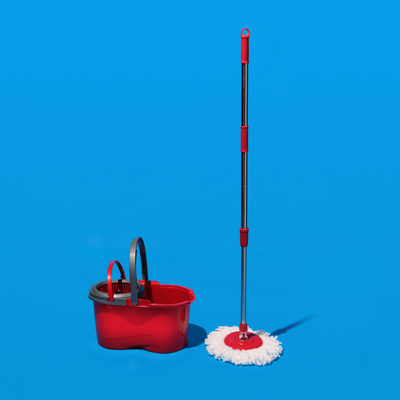
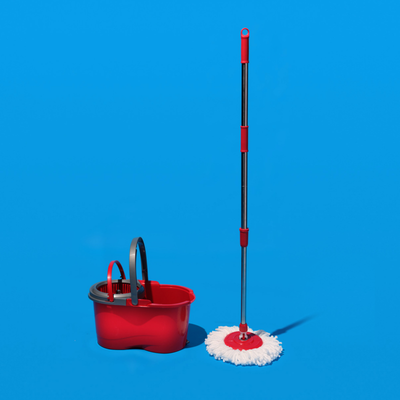
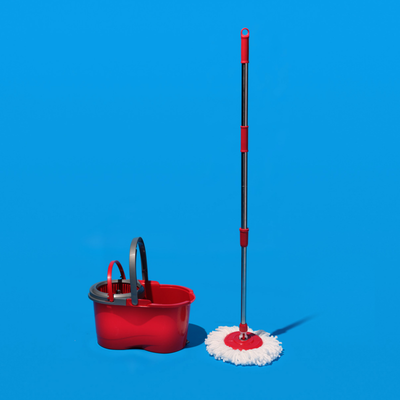
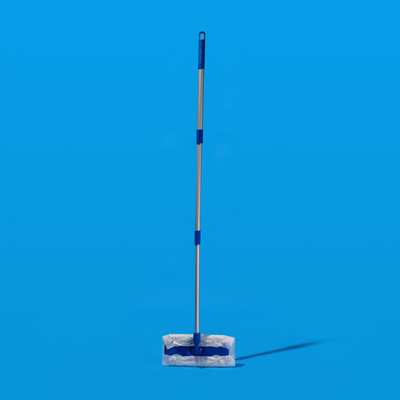
Now that we've cleared up that a kitchen oil mop isn't for your floors, let's talk about the mops you do need for keeping your home sparkling. While a chef might reach for an oil mop to season a griddle, you're probably looking for something to tackle spills, dirt, and grime on your tile or hardwood. That’s where we come in. At Lola, we specialize in high-quality mops designed for everyday life. From our Revolution Spin Mop that makes wringing out water a breeze to the super-handy Lola Rola Sticky Mop for picking up pet hair and crumbs, we have the right tool for the job. It’s all about matching the mop to the mess.
Top Brands for Commercial Oil Mops
If you’re outfitting a professional kitchen or are a serious home chef, you’ll want a dedicated oil mop from a brand the pros trust. In the world of commercial kitchens, names like Winco and Carlisle are staples. Winco has been a reliable choice for over two decades, known for creating durable tools that stand up to the heat and hustle of a busy restaurant. Similarly, brands like Carlisle offer heavy-duty wet mop heads specifically designed to handle grease. These aren't your average cleaning tools; they're built for performance and consistency in a demanding environment.
Comparing Different Materials and Styles
So, what makes a kitchen oil mop different from a floor mop? It really comes down to design and materials. An oil mop, like the 13-inch model from Winco, typically uses cotton yarn designed specifically to apply oil evenly, enhancing the flavor of food on a griddle. It’s an application tool, not a cleaning tool. This is a world away from the materials you want for your floors. While old-school cotton string mops can be messy and hard to wring out, modern floor mops use super-absorbent microfiber or durable sponges to effectively lift dirt and grime. The size and shape are also completely different, proving once again that having the right tool makes any task easier.
What to Look For When Buying an Oil Mop
So, you’re in the market for an oil mop. Whether you’re outfitting a commercial kitchen or just serious about your home griddle setup, knowing what to look for is key. The right tool will make applying oil smooth and efficient, while the wrong one can be a frustrating mess. It really comes down to three main things: the material of the mop head, the design of the handle, and its overall durability. Let's walk through what makes a great oil mop so you can choose one that’s perfect for the job.
Absorbency and Material Quality
When we talk about absorbency for an oil mop, we’re not talking about cleaning up spills. Instead, it’s about how well the mop head can soak up and hold onto oil to distribute it evenly across a cooking surface. For this task, cotton is the undisputed champion. A high-quality oil mop with a cotton head is excellent at soaking up just the right amount of oil, preventing drips while ensuring a perfect, thin coating on your griddle or grill. Think of it less like a cleaning tool and more like a giant, efficient basting brush. The quality of the cotton fibers matters, as a well-made mop head will release the oil smoothly and won’t leave lint behind on your cooking surface.
Handle Length and Ergonomics
The handle might seem like a secondary detail, but it plays a huge role in how easy and safe the mop is to use. You’ll often be working over a large, hot surface, so a handle with adequate length is crucial for keeping your hands a safe distance from the heat. A comfortable, ergonomic grip is just as important. A sturdy wood handle is a classic choice because it provides a secure grip, even if your hands get a little greasy. This control is essential for maneuvering the mop head into corners and across the entire surface without straining your wrist or back. A well-designed handle makes the whole process feel more natural and less like a chore.
Durability for Heavy-Duty Use
If you’re using an oil mop in a restaurant or any commercial setting, durability is non-negotiable. These tools are put through a lot, from constant contact with hot surfaces to frequent washing. A mop built for heavy-duty use will feature reinforced stitching and high-quality materials that can withstand the rigors of a busy kitchen. Even for home use, choosing a durable mop means you’ll have a reliable tool for years to come. At Lola, we believe that quality construction is what makes a great tool, whether it’s one of our household mops or a specialty kitchen item. Look for a mop that feels solid and well-made, as it will perform better and last much longer than a flimsy alternative.
What Do Real Customers Think?
Product descriptions are helpful, but hearing from people who actually use these tools day in and day out gives you the real story. When it comes to oil mops—especially the kind used in kitchens—users have clear opinions on what makes a great tool and what to watch out for. Let’s look at what real customers have to say.
The Most-Praised Features
When it comes to kitchen oil mops, users consistently point to a few key features that make all the difference. First up is quality construction. A tool with a high-quality wooden construction and an ergonomic design isn't just nice to have; it ensures reliable performance when you're basting meats or oiling a hot griddle.
Size is another major win. Reviewers note that a 13-inch model is often the perfect size for absorbing and spreading oil quickly without feeling awkward or unwieldy. Ultimately, it all comes down to performance. The best oil mops excel at the application of oil, a simple function that can seriously improve the flavor and texture of your food.
Common Concerns to Keep in Mind
Let’s be honest: the word “mop” can bring up some not-so-fond memories of cleaning chores. While kitchen oil mops are simple tools, some of the frustrations associated with traditional floor mops are worth keeping in mind for any cleaning tool you buy. For instance, many people find that old-school cotton string mops are messy, dirty, and a real hassle to wring out properly.
Even modern materials aren’t always a simple fix. While many believe microfiber is automatically better, its true effectiveness can vary based on the mop’s design and the cleaning solution you use. This just goes to show that having the right tool for the job is what really matters. Choosing well-designed, modern mops can help you avoid these common cleaning headaches altogether.
How to Care For Your Oil Mop
Taking good care of your mop isn't just about keeping it clean—it's about making sure it works effectively for years to come. A little maintenance after each use protects your investment and ensures you get the best possible clean every time you tackle your floors. Proper care prevents the buildup of grime and bacteria, which means you’re always cleaning with a fresh tool. Think of it this way: you wouldn't use a dirty cloth to wipe your kitchen counters, and the same logic applies to your floors. A well-maintained mop is your best partner in keeping your home sparkling.
Your Daily Cleaning and Maintenance Routine
After you finish mopping, give your mop head a thorough rinse with hot water until the water runs clear. Wring out as much excess water as you possibly can. For detachable heads, you can often toss them in the washing machine for a deeper clean—just check the manufacturer's instructions first. Avoid using harsh chemicals like bleach, which can degrade the mop fibers over time. It’s also a good idea not to leave your mop soaking in a bucket of dirty water, as this can breed bacteria and cause the mop head to break down faster. A quick, consistent cleaning routine is all it takes to keep your mop in top shape and ready for its next job.
Storing Your Mop to Make It Last
How you store your mop is just as important as how you clean it. The golden rule is to let it dry completely between uses. After rinsing and wringing it out, hang it up in a well-ventilated area with the mop head down. This allows air to circulate freely and prevents moisture from getting trapped, which can lead to mildew and unpleasant odors. Storing a damp mop in a dark closet is a recipe for a smelly, ineffective tool. Proper storage also protects the handle and ferrule (the metal part connecting the head to the handle), ensuring your entire mop stays sturdy and reliable.
Knowing When It's Time for a Replacement
Even the best mops don't last forever. A worn-out mop head doesn't just look dingy; it stops cleaning effectively and can end up just pushing dirt around. One of the clearest signs you need a replacement is when the rinse water never seems to come clean, no matter how much you rinse it. Other red flags include frayed, thinning fibers, a persistent musty smell, or visible discoloration. When you notice these signs, it's time to invest in one of Lola's quality mop refills. Starting fresh with a new head will make a world of difference in the cleanliness of your floors.
Common Mistakes to Avoid
Getting a great clean isn't just about having the right tools—it's about using them correctly. Even the best mop can fall short or, worse, damage your floors if you're not careful. A few common slip-ups can turn your cleaning routine into a frustrating chore that just moves dirt around. Let's walk through some of the biggest mistakes people make with their mops, from believing common myths to skipping simple care steps, so you can keep your floors and your tools in top shape.
Misconceptions About Usage
It's easy to assume one type of mop is the best for everything, but that's one of the most common cleaning myths. For example, while microfiber mops are fantastic for many surfaces, they aren't always the perfect solution for every mess. Using an old, worn-out string mop can also be counterproductive, often leaving floors streaky and dirty. The key is to match your mop to the specific flooring and the type of mess you're tackling. Taking a moment to understand the right tool for the job prevents you from accidentally causing preventable damage and ensures you get a truly clean surface every time.
How Improper Care Can Cause Damage
A mop is only as effective as its last cleaning. One of the biggest mistakes is using a soaking wet mop, which can cause moisture to seep into floorboards and lead to warping, especially with wood. It's also crucial to know how to clean a mop head properly. Never use harsh chemicals like bleach on sponge or synthetic heads, and don't leave a mop soaking in a bucket for too long, as this can degrade the material and breed bacteria. A dirty mop just spreads grime around, so always wring it out thoroughly and let it air dry completely after each use to keep it fresh and effective.
Where to Buy Oil Mops and How Much They Cost
Once you know what you’re looking for, finding an oil mop is straightforward. They’re available from various retailers, and you don’t have to spend much to get a quality tool. Here’s a quick guide on where to look and what to expect in terms of cost.
Typical Price Ranges
The good news is that adding an oil mop to your kitchen toolkit won't break the bank. These handy tools are surprisingly affordable, making them a practical choice for home cooks and professional chefs alike. You can typically find a quality oil mop for around $6.49. This accessible price point means you can easily keep one on hand for greasing pans, basting meats, or applying sauces without having to splurge. It’s a small investment for a tool that can make a big difference in your cooking process, helping you apply oils and glazes with precision and ease, whether you're preparing a family dinner or managing a busy restaurant kitchen.
The Best Retailers and Online Stores
You can find oil mops in a few different places, both online and in specialty stores. Large online marketplaces are a great starting point; for example, Amazon carries options like the popular Winco Oil Mop, which is a favorite in many busy kitchens. If you’re looking for something designed for a commercial setting, your best bet is a specialty kitchen supply store. Retailers like Chefs' Toys cater to the pros, so you can trust they stock durable, high-quality tools built to handle repeated use. These stores are excellent resources for finding reliable equipment that will last.
Tips for Finding Deals and Bulk Discounts
If you run a food business or just find yourself reaching for an oil mop often, buying in bulk can be a smart way to save money. Many specialty suppliers offer competitive pricing when you purchase multiple items at once, which is perfect for stocking up your kitchen. For example, you can often find bulk options at kitchen supply stores. If you're buying online from a larger retailer, be sure to check their return policy. Many sites offer free returns on items in their original condition, which gives you some peace of mind if you decide to buy a larger quantity without trying one out first.
Related Articles
- The Ultimate Heavy Duty Commercial Mop Guide
- Heavy Duty Industrial Mop Price: A 2026 Guide
- The 4 Best Commercial Wet Mops (2025 Review)
- 4 Best Commercial Wet Mops of 2026 Reviewed
Frequently Asked Questions
Can I use a kitchen oil mop to clean up grease spills on my floor? That’s a great question, but you’ll want to save the oil mop for the griddle. It’s designed to apply a thin, even layer of oil to a cooking surface, not to absorb large spills from the floor. For a greasy kitchen floor, you’ll need a proper floor mop with a degreasing cleaner that can cut through the grime and lift it off the surface effectively.
How is an oil mop different from a basting brush? Think of an oil mop as a heavy-duty version of a basting brush, built specifically for large, hot surfaces like a commercial flat-top grill. While a basting brush is great for painting sauce onto ribs, an oil mop's thick cotton head can hold more oil and cover a much wider area quickly and evenly, which is essential when you're seasoning a big griddle.
What's the best way to clean the oil mop head after using it? After each use, you should wash the mop head by hand with hot, soapy water to break down the grease. Rinse it thoroughly until the water runs clear, then squeeze out as much excess water as possible. The most important step is to hang it up to air dry completely to prevent any musty smells from developing.
Why can't I just use a small floor mop on my griddle? Floor mops are made from materials like microfiber or sponges that are not designed to withstand the high heat of a cooking surface. Using one on a hot griddle could cause the fibers to melt, leaving you with a damaged mop and a contaminated cooktop. A kitchen oil mop uses heat-resistant cotton, making it the only safe and effective tool for the job.
So if this isn't for floors, what's the best mop for a greasy kitchen floor? For tackling a greasy kitchen floor, you'll want a mop designed for deep cleaning. A spin mop is a fantastic choice because its microfiber head is great at trapping grease and grime, and the spinning mechanism wrings out the dirty water so you’re not just pushing it around. It gives you the power to scrub without leaving the floor soaking wet.









Comments