


We’ve all heard the advice: “Just use vinegar for everything!” or “More soap means it’s cleaner!” But many common cleaning tips are just myths that waste your time and money. Some can even be dangerous. It’s time to set the record straight. Believing that one all-purpose spray can handle every mess or that mixing chemicals creates a super-cleaner can lead to disappointing results or worse. This guide busts the most common myths about cleaning your kitchen. We’ll give you the real facts on how to choose and use kitchen cleaner products effectively, so you can stop guessing and start cleaning with confidence.
Key Takeaways
- Build a specialized cleaning kit: Instead of searching for one magic bottle, stock a small arsenal for different jobs. Keep a daily all-purpose spray for quick wipe-downs, a strong degreaser for greasy stovetops, and a reliable disinfecting spray for food prep surfaces.
- Pair your cleaner with the right tool: A cleaner is only half the solution. Match your products with the correct tool, like a non-scratch scourer for delicate pans or a microfiber cloth for a streak-free shine, to get the job done faster and without causing damage.
- Clean smarter, not harder: Get the best results by using products correctly. Let cleaners sit to break down grime, never mix different chemicals, and always match the formula to the surface to avoid damage and ensure a safe, effective clean.
What to Look for in a Kitchen Cleaner
Walking down the cleaning aisle can feel overwhelming. With so many bottles promising a spotless kitchen, how do you choose the right one? The truth is, the best cleaner for you depends on your specific needs. It’s not just about what cleans the best, but also what’s safe for your family, easy on your surfaces, and aligned with your values. Before you grab the first bottle you see, let’s break down the four key things to consider. Thinking through these points will help you find a cleaner that not only works but that you also feel good about using in your home.
Does it cut through grease and grime?
First and foremost, a kitchen cleaner needs to work. Your kitchen is ground zero for all sorts of messes, from splattered cooking oil on the backsplash to sticky juice spills on the counter. The primary job of any cleaner is to effectively break down and remove this buildup. Some products are specifically formulated as degreasers, designed to tackle cooking oil and stubborn food residue with ease. When you’re shopping, look for language that indicates strong cleaning power against grease. Remember, even the best spray needs a little help, so pair it with effective sponges and scourers to make quick work of tough spots.
Is it safe for your home and family?
Safety is a top priority, especially if you have children or pets running around. Many powerful cleaners achieve their results with harsh chemicals. While a strong disinfectant like Lysol can be great for deep cleaning, it might not be what you want for everyday wipe-downs on your food prep surfaces. It’s always a good idea to read the ingredient list and any warning labels. Some chemicals can be irritants or even harmful to your respiratory system. Choosing lung-safe household products with simpler, more transparent ingredient lists can give you peace of mind without sacrificing a clean kitchen.
Is it versatile and easy to use?
Who wants a cluttered cabinet filled with a dozen different cleaners? A versatile, all-purpose cleaner can simplify your routine and save you space. Look for products that are safe for multiple surfaces, like countertops, stovetops, and even floors. Brands like Mrs. Meyer’s Clean Day are popular because they work well for daily cleaning across different areas and come in pleasant, non-chemical scents. Ease of use is also important. A ready-to-use spray is much more convenient for quick cleanups than a concentrate that needs to be measured and mixed. The easier a product is to use, the more likely you are to keep your kitchen consistently clean.
Is it eco-friendly?
If you're trying to reduce your environmental impact, there are many great eco-friendly cleaning options available. These products often feature plant-based, biodegradable formulas and are packaged in recycled or recyclable materials. Brands like Method are well-known for their plant-based, eco-friendly formulas that are effective and better for the planet. Choosing an eco-friendly cleaner often goes hand-in-hand with choosing a safer one, as they tend to avoid harsh chemicals. You can also make your cleaning routine greener by using reusable tools, like our Wowables® paper towels, to reduce waste.
The Right Cleaner for Every Kitchen Mess
Walking down the cleaning aisle can feel overwhelming. With so many bottles promising a spotless kitchen, how do you know which one to grab? The secret isn't finding one magic cleaner, but building a small arsenal of products, each with a specific job. Different messes require different solutions, and having the right cleaner on hand makes tackling everything from daily crumbs to baked-on grease so much easier. Let's break down the essentials for your kitchen cleaning kit.
Your Go-To: All-Purpose Sprays
Think of an all-purpose spray as your daily driver. It’s perfect for wiping down countertops after making a sandwich, cleaning up small spills on the floor, and giving your appliance fronts a quick polish. These cleaners are designed to handle everyday grime without being too harsh. Brands like Mrs. Meyer’s Clean Day are popular for their pleasant scents and plant-derived ingredients, making daily tidying a little more enjoyable. For surfaces where you want to ensure a hygienic clean, a product like Lysol All-Purpose Cleaner can cut through dirt while disinfecting, giving you peace of mind in your cooking space.
For Stovetops and Ovens: Degreasers
Grease is one of the toughest kitchen messes to handle. Splatters from frying and cooking oil residue can build up on your stovetop and inside your oven, becoming a sticky, stubborn problem. This is where a dedicated degreaser comes in. These powerful cleaners are formulated to dissolve oil and baked-on food. A spray like Dawn Platinum Powerwash is fantastic for cutting through fresh grease on the stovetop after dinner. For the heavy-duty jobs, like a deep oven clean, a product such as Easy-Off Heavy Duty Oven Cleaner is designed to break down even the most caked-on grime, saving you a ton of scrubbing.
For Food Prep Areas: Disinfecting Sprays
When you’re working with raw meat or just want to be extra careful about germs, a disinfecting spray is a must. These cleaners go a step beyond just wiping away visible dirt; they kill bacteria and viruses on surfaces. Use a disinfecting spray on cutting boards (after washing them), countertops where you’ve prepped food, and your sink. Products like Clorox Disinfecting All-Purpose Cleaner are made specifically for this purpose. They ensure that the areas where you prepare your family’s meals are properly sanitized and safe for your next culinary creation.
For Greasy Dishes: A Powerful Dish Soap
While it might seem basic, the power of a great dish soap shouldn't be underestimated. A high-quality formula makes washing dishes by hand much faster and more effective, especially when dealing with greasy pots and pans. Look for a soap known for its grease-cutting ability. For example, the same Dawn Platinum Powerwash that works on your stovetop is also a champion at the sink, quickly breaking down oily residues on plates and cookware. A good dish soap means less time spent scrubbing and more time enjoying the meal you just made.
For Stuck-On Food: Sponges and Scourers
Sometimes, a spray cleaner needs a little help. For burnt-on food in a pan, hard water stains in the sink, or mystery marks on your countertop, the right tool is essential. This is where effective sponges and scourers become your best friends. A non-scratch scour pad is perfect for cleaning non-stick pans without causing damage, while a heavy-duty version can tackle baked-on messes on stainless steel. Products like Bar Keepers Friend are fantastic for shining up sinks and cookware, and a Mr. Clean Magic Eraser can lift stubborn stains from many surfaces. Pairing your cleaner with the right scrubber makes all the difference.
Are "Natural" Cleaners Really Better?
The cleaning aisle is full of products labeled "natural," "green," and "eco-friendly." It’s easy to assume these are always the superior choice, but the answer isn't that simple. The "best" cleaner really depends on the mess you're tackling and your personal priorities for your home. While many natural cleaners are fantastic for everyday use, some jobs require a little more muscle.
The key is to understand the difference between your options and know what to look for on the label. Many common cleaning products contain chemicals that can be tough on your lungs, especially if you or your family members have sensitivities or asthma. These are often called volatile organic compounds (VOCs), which can release gases into the air you breathe. Understanding this helps you make an informed choice, whether you reach for a store-bought spray or mix up your own solution.
Natural vs. Chemical: What's the Difference?
When we talk about "natural" cleaners, we're usually referring to products made with plant-derived ingredients and simple household staples like vinegar, baking soda, and essential oils. "Chemical" cleaners, on the other hand, are typically formulated with synthetic compounds designed for specific, powerful actions like disinfecting or heavy-duty degreasing. The line can get blurry, though. It's important to remember that even store-bought cleaners marketed as "green" or "natural" might still contain ingredients that could irritate sensitive individuals. The best approach is to read the ingredient list and choose what feels right for your family and the cleaning task at hand.
How to Read the Labels: Certifications That Matter
Marketing terms can be misleading, so learning to read the label is your best strategy. Look past the splashy "natural" claims on the front and check for specific, meaningful phrases. Terms like "plant-derived ingredients," "cruelty-free," and "made without artificial colors" are good indicators of a company's formulation philosophy. For an extra layer of confidence, look for third-party certifications. The EPA's Safer Choice label, for example, helps you find products that have been reviewed for performance and safety for both human health and the environment. These certifications provide an unbiased stamp of approval that you can trust.
Can Natural Cleaners Handle Tough Grease?
This is the big question for many of us. Can a plant-based cleaner really cut through baked-on lasagna? Often, yes, but it might require more elbow grease. Many cleaners that excel at disinfecting or tackling tough messes rely on strong chemicals. For everyday spills and wipe-downs, natural cleaners are usually more than enough. For tougher jobs, you can use common household items like white vinegar, baking soda, and castile soap. Pairing a simple cleaner with the right tool, like a heavy-duty scrubber, can make all the difference and give you the power you need without the harsh ingredients.
Why Your Cleaning Tools Matter, Too
Even the most effective kitchen cleaner can’t do its job without a little help. The right tools are the other half of the cleaning equation, turning a tough scrubbing session into a quick and easy task. Having the correct sponge, brush, or cloth on hand not only saves you time and elbow grease but also protects your surfaces from accidental damage. Think of your cleaning supplies as a team: your cleaners break down the mess, and your tools whisk it away. Investing in a quality set of tools ensures you’re ready for anything, from a minor spill to a major kitchen deep clean. It’s about working smarter, not harder, to get that satisfying sparkle.
Sponges and Scourers: Your First Line of Defense
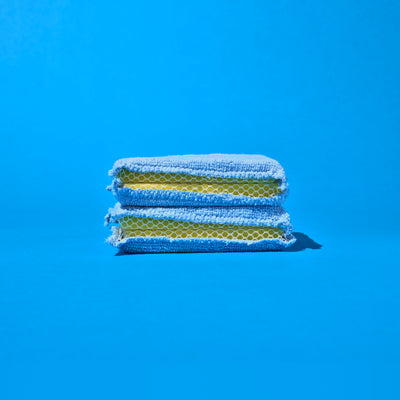
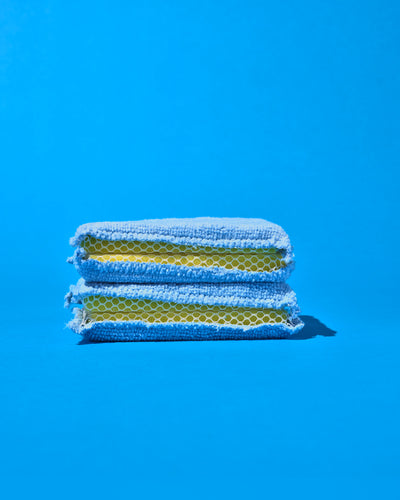
For all the daily messes that happen in the kitchen, from wiping counters to washing dishes, sponges are your go-to. It’s smart to have a few different types. A gentle, non-scratch sponge is perfect for your non-stick pans and delicate glassware, while a heavy-duty scourer can tackle baked-on food on a casserole dish without breaking a sweat. The key is to match the tool to the task. Using the right sponges and scourers ensures you get things clean quickly without scratching or damaging your favorite cookware and surfaces.
Scrub Brushes: For Hard-to-Reach Grime
Some messes are just too stubborn for a sponge. That’s when you call in a scrub brush. These are your secret weapon for getting into tight spaces like the grout between your backsplash tiles, the grimy ring around the sink drain, or the gunk that builds up around your faucet. When paired with a good abrasive cleaner, a sturdy brush with durable bristles can lift away tough stains and buildup that you thought were permanent. Look for brushes with comfortable, ergonomic handles that give you a good grip, making the work much easier on your hands and wrists.
Microfiber Cloths: For a Streak-Free Finish
If you want that truly polished, streak-free shine on your stainless steel appliances, glass stovetop, or granite countertops, microfiber is the answer. Unlike regular cotton towels that can leave lint and streaks behind, microfiber cloths have tiny, fine fibers that are designed to grab and hold onto dust, grease, and dirt particles. They can absorb many times their weight in liquid, making them perfect for drying surfaces to a perfect, spotless finish. A quick wipe-down with a microfiber cloth is the final touch that makes your whole kitchen look professionally cleaned.
How to Use Kitchen Cleaners Safely and Effectively
Having the right products is only half the battle. Using them correctly is what truly gets you a sparkling clean kitchen while keeping your home safe. It’s all about working smarter, not harder, and following a few simple rules to get the best results from your cleaning routine.
Let the Product Sit and Do the Work
Patience is a virtue, especially in cleaning. For those tough, greasy messes or when you’re disinfecting, the cleaner needs time to break down the grime. Many products have a recommended “dwell time” on the label, which is the time you should let the product sit before wiping. Spray the surface, set a timer for a few minutes, and let the cleaner do the heavy lifting for you. Once the time is up, a quick wipe with a sponge or scourer is often all you need to reveal a spotless surface.
Match Your Cleaner to the Surface
Not all cleaners are created equal, and neither are your kitchen surfaces. Using a harsh degreaser on a delicate marble countertop could cause damage, while a gentle cleaner might not cut it on a greasy stove. Always check that the product is safe for the material you’re cleaning, whether it’s granite, stainless steel, wood, or laminate. For daily wipe-downs on most surfaces, an all-purpose spray and a good microfiber cloth are your best friends. But for specific jobs, using the right formula ensures you clean effectively without causing harm.
A Serious Warning: Never Mix Cleaners
This is the golden rule of cleaning safety: never, ever mix different cleaning products. Combining chemicals, especially bleach and ammonia, can create a toxic gas that is incredibly dangerous to inhale. Many common cleaning products contain chemicals that can be harmful to your lungs, and mixing them only makes it worse. Stick to using one product at a time as directed. If you need to use a different cleaner on the same surface, make sure you rinse the area thoroughly with water and let it dry completely before applying the next product.
Always Ensure Good Ventilation
When you’re cleaning, especially with disinfectants or strong degreasers, it’s important to get the air flowing. Open a window or turn on a fan to help disperse the fumes and keep fresh air circulating. Good ventilation reduces the concentration of chemicals in the air you breathe, making your cleaning session much safer. This simple step is crucial for protecting yourself and anyone else in your home. It’s a small habit that makes a big difference in maintaining a healthy environment while you get your kitchen sparkling clean.
Store Cleaners Safely and Securely
Once you’re finished cleaning, proper storage is key. Keep all your cleaning products in their original, clearly labeled containers so you never mix them up. Store them in a cool, dry place that is out of reach of children and pets, like a high cabinet or a locked closet. This prevents accidental spills or ingestion and also helps preserve the effectiveness of the products. Taking a moment to put everything away securely is the final step to a safe and successful cleaning routine.
Common Kitchen Cleaning Myths, Busted
Let's be honest, we've all heard cleaning advice that sounds a little too good to be true. In the quest for a sparkling kitchen, it's easy to fall for old wives' tales or marketing claims. But some of these common beliefs aren't just ineffective; they can be wasteful or even dangerous. It's time to set the record straight on a few popular kitchen cleaning myths so you can clean smarter, not harder.
Myth #1: "All-purpose means it works on everything."
The idea of one spray that does it all is tempting, but the "all-purpose" label can be misleading. While these cleaners are great for general wipe-downs, they aren't a one-size-fits-all solution. A cleaner strong enough to disinfect a trash can might contain harsh chemicals or strong scents you don't want on your food prep surfaces. The key is to match the cleaner to the task. For everyday spills, an all-purpose spray is fine. For baked-on grease or sticky residue, you'll get better results by using a dedicated degreaser and the right tools to do the heavy lifting without damaging your surfaces.
Myth #2: "More product means a better clean."
When faced with a stubborn mess, it’s tempting to douse it in cleaner, thinking more product equals more power. In reality, this often does more harm than good. Using too much cleaner can leave behind a sticky residue that attracts more dirt, and many concentrated formulas can be harsh on your skin or surfaces if not diluted properly. Always start by reading the directions on the label; manufacturers want you to get the best results. You’ll often find that a small amount of product, paired with a bit of patience and a good scrub brush, is far more effective and saves you money in the long run.
Myth #3: "Natural cleaners are always safer."
The word "natural" on a cleaning label feels reassuring, but it doesn't automatically mean a product is safer or better. The term isn't strictly regulated, and many "green" or plant-based cleaners can still contain ingredients that might irritate your skin or lungs. This doesn't mean you should avoid them, but it does mean you should be a savvy shopper. Instead of relying on buzzwords, read the full ingredient list and look for specific third-party certifications. True safety comes from making an informed choice, and you can find great eco-friendly options that are both effective and transparent about what's inside.
Myth #4: "Mixing cleaners makes them stronger."
This is the most critical myth to bust: never, ever mix different cleaning products. You are not a chemist, and your kitchen is not a laboratory. While you might hope to create a super-cleaner, you're far more likely to create a dangerous chemical reaction. Mixing common cleaners like bleach and ammonia, for instance, can release toxic chloramine gas. Even seemingly harmless combinations can be hazardous. The safest and most effective approach is to use one product at a time, exactly as the manufacturer intended. If one cleaner doesn't work, rinse the area thoroughly with water before trying another. Your health is not worth the risk.
How to Save Money on Cleaning Supplies
Keeping your kitchen sparkling clean doesn’t mean you have to empty your wallet. With a few smart shopping habits, you can stock up on high-quality cleaning supplies without stretching your budget. It’s all about knowing where to look and when to buy. Instead of just grabbing whatever is on the shelf at the grocery store, a little planning can lead to significant savings over time.
Think of it as building a cleaning arsenal that works for you and your home, but at a fraction of the cost. By being intentional with your purchases, you can afford the effective products that cut through grease and grime, making your cleaning routine faster and more satisfying. Here are a few of my favorite tried-and-true strategies for getting the best deals on the tools you need.
Shop Directly from the Brand
One of the best ways to save money is to go straight to the source. When you buy directly from a brand’s website, you often get access to deals you won’t find anywhere else. Companies frequently offer exclusive discounts, promotions, or loyalty rewards to their direct customers. It’s a great way to cut out the middleman and potentially get a better price.
For example, you can often find a dedicated sales section right on the company’s site. It’s worth taking a minute to check for any ongoing specials before you make a purchase. Plus, buying direct ensures you’re getting authentic products straight from the people who make them, so you know you’re getting the quality you expect.
Look for Bundles and Value Packs
Buying in bulk is a classic money-saving tip for a reason. When you purchase cleaning supplies in bundles or multi-packs, the cost per item almost always goes down. This is especially useful for items you use all the time, like sponges, microfiber cloths, or mop head refills. Stocking up when you see a good deal means you’ll always have your essentials on hand and you’ll save money in the long run.
Value packs are also a fantastic way to try a set of related products. You might discover a new favorite brush or scrubber that came in a kit. Before you buy a single item, check to see if there’s a bundled option available that offers more value for your money.
Sign Up for Newsletters to Get Deals
If you have a few favorite cleaning brands, signing up for their email newsletters is a must. It’s one of the easiest ways to get discounts sent directly to your inbox. Many companies offer a welcome discount, like 10% or 15% off your first purchase, just for signing up. It’s a quick win that requires almost no effort.
Beyond the initial offer, you’ll also be the first to know about upcoming sales, new product launches, and subscriber-only promotions. This inside scoop helps you time your purchases to get the best possible price. You can always unsubscribe if your inbox gets too cluttered, but I’ve found it’s a simple trick that consistently pays off.
Related Articles
- Kitchen Cleaning Tips and Tricks
- Grease Lightning! 5 Pro-Approved Ways to De-Gunk Your Kitchen Without Losing Your Sanity (or Your Appetite)
- Eight Food Products You Can Use To Clean Your House Naturally
- 5 Best Non-Scratch Sponges for Your Kitchen
- 6 Ways to Make Cleaning Kitchen Cabinets a Breeze
Frequently Asked Questions
Is it really that dangerous to mix different cleaning products? Yes, it is absolutely that dangerous. Think of it as the number one rule of cleaning safety. Combining different chemicals, like bleach and ammonia, can create toxic gases that are harmful to breathe. Instead of creating a super-cleaner, you could be creating a serious health hazard in your kitchen. Always use one product at a time, and if you need to switch cleaners, rinse the surface with water first.
My spray cleaner isn't working on tough, baked-on messes. What should I do? Before you give up on a cleaner, try two things. First, give it more time to work. Spray the product on the mess and let it sit for several minutes (check the label for a recommended "dwell time") to let it break down the grime. Second, make sure you're using the right tool. A powerful cleaner still needs a good scrub brush or scour pad to lift away stubborn, stuck-on food. The combination of time and the right tool often does the trick.
Do I need to switch completely to "natural" cleaners to have a safe kitchen? Not necessarily. The goal is to have a thoughtful kitchen, not a perfectly "natural" one. Natural, plant-based cleaners are fantastic for daily wipe-downs and general cleaning. However, for disinfecting raw meat juices or tackling extreme grease, a conventional cleaner might be more effective. The best approach is to have a small collection of products you trust and to know which job each one is for.
I'm overwhelmed by all the options. What are the few essential cleaners I actually need for my kitchen? You can handle almost any kitchen mess with just a few key products. Start with a good all-purpose spray for daily counter wipe-downs. Add a powerful degreaser for the stovetop and greasy pans. Finally, keep a disinfecting spray on hand for sanitizing food prep areas and the sink. With those three, plus a quality dish soap, you have a solid foundation for a clean kitchen.
How can I keep my kitchen clean without spending a lot of money on supplies? You can definitely save money by being a smart shopper. Instead of just grabbing items at the grocery store, try buying directly from a brand's website, where you can often find special deals. Look for bundles or value packs for things you use often, like sponges or refills, since the price per item is usually lower. Also, signing up for a brand's email newsletter is an easy way to get a discount code and be notified of future sales.











Comments