


When it comes to cleaning baseboards, a one-size-fits-all approach rarely works. The light dust in your bedroom requires a different tool than the greasy buildup on your kitchen baseboards or the scuff marks in the hallway. Instead of searching for a single magic wand, the real secret is knowing which tool to grab for which mess. Finding the best baseboard cleaning tool is really about building a small, effective toolkit. This guide will show you exactly what you need, from long-handled dusters for quick maintenance to powerful scrubbers for deep cleaning, so you can handle any mess your baseboards throw at you with total confidence.
Key Takeaways
- Save Your Back with the Right Tool: Opt for a cleaner with a long, extendable handle and a pivoting head. This design lets you stand comfortably while cleaning, turning a painful chore into a quick walk-through of your home.
- Create a Custom Cleaning Kit: A single gadget won't cover every mess, so combine a few key items. Use a long-handled duster for routine dust, a small detail brush for tight corners, and a durable sponge for scrubbing away tough scuffs.
- Adopt a Simple Maintenance Routine: Keep baseboards looking fresh by dusting them monthly and deep cleaning only a few times a year. For a simple trick, wipe them with a dryer sheet after cleaning to repel dust and extend the time between scrubs.
What Makes a Great Baseboard Cleaning Tool?
Let's be honest, cleaning baseboards isn't exactly a glamorous job. But having the right tool can make it so much faster and less of a chore. Before you grab the first sponge you see, it helps to know what features actually make a difference. A great baseboard cleaner isn't just about getting the dirt off; it's about saving your back, reaching tricky spots, and giving you options for different types of messes. Thinking about these key features will help you find a tool you'll actually want to use.
Long Handle vs. Short Handle: Save Your Back
If you’ve ever spent an afternoon on your hands and knees scrubbing baseboards, you know the back pain that follows. This is where a long-handled tool is a total game-changer. Look for an option with an extendable handle that lets you stand comfortably while you clean. This ergonomic design means you can cover more ground without bending, kneeling, or stretching into awkward positions. It turns a dreaded task into a quick walk-through of your house. Many modern mops and dusters are designed with this in mind, making them perfect for reaching high and low.
Why a Swivel Head Makes Cleaning Easier
Baseboards have a knack for collecting dust in the most inconvenient places, like behind furniture or in tight corners. A tool with a flexible, 360-degree swivel head is your best friend for tackling these spots. This feature allows the cleaning head to pivot and glide along the contours of your walls, moldings, and even around the legs of your couch. Instead of stopping to reposition your tool (or yourself), you can clean in one continuous, fluid motion. It’s a simple feature that makes a huge difference in efficiency, ensuring you don’t miss a single speck of dust.
Reusable vs. Disposable Pads: Which Is Worth It?
When it comes to cleaning pads, you have a choice: reusable or disposable. While disposable pads offer quick convenience, reusable pads are the clear winner for value and sustainability. Most reusable options are made from microfiber, which is fantastic at trapping dust and grime. After you’re done, you can just toss them in the wash and use them again and again. This not only saves you money over time but also reduces waste. Using eco-friendly options is a great way to keep your home and the planet clean.
Should It Handle Both Wet and Dry Cleaning?
Your baseboards need different kinds of attention depending on the mess. For everyday dust and pet hair, a quick dry dusting is all it takes. But for scuff marks, sticky spills, or built-up grime, you’ll need to do some wet cleaning. The most versatile tools are effective for both. A great baseboard cleaner allows you to use its pads dry for a quick sweep or dampened with water and your favorite cleaner for a deeper scrub. This dual-purpose ability means you only need one tool to handle everything from light maintenance to a serious deep clean with your favorite sponges or scourers.
The Best Tools for Any Baseboard Cleaning Job
Finding the right tool can turn a dreaded chore into a satisfying task. Baseboards collect everything from dust and pet hair to scuffs and spills, so a one-size-fits-all approach doesn't always work. Whether you need a quick touch-up before guests arrive or a deep scrub to make your trim look brand new, having a few key items in your cleaning caddy makes all the difference. We've rounded up the best tools for every type of baseboard cleaning job, so you can tackle the task efficiently and get back to enjoying your sparkling clean home.
1. Lola Products Brushes — For Scrubbing and Detail Work
When your baseboards need more than a simple dusting, a good brush is your best friend. We love tools that are designed specifically for the job, and Lola Products offers some fantastic brushes that make scrubbing and detail work much easier. Look for handheld options with ergonomic grips for tackling scuffs up close, or long-handled versions that let you clean without getting on your hands and knees. Many come with interchangeable heads, like a soft pad for dusting and a firmer one for washing away grime. This versatility means you can handle multiple tasks with a single, effective tool.
2. Microfiber Duster — For Quick Daily Dusting
For routine upkeep, nothing beats a microfiber duster. Dust and pet hair seem to gravitate toward baseboards, but a quick daily or weekly swipe can prevent buildup. Microfiber is excellent at trapping particles instead of just pushing them around. A long-handled duster is perfect for quickly running along the trim in every room, saving your back and knees from any strain. Keeping one of these handy makes it easy to incorporate baseboard dusting into your regular cleaning routine. Lola's range of dusters includes options that are perfect for this kind of light, frequent cleaning.
3. Flat Mop with Reusable Pads — For Large Areas
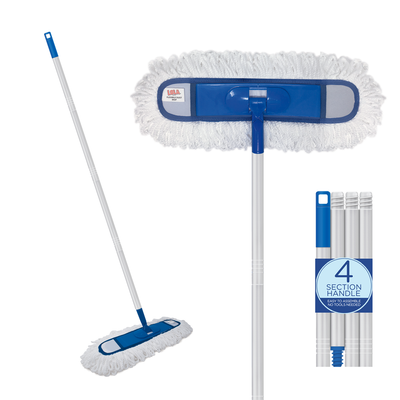
If you're facing a whole house of dirty baseboards, a flat mop can be a game-changer. A mop with a long, extendable handle and a swiveling head allows you to clean long stretches of baseboards quickly, whether you're standing or sitting. You can use it dry with a microfiber pad for dusting or dampen the pad with your favorite cleaning solution for a deeper wash. This method is especially great for anyone with mobility concerns or those who just want to get the job done fast. Many modern mops come with reusable, machine-washable pads, making them an eco-friendly and cost-effective choice.
4. Detail Brush — For Tight Corners and Grooves
Dust and grime love to hide in the tight corners and decorative grooves of baseboards. While a duster or mop can handle the flat surfaces, you need a detail brush to get into those tricky spots. An old toothbrush can work in a pinch, but a specially designed grout or detail brush with stiff bristles and an angled head will give you better results with less effort. Use it to scrub away buildup in corners where the wall meets the floor or to trace along the top edge of ornate trim. It’s this attention to detail that really makes your baseboards look professionally cleaned.
5. Magic Eraser Sponge — For Stubborn Stains and Scuffs
Every home has them: mysterious black scuffs and marks on the baseboards from shoes, furniture, or vacuum cleaners. For these stubborn spots, a magic eraser-style sponge is your secret weapon. These dense foam sponges work like super-fine sandpaper, gently lifting away marks without needing harsh chemicals. Just dampen the sponge and lightly rub the scuff until it disappears. They are particularly effective on painted baseboards. You can find similar powerful cleaning tools among Lola's sponges and scourers to tackle those tough, set-in stains that other cleaners leave behind.
6. Sponge or Scourer — For Deep Cleaning and Buildup
Sometimes, baseboards are so dirty they need a full-on bath. This is especially true in high-traffic areas, kitchens, or bathrooms where grime can really build up. For this level of deep cleaning, you'll want a bucket of warm, soapy water and a durable sponge or non-abrasive scourer. A good sponge will hold plenty of cleaning solution and has enough texture to scrub away dirt without scratching your paint. Work in small sections, washing the baseboard thoroughly and then wiping it dry with a clean cloth to prevent water spots and streaks.
7. Dryer Sheet — For Repelling Dust Between Cleans
Here’s a clever hack to keep your baseboards looking clean longer. After you’ve dusted or washed them, wipe them down with a used or new dryer sheet. The anti-static ingredients in the sheet create a barrier that actually helps repel dust, pet hair, and lint. This means less buildup between cleanings. It’s a quick final step that takes just a few seconds but can extend the freshness of your clean baseboards for weeks. Plus, it leaves behind a subtle, pleasant scent. This trick is one of our favorite cleaning accessories to have on hand.
Dusting vs. Deep Cleaning: What's the Difference?
Keeping your baseboards looking fresh involves two different approaches: routine dusting and occasional deep cleaning. Think of dusting as your daily or weekly maintenance. It’s the quick, easy task you do to prevent dust, pet hair, and dirt from building up in the first place. Deep cleaning, on the other hand, is the more intensive session you schedule every few months to tackle the stubborn scuffs, grime, and buildup that dusting alone can’t handle. Knowing when to do each, and having the right tools on hand, is the key to making the job feel less like a chore.
The Right Tools for Daily Dusting
For regular upkeep, your goal is to trap and remove surface-level dust before it gets ground in. A long-handled tool is your best friend here, as it saves you from bending and straining your back. A microfiber duster is perfect for this, as its fibers are designed to grab onto dust particles instead of just pushing them around. We recommend using flexible and extendable dusters to quickly glide over the tops of your baseboards once a week. This simple habit keeps dust from accumulating and makes your deep cleans much easier down the road.
The Right Tools for a Deep Clean
When it’s time for a deep clean, you’ll need to bring in tools with a bit more power. This is when you tackle the scuff marks from shoes, smudges from furniture, and any caked-on grime. A good set of cleaning brushes is essential for getting into the detailed grooves and corners of your trim. For tougher stains on the flat surfaces, a melamine foam sponge or a non-abrasive scourer can work wonders. You’ll be applying a bit more elbow grease here, so choose tools that are durable enough to scrub without damaging your paint or wood finish.
Choose the Right Cleaner for Your Baseboards
Pairing the right tool with the right cleaning solution is crucial. For most painted baseboards, a simple mixture of warm water and a few drops of dish soap is all you need. Apply it with a soft cloth or sponge. For stubborn scuff marks, a damp melamine sponge often does the trick on its own. If you’re dealing with unpainted wood, be sure to use a wood-safe cleaner. Always test your cleaning solution on a small, hidden area first to ensure it doesn’t damage the finish. A quality sponge or scourer will help you apply your cleaner effectively and gently lift away grime.
How Do These Cleaning Tools Compare?
When you’re standing in the cleaning aisle, it’s easy to feel overwhelmed by the options. Do you need a specialized gadget, or will a simple sponge do the trick? Let’s break down how these different tools stack up against each other in terms of performance, ease of use, and cost.
How Well Do They Work?
The effectiveness of a tool really depends on the job you’re tackling. For general dusting, a long-handled tool with a fluffy chenille or microfiber head is fantastic for grabbing dust, cobwebs, and pet hair without you having to bend over. For more stubborn scuffs and marks that make your baseboards look tired, a magic eraser-style sponge is your best friend for making them look new again.
However, for caked-on grime in kitchens or bathrooms, you’ll need something with more scrubbing power. This is where a good brush or a textured scourer comes in. They provide the abrasion needed to lift away tough dirt that a soft duster just can’t handle.
How Easy Are They to Use?
A tool isn’t much good if it’s a pain to use. Long-handled tools are designed to save your back and knees, which is a huge plus. Many of these tools also feature a 360-degree swivel head, making it simple to clean from any angle and get around furniture legs without turning into a contortionist.
For up-close work, nothing beats the control of a handheld tool. A simple sponge or scourer gives you the leverage to put some elbow grease into tough spots. The best tools are often versatile, with pads that work well for both dry dusting and wet cleaning. This means you can do a quick dust-up or a deep scrub without having to switch your equipment midway through the job.
What Do They Cost?
You can find a baseboard cleaning tool for just about any budget. All-in-one specialty tools, like the Baseboard Buddy, often cost around $25. While convenient, you can get the same, if not better, results by assembling your own cleaning kit for less. Simple, effective tools like detail brushes, sponges, and even dryer sheets are incredibly affordable.
Investing in durable, reusable tools is another way to save money in the long run. A quality flat mop with washable microfiber pads or a sturdy set of cleaning brushes might have a slightly higher upfront cost than disposables, but they’ll last for years. Plus, buying refills for a tool you already love is always more cost-effective than buying a whole new system.
How to Clean Baseboards Without Breaking Your Back
Let's be honest, cleaning baseboards is one of those chores most of us put off. It usually involves getting on your hands and knees, which can be a real pain in the back. But it doesn't have to be that way. The secret to cleaning your baseboards without the aches isn't about scrubbing harder; it's about using the right tools and a little bit of strategy. By choosing a tool that does the bending for you and tailoring your cleaning method to your baseboards, you can get them looking fresh in a fraction of the time, all while standing comfortably upright.
It’s a simple shift that makes a huge difference, turning a dreaded task into a quick and satisfying one. Forget spending an afternoon crawling on the floor. With a few key adjustments, you can maintain sparkling baseboards as part of your regular cleaning schedule. This approach not only saves you from discomfort but also delivers a more consistent clean. When you have the right system, keeping your baseboards pristine becomes an easy step, not a major project.
Use a Long-Handled Tool the Right Way
A long-handled tool is your best friend for cleaning baseboards. Look for mops or dusters with an extendable handle and a pivoting head. The long handle means you can stand up straight, preventing back strain, while the pivoting head allows the cleaning pad to stay flush against the baseboard's surface, even as you move. To use it, simply extend the handle to a comfortable height and glide the tool along the top and face of the baseboard. For a quick dust-up, a dry microfiber pad works wonders. For a deeper clean, you can use a slightly damp pad. This method lets you cover large areas quickly and efficiently, without ever needing to kneel.
The Best Technique for Painted vs. Unpainted Baseboards
Your cleaning technique should match your baseboard material. For most painted baseboards, a simple solution of warm water and a few drops of dish soap is perfect for wiping away dirt. For stubborn scuffs from shoes or furniture, a gentle scrub with one of our sponges & scourers can lift the mark without damaging the paint. If you have unpainted wood baseboards, be more cautious with water. Use a wood-safe cleaner or a very lightly dampened cloth to wipe them down, and always dry them immediately to prevent water spots or damage. For both types, always test your cleaning solution on a small, hidden area first to ensure it doesn't affect the finish.
How to Keep Your Baseboards Cleaner, Longer
Once you’ve put in the work to get your baseboards sparkling, the last thing you want is for them to be immediately covered in dust and scuffs again. The secret to maintaining that fresh, clean look isn’t spending hours scrubbing every weekend. It’s about building a few simple, quick habits that prevent grime from building up in the first place. With the right routine, you can keep your baseboards looking great with minimal effort, freeing up your time for more important things.
How Often Should You Clean Your Baseboards?
Let’s be realistic, cleaning baseboards isn’t at the top of anyone’s list of favorite chores. The frequency really depends on your home. If you have pets, kids, or live in a dusty area, you might need to clean them more often. A good rule of thumb is to give them a quick dusting every month and a deeper wash two to four times a year. The more you stay on top of the dust, the less you’ll have to do the heavy-duty scrubbing. Having a tool that makes the job feel less like a chore is a game-changer. A long-handled duster can make a quick monthly wipe-down take just a few minutes.
Simple Habits to Prevent Buildup
Maintaining clean baseboards is all about working smarter, not harder. One of the best things you can do is spot-clean messes as they happen. Keep a damp microfiber cloth or a cleaning sponge handy to quickly wipe away scuffs and smudges before they set. For tougher marks, one of our sponges & scourers can make quick work of the job without damaging the paint. After you’ve cleaned, try running a dryer sheet along the top of the baseboards. The anti-static properties help repel dust, extending the time between cleanings. These small actions take seconds but save you from a major cleaning project down the road.
Where to Find the Best Baseboard Cleaning Tools
Finding the right tool can make all the difference between a frustrating chore and a satisfying task. When you're ready to shop, you want to know where to look for tools that are effective, easy to use, and built to last. Here’s where I recommend starting your search for the perfect baseboard cleaning tools.
Lola Products: Our Go-To for Quality and Value
As an American-owned company, we’re proud of the quality and care that goes into every product we make. When it comes to cleaning baseboards, the goal is to get the job done well without straining your back and knees. That’s why we focus on creating innovative tools that simplify tough jobs. Instead of getting on your hands and knees, look for long-handled dusters and mops that let you clean comfortably while standing. Our cleaning tools are designed to be durable and effective, so you can count on them to keep your home looking its best for years to come.
Other Places to Look Online
Sometimes the best advice comes from people who are in the trenches with you, cleaning their own homes. Online communities are a goldmine for practical tips and honest reviews. You can find forums where people share their favorite tricks for cleaning baseboards, including which tools work best for them. A common tip you’ll find is to use a tool dry for a quick dusting and then use it again with a damp cloth for a deeper clean. It’s a great way to see how different tools perform in real-world situations before you decide what to buy.
How to Get the Most for Your Money
To make sure you’re making a smart purchase, look for tools that offer versatility and long-term value. A tool that can handle both dry dusting and wet washing is a fantastic investment, as it can pick up dust, pet hair, and cobwebs and also scrub away stubborn dirt and scuffs. I always recommend choosing tools with reusable microfiber pads or heads. Not only are they more effective at trapping dirt, but they’re also a cost-effective and eco-friendly choice. You can simply toss them in the wash and use them again and again, saving you money on disposable pads over time.
Related Articles
- Kick Dust to the Curb: The Ultimate Guide to Cleaning Baseboards!
- The 5 Best Corner Cleaning Tools for 2025
- How to Sweep Corners Effectively: A Pro Guide
- Home Cleaning Must-Haves and Why You Need Them
- 4 Tools to Sweep and Mop at the Same Time
Frequently Asked Questions
How often should I actually be cleaning my baseboards? A quick dusting about once a month is a great goal to prevent major buildup. For a deeper wash, aim for two to four times a year, especially in high-traffic areas like kitchens and entryways. The key is consistency; a little maintenance now saves you from a big scrubbing project later on.
What's the best way to remove stubborn scuff marks without damaging the paint? For scuffs from shoes or furniture, a magic eraser-style sponge is your best bet. Just dampen it slightly and rub the mark gently until it lifts. For more general grime, a non-abrasive scourer with a bit of warm, soapy water works well. Always start with light pressure and test on a small, hidden spot first just to be safe.
Can I just use my regular floor mop to clean my baseboards? While you could try, a traditional string mop is often too bulky and wet for baseboards, which can make a mess. A flat mop with a pivoting head is a much better choice. It gives you more control, stays flush against the trim, and its reusable pads can be used dry for dusting or damp for washing, making it a more versatile tool for the job.
Should I clean my baseboards before or after I vacuum the floors? Always clean your baseboards before you vacuum. As you dust or scrub the trim, dust and other debris will naturally fall onto the floor. Cleaning them first ensures that you can vacuum up all that dislodged grime afterward, leaving you with a completely clean space from top to bottom.
Is a long-handled tool really necessary? While not strictly necessary, it makes the job so much more comfortable. Using a tool with an extendable handle allows you to stand upright while you clean, saving your back and knees from a lot of strain. It turns a task that involves crawling on the floor into a simple walk-through of your home, which means you're more likely to do it regularly.









Comments