


Let's be honest, natural cleaning products sometimes get a bad rap. You might think plant-based sponges are flimsy, don't absorb well, or get smelly even faster than plastic ones. It’s time to set the record straight. These common beliefs are mostly myths keeping you from a truly superior cleaning tool. A well-made cellulose scrub sponge is surprisingly durable, incredibly absorbent, and stays fresh for a long time with proper care. We'll tackle these myths head-on and show you why this is a powerful, hygienic, and eco-friendly choice for your kitchen.
Key Takeaways
- Get a Two-in-One Cleaning Tool: A cellulose sponge combines a soft, absorbent side for wiping spills with a non-scratch scrubbing side for tough messes, giving you a versatile and eco-friendly option for your kitchen.
- Scrub Without the Scratches: You can confidently clean non-stick pans, glassware, and stainless steel appliances. The non-abrasive scrubber is designed to lift away grime without causing damage to your valuable surfaces.
- Keep Your Sponge Fresh Longer: A simple rinse and a good squeeze after each use is the key to preventing odors. Storing your sponge in a dry spot helps it last, making it a more hygienic and cost-effective choice.
So, What Is a Cellulose Scrub Sponge, Anyway?
If you've ever wondered what makes a cellulose sponge different from that standard plastic one, you're in the right place. Think of it as your kitchen's new best friend. It’s a cleaning tool designed to be both tough on messes and gentle on your surfaces. Unlike its plastic counterparts, a cellulose scrub sponge starts with natural materials and is built for the real-life demands of a busy kitchen, from soaking up spills to scrubbing stubborn pans. Let’s get into what makes this little powerhouse so special.
It All Starts with Natural Wood Pulp
At its core, a cellulose sponge is made from plant fibers, usually wood pulp. That means it comes from a natural, renewable resource, which is a big win for anyone trying to make more sustainable choices at home. Because they’re plant-based, these sponges are biodegradable, so they won’t sit in a landfill for centuries like plastic ones. Choosing a cellulose sponge is a simple way to reduce your household's environmental footprint without sacrificing cleaning power. It’s one of those small swaps that feels good to make, especially when you see how well it works. You can find more eco-friendly cleaning tools that help you care for your home and the planet.
Understanding Their Composition and Size
The magic of a cellulose sponge really comes down to two things: what it's made of and how it's made. The natural materials are the foundation for its eco-friendly credentials, while the manufacturing process creates a unique structure that's a superstar at soaking up liquids. Unlike synthetic sponges that are essentially plastic, cellulose sponges have a composition that makes them both effective and kind to the planet. Understanding this helps you appreciate why they perform so well. Let's break down how these simple plant fibers are transformed into the absorbent cleaning tool you need for your kitchen counters, dishes, and unexpected spills.
From Wood Pulp to Plant Fibers
At its core, a cellulose sponge is made from plant fibers, usually wood pulp. That means it comes from a natural, renewable resource, which is a big win for anyone trying to make more sustainable choices at home. This plant-based origin is what sets it apart from typical plastic sponges. When you're done with it, a cellulose sponge will biodegrade, returning to the earth instead of lingering in a landfill. This makes it a fantastic choice for an eco-conscious household. It’s a simple swap that aligns with a greener lifestyle, proving you don’t have to compromise on cleaning power to make an environmentally friendly choice. These sponges are a key part of a collection of effective eco-friendly cleaning tools.
The Science of Absorbency
Cellulose sponges are incredibly thirsty, and there's a good reason for it. During the manufacturing process, salt crystals are mixed into the cellulose mixture. Once the sponge is formed and baked, these crystals are washed away, leaving behind a network of tiny, interconnected pores. This honeycomb-like structure is what allows the sponge to absorb and hold so much liquid—up to 20 times its own weight! This high absorbency makes them perfect for wiping up spills, cleaning countertops, and washing dishes without leaving a trail of water behind. It’s this impressive capacity that makes them one of the most reliable sponges and scourers for everyday kitchen tasks.
Two Sides for Twice the Cleaning Power
The real genius of a cellulose scrub sponge is its two-in-one design. One side is a soft, incredibly absorbent cellulose sponge, perfect for wiping down counters, soaking up spills, and gently cleaning dishes. Flip it over, and you’ve got a durable scrubbing surface ready to tackle tougher jobs. This scouring side is designed to lift away stuck-on food and grime without being abrasive. This dual functionality means you don't need to switch between a cloth and a scrubber while doing the dishes. It’s a smart, efficient design that streamlines your cleaning routine, and you can find a great selection of sponges and scourers to fit any task.
Tough on Messes, Gentle on Surfaces
Have you ever hesitated to scrub a non-stick pan, worried you’ll ruin the finish? That’s where the "non-scratch" part comes in. The scrubbing side of a cellulose sponge is tough on messes but surprisingly gentle on your cookware and surfaces. You can confidently use it on non-stick pots and pans, ceramic dishes, glass stovetops, and even stainless steel appliances without leaving behind any scratches or scuff marks. This gives you the freedom to scrub away grease and baked-on food without the fear of causing damage. It’s the perfect balance of effective cleaning power and a delicate touch, making it a must-have for any modern kitchen.
Why Should You Switch to a Cellulose Sponge?
If you've ever felt a little guilty tossing another plastic sponge in the trash, you're not alone. Many of us are looking for small, simple ways to make our homes cleaner and a bit kinder to the planet. Switching to a cellulose sponge is one of those easy wins. They offer a fantastic clean without the environmental baggage of plastic. Beyond being eco-friendly, these sponges are workhorses in the kitchen, tackling everything from delicate glassware to stubborn, baked-on messes. Let's get into what makes them a smart choice for any home.
A Genuinely Eco-Friendly Way to Clean
One of the best things about cellulose sponges is where they come from. Unlike plastic sponges, which are petroleum-based, cellulose sponges are made from natural wood pulp and plant fibers. This means they are completely biodegradable and can even be composted at the end of their life. Instead of sitting in a landfill for centuries, they break down and return to the earth, leaving no harmful waste behind.
Making the switch is a small change in your shopping cart that adds up to a big positive impact. By choosing plant-based sponges and scourers, you're actively reducing plastic waste in your home. It’s a simple, practical step toward a more sustainable cleaning routine that you can feel good about every time you wash the dishes.
Absorb More Liquid, Scrub More Effectively
Cellulose sponges are incredibly thirsty, thanks to their porous structure. Those tiny holes allow them to soak up a surprising amount of liquid, making them perfect for wiping up spills on countertops, cleaning bathroom surfaces, and, of course, washing dishes. They hold onto soapy water well, so you can get more cleaning done with less soap and fewer trips back to the sink for a refill.
Many cellulose sponges, like our Natural Cellulose Scrub Sponges, feature a dual-sided design. One side is the soft, absorbent cellulose perfect for wiping and gentle cleaning. The other side is a non-scratch scrubber that gives you the power to tackle tougher messes, like food stuck on pots and pans, without damaging your cookware.
Finally, a Sponge That Resists Odors
We’ve all experienced it: that unpleasant, musty smell coming from the kitchen sponge. That odor is usually caused by bacteria thriving in a damp environment. This is where cellulose sponges really shine. Because they are made from natural fibers, they dry out much faster than their plastic counterparts. All you have to do is give it a good rinse with water after each use and leave it somewhere to air out.
This quick-drying quality is your best defense against smelly-sponge syndrome. By preventing moisture from lingering, you create an environment where odor-causing bacteria can't multiply easily. This means your sponge stays fresher for longer, keeping your kitchen smelling clean and saving you from having to replace it as often.
Designed to Outlast the Toughest Messes
Don't let their soft texture fool you; cellulose sponges are surprisingly durable. They are designed to withstand daily use and tough scrubbing without falling apart or losing their shape. Whether you're dealing with greasy pans, dried-on food, or sticky countertops, a quality cellulose sponge can handle the pressure. They maintain their integrity even after many uses, giving you a reliable tool for all your cleaning tasks.
This durability means you get more value from each sponge. Instead of crumbling after a few tough cleaning sessions, they keep working hard for you. You can confidently scrub away at burned-on food knowing your sponge won't disintegrate in your hands. For a cleaning tool that works as hard as you do, explore our full range of cleaning accessories.
Cellulose vs. Plastic Sponges: A Detailed Comparison
When you're standing in the cleaning aisle, the choice between a familiar plastic sponge and a natural cellulose one might seem small. But the differences are significant, affecting everything from your wallet to the planet. It's not just about what they're made of; it's about how they perform, how long they last, and what happens to them after you've tossed them out. We're going to break down the key differences between these two kitchen staples, looking at their environmental footprint, their durability in the face of tough messes, and their overall cleaning power. This will help you see why making the switch to cellulose is a smart move for a cleaner home and a healthier planet.
Environmental Impact
The environmental story of a sponge starts long before it reaches your sink. Plastic sponges are derived from petroleum, a non-renewable resource, and their manufacturing process contributes to pollution. In stark contrast, cellulose sponges come from natural, renewable plant fibers like wood pulp. This makes their production much kinder to the environment. The story continues after they're used, too. A plastic sponge will sit in a landfill for centuries, breaking down into harmful microplastics that pollute our soil and water. A cellulose sponge, however, is completely biodegradable. You can even compost it, allowing it to break down and return to the earth naturally. Choosing plant-based eco-friendly cleaning tools is a simple way to reduce your household's plastic waste.
Durability and Lifespan
You might think that a plant-based product would be less durable, but cellulose sponges are surprisingly tough. They are built to handle daily scrubbing, holding their shape and structure without crumbling after just a few uses. While a typical plastic sponge might start to fall apart and need replacing within a month, a quality cellulose sponge can last for several months with proper care. This impressive lifespan not only reduces waste but also saves you money in the long run. You'll find yourself buying replacements far less often, making it a smart and economical choice for any household looking for reliable sponges and scourers.
Cleaning Performance and Chemical Resistance
When it comes to getting the job done, cellulose sponges truly excel. Their porous, plant-fiber structure makes them incredibly absorbent, allowing them to soak up spills and hold soapy water much more effectively than their plastic counterparts. This means you can clean more surface area with less effort. The non-scratch scrubbing side, like the one on our Natural Cellulose Scrub Sponges, is a game-changer. It gives you the power to remove baked-on food from non-stick pans, glassware, and stainless steel without worrying about causing damage. This combination of gentle yet effective cleaning makes them a versatile tool for every corner of your kitchen.
Where Can You Use a Cellulose Scrub Sponge?
One of the best things about a cellulose scrub sponge is its versatility. It’s gentle enough for your most delicate items but tough enough to handle everyday messes. This means you can confidently reach for the same tool to clean a wide range of surfaces around your kitchen and home without worrying about causing damage. From your morning coffee mug to your evening cookware, this sponge has you covered. Let's look at some of the best places to put it to work.
Keep Your Non-Stick Cookware Safe
We’ve all felt that moment of panic when you realize you might have scratched a brand-new non-stick pan. With a cellulose sponge, you can put that fear to rest. The non-abrasive scrubber side is specifically designed to be tough on food but gentle on surfaces. These sponges and scourers are safe for non-stick surfaces, making them an excellent choice for cleaning delicate cookware without causing scratches. You can scrub away stuck-on food from your favorite skillet or saucepan, knowing the coating will remain perfectly intact. It’s the ideal balance of cleaning power and protection for your valuable kitchen tools.
Get Sparkling Glass and Ceramic Dishes
Getting glassware and ceramic dishes truly clean and streak-free can be a challenge. You need a tool that can wipe away residue without leaving behind lint or scratches. The soft, absorbent side of a cellulose sponge is perfect for this job. The cellulose side of the sponge effectively wipes and washes clean, ensuring that your glass and ceramic dishes maintain their shine without any risk of scratching. Use it with your favorite dish soap to gently wash wine glasses, coffee mugs, and serving plates, leaving them sparkling and ready for your next meal.
Shine Up Stainless Steel Sinks and Appliances
Stainless steel looks beautiful when it’s clean, but it can be a magnet for fingerprints, water spots, and grime. A cellulose scrub sponge is a fantastic tool for keeping these surfaces looking their best. Lola's scrubber sponges are all-purpose cleaning tools that are safe for non-stick surfaces and ideal for a variety of scrubbing tasks, including stainless steel appliances and sinks. You can use the scrubber side to gently remove dried-on food from your sink basin or the soft side to wipe down your refrigerator doors, dishwasher, and microwave for a streak-free shine.
Wipe Down Countertops and Household Surfaces
Your cleaning routine doesn’t stop at the sink. Cellulose sponges are great for general surface cleaning all around the house. These natural and absorbent cellulose sponges feature an all-purpose fiber scrubber surface, making them efficient for cleaning countertops and other household surfaces. Wipe up spills on your quartz or laminate countertops, scrub your stovetop after dinner, or even take one to the bathroom to clean the vanity. Their durability and gentle scrubbing power make them a reliable choice for keeping your entire home looking fresh and clean.
Can It Really Handle Tough Cleaning Jobs?
It’s a fair question. When you hear about a sponge being gentle and non-scratch, you might wonder if it has the muscle for real-life kitchen messes. Can something that’s safe for your favorite non-stick pan actually handle last night’s baked-on cheese or that greasy skillet? The answer is a definite yes. A well-designed cellulose sponge is the perfect combination of gentle and tough, making it one of the most versatile cleaning tools in your arsenal. It’s all about having the right tool for the job, and this sponge is built for the challenge.
Cut Through Stubborn Grease and Grime
We’ve all faced that dreaded pan with stubborn, baked-on food. Instead of reaching for an aggressive scourer that could damage your cookware, a cellulose scrub sponge offers a smarter solution. The scrubbing side is designed to break down and lift tough grime and grease without being abrasive. Once you’ve loosened the mess, the soft, absorbent cellulose side wipes it all away cleanly. This dual-action approach makes our Natural Cellulose Scrub Sponges incredibly effective for everything from greasy stovetops to casserole dishes, giving you a powerful clean without the risk of scratches.
Soak Up Big Spills in Seconds
One of the standout features of a cellulose sponge is its incredible absorbency. Made from wood pulp, these sponges can hold a surprising amount of liquid, which makes cleaning up spills quick and efficient. Whether you’ve knocked over a glass of juice on the counter or need to soak up excess water around the sink, a cellulose sponge gets the job done in one or two passes. This absorbency also helps create a rich lather with just a little bit of soap, so you can wash a sink full of dishes without constantly reaching for the dish soap bottle.
Scrub Hard Without Leaving Scratches
The biggest fear when cleaning delicate surfaces is causing permanent damage. A cellulose scrub sponge takes that worry away. The scrubbing fibers are tough on grime but specifically engineered to be safe on a wide range of materials, including non-stick coatings, glass, ceramic, and stainless steel. You can confidently scrub your pots and pans knowing you won’t leave behind any scratches or scuff marks. Lola's sponges and scourers are all-purpose cleaning tools that give you the power to scrub effectively while protecting your valuable kitchenware, making them a must-have for any home.
Potential Downsides and Cautions for Cellulose Sponges
As much as we love cellulose sponges, it’s important to be realistic. Like any cleaning tool, they work best when you know how to use and care for them properly. Being aware of a few potential issues can help you get the most out of your sponge and keep your kitchen hygienic and sparkling. Think of it less as a list of cons and more as a user's guide to making sure this eco-friendly powerhouse performs at its best. With just a little bit of know-how, you can easily sidestep these common pitfalls and enjoy all the benefits a cellulose sponge has to offer.
They Can Harbor Bacteria if Not Cared For
Let's tackle the biggest concern right away: bacteria. Because cellulose sponges are so absorbent, they can hold onto moisture if you're not careful. A damp sponge left in the bottom of the sink can become a breeding ground for germs and that dreaded musty smell. The good news is that preventing this is incredibly simple. The key is to rinse your sponge thoroughly with hot water after every use, squeeze out as much water as possible, and leave it in a place where it can air dry completely. A sponge rack or a spot on the side of the sink works perfectly. This simple habit keeps your sponges and scourers fresh and hygienic for much longer.
A Note on Scratching Delicate Surfaces
While our Natural Cellulose Scrub Sponges are designed to be non-scratch, it’s always a good idea to be cautious with extremely delicate or high-gloss surfaces. If you're cleaning something for the first time, like a new appliance or a special piece of cookware, it's smart to test the scrubber on a small, inconspicuous area first. This gives you peace of mind before you start scrubbing the whole thing. It's also worth noting that because they are made from natural fibers, cellulose sponges may wear out a bit more quickly than their plastic counterparts, but that’s a small price to pay for a biodegradable and effective cleaning tool.
Important Usage and Cleaning Warnings
To keep your cellulose sponge in top shape, a few simple rules go a long way. Always rinse it clean after each use to wash away food particles and soap residue. For a deeper clean, you can pop it on the top rack of your dishwasher to sanitize it. This is an easy way to kill germs and extend its life. However, there is one major "don't": never use chlorine bleach on your cellulose sponge. Bleach is too harsh for the natural wood pulp fibers and will cause them to break down and disintegrate. Stick to dish soap and water for daily cleaning and the dishwasher for sanitizing, and your sponge will remain a reliable part of your cleaning accessories kit.
How to Choose the Best Cellulose Sponge
When you’re standing in the cleaning aisle, it’s easy to assume all sponges are pretty much the same. But if you’ve ever had one fall apart after a few tough scrubs, you know that’s not true. Finding the right cellulose sponge can make a huge difference in your cleaning routine, saving you time, money, and frustration. The best ones aren’t just good at cleaning; they’re also designed to last and are kinder to the planet.
So, what should you look for? A great cellulose sponge balances gentle cleaning power with serious scrubbing ability. It should be tough on messes but safe for your delicate cookware. It also needs to be super absorbent to handle spills and wipe surfaces clean without leaving streaks behind. And in a world where we’re all trying to make better choices, finding a genuinely eco-friendly option is a major win. Let’s break down the four key things to look for to make sure you bring home a sponge that truly works.
Look for a Smart, Dual-Sided Design
The most versatile cellulose sponges feature a two-in-one design. One side is the soft, absorbent cellulose material you know and love, perfect for wiping up spills and gently cleaning dishes. The other side is a non-scratch scrubbing surface designed to tackle tougher messes without damaging your pots and pans. This dual-sided approach means you have the right tool for any job, from a quick counter wipe-down to scrubbing baked-on cheese. Lola’s sponges and scourers are designed this way, giving you a gentle touch and tough scrubbing power in one handy tool.
How to Spot a Durable, Long-Lasting Sponge
A sponge that crumbles after one encounter with a greasy pan is a waste of money. A high-quality cellulose sponge is made to last. Look for sponges that feel substantial and are constructed to keep their shape, even after repeated use. They shouldn't crack or fall apart when you’re putting in some elbow grease on stubborn, burned-on food. A durable sponge not only performs better but also means you’ll be replacing it less often, which is good for both your wallet and the environment.
Always Prioritize High Absorbency
One of the standout features of cellulose is its incredible ability to soak up liquid. The best cellulose sponges are highly absorbent, making them perfect for cleaning up spills and wiping down surfaces to a streak-free shine. A sponge with great absorption can hold plenty of soapy water, which helps you clean dishes more efficiently. It easily picks up dirt and food particles, leaving your glassware, plates, and countertops sparkling clean without spreading the mess around. This is where cellulose truly outshines its plastic counterparts.
Make Sure It's Truly an Eco-Friendly Choice
If you’re choosing cellulose, you’re likely thinking about the planet. To make sure your choice is truly green, check that the sponge is made from natural, plant-based materials like wood pulp. These materials are renewable and, most importantly, biodegradable. Unlike plastic sponges that sit in landfills for centuries, a natural cellulose sponge can be composted at the end of its life, breaking down without leaving harmful waste behind. Choosing from a line of eco-friendly products ensures you’re making a purchase you can feel good about.
Common Myths About Cellulose Sponges, Busted
Cellulose sponges are fantastic cleaning tools, but they’re surrounded by a surprising amount of misinformation. If you’ve been hesitant to make the switch because of something you’ve heard, let’s clear the air. It’s time to separate fact from fiction and look at what these plant-based powerhouses can really do for your home. From durability to eco-friendliness, we’re tackling the most common myths head-on.
Myth: "Biodegradable" Means It's Flimsy
It’s easy to think that if something is designed to break down in nature, it must be flimsy. But when it comes to cellulose sponges, that’s simply not true. A sponge’s durability has more to do with its construction and the quality of its binder than its biodegradability. High-quality cellulose sponges are made to withstand serious scrubbing. They hold their shape and power through tough messes just as well as their plastic counterparts. So you can get a long-lasting, effective cleaning tool without compromising your eco-friendly values.
Myth: They Don't Absorb as Well as Plastic
This one is a classic case of mistaken identity. Cellulose sponges are actually champions of absorption. Because they’re made from natural wood pulp, their structure is incredibly porous, allowing them to soak up and hold a surprising amount of liquid. In many cases, they can absorb more water than plastic sponges of the same size. This makes them perfect for wiping up spills, washing dishes, and cleaning countertops. Their natural composition is precisely what gives them their superior ability to handle liquids and leave surfaces sparkling clean.
Myth: They Get Smelly Just as Fast
Let’s be honest: any sponge can get smelly if it’s left wet in the bottom of the sink. The key to keeping a cellulose sponge fresh isn’t about the material itself, but how you care for it. While their natural fibers can trap particles, a simple routine prevents any issues. After each use, rinse your sponge thoroughly with hot water, squeeze out every last drop, and store it somewhere it can air dry completely. Proper sponge care is the secret to preventing bacteria growth and keeping odors away, no matter what kind of sponge you use.
Myth: They Aren't *Really* Better for the PlanetReally Better for the Planet?
Yes, absolutely. This is one area where cellulose sponges truly shine. Unlike plastic sponges, which are made from petroleum-based materials and sit in landfills for centuries, cellulose sponges come from a renewable resource: plants. They are made from wood pulp, which means they are completely biodegradable and can even be composted at the end of their life. By choosing a cellulose sponge, you’re making a conscious decision to reduce plastic waste and select a product that returns to the earth without leaving a trace. It’s a small change that makes a big difference for the planet.
Meet Lola's Natural Cellulose Sponges
Now that we’ve covered what makes cellulose sponges a great choice, let’s talk about what makes Lola’s sponges special. We designed our sponges to be the perfect cleaning partner for your home, combining plant-based materials with smart, effective design. They aren't just another sponge; they're a tool to make your cleaning routine simpler and more sustainable. From tackling greasy pans to wiping down your countertops, our sponges are made to handle it all without leaving a scratch behind.
What Makes Our Sponges Different?
What sets our sponges apart is the thoughtful combination of materials. Each one is made from natural and highly absorbent cellulose, which comes from wood pulp. This means they can soak up spills and suds with ease. The other side features an all-purpose fiber scrubber that’s tough on grime but gentle on your cookware. You can confidently use our sponges and scourers on non-stick pans, delicate glassware, and other sensitive surfaces without worrying about scratches. We’ve focused on creating a durable, effective tool that you can rely on for all kinds of messes, big and small.
The Right Sponge for Every Kitchen Job
The real magic of our sponges is their versatility. The dual-sided design makes them a true kitchen workhorse. Use the soft, absorbent cellulose side to wipe up spills, wash dishes, and gently clean surfaces. When you encounter stubborn, stuck-on food or a greasy stovetop, just flip it over to the scrubber side. It provides the extra cleaning power you need without being abrasive. This makes our Natural Cellulose Scrub Sponges perfect for everything from your morning coffee mug to your evening casserole dish, ensuring every part of your kitchen stays sparkling clean.
How to Keep Your Sponge Fresh and Clean
A good sponge is a kitchen workhorse, but it needs a little TLC to stay effective and hygienic. Just like any other tool, proper care will help it last longer and perform better. The great thing about cellulose sponges is that they're incredibly easy to maintain. With just a few simple habits, you can keep your sponge in top shape, free from funky smells and bacteria. Think of it as a small investment of time that pays off with a cleaner, healthier kitchen. We've all been there: you grab the sponge, and it has that unmistakable sour smell. That's a sign that bacteria have moved in, and it's definitely not something you want to spread around your dishes and countertops. By learning how to clean and store your sponge correctly, you not only avoid the gross factor but also get more value out of every sponge you buy. It means fewer trips to the store and less waste, which is a win-win. These aren't complicated, time-consuming chores. They are quick, easy steps you can build into your daily kitchen cleanup routine. Let's walk through the four key steps to keeping your sponge fresh and ready for any mess.
How to Prepare Your New Sponge for Use
Before you start scrubbing, taking a moment to prep your new sponge will make all the difference. The first step is to get it fully hydrated. Just hold it under warm running water, giving it a few good squeezes until it’s soft and pliable. This simple rinse washes away any dust from packaging and wakes up the natural fibers, ensuring it's ready to absorb spills and suds from the start. If your sponge has a scrubbing side, like our Natural Cellulose Scrub Sponges, it’s also a good idea to do a quick spot test. Before you go to town on a new pan or appliance, find a small, inconspicuous area and give it a gentle scrub. This simple check confirms that the scrubber is safe for your surface and gives you the confidence to tackle messes without worrying about scratches.
The Right Way to Rinse and Dry It
This is the most important habit to get into, and it takes just a few seconds. To keep your cellulose non-scratch scrub sponge fresh, give it a thorough rinse with clean, hot water after every single use. Make sure you wash away any visible food particles or soap residue. Then, squeeze out all the excess water until it's just damp. This simple step is your first line of defense against bacteria. When food bits are left behind, they become a breeding ground for germs, which is what causes those unpleasant odors. A quick, thorough rinse helps the sponge dry much faster, creating an environment where bacteria can't thrive. It’s a small action that makes a huge difference in your kitchen hygiene.
Yes, You Can Sanitize It in the Dishwasher
For a really deep clean, your dishwasher is your best friend. Tossing your sponge in for a cycle is an incredibly easy way to sanitize it and get rid of any lingering bacteria or grime. Just place it on the top rack during a regular wash cycle with a heated dry setting. Doing this once a week ensures your sponge is safe to use on all your dishes and kitchen surfaces. If you don't have a dishwasher, you can use your microwave. Just make sure the sponge is completely wet (a dry sponge can catch fire!) and pop it in for one to two minutes. Let it cool down before you handle it. This is a fantastic trick for extending the life of your favorite sponges and scourers.
Other Sanitizing Methods: Boiling and Microwaving
If you don't have a dishwasher, don't worry! There are other simple and effective ways to sanitize your sponge. One easy method is to boil it. Just bring a small pot of water to a boil, carefully place your sponge in it, and let it simmer for about five minutes. This will kill off any bacteria that might be hiding in its pores. Another great option is your microwave. First, make sure your sponge is completely saturated with water—a dry sponge is a fire hazard. Then, pop it in the microwave on high for one to two minutes. The steam created will kill germs effectively. Just be sure to let it cool down before you grab it! These quick methods are perfect for keeping all your cleaning accessories hygienic and ready for action.
Store Your Sponge to Make It Last Longer
Where you keep your sponge between uses matters more than you might think. The worst place for it is sitting in a puddle of water at the bottom of the sink. This keeps it constantly damp, creating the perfect home for mildew and bacteria. Instead, find a spot where it can dry out completely. Prop it up on its side against the faucet or, even better, use a sponge holder that allows for plenty of air circulation all around it. If you grab your sponge and it feels a bit dry or stiff, don't worry. Just soak it in some water for a moment to restore its natural softness and flexibility before you start scrubbing. Proper storage is a simple step that makes a big difference.
A Quick Tip: Always Test New Surfaces First
Cellulose non-scratch sponges are designed to be gentle, but it’s always a smart idea to be cautious with new or delicate surfaces. Before you start scrubbing a new countertop, a special non-stick pan, or a high-gloss appliance, it's wise to do a quick spot test. Find a small, hidden area, like the back of an appliance or the underside of a pan, and gently scrub to see how the surface reacts. This quick check gives you peace of mind that it won't leave any scratches or marks. Once you know it's safe, you can clean confidently. This little habit is a great way to protect your belongings and ensure all your cleaning accessories work just the way you want them to.
Exploring the World of Eco-Friendly Sponges
While cellulose sponges are a fantastic all-around choice for the kitchen, the world of sustainable cleaning tools doesn't stop there. Once you start looking, you'll find a whole range of plant-based and natural options, each with its own unique strengths. Think of it like building a toolkit; just as you have different brushes for different tasks, having a few types of eco-friendly sponges can make your entire cleaning routine more effective. From tough, fibrous scrubbers made from coconuts to ultra-soft sea sponges, nature provides some amazing materials to help keep our homes sparkling. Let's look at a few other popular choices you might encounter.
Other Plant-Based Options: Loofah and Coconut
If you're looking for some serious scrubbing power, loofah and coconut sponges are excellent alternatives. Loofahs, which actually come from a type of gourd, are perfect for tackling baked-on food on pots and pans without scratching. When dry, they feel coarse, but they soften up nicely in water. Coconut fiber scrubbers, made from the husks of coconuts, are another great choice for heavy-duty cleaning. They are incredibly effective on dishes and tough enough for cast iron, plus they break down easily when you're done with them. Both of these options expand your arsenal of eco-friendly tools for those jobs that need a little extra muscle.
Natural Sea Sponges
For a touch of luxury in your cleaning routine, natural sea sponges are a wonderful option. These aren't plant-based; they are marine animals harvested from the ocean floor. Because they are 100% natural, they are incredibly strong, highly absorbent, and last for a very long time with proper care. Their unique texture makes them extremely gentle, so they are perfect for delicate tasks like washing fine china, glassware, or even for personal care in the bath. When choosing a sea sponge, it's important to look for one that has been sustainably harvested to ensure the ocean's ecosystems are protected. They are a beautiful and effective reminder of the powerful cleaning tools nature can provide.
Choosing the Right Eco-Sponge for the Job
With so many great options, how do you pick the right one? It all comes down to the task at hand. An eco-friendly sponge should be made from natural materials, be durable, and break down naturally at the end of its life. For everyday dishwashing and wiping down counters, a cellulose scrub sponge is the perfect versatile tool. For tough, caked-on messes on sturdy cookware, a loofah or coconut scrubber is your best bet. And for your most delicate glassware, a natural sea sponge offers a gentle, effective clean. By matching the sponge to the job, you get the best results while making a sustainable choice for your home and the planet.
Are Cellulose Sponges Worth the Money?
When you’re standing in the cleaning aisle, it’s easy to just grab the cheapest option. But a smart purchase isn’t just about the price tag; it’s about getting a tool that works well, lasts a long time, and aligns with your values. So, when it comes to sponges, are cellulose options really a good investment? The answer is a resounding yes. Looking at the full picture, from initial cost to long-term value and environmental impact, shows why making the switch is one of the easiest and most effective upgrades for your kitchen.
Cellulose sponges offer a powerful combination of durability and sustainability that plastic alternatives just can’t match. They’re designed to handle tough jobs without falling apart after a few uses, and they come from renewable resources. This means you’re not only getting a better cleaning tool but also making a choice that’s kinder to the planet. When you weigh all the factors, it becomes clear that a cellulose sponge isn’t just another item on your shopping list. It’s a practical, responsible choice for any home.
Let's Talk Price: How Do They Compare?
Let’s be direct: at first glance, a cellulose sponge might seem a little more expensive than its plastic counterpart. A typical plastic sponge can cost around two dollars, while a high-quality cellulose sponge might be closer to three or four dollars. While you might save a dollar or so upfront by choosing plastic, it’s important to think about what you’re getting for that price. That small difference in cost buys you a more durable, absorbent, and eco-friendly cleaning tool. It’s less of a splurge and more of an investment in a product that performs better and lasts longer.
Why They Offer Better Long-Term Value
Here’s where that small initial investment really pays off. Because cellulose sponges are made from dense wood pulp fibers, they are incredibly durable. Unlike plastic sponges that can start to fray and fall apart after just a few tough cleaning sessions, a good cellulose sponge can last for months with proper care. This means you’ll be buying sponges less often, which can save you money over time. When you find yourself reaching for the same reliable sponge week after week, you’ll see the true value in choosing a product built to last.
A Simple Swap to Reduce Household Waste
One of the biggest advantages of cellulose sponges is their environmental footprint. They are made from plant-based materials, usually wood pulp, which means they are completely biodegradable. When your sponge has reached the end of its life, you can simply toss it in your compost bin, where it will break down naturally without leaving harmful residues behind. By choosing eco-friendly cleaning tools, you actively reduce the amount of plastic waste your household produces. It’s a simple swap that makes a real difference for the planet, making it a truly smart and responsible purchase.
Ready to Make the Switch? Here's Where to Shop
Convinced that a cellulose sponge is the right choice for your kitchen? Great! Getting your hands on one is easy. Whether you love the convenience of online shopping or prefer to browse the aisles of your local store, we’ve got you covered. Here are a few simple ways to add a Lola Products cellulose sponge to your cleaning routine.
Shop Lola Products from Home
If you prefer to shop from the comfort of your couch, the easiest way to get started is by visiting our website. We offer a fantastic natural cellulose scrub sponge that’s perfect for all-purpose cleaning. It’s designed to be tough on messes while remaining completely safe for your non-stick cookware, glassware, and other delicate surfaces. You can read reviews, check out other eco-friendly products, and have your new favorite cleaning tool delivered right to your door. It’s a simple way to make sure you’re getting an authentic, high-quality sponge designed for a sparkling clean kitchen.
Find Our Sponges in a Store Near You
For those who like to see and feel a product before buying, you can find Lola Products at various retail locations across the country. Keep an eye out for our natural cellulose scrub sponges in the cleaning aisle of your favorite local grocery or department store. Retailers like Fiesta Mart carry our non-scratch, eco-friendly sponges, making it easy to grab a pack during your next shopping trip. Adding them to your cart is a small, simple step you can take toward a cleaner home and a healthier planet. Check your local store to see if they carry our line of dependable cleaning tools.
How to Save When You Stock Up
Once you realize how much you love these sponges, you’ll want to have a few on hand. A great way to save a little money and ensure you’re never without one is by purchasing in bulk. You can find multi-packs that make each sponge more affordable in the long run. Since these sponges are so durable and versatile, stocking up is a smart move. You’ll always have a fresh one ready for tackling everything from greasy pans to countertop spills. It’s a practical investment that simplifies your cleaning supply shopping and keeps your kitchen prepared for any mess.
Related Articles
- The Most Hygienic Dish Scrubber: Our Top Picks
- The 4 Best Dish Wand Sponges for a Clean Kitchen
- Wise and Creative Ways to Use Your Common Dishwashing Sponge
- 7 Best Reusable Paper Towel Alternatives
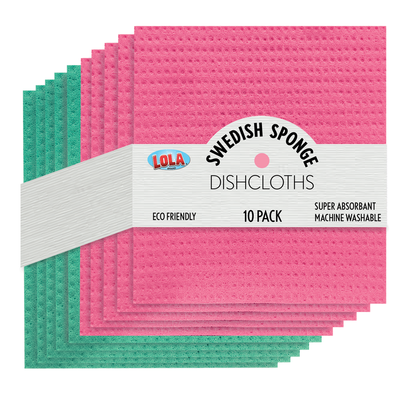
- Cellulose Sponge Cloths aka "Swedish Cloth"- 2 pack
Frequently Asked Questions
How often should I replace my cellulose sponge? With the right care, a quality cellulose sponge can last for a month or even longer, depending on how heavily you use it. Instead of following a strict timeline, look for signs of wear. If the scrubbing side starts to fray or if the sponge develops an odor that doesn't go away after sanitizing, it's time for a fresh one.
Is the scrubbing side really safe for all my non-stick pans? Yes, the non-scratch scrubber is specifically designed to be tough on food but gentle on delicate surfaces, including non-stick coatings, glass, and ceramic. However, if you have a brand-new or particularly expensive piece of cookware, it's always a good practice to test a small, inconspicuous area first just to be completely sure.
My sponge gets hard and stiff when it dries out. Is that normal? That's perfectly normal and actually a good sign. The stiffness shows that the sponge is drying out completely between uses, which helps prevent bacteria from growing. Because it's made from natural plant fibers, it hardens as the water evaporates. Just run it under some water for a few seconds, and it will become soft and flexible again.
What's the best way to sanitize my sponge if I don't have a dishwasher? The microwave is a great alternative for sanitizing your sponge. First, make sure the sponge is completely saturated with water; a dry sponge is a fire hazard. Then, place the wet sponge in the microwave and heat it on high for one to two minutes. Let it cool down for a bit before you handle it, as it will be very hot.
Can I actually put this in my home compost pile? Absolutely. Since our sponges are made from natural wood pulp, they are completely biodegradable. When your sponge has reached the end of its life, you can cut it into smaller pieces to help it break down more quickly and add it directly to your compost bin. It's a simple way to reduce household waste.










Comments