


You wouldn't use a kitchen sponge to wash your car. The same logic applies to your floors. The mop that works wonders on your friend's tile could be a disaster on your delicate hardwood. Choosing the right tool is about matching it to the surface, ensuring you get a deep clean without causing accidental damage. This isn't just about wiping up dirt; it's about protecting your home's biggest investment. We’ll break down everything from microfiber heads to spin systems to help you understand what makes a great mop and how to properly mop clean floor for a streak-free shine.
Key Takeaways
- Choose the right tool for your floors: The best mop is one that suits your specific flooring. Use a spray mop for moisture-sensitive surfaces like hardwood and laminate, and a spin mop with a good wringer for durable floors like tile to get a deep clean without causing damage.
- Technique is just as important as the tool: For a streak-free shine, always sweep or vacuum before mopping to remove loose debris. Use a figure-eight motion to lift dirt effectively and use only the recommended amount of cleaning solution to avoid leaving a sticky residue.
- Proper care makes your mop last longer: Keep your mop in top condition by washing the head after each use and storing it upright to dry completely. Replacing worn-out mop heads is crucial, as a frayed pad will only spread dirt instead of cleaning it up.
What to Look for in a Mop
Walking down the cleaning aisle can feel overwhelming. With so many mops to choose from, how do you know which one will actually get the job done without leaving you with a sore back and streaky floors? The secret is that the best
Picking the Right Mop Head Material
The part of the mop that does the heavy lifting is the head, and the material it’s made from matters a lot. While cotton string mops are classic, microfiber is the real star. Microfiber is incredibly absorbent, durable, and you can toss it right in the washing machine. Plus, it doesn't get that musty smell that cotton can develop. Studies have shown that a good microfiber mop can remove over 99% of dirt and germs from a surface, while cotton often just pushes the grime around. For a truly deep clean, microfiber is the way to go.
Finding a Comfortable Handle
Mopping shouldn't be a back-breaking chore. A great mop has an ergonomic handle that’s long enough for you to stand up straight while you work. Look for mops with adjustable or telescoping handles, which allow you to set the perfect height for your body. This small feature makes a huge difference in comfort and can prevent you from feeling sore after cleaning. A comfortable grip is also a plus, giving you better control as you guide the mop across your floors.
Choosing Your Wringing Style
The goal of mopping is to clean with a damp mop head, not a soaking wet one. Too much water can leave streaks and even damage sensitive flooring like laminate or hardwood. This is why a reliable wringing mechanism is so important. Whether it’s a spin system, a simple lever, or a built-in wringer in the bucket, it should effectively squeeze out excess water. The best wringers are easy to use and don't have a lot of complicated parts that can break over time, giving you the perfect level of dampness every time.
Matching the Mop to Your Floor
Your floors are a big investment, so you need a mop that will clean them safely. A truly great mop is versatile enough to handle different types of surfaces, from tile and vinyl to sealed hardwood and laminate. Microfiber flat mops are often an excellent choice because they clean effectively with minimal water, making them safe for most hard floors. Always check the manufacturer's recommendations, but a versatile mop that can move from the kitchen tile to the living room hardwood will make your cleaning routine much simpler.
The Best Mops for Every Cleaning Job
Finding the right mop can feel like a chore in itself, but it doesn't have to be. The best mop for you really depends on your floor types, the size of your space, and how you like to clean. To make it easier, I’ve broken down some of the most popular mops out there, from powerful spin
Lola Products Revolution Spin Mop
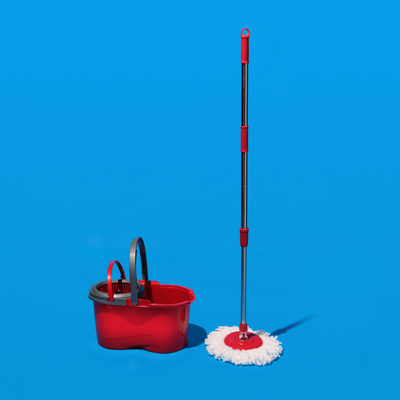
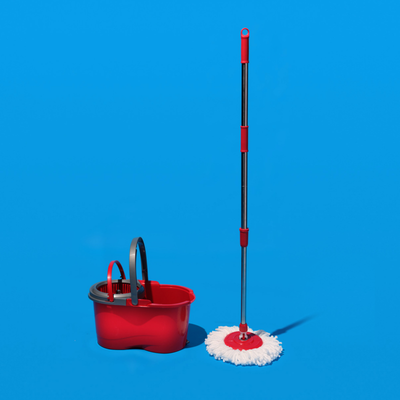
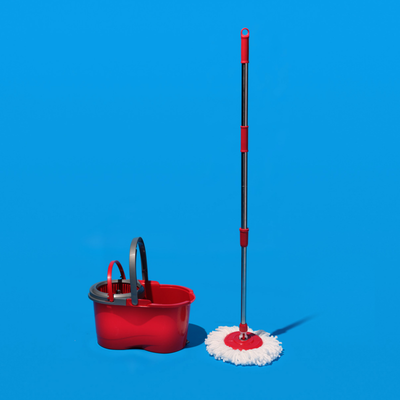
If you want a deep clean without the back-breaking work, a spin mop is a fantastic choice. The Lola Revolution Spin Mop is a great example of why this design is so popular. It comes with a bucket that has a built-in spinner, which you operate with a simple foot pedal. This lets you wring out the mop head to your desired dampness, which means your floors dry much faster. The microfiber head is super absorbent for tackling spills and tough grime, and you can toss it right in the washing machine when you're done. It’s a durable, easy-to-use system that gives you total control over your cleaning.
O-Cedar EasyWring Microfiber Spin Mop
You’ve probably seen this mop everywhere, and for good reason. The O-Cedar EasyWring is often considered a go-to for many households because of its effective wringing system and durable build. Like other spin mops, it excels at removing excess water, making it safe for a variety of floor types. A huge plus is the longevity of its mop head; you can machine wash it up to 100 times, which makes it an incredibly cost-effective option over the long run. For a reliable, all-around performer that gets the job done without any fuss, the EasyWring is a solid contender that has earned its popular reputation.
Bissell SpinWave Powered Hardfloor Mop
For those who'd rather let a tool do the scrubbing, a powered mop like the Bissell SpinWave is a game-changer. Instead of you pushing the mop, its two rotating pads scrub the floors for you, making it great for sticky messes or high-traffic areas. It’s essentially an electric polisher for your floors. However, it's important to be mindful of how much cleaning solution you use, as leaving too much moisture behind can be risky for sensitive flooring like laminate or unsealed hardwood. This mop is an excellent choice if you want to save on elbow grease, just be sure to manage the moisture level carefully.
Shark Steam Pocket Mop
If you love the idea of sanitizing your floors without harsh chemicals, a steam mop is the way to go. The Shark Steam Pocket Mop uses hot steam to kill germs and break down stubborn, stuck-on dirt. It’s a fantastic tool for deep cleaning tile and other sealed hard floors. The key to using a steam mop safely is to follow the manufacturer's instructions carefully. You’ll want to make sure your floors are sealed and can handle the high heat and moisture. Many models, including this one, come with different settings, so you can adjust the steam output for different surfaces, giving you a customized, chemical-free clean.
Bona Premium Spray Mop
For quick cleanups and daily maintenance, especially on hardwood floors, a spray mop is incredibly convenient. The Bona Premium Spray Mop is a top pick in this category because it’s designed for efficiency. It features an extra-large mop head that helps you cover more ground in less time, and its fine-mist spray dispenses just the right amount of cleaning solution to clean effectively without oversaturating your floors. This makes it ideal for moisture-sensitive surfaces. There’s no bucket to lug around, so you can just grab it, spray, and wipe away messes in minutes. It’s perfect for anyone who needs a fast and simple cleaning solution.
Traditional String Mop
While you might remember a classic cotton string mop from your childhood, it’s one tool that’s best left in the past. These mops are known for being overly absorbent, which makes them difficult to wring out completely. The leftover dampness can damage floors and create a breeding ground for mold and bacteria within the mop head itself. They also tend to push dirty water around rather than lifting it away. Modern mops with microfiber heads are far more hygienic and effective, trapping dirt and allowing you to control moisture levels precisely. If you’re still using a string mop, upgrading is one of the easiest ways to improve your cleaning routine.
A Quick Guide to Mop Types
Choosing the right mop can feel like a big decision, especially with so many options on the market. Each type has its own strengths, and the best one for you really depends on your floors and cleaning style. Are you dealing with daily dust and spills, or are you looking for a tool to handle deep-cleaning days? Let's break down the key differences between the most common mop types to help you find your perfect match.
Spin Mop vs. Traditional Mop
The main difference here comes down to wringing. A spin mop, like our Revolution Spin Mop, uses a bucket with a built-in spinning mechanism, often powered by a foot pedal or by pumping the handle. This gives you amazing control over how damp the mop head is, making it a fantastic choice for surfaces like tile and durable vinyl where you want a thorough clean without leaving puddles. Traditional mops, like the classic string or strip mop, are simpler. You typically wring them out by hand or with a cone wringer. They are straightforward and effective, but it can be harder to control the moisture level.
Steam Mop vs. Wet Mop
This comparison is all about heat versus liquid. Steam mops use hot water vapor to clean and sanitize floors without any chemicals. They are incredible at loosening stubborn, stuck-on grime, especially in grout lines or on textured floors. However, they aren't suitable for all surfaces, as the heat can damage sensitive materials like unsealed hardwood. A true wet mop is your go-to for scrubbing away stains and soaking up big spills. It uses water and your favorite cleaning solution to tackle messes. While it requires more elbow grease, a good wet mop is a versatile tool for a deep, satisfying clean on most durable floor types.
Spray Mop vs. Bucket Mop
Think of this as convenience versus capacity. Spray mops are designed for quick, everyday cleanups. They have a built-in reservoir for cleaning solution that you can spray directly onto the floor with the pull of a trigger. This makes them lightweight, easy to store, and perfect for homes with laminate or hardwood floors, since the fine mist dries quickly. On the other hand, bucket mops are the workhorses for more intensive cleaning sessions. They allow you to use a larger volume of hot water and cleaning solution, and you can rinse the dirty mop head frequently. This method is ideal for washing away heavy soil and grime from large areas.
Microfiber vs. Cotton Heads
The material of your mop head makes a huge difference. Microfiber is widely considered the superior choice for a few key reasons. Its tiny fibers are incredibly absorbent and create a static charge that attracts and traps dust, dirt, and germs. In fact, some studies show that quality microfiber mops can remove over 99% of bacteria with just water. They are also durable and machine washable. Cotton mop heads are absorbent but tend to push dirt around more than lift it. They can also take a long time to dry and may hold onto odors over time, requiring more frequent replacement.
Finding the Right Mop for Your Floor Type
Choosing the right mop isn't just about getting things clean; it's about protecting your investment. Different flooring materials have unique needs, and using the wrong tool can lead to scratches, water damage, or just a less-than-sparkling finish. Think of your mop as a specialized tool for a specific job. Let's walk through the best options for your home's floors so you can clean with confidence and keep them looking their best for years to come.
For Hardwood Floors
When you have hardwood floors, your top priority is to clean effectively without causing damage. You want to avoid excess water, which can warp the wood, and harsh scrubbers that can leave scratches. This is why spray mops are a fantastic choice. A great example is the Bona Premium Spray Mop, which is designed specifically for hardwood. It uses a fine mist to apply a controlled amount of cleaning solution, and its wide head covers a lot of ground quickly. A microfiber mop pad is also key here, as it gently lifts dirt and dust without being abrasive, protecting that beautiful finish you love.
For Tile and Grout
Tile floors are durable, but those grout lines can be magnets for dirt and grime. For a truly deep clean, you need a mop that can get into those crevices. While disposable wet pads are convenient for quick spills, they often just push dirt around on textured surfaces and don't have the power to scrub grout. Many homeowners find that a more robust mop is needed for a thorough cleaning. A spin mop with a microfiber head is an excellent option because the bristles can get into the grout, and the wringing mechanism lets you control the moisture level perfectly. For stubborn stains, pairing your mop with one of our scrub brushes can make all the difference.
For Laminate and Vinyl
Laminate and vinyl floors are popular for their durability and ease of care, but they are susceptible to damage from standing water. The key is to use a cleaning method that dries quickly. This is where spray mops really shine. They are perfect for everyday cleanups because you control exactly how much cleaning solution is used, preventing puddles and ensuring a fast drying time. The light moisture is just enough to wipe away footprints and spills without seeping into the seams of the flooring. A lightweight spray mop makes it easy to stay on top of daily messes, keeping your floors looking fresh and well-maintained.
For Natural Stone
Natural stone floors like marble, slate, or travertine add a touch of elegance to any home, but they require a gentle touch. These materials can be porous and are prone to scratching, so abrasive cleaners and rough mops are out of the question. The ideal tool is a microfiber flat mop. Microfiber is soft enough that it won't scratch the surface, yet it’s incredibly effective at trapping dirt, dust, and germs. Plus, these mop pads dry quickly, which helps prevent water spots on your beautiful stone. Since high-quality microfiber pads can be washed and reused hundreds of times, they are a sustainable and sanitary choice for preserving the natural beauty of your floors.
Getting to Know the Top Mop Brands
Choosing a mop often comes down to trusting a brand to deliver on its promises. Different companies have different strengths, whether it's innovative design, powerful cleaning technology, or just good old-fashioned reliability. Getting to know the key players can help you narrow down your search and find a mop that truly fits your home and cleaning style. Let's look at a few of the most popular brands on the market.
Lola Products at a Glance
Lola Products is an American-owned company that offers a fantastic range of mops for just about any cleaning task. Their Revolution Microfiber Spin Mop system is a customer favorite, with many calling it a "game-changing mop" for its comfort and effectiveness. If you're dealing with dust bunnies under the couch, the smartly designed Lola flexible dust mop is another top choice. For those who prefer a more traditional approach, the brand’s cotton deck mop is praised for its high-quality, super-absorbent yarn, offering great performance and value. Lola truly has a durable and effective tool for every corner of your home.
O-Cedar at a Glance
O-Cedar has earned a reputation for its smart, user-friendly cleaning solutions. The brand is probably best known for its EasyWring Microfiber Spin Mop, a system that has become a household name. Its main draw is the hands-free wringing mechanism, which uses a foot pedal to let you control exactly how much moisture is on the mop head. This makes it incredibly versatile for everything from damp-mopping hardwoods to scrubbing tile. The triangular microfiber head is designed to get into corners easily, picking up stubborn dirt and grime along the way. For many, O-Cedar represents a perfect blend of modern convenience and deep-cleaning power.
Bissell at a Glance
As a long-standing leader in the cleaning industry, Bissell offers a wide array of mops, including powerful options for tackling tough messes. Their SpinWave Cordless Mop is a standout, featuring two rotating mop pads that scrub floors for you, taking the effort out of deep cleaning. It’s a great choice for anyone who wants a polished look without using harsh chemicals. Bissell is also deeply committed to creating products for pet owners, so many of their mops are specifically designed to handle pet hair, dander, and muddy paw prints with ease. If you have furry friends at home, Bissell is definitely a brand to consider.
Other Notable Brands
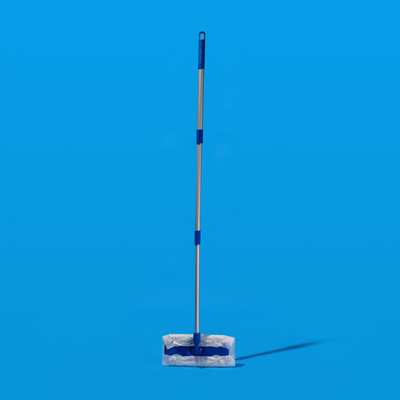
Beyond these three, you'll find several other great brands on the shelves. Shark, for example, is a major player in the steam mop space, offering models that sanitize floors using just hot water. This is a fantastic option for households with kids or pets where you might want to avoid chemical cleaners. On the other end of the spectrum is Swiffer, known for its ultra-convenient systems with disposable pads that make cleanup a breeze. Each brand brings something unique to the table, so thinking about your top priorities, whether it's sanitizing power or quick convenience, will help you find the perfect match for your cleaning routine.
How Much Should You Spend on a Mop?
Figuring out your mop budget is a great first step. The good news is that you don’t need to spend a lot to get an effective cleaning tool. Mop prices can range from a simple ten-dollar model to a high-tech system costing over a hundred. The right price for you really depends on the size of your home, your floor types, and how often you plan on cleaning.
Generally, as the price increases, you’ll find more durable materials, more efficient wringing mechanisms, and extra features like spray functions or steam capabilities. Think about your biggest cleaning frustrations. Do you hate wringing out a sopping wet mop head? It might be worth spending a bit more on a spin mop. Are you just doing quick cleanups in a small apartment? A budget-friendly option will likely serve you well. It's all about matching the tool to the task at hand. A higher price tag doesn't always mean a better clean for your specific situation. We’ll break down the three main price tiers to help you decide where to start looking and find the best value for your home.
Best Mops Under $30
You can find plenty of excellent, hardworking mops in this price range. These are typically no-frills tools that get the job done without a lot of extra features. Think classic string mops, basic sponge mops, and simple microfiber cloth mops. For under $30, you can expect a tool that’s great for everyday spills and general cleaning. An affordable mop is a perfect choice for smaller living spaces, dorm rooms, or anyone who just needs a reliable backup. While they might not have the advanced features of pricier models, a well-made budget mop offers fantastic value and can keep your floors sparkling.
Best Mops from $30 to $60
This price range is the sweet spot for many households, offering a great balance of performance, durability, and price. Here, you’ll find popular spin mops, high-quality spray mops, and flat mops with better features. Mops in this category often have sturdier handles, more ergonomic designs, and more efficient wringing systems that give you better control over water usage, which is especially important for wood and laminate floors. The Lola Revolution Spin Mop is a perfect example of a mid-range mop that makes cleaning easier with its foot-pedal-powered wringer. Investing in this tier usually means getting a longer-lasting tool with features that simplify your cleaning routine.
Mops Worth a Splurge: Over $60
While most people can find their perfect mop for under $60, the premium category is for those who want specialized features or a heavy-duty cleaning system. In this price range, you’ll start to see electric mops, steam mops, and models made with industrial-grade materials designed for maximum durability. These mops are a worthy investment if you have a very large area to clean, deal with tough, stuck-on messes regularly, or want to sanitize your floors without chemicals. These advanced cleaning accessories often come with multiple mop heads and attachments, providing a comprehensive solution for a variety of floor types and cleaning challenges.
Choosing the Right Cleaning Solution for Your Mop
Once you’ve found the perfect mop, the next step is choosing what to clean with. It’s tempting to think that a stronger chemical means a better clean, but that’s not always the case. The right cleaning solution works in harmony with your mop and your floor type, lifting dirt without leaving behind a sticky residue or causing long-term damage. Using the wrong product can dull your floors' finish or even harm sensitive materials like hardwood and natural stone. Let's explore the best options, from simple household staples to specialized formulas, to make sure you get a sparkling clean every time.
The Surprising Effectiveness of Plain Water
You might be surprised to learn that for many everyday cleaning tasks, the best solution is simply warm water. When you pair it with a high-quality microfiber mop, the tiny fibers do an incredible job of grabbing and trapping dirt, dust, and even bacteria without any added chemicals. This is my go-to method for quick touch-ups on my sealed hardwood floors. Using just water prevents the buildup of sticky soap residue that can attract more dirt over time, meaning your floors stay cleaner for longer. It’s also a fantastic, budget-friendly, and eco-conscious choice for maintaining your home.
Recommended DIY and Store-Bought Solutions
While water is great for daily maintenance, some messes require a little more cleaning power. Whether you're tackling greasy kitchen spills or muddy footprints, adding a cleaning solution can help break down grime more effectively. You can create your own simple DIY cleaners or opt for a store-bought formula designed for your specific floor type. Many people have success with diluted solutions of products like Pinesol or Fabuloso on durable floors. The key is to understand what your floors can handle and to always start with the least amount of product necessary to get the job done.
For Vinyl, Laminate, and Tile Floors
These floors are generally resilient, but the main goal is to clean effectively while ensuring the surface dries quickly to prevent water from seeping into seams. A pH-neutral cleaner is your best friend here. For a simple DIY option, a gallon of warm water with a few drops of dish soap works wonders. For tougher jobs on tile, a spin mop allows you to scrub effectively, and for stubborn grout lines, a dedicated scrub brush can be a lifesaver. Many people also love the convenience of spray mops for these surfaces, as they apply a fine mist that cleans without oversaturating the floor, leaving a streak-free finish.
For Sealed Hardwood Floors
Hardwood floors require special care, and water is their enemy. Always use a cleaner specifically formulated for sealed hardwood. These products are pH-neutral and designed to clean gently without leaving a film or damaging the protective finish. A great choice is a spray mop system, like the popular Bona Premium Spray Mop, which dispenses a fine mist that you can immediately wipe away. This controlled approach is much safer than using a traditional bucket and mop, which can easily oversaturate the wood. Never use vinegar, ammonia, or all-purpose cleaners on your hardwood, as their acidity or harsh ingredients can strip the finish over time.
Cleaners to Use with Caution or Avoid
The internet is full of DIY cleaning hacks, but not all of them are good for your floors. Vinegar is a common recommendation, but its acidic nature can eat away at the finish of hardwood, laminate, and natural stone floors over time, leaving them looking dull. Similarly, using too much soap or a product not designed for floors, like Fabuloso, can leave behind a sticky, hazy residue that is difficult to remove and actually attracts more dirt. It’s always best to stick with cleaners specifically made for flooring or simple solutions like a tiny amount of dish soap in water.
Important Safety Note: Never Mix Cleaning Chemicals
This is one rule that has no exceptions: never mix different cleaning products. It might seem like combining two cleaners would create a super-solution, but it can have dangerous, even deadly, consequences. For example, mixing bleach with an ammonia-based cleaner creates toxic chloramine gas, which can cause severe respiratory issues. Even mixing bleach with a seemingly harmless acid like vinegar can release poisonous chlorine gas. Always read the labels on your cleaning products, use them as directed, and store them safely. When in doubt, stick to one product per cleaning session to keep you and your family safe. For more detailed information, you can always consult the Environmental Protection Agency's guidelines.
How to Mop Your Floors the Right Way
Having the perfect mop is a great start, but your technique is what truly delivers that satisfying, barefoot-clean feeling. Mopping the right way not only makes your floors sparkle but also saves you time and effort. It all comes down to preparing your space, using a proven technique, and steering clear of common mistakes that can leave your floors looking worse than when you started. Let’s walk through how to get a streak-free shine every time.
Start by Prepping Your Floors
Before a single drop of water hits the floor, you need to clear the deck. Think of it this way: you wouldn’t want to just smear dust and crumbs around with a wet mop. Taking a few minutes to sweep or vacuum first is a non-negotiable step for getting the best results. Use a good broom or a vacuum with a hard floor attachment to pick up all the loose debris like pet hair, dust bunnies, and dirt. This simple prep work prevents you from turning dry dirt into wet mud, making the actual mopping process much smoother and more effective.
Start with a Dry Mop or Vacuum
This first step is so important, it’s worth saying again: always get rid of loose debris before you start mopping. If you skip this, you’re not actually cleaning—you’re just making mud by pushing wet dirt and hair around your floor. Proper preparation is crucial for good results, and it’s a non-negotiable step for a reason. Grab a vacuum or a quality broom and do a quick pass to pick up all the dust, crumbs, and pet hair. This ensures your mop and cleaning solution can focus on what they’re meant for: lifting stuck-on grime and leaving your floors with a streak-free shine.
Perfect Your Mopping Technique
Once your floor is prepped, it’s time to mop. Start by working your way out of a room so you don’t have to walk over your freshly cleaned floors. Begin by mopping along the baseboards and in the corners, getting all the edges first. For the main area, move your mop in a figure-eight pattern. This motion helps pull dirt away from the surface instead of just pushing it around. To make it less tiring, engage your core and use your body to guide the mop, not just your arms. This technique works beautifully with tools like the Lola Revolution Spin Mop, which glides easily and covers ground efficiently.
Try the Two-Bucket Method
Here’s a pro tip that makes a world of difference: try the two-bucket method. It might sound like a little extra work, but trust me, it’s worth it. You’ll use one bucket for your hot water and cleaning solution, and a second bucket filled with plain hot water for rinsing. After you mop a section of the floor, rinse the dirty mop head in the second bucket before dipping it back into your clean, soapy water. This simple step prevents you from spreading dirty water all over the floors you just cleaned. It keeps your cleaning water cleaner for longer and ensures you’re actually lifting grime away, not just pushing it around. Your floors will be noticeably cleaner.
Mop with the Grain on Wood Floors
When you’re cleaning hardwood, a small adjustment in your technique can have a huge impact on the final result. Always mop in the same direction as the wood planks, or "with the grain." This helps prevent streaks by ensuring any leftover moisture settles into the natural lines of the wood, making it less visible. It also helps your mop get into the tiny grooves between the boards to lift out trapped dirt. Mopping against the grain can push dirt deeper into these crevices and leave behind a hazy finish. The goal is to clean effectively without causing damage, and this simple trick helps protect your floor’s beautiful finish while giving you that perfect, uniform shine.
Common Mopping Mistakes to Avoid
A few small missteps can ruin your hard work. First, avoid using a dirty mop head. A soiled mop just spreads grime around, defeating the whole purpose of cleaning. Make sure to rinse your mop head thoroughly and often, or swap it out for a fresh one mid-clean. Having extra refills on hand makes this easy. Another common mistake is using too much cleaning solution. More soap doesn’t mean cleaner floors; it actually leaves behind a sticky, dull residue that attracts more dirt. Always follow the dilution instructions on your cleaner. Finally, don’t oversaturate your floors with water, especially if you have hardwood or laminate, as this can cause damage over time.
Using Dirty Water
It might seem obvious, but one of the biggest mistakes is continuing to mop with dirty water. Think about it: once you rinse your mop head, all the dirt and grime you just lifted from the floor goes right into your bucket. If you keep dipping your mop back into that murky water, you’re not really cleaning anymore. You’re just spreading grime around in a thin, dirty layer across your floors. This is why your floors can sometimes feel sticky or look dull even after you’ve mopped. Don't be afraid to stop and change your water as soon as it starts to look cloudy. It’s a small step that makes a huge difference in getting a truly clean, streak-free finish.
How Often Should You Mop?
This is the million-dollar question, and the honest answer is: it depends. If you have pets and kids tracking in dirt, you might find yourself mopping high-traffic areas like the kitchen or entryway every few days. On the other hand, if you live alone and are diligent about taking off your shoes, you might only need to mop every week or two. The key isn't to stick to a rigid schedule, but to be consistent to prevent dirt and grime from building up, which makes each cleaning session easier than the last. A good rule of thumb is to mop high-traffic zones weekly and less-used rooms every other week. Pay attention to your floors—if they look dull or feel sticky, it’s time to clean.
Simple Tips for Mop Maintenance
A good mop is an investment in a cleaner home. To get the most out of that investment, a little care goes a long way. Taking a few extra minutes after you clean can extend the life of your mop, save you money, and ensure your floors are actually getting clean every time. Here’s how to keep your favorite cleaning tool in top shape.
How to Properly Clean and Store Your Mop
Think about it: a dirty mop just pushes grime around your floors. To avoid this, always clean your mop head after every use. For microfiber mops, rinse the pad immediately and then toss it in the washing machine with a mild detergent. It's best to let it air dry, as high heat from a dryer can damage the delicate fibers and make them less effective. Once it's completely dry, store your mop upright in a cool, dry place, like a closet or pantry. This prevents mildew from growing and helps the mop head keep its shape. Proper care ensures all your mops are ready for action when you need them.
Practice Good Mop Head Hygiene
Your mop head is doing all the heavy lifting, so keeping it clean is essential for a hygienic home. Using a dirty mop is counterproductive; you’re just spreading germs and old grime across your floors. After every mopping session, make it a habit to clean the mop head. Most microfiber pads can be tossed in the washing machine with a gentle detergent, but always let them air dry. The intense heat from a dryer can damage the fibers, making them less effective. Even with perfect care, mop heads wear out. Once you see fraying or notice it’s not cleaning as well, it’s time for a replacement. Keeping a few mop head refills on hand ensures you can easily swap for a fresh one and get back to cleaning effectively.
When Is It Time to Replace Parts?
Even the best-cared-for mop will eventually show signs of wear. Give your mop head a quick inspection every few months. Are the fibers looking thin, frayed, or matted? Is it leaving lint or streaks behind on your floors? These are clear signs that it’s time for a replacement. Using a worn-out mop head is like trying to wash dishes with a dirty sponge; it just won’t get the job done. Keeping a few extra refills on hand is a great way to make sure you’re never caught with a mop that can’t clean effectively. A fresh mop head grabs more dirt and leaves your floors sparkling.
Fixing Common Mop Problems
Have you ever finished mopping, only to find the water in your bucket is still filthy? That’s a major clue that your mop head was too dirty to begin with and was just spreading dirt around. The solution is simple: give it a thorough cleaning or swap it out for a fresh one. Another common issue is a telescoping handle that gets stuck. This often happens from over-tightening it when you lock it into place. Try to use just enough force to secure it. Paying attention to these small details will keep your cleaning routine running smoothly and help your cleaning accessories last for years.
Related Articles
- How to Mop Clean Floor: The Ultimate Guide
- The 4 Best Commercial Wet Mops (2025 Review)
- Heavy Duty Industrial Mop Price: A 2026 Guide
- The 5 Best Types of Mops for Every Floor
- 5 Best Dust Mops for Under Furniture (2026)
Frequently Asked Questions
Can I use just one mop for different types of floors? Yes, you absolutely can, as long as you choose a versatile model. A spin mop or a high-quality flat mop with a microfiber head is often a great all-in-one solution. The key is having control over how much water you use. You can use more water for durable surfaces like tile and then wring the mop head out until it's just damp for more sensitive floors like sealed hardwood or laminate.
Why do my floors still look streaky or feel sticky after I mop? This is a super common problem, and it usually comes down to one of two things: using too much cleaning solution or using a dirty mop head. Too much soap leaves behind a sticky residue that attracts dirt and looks dull. Always follow the dilution instructions on your cleaner. A dirty mop head will just spread grime around, so be sure to rinse it frequently or swap it for a clean one during your cleaning session.
How often should I actually replace my mop head? There isn't a strict timeline, so you'll have to rely on visual cues. Take a look at your mop head after it's been washed. If the fibers look matted, thin, or frayed, it's time for a new one. Another clear sign is if it starts leaving lint or streaks behind on your floors. A worn-out mop head simply can't trap dirt effectively, so replacing it is an easy way to get a better clean.
Is a spin mop really that much better than a regular mop? For many people, a spin mop is a significant upgrade. Its main advantage is the wringing system, which lets you control the dampness of the mop head with very little effort. This means your floors dry much faster, which is safer for wood and laminate, and you don't have to physically strain yourself wringing out a heavy, wet mop. If you find mopping to be a chore, a spin mop can make the process much more efficient.
What's the most important step people forget when mopping? Hands down, it's prepping the floor first. Many people grab their mop and bucket without sweeping or vacuuming beforehand. This is a crucial mistake because you end up pushing around all the loose dust, crumbs, and pet hair, essentially turning it into mud. Taking just a few minutes to clear away that dry debris first will make your mopping far more effective and give you a much cleaner result.









Comments