


Let's be honest: most standard mops just aren't built to last. After a few tough cleaning sessions, the handle bends, the head falls apart, and you’re left with a streaky, still-dirty floor. It's a frustrating and wasteful cycle. For a surface as valuable and delicate as hardwood, you need a tool that’s truly up to the task. This guide is for anyone tired of mops that fail them. We’ll show you why a heavy-duty commercial mop is the smartest upgrade you can make to properly mop hardwood floor surfaces, giving you the durability and cleaning power to get the job done right.
Key Takeaways
- Choose a heavy-duty mop for long-term value: These mops are built with durable materials like steel and high-quality microfiber, meaning they clean more effectively and won't need to be replaced as often.
- Protect your hardwood by controlling moisture: Wood floors are sensitive to water, so always use a barely damp mop. A system with an efficient wringer, like a spin mop, is perfect for removing excess water and preventing damage.
- Your cleaning technique is just as important as your tool: For the best results, always sweep or vacuum before mopping, move the mop with the grain of the wood, and use a clean mop head to avoid spreading dirt.
What Exactly Is a Heavy-Duty Mop?
When you see the term "heavy-duty," it’s easy to think it’s just for janitors or industrial spaces. But for your home, especially with delicate hardwood floors, it signifies a mop that’s built better and cleans smarter. A heavy-duty mop isn’t just about size; it’s about quality components and thoughtful design that make cleaning less of a chore. These mops are engineered to handle frequent use and tough messes without falling apart. Let’s look at what truly sets a heavy-duty mop apart from the flimsy ones you find in the bargain bin.
It Starts with Durable Materials
A mop's long-term value comes from its construction. While a quality heavy-duty mop may have a higher upfront price, its durability means you won't be replacing it every few months. Look for handles made from steel or sturdy aluminum instead of thin plastic that can bend or snap. The mop head, wringer, and bucket should also be made from high-impact, resilient plastic that can withstand regular use. Investing in well-made mops means you get a reliable tool that feels solid in your hands and is ready to tackle any mess, saving you money and frustration over time.
Get a Deeper Clean, Faster
The real test of any mop is how well it cleans, and heavy-duty models excel here. Their cleaning power comes from high-quality mop heads made from materials designed for maximum performance. Different materials work best for different jobs. For example, premium microfiber is fantastic for trapping dust and grime on hardwood, while durable cotton blends are great for scrubbing textured tile. These superior materials absorb more liquid and grab more dirt in a single pass, which means you spend less time going over the same spot. Having a variety of refills available also lets you match the mop head to the specific cleaning task at hand.
Look for Professional-Grade Parts
Heavy-duty mops often include features that are engineered to make cleaning more efficient and even a little more pleasant. Think of components like an ergonomic handle that’s comfortable to grip, reducing strain on your back and hands. Many systems, like the Revolution Spin Mop, include a hands-free wringing mechanism that gives you precise moisture control, which is essential for protecting hardwood floors. Other professional-grade features include mop heads that are easy to swap out and designs that pivot smoothly to clean under furniture. These thoughtful details add up to a much better cleaning experience.
Why Your Hardwood Floors Need a Different Mop
Hardwood floors bring so much warmth and character to a home, but they aren't as forgiving as tile or vinyl. They have a delicate finish that can be easily damaged by the wrong cleaning methods. Think of it like skincare: you wouldn't use a harsh scrub on sensitive skin, and your hardwood floors need that same level of gentle, thoughtful care. Using a mop that’s too wet, a cleaner that’s too abrasive, or a tool that just pushes grit around can lead to dullness, scratches, and even permanent water damage.
This is why choosing the right mop is so important. A heavy-duty mop designed for hardwood isn’t about being rougher; it’s about being smarter and more effective. It’s built to clean thoroughly while protecting the floor’s surface. The right tool will help you control moisture, lift away dirt without scratching, and preserve that beautiful finish you love. Investing in quality mops means you're not just cleaning your floors, you're protecting a major feature of your home for years to come. It’s about working with your floors, not against them.
Understanding Your Floor's Finish
The protective finish on your hardwood is what gives it that beautiful sheen, but it's also what makes it so vulnerable. This top layer is your floor's first line of defense against scratches, stains, and daily wear. Using the wrong cleaning tools, like harsh scrubbers or abrasive chemicals, can easily strip this finish away, leaving the wood exposed and dull. It’s a lot like taking care of sensitive skin; you need a gentle but effective approach. A heavy-duty mop with a soft microfiber head is designed to lift dirt and grime without scratching or wearing down the delicate surface, preserving the integrity and beauty of your floors for the long haul.
The Hidden Dirt You Don't See
Even when your hardwood floors look clean, they can be hiding a surprising amount of dirt. It’s not uncommon for someone to see dark, murky water after mopping a floor that appeared spotless just moments before. The biggest mistake is trying to fight this hidden grime with too much water. Excess moisture is the enemy of hardwood, seeping into the wood and causing it to swell, warp, or buckle over time. This is why moisture control is non-negotiable. Using a high-quality system with an efficient wringer, like our Revolution Spin Mop, allows you to clean with a barely damp mop head, effectively removing dirt without risking water damage.
How to Protect Your Floor's Finish
The glossy or matte finish on your hardwood floors is their first line of defense. This protective sealant is what stands between everyday life and the raw wood underneath. When you use harsh chemical cleaners or abrasive scrubbers, you risk stripping away this vital layer. Over time, this can leave your floors looking dull, feeling sticky, and vulnerable to stains and moisture. A heavy-duty mop with a soft head, like microfiber, is gentle enough to clean without compromising the finish. It effectively grabs dust and grime using its fine fibers instead of brute force, keeping your floors looking their best.
Why Controlling Moisture is Key
Water is the biggest enemy of hardwood floors. Because wood is a natural, porous material, it absorbs any excess liquid it comes into contact with. When too much water seeps into the planks, it can cause them to swell, warp, or discolor. This is why you should never flood your hardwood floors with a soaking wet mop. The key is to use a barely damp mop head. A high-quality spin mop, like the Lola Revolution Spin Mop, gives you complete control over moisture levels, wringing out far more water than you could by hand. This ensures a safe, effective clean every time.
Common Types of Water Damage
When we say water can damage wood floors, it’s not just about a simple stain. Because wood is porous, it acts like a sponge and soaks up too much water, leading to some serious issues. You might see the planks start to swell up, which can cause them to push against each other and buckle. Another common problem is "cupping," where the edges of the boards curl upward, or "bowing," where the middle of the plank rises or sags. Over time, excess moisture can also lead to discoloration, make the protective finish peel away, and even cause annoying squeaking sounds. These problems aren't just cosmetic; they can be expensive to fix, which is why keeping water under control is the golden rule of hardwood floor care.
Say Goodbye to Scratches and Dents
Even tiny particles of dirt, sand, and grit can act like sandpaper on your hardwood floors. When you use a low-quality or dirty mop, you’re often just pushing these abrasive particles around, creating micro-scratches that dull the surface over time. A great heavy-duty mop uses a high-quality head that traps dirt and lifts it off the floor completely. Look for mops with easily replaceable refills, so you can always start with a clean surface. This simple step prevents you from accidentally grinding old dirt back into the very floors you’re trying to protect.
Cleaning Products and Tools to Avoid on Hardwood
Knowing what not to use on your hardwood floors is just as important as knowing what to use. The internet is full of cleaning "hacks" and DIY solutions that sound great in theory but can cause irreversible damage to your floor’s delicate finish. Many common household cleaners and tools are simply too aggressive for wood. Using the wrong product can strip the protective sealant, introduce damaging moisture, or create fine scratches that leave your floors looking dull and worn out. Before you grab that bottle of all-purpose cleaner or turn on the steam mop, let’s go over the items you should keep far away from your beautiful hardwood.
Harsh Chemicals That Can Damage Your Finish
The finish on your hardwood floor is its shield, protecting the wood from stains, scuffs, and moisture. When you use cleaners with harsh ingredients, you’re essentially breaking down that shield. Chemicals like ammonia or high-acidity solutions can slowly eat away at the polyurethane or wax finish, leaving the raw wood exposed and vulnerable. Even products marketed as "natural" can be problematic. It’s crucial to read labels and understand that what works for your countertops or tile floors could be a disaster for your wood. Protecting that finish is the number one rule of hardwood maintenance.
Why to Skip Vinegar and Oil Soaps
Vinegar is often praised as a do-it-all natural cleaner, but it has no place on your hardwood floors. Because vinegar is an acid, it can break down the floor's finish over time. The National Wood Flooring Association specifically advises against it for this reason, as it can gradually dull the surface. Similarly, oil-based soaps can leave behind a sticky residue that builds up, attracting more dirt and creating a cloudy film that’s difficult to remove. While these products might seem to make your floors shine at first, they often cause long-term damage that’s expensive to fix.
Cleaning Tools to Skip
Your choice of cleaning tools is just as critical as your choice of cleaning solution. The wrong tool can physically damage your floors by scratching the surface or forcing too much water into the wood. A common mistake is assuming that a tool that provides a deep clean on other surfaces will be safe for hardwood. Unfortunately, aggressive scrubbing brushes, certain vacuum attachments, and high-heat mops can create more problems than they solve. It’s all about finding tools that are effective at removing dirt while being gentle on the floor’s finish.
The Problem with Steam Mops
Steam mops and hardwood floors are a dangerous combination. Wood naturally expands and contracts, and forcing hot steam into the seams between the planks is a recipe for disaster. The high heat and moisture can cause the finish to bubble, peel, or turn cloudy. Even worse, it can lead to the wood itself warping or cupping. Many hardwood flooring manufacturers are very clear that using a steam cleaner will void your warranty. It’s a risky method that offers no real benefit over a proper damp mopping technique.
Vacuums with Beater Bars
While vacuuming is a great way to remove dust and debris before mopping, be careful about the type of vacuum you use. Many vacuums come with a beater bar—a spinning brush with stiff bristles designed to agitate carpet fibers. On hardwood, this spinning brush can dent the wood and scratch the finish. The hard plastic wheels on some vacuum models can also cause scuffs. If you use an upright vacuum, make sure you can turn the beater bar off. For daily touch-ups, a simple, soft-bristled broom is often a safer and faster option.
Recommended Cleaning Solutions for Hardwood
Now that you know what to avoid, let's focus on what actually works. The best approach to cleaning hardwood is simple and gentle. You don’t need harsh chemicals or complicated gadgets to get a beautiful, clean floor. The goal is to use a solution that effectively removes dirt and grime without leaving behind residue or damaging the finish. The right cleaner will work with your floor, not against it, helping you maintain its natural beauty for years. Paired with the right tools, a safe cleaning solution makes all the difference.
Choosing a pH-Balanced, Water-Based Cleaner
The safest and most effective choice for your hardwood floors is a pH-neutral, water-based cleaner specifically formulated for wood. These cleaners are gentle on the floor’s finish and evaporate quickly, which minimizes the wood’s exposure to moisture. Unlike oil-based soaps, they don’t leave behind a sticky or hazy residue. You can often find a recommended cleaner from your floor’s manufacturer, but many excellent options are available. Always follow the dilution instructions on the bottle—a little goes a long way. When applied with a quality microfiber mop, these specialized cleaners lift dirt away, leaving nothing behind but a clean surface.
What to Look For in a Mop for Hardwood Floors
When you're on the hunt for a mop that can handle serious cleaning, it’s easy to get overwhelmed by all the options. But a truly great heavy-duty mop isn't just about being bigger or stronger; it's about smart design. The right features can turn a dreaded chore into a quick and satisfying task, especially on delicate surfaces like hardwood. A well-designed mop not only cleans more effectively but also protects your floors and even saves your back from aches and pains. Let's walk through the key features that separate the best mops from the rest.
Soft Microfiber for a Tough Clean
If you have hardwood floors, microfiber is your best friend. Microfiber mop heads are made of tiny synthetic fibers that are fantastic at grabbing dust, dirt, and pet hair without being abrasive. This means you get a deep clean without worrying about scratching your floor’s delicate finish. Because they are so absorbent, they clean effectively with less water, which is crucial for protecting wood. Plus, most microfiber pads are machine washable and reusable, making them a more sustainable and budget-friendly choice than disposable options. You can find these versatile fibers in many of our cleaning cloths, too.
How Microfiber Removes Bacteria with Just Water
It might sound too good to be true, but microfiber's cleaning power goes beyond just visible dirt. High-quality microfiber can remove up to 99% of bacteria from a surface using only water, which is a game-changer for keeping your home both clean and healthy. The magic is in the material itself. Each microfiber strand is split into ultra-fine threads, creating an enormous surface area that physically traps and lifts away microscopic germs, dust, and allergens. This means you can achieve a truly deep clean on your hardwood floors without resorting to harsh chemical cleaners that can strip the finish or leave behind unwanted residue. By simply using a damp microfiber mop, you’re not just wiping the surface; you’re actively removing contaminants, protecting your floors and your family with a smarter, gentler approach to cleaning.
A Comfortable Grip for Easier Mopping
Mopping shouldn't be a workout that leaves you sore. A comfortable, ergonomic handle makes all the difference, especially when you're cleaning large spaces. Look for a mop with a long handle, which allows you to stand upright and use your body’s natural posture instead of hunching over. This simple feature can save you from significant back strain. A comfortable grip also gives you better control as you guide the mop across the floor. When a tool feels good in your hands, you’re able to work more efficiently and finish the job without discomfort. Our line of mops is designed with your comfort in mind.
Better Wringers Mean Less Water
One of the biggest mistakes you can make with hardwood floors is using too much water. Excess moisture can seep into the wood, causing it to warp, swell, or stain over time. That’s why an efficient wringer is non-negotiable. A great wringing system, like the one found on our Revolution Spin Mop, removes the perfect amount of water from the mop head. This leaves your floors just damp enough to clean effectively but allows them to dry quickly. It not only protects your investment in your hardwood but also prevents slippery spots, making your home safer.
Swap Out Mop Heads in Seconds
A dirty mop head doesn't clean; it just spreads grime around. The ability to easily swap out a mop head is a feature you'll appreciate time and time again. When a mop head gets too soiled, you can quickly pop it off and replace it with a fresh one to continue cleaning without interruption. This is also helpful for hygiene, as you can wash the used mop heads thoroughly between uses. Having a system with readily available refills ensures your mop is always ready for action and that you get the best possible clean every single time.
Reach Under Furniture with Ease
Dust bunnies love to hide in hard-to-reach places like under the sofa, beneath beds, and behind entertainment centers. A mop with a slim profile and a pivoting head is essential for reaching these spots without having to rearrange your entire room. Look for a mop head that can rotate 360 degrees, giving you the flexibility to maneuver around table legs and slide into tight corners with ease. This kind of thoughtful design means you can get a truly comprehensive clean, leaving no surface untouched. It’s a simple feature that saves a ton of time and effort.
Heavy-Duty vs. Standard Mops: Which Is Better?
When you’re standing in the cleaning aisle, it’s easy to wonder if a heavy-duty mop is really necessary for your home. The short answer is: it depends on what you value. While a standard mop might handle a small spill, a heavy-duty model is designed for superior performance and a much longer lifespan. Think of it as the difference between a quick fix and a long-term cleaning partner. These mops aren't just for commercial spaces; they bring professional-level cleaning power and durability right into your home, making them a smart choice for anyone who takes their cleaning seriously.
Comparing Build Quality and Materials
The most significant difference lies in their construction. Heavy-duty mops are built with stronger, more resilient materials designed to withstand frequent use. While a standard mop might have a simple plastic handle and a basic cotton head, a heavy-duty model often features a sturdy steel handle and a head made from high-quality microfiber, synthetic blends, or industrial-grade cotton. A mop’s long-term value comes from its construction. While quality heavy-duty mops may have a higher upfront price, their durability means you won't be replacing them every few months, saving you money and frustration down the road.
Which Cleans More Effectively?
If you want to clean more effectively in less time, a heavy-duty mop is the way to go. Their design and materials are optimized for performance. For example, heavy-duty string mops have long, absorbent strands that are perfect for soaking up big spills and scrubbing away stubborn grime. Microfiber heads on heavy-duty models have a larger surface area and a denser weave, allowing them to trap more dirt, dust, and bacteria with each pass. This superior cleaning power means you’ll spend less time going over the same spot, turning a major cleaning chore into a much quicker task.
Which Mop Lasts Longer?
Durability is where heavy-duty mops truly shine. They are often called "commercial" or "industrial grade" for a reason: they are built for tough, repetitive cleaning jobs without falling apart. Many feature looped-end strings, which prevent the mop head from fraying and unraveling over time. The components, from the handle to the wringer mechanism, are engineered to handle more force and wear. Investing in a durable tool like the Revolution Spin Mop system means you have a reliable mop that can tackle any mess, year after year, without losing its effectiveness.
Finding the Best Long-Term Value
While it might be tempting to grab the cheapest mop on the shelf, consider the long-term value. A standard mop might need to be replaced two or three times a year, especially if you have a busy household with kids or pets. The cost of these replacements adds up quickly. A heavy-duty mop, on the other hand, is a one-time investment that pays for itself. Its robust build means it lasts significantly longer, and its superior cleaning performance can save you money on cleaning solutions and, more importantly, save you valuable time.
The Best Mop Styles for Hardwood Floors
Choosing the right mop for your hardwood floors can feel like a big decision, but it really comes down to your cleaning style and needs. The best tool is one you'll actually use, whether you prefer an all-in-one system for deep cleaning or a simple tool for quick touch-ups. There’s a perfect match out there that will keep your floors looking their best without adding stress to your routine. Think about what your weekly cleaning looks like. Do you have pets and kids tracking in dirt daily, or do you just need something for a weekly polish? Answering that question will point you in the right direction. Let’s walk through some of the most popular and effective mop styles. We'll cover everything from powerful spin mops that do the heavy lifting to convenient spray
For a Deep Clean: The Spin Mop
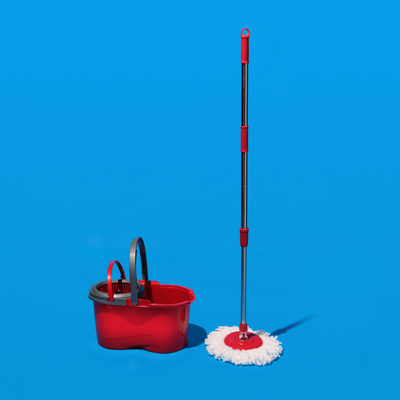
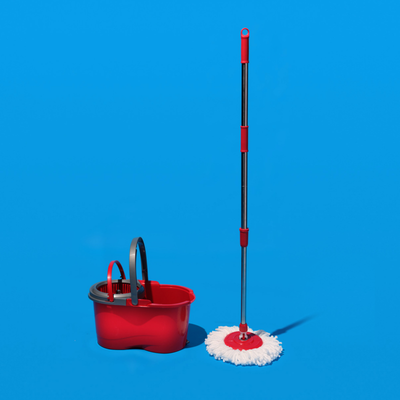
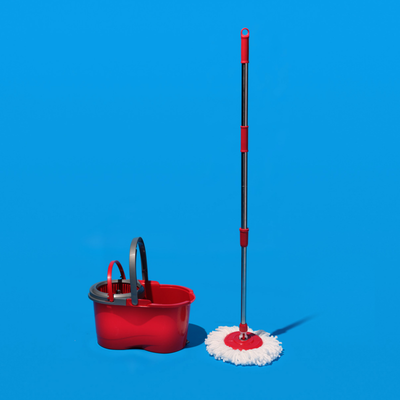
If you love a deep clean without the mess, a spin mop is a fantastic choice. These systems typically come with a bucket designed to separate dirty water from clean water, which is a game-changer for hardwood floors. Instead of pushing dirty water around, you’re always using a fresh rinse. The Lola Revolution Spin Mop, for example, uses a foot pedal to wring out the mop head, giving you total control over moisture levels. This feature is crucial for protecting wood from water damage. They are also easy to move around, making it simple to clean every corner of your home thoroughly.
For Everyday Dusting: The Flat Mop
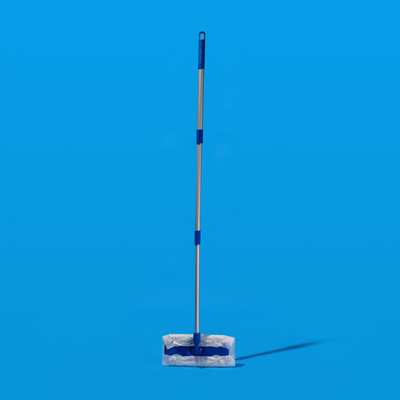
A microfiber flat mop is a true classic for a reason. It’s lightweight, easy to use, and incredibly effective at trapping dust, pet hair, and everyday dirt. The flat, oversized head allows you to cover large areas quickly, which is perfect for open-concept living spaces. Because microfiber is so gentle, you never have to worry about scratching your floor’s delicate finish. These mops are ideal for daily sweeping and weekly damp mopping. Just be sure to wring the pad out well to avoid leaving excess water behind. It’s a simple, no-fuss tool that delivers a consistently great clean.
For Tough Messes: The String Mop
When you need something that can handle serious messes and last for years, a synthetic string mop is a wise investment. While often associated with commercial cleaning, their durability makes them a great option for large homes or high-traffic areas. A quality heavy-duty mop might have a higher price tag initially, but its robust construction means you won't be buying a replacement every few months. The synthetic fibers are less prone to fraying and are excellent for scrubbing away stubborn spots without being too abrasive on your hardwood floors. This is the kind of long-term value that makes a real difference in your cleaning arsenal.
For Quick Spills: The Spray Mop
For quick spills and daily upkeep, nothing beats the convenience of a spray mop. This tool combines a refillable cleaning solution cartridge and a microfiber pad into one streamlined design. You just point, spray, and wipe away messes in seconds. It’s the perfect solution for cleaning up after kids or pets without having to pull out a bucket and mop. Many spray mops feature reusable, machine-washable pads, making them an eco-friendly choice. Having one on hand makes it easy to maintain your floors between deeper cleanings, ensuring they always look spotless. You can find plenty of great cleaning accessories to pair with it for a complete system.
Preventative Care: Keeping Your Floors Beautiful for Years
The best way to keep your hardwood floors looking amazing isn’t just about having the right mop—it’s about the small, consistent habits that prevent damage before it even starts. Think of it as a long-term care plan for one of your home's biggest investments. By putting a few simple strategies in place, you can drastically reduce the amount of deep cleaning you need to do and protect your floors from scratches, scuffs, and wear. This proactive approach is all about working smarter, not harder, to preserve that beautiful finish for years to come.
Simple Habits to Reduce Dirt and Grime
The most effective way to protect your hardwood floors is to stop dirt in its tracks. Every little bit of grit, sand, and debris that gets tracked into your home acts like sandpaper underfoot, slowly dulling the finish and creating tiny scratches. While regular sweeping with a quality broom is essential, your first line of defense should be at the entryway. By creating a barrier against outside dirt, you significantly cut down on the abrasive particles that can damage your floors, making your cleaning routine easier and more effective.
The Importance of Doormats and Rugs
This might be the easiest and most effective tip on the list: use doormats and area rugs strategically. Place a durable mat outside each exterior door to catch the worst of the mud and grime, and another one just inside to trap any remaining dust and moisture. In high-traffic areas like hallways or in front of the kitchen sink, an area rug can absorb spills and reduce wear. This simple step creates a buffer zone that keeps the majority of damaging debris off your beautiful hardwood surfaces.
Protecting Floors from Furniture and Rugs
Some of the biggest culprits of floor damage are the very things that make your house a home: your furniture and rugs. Every time a chair is pushed back from the table or a sofa is shifted slightly, it has the potential to leave a permanent scratch or scuff mark. Even area rugs, which are meant to protect your floors, can cause issues if you’re not careful. Taking a few minutes to add the right protective layers can save you from costly repairs down the road.
Using Felt Pads to Prevent Scratches
Placing felt pads on the bottom of your furniture legs is a non-negotiable step for protecting hardwood floors. These small, inexpensive pads create a soft cushion between your furniture and the floor, allowing chairs, tables, and sofas to slide without scratching. For items that move frequently, like dining chairs, consider using nail-in felt pads, as they are more secure and less likely to peel off than the stick-on variety. It’s a small effort that makes a huge difference.
A Warning About Rubber-Backed Rug Pads
When choosing a rug pad, be aware that not all are created equal. Some rug pads with rubber or latex backings can have a chemical reaction with certain hardwood floor finishes, leading to discoloration or a sticky residue that is nearly impossible to remove. To be safe, always look for a rug pad that is specifically labeled as safe for hardwood floors. These are typically made from materials like natural rubber and felt, which provide grip without damaging the delicate finish underneath.
Understanding Long-Term Maintenance
Beyond your daily and weekly cleaning routine, it’s helpful to understand the bigger picture of hardwood floor care. Wood is a natural material that responds to its environment, and its finish will eventually show signs of wear. Knowing your options for long-term maintenance and how to create a stable environment in your home will help you make informed decisions. This knowledge ensures you can keep your floors in top condition for decades, addressing minor issues before they become major problems.
Recoating vs. Refinishing
Eventually, your floor's finish will wear down. When that happens, you have two main options: recoating or refinishing. Recoating is a simpler process where a fresh layer of protective finish is applied over the existing one. It’s a great way to restore shine and add a new layer of defense, but it only works if the original finish is worn but not deeply scratched. Refinishing is a much bigger job that involves sanding the floors down to the bare wood to remove deep scratches and stains, followed by applying a new stain and finish. It’s more expensive and disruptive, but it can make old, damaged floors look brand new.
Maintaining Proper Home Humidity Levels
Wood expands when it absorbs moisture and shrinks when it dries out. Extreme swings in your home’s humidity can cause your hardwood planks to warp, cup, or even crack over time. To prevent this, aim to keep the humidity level in your home between 35% and 55% year-round. You can monitor this with a simple device called a hygrometer. Using a humidifier in the dry winter months and a dehumidifier during the humid summer can help maintain a stable environment, protecting your floors from long-term damage.
How to Choose a Brand You Can Trust
Choosing the right mop is about more than just the product itself; it’s about the company that stands behind it. A trustworthy brand offers peace of mind, ensuring you get a quality tool that performs as promised and lasts for years. When you find a brand you can rely on, you’re not just buying a mop, you’re investing in a cleaner, happier home. So, how do you spot a company that’s worth your loyalty? It comes down to a few key factors: their values, the breadth of their product line, and what other customers have to say.
Does an American-Owned Brand Matter?
When you're looking for a mop that can handle serious cleaning, it pays to prioritize quality over initial cost. A well-built, heavy-duty mop might have a higher price tag, but its durability means you won't be buying a replacement every few months. This is where American-owned companies often shine. They tend to focus on solid construction and reliable materials, giving you better long-term value. Supporting these businesses also means you’re investing in domestic craftsmanship and quality control. When you choose a brand that’s committed to excellence, you get a cleaning tool you can depend on for countless mopping sessions to come.
Check for Available Refills and Parts
Life is so much easier when you can get everything you need from one place. A great cleaning brand understands this and offers a complete system of tools. Look for a company that provides a wide selection of cleaning products, from different types of mops and brooms to specialized brushes and dusters. The real game-changer is easy access to refills. There’s nothing more frustrating than having a great mop handle with a worn-out head you can’t replace. A brand that makes it simple to find and purchase refills shows they’re committed to the longevity of their products and your convenience.
Read What Other Customers Are Saying
Before you commit to a new mop, see what other people are saying about it. Customer reviews are an invaluable resource for getting an honest look at how a product performs in a real home. Look for feedback specifically from people with hardwood floors to see if the mop is gentle yet effective on that surface. Testimonials can give you insights into a mop’s durability, ease of use, and overall cleaning power. A brand that proudly displays customer feedback is confident in its products, giving you another reason to trust them with keeping your floors spotless.
Your Step-by-Step Guide to Mopping Hardwood Floors
Having the right mop is a great start, but your technique is what truly protects your hardwood and delivers that streak-free shine. Mopping wood floors isn't difficult, but a few key steps make all the difference between a floor that looks amazing for years and one that shows premature wear. Following the right process ensures you clean effectively without causing accidental damage from excess water or grit. Let's walk through the simple, effective way to care for your hardwood.
Step 1: Always Prep Your Floors
Before a drop of water touches your floor, you need to clear the way. Skipping this step is like trying to wash a sandy beach towel; you’ll just be pushing grit around. All that loose dirt, dust, and pet hair can act like sandpaper under your mop, creating tiny scratches in your floor’s finish over time. Grab a quality broom or a vacuum with a hardwood floor setting and do a thorough sweep of the entire area. This ensures your mop is only dealing with stuck-on grime, allowing it to do its job much more effectively and safely. A clean slate is the first step to a truly clean floor.
Step 2: Use the Right Mopping Technique
Now for the main event. The golden rule of mopping hardwood is this: less is more, especially when it comes to water. Wood naturally absorbs moisture, and too much of it can cause the planks to swell, warp, or discolor. Your goal is a damp mop, not a wet one. A microfiber spin mop is perfect for this because it allows you to wring out almost all the excess water. Your mop head should feel barely damp to the touch. When you start mopping, move with the grain of the wood. This helps you clean inside the tiny grooves and leaves a smoother, streak-free finish. This gentle approach keeps your mops working for you, not against your floors.
Always Spot Test First
Before you go all-in with a new cleaning solution or even a new type of mop head, it’s smart to do a quick spot test. Think of it as a patch test for your floors. Every hardwood finish is slightly different, and you want to be sure your chosen cleaner plays nicely with it. Find a small, out-of-the-way area, like inside a closet or under a large piece of furniture that rarely moves. Apply a small amount of your cleaning solution with your damp mop and let it dry completely. This simple five-minute step can save you from a major headache by ensuring the product doesn't cause any discoloration or damage to the finish. It’s a little bit of caution that goes a long way in protecting your beautiful floors.
Rinse Away Any Soap Residue
If your cleaning solution contains any kind of soap, adding a rinse step is non-negotiable. It might seem like extra work, but it’s the secret to a truly clean, streak-free shine. When soap residue is left behind, it creates a sticky, dull film on your floors. Even worse, that residue acts like a magnet for new dirt, dust, and footprints, meaning your floors will look dirty again much faster. After you’ve finished mopping with your cleaner, go over the entire floor once more with a fresh, clean mop head that’s been dampened with only water. This quick rinse lifts away any lingering soap, leaving nothing behind but a sparkling clean surface.
Dry the Floor Completely After Mopping
The final and most important step is to make sure your floors dry quickly. We’ve already talked about how water is the enemy of hardwood, and leaving any moisture to sit is asking for trouble. Even with a perfectly wrung-out mop, some dampness will remain. To speed up the drying process, open a few windows or turn on a ceiling fan to get the air circulating. If you notice any spots that seem particularly wet, you can go over them with a dry, clean microfiber cloth. This final touch not only protects your wood from potential damage but also helps prevent water spots and streaks, leaving you with a flawless finish.
Step 3: Don't Forget to Clean Your Mop
This might seem obvious, but it’s a step people often forget in the middle of cleaning. If you keep using a dirty mop head, you’re not really cleaning anymore; you’re just spreading dirty water around the room. For the best results, you should rinse your mop head after cleaning a small section. If your floor is particularly dirty, having a second clean mop head ready to swap out is a game-changer. This is why choosing a mop with easily changeable refills is so important. Once you’re finished, always wash your mop head thoroughly and let it air dry completely. This prevents bacteria and mildew from growing, so you have a fresh, clean tool ready for next time.
How Often Should You Mop Hardwood Floors?
The right mopping schedule for your hardwood floors isn't set in stone; it really depends on what life looks like in your home. For most households, a light mopping once a week is a great baseline to keep dust and grime under control. However, if you have a busy home with kids, pets, or lots of visitors, you’ll likely need to mop every few days to stay on top of messes. No matter how often you clean, the most important rule is to protect your floors from excess moisture. Always use a barely damp mop head. This is where a system with an excellent wringer becomes so valuable, as it gives you precise control. Ultimately, let your floors tell you when they need attention—if they start to look dull or feel gritty underfoot, it’s time for a refresh.
Where to Buy Your Next Heavy-Duty Mop
Once you know what you’re looking for, the final step is finding the perfect mop. The right heavy-duty mop is an investment in your home, so it pays to be strategic about where you shop. From going straight to the brand to hunting for a great deal, here are a few reliable ways to find your next favorite cleaning tool.
Why You Should Shop Direct
One of the best ways to find a quality commercial mop is to go straight to the manufacturer. When you shop directly from a trusted brand, you get access to their entire lineup of mops and cleaning tools, ensuring you find the perfect fit for your hardwood floors. This approach guarantees you’re getting an authentic, high-quality product, not a knock-off. Plus, it makes finding the right refills and accessories a breeze. You also get the benefit of dealing with a customer service team that knows the products inside and out, so you can get expert advice if you need it.
Save Money by Buying in Bulk
When you find a mop you love, think about its long-term value. A quality heavy-duty mop might have a higher price tag initially, but its durable construction means you won't be replacing it every few months. This is where buying in bulk can be a smart move, especially for essentials like mop heads. Stocking up on refills ensures you always have a fresh one ready to go, keeping your cleaning routine efficient. Prioritizing quality over cost saves you money and frustration in the long run, ensuring you always have reliable tools on hand to keep your floors looking their best.
Keep an Eye Out for Special Offers
Everyone loves a good deal, and you can often find top-tier cleaning tools at a great price if you know where to look. Keep an eye out for seasonal sales and special promotions from your favorite brands. A great way to stay in the loop is by signing up for email newsletters or following the company on social media. This way, you’ll be the first to know about discounts or clearance items. Taking advantage of these specials can significantly lower your cleaning supply costs while still allowing you to invest in the high-performance tools your hardwood floors deserve.
Related Articles
- 6 Best Heavy Duty Wet Mops for Rough Floors
- The Ultimate Heavy Duty Commercial Mop Guide
- 6 Best Heavy Duty Mop with Bucket Systems
- Heavy Duty Industrial Mop Price: A 2026 Guide
- Can You Mop Hardwood Floors with Water? Yes, Here's How
Frequently Asked Questions
Isn't a "heavy-duty" mop too harsh for my delicate hardwood floors? That's a common concern, but it's actually the opposite. In this context, "heavy-duty" refers to the mop's construction and durability, not its cleaning action. These mops are built with high-quality materials like steel handles and soft microfiber heads that are designed to be gentle on surfaces. They clean more effectively, so you don't have to scrub hard, which ultimately protects your floor's finish better than a flimsy, abrasive mop would.
Why is a spin mop system better for hardwood than a traditional bucket and wringer? The biggest advantage of a spin mop is superior moisture control. Water is the main enemy of hardwood, and a spin system lets you wring out far more excess water than you ever could by hand. This leaves the mop head just damp enough to clean effectively without soaking the wood, which prevents warping and damage. It takes the guesswork out of getting the perfect moisture level every time.
How often should I replace my mop head? The lifespan of a mop head depends on how often you clean and the size of your home. A good rule of thumb for a machine-washable microfiber head is to replace it every two to three months with regular use. You'll know it's time for a new one when it starts looking matted, loses its absorbency, or leaves behind streaks. Always starting with a clean, effective mop head is key to protecting your floors from being scratched by trapped grit.
Can I use the same heavy-duty mop on my tile or vinyl floors? Absolutely. That's one of the best parts about investing in a quality mop system. A versatile tool like a microfiber spin mop or flat mop works wonderfully on virtually all hard surfaces. You can easily move from your hardwood living room to your tiled kitchen without skipping a beat. Just be sure to rinse the mop head thoroughly or swap it for a clean one when moving between rooms to avoid spreading dirt around.
Is it really worth spending more on a quality mop instead of just buying a cheap one? While the lower price of a standard mop is tempting, a quality heavy-duty mop is a much smarter investment over time. It's built to last, so you won't be buying replacements several times a year. More importantly, it cleans more efficiently and protects your expensive hardwood floors from damage caused by excess water and abrasive materials. The better performance and durability save you money, time, and frustration in the long run.









Comments