


We’ve all felt that moment of hesitation before scrubbing a new non-stick pan. You’re staring at some stubborn, baked-on food, and the only thing you can think about is the web of tiny scratches a harsh scourer could leave behind. It’s a frustrating dilemma: you need to get the pan clean, but you don’t want to ruin its delicate surface in the process. This is precisely the problem that modern cleaning tools were designed to solve. If you’re tired of choosing between a clean dish and an unscratched one, you’re in the right place. This is exactly what are non scratch sponges for; they provide the scrubbing power you need without the risk, giving you total peace of mind at the kitchen sink.
Key Takeaways
- Prevent costly scratches: Always use a non-scratch sponge on delicate surfaces like non-stick pans, glass cooktops, and stainless steel appliances to preserve their finish and avoid permanent damage.
- Choose a sponge with smart features: Look for durable, odor-resistant materials and a versatile dual-sided design to get a more effective and long-lasting tool for all your cleaning tasks.
- Make your sponges last longer: Keep your sponge hygienic and effective by cleaning it often, letting it air dry completely between uses, and replacing it once it shows signs of wear or develops an odor.
What Exactly Is a Non-Scratch Sponge?
Think of a non-scratch sponge as your go-to tool for cleaning delicate surfaces without worry. We’ve all been there: you grab a standard sponge to clean a favorite non-stick pan, only to find you’ve left behind a web of tiny scratches. Non-scratch sponges are designed specifically to prevent that from happening. They give you the cleaning power you need to tackle stuck-on food and grime, but they do it gently, protecting the integrity of your cookware, countertops, and appliances. They are essential for keeping your kitchenware and other sensitive surfaces looking new for years to come.
How Are They Different From Regular Sponges?
The main difference comes down to the scrubbing material. A typical kitchen sponge often has a very abrasive side (usually green) made of coarse fibers designed for heavy-duty scouring. While effective on some surfaces, this material can easily scratch and wear down non-stick coatings, glass, and ceramic. Non-scratch sponges, on the other hand, use advanced, softer fibers that are tough on messes but gentle on surfaces. These materials are engineered to lift away food residue without gouging or dulling the finish, making them the perfect choice for your most delicate kitchen items. You can find a variety of sponges and scourers designed for every type of cleaning job.
What Makes Them So Gentle?
The secret to their gentle touch lies in both their materials and their design. Non-scratch sponges are made from materials like cellulose or advanced polymers that are less abrasive than traditional scouring pads. Some even feature a unique wavy shape that not only makes them more comfortable to hold but also helps wipe away messes more effectively. This thoughtful construction allows them to clean everything from non-stick cookware to countertops without leaving a mark. It’s this combination of effective cleaning power and a gentle approach that makes them such a valuable part of your collection of cleaning accessories.
When Should You Use a Non-Scratch Sponge?
If you’ve ever hesitated before scrubbing a new pan, worried you might ruin its perfect finish, you already know the value of having the right tool for the job. Non-scratch sponges are your go-to for cleaning delicate surfaces without causing damage. While they’re famous for being the best friend to non-stick cookware, their usefulness extends far beyond the kitchen sink. Think of them as the gentle-yet-effective workhorse in your cleaning arsenal.
From gleaming stainless steel appliances and glass stovetops to porcelain sinks and even the casing on your electronics, a non-scratch sponge provides the cleaning power you need without the risk of leaving behind ugly marks or scuffs. They are specifically designed to break down grime, grease, and baked-on food while being kind to the surfaces underneath. Using one means you can clean with confidence, knowing you’re protecting your investment in your home’s fixtures and cookware. Let’s get into the specific situations where a non-scratch sponge isn’t just a good idea, but a total necessity.
For Non-Stick Cookware and Bakeware
Your non-stick pots, pans, and baking sheets are coated with a special finish that makes cooking and cleanup a breeze. Using an abrasive sponge or scourer on these surfaces can create tiny scratches that wear away that coating over time. This not only makes the non-stick feature less effective but can also cause particles of the coating to flake off into your food. A non-scratch sponge is essential for preserving the life of your cookware. It has enough texture to remove stubborn food residue but is gentle enough to keep that delicate surface intact, ensuring many more meals to come.
For Glass and Mirrors
When it comes to glass surfaces like stovetops, shower doors, and mirrors, you want a streak-free shine, not a web of fine scratches. A non-scratch sponge can be a great tool for this, but a little caution is key. For standard, untreated glass, it works beautifully to remove grime without scratching. However, you should avoid using any kind of scrubber on glass that has a special coating, color, or printed graphics, as it could damage the design. If you’re ever unsure, it’s always a smart move to test the sponge on a small, hidden corner first.
For Ceramic and Porcelain Surfaces
Think about your glossy ceramic sink, your porcelain bathtub, or your favorite coffee mug. These surfaces are durable, but their smooth, shiny finish can be dulled or scratched by harsh abrasives. Non-scratch sponges and scourers are perfect for tackling soap scum, water spots, and other buildup in your bathroom and kitchen. They effectively scrub away the grime without leaving micro-scratches that can trap dirt and make the surface look permanently dirty. Always look for a sponge that is clearly labeled "non-scratch" to keep these fixtures looking bright and new.
For Stainless Steel Appliances
Stainless steel appliances give a kitchen a sleek, modern look, but they are notorious for showing fingerprints, smudges, and scratches. The wrong cleaning tool can permanently mar the surface, turning your beautiful appliance into an eyesore. A non-scratch sponge, used with a gentle cleaner, is the ideal way to wipe away messes without damaging the finish. It’s effective enough to clean off dried-on food splatters from your fridge or dishwasher front while being gentle enough to protect the brushed metal look. This helps you maintain that clean, polished appearance you paid for.
For Delicate Electronics and Screens
Cleaning electronics requires extra care, but a non-scratch sponge can be useful for more than just the kitchen. You can use a slightly damp, well-wrung-out non-scratch sponge to gently wipe down the plastic or metal casings of laptops, keyboards, and remote controls. Be extremely careful to use very little water to avoid damaging the internal components. For screens on TVs, monitors, and phones, a microfiber cloth is usually the safest bet. However, if you must use a sponge, choose the softest one you have and always test it on an inconspicuous area first to prevent any potential scratching.
Why Make the Switch to Non-Scratch Sponges?
If you've ever cringed at the thought of a green scouring pad touching your favorite non-stick pan, you already understand the value of a gentler approach. Switching to a non-scratch sponge isn't just about being careful; it's about making a smarter choice for your home. These modern cleaning tools offer powerful scrubbing action without the collateral damage, giving you peace of mind and a better clean. From protecting your investments to simplifying your cleaning routine, there are plenty of reasons to make non-scratch sponges a staple in your kitchen.
Protect Your Surfaces from Scratches
That non-stick skillet is a kitchen workhorse, but its delicate coating is its weak spot. Traditional abrasive sponges can create tiny scratches that ruin the non-stick surface over time, making your cookware less effective and looking worn out. Non-scratch sponges are designed to lift away grease and grime without causing this damage. By making the switch, you’re not just cleaning your pans; you’re preserving their lifespan and performance. This simple change helps keep your pots, pans, and even your countertops looking brand new, protecting the investments you’ve made in your kitchen.
Clean Delicate Items More Effectively
We all have those items that require a little extra care: delicate wine glasses, ceramic serving dishes, or that beautiful porcelain sink. A non-scratch sponge gives you the confidence to clean them thoroughly without worry. Its gentle fibers are perfect for wiping down these surfaces, removing smudges and food residue effectively. While they are incredibly safe for most materials, it's always a good idea to be cautious with items that have a color coating or printed designs, as some finishes can be extra sensitive. For everything else, you can scrub away knowing your cherished items are in good hands.
Enjoy a Longer-Lasting, Durable Sponge
A good sponge should be tough on messes but also built to last. Many non-scratch sponges are made from durable materials that resist breaking down after just a few uses. Plus, keeping them clean is a breeze. You can often toss them right into the dishwasher for a deep clean, which helps them last even longer and keeps germs at bay. This durability means you’ll buy sponges less often, saving you money and reducing household waste. It’s a small change that contributes to a more eco-friendly cleaning routine without sacrificing performance.
Tackle More Than Just Dishes
Don't let their gentle nature fool you; non-scratch sponges are true multi-taskers. Their cleaning power extends far beyond the kitchen sink. You can use them to wipe down stainless steel appliances without leaving streaks, scrub countertops without dulling the finish, and even clean bathroom fixtures like chrome faucets and tile. Because they clean effectively without being abrasive, they become a go-to tool for all sorts of household chores. Having a few versatile sponges and scourers on hand means you’ll always have the right tool for the job, no matter what room you’re cleaning.
What Kinds of Non-Scratch Sponges Can You Find?
When you walk down the cleaning aisle, it’s easy to see that not all sponges are created equal. The world of non-scratch sponges is surprisingly diverse, with different materials and designs suited for specific jobs around the house. Understanding the main types can help you pick the perfect tool for every task, from scrubbing baked-on cheese to gently wiping down your countertops. Let’s look at the most common kinds you’ll find and what makes each one special.
Polyurethane and Advanced Fiber Sponges
If you’re picturing a modern, durable kitchen sponge, it’s likely made of polyurethane or another advanced fiber. These materials are engineered to be tough on grime but gentle on your cookware. Today's non-scratch sponges use new materials and designs to scrub away tough food without causing damage. They are often brightly colored, hold their shape well, and are designed to resist odors. Because they are so resilient, they’re a great go-to for daily dishwashing, especially for tackling greasy pots and pans without leaving a single scratch behind.
Melamine Foam (aka "Magic" Sponges)
You’ve probably heard of "magic" sponges, and they really do live up to the hype. These sponges are made from melamine foam, which acts like an ultra-fine abrasive to lift away stubborn stains from a variety of surfaces. Melamine foam sponges, often referred to as "magic" sponges, are known for their ability to clean tough stains without scratching surfaces. They work wonders on scuff marks on walls, soap scum on shower doors, and even crayon masterpieces on your kitchen table. All you need is a little water to activate their cleaning power, making them a simple and effective solution for tricky messes.
Cellulose and Cotton-Based Sponges
For those who prefer cleaning tools made from more natural materials, cellulose and cotton-based sponges are a fantastic choice. These sponges are typically made from wood pulp and cotton fibers, making them highly absorbent and great for wiping up spills. Many of these sponges are made from cellulose, cotton, and polyester scrubber material, offering a plant-based alternative to traditional synthetic sponges. They are soft enough for delicate glassware but can still handle everyday cleaning tasks with ease. Plus, many are biodegradable, so you can feel good about your choice when it’s time for a replacement. Check out some great eco-friendly options for your home.
Dual-Sided, All-in-One Sponges
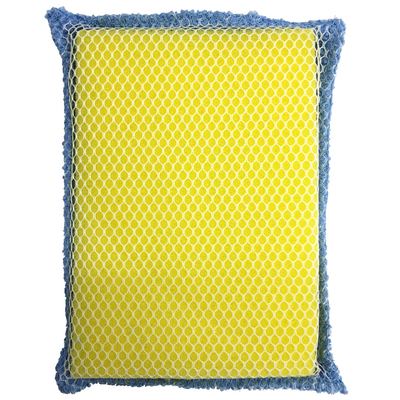
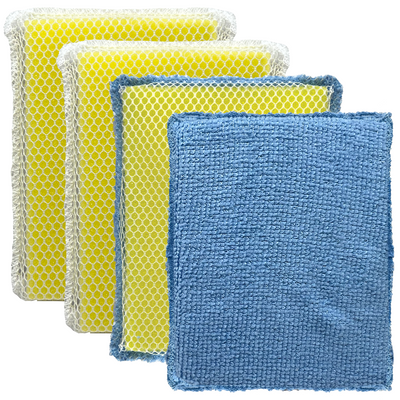
Why choose one texture when you can have two? Dual-sided sponges are the ultimate multi-taskers in your cleaning kit. Many non-scratch sponges have a gentle scrubbing side for tough messes and a soft, absorbent side for delicate items. The scrubbing side is perfect for working through stuck-on food on a casserole dish, while the softer cellulose or microfiber side is ideal for wiping down countertops or washing fragile wine glasses. This all-in-one design means you can switch from heavy-duty cleaning to a gentle wipe with just a flip of the sponge, saving you time and effort.
How to Use a Non-Scratch Sponge the Right Way
Getting the most out of your non-scratch sponge isn’t just about buying the right one; it’s also about using it correctly. A little technique goes a long way in protecting your favorite cookware, appliances, and countertops. With the right approach, you can tackle tough messes without leaving a single mark behind. These simple steps will help you clean confidently and keep your surfaces looking brand new.
Match Your Technique to the Surface
Non-scratch sponges are your best friend for cleaning delicate items because they lift away grime without creating tiny scratches. Those little marks can ruin non-stick coatings and dull the finish on your favorite pans over time. For flat surfaces like glass stovetops or countertops, use smooth, even strokes. When you’re cleaning non-stick pans or pots, a gentle, circular motion often works best to lift food residue without damaging the coating. The goal is to let the sponge’s texture do the work, ensuring your cookware remains effective and safe to use.
Know When to Use Gentle vs. Firm Pressure
While non-scratch sponges and scourers are designed to be gentle, the pressure you apply still matters. Always start with light pressure, especially on unfamiliar or highly delicate surfaces. If you’re dealing with a stubborn, stuck-on mess, you can gradually apply more force. Remember that a good non-scratch sponge is made to clean effectively without intense scrubbing. For items like non-stick pans, countertops, and glass, a light touch is usually all you need to get the job done right. Let the sponge and a bit of soap do the heavy lifting for you.
Always Test a Small Spot First
This is the golden rule of cleaning: when in doubt, test it out. Before you start scrubbing a new or valuable surface, find a small, hidden area to try the sponge on first. This could be the back of an appliance, the underside of a countertop, or the bottom of a pan. Apply a little pressure and check for any dulling or scratching before you proceed. This quick test takes only a few seconds but can save you from accidentally damaging a surface. It’s a simple habit that ensures all your cleaning accessories are used safely and effectively.
How to Choose the Best Non-Scratch Sponge
With so many options out there, picking the right non-scratch sponge can feel like a bigger decision than it should be. But the right choice can make a huge difference in protecting your cookware and making cleanup easier. To find your perfect match, focus on a few key features that separate the best from the rest.
Check the Material and Quality
The first thing to look at is what the sponge is made of. Gone are the days of just basic cellulose. Today's non-scratch sponges use new materials and designs to scrub away tough food without causing damage. Instead of overly rough scrubbing pads, they use softer, advanced fibers that are still incredibly effective. Look for sponges made from high-quality polyurethane or other modern materials that are engineered to be gentle. These materials ensure you get a powerful clean without leaving behind any unwanted marks on your favorite pans or dishes. A well-made sponge is the foundation of a scratch-free kitchen.
Look for a Dual-Sided Design
Why settle for one type of cleaning surface when you can have two? Many of the best non-scratch sponges have a dual-sided design, which is a total game-changer for kitchen efficiency. These sponges typically have a gentle scrubbing side for tackling tough, baked-on messes and a soft, absorbent side for wiping down delicate items like wine glasses or countertops. This versatility means you can switch from heavy-duty scrubbing to a gentle wipe with just a flip of your hand. It’s like having two cleaning tools in one, saving you time and space under the sink.
Prioritize Quick-Drying and Odor-Resistant Features
Let’s be honest, no one likes a stinky sponge. That dreaded mildew smell is a sign that bacteria is growing, which is the last thing you want in your kitchen. This is why quick-drying and odor-resistant features are so important. Sponges made from materials like polyurethane often clean better, last longer, and resist odors more effectively than traditional cellulose sponges. They don't hold onto water as much, which helps them dry faster between uses and keeps germs from setting up camp. Choosing an odor-resistant sponge is a simple step toward a more hygienic and pleasant cleaning routine.
Consider Durability for Long-Term Use
A sponge that falls apart after a week isn't just frustrating, it's also a waste of money. When you're shopping, think about long-term value. A durable, well-constructed sponge will withstand daily scrubbing without shredding or losing its shape. In fact, some heavy-duty non-scratch scrubbers are designed to last longer than seven regular sponges. Investing in a more durable option means you'll buy replacements less often, which is great for your budget and a little better for the planet, too. It’s a small switch that adds up over time.
What Surfaces Still Need Extra Caution?
Even with a gentle non-scratch sponge in hand, a few surfaces in your home deserve a little extra TLC. Think of these as the delicate fabrics of your household; they’re beautiful and functional, but they require a softer touch to stay that way. Before you start scrubbing, it’s always a good idea to pause and consider the material you’re working with. Being mindful can prevent accidental damage and keep your favorite items looking their best for years to come. Here are a few specific surfaces where you’ll want to proceed with care.
Coated Glass and Printed Items
That colorful coating on your favorite drinking glasses or the printed design on a coffee mug can be more delicate than the glass itself. While non-scratch sponges are designed to be gentle, their scrubbing texture can sometimes be too much for these applied finishes. Over time, even light scrubbing could cause the color to fade or the printed pattern to wear away. For these items, it’s often safer to use a soft cleaning cloth or the non-abrasive, spongy side of your tool. When in doubt, always test a small, hidden spot first to see how the surface reacts.
Specialty Non-Stick Coatings
Non-scratch sponges are the absolute best choice for most non-stick cookware. They effectively clean off food residue without creating the tiny scratches that can ruin the pan's coating. However, some high-end or specialty non-stick surfaces can be exceptionally sensitive. It’s always a smart move to check the care instructions from the cookware manufacturer. They’ll provide the best guidance for maintaining that specific coating. Using the right sponges and scourers is key, but pairing them with the manufacturer's advice ensures your pans have a long, happy life.
Antique or Vintage Pieces
When you’re cleaning a piece of history, like an antique vase or vintage glassware, caution is your best friend. The materials and finishes used on older items aren’t always as durable as their modern counterparts. Glazes can be fragile, and the glass itself might be more prone to scratching. For these irreplaceable treasures, you might want to skip the scrubbing side of a sponge altogether. Instead, opt for a very gentle approach with a soft cloth and mild soap. It’s better to take a little extra time cleaning than to risk damaging a cherished family heirloom.
How to Make Your Non-Scratch Sponges Last
You’ve found the perfect non-scratch sponge, and it’s working wonders on your delicate cookware. But how do you keep it from turning into a grimy, smelly mess after just a few weeks? Getting the most out of your cleaning tools is all about creating a few simple habits. With a little care, you can extend the life of your favorite sponges and scourers, which saves you money and keeps your kitchen feeling fresh. A well-maintained sponge not only lasts longer but also cleans more effectively and hygienically. Nobody wants to wash their dishes with a tool that’s dirtier than the plates themselves. Think of it like any other tool in your home; a little maintenance goes a long way. By preventing bacteria buildup and physical wear and tear, you ensure every wash is a clean one. The key is to focus on three main things: cleaning your sponge regularly, knowing the right time to replace it, and storing it properly between uses. It might sound like a lot, but these steps are quick, easy, and make a huge difference in how long your sponges stay in great shape. Let's get into the simple routines that will keep your non-scratch sponges working hard for you.
Clean and Disinfect Your Sponges Regularly
To keep your sponge working its best, you need to clean it regularly. Think about it: your sponge tackles grease, food particles, and bacteria every day. A simple rinse isn't enough to get it truly clean. For a quick daily reset, rinse it thoroughly with hot water after each use. For a deeper clean, you have a few great options. You can boil the sponge for five minutes, run it through a hot cycle in your dishwasher, or pop a damp sponge in the microwave for about 30 seconds. These methods use heat to sanitize the sponge and kill off any lingering germs. This simple step prevents odors and stops the spread of bacteria in your kitchen, keeping your cleaning routine hygienic and effective.
Know When It's Time for a New One
Even the most durable sponge has a lifespan. Using a sponge past its prime isn't just ineffective, it can be unhygienic. So, how do you know when it’s time to say goodbye? There are two clear signs. The first is the smell test. If your sponge has a persistent, funky odor even after a thorough cleaning, it’s a sign that bacteria have taken over. The second sign is visible wear and tear. If your sponge is falling apart, fraying, or has lost its shape, it won't clean properly and can leave little pieces behind. Don't hang on to a worn-out sponge. Tossing it and grabbing a fresh one ensures you’re actually cleaning your surfaces, not just spreading germs around. Keeping refills handy makes this an easy swap.
Store Them Properly to Keep Germs Away
How you store your sponge between washes is just as important as how you clean it. A wet sponge left in the bottom of the sink is a perfect breeding ground for mold and bacteria. The golden rule is to let it dry out completely. After every use, make sure you rinse it well and squeeze out as much water as possible. Then, place it somewhere it can get plenty of air circulation. A sponge holder with drainage, a wire rack, or even just propping it on its side on the counter works well. This simple habit prevents that musty smell and stops germs from multiplying, ensuring your sponge is fresh and ready for its next job.
Are Non-Scratch Sponges Really Worth It?
When you're standing in the cleaning aisle, it's easy to wonder if specialty sponges are just a gimmick. Are non-scratch sponges actually a smart buy, or will any old sponge do? Let's break down the real value, because it goes far beyond the price tag. When you look at both the upfront cost and the long-term benefits, you might be surprised at how much sense they make for your wallet and your home. The real question isn't just about the price of the sponge, but the cost of not using one. Think about that beautiful non-stick skillet or your sleek stainless steel fridge. A few careless scrubs with the wrong tool can leave permanent scratches. Suddenly, the few cents you saved on a generic sponge don't seem worth it. Investing in the right tool for the job is one of the easiest ways to protect your belongings and keep your home looking its best.
A Quick Cost Breakdown
You might think a specialized sponge comes with a premium price tag, but that’s usually not the case. Non-scratch sponges are incredibly affordable, often sold in multi-packs that bring the price down to less than a dollar per sponge. This makes them an easy choice for any household. Think of it this way: it’s a small investment to protect your expensive non-stick pans, glass cooktops, and stainless steel appliances from irreversible damage. A single deep scratch on a pricey pan costs far more than a whole pack of the right sponges & scourers. It's like a tiny insurance policy for your kitchenware.
How They Save You Money in the Long Run
The real savings with non-scratch sponges come from their durability. Many are designed to outlast traditional cellulose sponges by a long shot, with some heavy-duty versions lasting longer than seven regular ones combined. This means you’ll be buying replacements far less often, which really adds up. Plus, many high-quality sponges can be tossed in the dishwasher for a deep clean, extending their life even further. Materials like polyurethane also resist odors and don't break down as quickly, so you get a more effective cleaning tool that doesn't need to be thrown out every other week. These durable scrubbers are built to last.
Where to Find High-Quality Non-Scratch Sponges
Once you’re ready to stock up, finding great non-scratch sponges is pretty straightforward. You can usually find them in two main places: your local retail stores and a wide variety of online shops. Both have their perks, depending on whether you need a sponge right now or you’re looking to browse a wider selection and snag a good deal. Knowing where to look can help you find the perfect tool to keep your home sparkling and scratch-free.
Your Favorite Cleaning Supply Retailers
When you need a sponge in a pinch, your local grocery store or big-box retailer is a reliable bet. You can easily find well-known options, like the Scotch-Brite Non-Scratch Scrub Sponge, which is designed to safely clean messes from non-stick cookware and countertops. Grabbing one during your weekly shopping trip is super convenient. The main drawback is that the selection might be limited to just a few popular brands. While these are often great choices, you might miss out on finding a sponge that’s perfectly suited for a specific task or material in your home.
Great Online Deals and Bulk Options
For the best selection and prices, shopping online is the way to go. Websites often have better deals than brick-and-mortar stores, especially if you like to buy in bulk. For example, some online retailers offer subscription services that give you a discount for recurring deliveries, ensuring you never run out. Shopping directly from a trusted brand’s website is also a fantastic option. You can explore a full line of sponges and scourers and discover specialty cleaning tools you might not find anywhere else. Plus, having your favorite cleaning supplies delivered right to your door is a convenience that’s hard to beat.
Related Articles
Frequently Asked Questions
How often should I actually replace my non-scratch sponge? While there's no magic expiration date, a good rule of thumb is to replace your sponge every two to four weeks, depending on how heavily you use it. The most reliable signs are your senses. If it starts to smell funky even after a good cleaning or if you see it's starting to fray and fall apart, it's definitely time for a fresh one. Proper cleaning and drying can help it last longer, but don't hang on to a worn-out sponge.
Can I use a non-scratch sponge on my cast iron skillet? Absolutely, it's one of the best tools for the job. A non-scratch sponge has enough scrubbing power to remove stuck-on food from your cast iron without being so abrasive that it strips away the precious seasoning you've worked so hard to build up. It's the perfect middle ground between a soft cloth and harsh steel wool.
Are all blue sponges automatically non-scratch? That's a common assumption, but it's not always true. While many brands use blue to color-code their non-scratch products, it isn't a universal standard. The most reliable way to know for sure is to ignore the color and look for the words "non-scratch" or "safe for non-stick" printed clearly on the packaging.
What's the most effective way to clean the sponge itself? To keep your sponge fresh and hygienic, the easiest method is to place it on the top rack of your dishwasher and run it through a hot cycle with a heated dry. If you don't have a dishwasher, you can also get it damp (never dry), and microwave it for about 30 seconds to sanitize it. Just be very careful when you take it out, as it will be hot.
Can I use harsh cleaners like bleach with my non-scratch sponge? It's best to avoid using harsh chemicals like bleach or abrasive cleaners with your non-scratch sponge. These strong substances can break down the delicate fibers that make the sponge effective, causing it to wear out much faster. For most jobs, regular dish soap and water are all you need to get a great clean without damaging your sponge.











Comments