


Let’s be honest: the traditional toilet brush and its holder can be one of the grossest spots in the bathroom. It’s a tool we all need, but the thought of a damp, germy brush sitting in a puddle of murky water is enough to make anyone cringe. Enter the silicone toilet brush, a modern invention designed specifically to tackle this hygiene problem. Its main selling point is its non-porous, water-repellent material that’s easy to rinse clean and dries quickly. This design is meant to prevent bacteria growth and eliminate odors. But is a more sanitary brush an effective one? We’ll explore whether this focus on cleanliness comes at the cost of actual scrubbing power.
Key Takeaways
- Understand the Cleaning Action: Silicone brushes use flexible nubs to wipe away surface grime, making them a good choice for light, frequent touch-ups. Bristle brushes provide the friction needed to scrub away stubborn stains and hard water rings for a more thorough clean.
- Prioritize Proper Care for Better Hygiene: While silicone's material resists grime, any toilet brush stays cleaner with the right habits. Always rinse your brush after use and let it air dry completely before storing it to prevent bacteria from growing in the holder.
- Match the Brush to Your Cleaning Style: Choose a silicone brush if you prefer everyday maintenance and preventing buildup. For a powerful deep clean that removes set-in stains, a traditional bristle brush is the most effective and reliable tool.
What Is a Silicone Toilet Brush?
You’ve probably seen them popping up online or in stores: sleek, modern toilet brushes that look nothing like the classic bristly ones we all grew up with. These are silicone toilet brushes, and they represent a totally different approach to cleaning the commode. Instead of stiff plastic bristles, they use a flexible head made of soft, rubbery silicone nubs. The idea behind them is to offer a more hygienic, durable, and less-scratchy alternative to traditional brushes.
But what exactly makes them different, and why are they suddenly so popular? It really comes down to two things: the material they’re made from and their minimalist design. These brushes promise to solve some of the biggest complaints people have about old-school toilet brushes, like trapped water, stained bristles, and that general "ick" factor. Let's look at the specific features that set them apart and the modern aesthetic that has so many people making the switch.
Key Design Features
The main difference is right in the name: silicone. The brush head is made from a soft, flexible material, often TPR (thermoplastic rubber), which is designed to bend and flex. This allows the brush to supposedly reach every nook and cranny of your toilet bowl, including those tricky spots under the rim, for a full 360-degree clean. Because the material is soft, you don't have to worry about it scratching the porcelain. The silicone "bristles" are also less dense than traditional ones, which means they are less likely to trap water and other unpleasant things after you're done cleaning. This design is meant to make the brush one of the more durable cleaning accessories in your bathroom.
The Appeal of a Modern Design
Let’s be honest, a big part of the draw is how they look. Silicone toilet brushes often feature a minimalist, streamlined design that fits right in with modern bathroom decor. They look less like a utility item and more like a deliberate style choice. This clean aesthetic also reinforces their main selling point: hygiene. The non-porous surface is easy to rinse clean, and because it doesn't hold onto water, the brush and its holder are designed to dry quickly. This helps prevent the buildup of bacteria and mildew. Some high-end models even come with features like built-in cleaner dispensers, adding to the appeal of a smarter, more hygienic cleaning routine.
Are Silicone Brushes More Hygienic?
The biggest selling point for silicone toilet brushes is hygiene. The idea is that they stay cleaner and harbor fewer germs than their bristly counterparts. This claim really comes down to two key features: the material of the brush head and the design of the holder it sits in. Because let’s be honest, no one wants a germy, dripping brush sitting in their bathroom.
These brushes are designed to solve the "ick factor" that comes with traditional toilet brushes. The smooth, water-repellent surface and ventilated storage are meant to create a less friendly environment for bacteria to grow. This focus on cleanliness is what makes them so appealing to homeowners looking for a more modern and sanitary solution for their bathrooms. Let's look at what makes them different and if these features really make a difference in keeping things clean.
The Advantage of Non-Porous Material
Silicone is a non-porous material, which means it doesn’t have microscopic pores that can absorb water and trap grime. Think about how a traditional bristle brush can hold onto water and debris; silicone is the exact opposite. Its smooth surface repels water, making it incredibly easy to rinse clean after you’re done scrubbing. This means less gunk gets transferred from the toilet bowl back into the holder. The hygienic properties of silicone are well-known, which is why it's also a popular material for kitchen utensils. You get a cleaner rinse and fewer drips on your floor.
Why a Quick-Drying Holder Matters
A clean brush won’t stay clean if it’s sitting in a puddle of dirty water. This is where the holder design becomes critical. Most silicone brush sets come with a well-ventilated holder that allows air to circulate, helping the brush head dry out much faster than it would in a traditional closed caddy. This quick-drying feature is crucial because a damp environment is the perfect breeding ground for bacteria and mold. By minimizing moisture, the holder helps keep the brush, and your bathroom, more sanitary and free from musty odors.
But Do Silicone Brushes Actually Clean?
This is the million-dollar question, isn't it? A toilet brush can be the most hygienic tool in the world, but if it doesn't leave your toilet bowl sparkling, it’s not doing its job. The effectiveness of silicone brushes is a hot topic, and the answer really comes down to how they’re designed to work and what kind of cleaning you need to do. Let's get into the details of their performance.
Wiping vs. Scrubbing: How They Work
Think of the difference between wiping a counter with a soft cloth versus scrubbing it with a stiff brush. That’s the core difference between silicone and bristle toilet brushes. Silicone brushes have flexible, rubbery nubs that are great at wiping away surface-level grime. Their pliable heads can bend to reach tricky spots under the rim, giving you a complete 360-degree clean.
However, this flexibility means they lack the abrasive power needed for a deep scrub. Unlike the stiff bristles on a traditional brush that physically scrape away tough buildup, silicone nubs tend to glide over stubborn stains. For a light, daily swish, they work just fine. But for anything more serious, you might find their wiping action just doesn't cut it.
What Users Say About Tough Stains
When you look at reviews and online discussions, a clear pattern emerges. Many people find that silicone brushes struggle with hard water stains, rust rings, and other set-in grime. Users on forums like Reddit often mention having to apply a lot of pressure just to get a decent clean, and even then, the results can be less effective than a standard bristle brush.
While silicone brushes get points for being more durable and trapping less water, their cleaning power is frequently called into question. They are often praised for their hygienic design, which is a huge plus. But if you’re dealing with anything more than a quick touch-up, you might be left wishing for the old-school scrubbing power that only traditional toilet brushes can provide.
Silicone vs. Bristle: A Direct Comparison
When you're standing in the cleaning aisle, the choice between a silicone and a traditional bristle toilet brush can feel surprisingly significant. Each has its own set of strengths and weaknesses, and the best one for you really depends on what you prioritize: hygiene or scrubbing power. Let's break down the pros and cons of each so you can make a confident choice for your bathroom. This comparison will help you understand which tool is the right fit for your cleaning routine and will leave your toilet bowl sparkling.
The Pros and Cons of Silicone Brushes
Silicone brushes have become popular lately, mostly because they are seen as a more hygienic option. The non-porous material doesn't trap as much grime, and the bristles dry much faster, which helps reduce bacteria growth. They also tend to last a long time without losing their shape, and their modern look appeals to many. However, the biggest drawback is their cleaning ability. Many people find that the soft, flexible bristles are better at wiping the bowl than actually scrubbing away tough stains or mineral buildup. If you're dealing with anything more than a light surface clean, you might find a silicone brush just doesn't have the muscle you need.
The Pros and Cons of Bristle Brushes
On the other hand, traditional bristle brushes are the undisputed champions of scrubbing power. The stiff, densely packed bristles are designed to get into every nook and cranny, easily tackling stubborn rings and buildup under the rim. This is the kind of deep clean most of us expect from a toilet brush. The main concern with bristle brushes is hygiene, as they can hold onto moisture. However, with a good rinse after each use and a holder that allows for proper ventilation, you can keep your brush clean and effective. For a truly spotless bowl, the scrubbing action of a quality bristle brush is hard to beat.
How to Choose a Great Toilet Brush
Picking the right toilet brush feels like a small decision, but it makes a big difference in your cleaning routine. The right tool can turn a dreaded chore into a quick and effective task, while the wrong one can leave you frustrated. The market is generally split between two main types: the newer, sleek silicone brushes and the traditional, reliable bristle brushes. Each has its own set of fans and its own way of getting the job done. Your choice really depends on what you prioritize in a cleaning tool. Are you looking for something that stays clean, dries fast, and has a modern look? Or do you need a brush with serious scrubbing power to tackle hard water stains and stubborn buildup? There’s no single right answer, but understanding the key features to look for in each will guide you to the perfect match for your home. Let’s break down what makes a great silicone brush and a great bristle brush so you can choose with confidence and keep your bathroom sparkling.
What to Look for in a Silicone Brush
If you're drawn to the modern look of a silicone brush, focus on a head made from soft, flexible material. This design helps it clean thoroughly without scratching your porcelain bowl. A good one should have a flexible head that can bend to reach all the tricky spots, like under the rim and in the grooves, for a more complete clean. Also, pay close attention to the holder. Since silicone brushes trap less water than bristles, a well-ventilated holder is essential to help it dry quickly and stay more hygienic. Finally, look for durability, as a well-made silicone brush won't lose its shape after just a few uses.
What to Look for in a Bristle Brush
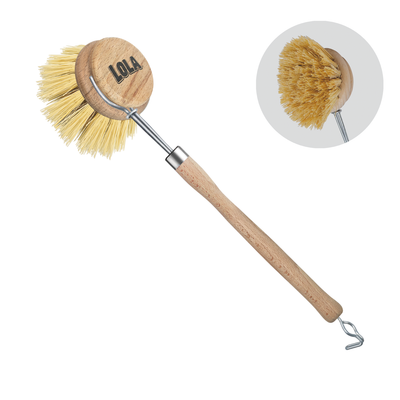
For those who prefer a traditional deep clean, a bristle brush is often the best choice. The most important feature is stiff, durable bristles that can really scrub away tough stains and buildup. Many people find that the scrubbing action of bristles is more effective than the wiping motion of silicone. When choosing one, check for a sturdy, comfortable handle and a dense brush head for maximum cleaning power. Lola Products offers a variety of high-performance brushes designed for exactly this kind of powerful scrubbing, ensuring you have the right tool to leave your toilet bowl sparkling. A quality bristle brush, when rinsed properly after each use, can last for a long time.
Why Bristles Are Better for a Deep Clean
While silicone brushes have gained attention for their sleek look and hygienic claims, the ultimate test of a toilet brush is simple: how well does it clean? When you’re dealing with stubborn rings and grime, you need a tool that does more than just look good next to the toilet. For a truly deep clean that leaves your bowl sparkling, traditional bristles still hold the top spot. Their design is fundamentally better for the tough job of scrubbing away buildup, ensuring your bathroom is as clean as it looks.
The Unmatched Scrubbing Power of Bristles
When it comes to getting rid of tough toilet bowl rings, friction is your best friend. This is where traditional bristle brushes truly shine. Many people have found that silicone brushes, with their flexible nubs, tend to wipe surfaces rather than scrub them, which can leave stubborn stains behind. The general feeling among many cleaning enthusiasts is that bristles provide the necessary abrasive action to effectively lift away grime. While silicone is easy to rinse, a quality bristle brush is also built to last for years with simple care, making its superior cleaning performance the winning factor for a truly deep clean.
Discover Lola Products' High-Performance Brushes
We believe some tools are classics for a reason. A powerful, reliable toilet brush is essential for a hygienic bathroom, and that requires effective scrubbing. That’s why we’ve focused on creating a range of high-performance toilet brushes that deliver a deep clean every time. Our brushes are designed with stiff, durable bristles that tackle hard water stains and buildup without scratching your porcelain. With sturdy handles and thoughtfully designed heads, you get the control and power you need to leave your toilet bowl sparkling. For a clean you can see and feel, nothing beats the reliability of a great bristle brush.
Which Brush Is Right for You?
So, how do you decide which toilet brush belongs in your bathroom? The best choice depends entirely on your cleaning habits and what you expect from your tools. Are you a daily tidier who prefers to stay on top of things with quick, frequent cleanings? Or are you someone who sets aside time for a thorough, deep scrub to make sure every corner is sparkling? Both approaches get the job done, but they call for different tools. Let's break down which brush is the right partner for your routine, so you can clean with confidence and get the results you want.
Choose Silicone For: Everyday Touch-Ups
If you like to give your toilet a quick swish every day or two, a silicone brush could be a great fit. Its flexible, non-porous bristles are designed to be more hygienic and easier to rinse, trapping less water and residue. This makes it a practical tool for light, everyday maintenance and preventing minor build-up before it starts. While it might not be the hero for tough, set-in stains, a silicone brush is a solid choice for keeping a generally clean bowl looking fresh between more intensive scrubbing sessions. It’s all about staying ahead of the mess with minimal fuss.
Choose Bristles For: A Powerful, Deep Clean
When it’s time for a serious, deep clean, nothing beats the power of a traditional bristle brush. Many people find that silicone brushes simply don't scrub effectively enough to remove stubborn rings and grime. Stiff bristles are designed to get into the grooves and under the rim, applying the friction needed to lift away tough stains. If you want that satisfying, sparkling-clean result that only a good scrub can provide, a bristle brush is your most reliable tool. For a powerful clean you can count on, explore Lola's range of high-performance toilet brushes.
How to Keep Your Toilet Brush Clean
No matter which type of toilet brush you choose, keeping it clean is non-negotiable. A dirty brush just moves germs around and can create unpleasant odors in your bathroom. Proper cleaning and storage not only extend the life of your brush but also ensure it does its job effectively every time you use it. A few simple habits can make all the difference between a hygienic tool and a bacteria hotspot. These tips work for both bristle and silicone brushes, so you can feel confident your bathroom is getting a true clean.
Tips for a Longer, More Hygienic Lifespan
A clean brush cleans better. It’s that simple. To keep your toilet brush in top shape, always rinse it in the clean water of the toilet bowl after you flush away the cleaner and grime. Next, let it air dry completely before returning it to its holder. You can do this by wedging the brush handle between the toilet seat and the bowl, allowing the head to drip directly into the toilet. This simple step prevents a puddle of germy water from forming in the caddy. Using a powerful toilet bowl cleaner also helps sanitize the brush during each use.
Storing Your Brush to Prevent Bacteria
How you store your brush is just as important as how you clean it. A damp, enclosed space is a breeding ground for bacteria. Always choose a brush that comes with a well-ventilated holder, allowing air to circulate and dry the bristles or silicone nubs quickly. If your holder doesn’t have vents, make extra sure the brush is completely dry before putting it away. Don’t forget to clean the holder itself at least once a week. You can wipe it down with a disinfectant or wash it with hot, soapy water to remove any drips. Investing in quality brushes with smart storage solutions makes this whole process much easier.
Related Articles
- 5 Best Toilet Bowl Brush and Caddy Sets of 2025
- The 4 Best Toilet Mop Brush Models of 2026
- 500 Brushes Toilet Bowl Brush Head Replacement – 1 Count
- 8 Best Dish Brushes with Handles for 2025
Frequently Asked Questions
So, which one is actually better: silicone or bristle? It really depends on what you need from a cleaning tool. If you do quick, daily touch-ups and prioritize a modern look and easy rinsing, a silicone brush can work well for light maintenance. However, for a truly deep clean that removes tough rings and buildup, a traditional bristle brush provides the scrubbing power that silicone just can't match.
If bristle brushes clean better, why are silicone ones so popular? The appeal of silicone brushes comes down to hygiene and aesthetics. Their non-porous material repels water and dries quickly, which helps reduce bacteria growth. Plus, their sleek, minimalist design fits well with modern bathroom decor. Many people are drawn to these features, even if it means sacrificing some scrubbing power for tough jobs.
Can I make my bristle toilet brush more hygienic? Absolutely. The key is to prevent it from sitting in a puddle of water. After cleaning, rinse the brush in the clean toilet water from the final flush. Then, simply prop the handle under the toilet seat so the brush head can drip-dry completely over the bowl. Once it's dry, you can place it back in its holder.
Will a silicone brush ever be enough for tough stains? Generally, no. Silicone nubs are great for wiping away surface-level grime, but they lack the stiffness needed to scrape away set-in stains like hard water rings or rust. For that kind of job, you'll almost always get better and faster results with the abrasive action of a traditional bristle brush.
How often should I replace my toilet brush? A good rule of thumb is to replace your toilet brush when the bristles become frayed, discolored, or flattened, which is usually every six months to a year. If you have a high-quality bristle brush and you clean it properly after each use, it can last on the longer end of that spectrum. A well-cared-for tool will always perform better.











Comments