


That sinking feeling when you see a scorched pan is the worst. Your first instinct might be to grab the steel wool and start scrubbing, but please don't. The trick that makes a stainless steel skillet sparkle could permanently ruin a delicate non-stick surface. And cast iron? It has its own set of rules entirely. This guide is your go-to resource for cleaning burnt pots and pans the right way—based on what they’re made of. We’ll break down the safest methods to restore your cookware’s shine without causing accidental damage.
Key Takeaways
- Prevention is your best tool: Avoid most burnt-on messes by cooking over medium heat and cleaning your pans completely after each use. This simple habit stops leftover food from charring the next time you cook.
- Match the method to the material: Know what your pan is made of before you start scrubbing. Use gentle soaks for delicate non-stick surfaces, and save tougher tools like salt scrubs or specialized brushes for durable stainless steel and cast iron.
- Start with simple pantry solutions: Before reaching for a commercial cleaner, try using baking soda, vinegar, or salt. These common household items are surprisingly powerful for breaking down burnt food and are the perfect first step for most messes.
So, Why Do Your Pans Keep Burning?
We’ve all been there. You turn your back for just a moment, and suddenly, the smell of smoke fills the kitchen. You rush back to the stove to find a blackened, sticky mess at the bottom of your favorite pan. It’s a frustrating, but common, kitchen mishap that can make you feel like you’ve ruined your cookware for good. The good news is that most burnt pans aren't a lost cause. Whether you're working with stainless steel, non-stick, or cast iron, understanding why it happens is the first step to both fixing the current problem and preventing it from happening again. It usually comes down to a simple combination of heat, food, and time. By making a few small adjustments to your cooking and cleaning habits, you can keep your cookware looking and performing its best for years to come.
Meet the Main Culprits: Heat and Food
The most common reason your cookware gets scorched is simple: the heat is too high. When a pan gets overly hot, the moisture in your food evaporates almost instantly. This leaves sugars and proteins in direct contact with the hot metal surface, where they quickly carbonize and burn. This process creates a stubborn, blackened layer that seems impossible to remove. Some foods, like sugary sauces or starchy potatoes, are more likely to burn than others. Another factor is leftover food residue. If a pan isn't cleaned perfectly, tiny particles left behind can burn during the next use, creating a tough, layered mess over time.
How to Stop Burning Pans in the First Place
The best way to deal with a burnt pan is to avoid it in the first place. Start by managing your heat. Most dishes don’t require you to crank the dial to high; medium heat is often your best friend for achieving even cooking without scorching. Also, make sure you’re using enough oil or fat to create a protective barrier between the food and the pan’s surface. After cooking, a thorough cleaning is essential. Using the right tools, like effective pot and pan brushes, ensures you remove every last bit of food residue. This simple step prevents the buildup that can burn the next time you cook, keeping your pans in great shape.
Before You Start: First Steps for Any Burnt Pan
Okay, so you've got a scorched pan staring back at you. Before you grab the nearest scrub brush and go to town, let's pause. Taking a few key steps first can mean the difference between a beautifully restored pan and one that's permanently scratched or damaged. No matter what kind of cookware you're dealing with, these three initial actions will set you up for cleaning success and help protect your kitchen gear for the long haul. Think of it as kitchen triage—these are the universal rules that apply to every burnt pan situation, ensuring you don't make the problem worse in your haste to fix it.
Let It Cool and Scrape It Out
I know it’s tempting to immediately douse a hot, smoky pan with cold water, but please don’t. This sudden temperature change, known as thermal shock, can cause metal to warp or even crack, especially with cast iron or thinner pans. Always let your pan cool down to room temperature on the stovetop. Once it’s safe to handle, use a wooden spoon or a plastic spatula to gently scrape away any large, loose bits of burnt food. This initial step clears the debris and makes your cleaning solution more effective, as it can work directly on the stubborn, stuck-on grime instead of just the surface-level mess.
Always Start with the Gentlest Method First
Your goal is to remove the burn, not the pan's finish. Always begin with the least aggressive cleaning method to avoid creating scratches or other damage. Simple pantry staples are your best friends here. A paste of baking soda and water, or a soak in diluted vinegar, can work wonders on many burnt-on messes without harming the cookware. You can pair these gentle solutions with the right tool, like one of our non-scratch sponges or scourers. If the first attempt doesn't work, you can then move to something with a bit more grit. The key is to start gently and only increase the intensity as needed, which is the best way to preserve the life and look of your pans.
Check the Manufacturer's Instructions
It might feel like an extra step, but taking a moment to check your cookware’s care instructions is one of the smartest things you can do. Manufacturers know their products best and provide guidelines specifically designed to keep them in top condition. These instructions will tell you what cleaning agents and tools are safe to use and which ones to avoid. For example, some non-stick coatings can be damaged by abrasive cleaners or even certain "natural" solutions. If you no longer have the original packaging, a quick search on the manufacturer's website usually pulls up the information you need. Following these directions helps you avoid accidental damage and can even be a requirement for keeping your warranty valid.
Cleaning Supplies You Already Have in Your Kitchen
Before you reach for a harsh chemical cleaner, take a look in your pantry. You probably already have everything you need to rescue that burnt pot or pan. Some of the most effective cleaning solutions are simple, inexpensive household staples that have been trusted for generations. These methods are not only budget-friendly but are also a great starting point before trying more intensive techniques. They work wonders on common cookware materials and can often save a pan you thought was destined for the trash.
Using everyday ingredients like baking soda, vinegar, and salt is a fantastic way to tackle tough messes without filling your home with strong fumes. These pantry powerhouses can break down burnt-on food and lift stubborn stains with a little bit of patience and elbow grease. We’ll walk through four simple methods using these items. They’re perfect for anyone who prefers a more natural approach to cleaning or just wants a quick fix without a trip to the store. Plus, pairing these simple ingredients with the right cleaning accessories can make the job even easier.
Create a Powerful Baking Soda Paste
Baking soda is a cleaning superstar for a reason. Its mild abrasive quality is perfect for scrubbing away burnt food without scratching your pan’s surface. Start by sprinkling a generous amount of baking soda over the burnt area, about two or three tablespoons should do it. Add just enough water to create a thick paste, covering all the charred bits. Let the paste sit for at least 15-20 minutes to work its magic. Then, grab a non-abrasive scourer or sponge and scrub in a circular motion. You’ll feel the burnt residue start to lift. Rinse the pan with warm water, and repeat if any stubborn spots remain.
For a Quick Fix: The Baking Soda and Foil Method
If you need a fast solution for a seriously burnt stainless steel pan, this trick is a game-changer. For this method, you’ll swap your sponge for a ball of aluminum foil. Sprinkle the burnt bottom of the pan with baking soda, add a splash of water to make a thin paste, and then get to work scrubbing with a crumpled piece of foil. As noted by testers at The Kitchn, this technique is incredibly effective and takes just a few minutes of effort to make a pan look almost new. It’s the perfect go-to when you’re short on time. Just remember, this method is too abrasive for non-stick, enameled, or delicate surfaces, so save it for your sturdy stainless steel cookware.
Making Your Paste Work Harder
For those extra-stubborn, caked-on messes, your baking soda paste might need a little help. One way to increase its power is by adding heat. After applying the paste, place the pan on the stove over low heat for a few minutes. The warmth helps to loosen the burnt-on food, making it much easier to scrub away. Another great technique is to sprinkle baking soda into the pan and carefully pour in boiling water. Let it sit and fizz for about 15 minutes. You can then use a wooden spoon to gently scrape away the softened gunk. After the soak, finish the job with a sturdy pan brush to get into the corners and remove any final bits of residue.
Let White Vinegar Do the Heavy Lifting
If you’re dealing with a seriously stubborn burnt layer, white vinegar is your best friend. The acidity helps dissolve and loosen the grime, making it much easier to remove. Simply pour equal parts white vinegar and water into the pan, enough to completely cover the burnt bottom. Place the pan on the stove and bring the mixture to a boil. Once it’s boiling, turn off the heat and let it cool down completely. As it cools, you should see the burnt pieces begin to lift and float in the liquid. Once cool, pour out the vinegar solution and wash the pan with warm, soapy water and a sponge.
The 10-Minute Vinegar Soak
For those really tough, glued-on messes, the vinegar soak is a game-changer. Pour equal parts white vinegar and water into your pan—just enough to cover the entire burnt area. Place the pan on your stove and bring the liquid to a rolling boil. As soon as it starts bubbling, turn off the heat and carefully move the pan to a cool burner. Let it sit and soak for at least 10 minutes, or until the water has cooled down. The acidic vinegar works to break down and dissolve the carbonized food, doing most of the hard work for you. After soaking, pour the liquid out and the burnt bits should wipe away easily with a gentle sponge or scourer.
A Quick Warning About Vinegar
While vinegar is a fantastic cleaner, its acidity can be too aggressive for certain types of cookware. You should avoid using this boiling method on aluminum pans, as the acid can cause pitting and discoloration on the surface. It's also best to skip it for cast iron, as prolonged exposure to acid can strip away the pan's seasoning that you've worked so hard to build. Some non-stick and ceramic coatings can also be sensitive to strong acids. When in doubt, it's always a good idea to check the manufacturer's care instructions. For these more delicate pans, sticking with the gentler baking soda paste method is a much safer bet.
Try the Viral Dishwasher Tablet Trick
This trick feels like magic and requires almost no effort. The concentrated cleaning agents in a dishwasher tablet are designed to break down tough, baked-on food, making them perfect for a burnt pan. Just place one dishwasher tablet in the center of the pan and fill it with enough hot water to cover the burnt sections. Let it sit for several hours or even overnight for really tough jobs. The tablet will dissolve and create a powerful soaking solution that breaks down the char. Afterward, simply pour out the water and give the pan a final wash with soap and water to remove any remaining residue.
Use the Tablet as a Scraper
If you're dealing with a particularly stubborn layer of char and don't want to wait overnight, you can use the dishwasher tablet as a direct scrubbing tool. This method is a bit more hands-on but delivers fast results. Start by adding a small amount of warm water to the pan—just enough to create a paste as you scrub. Put on a pair of cleaning gloves, as dishwasher tablets contain concentrated detergents that can be harsh on your skin. Then, take the tablet and begin to scrub the burnt areas directly. The tablet will slowly break down, releasing its powerful cleaning agents while its gritty texture works to physically dislodge the burnt-on food. It’s like a tiny, super-powered scrubber that does the hard work for you.
Scrub Away Stains with Salt and Lemon
For a fresh-smelling and natural cleaning method, look no further than salt and lemon. The acid in the lemon works to loosen the burnt-on food, while the coarse salt acts as a gentle abrasive to scrub it away. Start by sprinkling a generous layer of coarse salt (like sea salt or kosher salt) over the bottom of the pan. Then, cut a lemon in half and use the cut side as your scrubber. Squeeze some juice over the salt and use the lemon half to scrub the pan in a circular motion. The combination will create a powerful slurry that lifts stains and leaves your pan smelling great. For extra scrubbing power, you can use a sturdy brush to finish the job.
Boil Lemons for a Fresh-Smelling Clean
If you prefer a cleaning method that leaves your kitchen smelling amazing, this one's for you. Boiling lemons is a simple, natural way to tackle burnt-on messes. Just slice one or two lemons and place them in the bottom of your pan. Add enough water to cover the burnt areas and bring it to a boil. Let it simmer for about 5 to 10 minutes as the citric acid works to break down the grime. After you turn off the heat and let the water cool, pour everything out. You’ll likely find that most of the burnt residue has loosened. For any stubborn spots that remain, a little scrubbing with a non-abrasive scouring pad should be all you need to restore your pan’s shine.
What About the Dryer Sheet Trick?
You’ve probably seen this hack floating around online: place a dryer sheet in your burnt pan, add warm water, and let it soak. The idea is that the fabric-softening agents will magically lift the burnt food. But does it actually work? In short, not really. While it might help loosen the very top layer of grime, it’s far from a miracle solution. Most tests, including one by The Kitchn, show that you’ll still need to follow up with a more effective cleaning method to get the job done. Think of it as a potential pre-soak at best, but don’t expect it to save you from having to do some real scrubbing afterward.
How to Clean Burnt Stainless Steel Pans
We’ve all been there. You turn your back for just a moment, and suddenly that simmering sauce has become a blackened, stubborn mess on the bottom of your favorite stainless steel pan. It’s a frustrating sight, but don’t even think about banishing that pan to the back of the cupboard. Stainless steel is a kitchen workhorse for a reason: it’s durable, distributes heat evenly, and is incredibly resilient. With the right approach, you can make it look brand new again. The key is to use methods that break down the burnt-on food without resorting to overly aggressive scrubbing that could scratch the surface.
Luckily, you don’t need a cabinet full of harsh chemicals to get the job done. Some of the most effective cleaning solutions are probably already in your pantry, waiting to be put to work. We’ll walk through a couple of simple, DIY techniques using household staples like baking soda and vinegar that work wonders on tough, cooked-on grime. These methods are gentle on your cookware but tough on messes. And for those extra-stubborn spots that need a bit more muscle, we’ll cover how to use the right cleaning tools to safely scrub away the residue and restore your pan’s beautiful shine.
Boil Away Grime with Baking Soda
This is a classic method for a reason: it works. Start by sprinkling a generous layer of baking soda over the burnt area of your pan; about two or three tablespoons should do it. Add enough water to cover the bottom and bring the mixture to a simmer. Let it gently bubble away for 15-30 minutes (or up to an hour for really tough jobs). As it cools, you’ll find that most of the burnt food has loosened and can be wiped away. For any remaining stubborn bits, you can use a wooden spoon or a non-abrasive scrubber to gently scrape them off.
Scour with a Simple Vinegar Scrub
If baking soda alone doesn’t cut it, it’s time to bring in the power of vinegar. Its natural acidity is fantastic for breaking down burnt-on residue. Pour equal parts white vinegar and water into the pan, enough to cover the burnt spots. Bring the solution to a boil, then turn off the heat and let it cool down completely. The burnt bits should lift off easily with a sponge. For an even stronger approach, you can create a paste by mixing one part baking soda with one part vinegar. Apply the fizzing slurry directly to the problem areas, let it sit for a few minutes, and then scrub clean.
Try Boiling with Dish Soap for Greasy Messes
Sometimes a burnt mess is also a greasy one, and that’s when you need to call in the degreasing power of dish soap. This method is incredibly simple but works wonders on stubborn, oily residues left behind from searing meats or cooking rich sauces. Just fill your pan with enough water to cover the burnt area, add a generous squirt of your favorite dish soap, and place it on the stove. Bring the soapy water to a boil and let it simmer for about 10-15 minutes. The heat and soap work together to break down the grease and loosen the charred food. Once the pan has cooled down, you can easily wash away the mess with one of our effective sponges or scourers, leaving your stainless steel looking spotless.
How to Use Scrubbers Without Scratching
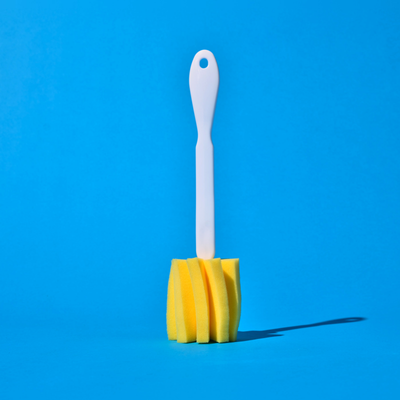
Sometimes, a little elbow grease is unavoidable, but you need the right tool for the job. When DIY soaks aren’t quite enough, a good scrubber can make all the difference. Lola’s Pro Pot N' Pan Brush is specifically designed for heavy-duty cleaning on tough surfaces like stainless steel and cast iron, using abrasive bristles to tackle burnt-on food without a fight. For a gentler but still effective option, the Lola Plastic Mesh Scourers are perfect for cleaning pots and pans. They give you the scrubbing power you need while being safe for most cookware surfaces. Using one of these specialized brushes can save you time and effort, getting your pan back in rotation faster.
How to Clean Burnt Non-Stick Pans Safely
We’ve all been there. You turn your back for a second, and now your favorite non-stick pan has a layer of burnt-on food. Don't panic! Cleaning non-stick cookware is all about using a gentle touch. The special coating that makes cooking and cleanup a breeze is also delicate. Aggressive scrubbing with the wrong tools can scratch the surface, ruining its non-stick properties. The key is to work smarter, not harder, by using the right techniques and tools to lift away that burnt mess without causing any damage.
First, Give Your Pan a Gentle Soak
Before you even think about scrubbing, let your pan soak. This is the most important step, and it does most of the work for you. Once the pan has cooled down completely, fill it with warm water and a few drops of your regular dish soap. Let it sit in the sink for at least 30 minutes, or even an hour for really stubborn, caked-on messes. This process softens and loosens the burnt food, making it much easier to wipe away later. Patience here will save you a lot of elbow grease and, more importantly, will help preserve the life of your pan.
Pick the Right (Scratch-Free) Tools
When it’s time to clean, put away the steel wool and abrasive powders. For non-stick surfaces, your choice of tool is critical. Using anything too harsh will create tiny scratches that food will stick to, defeating the purpose of your pan. Instead, reach for a soft sponge or a microfiber cloth. For a little extra cleaning power without the risk of damage, a gentle non-scratch scrubber is your best friend. These are designed to be tough on grime but easy on delicate surfaces. Gently wipe away the loosened food particles, and your pan should come clean without a fight.
Protecting That All-Important Non-Stick Coating
Keeping your non-stick pan in great shape goes beyond cleaning. To maintain that slick surface, always use wooden or silicone utensils when you cook. Metal spatulas and spoons can easily scratch and chip the coating. It’s also a good idea to cook over low to medium heat, as high temperatures can damage the non-stick layer and cause food to burn. After washing, dry your pan thoroughly and consider placing a paper towel or a soft cloth inside if you stack your cookware. These simple habits will help you get the most out of your cleaning accessories and keep your pans performing beautifully for years.
Tackling Burnt Cast Iron and Carbon Steel
Cast iron and carbon steel pans are kitchen workhorses, but they play by a different set of rules. Unlike your other cookware, you want to protect the "seasoning," which is that beautiful, slick surface you've built up over time. Soaking them in the sink or scrubbing with harsh soap is a big no-no, as it can strip away that hard-earned non-stick layer. If you've accidentally scorched your favorite skillet, don't panic. These pans are incredibly resilient, and with the right technique, you can clean them up without ruining the seasoning. It’s all about using methods that remove the burnt food while preserving the pan's surface.
Use the Classic Salt Scrub Method
This is my favorite trick for everyday burnt-on bits. It’s gentle on the seasoning but tough on grime. Once your pan has cooled down enough to handle, pour a generous amount of coarse salt (kosher or sea salt works great) into the pan. Use one of Lola's stiff brushes or a folded paper towel to scrub the burnt areas. The salt acts as a perfect abrasive, lifting away the food without scratching the pan. When you're done, just dump the salt and residue into the trash, give the pan a quick rinse with hot water, and dry it immediately and thoroughly on the stove over low heat. This simple salt scrub is the best way to handle minor messes and keep your pan in top shape.
The Best Time to Clean Cast Iron
When it comes to cast iron, timing is everything. The absolute best time to clean your skillet is right after you’re done cooking, while it’s still warm but not blazing hot. This is the sweet spot. The residual heat keeps any stuck-on food soft and prevents it from hardening into a stubborn, cemented-on mess. Waiting until the pan is completely cold makes the job ten times harder and might tempt you to use harsh soaps or soaking methods that can damage your precious seasoning. Instead, tackle it while it’s warm. Scrape out any leftover food, run it under hot water, and use a stiff brush to gently scrub away any remaining bits. This quick, immediate cleaning routine is the secret to maintaining a perfect, non-stick surface for years.
Can You Use Your Oven's Self-Cleaning Cycle?
For a pan that looks like a lost cause, this is your nuclear option. If your cast iron is caked with layers of burnt-on gunk, you can place it upside down in your oven and run the self-cleaning cycle. This intense heat will incinerate everything on the pan’s surface, turning it to ash and leaving you with bare metal that looks brand new. But here’s the important part: this method will completely strip away all of your pan’s seasoning. It’s a total reset. Only use this for oven-safe pans (no wooden or plastic handles!) and only when you’re prepared to re-season it from scratch. It's incredibly effective, but it's a commitment.
Why You Must Re-Season Your Pan
After a deep clean, especially the oven method, re-seasoning your pan is absolutely essential. Seasoning is what gives cast iron its non-stick properties and protects it from rust. Without it, your food will stick and your pan could get damaged. To re-season, apply a very thin layer of a neutral oil, like vegetable or grapeseed oil, over the entire pan. Use a paper towel to wipe away any excess until it looks almost dry. Then, bake it upside down in a 450°F oven for about an hour. This process polymerizes the oil, creating a fresh, protective layer. You can find a great guide on how to season cast iron if you need a more detailed walkthrough.
Are Burnt Pans Safe to Use?
When you’re staring at a blackened pan, it’s natural to wonder if it’s even safe to use again. The good news is that for most pans, the answer is yes—once you’ve cleaned them properly. If you’re working with durable materials like stainless steel or cast iron, a burnt-on mess doesn’t mean the pan is ruined. The primary concern is the charred food itself, which you don't want in your next meal. Once you've successfully scrubbed away the residue, the pan itself is perfectly safe to cook with. Think of it as a rescue mission; with the right cleaning techniques, you can almost always revive these kitchen workhorses and get them back into your cooking rotation.
However, the story changes when you’re dealing with non-stick pans. This is where you need to be cautious. If the non-stick coating has been damaged—meaning it’s peeling, flaking, or has deep scratches from the burning or scrubbing—it’s time to say goodbye. Using a pan with a compromised coating isn't recommended, as bits of the surface can end up in your food. The same rule applies to any pan, regardless of material, that has developed deep rust pits that can't be removed. If the cooking surface is permanently damaged and can't be restored, it's safer to replace the pan rather than risk it.
What Are the Best Tools for Cleaning Burnt Pots and Pans?
While a good soak and some baking soda can work wonders, having the right cleaning tool in your arsenal is the real secret to saving time and your sanity. We’ve all been there: hunched over the sink, scrubbing a burnt pan until our arms ache, wondering if it’s a lost cause. The truth is, the right tool can turn a 20-minute struggle into a 2-minute fix. But how do you know which one to grab? The world of cleaning accessories can feel vast, but you only need a few key players.
Using a scrubber that’s too harsh can permanently scratch a delicate non-stick surface, while one that’s too gentle won’t make a dent in the carbonized mess on your favorite stainless steel skillet. This is where a little know-how goes a long way. Think of it as building a small but mighty cleaning toolkit for your kitchen. With just a few items, you’ll be prepared for anything from a minor simmer-over to a full-blown culinary catastrophe. It’s not about having dozens of different brushes and sponges; it’s about having the correct ones. In this section, we’ll explore the heavy hitters for tough jobs, the gentle giants for delicate surfaces, and even a surprising household item that can save the day. Let’s get you equipped to clean smarter, not harder, and keep your cookware in great shape for years to come.
Your Go-To Brush for Really Tough Jobs
When you’re facing a truly catastrophic burn, you need to bring in the heavy-duty equipment. For those moments, the Lola Pro Pot N' Pan Brush is your best friend. This isn’t your average dish brush. It’s specifically designed for heavy-duty cleaning with a combination of tough poly and abrasive brass wire bristles that cut through baked-on, burnt residue with minimal effort. It’s the perfect solution for durable cookware like stainless steel, cast iron, and oven-safe glass. The comfortable, non-slip handle gives you the leverage you need to make quick work of even the most stubborn messes.
Gentle vs. Abrasive: When to Use Each Scrubber
Choosing between a gentle or an abrasive scrubber can make or break your cleaning process, and it’s crucial for protecting your cookware. For non-stick, ceramic, or enamel-coated pans, you must stick with non-abrasive tools. A soft sponge, a dishcloth, or a gentle nylon scrubber will help you clean without scratching the delicate finish.
For more durable materials like stainless steel, carbon steel, and glass, you can use something with more grit. Abrasive sponges & scourers provide the extra friction needed to lift away tough, burnt-on food. Just be sure to test a small, inconspicuous area first if you’re ever unsure how a pan will react.
The Power of Pre-Soaped Scouring Pads
When you're dealing with a seriously stubborn, burnt-on mess, sometimes you need to call in the reinforcements. Pre-soaped scouring pads are a classic for a reason—they combine the intense scrubbing power of steel wool with a built-in soap that cuts through grease and carbonized food. Think of them as the perfect one-two punch for rescuing your most scorched stainless steel or oven-safe glass cookware. These pads make quick work of messes that might otherwise require a lot of soaking and scraping. However, remember that with great power comes great responsibility. These are highly abrasive, so keep them far away from your non-stick and other delicate surfaces to avoid causing permanent scratches. For the right job, though, having a pack of steel wool soap pads on hand can feel like a kitchen superpower.
Yes, You Can Use Aluminum Foil (Sometimes)
Here’s a cleaning hack that sounds strange but works incredibly well on sturdy pans (like stainless steel or glass bakeware). If you have a stubborn burnt spot, sprinkle it with a few tablespoons of baking soda, add a splash of water to make a paste, and then start scrubbing with a crumpled-up ball of aluminum foil. The foil acts as a surprisingly effective, semi-abrasive scrubber. As food writers have found, this simple technique can help lift stubborn residues that a regular sponge can’t handle. Just remember, this method is too harsh for non-stick or other coated pans.
How to Clean Burnt Pans Safely
Before you roll up your sleeves and get to scrubbing, let’s talk about safety. Even when you’re using simple household ingredients, a little bit of caution goes a long way in protecting you and your kitchen surfaces. Tackling a burnt pan can be a tough job, but it should never be a risky one. Following a few simple guidelines will make the entire process smoother and safer, so you can focus on getting your cookware back to its former glory without any mishaps. From handling your cleaning agents properly to making sure your workspace is well-ventilated, these tips will help you clean with confidence.
Work with Cleaning Solutions the Smart Way
Many of the best cleaning solutions are probably already in your pantry. You can often restore your burnt cookware using natural ingredients like baking soda, vinegar, or lemon juice. While these are much safer alternatives to harsh chemicals, it’s still important to handle them with care. For example, vinegar and lemon juice are acidic, so you’ll want to avoid getting them in your eyes. When you’re ready to start scrubbing, pair these solutions with the right tools, like our effective Lola sponges and scourers, to get the job done without damaging your pan.
Don't Forget to Open a Window
If you’ve ever boiled vinegar to loosen stubborn grime, you know how potent the smell can be. Some cleaning methods, especially those involving heat or commercial cleaners, can produce strong fumes. That’s why it’s always a good idea to ensure your kitchen is well-ventilated before you begin. Simply turn on the exhaust fan over your stove or crack open a nearby window to get some fresh air circulating. This simple step helps clear out any strong odors or fumes, making the cleaning process much more pleasant and comfortable for you.
Protect Your Hands and Surfaces
A good scrubbing session can be tough on your hands, and the last thing you want is to accidentally scratch your countertops in the process. It's always smart to wear gloves to protect your hands, especially when working with hot water or abrasive materials. To protect your counters, place an old towel or a silicone mat underneath the pan while you work. This gives you a stable, scratch-proof surface and makes cleanup even easier. Using the right brushes will get the gunk off your pan without putting your kitchen at risk.
When Should You Reach for a Commercial Cleaner?
While I always recommend starting with simple, at-home solutions, there are times when a burnt pan needs a little extra muscle. If you’ve tried the baking soda paste and vinegar soaks to no avail, don’t toss the pan just yet. Some stubborn, carbonized messes require a commercial cleaner designed for heavy-duty jobs. These products can be incredibly effective, but it’s important to know which ones to use and how to handle them safely. Think of these as your backup plan for when a kitchen mishap gets serious. When you’re facing a burn that just won’t budge, turning to a store-bought solution can be the key to saving your favorite piece of cookware.
What About Bar Keepers Friend?
For those really tough, baked-on stains, a specialized cleaner can feel like a miracle worker. Bar Keepers Friend is a popular choice for a reason; it’s fantastic at cutting through grime on stainless steel cookware without being overly harsh. It comes in both a powder and a liquid, so you can choose what works best for you. Just apply it to the burnt area, add a little water to make a paste if you're using the powder, and get to work with a good scrubber. You’ll want to scrub thoroughly, then wash the pan extremely well with soap and water to remove every trace of the cleaner before you cook with it again.
When to Use a Degreasing Spray
Sometimes, the problem isn't just burnt food—it's a thick, sticky, greasy layer that just won't budge. This is where a dedicated degreasing spray comes in handy. If you've tried boiling water with dish soap and the greasy film is still clinging on for dear life, it’s time to call in the specialist. Degreasers are formulated to break down oils and fats, which is something that simple soaks or abrasive scrubs can't always do on their own. Think of it as the next level of cleaning power for those particularly stubborn, greasy messes on your stainless steel or oven-safe cookware. Just be sure to use it in a well-ventilated area and pair it with a durable scrubber to get the job done right.
Using Oven Cleaner: A Last Resort
Think of this as your last-resort option for the most disastrous of pan burns. Heavy-duty oven cleaners are formulated to dissolve intensely carbonized food, but their powerful chemicals mean you need to be careful. If you decide to go this route, always work in a well-ventilated space, maybe even opening a window. Apply the cleaner to the pan and let it sit for a few hours or overnight, allowing it to break down the burn. Afterward, it is absolutely critical to rinse the pan thoroughly several times to ensure no chemical residue is left behind. And please, protect your hands with a good pair of gloves from your cleaning accessories kit.
DIY vs. Store-Bought: Which Is Right for This Mess?
So, how do you choose between a homemade paste and a store-bought cleaner? It really comes down to the severity of the burn and the material of your pan. Most everyday burns on sturdy stainless steel can be tackled with DIY methods. However, if you’re dealing with a thick layer of black char, a commercial cleaner might save you time and a lot of elbow grease. Consider your cookware; a high-quality stainless steel pan can handle a stronger cleaner, while older, cheaper aluminum pans might be more susceptible to damage. My advice is to always start with the gentlest method first and only escalate to a commercial cleaner if necessary, using a sturdy brush to help you along the way.
Keeping Your Cookware Looking Brand New
After putting in the effort to get your pots and pans sparkling clean, the last thing you want is to face another burnt-on mess. The secret to avoiding hours of scrubbing is prevention. By adopting a few simple habits, you can extend the life of your cookware and make every cleanup session much easier. It’s all about treating your tools with a little care so they can continue to serve you well, meal after meal.
The Right Way to Dry and Store Your Pans
This might sound basic, but it makes a huge difference. After washing, always dry your pans thoroughly with a clean towel to prevent water spots and rust, which is especially critical for cast iron. Leaving pans to air dry can lead to moisture damage over time. Using absorbent microfiber cloths can make this step quick and effective. How you store your cookware matters, too. If you stack your pans, place a paper towel or a soft cloth between each one to protect the surfaces from scratches. This is a must for non-stick pans to keep their coating intact.
Master Your Stove's Heat Settings
Many cooking mishaps happen when the stove is too hot. Blasting your pans with high heat can cause food to burn quickly and can even damage the cookware itself, leading to warping or ruining a non-stick surface. Most of the time, cooking on low to medium heat is all you need. A great habit is to let your pan preheat for a minute over medium heat before adding oil or food. This helps create a more even cooking surface and reduces the chances of sticking. Proper heat management is one of the best skills you can develop to protect your investment.
Is It Time to Say Goodbye to Your Pan?
Even with the best care, no pan lasts forever. It’s important to recognize when your cookware has reached the end of its life. If a pan is warped, it won't sit flat on your burner, causing food to cook unevenly. For non-stick pans, a major red flag is a coating that is peeling or has deep scratches. This not only makes the pan less effective but can also be a safety concern. While our scrubbers and brushes can work wonders, some damage is beyond repair. Knowing when to replace your pans ensures you’re always cooking with safe and effective tools.
Related Articles
- How to Clean Scorched Pots and Pans in Minutes
- Stainless-Steel SOS: Your Pans Are Crying for Help (Here's How to Rescue Them)
- Drip Happens: How to Rescue Those Crusty Stove Pans Like a Pro!
- How to save your cast iron pans
- Dutch Oven, Dirty No More: The Ultimate Guide to Cleaning Your Cast Iron Cookware
Frequently Asked Questions
Can I use the same cleaning method on all my different types of pans? That’s a great question, and the short answer is no. Each type of cookware needs a slightly different approach. Non-stick pans are delicate, so they require a gentle soak and soft sponges to protect their coating. Stainless steel is much more durable and can handle tougher methods like boiling water with baking soda and vigorous scrubbing. Cast iron is in a category of its own; you want to avoid soap and long soaks to protect its seasoned surface, making a salt scrub your best option.
My non-stick pan has a burnt mess on it. Is it ruined forever? Don't worry, it's probably not a lost cause. The key is to be patient and gentle. Start by letting the pan cool completely, then fill it with warm water and a few drops of dish soap. Let it soak for at least an hour to loosen the burnt food. Afterward, use a soft sponge or a non-scratch scourer to wipe it clean. As long as the non-stick coating isn't peeling or deeply scratched, you should be able to rescue it with this method.
I've tried the baking soda and vinegar methods, but my stainless steel pan is still stained. What should I do? When the basic pantry solutions don't quite cut it, you have a couple of options. You can try a specialized cleaner like Bar Keepers Friend, which is excellent for lifting those stubborn, cooked-on stains from stainless steel. Just make a paste, scrub with a non-abrasive sponge, and be sure to rinse the pan very thoroughly. Sometimes, all you need is a better tool, like a pot and pan brush designed for heavy-duty work, to give you the extra power needed to lift the residue.
How can I clean my cast iron skillet without stripping off all the seasoning I've worked so hard to build? This is the most common fear for cast iron owners, but it's easy to avoid. For most burnt-on food, the best method is a simple salt scrub. Pour a generous amount of coarse salt into the warm pan and use a stiff brush or a paper towel to scrub away the grime. The salt acts as an abrasive without damaging the seasoning. Once clean, just rinse with hot water, dry it completely on the stove, and wipe a tiny bit of oil inside.
What's the most common mistake people make that causes pans to burn in the first place? The biggest culprit is almost always cooking with the heat turned up too high. Many people think high heat cooks food faster, but it often just scorches the outside before the inside is ready, leaving a burnt mess on your pan. Most dishes cook perfectly well on medium or even medium-low heat. Getting into the habit of preheating your pan properly and managing your temperature will prevent the vast majority of kitchen mishaps.
Check for Warping, Peeling, and Rust Pitting
Sometimes, a pan is past the point of saving, and it’s important to know the signs. First, check for warping by placing your pan on a flat countertop. If it wobbles, it won’t heat evenly on your stove, leading to frustrating hot spots that burn your food. Next, inspect the surface. For non-stick pans, a peeling or deeply scratched coating is a major red flag. This damage not only ruins the pan's performance but can also be a safety concern. Finally, look for excessive rust pitting on metal pans. While light surface rust is often fixable, deep pits in the metal are permanent. If your pan shows any of these signs, it’s time to replace it to ensure you’re cooking safely and effectively.









Comments