


That stubborn, black layer at the bottom of your pot looks intimidating. It's easy to think you need heavy-duty chemicals to stand a chance. But the most powerful cleaning agents are likely already in your pantry. Ingredients like vinegar, baking soda, and salt are incredible for breaking down burnt-on food—without any toxic fumes. This guide will show you how to clean a burnt pot using these simple, natural solutions. We’ll help you create powerful pastes and soaks that do the hard work for you, making your cookware look nearly new again.
Key Takeaways
- Clean with what you already have: You can remove tough, burnt-on food using simple kitchen staples. A boil with vinegar and water or a paste made from baking soda can break down stubborn messes without harsh chemicals.
- Match your cleaning method to the material: Protect your cookware by using the right approach for each surface. Use gentle soaks and non-abrasive sponges for non-stick pans, and save more abrasive techniques like salt scrubs for durable cast iron or stainless steel.
- Prevent burns and know when to let go: Simple habits, like controlling your stove's heat and not overcrowding the pan, can stop messes before they start. However, if a pot is warped, pitted, or has a flaking coating, it's time to replace it for safer and more even cooking.
How Do You Clean a Burnt Pot? 4 Easy Methods
It happens to the best of us. You get distracted for a moment, and suddenly your favorite pot is covered in a black, stubborn mess. Before you banish it to the back of the cabinet or toss it out, take a deep breath. That burnt-on disaster is almost always salvageable. With a few common household ingredients and a little patience, you can make that pot look nearly new again. These four simple methods use items you probably already have in your kitchen to break down even the most caked-on food, saving you from having to buy new cookware.
Boil It Clean with Vinegar and Baking Soda
This is a fantastic trick for seriously scorched stainless steel or enamel pots. Pour equal parts white vinegar and water into the pot, enough to cover the burnt area. Place it on the stove and bring the mixture to a boil. Once boiling, turn off the heat and let the pot cool down completely. The vinegar’s acidity works to loosen the burnt-on food, so most of it should lift right off. For any stubborn spots that remain, a quick scrub with one of your favorite sponges will finish the job.
The Fizzing Reaction Technique
If the simple boiling method didn't quite cut it, it's time to bring in the fizz. This technique is like a fun science experiment that does the heavy lifting for you. Start by pouring about a half-inch of white vinegar into the pot and bringing it to a boil. Once it's bubbling, carefully remove the pot from the heat and place it in your sink—this is a key step because things are about to get foamy. Slowly add about a cup of baking soda and watch the mixture fizz and expand. Let it sit until the reaction dies down. This powerful fizzing action works to lift the most stubborn, caked-on grime from the surface. Pour out the liquid and use a non-abrasive brush to scrub away any remaining residue. You'll be amazed at how easily it comes off.
Use Deglazing for Quick Results
For less severe but still annoying burns, a quick deglazing can work wonders. This method borrows a technique from cooking to lift burnt food from the bottom of your pot. Simply fill the pot with a few inches of water and add either a splash of vinegar or a quarter-cup of baking soda. Place it on the stove and bring the liquid to a boil, then let it simmer for about 10 to 15 minutes. The combination of heat and gentle bubbling will soften and release the burnt-on bits from the pan's surface. After simmering, turn off the heat and let it cool slightly. You should be able to easily scrape away the residue with a wooden spoon or a gentle scourer, leaving your pot clean without any intense scrubbing.
Soak Off Grime with Dishwasher Tablets or Dryer Sheets
If you prefer a hands-off approach, this soaking method is for you. Fill the burnt pot with hot water and drop in a dishwasher detergent tablet. Let it sit for several hours or even overnight. The enzymes in the tablet are designed to break down tough, baked-on food and work wonders in a soaking pot. After it has soaked, pour out the water and wipe the pot clean. Most of the burnt residue will rinse away with very little effort. A dryer sheet can also work in a pinch; just add one to the hot water and let it sit.
A Note on Using Dryer Sheets
This method is perfect if you prefer a set-it-and-forget-it approach to cleaning. It might sound unusual, but a single dryer sheet can work wonders on a scorched pot. Simply fill the pot with hot water, drop in a new or used dryer sheet, and let it soak for a few hours or overnight. The conditioning agents in the sheet are designed to soften fibers, and they have a similar effect on caked-on food, helping to break down and loosen the stubborn residue. When you come back to it, the burnt mess should be soft enough to lift away with minimal effort, requiring just a quick wipe with a non-abrasive sponge to get your pot sparkling again.
Create a Cleaning Paste with Baking Soda and Peroxide
For a deep clean that works while you sleep, create a powerful cleaning paste. Mix baking soda with a bit of hydrogen peroxide or water until you have a thick, spreadable consistency. Slather the paste over the entire burnt surface of the pot and let it sit for a few hours or overnight. The baking soda acts as a gentle abrasive while the peroxide helps lift stains. In the morning, grab one of your trusty kitchen brushes and scrub the paste away, taking the burnt mess with it. Rinse thoroughly, and you’re all set.
The Ideal Paste Ratio
Getting the consistency of your cleaning paste right is the secret to its success. You’re aiming for a thick, spreadable texture, similar to cake frosting or toothpaste. Start with a good amount of baking soda in a bowl and slowly add a little water or hydrogen peroxide, mixing until you get that perfect consistency. This thickness is crucial because it allows the paste to cling to the burnt areas, including the vertical sides of the pot. A runny mixture would just pool at the bottom, but a proper paste ensures the cleaning agents stay in direct contact with the entire mess, allowing them to work effectively overnight.
Why Baking Soda is So Effective
Baking soda is a cleaning superstar for two main reasons. First, it’s a mild abrasive. The fine, powdery crystals provide just enough gentle friction to scrub away stubborn, caked-on food without scratching or damaging the surface of your cookware. Think of it as a gentle exfoliant for your pots. Second, baking soda is alkaline. Most burnt foods are acidic, and when the alkaline baking soda comes into contact with them, it causes a chemical reaction that helps neutralize the acids and break down the grime. This powerful dual action of physical scrubbing and chemical neutralization is what makes it so effective at lifting even the most stubborn burnt-on messes.
Scrub with Coarse Salt and Lemon
This method uses natural ingredients to cut through grime with a little elbow grease. Cut a lemon in half and sprinkle a generous amount of coarse salt over the bottom of the burnt pan. Use the cut side of the lemon as your scrubber, pressing down firmly and working in circles. The lemon juice’s acidity helps dissolve the burnt-on food, while the coarse salt acts as a gentle but effective abrasive. This technique is great for tackling those rainbow-colored heat stains on stainless steel or brightening up copper bottoms. After scrubbing, just rinse the pot with warm water.
Using Baking Soda with Lemon
If you want to add another layer of cleaning power to the lemon method, swap the salt for baking soda. This combination creates a gentle, fizzing reaction that helps lift burnt-on food from the surface. Start by sprinkling a thick layer of baking soda over the burnt areas of your pot. Then, squeeze the juice of half a lemon over the powder. Let the mixture bubble and sit for about 15 to 30 minutes, giving the chemical reaction time to work its magic. After it has soaked, use a non-abrasive scrubber to gently work away the loosened grime. This method is especially useful for delicate surfaces where you want to avoid the abrasiveness of salt. According to Good Housekeeping, the fizzing action is key to breaking down tough residue without scratching your cookware.
Try the Simple Overnight Soak
If you’re looking for a solution that requires minimal effort, the overnight soak is your new best friend. This hands-off method lets the cleaning agents do the work for you while you sleep. Simply fill the burnt pot with hot water and drop in a single dishwasher detergent tablet. Let the pot sit for several hours or, even better, overnight. The powerful enzymes in the dishwasher tablet are specifically formulated to break down tough, baked-on food particles. When you wake up, pour out the water and you’ll find that most of the burnt mess wipes away easily with a gentle scrubber, revealing a much cleaner pot underneath.
Boil with Lemons
For a natural cleaning method that also leaves your kitchen smelling fresh, try boiling lemons. This technique uses the fruit's natural acidity to loosen stubborn, burnt-on food from the bottom of your pot. Just slice one or two lemons, place them in the pot, and add enough water to cover the burnt areas completely. Bring the water to a boil, then reduce the heat and let it simmer for about 10-15 minutes. Turn off the heat and allow the water to cool. The acidic lemon water will have worked its magic, making it easy to scrape away the residue with a wooden spoon or a gentle kitchen brush.
Use Powerful Commercial Cleaners
Sometimes, a burnt mess is so stubborn that DIY solutions just won’t cut it. In these cases, it’s time to bring in a powerful commercial cleaner like Bar Keepers Friend. Available in both powder and liquid forms, this cleaner is a favorite for a reason. Just make a paste with the powder and a little water, or apply the liquid directly to the burnt area. Let it sit for a minute, then gently scrub. It’s crucial to wash the pot thoroughly with soap and water afterward to ensure no cleaning residue is left behind before you cook with it again. Always read the product label to make sure it’s safe for your specific type of cookware.
How to Clean Different Pot Materials
Not all pots are created equal, and the secret to saving a burnt one often comes down to its material. Using the wrong method can do more harm than good, potentially scratching a delicate surface or stripping the seasoning off your favorite pan. Before you start scrubbing, identify what your pot is made of and use a cleaning approach that will get the job done without causing damage. This ensures your cookware stays in great shape for many meals to come.
What's the Best Way to Clean Stainless Steel?
Stainless steel is a kitchen workhorse for a reason: it’s durable and can handle some serious heat. When you’ve got a burnt mess, your best friends are vinegar and baking soda. Start by scraping out any loose bits of food. Pour equal parts water and white vinegar into the pot, enough to cover the burnt area, and bring it to a boil. The acidity helps lift the grime. After a few minutes, take it off the heat and carefully use a wooden spoon to scrape the bottom. For any stubborn spots that remain, make a paste of baking soda and water and gently scrub with a non-abrasive sponge to restore its shine.
How to Safely Clean Cast Iron Pans
Cleaning a cast iron pan requires a different approach because you need to protect its seasoned surface. The key is to avoid soap and harsh acids, which can strip away that non-stick layer you’ve worked so hard to build. Instead, use an abrasive that won’t damage the pan. A simple paste of coarse salt and a little water works wonders. Use a stiff-bristled brush to scrub the burnt food away. This method removes the gunk without compromising the pan's seasoning. After cleaning, rinse the pan with hot water, dry it completely, and wipe a thin layer of cooking oil inside to maintain its protective layer.
Cleaning Non-Stick and Ceramic Without Scratches
When dealing with non-stick or ceramic pots, gentleness is the name of the game. Abrasive scrubbers or metal tools are off-limits as they can easily scratch and ruin the delicate coating. Your best bet is a simple soak. Fill the pot with warm water and add a few tablespoons of baking soda. Let it sit for several hours or even overnight. This gives the baking soda time to break down the burnt food, making it much easier to clean. Once it has soaked, you should be able to wipe the residue away with a soft sponge and a little dish soap. This patient approach will preserve your non-stick surfaces for future use.
How to Clean Aluminum Cookware
Aluminum cookware is lightweight and heats up quickly, but it can be prone to discoloration and scratches if you’re not careful. If you've scorched an aluminum pot, resist the urge to grab steel wool. A much gentler, and surprisingly effective, method is to use baking soda. Fill the pot with water, making sure the burnt area is covered, and add a few tablespoons of baking soda. Bring the water to a boil and let it simmer for about 10-15 minutes. The baking soda works to lift the burnt residue without damaging the aluminum surface. After simmering, let the water cool and pour it out. The burnt bits should come away easily with a gentle wipe from a soft sponge.
Cleaning Copper-Bottomed Pans
Copper-bottomed pans are beautiful and conduct heat incredibly well, but they can tarnish and show burns easily. To bring back that brilliant shine, you don’t need a special polish—just a couple of kitchen staples. Create a paste using equal parts baking soda and white vinegar. It will fizz up a bit, but that’s just the reaction getting to work. Apply the paste directly to the copper surface and let it sit for a few minutes. The vinegar's acidity and the baking soda's gentle abrasiveness team up to remove tarnish and grime. After it has sat, gently scrub the area with a soft cleaning cloth, rinse well, and dry completely to see that copper gleam again.
Choosing the Right Tools to Clean Your Pot
Even the best cleaning methods can fall short if you don’t have the right tools. Scrubbing a burnt pot shouldn't feel like an impossible workout. When you match the right cleaning tool to the type of pot and the severity of the burn, you save yourself time, elbow grease, and the frustration of seeing that stubborn black residue refuse to budge.
Think of it as building a small but mighty cleaning arsenal for your kitchen. You don't need a lot, just a few key items that can handle anything from a delicate non-stick pan to a seriously scorched stainless steel pot. Having the proper scourer or brush on hand means you’re always ready to tackle a kitchen mishap without accidentally scratching or damaging your favorite cookware. Let’s get into the essentials that will make your pots and pans look brand new again.
Scrape Away Gunk with a Plastic Scraper
When you're facing a stubborn layer of burnt-on food, a simple plastic scraper can be a game-changer, especially for non-stick and other delicate surfaces. This tool is designed to lift away gunk without scratching your cookware. Start by soaking the pot in warm, soapy water for at least 30 minutes to soften the debris. Then, use the scraper to gently lift away the burnt residue. For extra-tough spots, make a paste from baking soda and water, apply it to the area, and let it sit before scraping. The baking soda provides a mild abrasive action. After removing the caked-on mess, a gentle scrubber can be used to wipe away any remaining film, ensuring your pot is spotless and damage-free.
For Tough Jobs, Grab a Heavy-Duty Scourer
When you’re facing off against caked-on, burnt food, it’s time to bring in the heavy hitters. For durable cookware like stainless steel or cast iron, heavy-duty scourers are your best friend. They have the abrasive power to cut through the toughest grime that a regular sponge can’t handle. A pure copper scourer is an excellent choice because it removes stubborn food and grease fast without rusting or corroding over time. This means you can rely on it again and again for those serious cleaning jobs without worrying about it falling apart.
For Delicate Surfaces, Use a Non-Abrasive Sponge
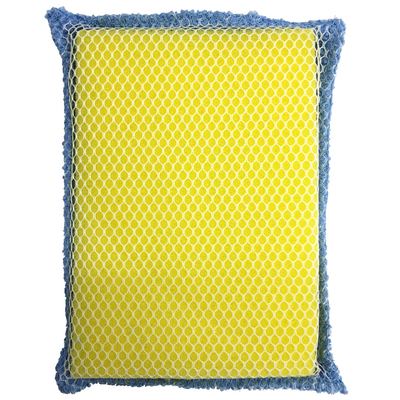
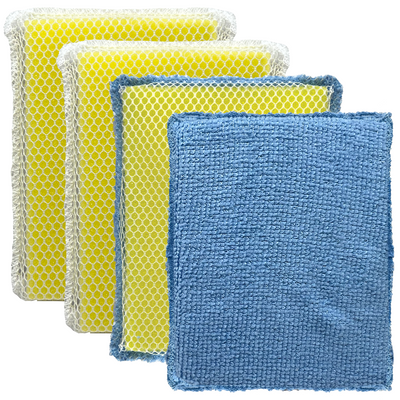
We all have that one pan we want to protect at all costs. For non-stick, ceramic, and other coated surfaces, using an abrasive tool is a recipe for scratches and damage. Instead, reach for non-abrasive sponges. These are designed to be tough on burnt-on messes but gentle on your cookware’s delicate finish. They work perfectly with cleaning pastes, like the baking soda method, allowing you to scrub vigorously to lift stains without creating a single scratch. This way, you preserve the integrity of your pan’s surface while getting it spotlessly clean.
For Hard-to-Reach Spots, Try a Detail Brush
Burnt residue loves to hide in tricky places, like around the handle rivets or along the rim of a pot. A sponge just can’t get into those tight corners effectively. This is where detail brushes come in handy. A good pot and pan brush with sturdy bristles can get into every nook and cranny, scrubbing away the grime that other tools leave behind. Look for one with a comfortable grip and durable bristles that can stand up to some serious scrubbing, ensuring no spot is missed and your pot is clean from every angle.
How to Clean Burnt Pots Safely
Before you start scrubbing away that stubborn, burnt-on mess, let’s talk about safety. Taking a few simple precautions will protect your favorite cookware and keep you safe during the cleaning process. It’s easy to get frustrated and grab the most aggressive tool you can find, but a little patience and the right approach will give you much better results without ruining your pots and pans. Think of it as setting yourself up for success from the very beginning. These quick tips will ensure your cleaning session goes smoothly and your cookware lives to see another meal.
Protect Coated Pans from Harsh Abrasives
If you're dealing with a non-stick or ceramic-coated pan, be gentle. Using metal utensils, steel wool, or other harsh abrasives can scratch and permanently damage the delicate surface. A damaged coating not only loses its non-stick properties but can also flake into your food. Instead, always reach for softer tools like a nylon brush or a non-abrasive sponge. These will help you clean effectively without compromising the integrity of your pan. Remember, the goal is to remove the burn, not the coating along with it.
Always Keep Your Kitchen Well-Ventilated
Some of the most effective cleaning methods involve ingredients that can create strong odors, like boiling vinegar. While these fumes aren't typically harmful, they can be unpleasant and irritating. Before you begin, open a window or turn on your kitchen's exhaust fan. This simple step ensures good airflow, helping to dissipate any strong smells quickly and keeping your kitchen air fresh and comfortable. It makes the entire process much more pleasant, especially if you're sensitive to strong scents.
Re-Season Your Cast Iron After Cleaning
Cast iron is a kitchen workhorse, but it needs special care. Using soap, acidic cleaners like vinegar, or aggressive scrubbing can strip away the pan's "seasoning," which is the protective layer of baked-on oil that gives it a non-stick surface. If you’ve had to give your cast iron a deep clean, it’s essential to re-season it afterward. This involves applying a thin layer of cooking oil and heating the pan to restore its protective coating. Properly maintaining the seasoning will prevent rust and keep your skillet in top cooking condition for years.
Stovetop Re-seasoning Method
This is a quick and easy way to restore your pan’s seasoning right on the stove. After you’ve cleaned the pan and it’s completely dry, place it over low heat. Add a very small amount of a neutral cooking oil, like vegetable or canola oil—just a teaspoon is plenty. Use a paper towel to rub the oil into the entire inner surface, creating a super thin, even coat. Now, turn the heat up to medium-high and wait for the pan to start smoking slightly. This is the sign that the oil is polymerizing, or bonding to the iron. Once it smokes, turn off the heat, let it cool completely, and wipe out any excess oil. This simple process is key to properly maintaining your cast iron.
Oven Re-seasoning Method
For a more thorough, even seasoning that covers the entire pan, the oven method is your best bet. Start by preheating your oven to 375°F. While it heats, apply a very thin layer of cooking oil to every surface of your clean, dry skillet—inside, outside, and the handle. Buff it with a clean paper towel until it looks dry; you want a micro-thin layer. Place the skillet upside down on the middle oven rack, with a sheet of foil on the rack below to catch any potential drips. Let it bake for one hour, then turn the oven off and allow the pan to cool down completely inside the oven. This creates a durable, non-stick finish that will last.
Rinse Thoroughly Before You Cook Again
This might seem obvious, but it’s a critical final step. After you’ve successfully cleaned your pot, make sure you rinse it extremely well with clean water. No matter what cleaning agent you used, from baking soda to a dishwasher tablet, you want to remove every last trace of it. Any leftover residue could affect the taste of your next meal or, worse, be unsafe to ingest. A thorough rinse ensures your pot is truly clean and ready for cooking.
How to Prevent Your Pots from Burning
Of course, the easiest way to deal with a burnt pot is to avoid the mess altogether. While kitchen mishaps happen to everyone, a few simple adjustments to your cooking routine can save you a lot of future scrubbing. Taking care of your cookware not only makes cleanup easier but also helps your pots and pans last longer. Think of it as the best defense against future kitchen disasters. By being mindful of heat, oil, and space, you can keep your focus on making delicious food, not on scraping burnt bits off your favorite pan.
Master Your Stove's Temperature Control
One of the most common reasons food burns is simply because the heat is too high. It’s tempting to crank up the dial to speed things up, but patience is your best friend here. Most recipes cook best over medium heat, which allows food to cook through evenly without scorching the bottom of the pan. To prevent burning, try cooking on lower heat settings and stirring frequently, especially with sauces or stews, to ensure there is enough liquid in the pot. A good rule of thumb is to let your pan preheat for a minute or two before adding any food. This helps create a more even cooking surface and reduces the chances of sticking.
Choose the Right Cooking Oil for the Job
Not all cooking oils are created equal. Every oil has a "smoke point," which is the temperature at which it starts to break down and burn. Using an oil past its smoke point will not only give your food a burnt taste but will also create a sticky, hard-to-clean residue on your pot. For high-heat cooking like searing or frying, choose an oil with a high smoke point, such as avocado, canola, or grapeseed oil. For lower-heat sautéing and baking, olive oil is a great choice. Understanding the smoke points of cooking oils can make a huge difference in preventing burnt-on messes and keeping your cookware in top shape.
Don't Overcrowd the Pan
Giving your food some personal space in the pan is crucial for both flavor and cleanup. When you overcrowd a pot, the food tends to steam rather than sear because the pan's temperature drops too quickly. This excess moisture can cause food to stick and burn as it cooks. To get that perfect golden-brown crust and avoid a sticky situation, it’s always better to cook in batches. It might take a few extra minutes, but your food will cook more evenly, and you’ll be rewarded with a pot that’s much easier to clean when you’re done.
Clean Messes as Soon as Possible
It’s tempting to leave a dirty pot in the sink to “soak,” but letting a burnt mess sit only makes it harder to clean. The longer that residue has to cool and harden, the more elbow grease you’ll need to get it off. Instead, try to tackle it while the pot is still warm. After you’ve transferred your food, fill the pot with hot water and a squirt of dish soap. Let it sit on the stove (with the heat off) while you eat. By the time you’re done with your meal, the heat and soap will have loosened most of the grime, making cleanup much easier with a good scrub sponge.
Invest in Quality Cookware
Have you ever noticed that food seems to burn in the same spot in your pan every time? That’s likely due to a hot spot caused by thin or poor-quality material. Investing in good cookware with a heavy, multi-layered bottom can make a world of difference. These pots and pans distribute heat more evenly across the cooking surface, which significantly reduces the risk of scorching. While quality cookware can be an upfront expense, it pays for itself over time with better cooking results and far less time spent scrubbing away burnt-on disasters. It’s a simple change that can transform your cooking experience.
Use a Flame Tamer for Gas Stoves
If you cook with a gas stove, you know how direct and intense the flame can be. This can easily lead to hot spots and burnt food, especially when you’re simmering sauces or making delicate dishes. A flame tamer is a simple, inexpensive metal disk that you place over the burner, under your pot. It acts as a buffer, diffusing the direct heat from the flame and distributing it more evenly across the bottom of the pan. This simple tool gives you greater control over your cooking temperature and helps prevent the scorching that gas flames can cause, ensuring your food cooks gently and uniformly.
Is It Time to Replace Your Burnt Pot?
Sometimes, no matter how much elbow grease you put in, a pot is simply past its prime. While our cleaning methods can work wonders on burnt-on food, they can't fix permanent damage like warping or deep scratches. Continuing to use a compromised pot isn't just frustrating (hello, unevenly cooked food!), it can also be a safety concern. Knowing when to say goodbye is just as important as knowing how to clean, so you can keep your kitchen safe and your meals delicious.
Think of your pots and pans as trusted tools in your kitchen. Like any tool, they wear out over time, especially after a serious burn incident. While a good heavy-duty scourer can handle the toughest messes, it can't repair a warped bottom or a peeling surface. Pushing a damaged pot too far can lead to ruined meals and can even be unsafe if the material starts breaking down into your food. It's better to invest in new cookware than to risk a cooking mishap. So, before you spend another hour scrubbing, take a moment to inspect your pot for a few key signs of irreversible damage. Here are the two biggest red flags to watch for.
Check for Signs of Warping or Pitting
A perfectly flat pot is key to even cooking. When a pot warps, its bottom becomes uneven, causing it to wobble on the stovetop. This creates hot spots where food burns and cool spots where it remains undercooked. You can easily check for warping by placing your pot on a flat counter. If it rocks back and forth, it’s time for a replacement. Another issue to look for is pitting, which appears as tiny holes or rust spots on the surface. This kind of damage means the metal is breaking down and can no longer provide a safe, reliable cooking surface. While a good scrub brush can clean the surface, it can't fix the underlying structural damage.
Watch Out for a Flaking Non-Stick Coating
Non-stick pans are fantastic until the coating starts to fail. If you see scratches, peeling, or flaking on the surface, it's a clear signal to stop using that pan immediately. Once the coating is compromised, it loses its non-stick properties, which means your food will stick and burn more easily. More importantly, those little flakes of coating can end up in your food, which is something nobody wants. To extend the life of your next non-stick pan, always use gentle, non-abrasive sponges for cleaning and avoid metal utensils. But once the damage is done, the only safe solution is to replace the pan.
Related Articles
- How to Clean Scorched Pots and Pans in Minutes
- Stainless-Steel SOS: Your Pans Are Crying for Help (Here's How to Rescue Them)
- Drip Happens: How to Rescue Those Crusty Stove Pans Like a Pro!
- How to save your cast iron pans
- Dutch Oven, Dirty No More: The Ultimate Guide to Cleaning Your Cast Iron Cookware
Frequently Asked Questions
Which cleaning method should I try first? For most stainless steel pots, the boiling vinegar and water trick is a great starting point because it requires very little scrubbing. It lets the acidity do most of the heavy lifting. If you're working with a delicate non-stick or ceramic pan, always begin with the gentlest method, which is soaking it in warm water with baking soda.
Can I use steel wool on a really tough burn? I would be very careful with steel wool. It's so abrasive that it can easily leave permanent scratches on most cookware, especially non-stick, ceramic, and enamel surfaces. For seriously tough jobs on durable pots like stainless steel, a heavy-duty copper scourer is a much better choice because it can remove grime without causing deep scratches.
What about cleaning burnt-on messes on the outside of the pot? Those exterior stains can be just as stubborn. A simple paste of baking soda and water is perfect for this. Apply the paste to the burnt areas on the outside of the pot, let it sit for about 20 to 30 minutes, and then gently scrub it away with a non-abrasive sponge. This should lift the stains without damaging the pot's finish.
Is it possible to burn a pot so badly that it can't be saved? Yes, it definitely is. While you can clean off most burnt food, you can't fix structural damage. If the bottom of the pot has warped and no longer sits flat on the stove, or if you see tiny pits and holes in the metal, it's time to let it go. A damaged pot won't cook your food evenly and can even be unsafe to use.
How do I get rid of the lingering burnt smell after cleaning? That smoky smell can really stick around. A great way to neutralize it is to simmer a mixture of water and a few lemon slices in the clean pot for about 15 minutes. The steam helps deodorize both the pot and your kitchen. Afterward, just give it a final rinse, and it should smell fresh and clean.











Comments